

Global Hemostatic Gel Market Size and Forecast – 2026 To 2033
The global hemostatic gel market is expected to grow from USD 842.6 Mn in 2026 to USD 1,421.8 Mn by 2033, registering a compound annual growth rate (CAGR) of 7.8% from 2026 to 2033. The market for hemostatic gel is poised for significant expansion, fueled by the substantial rise in surgical procedures globally.
According to the Lancet Commission on Global Surgery, approximately 313 million surgeries are performed annually worldwide. The burgeoning surgical burden continues to reinforce the demand for advanced hemostatic gels that help minimize blood loss and improve patient outcomes.
(Source: Vanderbilt University Medical Center)
Key Takeaways of the Global Hemostatic Gel Market
- Combination hemostatic gels are projected to hold 46.3 % of the global hemostatic gel market share in 2026, making it the dominant product type segment, across North America due to its ability to enable the creation of an active and mechanical hemostasis during intricate operations. These products are broadly used during cardiovascular, orthopedic, and general surgery in which quick hemostasis of abundant bleeding must be assured. For instance, in September 2024, Baxter's Floseal Hemostatic Matrix received U.S. FDA clearance for expanded surgical applications. This technology uses a bovine gelatin matrix and human thrombin to achieve rapid hemostasis. (Source: Baxter)
- General surgery is projected to hold 34.8 % of the global hemostatic gel market share in 2026, making it the dominant application segment across Europe due to the enormous volume of gastrointestinal, colorectal, hepatobiliary, and abdominal operations (more than 1 million major abdominal surgeries are performed annually across Europe) in the region, where effective intraoperative bleeding control is a critical factor in patient safety and surgical efficiency. For instance, the European Directorate for the Quality of Medicines & HealthCare (EDQM) issues a technical appendix to Council of Europe Recommendation No. R (95)15, entitled "Guide to the Preparation, Use and Quality Assurance of Blood Components," which sets out common European standards for blood management and transfusion. (Source: Council of Europe)
- Hospitals are projected to hold 68.7 % of the global hemostatic gel market share in 2026, making it the dominant end user segment across North America due to high concentration of complicated surgical procedures, trauma interventions, and emergency care services performed within hospital settings in the region. The segment also benefits from favorable reimbursement policies for inpatient and outpatient surgical procedures, which facilitate the adoption of advanced bleeding management products. For instance, the U.S. Centers for Medicare & Medicaid Services (CMS) provide reimbursement for numerous inpatient surgical procedures available through the Medicare Inpatient Prospective Payment System (IPPS), making new surgical products available during an operative case. (Source: Centers for Medicare & Medicaid Services)
- North America maintains dominance with an expected share of 39.2 % in 2026, bolstered by rapid adoption of novel hemostatic technologies, and a high usage rate of minimally invasive and complex procedures. In addition, there is a strong quality standard for surgery in the region as well as increasing emphasis on reducing perioperative complications. For instance, the Joint Commission is further integrating blood management and patient safety practices into its hospital accreditation process, pushing for facilities to utilize technologies that reduce surgical blood loss and enhance clinical outcomes. (Source: Joint Commission International)
- Asia Pacific is expected to exhibit the fastest growth with an estimated contribution of 22.6% share in 2026, driven by the booming development of the tertiary healthcare sector and increasing access to surgery coupled with higher investment in the modernization of operating rooms. Increased need for an effective hemostasis and enhancement of health care systems is contributing to market growth in the region. For instance, under the Ayushman Bharat Pradhan Mantri Jan Arogya Yojana (PM-JAY) scheme, millions of beneficiaries receive secondary and tertiary surgical procedures with empaneled providers, leading to an increased number of surgical cases, thus increasing the demand for the hemostatic gel used during the procedures. (Source: National Informatics Centre)
- Growing Adoption of Hemostatic Gels in Minimally Invasive and Robotic Surgeries: The widespread adoption of laparoscopic, endoscopic, and robotic assisted surgery offers growth avenues for hemostatic gel manufacturers. Procedures under these techniques involve the difficult application of hemostasis under constricted surgery sites where standard application methods might be unsuccessful. Hemostatic gels, with ease of application and fast hemostasis, can be suitably used with the growing number of sophisticated minimally invasive procedures.
- Expansion of Hemostatic Solutions in Dental and Oral Surgery Applications: Hemostatic gels are increasing their use in dental implantology, periodontal surgery, and dental extraction because of their ability to stop bleeding efficiently and promote healing postoperatively. Increased aesthetic and restorative dental surgery are forcing medical practitioners to use simple hemostatic applications and find another niche for their growth other than the hospital surgical segment.
Segmental Insights
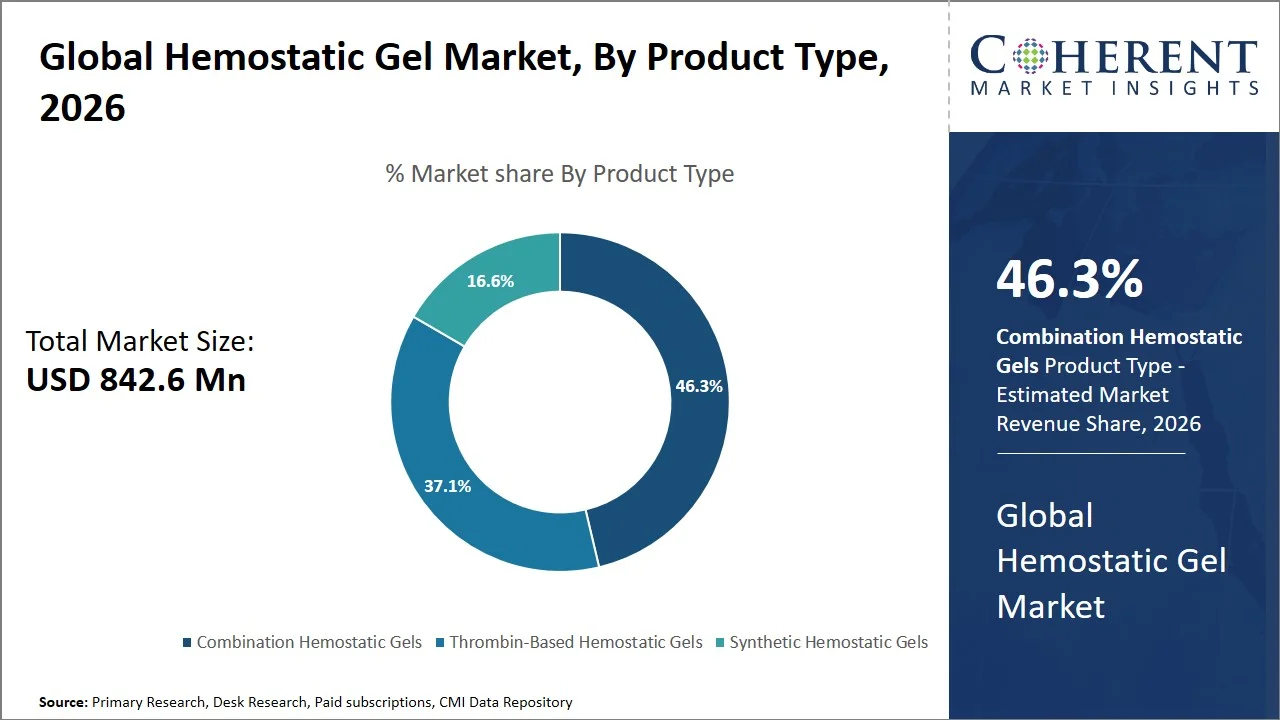
Why Do Combination Hemostatic Gels Dominate the Global Hemostatic Gel Market?
Combination hemostatic gels are projected to hold a market share of 46.3% in 2026, due to their capabilities in providing the right solution to difficult bleeding scenarios where traditional hemostatic agents are unable to manage the situation. Combination hemostatic gels combine several hemostatic pathways within one product thereby increasing surgical flow and minimizing the requirement for secondary intervention methods to achieve hemostasis. They are increasingly being adopted to manage bleeds in highly vascular tissues and hard to reach surgical sites. For instance, Ethicon's SURGIFOAM Absorbable Gelatin Sponge and SURGIFLO Hemostatic Matrix are designed to provide superior bleeding control for a wide range of surgical procedures, reflecting the trend toward multifunctional hemostats in modern hospitals. (Source: Johnson & Johnson)
- Current Industry Events of 2026
- Market Size Estimation
- Regional Breakdown
- Competitive Landscape
- Customer Intelligence
- Segmental Analysis
- Pricing Analysis
- Key Market Drivers, Challenges & Future Trends
- Customized Insights Section
Why Does General Surgery Represent the Largest Application Segment in the Hemostatic Gel Market?
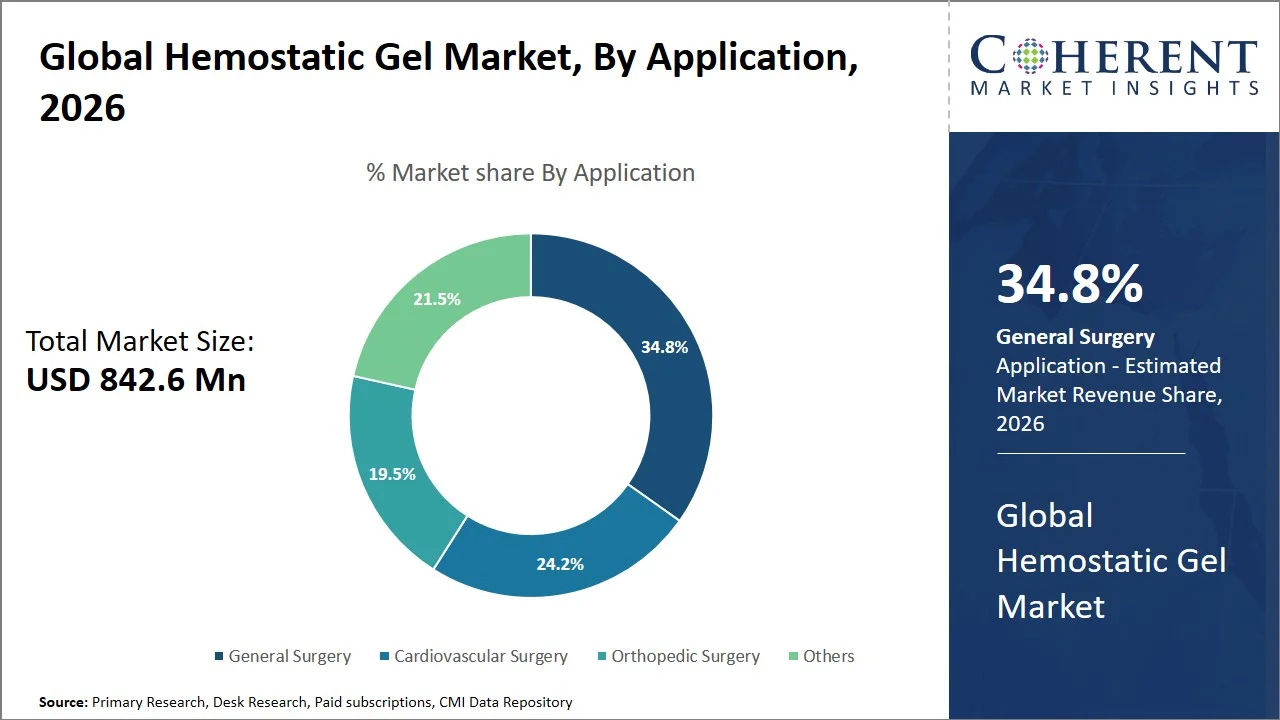
General surgery is projected to hold a market share of 34.8% in 2026, driven by the high prevalence of diffuse and capillary bleeding associated with various abdominal, gastrointestinal, hepatobiliary and colorectal surgeries. Surgeons are adopting hemostatic gels more readily to quickly control bleeding in difficult-to-suture or cauterize areas. The trend toward shortened operative times and decreased postoperative complications is also contributing to the availability of product. Their ease of application is notably beneficial in minimally invasive and complex procedures. For instance, Baxter's TISSEEL fibrin sealant acts as an adjunct to hemostasis in general surgery when mechanical and physiological means have failed or are impractical. This emphasizes the increased dependency on advanced hemostatic technologies in the operative field. (Source: Baxter)
Hospitals Segment Dominates the Global Hemostatic Gel Market
The hospitals segment is projected to hold a market share of 68.7% in 2026, as they are the epicenter of the majority of large-scale surgical operations, trauma and emergency medical procedures. The ever-increasing pressure of controlling surgical bleeding intraoperatively and enhancing surgical results has resulted in increased utilization of advanced hemostatic products in hospitals, across many specialties. Large hospital systems have established purchasing channels and availability of advanced surgical technologies. For instance, Mayo Clinic, one of the largest hospital systems in the U.S., employs a multifaceted Patient Blood Management (PBM) program, focused on minimizing blood loss and transfusion needs during operation. (Source: Mayo Clinic)
Currents Events and their Impact
Current Events | Description and its Impact |
European Society of Gastrointestinal Endoscopy (ESGE) Releases Updated Guidance on Topical Hemostatic Agents (January 2025) |
|
Continued Implementation of EU Medical Devices Regulation (MDR) 2017/745 Across Surgical Hemostasis Products (December 2025) |
|
(Source: European Society of Gastrointestinal Endoscopy, European Commission)
Hemostatic Gel Market Dynamics
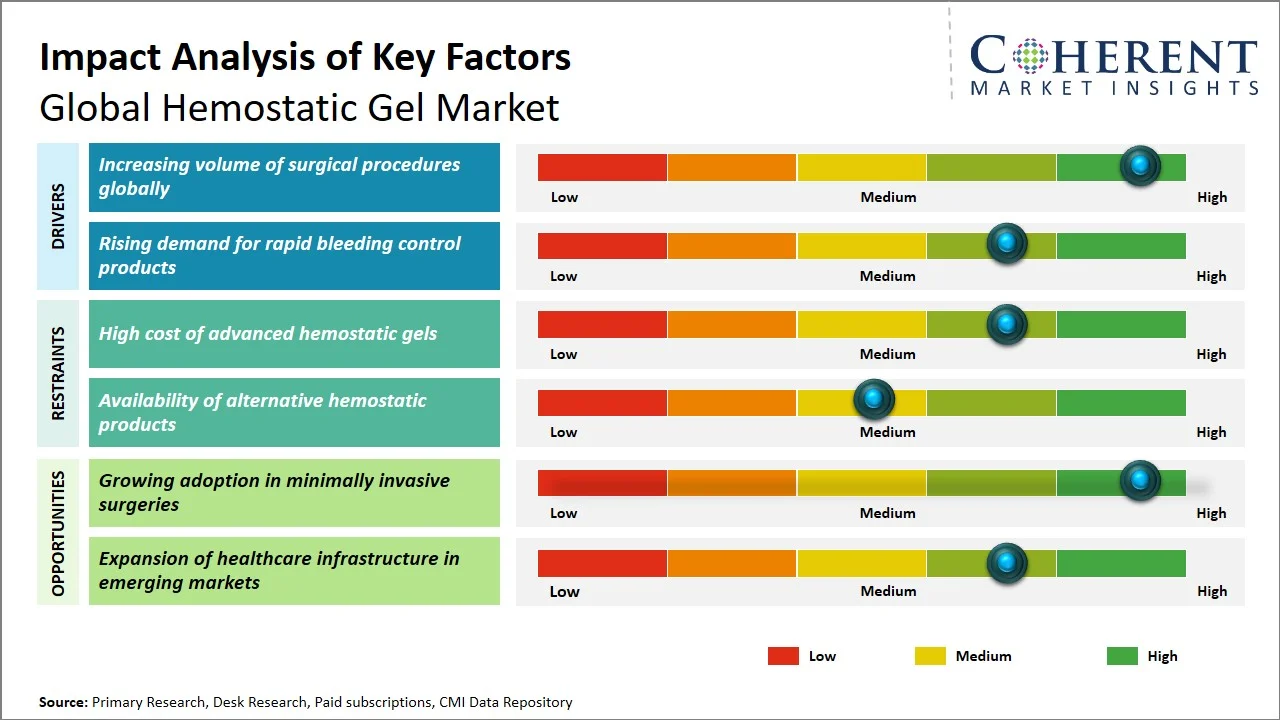
Market Drivers
- Increasing volume of surgical procedures globally: The growing number of surgical procedures being performed globally has resulted in surged demand for hemostatic gels, as medical professionals look for improved ways of achieving hemostasis during surgery, and blood transfusions that are problematic to obtain. Hemostatic gels are used frequently during procedures that are conducted on hyper vascular tissues as it allows for localized hemostasis and does not affect any structures in the immediate vicinity. They are now widely being used as hospital administrators and practitioners attempt to optimize efficiency and minimize surgical complications. For instance, according to World Health Organization, around 15% of all pregnant women will develop a potentially life-threatening complication that calls for skilled care, and some will require a major obstetrical intervention to survive. (Source: World Health Organization) This emphasizes the necessity of effective bleeding management solutions, including hemostatic gels, across surgical settings.
- Rising demand for rapid bleeding control products: The rising focus towards preventing excessive blood loss during surgeries and trauma is creating opportunities for faster bleeding control products, such as hemostatic gels. Such products are beneficial for achieving prompt hemostasis, enhancing surgical effectiveness and decreasing probability of adverse events associated with blood transfusion. In emergency medicine, trauma management and major surgical operations such products find increasing application. For instance, according to the U.S. Centers for Disease Control and Prevention (CDC), unintentional injuries are the third leading cause of death in the U.S. and account for 197,449 deaths, emphasizing the demand for effective bleeding control solutions in emergency and trauma situations. (Source: Centers for Disease Control and Prevention)
Emerging Trends
- Development of Bioengineered and Biomimetic Hemostatic Gels: In recent years, there has been increased focus on bioengineered hemostatic gels utilizing biomimetic polymers, peptides, and natural biomaterials which are capable of approximating the body's own clotting ability. These next-generation formulations show enhanced adherence, accelerated hemostasis and better biocompatibility for intricate surgical scenarios.
- Increasing Integration of Hemostatic Gels in Minimally Invasive Procedures: The widespread increase in laparoscopic, robotic-assisted, and endoscopic procedures is increasing the need for hemostatic gels, which can be readily delivered through small minimally invasive instruments. The ability to fill irregular contours of the tissue and staunch blood loss in remote surgical sites is fueling an increase in the number of applications for these gels within advanced procedures.
Regional Insights
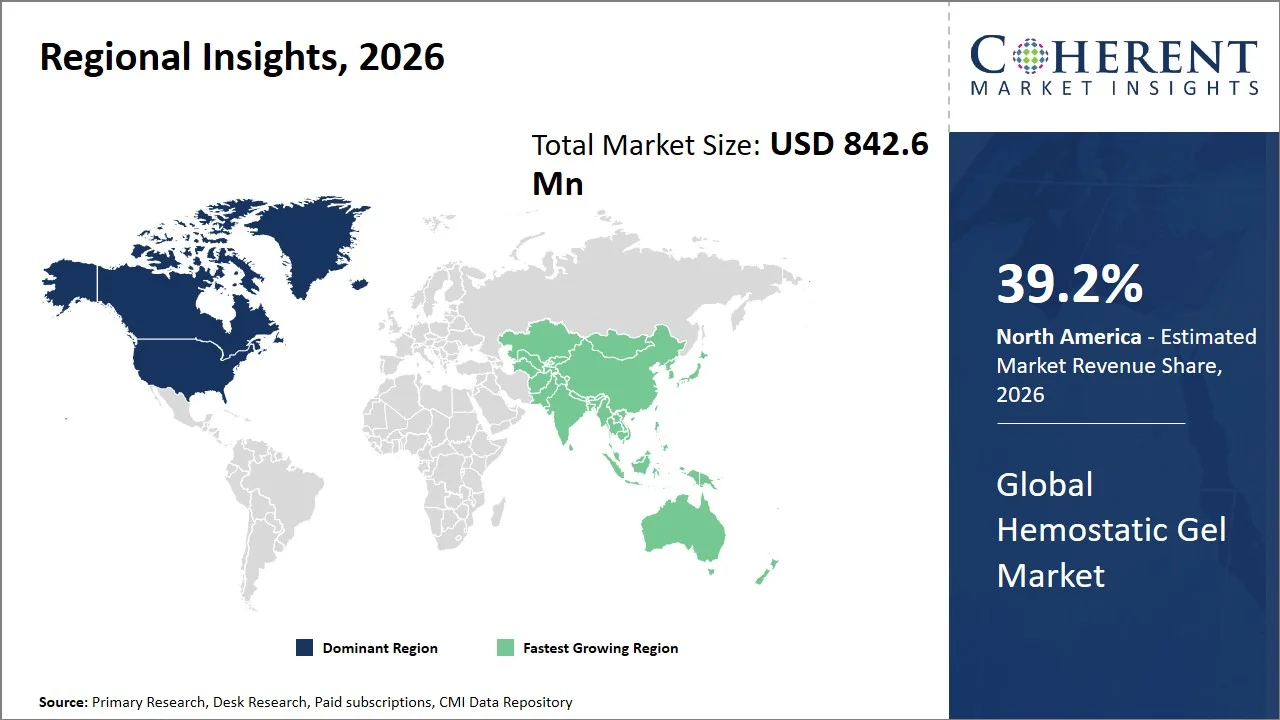
Why is North America a Strong Market for Hemostatic Gel?
North America leads the global hemostatic gel market, accounting for an estimated 39.2% share in 2026, driven by the presence of well-established healthcare infrastructure, well-equipped R&D facilities, and prominent medical device companies. The U.S. leads the way, largely due to strong government investment in healthcare technologies, favorable reimbursement policies, and a large patient population undergoing surgery and suffering traumatic injuries.
For instance, the Centers for Medicare & Medicaid Services (CMS) Hospital Outpatient Prospective Payment System (OPPS) reimburses hospitals for outpatient surgeries using Ambulatory Payment Classifications (APCs), which account for the hospital facility charges associated with procedures where hemostatic agents are utilized. (Source: Centers for Medicare & Medicaid Services) Additionally, healthcare professionals in the region focus on minimizing invasion and improving patient care which in turn leads to a demand for hemostatic gel. Furthermore, with the U.S. FDA having efficient and innovative approval procedures the country is flooded with leading hemostatic gel products thus establishing North America's dominance.
Why Does the Asia Pacific Hemostatic Gel Market Exhibit High Growth?
The Asia Pacific hemostatic gel market is expected to exhibit the fastest growth with an estimated contribution of 22.6% share to the global market in 2026, owing to rising healthcare spending, expanding surgical and trauma care services, and rising awareness on innovative wound care products across emerging countries. The increasing demand for minimally invasive surgeries, fuelled by the growing investments in the healthcare infrastructure of developing countries like China, India, Japan, and South Korea, is also contributing to the growth of the hemostatic gel market.
Additionally, government initiatives aimed at achieving better health outcomes and increasing private sector involvement stimulate quick market growth. For instance, under China's Healthy China 2030 Plan, improvements in the quality of healthcare services, expansion of hospital capabilities, and the application of new medical technologies are in the forefront. The implementation of these initiatives is promoting the use of high-technology surgical supplies, including hemostatic gels, for more efficient surgery. (Source: ScienceDirect)
Global Hemostatic Gel Market Outlook for Key Countries
Why is the U.S. Leading Innovation and Adoption in the Hemostatic Gel Market?
The U.S. is at the forefront of innovation and adoption in the hemostatic gel market due to strong adoption of the advanced hemostatic devices in a variety of cardiovascular, orthopedic, neurosurgery and minimally invasive surgical procedures for rapid control of bleeding. Further, leading global manufacturers of hemostats (such as Johnson & Johnson MedTech, Baxter International, Becton, Dickinson and Company (BD), Teleflex Incorporated, and Medcura) for surgical procedures based in the U.S. focus extensively on next generation products that offer a wide range of hemostats with enhanced adhesion, absorption, and simplified handling techniques.
Additionally, strong collaboration between surgical hemostat manufacturers, orthopedic surgeons and other healthcare providers including the medical institutions/ centers of academia help expedite product developments and ensure their successful clinical usage. For instance, Baxter reported that developing its room-temperature Hemopatch Sealing Hemostat was a direct result of collaboration with surgeons to meet clinical needs and improve patient care outcomes. (Source: Baxter)
Is Japan a Favorable Market for Hemostatic Gel?
Japan is one of the most promising markets for the hemostatic gel market due to an established use of precision surgical methods, which demands effective bleeding control for cardiac, gastrointestinal, and neurosurgery. The doctors in Japan are focused on utilizing highly functional surgical adjutants that ensure consistent hemostatic performance, biocompatibility, and applicability in sensitive areas of the body. Early acceptance of the trend toward bio-material and synthetic hemostatic solutions further contributes to an environment suitable for innovative gel solutions in advanced surgical settings.
Is China Emerging a Key Growth Hub for the Hemostatic Gel Market?
China is positioned as a key growth hub in the global hemostatic gel market driven by the rapid implementation of sophisticated surgery technologies in the tertiary hospital and specialized surgical centers. The manufacturers have boosted their investment on the biomaterial based hemostatic products, which leads to the improvement of product availability and accessibility. Increased use of Minimally Invasive, cardiovascular, and orthopedics surgery will result in persistent demand for an efficient and quick method for controlling blood, thereby boosting the development of hemostatic gel market in China.
Why Does Germany Top the European Hemostatic Gel Market?
Germany is the leader in the European market for hemostatic gel owing to its increased focus on complex surgical operations which often requires use of advanced hemostatic control products in specialties like cardiovascular surgery, orthopedic surgery and neurosurgery. Germany houses some top medical technology and research firms of the industry (such as, B. Braun SE, Bayer AG, Paul Hartmann AG, and Carl Zeiss Meditec AG) to help the growth of surgical hemostatic products and techniques. Furthermore, the hospitals in the country are a proactive adopter of high value synthetic and biomaterial-based hemostatic products, which drives the demand of high-performance hemostatic gels in operating rooms.
Is the Hemostatic Gel Market Developing in India?
The growing use of advanced surgical products at multi-specialty hospitals and private health networks is fueling up India as a potential market for hemostatic gels. Increasing use of intraoperative bleeding management techniques in orthopedic, cardiovascular and trauma and minimally invasive interventions are further adding to the demand for effective hemostatic gels. Furthermore, expansion of global medical device companies (such as Baxter International, Johnson & Johnson MedTech, B. Braun SE, and Becton, Dickinson and Company (BD)) and domestic health firms (such as Healthium Medtech and Meril Life Sciences) are leading to increased availability of advanced hemostatic technologies.
Regulatory Landscape Governing the Global Hemostatic Gel Market
Region | Authority & Classification | Approval Pathway | Key Regulatory Insight |
North America | U.S. Food and Drug Administration (FDA); Hemostatic gels are generally regulated as Class II or Class III medical devices, depending on composition and intended use. | 510(k) Premarket Notification or Premarket Approval (PMA) for higher-risk products. | U.S. FDA requires manufacturers to demonstrate safety, biocompatibility, sterility, and clinical performance before commercialization. Products containing biologically active agents may face additional review requirements. |
Europe | European Commission / Notified Bodies under Medical Devices Regulation (EU) 2017/745 (MDR). | CE Marking through conformity assessment and clinical evaluation. | MDR imposes stricter clinical evidence, post-market surveillance, and traceability requirements, increasing compliance standards for hemostatic products marketed in Europe. |
Asia Pacific | NMPA (China), PMDA/MHLW (Japan), CDSCO (India), TGA (Australia); classification varies by product composition and risk profile. | National medical device registration and local regulatory review. | Regulatory authorities are strengthening clinical evidence and quality requirements for surgical products, increasing scrutiny of imported and domestically manufactured hemostatic gels. |
Latin America | ANVISA (Brazil), COFEPRIS (Mexico), INVIMA (Colombia). | Medical device registration, technical dossier review, and quality system compliance. | Regulatory harmonization efforts are improving market access; however, country-specific approval requirements and documentation remain important barriers for manufacturers. |
Middle East & Africa | Saudi Food and Drug Authority (SFDA), UAE Ministry of Health & Prevention (MOHAP), South African Health Products Regulatory Authority (SAHPRA). | Medical device registration and import authorization pathways. | Governments are increasingly aligning medical device regulations with international standards, improving oversight of surgical products and supporting the adoption of advanced hemostatic technologies. |
How is the growing adoption in minimally invasive surgeries creating new growth opportunities in the hemostatic gel market?
The increasing demand for minimally invasive procedures is opening up new growth avenues for the hemostatic gel market, where surgeons need to control the blood loss through narrow openings without interfering with the surgical accuracy. The gels can be applied topically, are easy to use and are compatible with laparoscopic and endoscopic surgical devices, thus being well-suited for minimally invasive surgery. Their utilization also promotes decreased procedure times and a better visualization of the surgical field. For instance, EndoClot's polysaccharide-based hemostatic system has attained a wider application in endoscopy procedures for the management of gastrointestinal bleeding, illustrating the burgeoning need for sophisticated topical hemostatic technologies in the least invasive approach. (Source: Olympus America)
Market Players, Key Development, and Competitive Intelligence
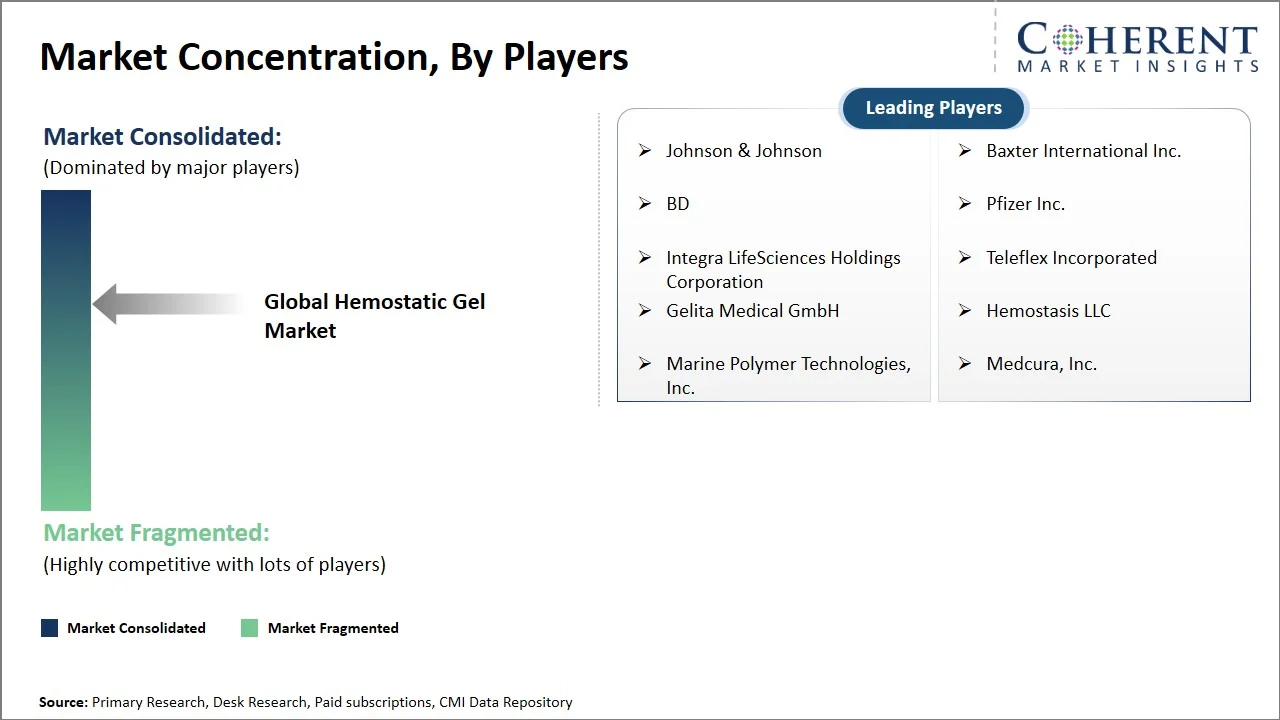
Key Developments
- In January 2025, Zomedica signed a license and supply agreement with Cresilon, Inc. for the commercialization and distribution of its VETIGEL hemostatic gel product platform in the animal health industry. The agreement allows for the international commercialization of the plant-based hemostatic gel directly and through veterinary surgical, dental, and emergency healthcare channels within the U.S. and other markets.
- In January 2025, Cresilon, Inc. announced the U.S. commercial nationwide launch of TRAUMAGEL, its plant-based, fast-acting hemostatic gel to quickly control moderate-to-severe bleeding. The U.S. FDA-cleared product is recommended for EMS agencies, first responders, emergency rooms, and trauma centers and can be used directly at the scene to gain rapid hemorrhage control. The product launch underlines the increasing need for innovative hemostatic technologies in the trauma and emergency markets.
Competitive Landscape
The global hemostatic gel market is moderately consolidated, with key players comprising of established surgical care companies, biomaterial companies and medical device manufacturers. Most companies are concentrated on the development of improved combination hemostatic gels with enhanced tissue adherence, accelerated clot formation and increased bio-compatibility. In addition to product development, market participants are endeavoring to grow their presence in the market by conducting clinical trials and diversifying their business. Key focus areas include:
- Development of combination and flowable hemostatic gels for complex bleeding scenarios
- Expansion of product applications in minimally invasive and robotic-assisted surgeries
- Strengthening clinical validation, regulatory approvals, and surgeon training programs
- Strategic partnerships and geographic expansion across emerging healthcare markets
Market Report Scope
Hemostatic Gel Market Report Coverage
| Report Coverage | Details | ||
|---|---|---|---|
| Base Year: | 2025 | Market Size in 2026: | USD 842.6 Mn |
| Historical Data for: | 2020 To 2024 | Forecast Period: | 2026 To 2033 |
| Forecast Period 2026 to 2033 CAGR: | 7.8% | 2033 Value Projection: | USD 1,421.8 Mn |
| Geographies covered: |
| ||
| Segments covered: |
| ||
| Companies covered: | Johnson & Johnson, Baxter International Inc., BD, Pfizer Inc., Integra LifeSciences Holdings Corporation, Teleflex Incorporated, Gelita Medical GmbH, Hemostasis LLC, Marine Polymer Technologies, Inc., and Medcura, Inc. | ||
| Growth Drivers: |
| ||
| Restraints & Challenges: |
| ||
Analyst Opinion (Expert Opinion)
- The future of the hemostatic gel market is extremely bright with increased number of surgeries performed globally, an increase in the number of minimally invasive surgeries performed and high demand for control of bleeding intraoperatively rapidly. An increased focus on biomaterials, synthetic sealants and the combination hemostatic formulas will lead to better efficacy and the wider usage of these hemostatic gels in varied surgical specialties. With improved patient care, decreased hospital stay time, hemostatic gels are destined to become a routine instrument in every operation room across the globe.
- The maximum opportunities will probably exist within minimally invasive cardiovascular and orthopedic surgeries, in the U.S. and China. Minimally invasive procedures in the cardiovascular and orthopedic field are characterized by limited space and a critical need for effective blood control, this will thus generate an enormous demand for complex combination hemostatic gels capable of quick clot formation, tissue adhesion, as well as a straightforward administration. Further penetration will also be fueled by increasing numbers of ambulatory surgery centers as well as large investments in surgical infrastructure in Asia Pacific.
- In order to obtain a competitive advantage, market participants should focus on the development of the next-generation combination hemostatic gels that will have a better biocompatibility, faster hemostasis and an increased ease of use during minimally invasive procedures to gain the edge. Hospitals and surgical centers partnerships, investments into generation of clinical data and growth in fast growing emerging markets will play a vital role. The firms that manage to merge product innovation, surgeon training initiatives and regulatory compliance plans will most likely lead in market presence and seize the long-term market growth opportunities.
Speak to the analyst
Want personalized insights?
Take the findings above to one of our principal consultants, or have the report rebuilt around the segments, geographies and competitors you actually track.
Market Segmentation
- Product Type Insights (Revenue, USD Mn, 2021 - 2033)
- Combination Hemostatic Gels
- Thrombin-Based Hemostatic Gels
- Synthetic Hemostatic Gels
- Application Insights (Revenue, USD Mn, 2021 - 2033)
- General Surgery
- Cardiovascular Surgery
- Orthopedic Surgery
- Others
- End User Insights (Revenue, USD Mn, 2021 - 2033)
- Hospitals
- Ambulatory Surgical Centers (ASCs)
- Specialty Clinics
- Others
- Regional Insights (Revenue, USD Mn, 2021 - 2033)
- North America
- U.S.
- Canada
- Latin America
- Brazil
- Argentina
- Mexico
- Rest of Latin America
- Europe
- Germany
- U.K.
- Spain
- France
- Italy
- Russia
- Rest of Europe
- Asia Pacific
- China
- India
- Japan
- Australia
- South Korea
- ASEAN
- Rest of Asia Pacific
- Middle East
- GCC Countries
- Israel
- Rest of Middle East
- Africa
- South Africa
- North Africa
- Central Africa
- North America
- Key Players Insights
- Johnson & Johnson
- Baxter International Inc.
- BD
- Pfizer Inc.
- Integra LifeSciences Holdings Corporation
- Teleflex Incorporated
- Gelita Medical GmbH
- Hemostasis LLC
- Marine Polymer Technologies, Inc.
- Medcura, Inc.
Sources
Primary Research Interviews
- Surgeons (general, cardiovascular, orthopedic, trauma, and neurosurgery specialists) utilizing hemostatic gels during surgical procedures
- Operating room managers and hospital procurement professionals responsible for surgical hemostatic product purchasing
- Hemostatic gel formulation scientists and biomaterials researchers involved in product development
- Clinical specialists and wound care professionals managing intraoperative and postoperative bleeding control
- Regulatory affairs professionals overseeing medical device, biologic, and combination-product compliance
- Representatives from hemostatic gel manufacturers and contract manufacturing organizations (CMOs)
Stakeholders
- Hemostatic gel manufacturers and biomaterial technology companies
- End-use Sectors
- Hospitals and multispecialty healthcare facilities
- Ambulatory surgical centers (ASCs)
- Trauma and emergency care centers
- Specialty surgical clinics
- Military and defense medical units
- Veterinary surgical facilities
- Regulatory & Health Bodies
- U.S. Food and Drug Administration (FDA) – medical devices, biologics, and combination-product approvals
- European Medicines Agency (EMA) and European Commission Medical Device Regulation (EU MDR)
- Medicines and Healthcare products Regulatory Agency (MHRA), UK
- Pharmaceuticals and Medical Devices Agency (PMDA), Japan
- National Medical Products Administration (NMPA), China
- Central Drugs Standard Control Organization (CDSCO), India
- Health Canada – medical device and surgical product regulations
Databases
- EUDAMED (European Database on Medical Devices)
- ClinicalTrials.gov
- PubMed / MEDLINE
- OECD Health Statistics
- World Bank Healthcare Infrastructure Database
- WHO Global Health Observatory (GHO)
- Hospital purchasing and healthcare utilization databases
Magazines
- Medical Design & Outsourcing
- MedTech Dive
- DeviceTalks
- Healthcare Purchasing News
- Surgical Products Magazine
Journals
- Journal of Biomedical Materials Research
- Journal of Surgical Research
- Annals of Surgery
- International Wound Journal
- Journal of Thrombosis and Haemostasis
- Biomaterials
- Advanced Healthcare Materials
Newspapers
- Financial Times – healthcare and medical technology industry developments
- The Wall Street Journal – medical device and healthcare market trends
- The New York Times (Health Section) – surgical innovation and healthcare developments
- The Guardian (Health Section) – healthcare technology and patient care updates
- USA Today (Health Section) – medical treatment and healthcare industry trends
Associations
- Association of perioperative Registered Nurses (AORN)
- American College of Surgeons (ACS)
- International Society on Thrombosis and Haemostasis (ISTH)
- European Society of Cardiology (ESC)
- Advanced Medical Technology Association (AdvaMed)
- Medical Device Manufacturers Association (MDMA)
Public Domain Sources
- World Health Organization (WHO) – surgical care, patient safety, and healthcare statistics
- Centers for Disease Control and Prevention (CDC) – wound management and healthcare utilization data
- National Institutes of Health (NIH) – hemostasis, biomaterials, and surgical research publications
- European Commission Directorate-General for Health and Food Safety (DG SANTE)
- Agency for Healthcare Research and Quality (AHRQ)
- Organisation for Economic Co-operation and Development (OECD) – healthcare expenditure and hospital infrastructure statistics
Proprietary Elements
- CMI Data Analytics Tool, Proprietary CMI Existing Repository of information for last 10 years.
Get access to 250+ pages report
Every segment, forecast, competitor profile and data table behind the analysis above — available for instant download.
- ESOMAR Member
- ISO 9001:2015 Certified
- D-U-N-S Registered
- GDPR & CCPA Compliant
Missing comfort of reading report in your local language? Find your preferred language:
Transform your Strategy with Exclusive Trending Reports
Frequently Asked Questions
The global hemostatic gel market is estimated to be valued at USD 842.6 Mn in 2026 and is expected to reach USD 1,421.8 Mn by 2033.
Combination hemostatic gels dominate due to their ability to integrate multiple mechanisms of action, such as mechanical sealing, active clot promotion, and tissue adhesion, resulting in faster and more effective bleeding control across a wide range of surgical procedures.
Hemostatic gel is a biocompatible topical agent applied to bleeding tissues during surgical or traumatic procedures to promote rapid blood clotting and achieve hemostasis.
The CAGR of global hemostatic gel market is projected to be 7.8% from 2026 to 2033.
Combination hemostatic gels utilize multiple clotting mechanisms simultaneously, improving hemostatic efficacy and reducing time to achieve bleeding control.
Advanced hemostatic gels commonly incorporate materials such as gelatin, collagen, thrombin, fibrin, chitosan, polyethylene glycol (PEG), and synthetic polymers to enhance clot formation and tissue adherence.
High cost of advanced hemostatic gels and availability of alternative hemostatic products are the major factors hampering the growth of the global hemostatic gel market.