
Global Orexin Receptor Agonist Therapeutics Market Size and Forecast – 2026 To 2033
The global orexin receptor agonist therapeutics market is expected to grow from USD 120.0 Mn in 2026 to USD 1,180.0 Mn by 2033, registering a compound annual growth rate (CAGR) of 38.6% from 2026 to 2033. The global orexin receptor agonist therapeutics market is estimated to grow at a significant rate during the forecast period due to rise in number of narcolepsy cases and subsequent rise in demand for targeted therapies for orexin deficiency.
In May 2025, an epidemiological study of representative populations in North America, Europe, and South Korea reported that narcolepsy affects a total of 42.4 persons in 100,000 people. This data indicates the worldwide patient population and the considerable unmet need of effective drugs. (Source: National Library of Medicine)
Key Takeaways of the Global Orexin Receptor Agonist Therapeutics Market
- Orexin 2 Receptor (OX2R) agonists are projected to hold 78.6% of the global orexin receptor agonist therapeutics market share in 2026, making it dominant receptor target segment. North America represents a key region for clinical advancement of orexin receptor agonists, owing to active research focused on development of selective orexin agonists. Eisai reported its Phase Ib clinical data for OX2R receptor agonist, E2086, in September 2025, based on a placebo-controlled trial conducted in the U.S and Canada, which demonstrated the improvement of daytime wakefulness in narcolepsy type 1 patients.
- Small molecules are projected to hold 91.7% of the global orexin receptor agonist therapeutics market share in 2026, making it dominant molecule type segment. Europe is contributing majorly in conducting clinical trials for next-generation orexin agonists through multinationals. A Phase II clinical trial evaluating the effectiveness of ORX750 (investigational orexin agonist) was approved in November 2026 in eight European countries such as Germany, France, Italy and Spain, to evaluate its effectiveness in narcolepsy.
- Oral is projected to hold 91.6% of the global orexin receptor agonist therapeutics market share in 2026, making it dominant route of administration segment. Europe has high growth potential owing to the advancement of investigational orexin agonists in the oral route-of-administration and the broader rise of clinical studies on sleep-wake disorders. The Phase 1b clinical development of alixorexton (ALKS 2680), an oral selective OX2R agonist for narcolepsy and idiopathic hypersomnia, is under evaluation.
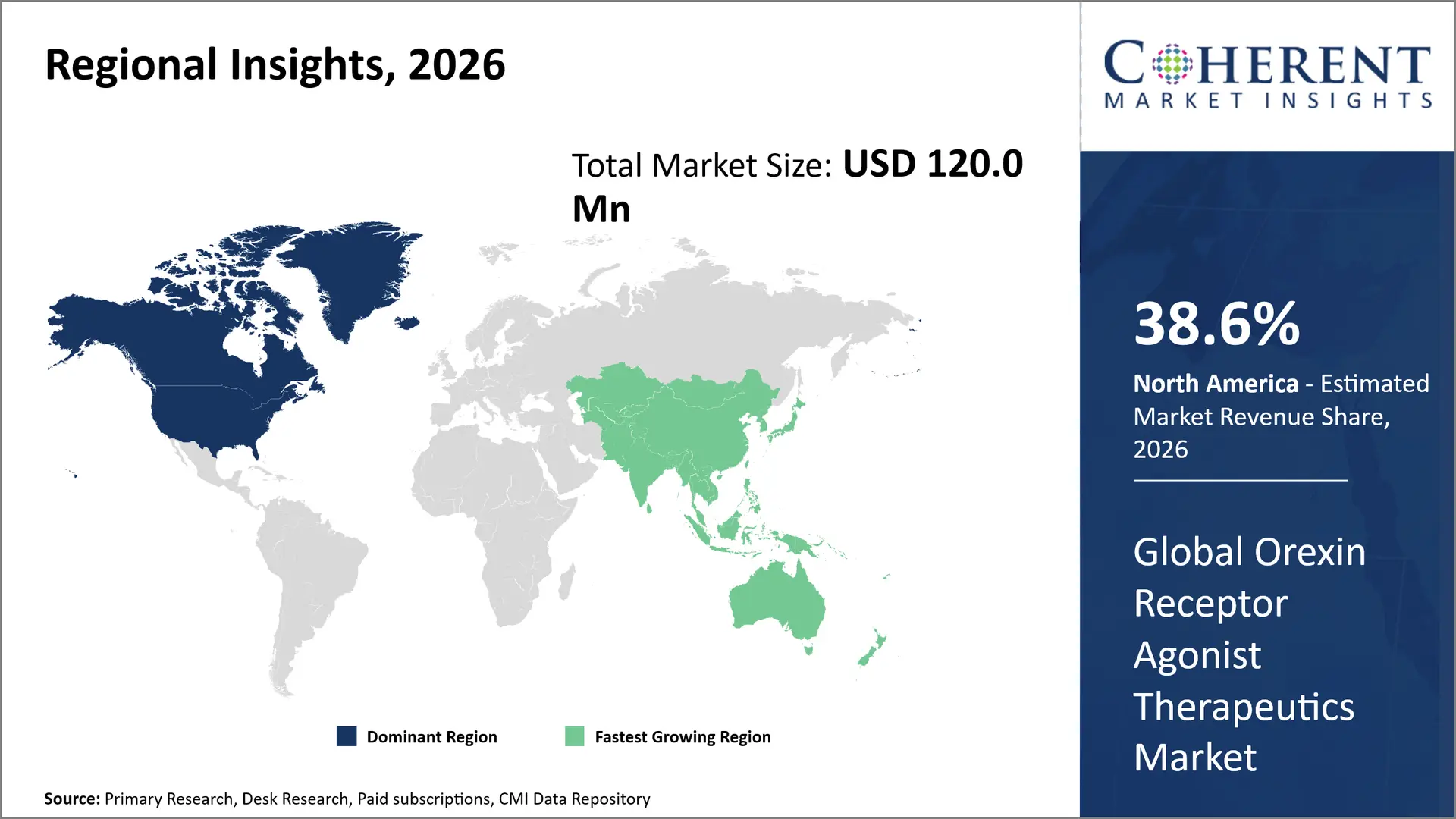
- North America market maintains dominance with an expected share of 38.6% in 2026, primarily due to strong infrastructure of clinical research, drug research & development activities, and proliferation of new orexin focused therapeutics being commercialized.
- Asia Pacific is expected to exhibit the fastest growth in the global orexin receptor agonist therapeutics market, registering an estimated CAGR of 29.8% during 2026–2033. The rising demand for diagnosis and treatment of sleep-wake disorder, improved availability of specialized neurology care, rise in funds for pharmaceutical research, and increased participation in international clinical trials is fostering the market growth.
Segmental Insights
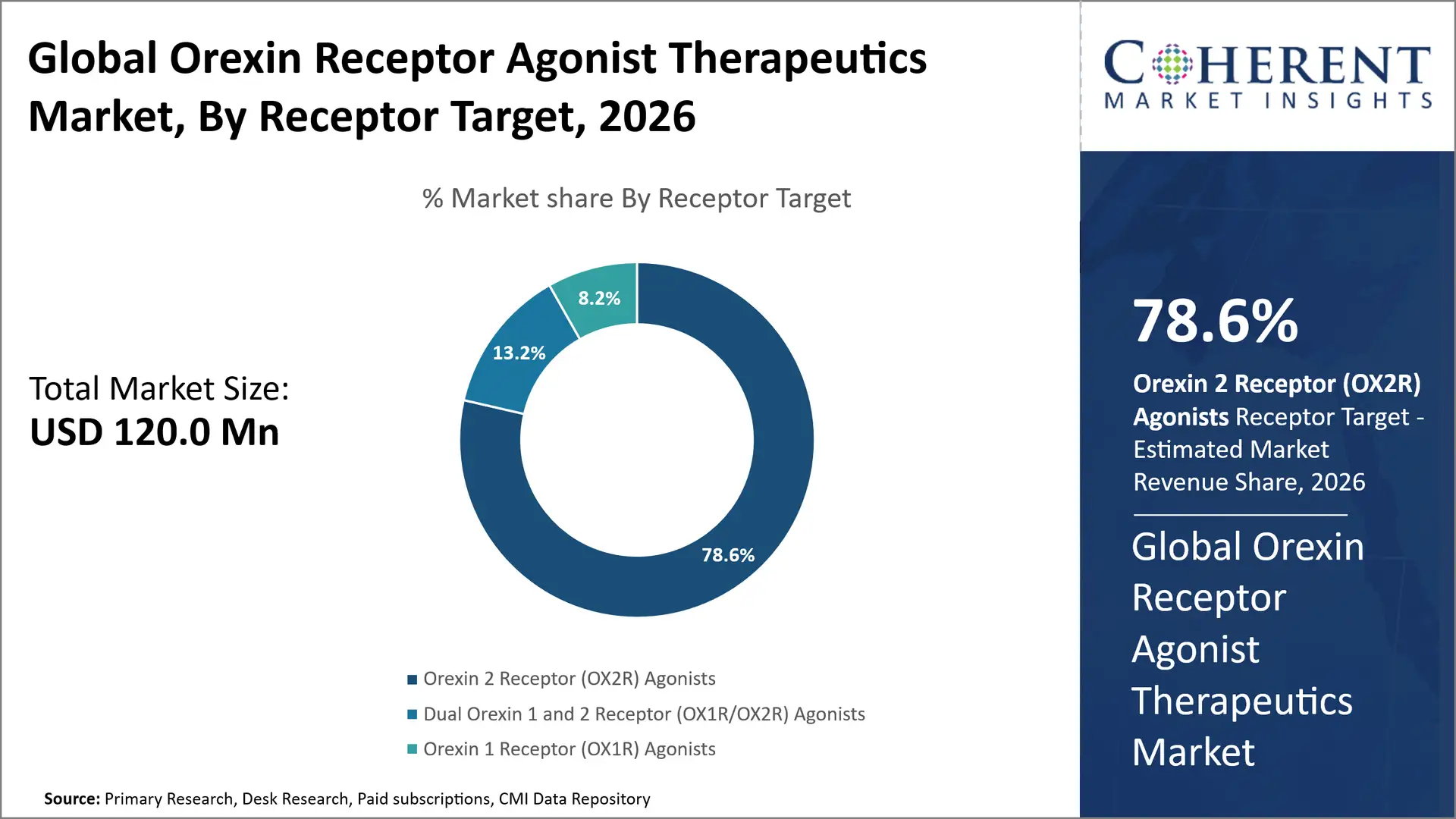
Why Do Orexin 2 Receptor (OX2R) Agonists Dominate the Global Orexin Receptor Agonist Therapeutics Market?
Orexin 2 Receptor (OX2R) agonists are projected to hold the market share of 78.6% in 2026, owing to their targeted restoration of wakefulness and the alleviation of the excessive sleepiness associated with orexin deficiency. Their selective mechanism of action is expected to catalyze the emergence of oral candidates across narcolepsy and other sleep-wake disorders. For instance,
- Current Industry Events of 2026
- Market Size Estimation
- Regional Breakdown
- Competitive Landscape
- Customer Intelligence
- Segmental Analysis
- Pricing Analysis
- Key Market Drivers, Challenges & Future Trends
- Customized Insights Section
Why Do Small Molecules Represent the Largest Molecule Type Segment in the Orexin Receptor Agonist Therapeutics Market?
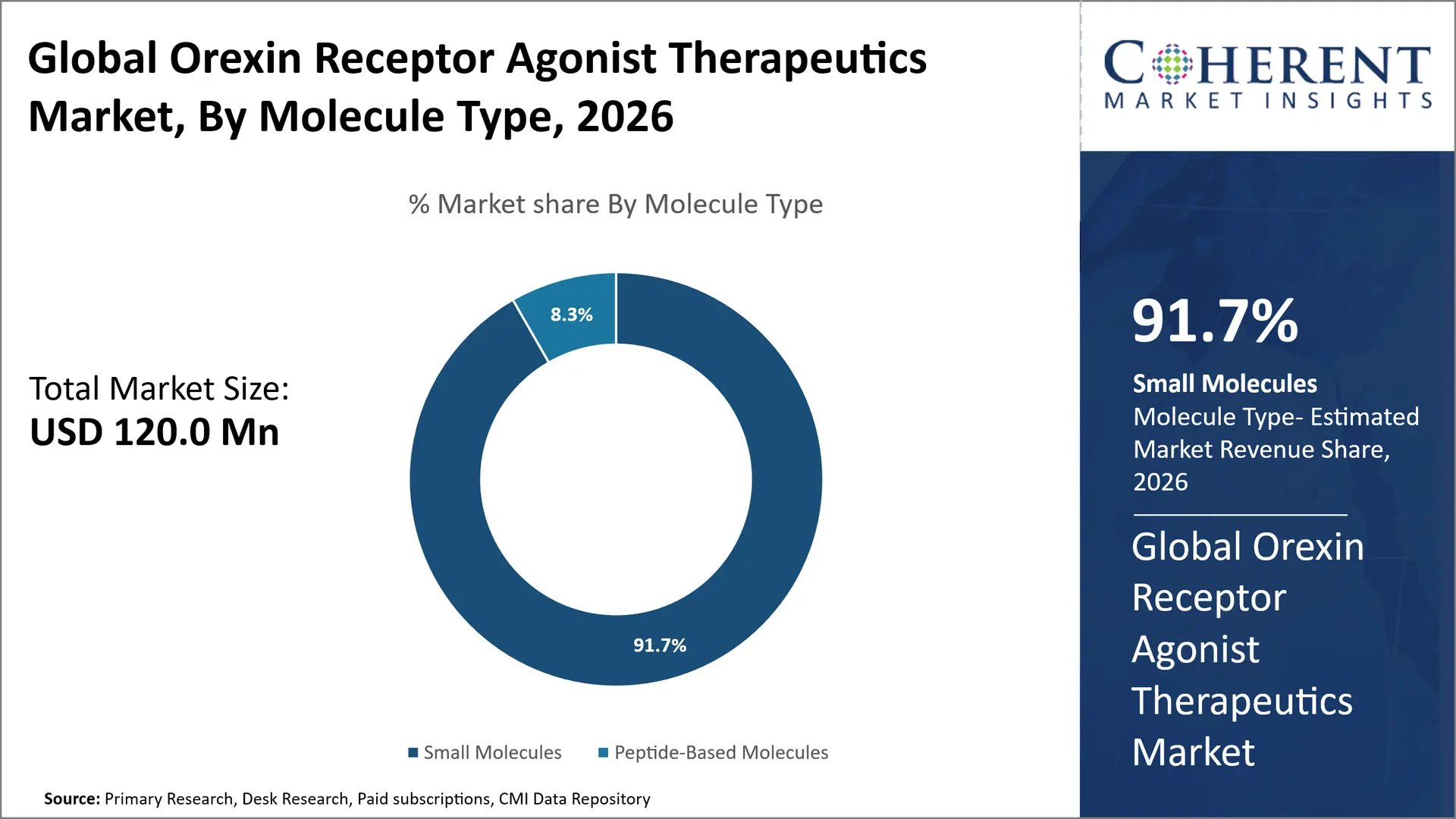
Small molecules are projected to hold a market share of 91.7% in 2026, because of their superior drug-like properties, ability to reach the brain via the blood-brain barrier and relative ease of formulation as an oral tablet. In addition, small molecules offer the chemical tractability to achieve receptor selectivity and to optimize drugs for CNS indications. For instance, in October 2026, Alkermes plc announced the initiation of a Phase II clinical trial of ALKS 7290, an investigational OX2R agonist, for the adjunctive treatment of major depressive disorder (MDD), illustrating the emergence of new small molecule orexin-targeted drugs in the therapeutic pipeline.
Oral Segment Dominates the Global Orexin Receptor Agonist Therapeutics Market
The oral segment is projected to hold a market share of 91.6% in 2026, owing to the ease of administration, comfort and ease for the patient, and ability of these products to manage long term chronic sleep-wake disorders. Additionally, advances in oral drug design are making it more feasible to deliver orexin agonist drugs to the central nervous system.
Current Events and their Impact
Current Events | Description and its Impact |
U.S. DEA Places Oveporexton Under Schedule IV of the Controlled Substances Act (November 2026) |
|
U.S. FDA Approves First Orexin Receptor Agonist for Narcolepsy Type 1 (August 2026) |
|
Orexin Receptor Agonist Therapeutics Market Dynamics
 Market Drivers
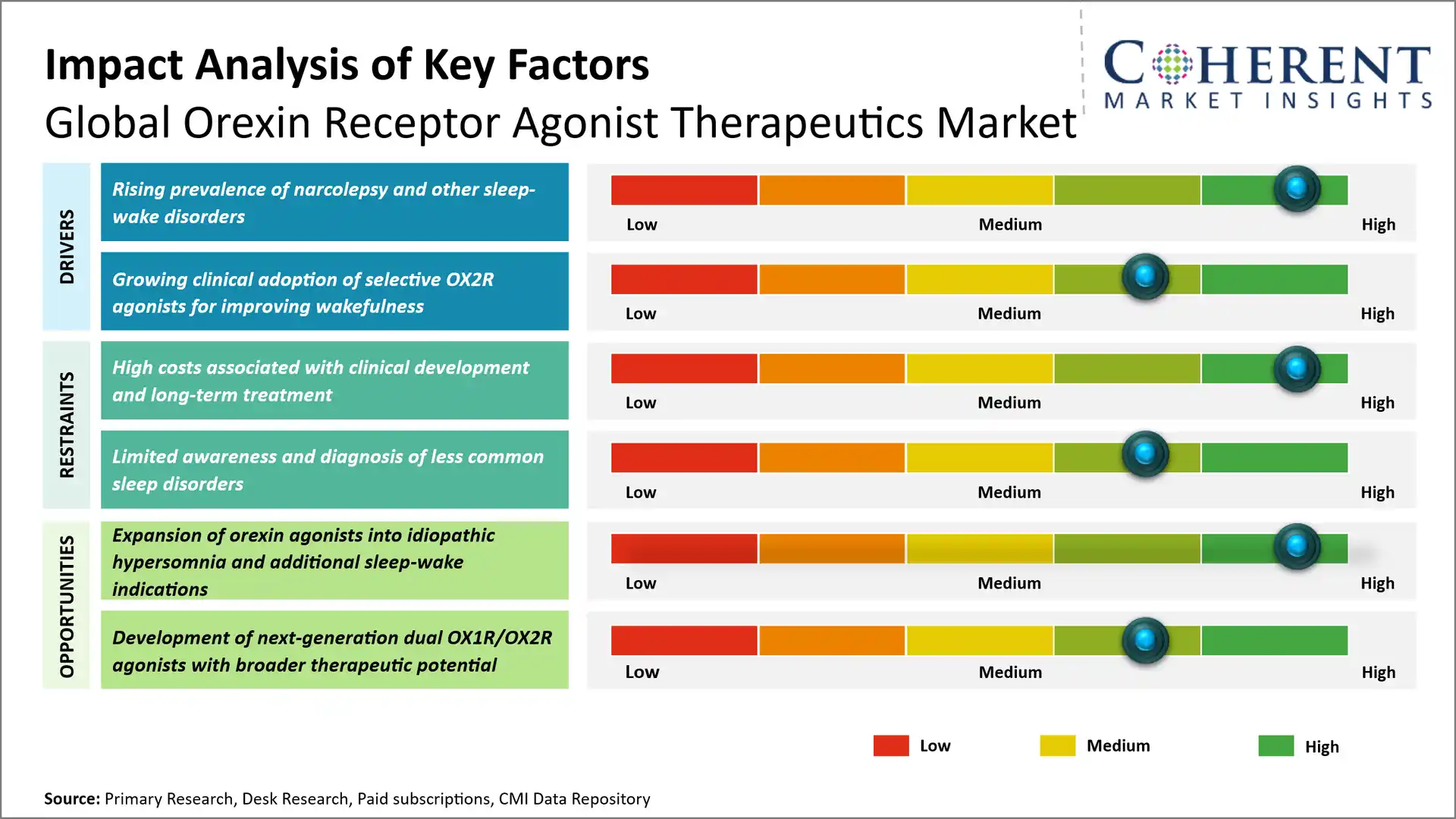
- Rising prevalence of narcolepsy and other sleep-wake disorders: The increasing prevalence of sleep-wake disorders, such as narcolepsy, is stimulating the need for specific wake-promoting therapies that can treat the severity of sleepiness. In February 2026, a population-based study of health records in the UK reported the prevalence of diagnosed narcolepsy was increasing over the study period in England. About 11,307 adults (0.020%) of the population (in 2019) were diagnosed with the disorder, highlighting the need to target improvements both in diagnosis and in treatment.
- Growing clinical adoption of selective OX2R agonists for improving wakefulness: Ox2R-selective agonists are currently in clinical development for the restoration of wakefulness through selective stimulation of the orexin signaling system. In November 2026, the European Clinical Trials Information System reported the initiation of a Phase II/III trial of cleminorexton (ORX750) in narcolepsy patients, representing continued clinical commitment to selective OX2R-based treatments.
- Increasing pharmaceutical investment in orexin-based drug development: Ongoing investment by pharmaceutical companies in orexin-focused neuroscience will see the rate of development of next generation therapeutics for sleep wake disorders and related neurological conditions accelerate. In March 2026, Eli Lilly signed a deal to acquire Centessa Pharmaceuticals, a move that will expand the pharma's neuroscience pipeline with OX2R agonists addressing narcolepsy and idiopathic hypersomnia.
Emerging Trends
- Development of Selective OX2R Agonists: Pharmaceutical companies are trying to develop selective OX2R agonists to help orexin-deficient patients regain wakefulness.
- Impact: Receptor selectivity and more selective promotion of wakefulness may lead to better treatment and better tolerability.
- Market Relevance: This focus will probably accelerate the discovery of new therapeutics for narcolepsy and other sleep-wake disorders.
- Expansion of orexin agonists into new therapeutic indications: Exploration of potential uses for narcolepsy is extending to idiopathic hypersomnia and other neurological disorders.
- Impact: Wider therapeutic application may expand the addressable patient population, and add source of pipeline diversity.
- Market Relevance: The expansion offers pharma companies the possibility to build up product portfolios and to develop orexin-based treatments for specific indications.
Regional Insights
Why is North America a Strong Market for Orexin Receptor Agonist Therapeutics?
North America leads the global orexin receptor agonist therapeutics market, accounting for an estimated 38.6% share in 2026, owing to presence of a strong ecosystem of pharmaceutical and biotech companies, high research and development expenditure, and advanced clinical research infrastructure. Accelerated assessment pathways like the U.S. FDA's priority review program for certain drugs that treat specific, targeted neurological conditions like narcolepsy, can help speed up the regulatory review process of promising new drug therapies. Moreover, enhanced protection for intellectual property, high venture capital availability, and academic-industry collaborations support the global clinical pipeline's growth.
Why Does Asia Pacific Orexin Receptor Agonist Therapeutics Market Exhibit High Growth?
Asia Pacific is expected to exhibit the fastest growth in the global orexin receptor agonist therapeutics market, registering an estimated CAGR of 29.8% during 2026–2033. The region is projected to account for 30.2% of the global market in 2026, owing to growing awareness regarding sleep-wake disorder and rising investment in healthcare access and diagnostics. Countries including Japan, China, and South Korea are expanding their investments in biotechnology and precision medicine along with use of government initiatives such as "Made in China 2025" and "regulatory reforms for facilitating clinical trial procedures. Moreover, the large number of patients population, increased investment in healthcare infrastructure, and rising focus on superior neurological solutions will open further avenues for the regional market.
Global Orexin Receptor Agonist Therapeutics Market Outlook for Key Countries
Why is the U.S. Leading Innovation and Adoption in the Orexin Receptor Agonist Therapeutics Market?
U.S. is at the forefront of innovation and adoption of orexin receptor agonists therapeutics because of presence of large number of clinical stage drug developers, expertise in neuroscience research, and systems to evaluate new therapies for narcolepsy. Additionally, selective OX2R Agonists which are being commercialized at an early stage are driving awareness among physicians, adoption, and subsequent investments in orexin-targeted therapies.
Is Japan a Favorable Market for Orexin Receptor Agonist Therapeutics Market?
Japan is an ideal country for orexin receptor agonists therapeutics driven by its expertise in sleep medicine research, developed clinical capabilities, and swift availability of new orexin-based agents. The pharmaceutical market and the specialized healthcare infrastructure in Japan is more than sufficient to support the utilization of selective OX2R agonists in the treatment of narcolepsy and other disorders of hypersomnolence. Furthermore, the accelerated commercialization of oveporexton continues to position Japan as a priority market in the Asia Pacific region.
Is China Emerging as a Key Growth Hub for the Orexin Receptor Agonist Therapeutics Market?
China is projected to emerge as a key growth hub for the orexin receptor agonists therapeutics, as the country offers a large patient population, increasing clinical research infrastructure, and a rising access to novel neurological therapies. The earliest entry of oveporexton into China has laid down an initial foundation for the development of the market. Besides, the increased awareness for narcolepsy and other sleep-wake conditions would enable a wide adoption of selective OX2R agonists.
Why Does Germany Top the European Orexin Receptor Agonist Therapeutics Market?
Germany represents an attractive European market for orexin receptor agonist therapeutics owing to the presence of a strong sleep medicine infrastructure, clinical research experience, and geographical access to specialized neurological clinics. In particular, the country has a comprehensive set of sleep centers for the diagnosis and treatment of narcolepsy and hypersomnolence conditions, which is likely to drive the uptake of orexin-based therapies. In addition, the country is participating in multiple European clinical development initiatives, which adds value to the European market.
Is Orexin Receptor Agonist Therapeutics Market Developing in France?
France is an emerging market for orexin receptor agonist therapeutics due to the presence of a strong academic and research network for sleep disorders, residential neurological sites and the ongoing activities in European clinical research. The demand to improve the diagnosis and treatment of narcolepsy and other hypersomnolence disorders is creating demand for selective OX2R agonists, but market expansion will depend on how the drugs will be reimbursed, approved for use and adopted in the broader clinical use.
Key Pipeline Candidates in the Global Orexin Receptor Agonist Therapeutics Market
Drug candidate | Developer / owner | Receptor target | Key indication(s) | Latest development stage |
Oveporexton (TAK-861) | Takeda Pharmaceutical Company Limited | OX2R | Narcolepsy Type 1 | Commercialized |
Alixorexton (ALKS 2680) | Alkermes plc | OX2R | Narcolepsy Type 1, Type 2; Idiopathic Hypersomnia | Phase III for narcolepsy; Phase II for IH |
Cleminorexton (ORX750) | Eli Lilly (Centessa subsidiary) | OX2R | Narcolepsy Type 1, Type 2; Idiopathic Hypersomnia | Phase II/III |
E2086 | Eisai Co., Ltd. | OX2R | Narcolepsy Type 1 and Type 2 | Phase II |
TAK-360 | Takeda Pharmaceutical Company Limited | OX2R | Narcolepsy Type 1, Type 2; Idiopathic Hypersomnia | Phase II |
How is the expansion of orexin agonists into idiopathic hypersomnia and additional sleep-wake indications creating new growth opportunities in the orexin receptor agonist therapeutics market?
The potential of orexin receptor agonists in idiopathic hypersomnia (IH) to address the unmet needs exemplifies the promise for developing therapies targeting the brain’s sleep-wake pathway beyond narcolepsy. Future indications could extend the addressable market and new growth markets would be a good candidate for expansion. For instance, On November 12, 2026, Japan’s Ministry of Health, Labor and Welfare updated a clinical trial registry for an open recruitment study to evaluate the safety and efficacy of TAK-360 for the treatment of idiopathic hypersomnia in adults with IH remained under recruitment following an update on November 12, 2026.
Market Players, Key Development, and Competitive Landscape
Key Developments
- On November 12, 2026, Takeda Pharmaceutical Company Limited announced the commercial launch of ORZEYFUL (oveporexton) in the U.S. ORZEYFUL (oveporexton) is the first orexin receptor agonist, prescription medicine for adults with narcolepsy type 1. The oral OX2R agonist addresses the orexin deficiency that causes narcolepsy type 1, offering a new therapeutic category that is distinct from treating symptoms alone. This is a significant milestone in the commercialization of orexin receptor agonist and is expected to further support the adoption of orexin receptor agonist in the market.
- In July 2026, H. Lundbeck A/S announced that the U.S. Food and Drug Administration (US FDA) has granted Fast Track designation to Lu AH69593, an experimental oral orexin 2 receptor (OX2R) agonist in development for the treatment of narcolepsy in phase 1b. The designation will help hasten the clinical development and expedite the regulatory review for this potential new drug, which supports the company's next generation orexin pipeline for sleep-wake disorders.
Competitive Landscape
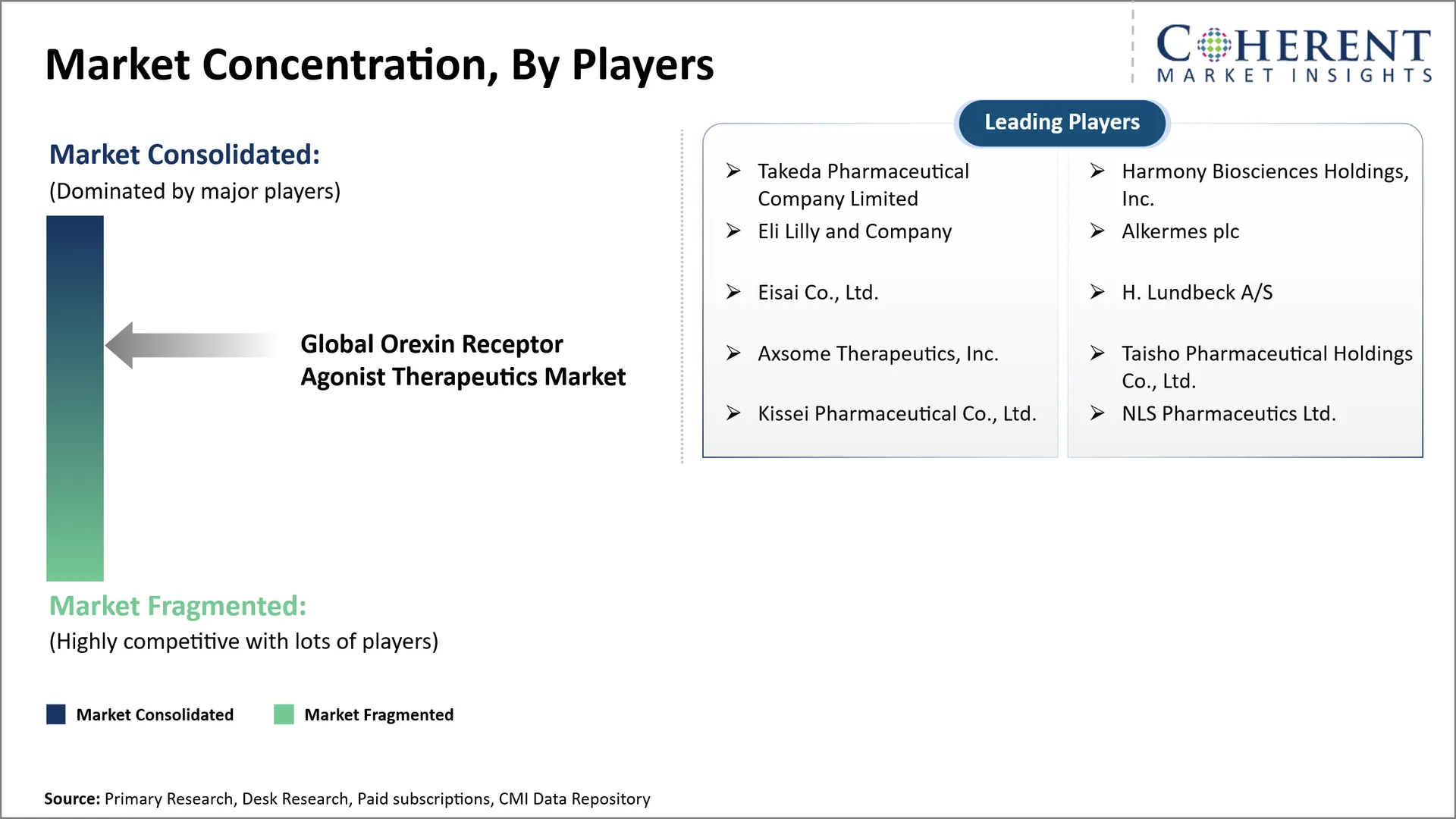
The global orexin receptor agonist therapeutics market is an emerging, innovation-based industry and is in the early stages of development. Competition in the market is largely limited to pharmaceutical companies that are currently engaged in the development of a selective orexin 2 receptor (OX2R) agonist. The companies are primarily focused on the development of orally bioavailable, brain penetrant molecules that are intended to rejuvenate the wakefulness in narcolepsy and other sleep-wake disorder patients. Competitive positioning in the industry depends on clinical phase, receptor selectivity, mechanism of action, efficacy and safety, developments in other indications, and ability to meet clinical, regulatory, and commercial milestones. Key focus areas include:
- Advance specific OX2R agonists that promote wakefulness with fewer receptor-mediated side effects.
- Development of orally bioavailable, brain penetrant small molecule formulations.
- Advancement of late-stage clinical candidates to Phase II, Phase III and regulatory filing pathways has been extensive, paving the way for speedy commercialization.
- Bolstering the evidence base, with regard to liver safety, dose duration, and persistence of wakefulness.
Market Report Scope
Orexin Receptor Agonist Therapeutics Market | |||
Report Coverage | Details | ||
Base Year | 2025 | Market Size in 2026: | USD 120.0 Mn |
Historical Data For: | 2020 To 2024 | Forecast Period: | 2026 To 2033 |
Forecast Period 2026 To 2033 CAGR: | 38.6% | 2033 Value Projection: | USD 1,180.0 Mn |
Geographies covered: |
| ||
Segments covered: |
| ||
Companies covered: | Takeda Pharmaceutical Company Limited, Harmony Biosciences Holdings, Inc., Eli Lilly and Company, Alkermes plc, Eisai Co., Ltd., H. Lundbeck A/S, Axsome Therapeutics, Inc., Taisho Pharmaceutical Holdings Co., Ltd., Kissei Pharmaceutical Co., Ltd., NLS Pharmaceutics Ltd. | ||
Growth Drivers: |
| ||
Restraints & Challenges: |
| ||
Analyst Opinion (Expert Opinion)
- The global orexin receptor agonists therapeutics market is expected to evolve from a niche market catering to narcolepsy to a more expansive treatment class for sleep-wake disorders. Selective OX2R agonists are likely to remain the primary growth asset in this space; with idiopathic hypersomnia and narcolepsy type 2 identified as further commercial opportunities. The commercial trajectory in this space could significantly expand in the future with clinical validation in other neurological indications.
- The key near-term potential is expected to be in the market for oral OX2R agonists targeting narcolepsy type 2 and idiopathic hypersomnia, which are most promising in the U.S., Japan, and China. these three markets are particularly attractive due to their early treatment uptake, greater access to specialized sleep centres, and mature pipeline options. The Asia-Pacific region, notably Japan and China, is also likely to have significant potential for long-term growth.
- In order to gain a competitive advantage market players should focus on differentiated OX2R agonists that deliver efficacy benefits over the longer term, are easier to dose and have a good long-term safety profile. Extending clinical programs into idiopathic hypersomnia and narcolepsy type 2 could help diversify the product pipeline away from narcolepsy type 1. Moreover, investors should support efforts to deepen physician education, ramp up disease awareness, and develop market access and reimbursement strategies early, particularly in the key asian markets.
Speak to the analyst
Want personalized insights?
Take the findings above to one of our principal consultants, or have the report rebuilt around the segments, geographies and competitors you actually track.
Market Segmentation
- Receptor Target Insights (Revenue, USD Mn, 2021 - 2033)
- Orexin 2 Receptor (OX2R) Agonists
- Dual Orexin 1 and 2 Receptor (OX1R/OX2R) Agonists
- Orexin 1 Receptor (OX1R) Agonists
- Molecule Type Insights (Revenue, USD Mn, 2021 - 2033)
- Small Molecules
- Peptide-Based Molecules
- Route of Administration Insights (Revenue, USD Mn, 2021 - 2033)
- Oral
- Intravenous
- Others
- Indication Insights (Revenue, USD Mn, 2021 - 2033)
- Narcolepsy Type 1
- Narcolepsy Type 2
- Idiopathic Hypersomnia
- Other Neurological and Sleep-Wake Disorders
- Regional Insights (Revenue, USD Mn, 2021 - 2033)
- North America
- U.S.
- Canada
- Latin America
- Brazil
- Argentina
- Mexico
- Rest of Latin America
- Europe
- Germany
- U.K.
- Spain
- France
- Italy
- Russia
- Rest of Europe
- Asia Pacific
- China
- India
- Japan
- Australia
- South Korea
- ASEAN
- Rest of Asia Pacific
- Middle East
- GCC Countries
- Israel
- Rest of Middle East
- Africa
- South Africa
- North Africa
- Central Africa
- North America
- Key Players Insights
- Takeda Pharmaceutical Company Limited
- Harmony Biosciences Holdings, Inc.
- Eli Lilly and Company
- Alkermes plc
- Eisai Co., Ltd.
- H. Lundbeck A/S
- Axsome Therapeutics, Inc.
- Taisho Pharmaceutical Holdings Co., Ltd.
- Kissei Pharmaceutical Co., Ltd.
- NLS Pharmaceutics Ltd.
Sources
Primary Research Interviews
- Pharmaceutical Industry Executives
- Clinical Research and Development Directors
- Neurologists and Sleep Medicine Specialists
- Clinical Trial Investigators and Principal Investigators
Stakeholders
- Pharmaceutical and biotechnology companies developing orexin receptor agonists
- Clinical-stage drug developers
- Neurology and sleep-medicine specialists
- Clinical research and drug development organizations
- End-use Sectors
- Hospitals and Specialized Sleep Disorder Centers
- Neurology and Sleep Medicine Clinics
- Academic Medical Centers and Research Hospitals
- Specialty Neurological Care Centers
- Regulatory & Health Bodies
- U.S. Food and Drug Administration (FDA)
- National Medical Products Administration (NMPA), China
- Ministry of Health, Labour and Welfare (MHLW), Japan
- U.S. Drug Enforcement Administration (DEA)
Databases
- ClinicalTrials.gov
- Japan Registry of Clinical Trials (jRCT)
- EU Clinical Trials Information System (CTIS)
Public Domain Sources
- U.S. Food and Drug Administration (FDA) Drug Approval and Review Documents
- U.S. Federal Register
- National Institute of Neurological Disorders and Stroke (NINDS)
- Ministry of Health, Labour and Welfare (MHLW), Japan
Proprietary Elements
- CMI Data Analytics Tool, Proprietary CMI Existing Repository of information for last 10 years.
Get access to 250+ pages report
Every segment, forecast, competitor profile and data table behind the analysis above — available for instant download.
- ESOMAR Member
- ISO 9001:2015 Certified
- D-U-N-S Registered
- GDPR & CCPA Compliant
Frequently Asked Questions
The global orexin receptor agonist therapeutics market is estimated to be valued at USD 120.0 Mn in 2026 and is expected to reach USD 1,180.0 Mn by 2033.
Orexin 2 Receptor (OX2R) Agonists dominate because of their ability to restore wakefulness and reduce hypersomnolence associated with orexin deficiency.
Orexin receptor agonists are a class of drugs that activate OX1R or OX2R in order to induce wakefulness and to treat related disorders like narcolepsy.
The CAGR of global Orexin Receptor Agonist Therapeutics market is projected to be 38.6% from 2026 to 2033.
Rising prevalence of narcolepsy and other sleep-wake disorders, and growing clinical adoption of selective OX2R agonists for improving wakefulness are the major factors driving the growth of the global orexin receptor agonist therapeutics market.
High costs associated with clinical development and long-term treatment, and limited awareness and diagnosis of less common sleep disorders are the major factors hampering the growth of the global orexin receptor agonist therapeutics market.
In terms of route of administration, oral is estimated to dominate the market revenue share in 2026.