

Global Pediatric Home Healthcare Market Size and Forecast – 2026 to 2033
The Global Pediatric Home Healthcare Market is estimated to be valued at USD 51.37 Bn in 2026 and is expected to reach USD 88.61 Bn by 2033, exhibiting a compound annual growth rate (CAGR) of 8.1% from 2026 to 2033. This significant growth reflects increasing demand for specialized pediatric care services delivered in home settings, driven by advancements in medical technology and a growing pediatric patient population requiring chronic and long-term care.
Key Takeaways of the global pediatric home healthcare market
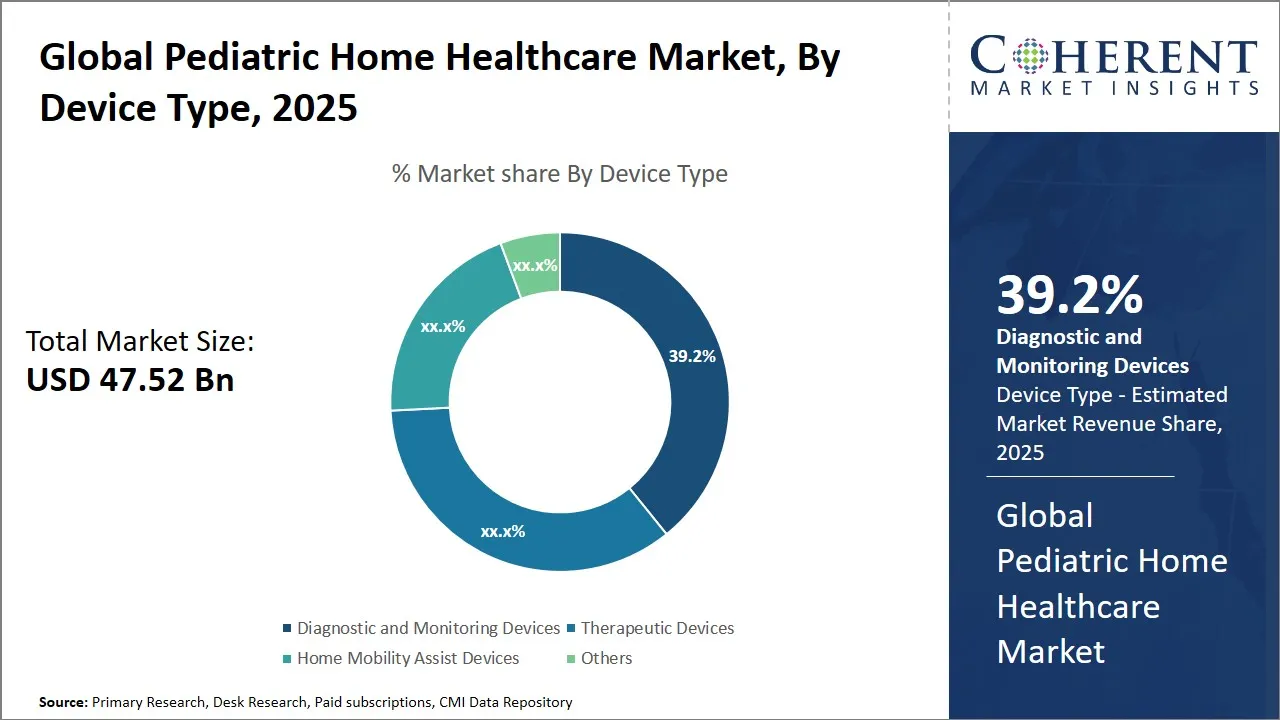
- In 2026, diagnostic and monitoring devices will hold the largest share of the global pediatric home healthcare market, accounting for an estimated market share of 40.2 %.
- When segmented by service type, skilled nursing services will lead the market with an estimated 31.1 % share in 2026.
- By age group, the neonates (0-28 days) segment is projected to dominate the market, representing 24.4 % of the total market share in 2026.
- North America is expected to lead the market, holding a share of 40.3 % in 2026. Asia Pacific is anticipated to be the fastest-growing region, with a market share of 27.2% in 2026.
Market Overview
A key market trend is the rising adoption of telehealth and remote patient monitoring technologies, which enable continuous care and real-time health management for children at home. Additionally, increased awareness among parents and caregivers about the benefits of home healthcare, coupled with a preference for personalized and cost-effective treatment options, is further propelling market expansion. The integration of innovative healthcare solutions and supportive government policies is also fostering a patient-centric approach in pediatric care.
Current Events and Its Impact
Current Events | Description and its impact |
Emmaus Life Sciences Launches Telehealth Solution for Pediatric Sickle Cell Treatment |
|
Connecticut Children’s and Xerox AI Partnership |
|
Segmental Insights
- Current Industry Events of 2026
- Market Size Estimation
- Regional Breakdown
- Competitive Landscape
- Customer Intelligence
- Segmental Analysis
- Pricing Analysis
- Key Market Drivers, Challenges & Future Trends
- Customized Insights Section
Pediatric Home Healthcare Insights, By Device Type - Diagnostic and Monitoring Devices Lead Market Share Owing to Increasing Demand for Real-Time Pediatric Health Tracking
In terms of device type, diagnostic and monitoring devices are expected to contribute the highest share of the global pediatric home healthcare market, accounting for a share of 40.2% in 2026, driven primarily by the growing emphasis on continuous real-time health monitoring for children with chronic and acute conditions. Parents and healthcare providers increasingly prefer home-based solutions that enable early detection and management of health issues without the need for frequent hospital visits, especially for vulnerable pediatric patients.
A significant factor propelling this segment is the rising prevalence of pediatric illnesses such as asthma, diabetes, and respiratory disorders, which require consistent monitoring of vital signs and biomarkers. Devices like pulse oximeters, apnea monitors, and glucose monitors have become indispensable tools for managing these conditions efficiently at home. Their non-invasive nature and user-friendly interfaces allow caregivers to monitor critical health parameters conveniently, minimizing distress linked to hospital-based diagnostic procedures.
In January 2024, Gabi SmartCare, a Belgian medtech start-up, received the USFDA certification for its digital pediatric solutions. The company will launch its connected bracelet, designed for children aged 0 to 12, and its digital platform in the U.S.
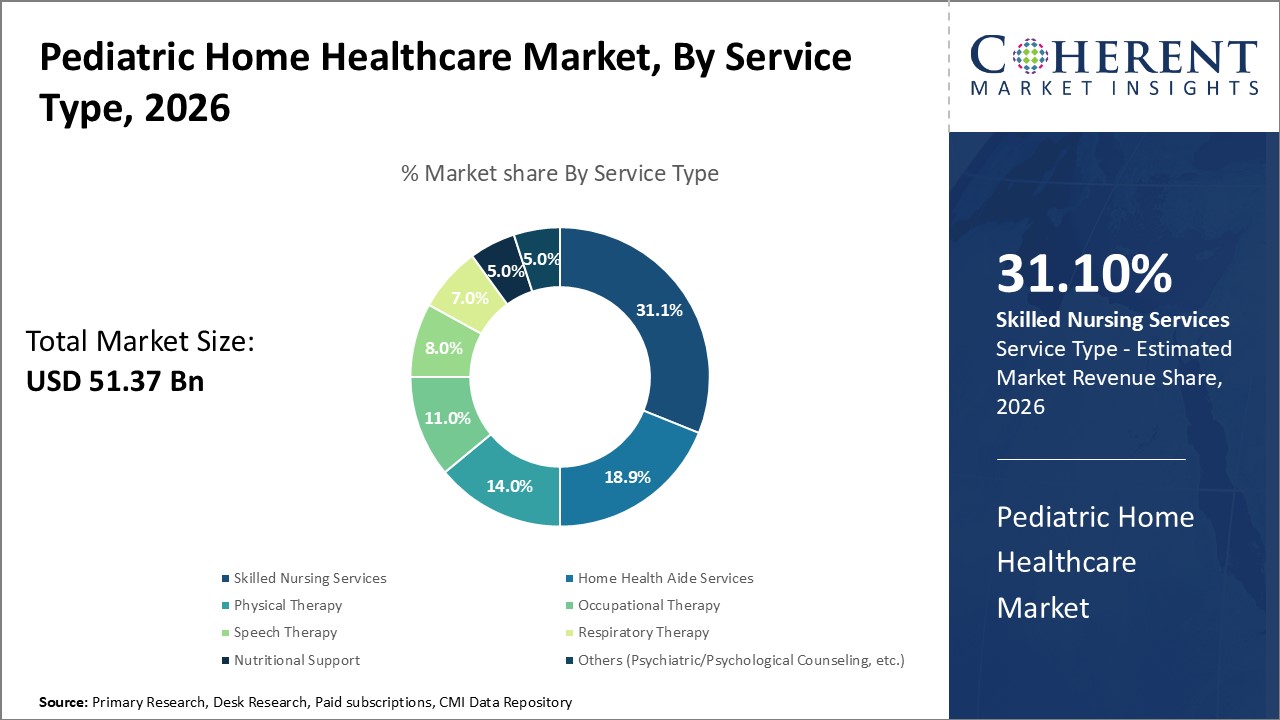
Pediatric Home Healthcare Insights, By Service Type - Skilled Nursing Services Drive Market Growth Through Personalized Pediatric Care at Home
When segmented based on service type, skilled nursing services command the largest market share with an estimated share of 31.1% in 2026 due to their critical role in delivering comprehensive medical care tailored to the unique needs of pediatric patients in a home setting. Skilled nursing encompasses specialized medical tasks such as medication management, wound care, and post-operative monitoring, which require licensed nurses to ensure patient safety and quality care.
A primary contributor to the demand for skilled nursing services is the increasing survival rate of children with complex and chronic conditions who require continuous professional medical support outside traditional hospital environments. Families increasingly prefer the familiarity and comfort of home care, where skilled nurses coordinate with physicians and therapists to implement individualized care plans. This personalized approach reduces hospital readmissions and optimizes health outcomes for children needing long-term care.
Pediatric Home Healthcare Market Insights, By Age Group - Neonates Segment Dominates Owing to Increased Focus on Early-Life Critical Care and Monitoring
In terms of age group, the neonates (0-28 days) segment is projected to hold the highest share in the global pediatric home healthcare market with a share of 24.4% in 2026, predominantly fueled by the critical need for specialized monitoring and care during this vulnerable period. Neonates, particularly premature and low-birth-weight infants, require intensive medical attention involving respiratory support and continuous monitoring, thus driving the demand for home healthcare services tailored to their unique physiological conditions.
The surge in neonatal care at home stems from advancements in neonatal intensive care unit (NICU) treatments allowing earlier discharge but necessitating ongoing home support. Parents and healthcare providers seek effective solutions such as oxygen therapy equipment, apnea monitors, and ventilators to maintain infant health and prevent life-threatening complications post-discharge. The incorporation of telehealth services further enhances remote monitoring, providing reassurance and timely clinical intervention.
Role of Artificial Intelligence (AI) in the Global Pediatric Home Healthcare Market
- Artificial Intelligence (AI) is profoundly transforming the global pediatric home healthcare market by enhancing efficiency, reducing costs, automating routine processes, and enabling data-driven decision-making. AI-powered predictive analytics allow healthcare providers to anticipate patient needs such as risk of complications or hospital readmissions, improving proactive care delivery. Personalization through AI-driven patient monitoring and tailored treatment plans elevates the quality of care for pediatric patients with chronic conditions. Automation of administrative tasks and care coordination streamlines operations, optimizes resource allocation, and reduces caregiver burden. Enhanced customer experiences arise from AI-enabled telehealth platforms and virtual assistants, providing real-time support and improving engagement. Operational improvements include AI-based census forecasting and inventory management that align services effectively with demand, reducing wastage and improving scalability. Companies like Connecticut Children’s partnering with Xerox exemplify this trend by integrating AI to improve emergency department efficiency and optimize resource management, showcasing how AI delivers tangible impact in pediatric home healthcare.
- In June 2025, S.L. Raheja Hospital, a Fortis Associate, unveiled its Artificial Intelligence (AI)-enabled Digital Positron Emission Tomography-Computed Tomography (PET CT) and 3 Tesla Magnetic Resonance Imaging (3T MRI) facilities, marking a significant advancement in pediatric and critical care diagnostics in Mumbai, India.
- Emerging opportunities driven by AI in this market include novel business models such as subscription-based remote monitoring services and AI-enabled personalized care packages. Innovation flourishes with new AI-powered diagnostic tools and wearable devices tailored for pediatric patients. Competitive advantages accrue to companies that harness AI for continuous improvement in service quality and operational agility. However, a balanced perspective is essential; while AI brings substantial benefits, challenges like data security risks, potential bias in algorithms, and high upfront costs pose valid concerns. Continuous monitoring, transparent AI governance, and integration with human expertise are crucial to ensuring AI’s benefits outweigh its drawbacks.
Regional Insights
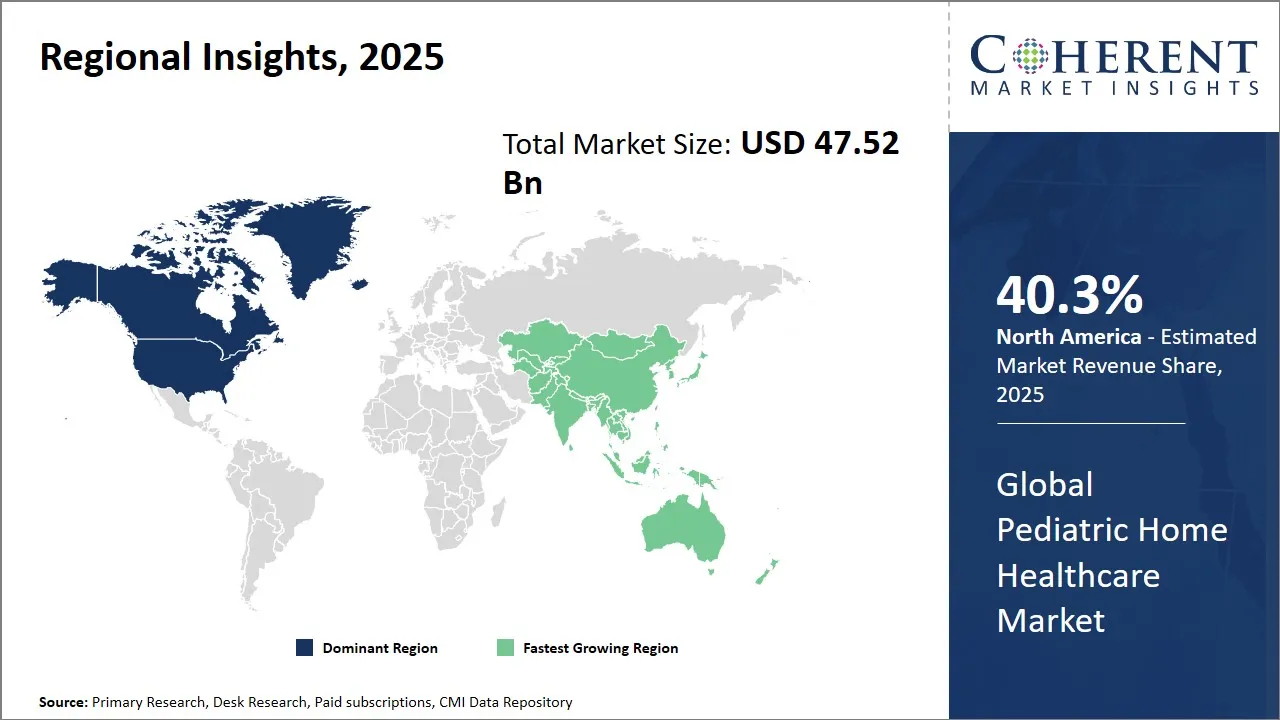
North America Pediatric Home Healthcare Market Analysis and Trends
North America’s dominance in the global pediatric home healthcare market, with an estimated share of 40.3% in 2026, is driven by a well-established healthcare infrastructure, advanced medical technology, and extensive government initiatives supporting pediatric care at home. The presence of a large pediatric patient pool with chronic conditions, coupled with rising awareness about home-based treatments, fuels the market expansion. Regulatory frameworks such as Medicaid and the Children’s Health Insurance Program (CHIP) facilitate greater access to home healthcare services.
Furthermore, significant investment by leading healthcare providers and technology companies enhances service delivery. Major players like Medtronic, Becton Dickinson, and Philips Healthcare have a strong foothold here, offering sophisticated pediatric monitoring devices and home infusion therapies. The well-coordinated collaboration between hospitals, home care agencies, and payers further strengthens the ecosystem, making North America the commanding leader in this sector.
Asia Pacific Pediatric Home Healthcare Market Analysis and Trends
The Asia Pacific region is expected to exhibit the fastest growth in the pediatric home healthcare market, with a share of 27.2% in 2026, fueled by rapid urbanization, expanding healthcare access, and increasing parental preference for home-based pediatric care. Emerging economies like India and China are witnessing numerous government initiatives aimed at improving child health outcomes, including expanding health insurance coverage and encouraging private sector participation.
The market ecosystem is evolving with a surge in healthcare startups and multinational companies partnering with local firms to introduce innovative solutions tailored to pediatric needs. Trade liberalization and improved distribution networks have enabled easier access to home healthcare devices and services.
In July 2024, Star Health and Allied Insurance launched its Home Healthcare Service across 50 cities and towns in India, with plans for further expansion. The initiative, led by Managing Director and CEO Anand Roy, is a collaboration with Care24, Portea, CallHealth, Athulya Homecare, and Argala to provide in-home medical care. The service covers various treatments for conditions like fever, acute gastroenteritis, and urinary tract infections.
Global Pediatric Home Healthcare Market Outlook for Key Countries
U.S. Pediatric Home Healthcare Market Trends
The U.S. pediatric home healthcare market benefits from its robust healthcare system and supportive policies such as the Affordable Care Act, which enhances insurance coverage for home care services. Leading companies like Medtronic and Abbott Laboratories provide advanced pediatric-specific home health devices and monitoring systems. With a focus on chronic pediatric conditions such as asthma, diabetes, and neurological disorders, the market emphasizes integrated care models combining telehealth and home nursing. The U.S. continues to pioneer innovations, including connected health platforms and caregiver training programs that elevate pediatric home healthcare quality and accessibility.
In April 2026, Kentucky Children’s Hospital, U.S. launched the Kentucky Children’s Hospital Affiliate Network, connecting community hospitals across the state to expert pediatric care. Georgetown Community Hospital, the first affiliate, joined in March 2026. The network aims to provide high-quality pediatric care closer to home, reducing travel burdens for families, particularly in rural areas.
Canada Pediatric Home Healthcare Market Trends
The Canada pediatric home healthcare market is seeing growing demand driven by the increasing preference for home-based care, especially for children with chronic conditions or requiring post-surgery care. Technological advancements, such as remote monitoring and telemedicine, are playing a key role in improving the accessibility and quality of pediatric healthcare at home. The trend is also supported by a shift in healthcare policies that emphasize reducing hospital stays and providing care within the community. Additionally, there's a growing focus on personalized care solutions, including specialized pediatric equipment and therapies tailored to the needs of children, helping improve treatment outcomes and family satisfaction.
In February 2026, Immigration, Refugees and Citizenship Canada (IRCC), the federal department responsible for immigration, refugees, and citizenship, announced new eligibility criteria for the Home Care Worker Immigration Pilots (HCWP). These will create two LMIA-exempt pathways for foreign home care workers to obtain permanent residence (PR) in Canada.
India Pediatric Home Healthcare Market Trends
India’s pediatric home healthcare market is rapidly expanding, propelled by increased government focus on maternal and child health under schemes such as Ayushman Bharat. Rising awareness among families for specialized home-based pediatric care, especially for children with respiratory and neurological conditions, supports market growth. The entry of multinational companies like GE Healthcare, alongside innovative local players such as Portea Medical, drives service availability and quality. Challenges related to rural healthcare access are being addressed through mobile health units and digital platforms, broadening the pediatric home healthcare footprint.
In July 2023, Apollo has launched Apollo Children’s, a specialized pediatric care network in India, covering over 40 hospitals and 900 dedicated beds. The network offers comprehensive care from primary to quaternary levels, supported by 400+ pediatricians across 25+ specialized areas. Apollo Children’s provides advanced treatment for pediatric and neonatal intensive care, ensuring 24/7 emergency services.
China Pediatric Home Healthcare Market Trends
China’s pediatric home healthcare market is growing rapidly due to government-led healthcare reforms aimed at strengthening primary care and home-based services. The nation’s large pediatric population and rising incidence of chronic illnesses call for expanded home healthcare solutions. The market is supported by partnerships between global companies like Siemens Healthineers and domestic firms focusing on pediatric care innovation. Extensive investment in telehealth infrastructure and favorable trade policies facilitate efficient supply chain operations for home healthcare devices, enhancing service reach and affordability.
In June 2026, Shanghai Xinhua Hospital partnered with SenseTime, a Chinese AI startup, to launch a virtual AI pediatrician. Developed using SenseTime’s medical large language model, the AI pediatrician provides diagnostic advice and enhances pediatric care in grassroots hospitals.
Market Players, Key Developments, and Competitive Intelligence
Key Developments
- In April 2025, Atrium Health launched the nation's first pediatric hospital-at-home (HaH) program at Levine Children’s Hospital in U.S. This innovative model has already reduced readmission rates and improved satisfaction. Atrium Health, a non-profit with over 40 hospitals, began offering HaH services for adults in 2020 and expanded to pediatric care in 2025. The program provides acute care at home to children under 18, supported by pediatric hospitalists, nurses, and community paramedics, ensuring seamless virtual and in-person care coordination.
- In May 2025, Care Options for Kids, a leading provider of pediatric home healthcare services, unveiled its rebranding initiative, unifying 14 healthcare organizations under one national brand. Serving over 28,000 children with a team of 3,000 clinicians, Care Options for Kids is now one of the largest pediatric home healthcare providers in the country. The rebrand introduces a modern identity and launches the COFK Compass, a philosophy focused on innovation and excellence in pediatric care.
- In April 2025, Aveanna Healthcare Holdings Inc., a leading home care platform for medically complex patients, announced its agreement to acquire Thrive Skilled Pediatric Care (Thrive SPC), a major provider of pediatric home care services across seven states. The transaction, expected to close in Q2 2025 pending regulatory approval, will expand Aveanna’s reach and introduce its specialized care model into two new states.
- In November 2024, Sunset Healthcare Solutions launched Brighter Pediatrics, a new product line focused on improving homecare therapy outcomes for pediatric patients. The line includes innovative products like pediatric NIV/CPAP masks, ventilator circuits, and the Microflow Microdial Flowmeter, designed for precise oxygen delivery to infants. Sunset, established in 2004, has expanded its product offerings to provide customized solutions for DME providers and acute care facilities, addressing the unique challenges of pediatric care.
Top Strategies Followed by Global Pediatric Home Healthcare Market Players
- Established market leaders invest heavily in research and development (R&D) to drive innovation and introduce high-performance, reliable products tailored to meet the specific healthcare needs of children. Their R&D efforts often focus on enhancing device accuracy, improving ease of use, and integrating advanced technologies such as remote monitoring and AI-driven analytics, thereby differentiating their offerings. To fortify their market position, these players typically engage in strategic partnerships or collaborations with major industry stakeholders and original equipment manufacturers (OEMs), leveraging shared expertise and resources to enhance product portfolios.
- In January 2022, Owlet and Kiddo, leading baby care companies, are expanding their remote health monitoring offerings for babies and children. Owlet, known for its wearable and video monitoring technologies, has launched the Dream Duo system, which tracks babies' sleep quality through a Dream Sock and an HD video camera. The system sends data to parents' smartphones, helping improve sleep quality for babies up to 18 months.
- Mid-level players in the pediatric home healthcare market adopt a more cost-conscious approach, focusing on delivering solutions that strike a delicate balance between quality and affordability. Recognizing the significant proportion of price-sensitive consumers within the pediatric care segment, these companies design products that meet essential healthcare requirements without the premium pricing of leading competitors. Their strategy often involves leveraging collaborations and partnerships that enhance production capabilities and technological access, enabling them to scale efficiently and improve product quality.
- In May 2023, Summer Health, a digital health startup, is revolutionizing pediatric care with its 24/7 text-based consultations with accredited pediatricians. For a monthly fee of USD 20, parents can receive quick answers to their child's health concerns within 15 minutes, covering conditions such as fever, vomiting, minor injuries, and more for children aged 0-2. Recently, Summer Health expanded its services to include specialty care, offering consultations in areas like nutrition, sleep, and lactation, further enhancing its value for families.
- Small-scale players in the pediatric home healthcare domain carve out competitive advantages by concentrating on niche areas and specialized product features that larger companies may overlook. These firms often adopt cutting-edge technologies and innovative design philosophies to create products that cater to unique pediatric conditions or unmet healthcare demands. Their agility allows them to rapidly develop and customize solutions, thereby meeting specific patient or caregiver needs.
- In April 2024, Children’s Hospital Los Angeles (CHLA) introduced a telehealth urgent care service for non-emergency conditions like minor eye issues, respiratory infections, and injuries. This service offers convenient, remote consultations for pediatric patients, aligning with the growing trend of Pediatric Home Healthcare, allowing families to access immediate care without visiting the hospital.
Market Report Scope
Pediatric Home Healthcare Market Report Coverage
| Report Coverage | Details | ||
|---|---|---|---|
| Base Year: | 2025 | Market Size in 2026: | USD 51.37 Bn |
| Historical Data for: | 2020 To 2024 | Forecast Period: | 2026 To 2033 |
| Forecast Period 2026 to 2033 CAGR: | 8.1% | 2033 Value Projection: | USD 88.61 Bn |
| Geographies covered: |
| ||
| Segments covered: |
| ||
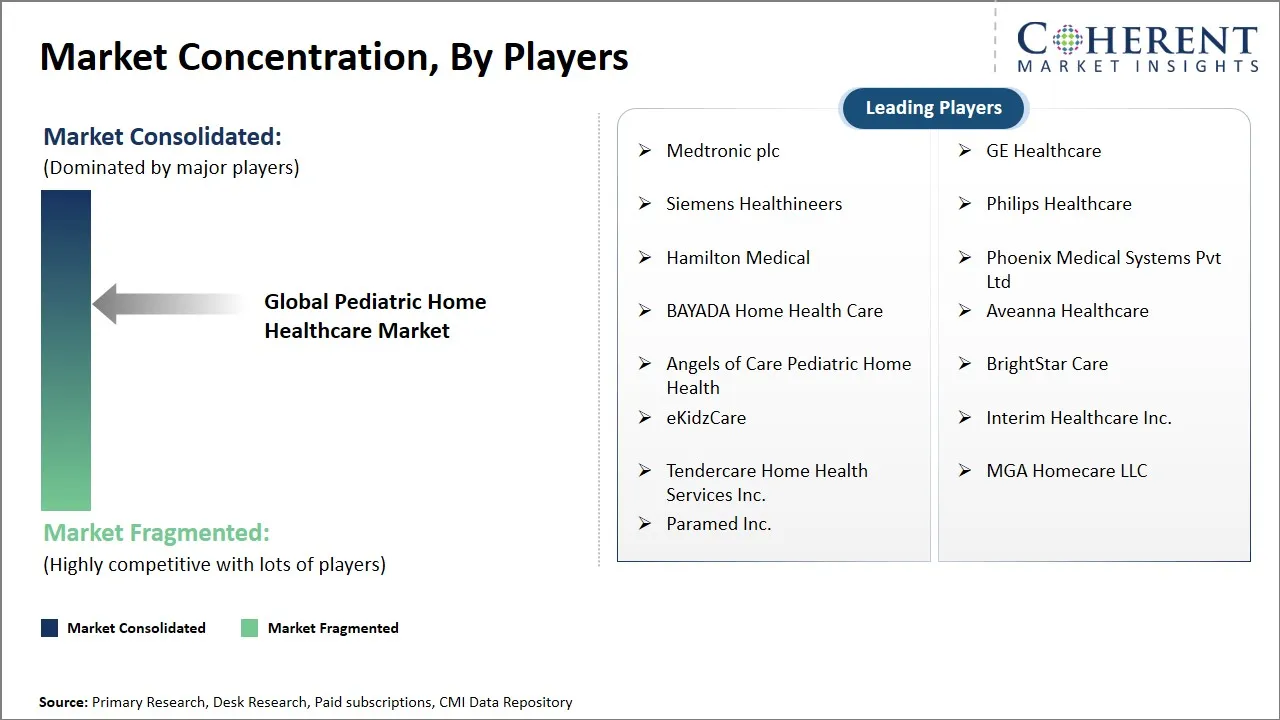
| Companies covered: | Medtronic plc, GE Healthcare, Siemens Healthineers, Philips Healthcare, Hamilton Medical, Phoenix Medical Systems Pvt Ltd, BAYADA Home Health Care, Aveanna Healthcare, Angels of Care Pediatric Home Health, BrightStar Care, eKidzCare, Interim Healthcare Inc., Tendercare Home Health Services Inc., MGA Homecare LLC, and Paramed Inc. | ||
| Growth Drivers: |
| ||
| Restraints & Challenges: |
| ||
Pediatric Home Healthcare Market Dynamics
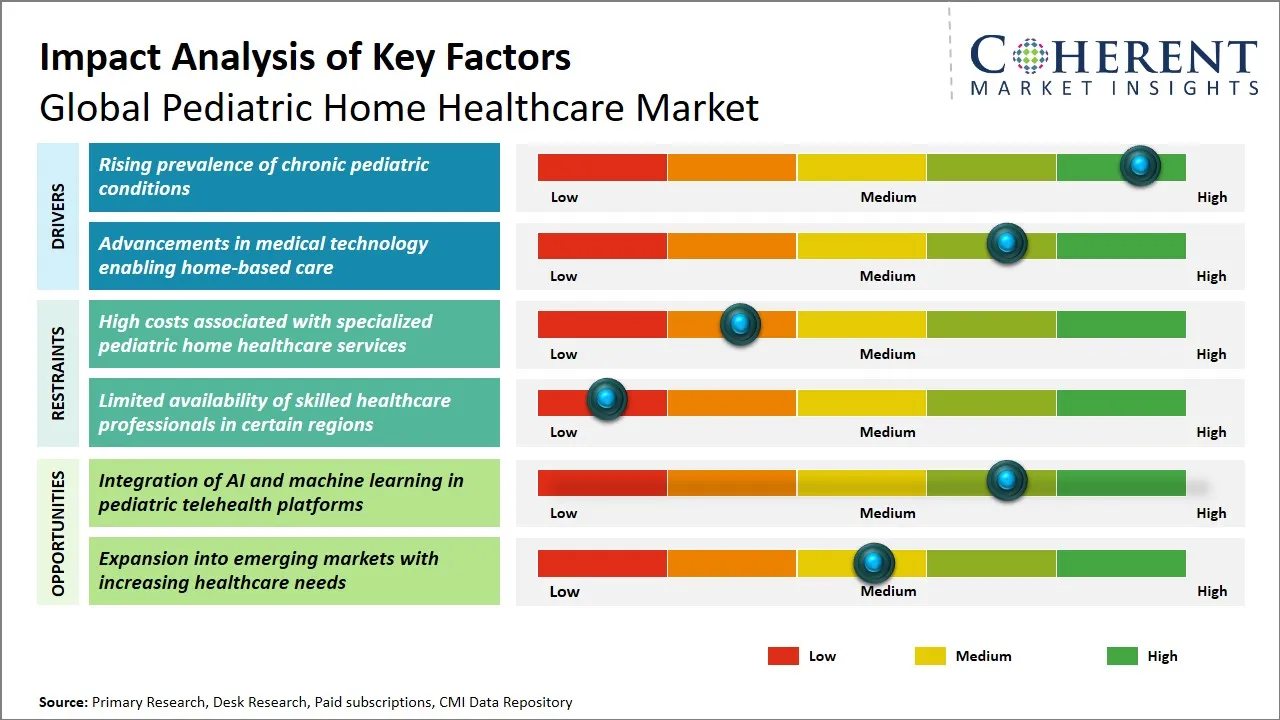
Pediatric Home Healthcare Market Driver - Rising Prevalence of Chronic Pediatric Conditions
The increasing incidence of chronic diseases among children is a significant factor propelling the demand for pediatric home healthcare services globally. Conditions such as asthma, diabetes, cerebral palsy, cystic fibrosis, and congenital heart defects require ongoing medical management, frequent monitoring, and specialized care that can be more effectively administered in a home setting. Advancements in medical technology and treatment have led to improved survival rates of children with complex conditions, thereby increasing the number of pediatric patients who need long-term care outside hospital environments. The shift towards personalized and family-centered healthcare encourages home-based services, which not only enhance the quality of life for young patients but also reduce the emotional and financial burden on families. Moreover, home healthcare provides a safer and more comfortable environment for children with weakened immune systems, minimizing their exposure to hospital-acquired infections.
In March 2025, according to UCLA Health, an advanced health care system, the prevalence of chronic pediatric conditions in the U.S. has risen to 30% in the past 20 years, affecting about 25 million young people. Conditions like Attention-Deficit/Hyperactivity Disorder autism, asthma, prediabetes, and depression/anxiety are driving this increase. Socioeconomic factors, such as lower income and education, contribute to higher rates. Despite treatment availability, the U.S. healthcare system struggles to transition youth from pediatric to adult care, increasing the risk of disengagement and worsened health outcomes. Experts emphasize the need for improved long-term healthcare engagement.
Pediatric Home Healthcare Market Opportunity - Integration of AI and Machine Learning in Pediatric Telehealth Platforms
The integration of artificial intelligence (AI) and machine learning (ML) into pediatric telehealth platforms presents a significant growth opportunity within the global pediatric home healthcare market. These advanced technologies enhance diagnostic accuracy and personalized care plans by analyzing vast amounts of patient data in real-time, enabling healthcare providers to deliver more precise and timely interventions remotely. AI-powered predictive analytics can identify early signs of chronic conditions or developmental delays, facilitating proactive management and reducing hospital readmissions. Moreover, machine learning algorithms improve the customization of treatment protocols by continuously learning from patient responses, thereby optimizing therapy effectiveness and overall care quality. The rising adoption of wearable medical devices and sensors in pediatric care complements these AI applications by continuously monitoring vital signs and transmitting data to telehealth platforms for seamless evaluation.
In February 2025, Office Practicum, a leader in pediatric technology solutions, partnered with Social Cascade to launch SocialSavvy, an AI-powered platform designed to simplify social media management for pediatric practices. The tool automates the posting of credible health content, allowing practices to stay connected with families while saving time on content creation. SocialSavvy helps pediatricians maintain consistent engagement through customizable schedules and easy sharing of their own content.
Analyst Opinion (Expert Opinion)
- The global pediatric home healthcare market is experiencing significant growth, driven by several key factors. Advancements in medical technology, including remote monitoring devices and telemedicine, are enhancing the accessibility and efficiency of care at home. This is complemented by increasing regulatory support for home healthcare services, particularly for pediatric patients with chronic conditions. Moreover, the rising demand for home-based care solutions, as parents and caregivers seek alternatives to lengthy hospital stays, is creating a fertile environment for market expansion. The growing acceptance of home healthcare, bolstered by a shift in healthcare policies and rising insurance coverage, is further accelerating the market's growth trajectory.
- However, the market faces challenges, such as high costs associated with specialized pediatric care, limited availability of skilled professionals, and data privacy concerns in telehealth. Despite these hurdles, opportunities abound with the integration of artificial intelligence and telemedicine, as well as an increasing focus on portable medical devices that enhance home-based care. Several global events have contributed to advancing the sector, such as the 2022 International Home Healthcare Summit and the 2021 Pediatric Healthcare Innovation Forum. These platforms have facilitated valuable knowledge exchange and highlighted emerging technologies and policy reforms. Real-world examples include partnerships between healthcare providers and tech companies to deliver innovative care solutions, as well as government pilot programs supporting home healthcare for children with complex medical needs.
Speak to the analyst
Want personalized insights?
Take the findings above to one of our principal consultants, or have the report rebuilt around the segments, geographies and competitors you actually track.
Market Segmentation
- Device Type Insights (Revenue, USD Bn, 2021 - 2033)
- Diagnostic and Monitoring Devices
- Pulse oximeters
- Apnea monitors
- Glucose monitors
- Telehealth kits
- Therapeutic Devices
- Ventilators and respiratory equipment
- Infusion pumps
- Nebulizers
- Oxygen therapy equipment
- Home Mobility Assist Devices
- Wheelchairs
- Walkers
- Transfer aids
- Others
- Diagnostic and Monitoring Devices
- Service Type Insights (Revenue, USD Bn, 2021 - 2033)
- Skilled Nursing Services
- Home Health Aide Services
- Physical Therapy
- Occupational Therapy
- Speech Therapy
- Respiratory Therapy
- Nutritional Support
- Others (Psychiatric/Psychological Counseling, etc.)
- Age Group Insights (Revenue, USD Bn, 2021 - 2033)
- Neonates (0-28 days)
- Infants (1-12 months)
- Toddlers (1-3 years)
- Preschoolers (3-5 years)
- School-age Children (6-12 years)
- Adolescents (13-18 years)
- Indication Insights (Revenue, USD Bn, 2021 - 2033)
- General Pediatrics and Primary Care
- Chronic Disease Management (Diabetes, Cancer, Asthma, etc.)
- Specialty Care (Cardiology, Neurology, Dermatology, etc.)
- Mental Health and Behavioral Therapy
- Neonatal and Infant Care
- Emergency and Urgent Care Consultations
- End User Insights (Revenue, USD Bn, 2021 - 2033)
- Healthcare Providers
- Hospitals
- Pediatric Departments
- Neonatal Intensive Care Units (NICU)
- Pediatric Clinics
- Specialized Pediatric Care
- General Pediatrics
- Private Practice
- Payers
- Insurance Companies
- Private Insurers
- Public Health Insurance Providers (Medicare/Medicaid)
- Government Organizations
- Public Health Departments Funding Telehealth
- National Health Services (NHS)
- Others Institutional Settings (Daycare Centers)
- Healthcare Providers
- Regional Insights (Revenue, USD Bn, 2021 - 2033)
- North America
- U.S.
- Canada
- Latin America
- Brazil
- Argentina
- Mexico
- Rest of Latin America
- Europe
- Germany
- U.K.
- Spain
- France
- Italy
- Russia
- Rest of Europe
- Asia Pacific
- China
- India
- Japan
- Australia
- South Korea
- ASEAN
- Rest of Asia Pacific
- Middle East
- GCC Countries
- Israel
- Rest of Middle East
- Africa
- South Africa
- North Africa
- Central Africa
- North America
- Key Players Insights
- Medtronic plc
- GE Healthcare
- Siemens Healthineers
- Philips Healthcare
- Hamilton Medical
- Phoenix Medical Systems Pvt Ltd
- BAYADA Home Health Care
- Aveanna Healthcare
- Angels of Care Pediatric Home Health
- BrightStar Care
- eKidzCare
- Interim Healthcare Inc.
- Tendercare Home Health Services Inc.
- MGA Homecare LLC
- Paramed Inc.
Sources
Primary Research Interviews
- Industry Stakeholders
- Hospital Administrators
- Pediatricians
- Telehealth Providers
- Healthcare Consultants
- End Users
- Pediatric Patients and Families
- Primary Care Providers
- Health Systems Management
Government and International Databases
- World Health Organization (WHO)
- U.S. Department of Health & Human Services (HHS)
- Centers for Disease Control and Prevention (CDC)
- Health Canada
- European Centre for Disease Prevention and Control (ECDC)
Trade Publications
- Healthcare IT News
- Telemedicine and eHealth Journal
- mHealth Intelligence
- Health Affairs
- Journal of Telemedicine and Telecare
Academic Journals
- Journal of Pediatrics
- International Journal of Medical Informatics
- Telemedicine and e-Health
- Journal of Telemedicine and Telecare
Reputable Newspapers
- The New York Times
- The Guardian
- The Washington Post
- Financial Times
- Reuters
Industry Associations
- American Telemedicine Association (ATA)
- Telehealth Alliance of Oregon (TAO)
- International Society for Telemedicine and eHealth (ISfTeH)
- European Society for Paediatric Dermatology (ESPD)
- National Association for Telehealth and Telemedicine (NAT)
Public Domain Resources
- National Institutes of Health (NIH) Database
- European Union Digital Health Initiative
- U.S. National Library of Medicine
Proprietary Elements
- CMI Data Analytics Tool: Proprietary analytics tool to analyze real-time market trends, consumer behavior, and technology adoption in market
- Proprietary CMI Existing Repository of Information for Last 8 Years
Get access to 250+ pages report
Every segment, forecast, competitor profile and data table behind the analysis above — available for instant download.
- ESOMAR Member
- ISO 9001:2015 Certified
- D-U-N-S Registered
- GDPR & CCPA Compliant
Missing comfort of reading report in your local language? Find your preferred language:
Transform your Strategy with Exclusive Trending Reports
Frequently Asked Questions
The global pediatric home healthcare market is estimated to be valued at USD 51.37 Bn in 2026 and is expected to reach USD 88.61 Bn by 2033.
The CAGR of global pediatric home healthcare market is projected to be 8.1% from 2026 to 2033.
Rising prevalence of chronic pediatric conditions and advancements in medical technology enabling home-based care are the major factors driving the growth of the global pediatric home healthcare market.
High costs associated with specialized pediatric home healthcare services and limited availability of skilled healthcare professionals in certain regions are the major factors hampering the growth of the global pediatric home healthcare market.
In terms of device type, diagnostic and monitoring devices are estimated to dominate the market revenue share in 2026.
The market is expected to grow at a significant rate due to the increasing demand for home-based care, technological advancements, and the growing focus on child health. The market is projected to see continuous innovation in healthcare delivery models.
Emerging trends include the integration of AI for personalized care, increased use of wearable devices for monitoring vital signs, and the expansion of telehealth services to improve access to healthcare in remote areas.