

Global Pet Noise Anxiety Market Size and Forecast – 2026 To 2033
The global pet noise anxiety market is expected to grow from USD 1.42 Bn in 2026 to USD 2.38 Bn by 2033, registering a compound annual growth rate (CAGR) of 7.7% from 2026 to 2033. The global market for pet noise anxiety is poised for significant expansion, fueled by the growing trend of pet ownership and rising awareness regarding companion animal behavioral health.
The American Pet Products Association (APPA) reported that in 2025, almost 95 million households in the U.S. owned at least one pet and dog ownership had grown from 51% of U.S. Households in 2024 to 53% in 2025 – equivalent to nearly 71 million households. The steadily increasing pet population and rising expenditures on companions stimulate demand for solutions for behavioral health and the management of anxiety.
(Source: American Pet Products Association)
Additionally, according to HealthforAnimals, more than half of the global population is estimated to have a pet at home, while approximately 70% of households in the U.S. owned a pet as of 2021 compared to 68% in 2016, highlighting expanding companion animal population and increasing demand for specialized behavioral care and anxiety management solutions.
(Source: HealthforAnimals)
Key Takeaways of the Global Pet Noise Anxiety Market
- Supplements and calming aids are projected to hold 36.8 % of the global pet noise anxiety market share in 2026, making it the dominant product type segment, especially in North America due to the surging demand among consumers for non-pharmaceutical options for anxiety management and rising spending on companion animal wellness products. For instance, the U.S. FDA’s Center for Veterinary Medicine (CVM), through regulatory pillars such as the Animal Drug Availability Act (ADAA) and guidance for animal health products, continues to ensure continued support and commercialization routes for companionship animal therapeutic and wellness products, bolstering the market for pet calming compounds and supplements. (Source: Food and Drug Administration)
- Veterinary clinics and hospitals are projected to hold 38.6 % of the global pet noise anxiety market share in 2026, making it the dominant distribution channel segment across Europe due to rising focus on professional veterinary healthcare and the behavioral health management of companion animals. For instance, the European Union's European Commission Animal Health Law advocates for the advancement of veterinary surveillance, standards of animal health and care practices, reinforcing the position of veterinary facilities in the diagnosis and treatment of the health concerns of domesticated animals, including behavioral issues. (Source: European Commission)
- North America maintains its dominance with an expected share of 40.3 % in 2026, bolstered by the growing integration of behavioral health services in companion animal care and rising adoption of specialized veterinary treatment approaches for anxiety-related conditions. For instance, the U.S. Food and Drug Administration granted approval for Sileo (dexmedetomidine oromucosal gel), which treats noise sensitivity (applied especially for treatment of noise phobia) in dogs, emphasizing the region's eye on a wider variety of regulated behavioral therapy and increasing market demand for canine anxiety alleviating products. (Source: Food and Drug Administration)
- Asia Pacific is expected to exhibit the fastest growth with a contribution of 22.5 % share in 2026, led by the intensive development of companion animal ecosystems, broadening access to veterinary services, and amplified government support for the domestic animal medicine industry. For instance, the Government of India has established the Animal Husbandry Infrastructure Development Fund (AHIDF) in order to promote and incentivize investment in animal health infrastructure and veterinary related businesses giving rise to opportunities for the specific type of companion animal health care products and behavioral health solutions. (Source: Department of Animal Husbandry & Dairying)
- Expansion of Digital Maternal Monitoring and Telehealth Services: The increased adoption of telehealth services and remote monitoring devices for screening pet noise anxiety are unlocking key growth opportunities in the pet noise anxiety market across emerging and underserved geographies. Digital technological innovations such as portable pregnancy trackers, mobile apps for gestational health, and virtual doctor consultations are making postpartum and pet noise anxiety parameters more monitorable and manageable, aiding in more efficient detection of pregnancy related risks.
- Increasing Focus on Personalized and Predictive Maternal Care Solutions: Progress in precision medicine and AI-based predictive analytics is creating new pathways for personalized maternal healthcare. Providers have become more willing to utilize predictive instruments to diagnose the most at-risk pregnancies and make treatment decisions on an individualized basis, considering unique patient risk characteristics. Strengthening this trend toward preventive therapy and personalized clinical decision making is anticipated to improve noise anxiety outcomes among pets and facilitate the proliferation of novel technological health products to cater to pet noise anxiety.
Segmental Insights
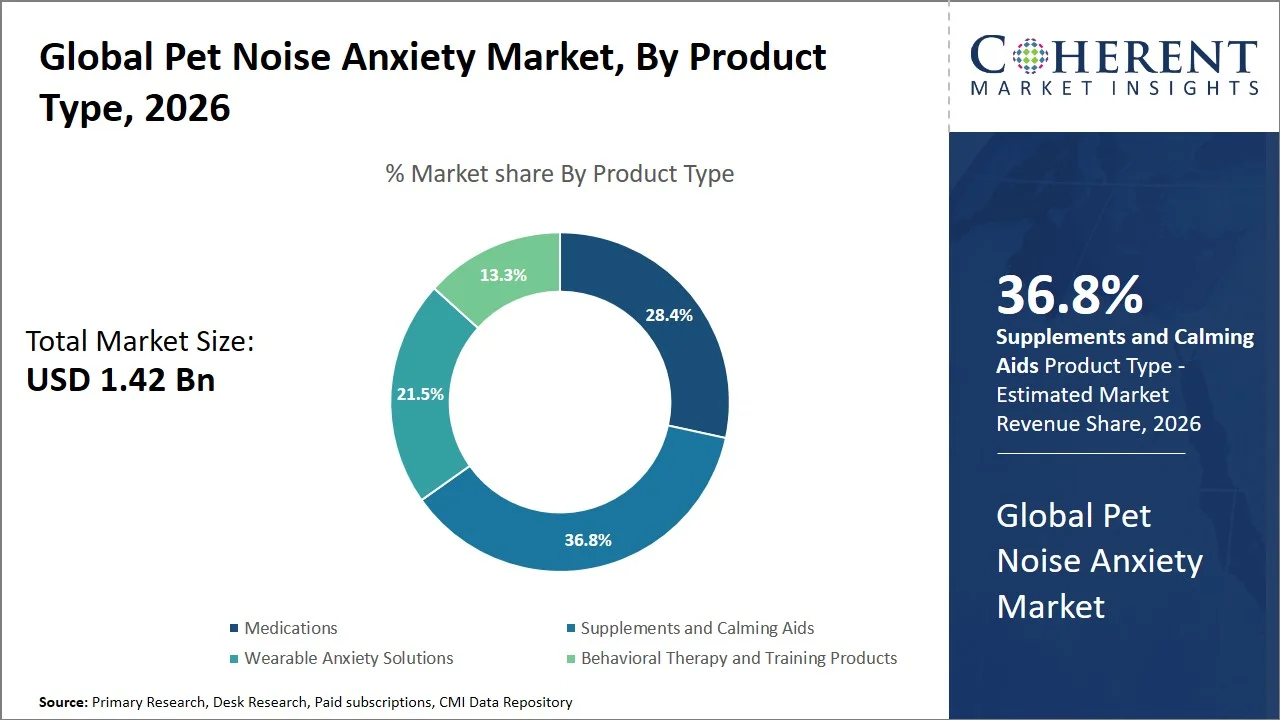
Why Do Supplements and Calming Aids Dominate the Global Pet Noise Anxiety Market?
Supplements and calming aids are projected to hold a market share of 36.8% in 2026, owing to the prevailing inclination towards non-pharmacological approaches to pet behavior problems and stress reduction. Supplement formulations are progressively reaching the market as alternative relaxants, as they inherently contain generally recognized as safe (GRAS) ingredients like natural sources of amino acids such as L-theanine or circadian enhancement ingredients like melatonin, which provides safe and efficacious relief with less negative connotations. Available in multiple formats (e.g. Chews, treats, powders, tablets), they also allow for more comprehensive treatment compliance for pet guardians. For instance, Vetoquinol Zylkene provides beta-casozepine-based calming support for dogs and cats with environmental stress and noise triggers, illustrating the rising use of nutritional behavioral support products in companion animals. (Source: Vetoquinol)
- Current Industry Events of 2026
- Market Size Estimation
- Regional Breakdown
- Competitive Landscape
- Customer Intelligence
- Segmental Analysis
- Pricing Analysis
- Key Market Drivers, Challenges & Future Trends
- Customized Insights Section
Why Do Veterinary Clinics and Hospitals Represent the Largest Distribution Channel in the Pet Noise Anxiety Market?
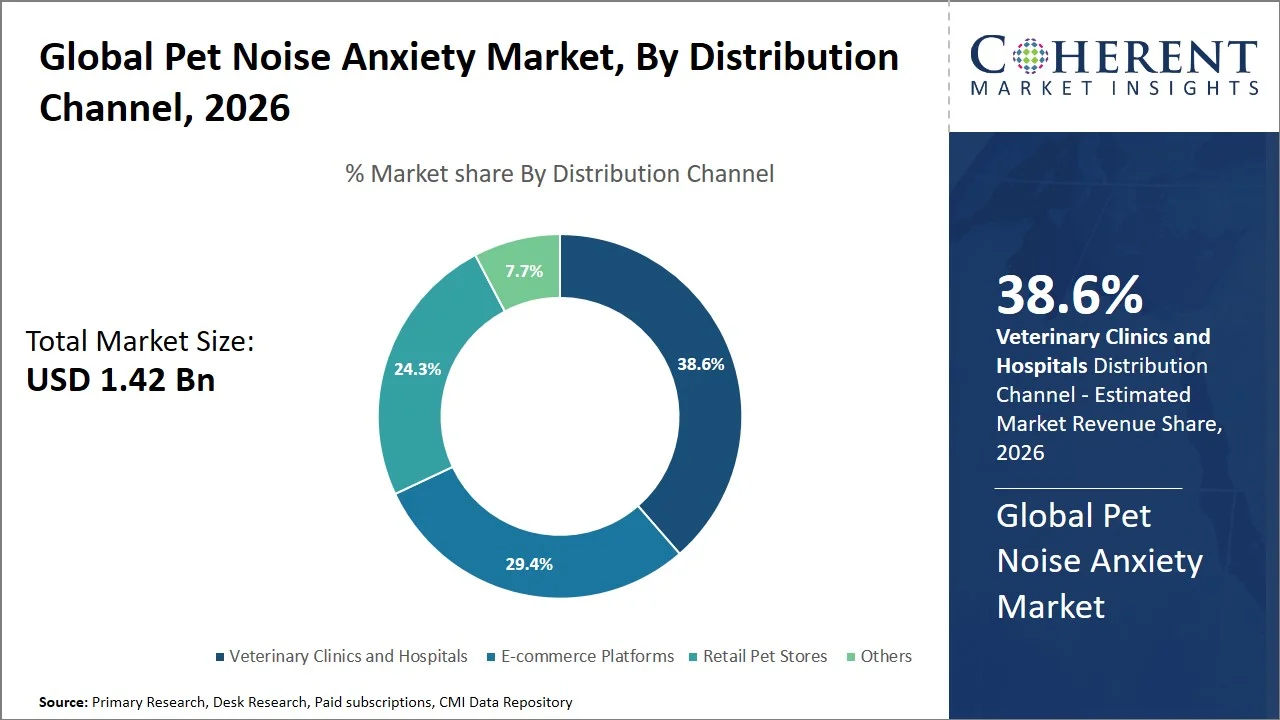
Veterinary clinics and hospitals are projected to hold a market share of 38.6% in 2026, owing to their significance as the first point of care for diagnosis, behavior analysis, and prescription management, and ongoing treatment monitoring for companion animals. Pet owners tend to prefer the traditional veterinary expert guidance, counseling, and prescription management for their pets' individual-based anxiety management, especially for long-term anxieties requiring behavioral intervention. This is supported by the availability of one stop service comprising diagnosis, treatment, and continuous care support. For instance, Mars Veterinary Health - VCA Animal Hospitals Network, oversees a large network of veterinary hospitals throughout North America that provide behavioral counseling in addition to comprehensive care for companion animals, highlighting the rising importance of veterinary facilities in delivering specialized pet healthcare solutions. (Source: VCA Animal Hospitals)
Currents Events and their Impact
Current Events | Description and its Impact |
EU Advances First-Ever Rules on Dog and Cat Welfare and Traceability (November 2025) |
|
European Parliament Committee Approves Companion Animal Welfare Regulation (June 2025) |
|
(Source: European Council, European Parliament)
Pet Noise Anxiety Market Dynamics
Market Drivers
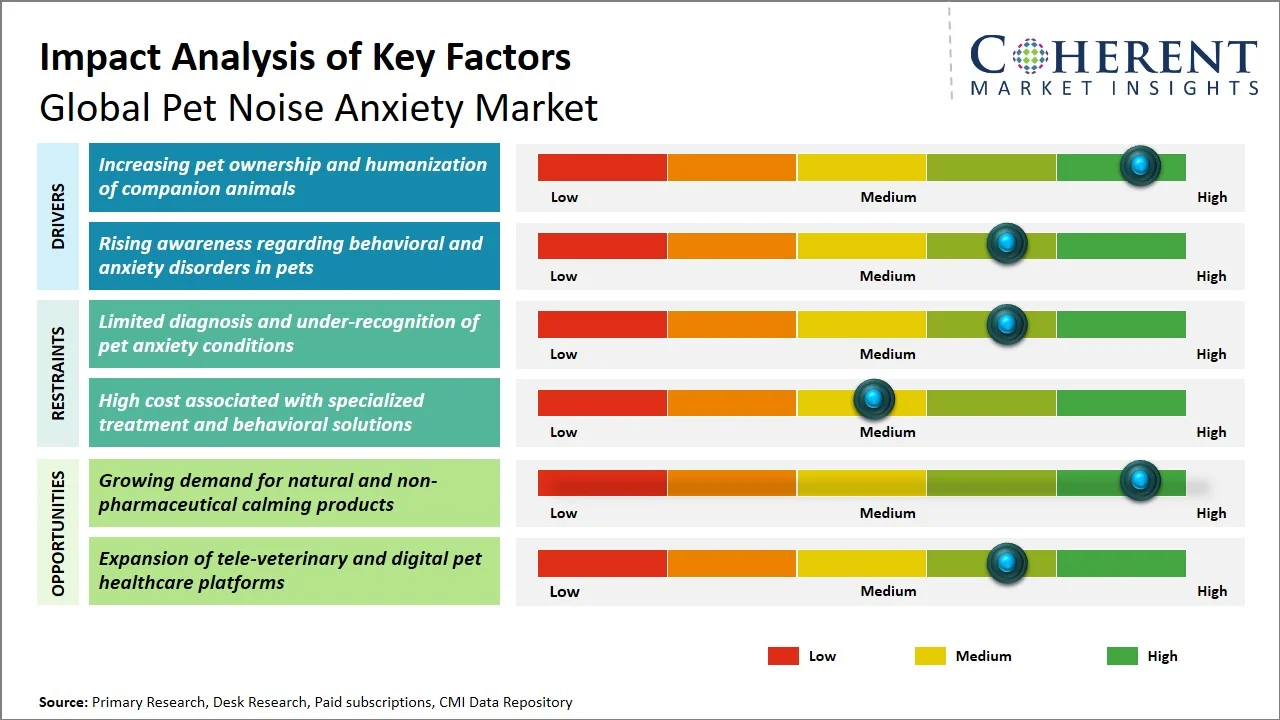
- Increasing pet ownership and humanization of companion animals: The global rise in companion animal numbers has been identified as a key emerging driver for the pet noise anxiety market, with rising pet ownership levels and an increasing attachment to one's pet coupled with a growing concern regarding behavioral health consistently translating into increased demand for anxiety management products. There is a growing demand among pet owners for preventive and therapeutic interventions to enhance quality of life and ease stress-related health problems. For instance, the American pet products Association (APPA) has estimated that spending in the U.S. Pet industry has risen to about USD 158 billion in 2025 and is projected to grow to 165 billion in 2026, reflecting the shifting consumer attitudes and increased consumer willingness to spend on healthcare and wellness related products like behavioral products. (Source: American Pet Products Association)
- Rising awareness regarding behavioral and anxiety disorders in pets: As the awareness of the emotional and mental well-being of pets increases, demand for stress relief interventions and products is on rise. As knowledge of indicators in the body such as increased vocalization, destructive and avoidance behaviors, and physiological stress responses grow, researchers are beginning to associate early signs of stress-related illness and thus address its need for intervention and treatment. Increased levels of training, education and information sharing have also contributed, as well as an emphasis on veterinary behavioral service. For instance, the American Veterinary Medical Association (AVMA)-Pet Behavior Resources offers information about behavioral issues and anxiety management in companion animals, reflecting increasing industry emphasis on behavioral healthcare awareness. (Source: American Veterinary Medical Association)
Emerging Trends
- Growing Adoption of Natural and Functional Anxiety Management Solutions: Pet owners are showing a growing trend towards natural calming alternatives such as nutraceutical products, botanically-based blends, pheromone therapy, and functional treats to reduce pet stress and tension. Concerns about the long-term use of medication and a desire for preventive holistic health support have helped trend growth in all naturally based products.
- Increasing Integration of Digital Pet Health and Behavioral Monitoring Technologies: Rise in the usage of smart pet health and activity monitoring solutions, mobile applications, and intelligent behavioral mapping and monitoring devices equipped with AI-enabled algorithms is seen increasingly used for tracking anxious and stressed states in companion animals in real time. It enables timely therapeutic intervention and individualized genetic and behavioral management plans.
Regional Insights
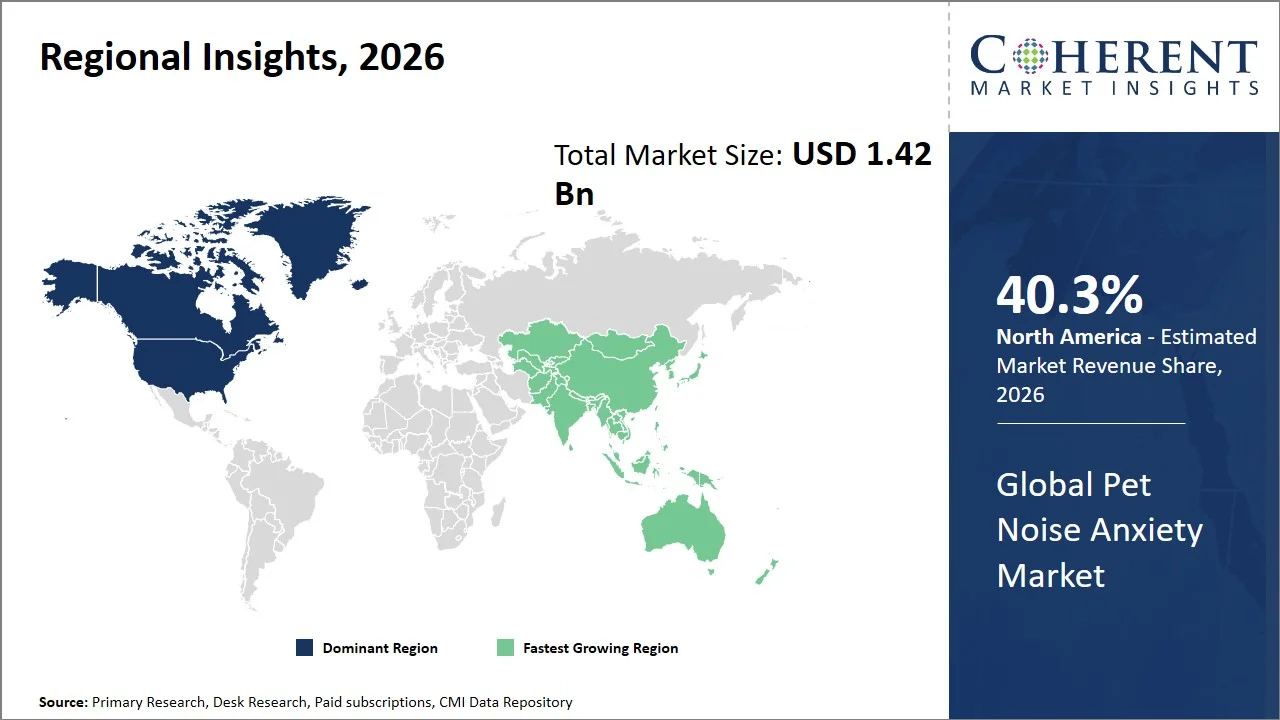
Why is North America a Strong Market for Pet Noise Anxiety?
North America leads the global pet noise anxiety market, accounting for an estimated 40.3% share in 2026, attributed to its extensive and well-positioned pet care network complemented by a high rate of pet ownership and a growing knowledge about the significance of pet health among consumers. The region is equipped with well-established veterinary health care infrastructure and easy availability of new relieving products like anxiety wraps, supplements, pheromone lamps, etc. Additionally, government initiatives for animal welfare and pet safety are pushing the market growth. For instance, the Animal Drug User Fee Act (ADUFA), established by the U.S. Food and Drug Administration (FDA), to ensure an expeditious review process for veterinary drugs and products to treat companion animals. This will promote research and development of existing and new diversified animal health products (Source: Food and Drug Administration). Such regulatory support will likely stimulate progress and adoption of novel products for the treatment of pet behavioral problems, enhancing the ascendancy of North America as a global innovator of pet noise anxiety solutions.
Why Does the Asia Pacific Pet Noise Anxiety Market Exhibit High Growth?
The Asia Pacific pet noise anxiety market is expected to exhibit the fastest growth with an estimated contribution of 22.5% share to the global market in 2026, driven by urbanization, increasing disposable income, and rising trend of pet humanization. The rapid growth of middle-class population in countries such as China and India is directly resulting in more awareness and expenditure in pet medical and health care, including noise anxiety. More market opportunities are being created by new governmental animal protection policies and related standards. For instance, India enacted the Prevention of Cruelty to Animals (Pet Shop) Rules, which aimed to enhance Quality Standards of pet handling, care and welfare, and animal management. This reflected an increasing focus on companion animal health and welfare (Source: Animal Welfare Board of India). Additionally, animal-related foreign investment and trade liberalization as well as broadening distribution channels enable these innovative anxiety solutions to be easily accessible to the right consumer segments.
Global Pet Noise Anxiety Market Outlook for Key Countries
Why is the U.S. Leading Innovation and Adoption in the Pet Noise Anxiety Market?
The U. S. is at the forefront of innovation and adoption in the pet noise anxiety market owing to the high penetration of behavioral health care systems in companion animal ecosystems and quick commercialization of targeted solutions for noise management. Factors driving the market growth include the high penetration of veterinary behavioral care specialists, advanced portfolios for pet wellness products, and rising adoption of tech-enabled systems for providing care to pets. Proliferation of major players (such as Zoetis Inc., Elanco Animal Health, Boehringer Ingelheim Animal Health, Mars Petcare, Vetoquinol and Nestl Purina PetCare) in the animal health space with a high focus on the research and development of targeted product portfolios (calming formulations and digital pet health platforms) ensure sustained market growth in the country.
Is the U.K. a Favorable Market for Pet Noise Anxiety Market?
The U.K. is one of the most promising markets for the pet noise anxiety market driven by the rising trends of pet humanization and high awareness about behavioral health of companion animals. The country has a mature network of veterinary services with the high integration of integrated behavioral consultation offerings and premium pet healthcare services. Moreover, the rising adoption of calming supplements and therapies and pet technology solutions is further boosting the market growth. The developed animal healthcare industry and differentiated pet catering providers further strengthen the country's position in the market.
Is China Emerging as a Key Growth Hub for the Pet Noise Anxiety Market?
China is positioned as a key growth hub in the global pet noise anxiety market driven by the growth of companion animal care ecosystem along with the mounting consumer tendency for premium pet health and wellness solutions. The region is experiencing heightened adoption of animal focused behavioral care solutions like calming supplements, pet healthcare/aids, and digital pet care services among others. Moreover, growing urbanization trends and proliferation of organized veterinary care/aids and pet care retail endowments across the country are expected to continue propelling traction for anxiety relief solutions in the companion animal industry.
Why Does Germany Top the European Pet Noise Anxiety Market?
Germany is the leader in the European market for pet noise anxiety as a result of thriving integration of companion animal nurture practices and rising utilization of targeted specialty behavioral healthcare services in the country’s veterinary domain. The market continues to showcase prolific sales for enhanced pet health plans, calming medications, behavioral therapies, and anxiety specialist entities. Moreover, strong counterpart animal care protocols and widespread availability of companion animal healthcare facilities drive the category further across Germany.
Is Pet Noise Anxiety Market Developing in Japan?
Japan is emerging as a lucrative market for pet noise anxiety owing to mounting focus on companion animal health and growth in the consumption of high-end pet healthcare products. The Japan pet noise anxiety market is witnessing waning preference for ordinary health products, and an increasing inclination towards functional wellness products as well as advanced behavioral management therapies and pet care treatments integrated with modern technology. Furthermore, the increasing use of holistic and personalized companion animal treatment services is fueling the growth of the pet noise anxiety market in the country.
Regulatory Landscape Governing the Global Pet Noise Anxiety Market
Region | Authority & Classification | Approval Pathway | Key Regulatory Insight |
North America | U.S. FDA – Center for Veterinary Medicine (CVM); Veterinary drugs, companion animal therapeutics, supplements under animal health oversight | New Animal Drug Application (NADA) / Conditional approval pathways for veterinary products | Veterinary anxiety medications and therapeutic products require safety, efficacy, and manufacturing compliance evaluation before commercialization, creating structured pathways for pet behavioral treatment products. |
Europe | European Medicines Agency (EMA) – Committee for Veterinary Medicinal Products (CVMP) | Centralized procedure / National and mutual recognition procedures for veterinary medicines | Growing emphasis on animal welfare regulations and veterinary medicinal oversight is encouraging expansion of behavioral health treatment options and companion animal care services. |
Asia Pacific | Ministry of Agriculture and Rural Affairs (China); Central Drugs Standard Control Organization (India); Ministry of Agriculture, Forestry and Fisheries (Japan) | Country-specific registration and veterinary product licensing frameworks | Increasing strengthening of veterinary product regulations and companion animal healthcare frameworks is supporting market entry opportunities for pet wellness and anxiety management solutions. |
Latin America | National Service of Agri-Food Health, Safety and Quality (SENASICA–Mexico); Ministry of Agriculture agencies across Brazil and Argentina | National veterinary registration and import approval pathways | Expanding veterinary regulatory frameworks and growing companion animal healthcare awareness are increasing demand for standardized pet therapeutic products. |
Middle East & Africa | Saudi Food and Drug Authority (SFDA); Ministry of Climate Change & Environment (UAE) | Product registration and veterinary health approvals through national authorities | Rising focus on companion animal welfare and increasing veterinary healthcare regulation are expected to support adoption of pet behavioral healthcare products. |
How is the expansion of tele-veterinary and digital pet healthcare platforms creating new growth opportunities in the pet noise anxiety market?
The rising adoption of tele-veterinary and digital pet health care solutions facilitates the development of proliferation of pet noise anxiety market through easier access to behavioral consultation, remote monitoring and personalized treatment recommendations. Digital solutions facilitate identification of pet noise anxiety symptoms at earlier stage, extending assistance and support to keep track and manage the disease with minimal footfalls to the clinic. The continued incorporation of AI-based monitoring systems, wearable devices and mobile health solutions is also facilitating persistent evaluation of behavioral trends and interventions.
Additionally, tele-veterinary networks are increasing the availability of specialist services in under-served areas and removing obstacles to care for pet owners; this should lead to more rapid adoption of solutions for anxiety management and better long-term behavioral solutions. For instance, in July 2025, TelaVets introduced its pioneering telemedicine platform as a means of providing more affordable and accessible pet health care to pet owners, representing a shift in the veterinary care industry towards digital ecosystems that can improve behavioral health and anxiety management resources available to companion animals. (Source: TelaVets)
Market Players, Key Development, and Competitive Intelligence
Key Developments
- On May 6, 2026, the U.S. Food and Drug Administration (FDA) approved Tessie (tasipimidine oral solution) as the first product indicated for treatment of both noise aversion and separation anxiety in dogs. This milestone approval marked a major step forward for behavioral therapeutics in veterinary medicine and is predicted to raise awareness and utilization of targeted therapeutics for fear-based problem states.
- In December 2024, Domes Pharma introduced two new anti-anxiety products, Tessie and Bonqat, to treat anxiety-related issues in dogs and cats. The product launch was in response to the increasing recognition of the importance of addressing situational anxiety in dogs and cats. These product innovations are anticipated to drive market growth by broadening the range of treatment options and contributing to wider uptake of therapy for pet noise anxiety.
Competitive Landscape
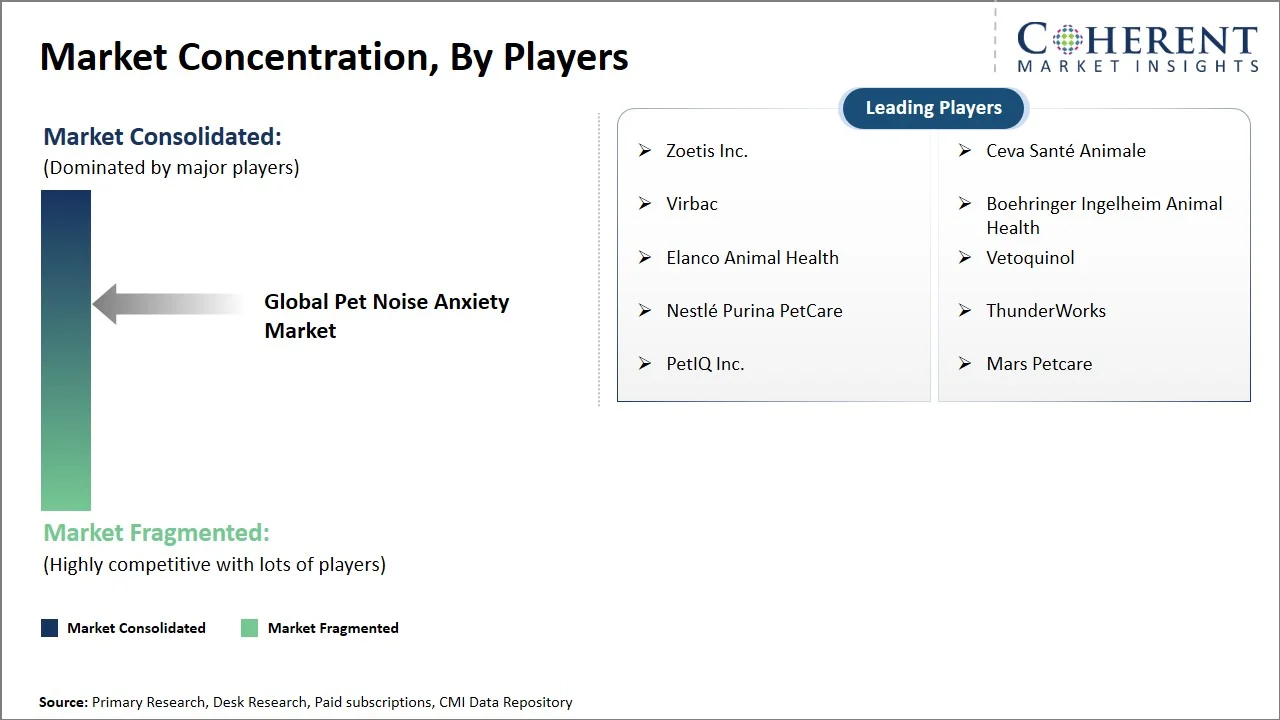
The global pet noise anxiety market is moderately competitive with market players being more inclined towards building development solutions for behavioral health, along with tech-enabled pet care platforms. The market players are focusing more towards expanding their natural anxiety management compositions, while strengthening AI-based behavioral monitoring tools, along with tele-veterinary services to not only strengthen disease detection but also raise treatment efficacies to newer levels; and forming strategic joint ventures and alliances with veterinary practices, pet care providers, along with digital health platforms are emerging as a popular strategy. Key focus areas include:
- Development of advanced behavioral health and anxiety management solutions
- Expansion of preventive and companion animal wellness offerings
- Integration of tele-veterinary platforms, AI-enabled analytics, and remote pet monitoring systems
- Strengthening veterinary partnerships and regional market expansion initiatives
Market Report Scope
Pet Noise Anxiety Market Report Coverage
| Report Coverage | Details | ||
|---|---|---|---|
| Base Year: | 2025 | Market Size in 2026: | USD 1.42 Bn |
| Historical Data for: | 2020 To 2024 | Forecast Period: | 2026 To 2033 |
| Forecast Period 2026 to 2033 CAGR: | 7.7% | 2033 Value Projection: | USD 2.38 Bn |
| Geographies covered: |
| ||
| Segments covered: |
| ||
| Companies covered: | Zoetis Inc., Ceva Santé Animale, Virbac, Boehringer Ingelheim Animal Health, Elanco Animal Health, Vetoquinol, Nestlé Purina PetCare, ThunderWorks, PetIQ Inc., and Mars Petcare | ||
| Growth Drivers: |
| ||
| Restraints & Challenges: |
| ||
Analyst Opinion (Expert Opinion)
- In the coming years, the pet noise anxiety market is anticipated to evolve away from traditional drug therapies as comprehensive behavioral health ecosystems including natural sedating agents, prescription drugs, monitoring features technology, and video veterinarian services. Accelerating awareness of pet emotional health and the rising prevalence of AI-based pet monitoring and personalized treatment approaches are poised to reengineer enduring anxiety remedies.
- The maximum opportunities will probably exist within supplements and calming aids applications for behavioral anxiety management. U.S. is the attractive market owing to rising owners' expenditure on companion animal health care, widespread use of premium pet wellness products & services, rising availability & use of behavioral therapies. Online pet healthcare services and proactive behavioral management would also create promising opportunities.
- In order to obtain a competitive advantage, market participants should concentrate on conducting scientific studies to produce effective calming formulations, enhancing synergies with veterinary clinic systems and tele-veterinary services, and offering smart product packs with built-in behavior monitoring features using artificial intelligence. A broad portfolio of personalized multi-modal products and services to reduce anxiety, combining supplements, digital tools and consultation services will likely enhance customer loyalty.
Speak to the analyst
Want personalized insights?
Take the findings above to one of our principal consultants, or have the report rebuilt around the segments, geographies and competitors you actually track.
Market Segmentation
- Product Type Insights (Revenue, USD Bn, 2021 - 2033)
- Medications
- Supplements and Calming Aids
- Wearable Anxiety Solutions
- Behavioral Therapy and Training Products
- Distribution Channel Insights (Revenue, USD Bn, 2021 - 2033)
- Veterinary Clinics and Hospitals
- Retail Pet Stores
- E-commerce Platforms
- Others
- Regional Insights (Revenue, USD Bn, 2021 - 2033)
- North America
- U.S.
- Canada
- Latin America
- Brazil
- Argentina
- Mexico
- Rest of Latin America
- Europe
- Germany
- U.K.
- Spain
- France
- Italy
- Russia
- Rest of Europe
- Asia Pacific
- China
- India
- Japan
- Australia
- South Korea
- ASEAN
- Rest of Asia Pacific
- Middle East
- GCC Countries
- Israel
- Rest of Middle East
- Africa
- South Africa
- North Africa
- Central Africa
- North America
- Key Players Insights
- Zoetis Inc.
- Ceva Santé Animale
- Virbac
- Boehringer Ingelheim Animal Health
- Elanco Animal Health
- Vetoquinol
- Nestlé Purina PetCare
- ThunderWorks
- PetIQ Inc.
- Mars Petcare
Sources
Primary Research Interviews
- Veterinary behavior specialists and companion animal healthcare providers involved in diagnosis and treatment of anxiety disorders in pets
- Veterinary clinic administrators and pet wellness program managers overseeing behavioral healthcare services and treatment pathways
- Pet nutrition and supplement manufacturers involved in calming aid and anxiety management product development
- Digital pet health and tele-veterinary solution providers supporting pet behavioral healthcare applications
- Animal behavior researchers and clinical veterinarians engaged in companion animal behavioral studies and stress management
Stakeholders
- Companion animal healthcare companies and veterinary service providers
- End-use Sectors
- Veterinary clinics and hospitals
- Pet specialty retail chains and e-commerce platforms
- Tele-veterinary and digital pet healthcare providers
- Animal behavior and pet training centers
- Academic and veterinary research institutions
- Companion animal welfare organizations
- Regulatory & Health Bodies: U.S. Food and Drug Administration – veterinary drug and companion animal product regulations, American Veterinary Medical Association – veterinary behavioral healthcare guidance, Centers for Disease Control and Prevention – human-animal interaction and public health data, National Institutes of Health – animal behavior and biomedical research initiatives, World Organisation for Animal Health – international animal welfare and health guidance
Databases
- AVMA Pet Ownership and Demographic Database – companion animal ownership and veterinary utilization data
- APPA Industry Statistics Database – pet spending and ownership trends
- OECD Health Statistics – animal healthcare expenditure indicators
- Global Burden of Animal Disease and Welfare Database – animal health burden metrics
- World Animal Protection Database – companion animal welfare trends
Magazines
- Veterinary Practice News – companion animal care and veterinary developments
- Pet Food Industry Magazine – pet nutrition and supplement trends
- Animal Health Media – veterinary innovation and animal healthcare updates
- Today's Veterinary Business – veterinary service and clinic developments
Journals
- Journal of Veterinary Behavior
- Journal of Veterinary Internal Medicine
- Frontiers in Veterinary Science
- Animals
- Veterinary Record
Newspapers
- Financial Times – animal health and pet care industry developments
- The Wall Street Journal – pet healthcare and consumer trends
- The New York Times (Health/Pets Section) – pet wellness and behavioral healthcare developments
- The Guardian (Science & Health) – companion animal welfare trends
Associations
- American Veterinary Medical Association (AVMA)
- American Animal Hospital Association (AAHA)
- World Small Animal Veterinary Association (WSAVA)
- Companion Animal Parasite Council (CAPC)
- Pet Advocacy Network
Public Domain Sources
- World Organisation for Animal Health (WOAH) – animal health and welfare statistics
- Centers for Disease Control and Prevention (CDC) – human-animal health interaction data
- National Institutes of Health (NIH) – animal behavior research publications
- U.S. Food and Drug Administration (FDA-CVM) – veterinary product regulations and guidance
- American Pet Products Association (APPA) – companion animal ownership and expenditure statistics
Proprietary Elements
- CMI Data Analytics Tool, Proprietary CMI Existing Repository of information for last 10 years.
Get access to 250+ pages report
Every segment, forecast, competitor profile and data table behind the analysis above — available for instant download.
- ESOMAR Member
- ISO 9001:2015 Certified
- D-U-N-S Registered
- GDPR & CCPA Compliant
Missing comfort of reading report in your local language? Find your preferred language:
Transform your Strategy with Exclusive Trending Reports
Frequently Asked Questions
The global pet noise anxiety market is estimated to be valued at USD 1.42 Bn in 2026 and is expected to reach USD 2.38 Bn by 2033.
Supplements and calming aids dominate due to their non-pharmaceutical nature, ease of administration, wider availability in multiple formulations, and increasing preference for preventive behavioral wellness solutions among pet owners.
Pet noise anxiety is a behavioral condition in companion animals characterized by fear or stress responses triggered by loud sounds such as thunderstorms, fireworks, and household or environmental noise.
The CAGR of global pet noise anxiety market is projected to be 7.7%from 2026 to 2033.
Increasing pet ownership and humanization of companion animals, and rising awareness regarding behavioral and anxiety disorders in pets are the major factors driving the growth of the global pet noise anxiety market.
Limited diagnosis and under-recognition of pet anxiety conditions, and high cost associated with specialized treatment and behavioral solutions are the major factors hampering the growth of the global pet noise anxiety market.
In terms of distribution channel, veterinary clinics and hospitals are estimated to dominate the market revenue share in 2026.