

Global Precision Biomanufacturing Market Size and Forecast – 2026 To 2033
The global precision biomanufacturing market is expected to grow from USD 31.7 Bn in 2026 to USD 83.3 Bn by 2033, registering a compound annual growth rate (CAGR) of 14.8% from 2026 to 2033. The market for global precision biomanufacturing is poised for significant expansion, fueled by the growing adoption of high-performance biomanufacturing and government-backed scale-up infrastructure for biologics, precision therapeutics, and bio-based products.
In July 2026, the Government of India reported that more than 2,000 proposals had been received under its BioE3 policy, with over 270 projects recommended for funding, including initiatives focused on bridging the gap between biotechnology research and commercial-scale manufacturing. (Source: Press Information Bureau)
Key Takeaways of the Global Precision Biomanufacturing Market
- Biologics are projected to hold 28.0% of the global precision biomanufacturing market share in 2026, making it dominant product segment across North America due to its strong regulatory support for advanced biological therapies and established biomanufacturing infrastructure. For instance, in May 2026, the U.S. Food and Drug Administration (FDA) issued final guidance on CMC flexibilities for human cellular and gene therapy products, providing a more flexible regulatory approach to facilitate development and review while maintaining applicable quality requirements.
- Cell Culture is projected to hold 29.0% of the global precision biomanufacturing market share in 2026, making it dominant technology segment across Europe due to established regulatory standards governing cell-based and biological manufacturing. For instance, in March 2026, the European Medicines Agency (EMA) updated its guidance concerning GMP requirements for advanced therapy medicinal products, reinforcing regulatory oversight of manufacturing processes involving cell- and tissue-based products.
- Upstream processing is projected to hold 24.0% of the global precision biomanufacturing market share in 2026, making it dominant process segment across Asia Pacific due to increasing government support for domestic biomanufacturing and fermentation capabilities. For instance, in March 2026, the Government of India announced the Biopharma SHAKTI scheme with an outlay of USD 1.16 billion (INR 10,000 crore) over five years, including incentives for fermentation-based bulk drugs and building blocks to strengthen India’s biologics and biopharmaceutical manufacturing ecosystem.
- North America market maintains dominance with an expected share of 38.5% in 2026, bolstered by the region’s established biologics manufacturing ecosystem and regulatory initiatives promoting advanced manufacturing technologies. For instance, the U.S. FDA’s CBER Advanced Technologies Program facilitates early engagement with developers of advanced manufacturing and testing technologies for biologic products, supporting their development and adoption in regulated manufacturing.
- Asia Pacific is expected to exhibit the fastest growth in the global precision biomanufacturing market, registering an estimated CAGR of 15.2% during 2026–2033, driven by expanding biomanufacturing infrastructure and strengthening regulatory frameworks. For instance, in April 2026, Singapore’s Ministry of Health updated requirements for large-scale biomanufacturing facilities, covering facilities producing vaccines, monoclonal antibodies, and medicinal proteins and requiring compliance with Good Manufacturing Practices (GMP). This strengthens the regulatory foundation for commercial-scale biomanufacturing in the region.
Segmental Insights
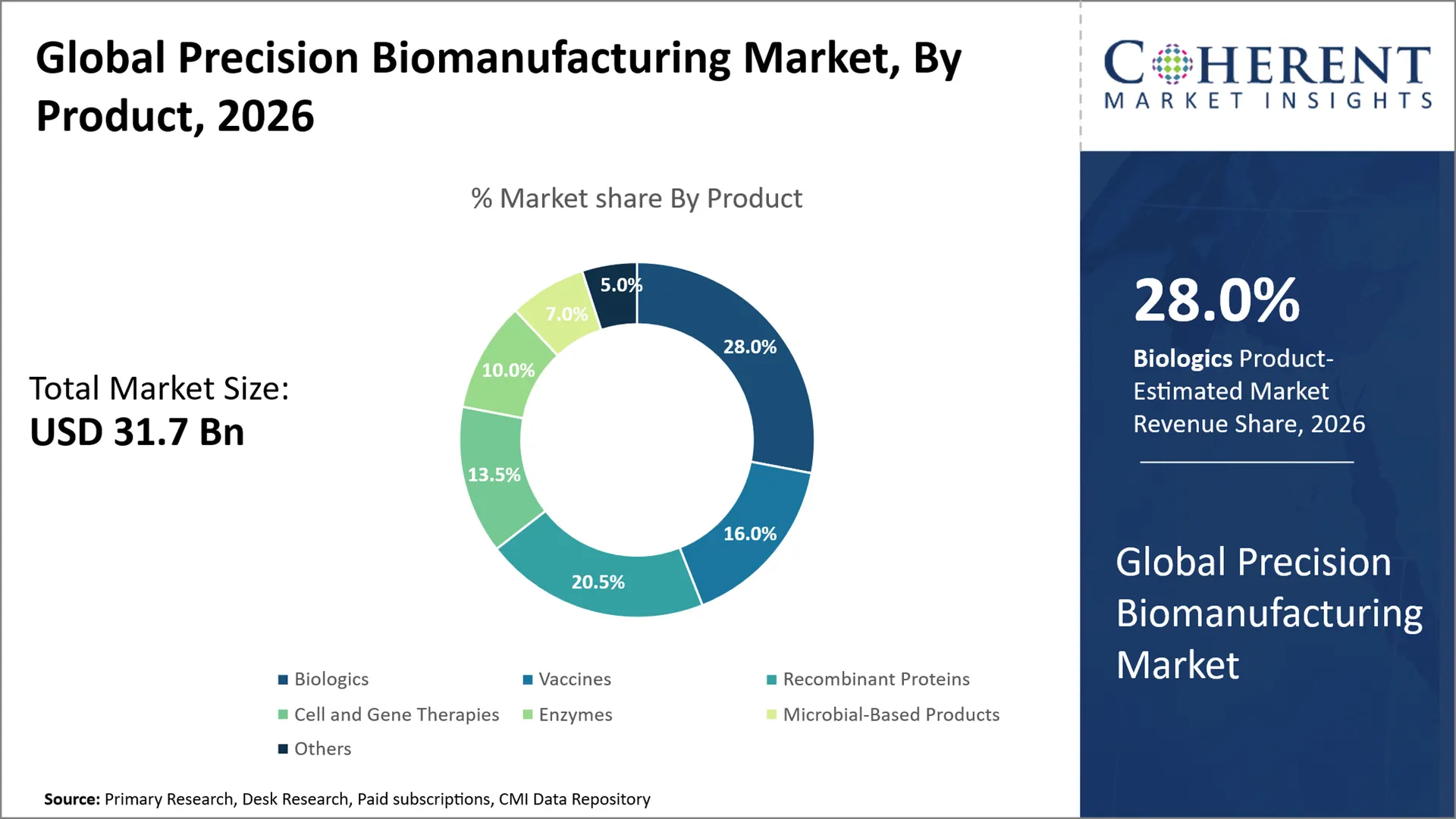
Why Do Biologics Dominate the Global Precision Biomanufacturing Market?
Biologics are projected to hold the market share of 28.0% in 2026, primarily due to the rising adoption of high-value products and the growing focus on the development of complicated drugs requiring rigorous manufacturing process. Additionally, the segment is further supported by the advancements in biosimilar technologies, cell culture-based products, and recombinant molecules. For instance, in March 2026, the U.S. Food and Drug Administration (FDA) announced amendments to help facilitate the development of biosimilars. The amendments extended to the reduction of needless pharmacokinetic testing, which the agency forecasted to cut down on the costs of the studies by as much as 50%, or approximately USD 20 million. This regulatory development could facilitate wider biologics and biosimilars development, as well as the growth of demand for capability in precision manufacturing.
- Current Industry Events of 2026
- Market Size Estimation
- Regional Breakdown
- Competitive Landscape
- Customer Intelligence
- Segmental Analysis
- Pricing Analysis
- Key Market Drivers, Challenges & Future Trends
- Customized Insights Section
Why Does Cell Culture Represent the Largest Technology Segment in the Precision Biomanufacturing Market?
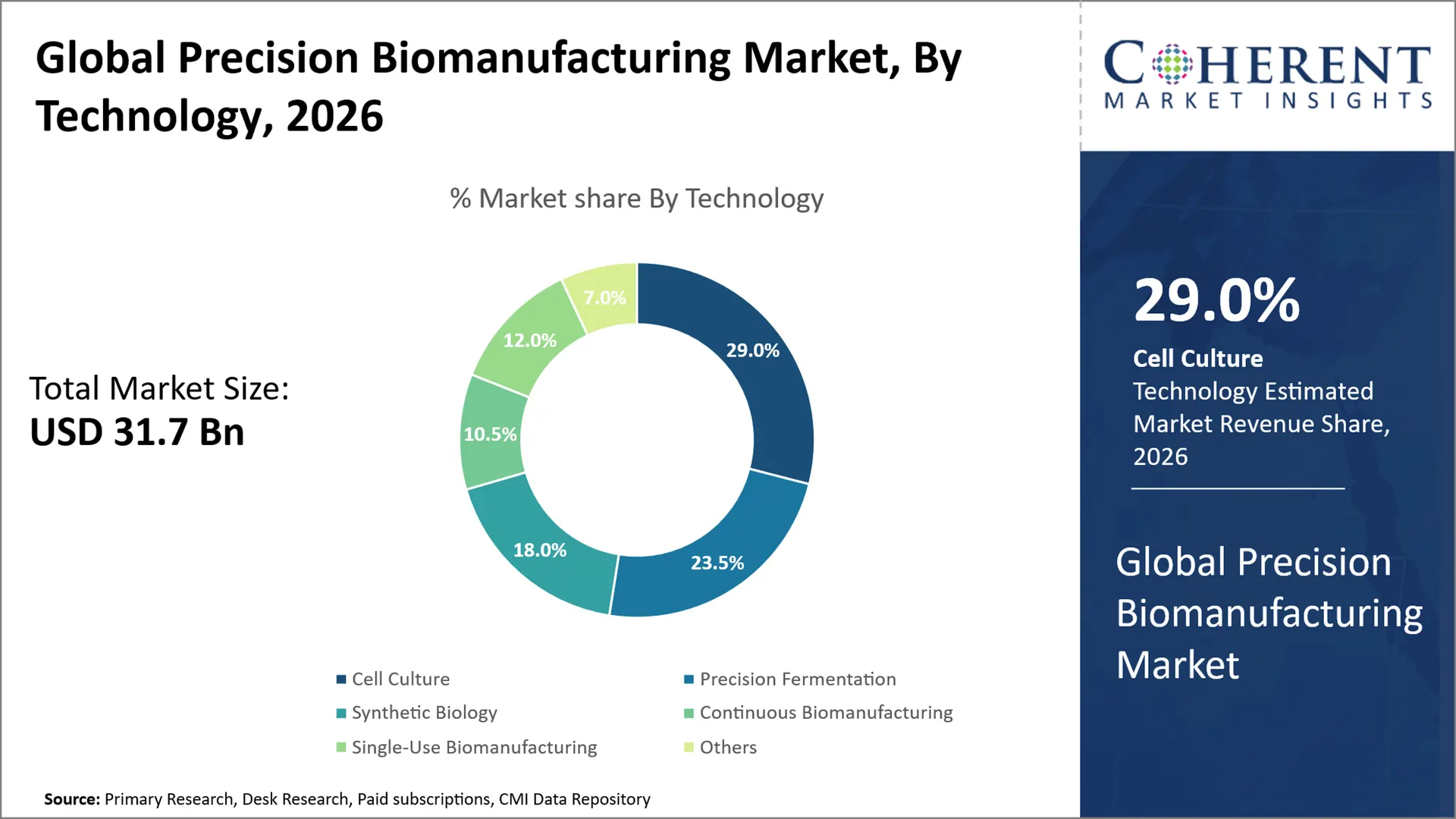
Cell culture is projected to hold a market share of 29.0% in 2026, accredited to cell culture technology's role in manufacturing cell therapies and complex biologics in highly monitored environments. Furthermore, improved process control and regulatory standards can be expected to drive its growth across commercial biomanufacturing. For instance, the European Medicines Agency (EMA) requires the drug manufacturer's to operate their manufacturing processes using validated process operations and robust process controls for the manufacturing of monoclonal antibodies that address cell culture issues as well as impurities in the final product.
Upstream Processing Segment Dominates the Global Precision Biomanufacturing Market
The upstream processing segment is projected to hold a market share of 24.0% in 2026, attributed to the improvements in cell growth, nutrient supply, bioreactor manipulation, and process monitoring that is known to have a direct impact on the product yield and manufacturing consistency. The use of intensification and continuous bioprocessing seems to have pushed the demand for precise upstream control even higher. For instance, the U.S Food and Drug Administration (FDA) announced that upstream cell-culture manufacturing processes, closed and automated manufacturing, and real-time process analytical technologies will be among the fields targeted in the advancement of biologics manufacturing.
Current Events and their Impact
Current Events | Description and its Impact |
U.S. FDA Issued New CMC Guidance for Cell and Gene Therapies (May 2026) |
|
India Expanded Implementation of BioE3 Policy to Strengthen High-Performance Biomanufacturing (April 2026) |
|
UK Issued Supplementary Guidance for Precision- and Biomass-Fermented Novel Foods (March 2026) |
|
Precision Biomanufacturing Market Dynamics
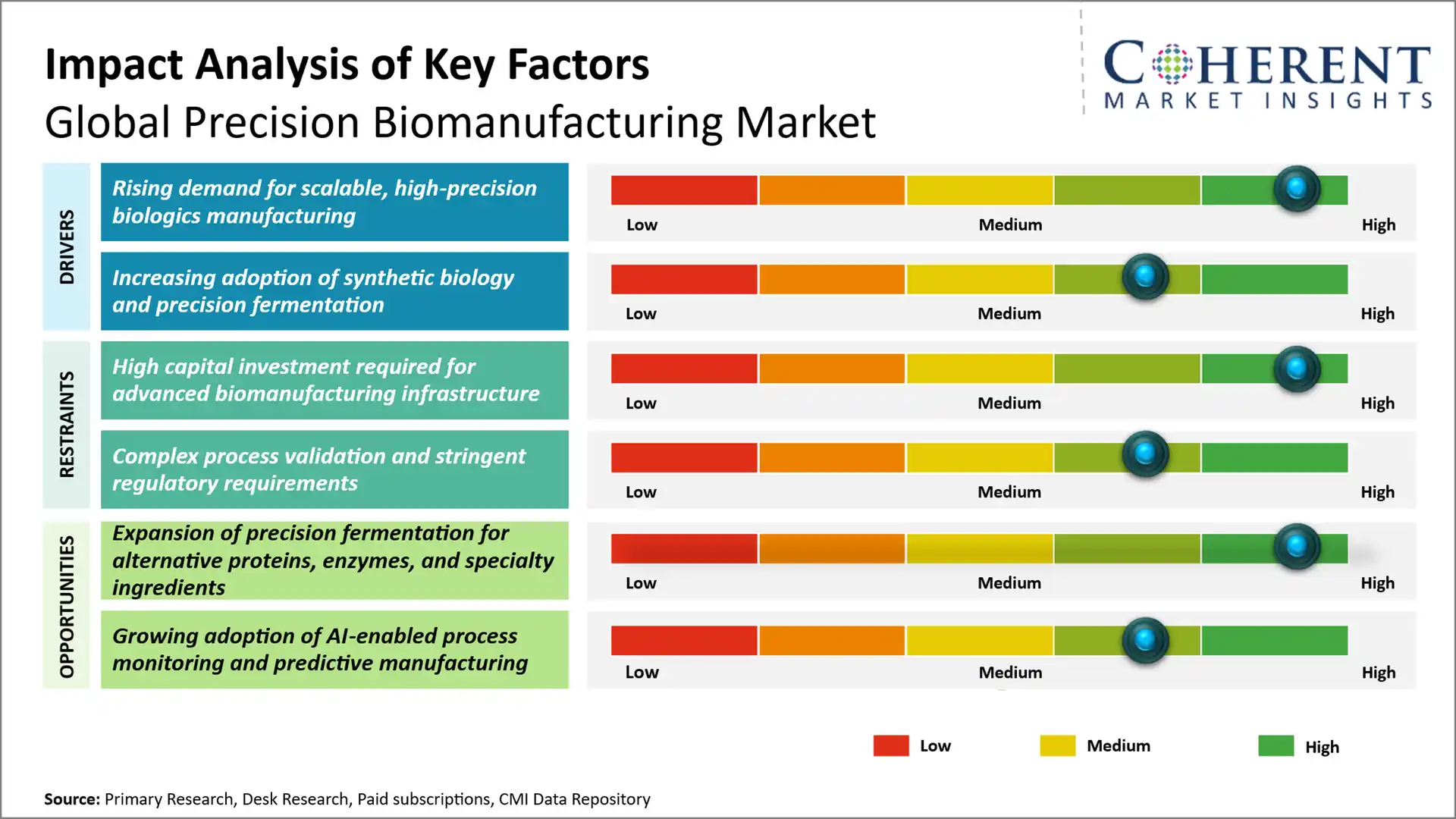
Market Drivers
- Rising demand for scalable, high-precision biologics manufacturing: The growing pipeline of complex biologics is increasing the need for scalable manufacturing platforms that can maintain stringent quality and process consistency from development through commercial production. Demand is also encouraging investment in large-scale cell-culture capacity, single-use systems, and advanced process-development capabilities. For instance, in February 2026, FUJIFILM Biotechnologies expanded its Teesside, UK, facility with 2,000-L and 5,000-L single-use bioreactors, providing up to 19,000 L of capacity for antibody manufacturing and supporting flexible scale-up of biologics production.
- Increasing adoption of synthetic biology and precision fermentation: The increasing adoption of synthetic biology and precision fermentation is enabling manufacturers to engineer microorganisms and biological pathways for the targeted production of proteins, enzymes, specialty ingredients, and other high-value bioproducts. These technologies offer greater control over biological production, improved yields, and enhanced process consistency, supporting the transition from laboratory development to commercial-scale manufacturing. For instance, in July 2026, Novonesis partnered with TurtleTree to scale, manufacture, and commercialize precision-fermented lactoferrin for early-life nutrition. The partnership combines TurtleTree’s precision fermentation platform with Novonesis’ manufacturing capabilities to support commercial-scale production.
- Growing adoption of advanced and continuous bioprocessing: The growing adoption of continuous bioprocessing, single-use bioprocessing systems, and advanced process-control technologies is enabling manufacturers to improve production flexibility, process consistency, and resource utilization. These technologies support faster scale-up and technology transfer while reducing downtime and enabling more efficient manufacturing of complex biologics. For instance, in May 2026, Sartorius Stedim Biotech demonstrated a 72-hour coordinated downstream process using multiple Pionic continuous-processing modules, highlighting the industry's shift toward integrated and data-driven biomanufacturing.
Emerging Trends
- AI-enabled bioprocess optimization: AI and machine learning are increasingly being integrated with real-time process monitoring to optimize fermentation, cell culture, and downstream operations. These technologies enable faster identification of process deviations and more consistent production outcomes.
- Expansion of precision fermentation: Precision fermentation is expanding from conventional food applications toward pharmaceuticals, specialty ingredients, enzymes, and bio-based chemicals. Improved strain engineering and bioprocess control are supporting higher yields and more commercially viable production.
- Shift toward flexible and continuous biomanufacturing: Manufacturers are increasingly adopting single-use systems, modular facilities, and continuous processing to improve flexibility and reduce production downtime. These approaches enable faster scale-up and more efficient manufacturing of diverse biological products.
Regional Insights
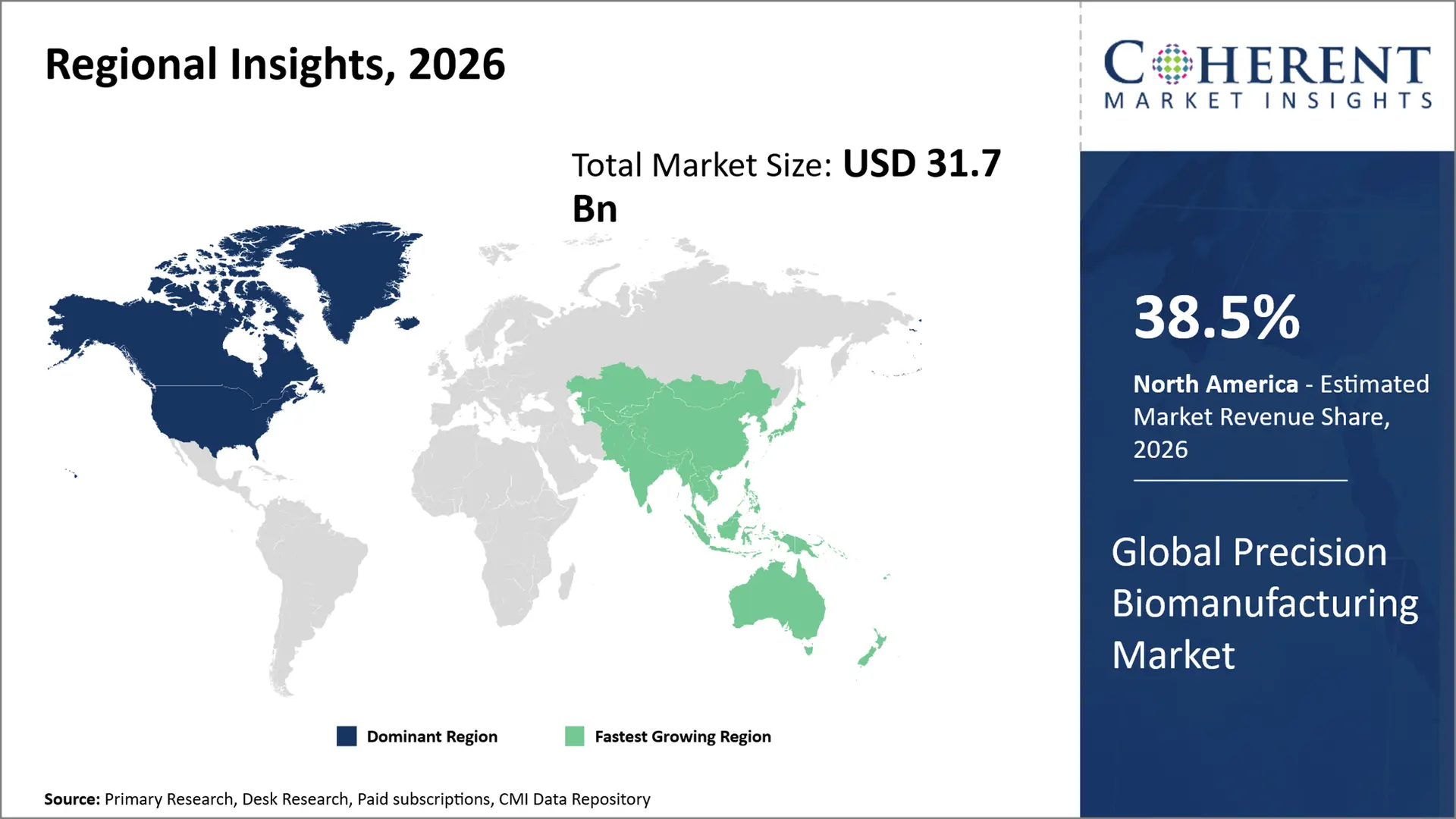
Why is North America a Strong Market for Precision Biomanufacturing?
North America leads the global precision biomanufacturing market, accounting for an estimated 38.5% share in 2026, due to the presence of advanced biotechnology infrastructure, biopharmaceutical manufacturing infrastructure, and research & development infrastructure. The region has a supportive regulatory landscape that encourages the development of innovative biomanufacturing technologies and the adoption of new manufacturing approaches.
For instance, the U.S Food and Drug Administration (FDA) advanced manufacturing technologies designation program provides a regulatory pathway for the use of innovative manufacturing technologies including manufacturing processes used for biological products that substantially improve the manufacturing process while maintaining or improving product quality. Moreover, significant industry-academic collaboration as well as intellectual property protection positions region to develop and commercialize new technology.
Why Does Asia Pacific Precision Biomanufacturing Market Exhibit High Growth?
Asia Pacific is expected to exhibit the fastest growth in the global precision biomanufacturing market, registering an estimated CAGR of 15.2% during 2026–2033. The region is projected to account for 23.0% of the global market in 2026, driven by expanding healthcare infrastructure, government efforts to strengthen biotechnological capacity and rising investments in state-of-the-art bioprocessing.
Furthermore, the countries in this region such as China, Japan, India, and South Korea are strengthening domestic R&D, manufacturing capacity and technology-transfer capacity through public funding and policy incentives. In addition to having a lower-cost manufacturing environment, a rising skilled workforce, and rising biologics demand and other advanced biological products. For instance, India's Department of Biotechnology has strengthened the BioE3 Policy by creating Bio-AI Hubs, Biofoundries, and Biomanufacturing Hubs. Creation of these Hubs aims to strengthen shared infrastructure for translating biotechnology innovations to commercial scale manufacturing, with a focus on high-performance biomanufacturing, synthetic biology, and precision biotherapeutics. (Source: Press Information Bureau)
Global Precision Biomanufacturing Market Outlook for Key Countries
Why is the U.S. Leading Innovation and Adoption in the Precision Biomanufacturing Market?
The U.S is likely to lead in innovation and adoption, owing to a mature biologics manufacturing ecosystem, state-of-the-art bioprocess research and development capabilities, and regulatory policies that may provide a receptive environment for cutting-edge manufacturing technologies. The U.S. Food and Drug Administration's advanced manufacturing program appears to be conducive for the development and testing of manufacturing technologies like continuous manufacturing, process intensification and manufacturing enabled by AI. Additionally, it may be capable of facilitating the translation of precision biomanufacturing technologies to commercial manufacturing.
Is Japan a Favorable Market for Precision Biomanufacturing Market?
Japan is best-suited for precision biomanufacturing, with the government providing biomanufacturing, regenerative medicine, and synthetic biology incentives. Japan's AMED initiatives promote automation, manufacturing platform, quality management and commercialization of cell and gene therapies. In addition, the Biomanufacturing Revolution Promotion Project will promote high-volume production of microorganism and cell-based manufacturing techniques, strengthening the biomanufacturing environment in Japan.
Is China Emerging as a Key Growth Hub for the Precision Biomanufacturing Market?
China is seen as an emerging epicenter for growth with government investments in biotech growth, growing biopharmaceuticals manufacturing capacity, and investment in synthetic biology and advanced bioprocessing emerging. National efforts supporting bioeconomy development are perceived to strengthen translation and business-to-commercialization efforts, as well as the domestic biomanufacturing capacity. In addition, China's increasing biotech ecosystem coupled with efforts to scale biological production technologies will support the transition to precision biomanufacturing.
Why Does Germany Top the European Precision Biomanufacturing Market?
Germany seems to have a strong manufacturing base in pharmaceuticals and biotech, with a high level of research infrastructure and a government-supported development of technology. The Hightech Agenda Germany contains six strategic technologies, one of which is biotech and the planned investment will facilitate the ongoing development of research, technology and industrial applications. The country is also expected to improve its pharmaceutical manufacturing environment through policies promoting local production and supply chain diversification.
Is Precision Biomanufacturing Market Developing in U.K.?
The U.K. is evolving as a precision biomanufacturing market bolstered by the government's focus in investing in advanced biomanufacturing infrastructure, life-science innovation and scale-up. The UK Government's Life Sciences Sector Plan states biomanufacturing as a strategic capability to grow and develop, and to boost manufacturing and commercialization in the UK. Furthermore, policies around regulation of precision-fermented and cell-cultivated products are also anticipated to provide clarity for novel biological production methods.
Precision Biomanufacturing Adoption by Application
Application | Key Products | Primary Manufacturing Approach | Major Demand Drivers |
Therapeutics | Biologics, recombinant proteins, cell & gene therapies | Cell culture, synthetic biology, continuous bioprocessing | Rising demand for complex biological therapies |
Vaccines | Recombinant and cell-based vaccines | Cell culture, microbial fermentation | Increasing vaccine development and manufacturing requirements |
Food & Nutrition | Alternative proteins, functional ingredients, specialty nutrients | Precision fermentation | Demand for sustainable and high-performance ingredients |
Industrial Biotechnology | Enzymes, bio-based chemicals, specialty molecules | Precision fermentation, synthetic biology | Shift toward bio-based production |
Agriculture & Animal Nutrition | Feed additives, enzymes, microbial products | Microbial fermentation, synthetic biology | Need for efficient biological inputs |
Diagnostics & Research | Biomolecules, enzymes, research reagents | Cell culture, microbial fermentation | Expansion of biotechnology research and testing |
How is the expansion of precision fermentation for alternative proteins, enzymes, and specialty ingredients creating new growth opportunities in the precision biomanufacturing market?
The future of precision fermentation appears poised to open up new precision biomanufacturing pathways, by enabling the precise design and construction of proteins, enzymes, vitamins and specialty ingredients through the use of genetically modified microorganisms. With innovations in synthetic biology and bioproduction, there are indications that efficiencies can be gained, with regard to yields, scale and consistency. This could further broaden the potential applications of precision fermentation into pharmaceutical & nutrition and industrial sectors. For instance, in February 2026, the UK Food Standards Agency issued the first country-specific safety guidance for precision fermentation products, with the support of Food Standards Scotland, which included product classification and HACCP principles as a means of providing more clarity on how precision-fermented products could be safely developed and commercialized.
Market Players, Key Development, and Competitive Intelligence
Key Developments
- On September 14, 2026, Evonik broke ground on a biotechnology expansion at its Fermas site in Slovenská Ľupča, Slovakia, as part of an approximately USD 91.9 million (EUR 80 million) investment to expand its biotechnology capabilities and strengthen contract manufacturing services. The expansion will add advanced downstream fermentation technology to increase capacity for developing and manufacturing complex pharmaceutical intermediates. The project is expected to be completed in early 2028 and is expected to create approximately 50 new jobs.
- In April 2026, GeneFerm Biotechnology Co., Ltd. announced a strategic global expansion of its precision-fermentation business, targeting international markets through expanded CDMO capabilities. The company has fermentation capacity of up to 400 metric tons and plans to showcase its precision-fermentation technologies and ingredient solutions globally. The expansion supports the scale-up of microbial fermentation from laboratory development to commercial production across functional ingredients and other biotechnology applications.
- In April 2026, Praj Industries Limited established an advanced precision fermentation lab at Praj Matrix in Pune, India, to advance AI-enabled precision fermentation and next-generation bioprocessing. The facility is designed to improve process efficiency, reduce scale-up risks, and strengthen biomanufacturing capabilities across pharmaceutical, food, cosmetics, biofuels, and beverage applications. The initiative also includes collaboration with BRIC–NCCS to support microbial research, bioprocess development, training, and scalable biomanufacturing.
- In March 2026, Amyris, Inc. launched a new production line at its precision fermentation plant in Barra Bonita, Brazil, expanding its commercial-scale manufacturing capabilities. The new 2 × 80 m³ line complements three existing 2 × 200 m³ lines and is designed to improve scale-up flexibility and production efficiency. The line incorporates advanced instrumentation, process controls, automation, and data-science capabilities to support the production of specialized molecules across food, agriculture, health, and other industries.
Competitive Landscape
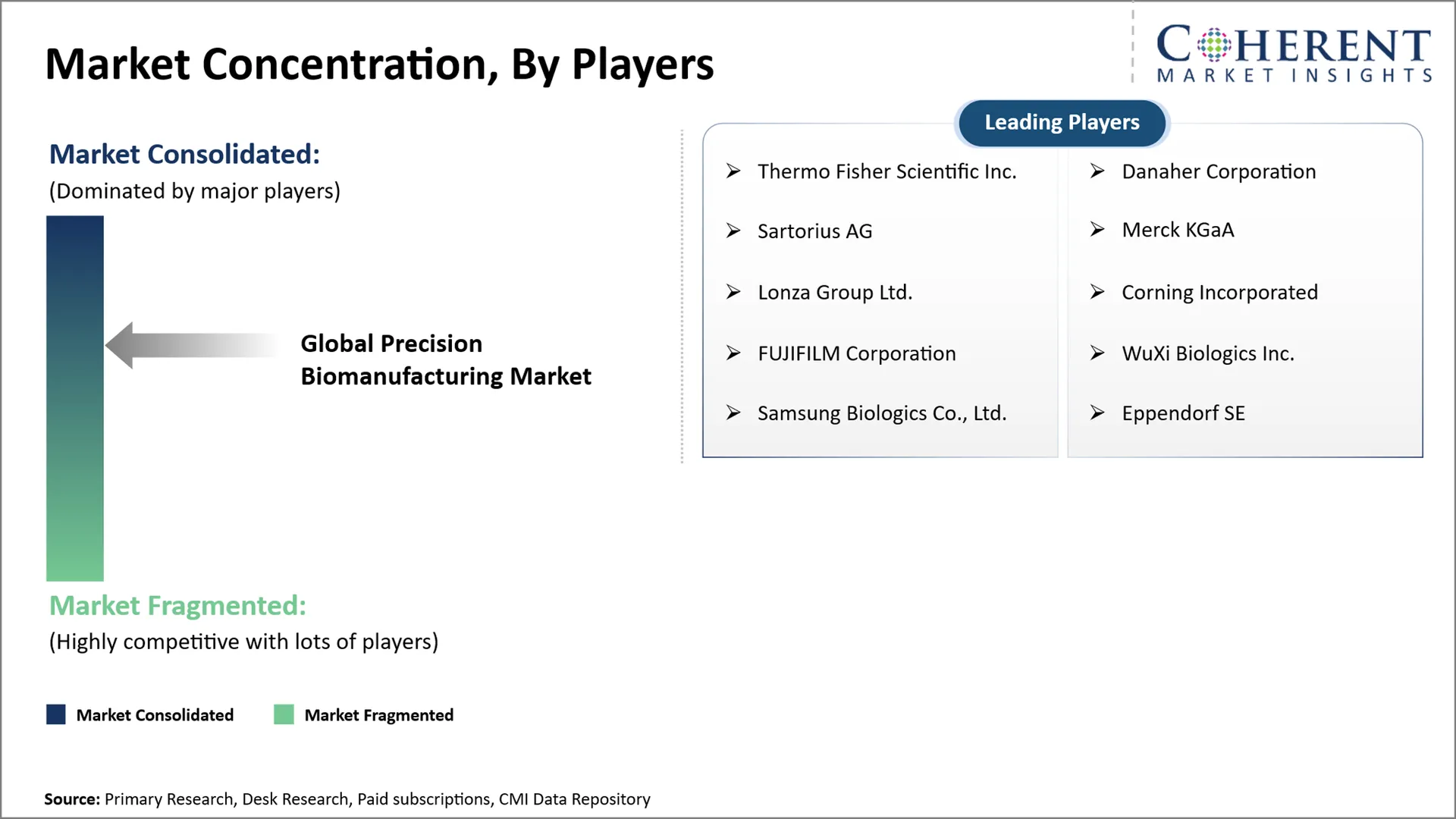
The global precision biomanufacturing market is competitive, with competition centered on advanced bioprocessing capabilities, production precision, process scalability, automation, quality control, and integrated manufacturing solutions. Market participants are expanding capabilities across precision fermentation, synthetic biology, cell culture, single-use systems, and continuous biomanufacturing to improve production efficiency and accelerate the transition from laboratory development to commercial-scale manufacturing. Key focus areas include:
- Expansion of precision fermentation and advanced cell-culture manufacturing capabilities
- Integration of synthetic biology, automation, and AI-enabled process optimization
- Adoption of single-use systems and continuous biomanufacturing technologies
- Development of scalable, integrated bioprocessing and manufacturing platforms
- Strategic partnerships, capacity expansions, and technology collaborations
Market Report Scope
Global Precision Biomanufacturing Market Report Coverage | |||
Report Coverage | Details | ||
Base Year | 2025 | Market Size in 2026: | USD 31.7 Bn |
Historical Data For: | 2020 To 2024 | Forecast Period: | 2026 To 2033 |
Forecast Period 2026 To 2033 CAGR: | 14.8% | 2033 Value Projection: | USD 83.3 Bn |
Geographies covered: |
| ||
Segments covered: |
| ||
Companies covered: | Thermo Fisher Scientific Inc., Danaher Corporation, Sartorius AG, Merck KGaA, Lonza Group Ltd., Corning Incorporated, FUJIFILM Corporation, WuXi Biologics Inc., Samsung Biologics Co., Ltd., Eppendorf SE | ||
Growth Drivers: |
| ||
Restraints & Challenges: |
| ||
Analyst Opinion (Expert Opinion)
- In the coming years, global precision biomanufacturing market will shift from conventional, batch-oriented production toward highly automated, data-driven, and flexible manufacturing platforms. Precision fermentation, synthetic biology, continuous processing, and AI-enabled process control will increasingly converge to enable faster scale-up, tighter process consistency, and more efficient production of complex biological products.
- The maximum opportunities are foreseen within precision fermentation for specialty biomolecules in India, particularly for high-value proteins, enzymes, functional ingredients, and other engineered biological products. India offers an attractive combination of expanding biotechnology capabilities, a growing manufacturing ecosystem, and increasing investment in advanced bioprocessing infrastructure.
- In order to gain a competitive advantage market players should prioritize integrated technology platforms that combine strain engineering, precision fermentation, real-time process monitoring, automation, and downstream processing rather than competing on individual manufacturing steps. Building flexible pilot-to-commercial scale-up capabilities and forming targeted partnerships across technology developers, CDMOs, and end-product companies can also shorten commercialization timelines and improve manufacturing economics.
Speak to the analyst
Want personalized insights?
Take the findings above to one of our principal consultants, or have the report rebuilt around the segments, geographies and competitors you actually track.
Market Segmentation
- Product Insights (Revenue, USD Bn, 2021 - 2033)
- Biologics
- Vaccines
- Recombinant Proteins
- Cell and Gene Therapies
- Enzymes
- Microbial-Based Products
- Others
- Technology Insights (Revenue, USD Bn, 2021 - 2033)
- Cell Culture
- Precision Fermentation
- Synthetic Biology
- Continuous Biomanufacturing
- Single-Use Biomanufacturing
- Others
- Process Insights (Revenue, USD Bn, 2021 - 2033)
- Upstream Processing
- Fermentation/Cell Culture
- Harvesting
- Downstream Processing
- Purification
- Formulation and Fill-Finish
- Scale of Operation Insights (Revenue, USD Bn, 2021 - 2033)
- Research and Development Scale
- Preclinical/Clinical Scale
- Pilot Scale
- Commercial Scale
- Application Insights (Revenue, USD Bn, 2021 - 2033)
- Therapeutics
- Vaccines
- Food and Nutrition
- Industrial Biotechnology
- Agriculture
- Diagnostics
- Others
- End User Insights (Revenue, USD Bn, 2021 - 2033)
- Pharmaceutical and Biotechnology Companies
- Contract Development and Manufacturing Organizations (CDMOs)
- Contract Research Organizations (CROs)
- Academic and Research Institutes
- Food and Ingredient Manufacturers
- Others
- Regional Insights (Revenue, USD Bn, 2021 - 2033)
- North America
- U.S.
- Canada
- Latin America
- Brazil
- Argentina
- Mexico
- Rest of Latin America
- Europe
- Germany
- U.K.
- Spain
- France
- Italy
- Russia
- Rest of Europe
- Asia Pacific
- China
- India
- Japan
- Australia
- South Korea
- ASEAN
- Rest of Asia Pacific
- Middle East
- GCC Countries
- Israel
- Rest of Middle East
- Africa
- South Africa
- North Africa
- Central Africa
- North America
Sources
Primary Research Interviews:
- Precision biomanufacturing companies specializing in precision fermentation, synthetic biology, cell culture, and advanced bioprocessing
- Biopharmaceutical and biotechnology executives responsible for manufacturing, process development, and technology adoption
- Bioprocess engineers and manufacturing specialists involved in upstream and downstream processing
- Quality assurance and regulatory professionals responsible for process validation, GMP compliance, and manufacturing quality
- Product-development and R&D specialists involved in biologics, recombinant proteins, enzymes, vaccines, and cell and gene therapies
Stakeholders
- Precision biomanufacturing companies
- Pharmaceutical and biotechnology companies
- Contract development and manufacturing organizations (CDMOs)
- Bioprocessing equipment and technology providers
- Synthetic biology and precision fermentation companies
- Research institutions and biofoundries
- Food, nutrition, and industrial biotechnology companies
- Biologics, vaccine, enzyme, and recombinant-protein manufacturers
- End-use Sectors
- Pharmaceuticals & Biotechnology
- Food & Nutrition
- Industrial Biotechnology
- Agriculture & Animal Nutrition
- Cosmetics & Personal Care
- Diagnostics & Research
- Environmental & Bio-based Chemicals
- Other End-use Sectors
- Regulatory & Health Bodies
- U.S. Food and Drug Administration (FDA) – biologics manufacturing, CGMP, process validation, and regulatory requirements
- European Medicines Agency (EMA) – biological medicines, advanced therapies, and manufacturing regulatory information
- Medicines and Healthcare products Regulatory Agency (MHRA), UK – biologics, advanced therapies, and GMP requirements
- World Health Organization (WHO) – biological products, vaccine manufacturing, and quality standards
- International Council for Harmonisation (ICH) – pharmaceutical quality, manufacturing, and regulatory guidelines
- Organisation for Economic Co-operation and Development (OECD) – biotechnology, synthetic biology, bioeconomy, and biomanufacturing policy information
Databases
- FDA Drugs@FDA and Biologics License Application databases – approved biological products and regulatory information
- ClinicalTrials.gov – clinical studies involving biologics, vaccines, cell and gene therapies, and advanced biological products
- NIH RePORTER – publicly funded research in biotechnology, biomanufacturing, synthetic biology, and bioprocessing
- GenBank/NCBI – genomic and molecular biology data relevant to biological engineering and biomanufacturing
- WIPO PATENTSCOPE – international patent information covering biotechnology and bioprocessing technologies
- USPTO Patent Center – U.S. patent information related to synthetic biology, fermentation, bioprocessing, and manufacturing technologies
Associations
- Biotechnology Innovation Organization (BIO) – biotechnology industry, biopharmaceutical manufacturing, and innovation resources
- International Society for Pharmaceutical Engineering (ISPE) – biopharmaceutical manufacturing, process engineering, and GMP resources
- Society for Industrial Microbiology and Biotechnology (SIMB) – industrial microbiology, fermentation, and biotechnology resources
- BioProcess International (BPI) – bioprocessing, biologics manufacturing, and process-development resources
- American Society for Microbiology (ASM) – microbial biotechnology and biological research resources
- American Chemical Society (ACS) – biotechnology, synthetic biology, bioprocessing, and industrial chemistry resources
Public Domain Sources
- U.S. Census Bureau – biotechnology, manufacturing, trade, and industry statistics
- Eurostat – European biotechnology, manufacturing, industrial production, and R&D statistics
- OECD Data Explorer – biotechnology, R&D, innovation, manufacturing, and science and technology statistics
- World Bank – economic, industrial, trade, and investment indicators
- United Nations Comtrade – international trade statistics for relevant biological, pharmaceutical, chemical, and manufacturing products
- U.S. Department of Energy (DOE) – industrial biotechnology, bioenergy, biomanufacturing, and bioeconomy research
- National Institute of Standards and Technology (NIST) – biotechnology, measurement science, manufacturing, and process-control research
- National Institutes of Health (NIH) – biomedical research, biotechnology, biologics, and biomanufacturing research
Proprietary Elements
- CMI Data Analytics Tool
- Proprietary CMI Existing Repository of information for last 10 years.
Get access to 250+ pages report
Every segment, forecast, competitor profile and data table behind the analysis above — available for instant download.
- ESOMAR Member
- ISO 9001:2015 Certified
- D-U-N-S Registered
- GDPR & CCPA Compliant
Missing comfort of reading report in your local language? Find your preferred language:
Frequently Asked Questions
The global precision biomanufacturing market is estimated to be valued at USD 31.7 Bn in 2026 and is expected to reach USD 83.3 Bn by 2033.
Biologics dominates due to their complex manufacturing requirements, high demand across therapeutic applications, and growing adoption of advanced bioprocessing technologies.
Precision biomanufacturing is the use of advanced biological engineering, controlled bioprocessing, and data-driven technologies to produce biological products with high consistency, accuracy, and scalability.
The CAGR of global precision biomanufacturing market is projected to be 14.8% from 2026 to 2033.
Rising demand for scalable, high-precision biologics manufacturing, and increasing adoption of synthetic biology and precision fermentation are the major factors driving the growth of the global precision biomanufacturing market.
High capital investment required for advanced biomanufacturing infrastructure, and complex process validation and stringent regulatory requirements are the major factors hampering the growth of the global precision biomanufacturing market.
In terms of technology, cell culture is estimated to dominate the market revenue share in 2026.