

Global Protein Biomarkers Market Size and Forecast – 2026 To 2033
The global protein biomarkers market is expected to grow from USD 9,925.9 Mn in 2026 to USD 17,686.6 Mn by 2033, registering a compound annual growth rate (CAGR) of 8.6% from 2026 to 2033. The market for protein biomarkers is poised for significant expansion, fueled by the soaring burden of chronic diseases such as cancer, cardiovascular diseases, diabetes, and neurodegenerative disorders, which are driving the demand for early diagnosis and personalized treatment.
According to the World Health Organization (WHO), the global burden of cancer is projected to exceed 35 million new cases by 2050, representing a 77% increase from the estimated 20 million new cases in 2022. The rising incidence of cancer is expected to increase the demand for protein biomarkers for early diagnosis, prognosis assessment, personalized treatment selection, and disease monitoring, thereby supporting market growth.
Key Takeaways of the Global Protein Biomarkers Market
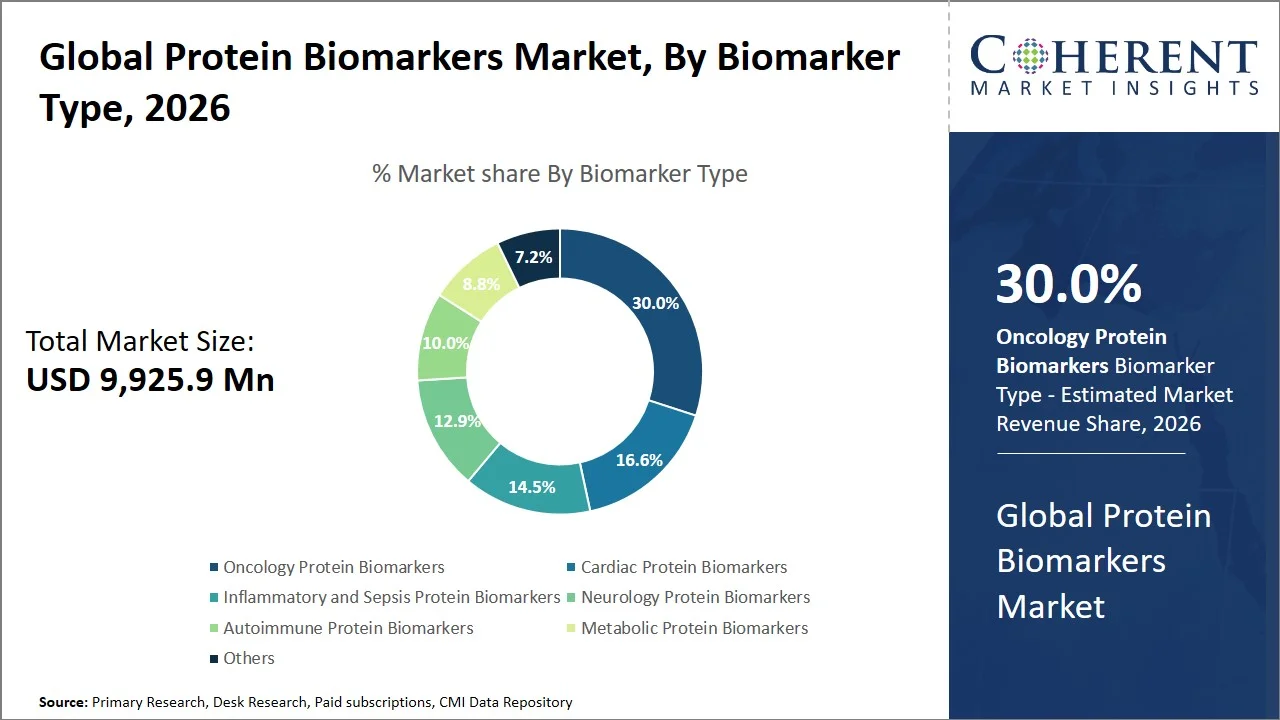
- Oncology protein biomarkers are projected to hold 30.0 % of the global protein biomarkers market share in 2026, making it the dominant biomarker type segment across North America due to strong government support for precision oncology research. For instance, the U.S. National Cancer Institute (NCI) allocated USD 7.22 billion in FY2025 to advance cancer research, including biomarker discovery, validation, and precision medicine initiatives. This continued investment supports the widespread development and adoption of oncology protein biomarkers.
- Biomarker discovery and validation is projected to hold 29.3 % of the global protein biomarkers market share in 2026, making it the dominant application segment across Europe due to extensive public funding for translational biomarker research. For instance, the Innovative Health Initiative (IHI) and the European Commission launched the "Towards the Healthcare Continuum" call, supporting multinational projects for biomarker discovery and validation to accelerate precision medicine.
- IVD and diagnostic assay manufacturers are projected to hold 44.7 % of the global protein biomarkers market share in 2026, making it the dominant end user segment across Asia Pacific due to increasing government support for strengthening in vitro diagnostics and precision medicine capabilities. For instance, in 2024, Japan's Ministry of Health, Labour and Welfare (MHLW) implemented its National Plan for Promoting Genomic Medicine, expanding the integration of biomarker-based diagnostics into clinical practice through designated genomic medicine hospitals and standardized testing frameworks. This initiative is accelerating the adoption of advanced protein biomarker assays across clinical laboratories and diagnostic manufacturers
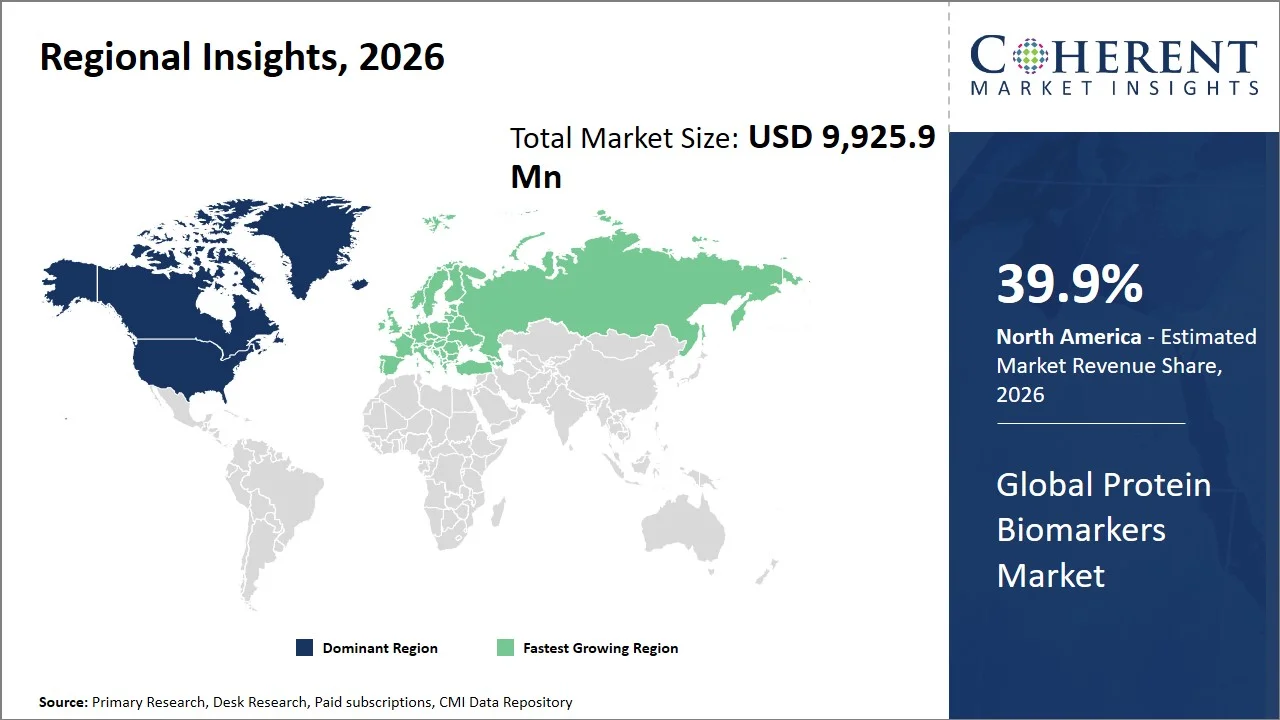
- North America maintains its dominance with an expected share of 39.9 % in 2026, bolstered by the region's well-established precision medicine ecosystem and sustained federal support for proteomics research. For instance, the National Institutes of Health (NIH) supports the Human Biomolecular Atlas Program (HuBMAP), a nationwide initiative that maps proteins and other biomolecules across human tissues to accelerate biomarker discovery and clinical translation.
- Europe is expected to exhibit the fastest growth with an estimated contribution of 24.7 % share in 2026, owing to coordinated investments in multi-omics research and precision healthcare infrastructure. For instance, the European Commission funds the European Partnership for Personalized Medicine (EP PerMed) under Horizon Europe, promoting cross-border research on biomarker discovery, validation, and clinical implementation to advance personalized medicine across Europe.
- Growing Integration of Spatial Proteomics in Biomarker Research: The increasing adoption of spatial proteomics is transforming protein biomarker discovery by enabling researchers to analyze protein expression within the native tissue microenvironment. This technology provides deeper insights into disease mechanisms, particularly in oncology and immunology, improving biomarker accuracy and accelerating the development of targeted therapies. As pharmaceutical companies expand spatial biology research, the demand for advanced protein biomarker platforms is expected to rise.
- Rising Use of Protein Biomarkers in Decentralized Clinical Trials: The rapid shift toward decentralized and hybrid clinical trials presents a significant opportunity for protein biomarker developers. Remote patient monitoring and home-based sample collection are increasing the need for minimally invasive, blood-based protein biomarkers that enable continuous assessment of treatment response and disease progression. This trend is expected to expand the adoption of protein biomarker assays in clinical research and accelerate drug development timelines.
Segmental Insights
Why Do Oncology Protein Biomarkers Dominate the Global Protein Biomarkers Market?
Oncology protein biomarkers are projected to hold a market share of 30.0% in 2026, owing to their significant role in identifying and diagnosing cancer, predicting its progression, aiding in treatment decision, and monitoring therapy effectiveness. The clinical adoption of oncology protein biomarkers is anticipated to grow owing to the increasing acceptance of precision oncology approaches, use of companion diagnostics, and innovation in proteomics technologies. Moreover, increasing investment in cancer biomarkers R&D are strengthening innovation and commercialization in this segment. For instance, in March 2025, Cancer Grand Challenges gave five international teams USD 125 million in research grants (a maximum of USD 25 million per team) to address major obstacles in cancer research to deliver breakthroughs in cancer therapies. The funding is expected to enhance the biomarker discovery, early cancer detection and precision oncology to support wider adoption of oncology protein biomarkers.
- Current Industry Events of 2026
- Market Size Estimation
- Regional Breakdown
- Competitive Landscape
- Customer Intelligence
- Segmental Analysis
- Pricing Analysis
- Key Market Drivers, Challenges & Future Trends
- Customized Insights Section
Why Does Biomarker Discovery and Validation Represent the Largest Application Segment in the Protein Biomarkers Market?
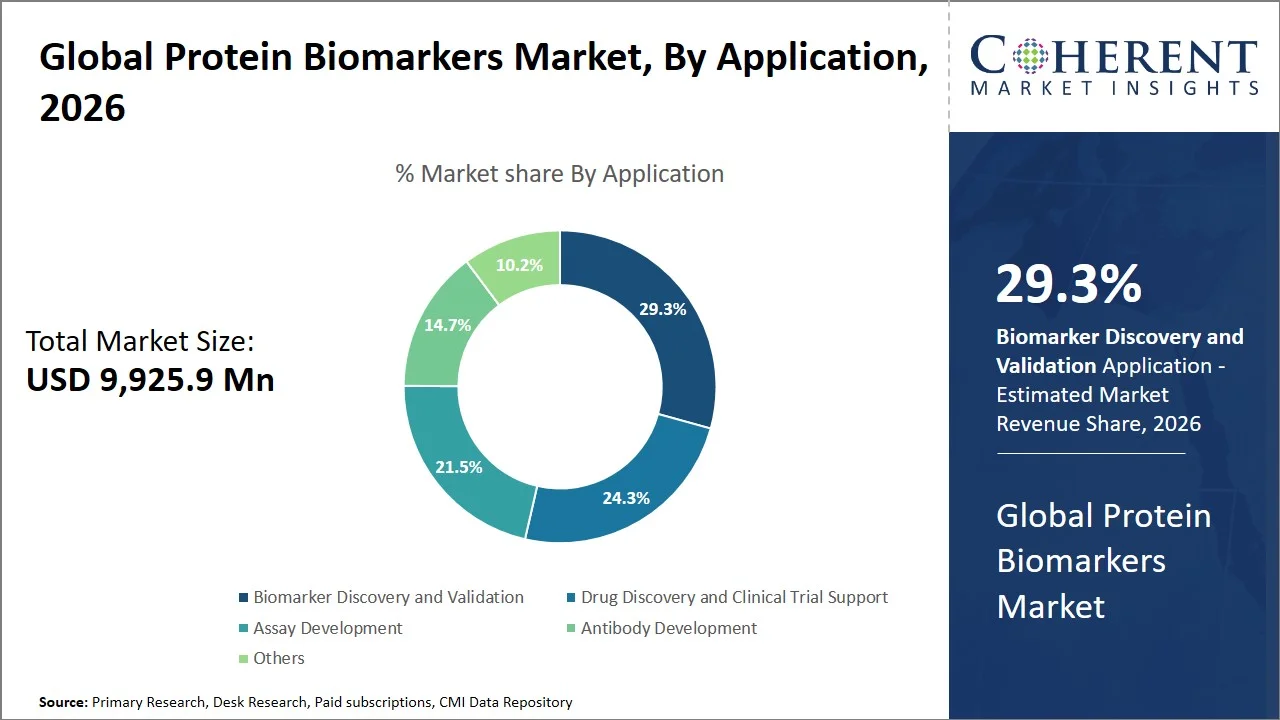
Biomarker discovery and validation is projected to hold a market share of 29.3% in 2026, as these are the prerequisite steps to enable the design of clinically valid diagnostics and targeted treatments. Research in proteomics, high-throughput screening and bioinformatics are expanding the identification and validation of disease-specific protein biomarkers. These advancements are resulting in greater success rates in clinical trials, simplified regulatory submissions and broad adoption of precision medicine. For instance, in June 2023, the Innovative Health Initiative (IHI) launched its first five joint projects in the areas of cancer, neurodegenerative diseases and digital health. The project involves collaboration between pharmaceutical companies, medical technology companies, academia, and health-care organizations aiming to drive discovery and validation of biomarkers and precision medicine research.
IVD and Diagnostic Assay Manufacturers Segment Dominates the Global Protein Biomarkers Market
The IVD and diagnostic assay manufacturers segment is projected to hold a market share of 44.7% in 2026, due to their indispensable role in translating the discovery of protein biomarkers into clinically acceptable diagnostic kits. Due to the growing need for early detection of diseases, companion diagnostics and precision medicines, manufacturers are focusing on the development of highly sensitive, multiplex, and automated protein biomarker assays. Partnerships between diagnostic companies, healthcare organizations, and research institutes further accelerate the commercialization and market entry of new biomarker tests. For instance, in January 2025, the BRECISE innovative project was launched under the Innovative Health Initiative (IHI) and Horizon Europe, to clinically validate and implement state-of-the-art AI-powered oncology biomarkers. It involves 25 academic, clinical, industry, and policy partners from 15 countries across Europe and is designed to shorten the path from validated biomarker discovery to its use in everyday in vitro diagnostic (IVD) assays. The project is expected to leverage the expertise and innovation potential of IVD manufacturers in precision oncology.
Current Events and their Impact
Current Events | Description and its Impact |
European Health Data Space (EHDS) Regulation Entered into Force (March 2025) |
|
U.S. FDA Issued Draft Guidance on AI-Enabled Medical Devices (January 2025) |
|
Global Protein Biomarkers Market Dynamics
Market Drivers
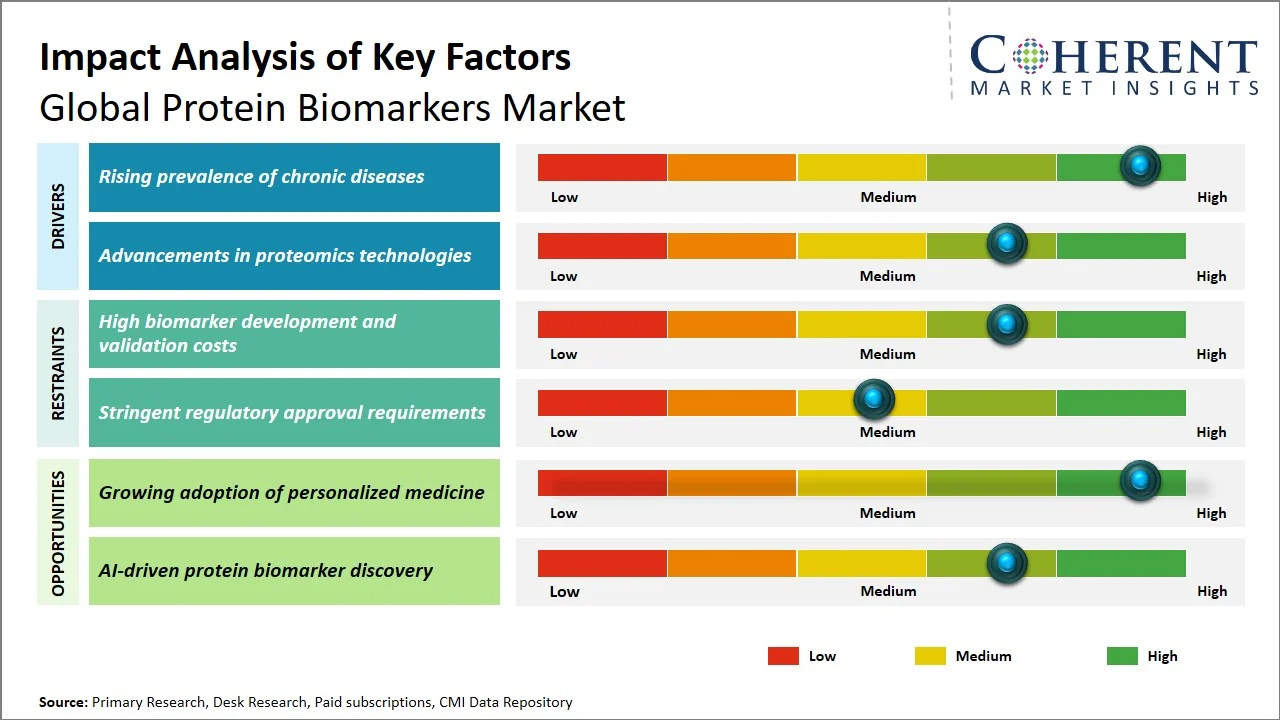
- Rising prevalence of chronic diseases: The rising prevalence of chronic diseases is significantly increasing the demand for protein biomarkers for early diagnosis, prognosis, and treatment monitoring. Growing emphasis on precision medicine and preventive healthcare is accelerating the adoption of protein biomarker-based diagnostics across oncology, cardiovascular, metabolic, and neurological diseases. Continuous advancements in proteomics are further expanding the clinical utility of these biomarkers. For instance, in January 2025, the World Health Organization (WHO) launched the Global Initiative on Childhood Cancer Knowledge Action Portal, strengthening global efforts for early cancer detection, diagnosis, and treatment through improved diagnostic capacity and biomarker-driven approaches. Such initiatives are expected to boost the adoption of advanced protein biomarker technologies worldwide.
- Advancements in proteomics technologies: Continuous improvements in proteomics platforms, including high-throughput protein profiling and large-scale data integration, are enhancing the identification and validation of disease-specific protein biomarkers. These innovations are enabling more accurate diagnostics, accelerating translational research, and supporting the growing adoption of precision medicine across multiple therapeutic areas. For instance, in January 2025, the UK Biobank expanded access to its Pharma Proteomics Project, making proteomic data from over 600,000 participants available to approved researchers. Supported by the UK Biobank and the U.K. government's life sciences ecosystem, the initiative is expected to accelerate large-scale protein biomarker discovery and validation for chronic diseases.
Emerging Trends
- Expansion of Multi-Protein Biomarker Panels: Healthcare providers are increasingly adopting multi-protein biomarker panels instead of single biomarkers to improve diagnostic sensitivity and specificity. These panels enable comprehensive disease profiling, particularly for oncology, cardiovascular diseases, and neurodegenerative disorders, supporting more accurate clinical decision-making.
- Growing Adoption of Blood-Based Biomarkers for Neurodegenerative Diseases: The development of blood-based protein biomarkers for Alzheimer's disease, Parkinson's disease, and other neurodegenerative disorders is gaining momentum as a less invasive alternative to cerebrospinal fluid (CSF) testing. Increasing clinical validation and regulatory support are expected to accelerate their integration into routine neurological diagnostics and disease monitoring.
Regional Insights
Why is North America a Strong Market for Protein Biomarkers?
North America leads the global protein biomarkers market, accounting for an estimated 39.9% share in 2026, due to its well-developed healthcare infrastructure, robust biopharmaceutical ecosystem and rising investment in biotechnology and life science research. The rapid uptake of precision diagnostics and well-developed translation research capacities helps in the accelerated development and commercialization of protein biomarkers technologies in the region. Additionally, various governmental initiatives in the form of funding from National Institutes of Health (NIH) and regulatory guidelines provided by U.S. Food and Drug Administration (FDA) help in the early adoption of biomarker development. For instance, the Biomarker Qualification Program (BQP) by the U.S. Food and Drug Administration is a formal regulatory process for qualifying biomarkers to be used in specific contexts of use within drug development to ensure wider acceptance across multiple clinical development programs. Furthermore, mature clinical research networks and strong laboratory infrastructure further bolster the region’s market leadership.
Why Does the Europe Protein Biomarkers Market Exhibit High Growth?
The Europe protein biomarkers market is expected to exhibit the fastest growth with an estimated contribution of 24.7% share to the global market in 2026, owing to the increasing utilization of precision medicine, expanding proteomics studies, and rising applications for biomarker-based diagnostics in cancer, central nervous system, and rare diseases segments. Europe's efficient clinical research ecosystem, rising venture investment in translational medicine are helping in rapid detection and validation of new protein biomarkers. Additionally, government investment in life sciences research and the presence of progressive regulations are accelerating development and validation of biomarkers along with increasing clinical utility. For instance, in July 2025, European Commission published its strategy for European life sciences and sets outlining measures to support life sciences innovation by investing in clinical trials, streamlining regulatory processes and strengthening support for translational research and precision medicine.
Global Protein Biomarkers Market Outlook for Key Countries
Why is the U.S. Leading Innovation and Adoption in the Protein Biomarkers Market?
The U.S. dominates the protein biomarkers market driven by early and expedited translation of proteomics research into commercial diagnostic products. Biomarker application in liquid biopsy, precision oncology and in companion diagnostics has contributed in accelerating protein biomarkers adoption in clinical practice. Furthermore, continuous innovation in high-sensitivity multi-analyte and single-molecule protein biomarker detection further supports U.S. biomarker adoption and discovery.
Is Japan a Favorable Market for Protein Biomarkers?
Japan is one of the most promising markets for the protein biomarkers market, owing to the country's high emphasis on personalized medicine, robust usage of high-performance clinical diagnostics and established proteomics competencies. The country's pharma and diagnostics companies are making increased efforts in integrating protein biomarkers across oncology, neurology & companion diagnostics application. Growing awareness and usage of high-quality lab testing along with increasing trend of early detection ensures steady demand for clinically validated protein biomarker assays in the country.
Is China Emerging as a Key Growth Hub for the Protein Biomarkers Market?
China is positioned as a key growth hub in the global protein biomarkers market owing to the rapid proliferation of the precision diagnostics market, increasing demand for proteomics tools, and burgeoning implementation of biomarker testing for managing oncology and chronic diseases. An expanding national biopharmaceutical R&D landscape along with greater commercialization of locally developed diagnostics tools (such as multiplex immunoassay platforms, chemiluminescence immunoassay (CLIA) systems, and mass spectrometry-based proteomics platforms) is accelerating the pace of discovery, development and deployment of novel protein biomarker assays for clinical applications.
Why Does Germany Top the European Protein Biomarkers Market?
Germany leads the European protein biomarkers market due to the country’s expertise in translational proteomics, robust penetration of molecular diagnostics and a strong pharmaceutical and in vitro diagnostics (IVD) industry. Germany has led efforts to translate protein biomarker into diagnostics to be used in oncology, as companion diagnostics and in clinical laboratory testing, aided by state-of-the art biomanufacturing and vast resources for clinical validation. The country has focused its innovative edge on high quality diagnostics that continues to drive the development and commercialization of protein biomarker-based assays.
Is the Protein Biomarkers Market Developing in the U.K.?
The U.K. is a high-potential market for protein biomarkers driven by its robust translational research infrastructure, increasing acceptance of precision medicine, and rapid adoption of proteomics in disease diagnosis and drug development. The country has a comprehensive clinical research network, a high prevalence of biomarker driven studies, particularly in the oncology and neurodegenerative indications. For instance, in August 2024, UK Biobank expanded access to its Pharma Proteomics Project, providing plasma protein data for over 54,000 participants to support biomarker discovery, disease risk prediction, and therapeutic target identification. Furthermore, considerable investments in large-scale proteomics efforts accelerate the discovery, validation and commercialization of protein biomarkers in the country.
Technology Innovation Landscape in the Global Protein Biomarkers Market
Innovation Area | Technology/Approach | Key Advantage | Market Relevance |
Ultra-sensitive protein detection | Single-molecule assays | Detects low-abundance biomarkers | Enables earlier disease diagnosis |
Multiplex biomarker analysis | Multiplex immunoassays | Simultaneous detection of multiple proteins | Improves diagnostic accuracy |
AI-enabled proteomics | Machine learning-based biomarker analysis | Faster biomarker identification | Supports precision medicine |
High-throughput proteomics | Next-generation mass spectrometry | Large-scale protein profiling | Accelerates biomarker discovery |
Multi-omics integration | Proteomics + genomics + transcriptomics | Comprehensive disease characterization | Enhances personalized medicine |
How is the growing adoption of personalized medicine creating new growth opportunities in the protein biomarkers market?
Increased adoption of personalized medicine offers huge prospects for the protein biomarkers market due to the growing need for molecular diagnostics for patient stratification, selection of targeted therapy, and disease monitoring. The continuous developments in proteomics as well as in multiplex analyses of the biomarkers are expanding the potential of protein biomarker in a wide array of chronic as well as complicated diseases in the long run leading support to translational research and precision medicine. For instance, in September 2025, Thermo Fisher Scientific Inc. unveiled its Olink Target 48 Neurodegeneration Panel, providing an absolute quantification of 41 primary and exploratory protein biomarkers associated with Alzheimer's, Parkinson's, multiple sclerosis, and other neurodegenerative conditions. This high-throughput, scalable proteomics panel aims to enhance the speed and scale of biomarker discovery in precision medicine research.
Market Players, Key Development, and Competitive Landscape
Key Developments
- On July 13, 2026, Alamar Biosciences partnered with Washington University, the University of Wisconsin, and Indiana University to launch a national initiative advancing blood-based biomarkers for neurodegenerative diseases. The collaboration utilizes Alamar's NULISAseq technology to analyze over 21,000 plasma samples, accelerating the discovery and clinical validation of protein biomarkers for Alzheimer's disease and related disorders.
- In September 2025, Illumina, Inc. launched Illumina Protein Prep, a next-generation sample preparation solution designed to enhance proteomic analysis for drug discovery and biomarker research. The platform streamlines protein sample processing and enables deeper proteomic insights, supporting the identification and validation of protein biomarkers for precision medicine and translational research.
- In July 2025, Quanterix completed the acquisition of Akoya Biosciences, creating the first integrated platform capable of measuring protein biomarkers across both blood and tissue samples. The combined portfolio strengthens biomarker discovery, translational research, and precision medicine by enabling comprehensive multi-sample biomarker analysis for clinical and pharmaceutical applications.
Competitive Landscape
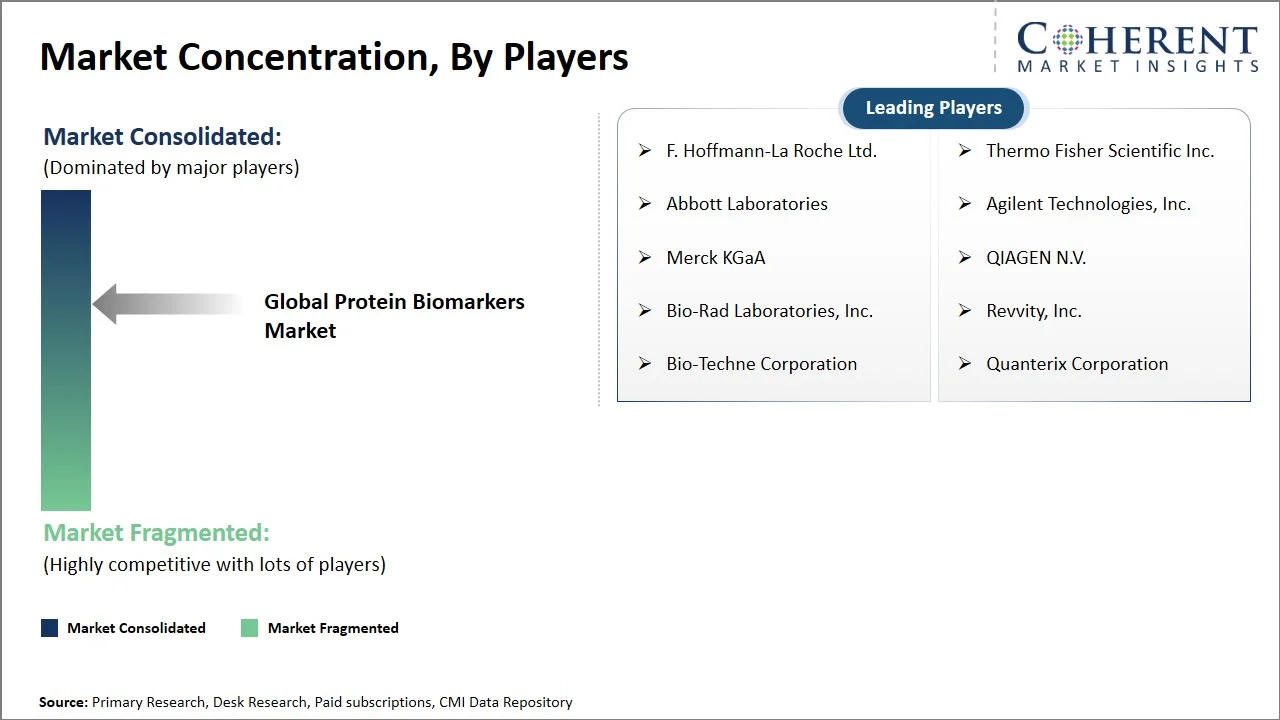
The global protein biomarkers market is moderately consolidated, with competition centered on technological innovation, expansion of proteomics capabilities, and the development of clinically validated biomarker solutions. Market participants are investing heavily in ultra-sensitive protein detection platforms, AI-enabled biomarker analysis, and strategic collaborations with pharmaceutical companies, research institutes, and healthcare organizations to strengthen their precision medicine portfolios. Geographic expansion, regulatory compliance, and the commercialization of high-throughput biomarker assays remain key competitive priorities. Key focus areas include:
- Development of high-sensitivity and multiplex protein biomarker platforms for early disease detection.
- Integration of AI, bioinformatics, and multi-omics to accelerate biomarker discovery and validation.
- Expansion of strategic partnerships with pharmaceutical companies, CROs, and academic research institutions.
- Strengthening clinical validation and regulatory approvals to support commercialization of biomarker-based diagnostics.
- Investment in high-throughput proteomics technologies and global market expansion to enhance precision medicine capabilities.
Market Report Scope
Protein Biomarkers Market Report Coverage
| Report Coverage | Details | ||
|---|---|---|---|
| Base Year: | 2025 | Market Size in 2026: | USD 9,925.9 Mn |
| Historical Data for: | 2020 To 2024 | Forecast Period: | 2026 To 2033 |
| Forecast Period 2026 to 2033 CAGR: | 8.6% | 2033 Value Projection: | USD 17,686.6 Mn |
| Geographies covered: |
| ||
| Segments covered: |
| ||
| Companies covered: | F. Hoffmann-La Roche Ltd., Thermo Fisher Scientific Inc., Abbott Laboratories, Agilent Technologies, Inc., Merck KGaA, QIAGEN N.V., Bio-Rad Laboratories, Inc., Revvity, Inc., Bio-Techne Corporation, and Quanterix Corporation | ||
| Growth Drivers: |
| ||
| Restraints & Challenges: |
| ||
Analyst Opinion (Expert Opinion)
- In the coming years, the global protein biomarkers market is expected to transition from a research-driven market to a clinically integrated ecosystem, fueled by the rapid adoption of precision medicine, AI-enabled proteomics, and minimally invasive diagnostics. Growing regulatory support for biomarker-guided therapies and increasing use of protein biomarkers in drug development and clinical decision-making will continue to expand their applications across healthcare.
- The maximum opportunities will probably exist within oncology biomarker discovery and companion diagnostics in the U.S., where strong investments in cancer research, advanced proteomics infrastructure, and widespread adoption of precision oncology are accelerating the demand for clinically validated protein biomarkers. Emerging opportunities are also expected in neurodegenerative disease biomarkers as blood-based diagnostics gain clinical acceptance.
- In order to obtain a competitive advantage, market participants should prioritize investments in high-sensitivity multiplex proteomics platforms, integrate AI and multi-omics analytics into biomarker discovery workflows, and strengthen collaborations with pharmaceutical companies, academic research institutions, and clinical laboratories. Expanding clinical validation studies, securing regulatory approvals, and developing scalable biomarker panels for precision medicine applications will be critical to achieving long-term market leadership.
Speak to the analyst
Want personalized insights?
Take the findings above to one of our principal consultants, or have the report rebuilt around the segments, geographies and competitors you actually track.
Market Segmentation
- Biomarker Type Insights (Revenue, USD Mn, 2021 - 2033)
- Oncology Protein Biomarkers
- Cardiac Protein Biomarkers
- Inflammatory and Sepsis Protein Biomarkers
- Neurology Protein Biomarkers
- Autoimmune Protein Biomarkers
- Metabolic Protein Biomarkers
- Others
- Application Insights (Revenue, USD Mn, 2021 - 2033)
- Biomarker Discovery and Validation
- Drug Discovery and Clinical Trial Support
- Assay Development
- Antibody Development
- Others
- End User Insights (Revenue, USD Mn, 2021 - 2033)
- IVD and Diagnostic Assay Manufacturers
- Pharmaceutical and Biotechnology Companies
- CROs and Biomarker Testing Service Providers
- Others
- Regional Insights (Revenue, USD Mn, 2021 - 2033)
- North America
- U.S.
- Canada
- Latin America
- Brazil
- Argentina
- Mexico
- Rest of Latin America
- Europe
- Germany
- U.K.
- Spain
- France
- Italy
- Russia
- Rest of Europe
- Asia Pacific
- China
- India
- Japan
- Australia
- South Korea
- ASEAN
- Rest of Asia Pacific
- Middle East
- GCC Countries
- Israel
- Rest of Middle East
- Africa
- South Africa
- North Africa
- Central Africa
- North America
- Key Players Insights
- Hoffmann-La Roche Ltd.
- Thermo Fisher Scientific Inc.
- Abbott Laboratories
- Agilent Technologies, Inc.
- Merck KGaA
- QIAGEN N.V.
- Bio-Rad Laboratories, Inc.
- Revvity, Inc.
- Bio-Techne Corporation
- Quanterix Corporation
Sources
Primary Research Interviews
- Proteomics researchers and biomarker discovery scientists from academic and research institutes
- Clinical pathologists and laboratory medicine specialists
- Molecular diagnostics and companion diagnostics experts
- Pharmaceutical and biotechnology R&D executives involved in biomarker-driven drug development
- Clinical research organizations (CROs) specializing in biomarker validation
- Product managers and business development executives from proteomics platform providers
Stakeholders
- Protein biomarker assay and diagnostic kit manufacturers
- Proteomics technology and mass spectrometry solution providers
- Pharmaceutical and biotechnology companies
- Contract research organizations (CROs) and contract development & manufacturing organizations (CDMOs)
- Clinical diagnostic laboratories and reference laboratories
- End-use Sectors
- Hospitals and multispecialty healthcare systems
- Academic and translational research institutes
- Pharmaceutical and biotechnology companies
- Clinical diagnostic laboratories
- Contract research organizations (CROs)
- Regulatory & Health Bodies
- U.S. Food and Drug Administration (FDA)
- National Institutes of Health (NIH), U.S.
- National Cancer Institute (NCI), U.S.
- European Medicines Agency (EMA)
- European Commission – European Health Data Space (EHDS)
- Pharmaceuticals and Medical Devices Agency (PMDA), Japan
- National Medical Products Administration (NMPA), China
- Medicines and Healthcare products Regulatory Agency (MHRA), U.K.
Databases
- NIH RePORTER Database
- NCBI Gene Expression Omnibus (GEO)
- ClinicalTrials.gov
- Human Protein Atlas
- PRIDE (PRoteomics IDEntifications Database)
- UniProt Protein Knowledgebase (UniProtKB)
- World Health Organization (WHO) Global Health Observatory
- OECD Health Statistics Database
Magazines
- BioPharm International
- Genetic Engineering & Biotechnology News (GEN)
- Clinical Laboratory News
- Drug Discovery & Development Magazine
Journals
- Journal of Proteome Research
- Biomarkers in Medicine
- Clinical Chemistry and Laboratory Medicine (CCLM)
- Journal of Translational Medicine,
Associations
- Human Proteome Organization (HUPO)
- American Association for Clinical Chemistry (AACC)
- Biomarkers Consortium (Critical Path Institute)
- European Association for Predictive
- Preventive & Personalized Medicine (EPMA)
Public Domain Sources
- U.S. Food and Drug Administration (FDA) – Biomarker Qualification Program
- World Health Organization (WHO) – Disease & Diagnostics Data
- National Cancer Institute (NCI) – Biomarker Research Programs
- European Medicines Agency (EMA) – Biomarker Regulatory Guidelines
Proprietary Elements
- CMI Data Analytics Tool, Proprietary CMI Existing Repository of information for last 10 years.
Get access to 250+ pages report
Every segment, forecast, competitor profile and data table behind the analysis above — available for instant download.
- ESOMAR Member
- ISO 9001:2015 Certified
- D-U-N-S Registered
- GDPR & CCPA Compliant
Missing comfort of reading report in your local language? Find your preferred language:
Transform your Strategy with Exclusive Trending Reports
Frequently Asked Questions
The global protein biomarkers market is estimated to be valued at USD 9,925.9 Mn in 2026 and is expected to reach USD 17,686.6 Mn by 2033.
Oncology protein biomarkers dominate due to the rising global cancer burden, increasing adoption of precision oncology, and growing use of biomarkers for early detection, companion diagnostics, and treatment monitoring.
Protein biomarkers are measurable proteins in blood, tissues, or other body fluids that indicate normal biological processes, disease conditions, or responses to treatment.
The CAGR of the global protein biomarkers market is projected to be 8.6% from 2026 to 2033.
Rising prevalence of chronic diseases, and advancements in proteomics technologies are the major factors driving the growth of the global protein biomarkers market.
Mass spectrometry, multiplex immunoassays, Enzyme-Linked Immunosorbent Assay (ELISA), and next-generation proteomics platforms are widely used for protein biomarker discovery and validation.
Protein biomarkers enable patient stratification, targeted therapy selection, and treatment response monitoring, supporting personalized healthcare decisions.