

Global Rare Disease Diagnostics Market Size and Forecast – 2026 To 2033
The global rare disease diagnostics market is expected to grow from USD 2.86 Bn in 2026 to USD 7.13 Bn by 2033, registering a compound annual growth rate (CAGR) of 13.9% from 2026 to 2033. The market for global rare disease diagnostics is poised for significant expansion, fueled by the growing need to resolve prolonged diagnostic journeys and identify undiagnosed rare conditions.
According to the U.S. National Institutes of Health (NIH) Undiagnosed Diseases Program, approximately 25–50% of evaluated patients receive a diagnosis, highlighting the substantial number of patients who remain undiagnosed and the continuing need for advanced rare disease diagnostic approaches.
Key Takeaways of the Global Rare Disease Diagnostics Market
- Genetic testing is projected to hold 49.8% of the global rare disease diagnostics market share in 2026, making it dominant test type segment across Asia Pacific due to the expansion of genomic testing infrastructure and national genomic medicine initiatives. In March 2025, the Korea Disease Control and Prevention Agency (KDCA) announced a rare disease diagnostic support program incorporating whole-genome sequencing for patients with suspected rare diseases. Such government-led programs are expected to increase access to genetic testing and strengthen the adoption of sequencing-based diagnostics across the region.
- Next-generation sequencing (NGS) is projected to hold 49.3% of the global rare disease diagnostics market share in 2026, making it dominant technology segment across Europe due to increasing integration of genomic testing into rare disease care. For instance, in 2025, the European Commission continued implementation of the European 1+ Million Genomes initiative, supporting cross-border access to genomic and health data for research and clinical applications. Such initiatives are expected to strengthen genomic infrastructure and facilitate wider use of NGS for rare disease diagnosis.
- Neurological disorders are projected to hold 27.8% of the global rare disease diagnostics market share in 2026, making it dominant disease type segment across North America due to established rare disease research and diagnostic infrastructure. The U.S. National Institutes of Health (NIH) operates the Undiagnosed Diseases Network, which applies genomic and other advanced diagnostic approaches to patients with difficult-to-diagnose conditions. Such government-supported programs reinforce the need for advanced diagnostics for rare neurological and other complex genetic disorders.
- North America market maintains dominance with an expected share of 42.1% in 2026, bolstered by established genomic diagnostic infrastructure, specialized rare disease programs, and strong government investment in precision medicine. For instance, in 2025, Health Canada and provincial governments expanded the National Strategy for Drugs for Rare Diseases, including measures to improve screening and diagnostics for rare diseases across Canada.
- Asia Pacific is expected to exhibit the fastest growth in the global rare disease diagnostics market, registering an estimated CAGR of 14.9% during 2026–2033, driven by expanding genomic medicine programs and improving access to genetic testing. For instance, Singapore’s Ministry of Health supports the National Precision Medicine Programme, which has sequenced 100,000 Singaporeans and is advancing clinical implementation of genomics to support diagnostics and healthcare planning.
Segmental Insights
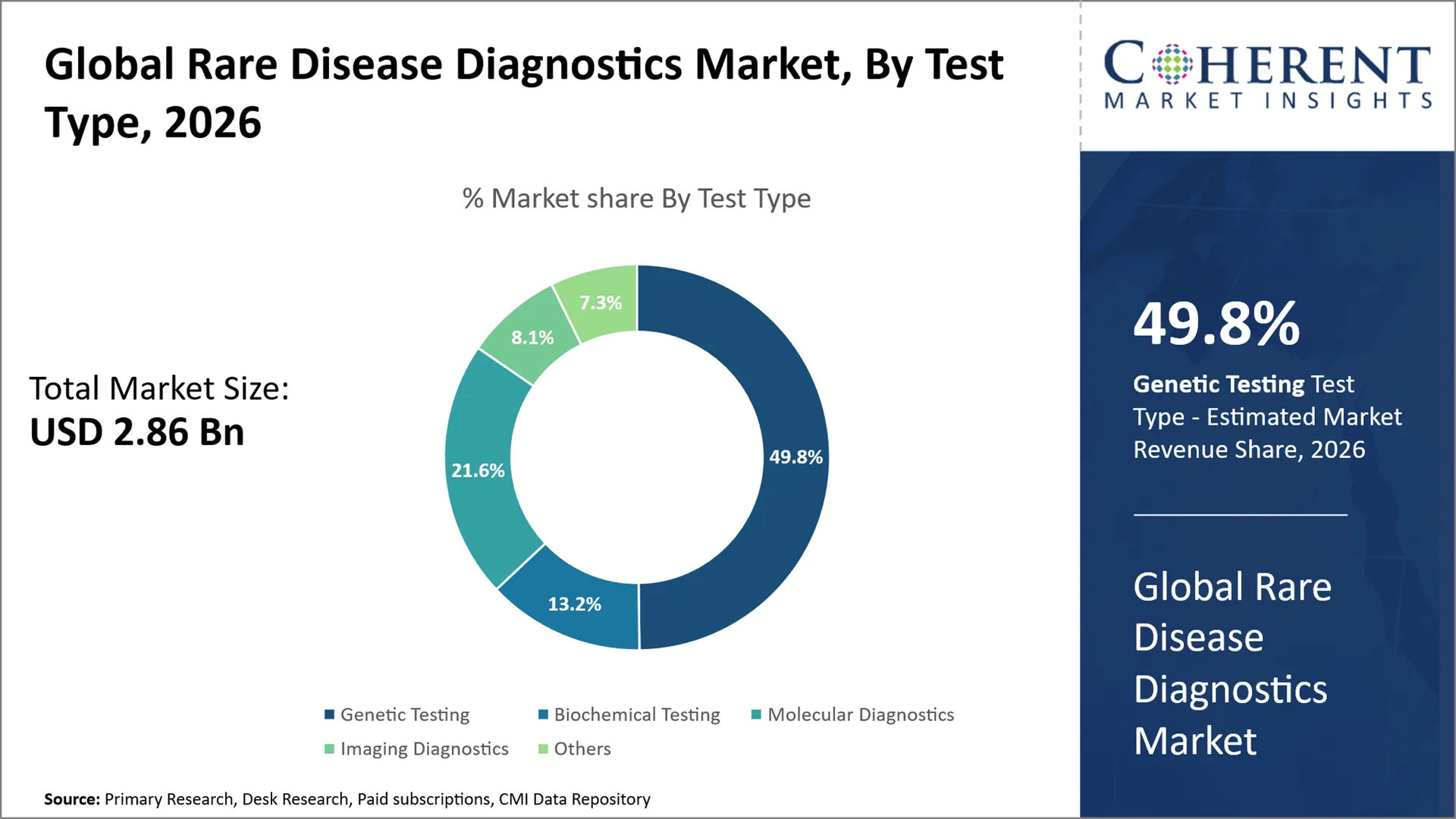
Why Do Genetic Testing Dominate the Global Rare Disease Diagnostics Market?
Genetic testing is projected to hold the market share of 49.8% in 2026, as it can directly detect pathogenic variants and provides evidence for a conclusive diagnosis of hereditary disease. Increasing utilization of sequencing technology is driving the detection of complex genetic aberrations among undefined clinical conditions. For instance, in November 2025, the Ministry of Health in Singapore announced plans to subsidize a range of clinically and cost-effective genetic tests including specific genetic disease testing, to allow greater access to genomic tests for patients.
- Current Industry Events of 2026
- Market Size Estimation
- Regional Breakdown
- Competitive Landscape
- Customer Intelligence
- Segmental Analysis
- Pricing Analysis
- Key Market Drivers, Challenges & Future Trends
- Customized Insights Section
Why Does Next-Generation Sequencing (NGS) Represent the Largest Technology Segment in the Rare Disease Diagnostics Market?
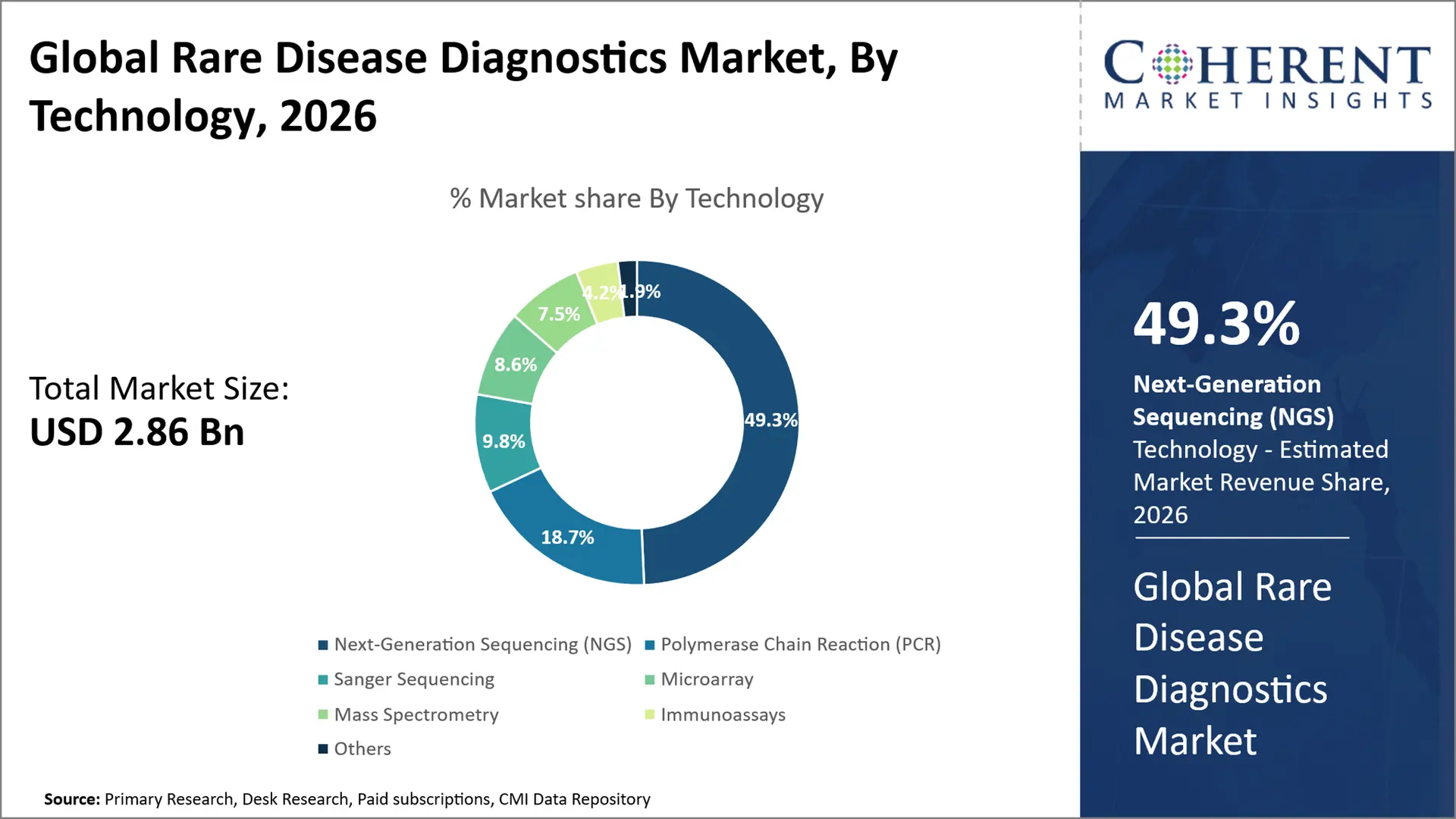
Next-generation sequencing (NGS) is projected to hold a market share of 49.3% in 2026, as it allows the analysis of multiple genes at once and helps to find more complex genetic variants in the gene sequenced (disruptive mutations). It is increasingly used in targeted gene panels, whole-exome sequencing and whole genome sequencing, expanding the scope of molecular diagnosis. For instance, in February 2025, the Australia’s Department of Health and Aged Care announced rare disease diagnosis as one of the priority areas for its Genomics Health Futures Mission, including funding to help close the gaps in genomic diagnosis and reduce diagnostic delays. (Source: Australian Government)
Neurological Disorders Segment Dominates the Global Rare Disease Diagnostics Market
The neurological disorders segment is projected to hold a market share of 27.8% in 2026, because many rare neurological disorders are characterized by complex genetic and clinical features, which drives the demand for advanced molecular diagnostics. Increasing use of genetic testing is another factor driving demand for the early diagnosis of inherited neurological disorders and appropriate clinical management. For instance, in April 2026, Singapore's Ministry of Health announced that its PREDICT program detects rarely inherited disease such as Pompe disease and spinal muscular atrophy providing wider access to genetic testing for these rare diseases.
Current Events and their Impact
Current Events | Description and its Impact |
Australian Government Released National Health Genomics Policy Framework 2026–30 (September 2026) |
|
U.S. Health Resources and Services Administration (HRSA) Modernized National Newborn Screening Review Process (August 2026) |
|
England Department of Health and Social Care Published Rare Diseases Action Plan 2026 (February 2026) |
|
Rare Disease Diagnostics Market Dynamics
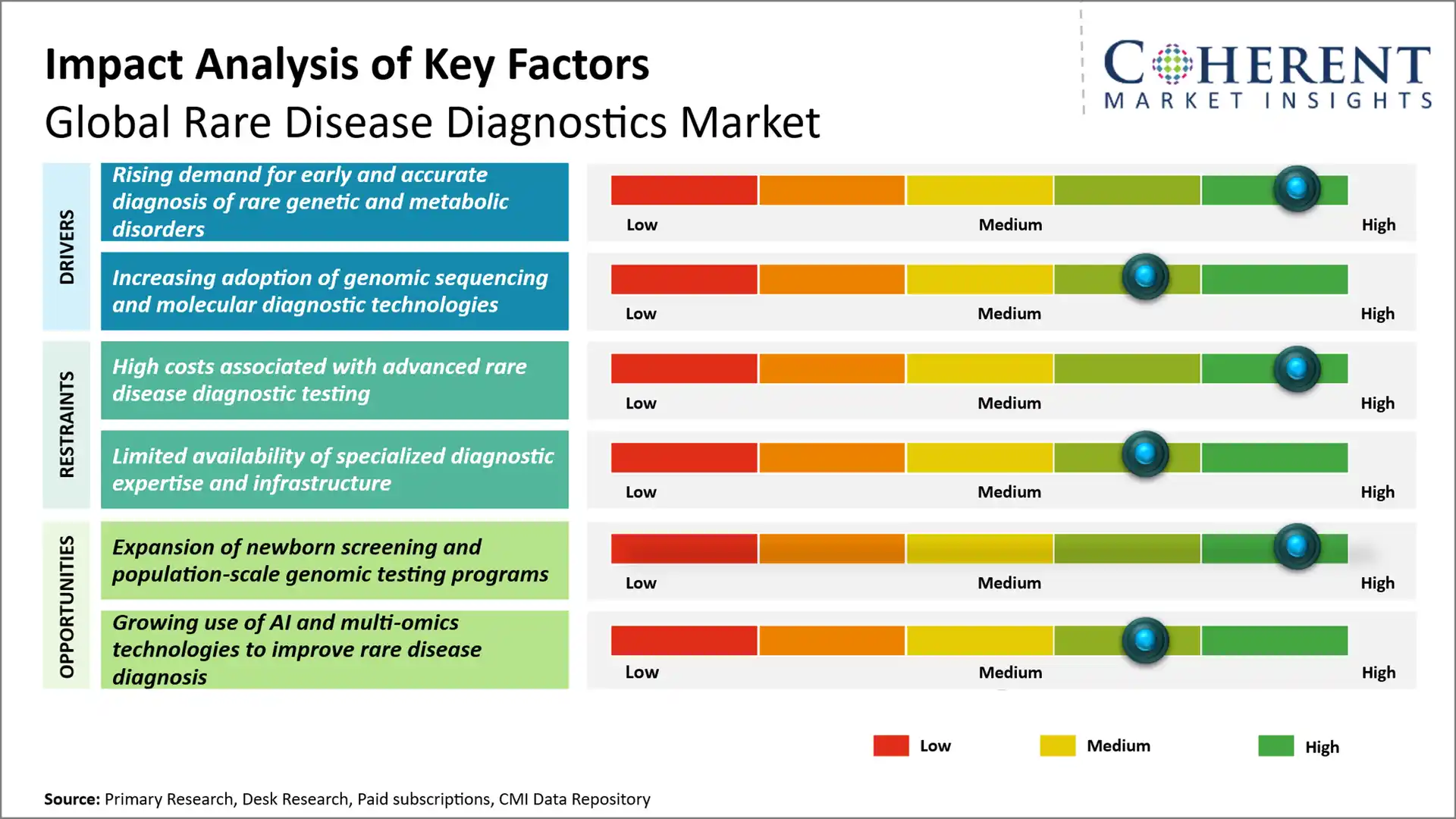
Market Drivers
- Rising demand for early and accurate diagnosis of rare genetic and metabolic disorders: The increasing focus on reducing diagnostic delays is encouraging healthcare systems to expand access to genomic testing and comprehensive diagnostic approaches. These advances enable healthcare providers to identify genetic abnormalities earlier and support more informed clinical management. For instance, in 2025, the NHS Genomic Medicine Service conducted more than 340,000 genomic tests for rare diseases, including over 40,000 whole-genome equivalents, demonstrating growing clinical adoption of genomic testing.
- Increasing adoption of genomic sequencing and molecular diagnostic technologies: The growing adoption of advanced sequencing platforms is expanding the use of genomic and molecular approaches for rare disease diagnosis, enabling broader identification of disease-causing variants and improving diagnostic yield. For instance, in March 2025, the Korea Disease Control and Prevention Agency (KDCA) launched its Rare Disease Diagnostic Support Program, providing whole-genome sequencing (WGS) analysis and interpretation for undiagnosed patients with suspected rare diseases.
- Growing government support for genomic medicine and rare disease diagnosis: Increasing government investment in genomic medicine is strengthening the infrastructure for rare disease diagnosis and accelerating the integration of sequencing technologies into clinical care. For instance, in July 2025, the Australian Government launched Genomics Australia to advance the use of genomic technologies for disease diagnosis and treatment, supporting the wider adoption of genomic medicine.
Emerging Trends
- Growing adoption of whole-genome sequencing (WGS): Whole-genome sequencing is gaining traction as a comprehensive approach for identifying complex and previously undetected genetic variants. Its broader genomic coverage is supporting improved diagnostic yield for patients with unresolved rare diseases.
- Integration of artificial intelligence in diagnostic interpretation: AI is increasingly being integrated into rare disease diagnostics to analyze genomic and clinical data, prioritize genetic variants, and identify disease patterns. These capabilities can improve interpretation efficiency and help reduce diagnostic timelines.
- Expansion of multi-omics-based diagnostics: The integration of genomics with transcriptomics, proteomics, and metabolomics is emerging as an approach for investigating genetically complex and undiagnosed rare diseases. Multi-omics testing can provide complementary biological information and support more comprehensive disease characterization.
Regional Insights
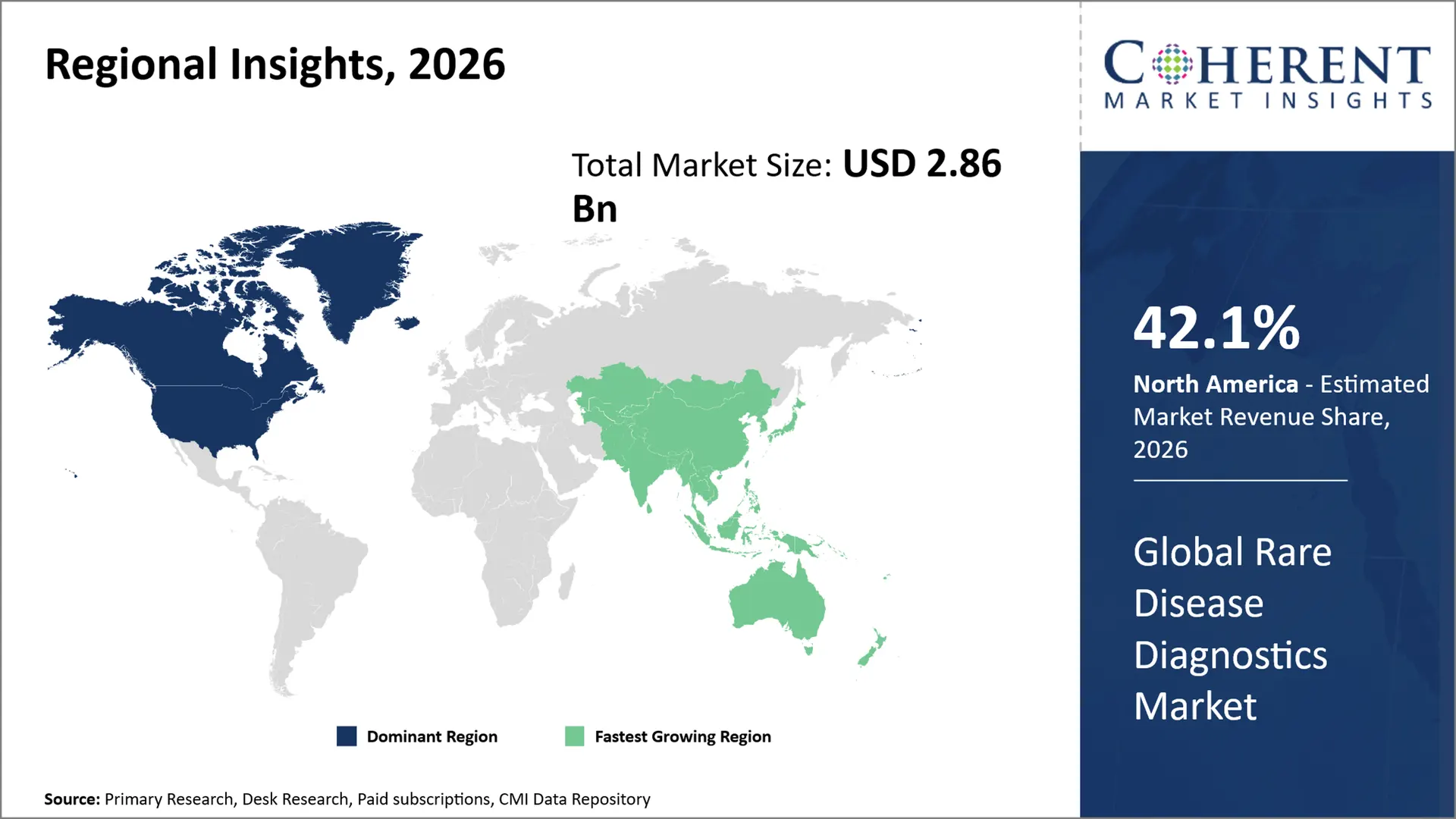
Why is North America a Strong Market for Rare Disease Diagnostics?
North America leads the global rare disease diagnostics market, accounting for an estimated 42.1% share in 2026, due to the robust healthcare infrastructure, comprehensive genomic diagnostic capabilities, and the high number of public and private investments in rare disease research in the region. The U.S benefits from favorable regulatory policies, increased incentives and investments have resulted in research and innovation in the field of rare diseases.
For instance, the U.S. FDA's Orphan Products Grants Program offers funding opportunities for drug research specific to rare diseases (including diagnostic development) totaling over $6 million in FY 2025 to support clinical research on rare diseases. Furthermore, higher collaborations among healthcare providers, research organizations, and diagnostic labs are contributing to advancement in diagnostics.
Why Does Asia Pacific Rare Disease Diagnostics Market Exhibit High Growth?
Asia Pacific is expected to exhibit the fastest growth in the global rare disease diagnostics market, registering an estimated CAGR of 14.9% during 2026–2033. The region is projected to account for 22.8% of the global market in 2026, owing to the rise in healthcare awareness, the growth of diagnostic infrastructure and the rise in government programmes aiming to combat rare diseases. Countries such as China, Japan and India are upgrading their policies for rare diseases, genomic testing and diagnostic access.
For instance, In January 2025, the Indian Department of Biotechnology released 10,000 full genome sequences in the Indian Biological Data Centre, establishing a national DNA data bank for supporting research and home-grown diagnostics. (Source: Press Information Bureau) Furthermore, rising healthcare infrastructure, the changing reimbursement landscape and growth in affordability and availability of advanced diagnostic technologies is boosting Asia Pacific rare disease diagnostics market.
Global Rare Disease Diagnostics Market Outlook for Key Countries
Why is the U.S. Leading Innovation and Adoption in the Rare Disease Diagnostics Market?
The U.S. drives innovation and uptake with a mature regulatory system (specifically for genomic diagnostics) that the FDA developed for genomic diagnostic tests, including guidance specific to NGS-based genomic diagnostic tests for suspected germline disease. The U.S.FDA also permits developers to rely on authoritative public genetic-variant databases to demonstrate clinical validity.
Is Japan a Favorable Market for Rare Disease Diagnostics Market?
Japan is a key market for rare disease diagnostics with a government-led drive to expand its use of genomic medicine and reimbursements for wider testing. Japan's Ministry of Health, Labour and Welfare's (MHLW) Basic Plan for Genomic Medicine adopted in November 2025 creates a coordinated framework to expand genomic medicine and enhance the quality of genomic testing. The framework references testing infrastructure and quality assurance that would facilitate broader adoption of genomic diagnostics for rare, and intractable, diseases.
Is China Emerging as a Key Growth Hub for the Rare Disease Diagnostics Market?
China is anticipated to be one of the prominent growth centers owing to increasing number of health care service providers providing gene testing and increasing number of rare disease health care providers in China. Advancements in molecular based testing to improve diagnostic accuracy and developing robust rare disease infrastructure are factors to boost the rare disease diagnostics market growth in China.
Why Does Germany Top the European Rare Disease Diagnostics Market?
Germany leads the European rare disease diagnostics market owing to existing genomic medicine infrastructure and direct incorporation of genome sequencing into rare disease management. Nationwide genomic strategy genomeDE of Germany and model project 64e SGB V enables total genome sequencing coverage in rare disease management with statutory health insurance assistance covered in the test phase, providing a roadmap for genomics-based diagnosis across centres and hospitals.
Is Rare Disease Diagnostics Market Developing in the U.K.?
The U.K. is emerging as a key diagnostics market for rare diseases, with NHS Genomic Medicine Service offering genomic testing for over 7,000 rare diseases. Key elements of advanced diagnostics pathways are also being established across the country, such as whole-genome sequencing, multi-omics pathways and dedicated care centres for undiagnosed rare conditions.
Rare Disease Diagnostic Testing Landscape By Major Country, 2026
Country | National Rare Disease/Genomic Program | Key Diagnostic Approach | Newborn Screening Status | Diagnostic Infrastructure Focus |
U.S. | National rare disease and genomic research programs | NGS, WGS/WES, molecular testing | Expanded condition screening | Specialized genetic testing and clinical laboratories |
Germany | National genomics and rare disease initiatives | NGS, molecular diagnostics | Established screening programs | University hospitals and genomic centers |
U.K. | NHS Genomic Medicine Service | WGS, WES, targeted sequencing | National newborn screening | Integrated genomic testing within healthcare |
Japan | National genomic medicine initiatives | NGS and molecular testing | Established newborn screening | Genomic medicine and specialized hospitals |
China | National rare disease and genomic initiatives | NGS, genetic testing | Expanding screening coverage | Genomic laboratories and tertiary hospitals |
Australia | National genomic medicine and newborn screening programs | Genomic testing, biochemical testing | National newborn screening | State-based genomic and screening infrastructure |
How is the expansion of newborn screening and population-scale genomic testing programs creating new growth opportunities in the rare disease diagnostics market?
A population-level approach of newborn screening and genetic testing is providing substantial opportunities for early diagnosis of rare genetic and metabolic conditions. As the scope of screening programs is widened by the inclusion of new screening panels and advanced molecular screening technologies, it provides greater access to early diagnosis. For instance, in June 2026, Australian Health Ministers concurred to Mucopolysaccharidoses (MPS) I and MPS II to national newborn bloodspot screening programs, supporting earlier identification of uncommon metabolic disorder. (Source: Australian Government)
Market Players, Key Development, and Competitive Landscape
Key Developments
- In August 2026, the Advanced Research Projects Agency for Health (ARPA-H) awarded Probably Genetic, Inc. up to USD 9.9 million through its RAPID program to develop AI-powered tools using multimodal data, including genomic, clinical, wearable, and patient-reported data. The initiative aims to enable earlier identification of rare diseases and connect patients with confirmatory testing, helping shorten diagnostic journeys.
- In March 2026, Natera, Inc. announced the commercial launch of Zenith genomics, a next-generation whole-genome sequencing assay designed to improve the detection of rare and ultra-rare diseases. The solution combines whole-genome sequencing with advanced interpretation and long-read sequencing confirmation to support more comprehensive diagnosis. The launch is expected to support earlier and more accurate diagnosis and help shorten diagnostic journeys for rare disease patients.
- In September 2025, Veritas Genetics acquired qGenomics, a diagnostic laboratory specializing in rare disease genetics, chromosomal microarrays, and carrier screening. The acquisition strengthens Veritas Genetics’ rare disease diagnostic capabilities and expands its clinical and perinatal genomics portfolio. It also supports the integration of advanced genomic technologies into clinical diagnostic services.
Competitive Landscape
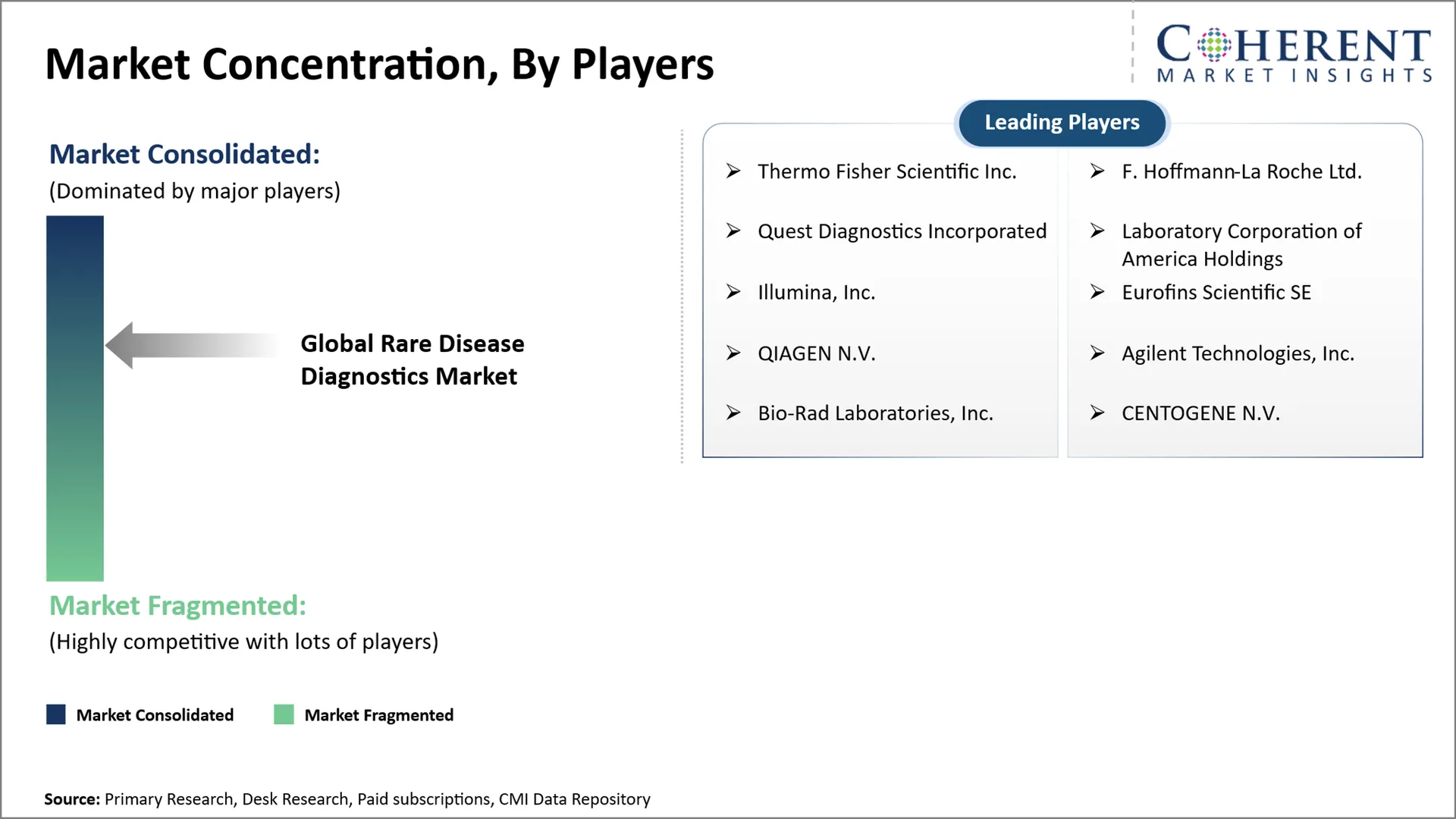
The global rare disease diagnostics market is moderately competitive, with competition centered on diagnostic accuracy, breadth of test menus, sequencing capabilities, turnaround time, clinical interpretation, and access to specialized genomic expertise. Market participants are increasingly focusing on whole-genome and whole-exome sequencing, advanced molecular testing, multi-omics analysis, and AI-enabled interpretation to improve diagnostic yield and shorten diagnostic journeys. Key focus areas include:
- Expansion of whole-genome, whole-exome, and targeted sequencing capabilities
- Development of advanced genomic data analysis and AI-enabled interpretation tools
- Integration of multi-omics approaches
- Expansion of comprehensive diagnostic test menus and disease-specific panels
- Improvement of diagnostic turnaround time, clinical interpretation, and access to specialized genetic expertise
Market Report Scope
Rare Disease Diagnostics Market Report Coverage | |||
Report Coverage | Details | ||
Base Year | 2025 | Market Size in 2026: | USD 2.86 Bn |
Historical Data For: | 2020 To 2024 | Forecast Period: | 2026 To 2033 |
Forecast Period 2026 To 2033 CAGR: | 13.9% | 2033 Value Projection: | USD 7.13 Bn |
Geographies covered: |
| ||
Segments covered: |
| ||
Companies covered: | Thermo Fisher Scientific Inc., F. Hoffmann-La Roche Ltd., Quest Diagnostics Incorporated, Laboratory Corporation of America Holdings, Illumina, Inc., Eurofins Scientific SE, QIAGEN N.V., Agilent Technologies, Inc., Bio-Rad Laboratories, Inc., CENTOGENE N.V. | ||
Growth Drivers: |
| ||
Restraints & Challenges: |
| ||
Analyst Opinion (Expert Opinion)
- In the coming years, global rare disease diagnostics market will shift toward earlier, more comprehensive, and increasingly data-driven diagnosis. Whole-genome sequencing, multi-omics, AI-assisted variant interpretation, and integrated diagnostic workflows are expected to become increasingly important as healthcare systems seek to reduce diagnostic delays and improve diagnostic yield. The industry is also likely to move beyond single-disease testing toward broader platforms capable of evaluating multiple rare disease conditions simultaneously.
- The maximum opportunities are foreseen within genetic testing in neurological disorders for the U.S., where the combination of complex genetic disease profiles, demand for molecular diagnosis, advanced genomic infrastructure, and established clinical adoption can support continued expansion. Within this opportunity, comprehensive sequencing-based testing and AI-assisted interpretation are likely to see particularly strong demand.
- In order to gain a competitive advantage, market players should focus on improving diagnostic yield while reducing turnaround time and overall testing complexity. Building comprehensive sequencing and interpretation capabilities, integrating AI with expert clinical review, expanding rare disease test menus, developing partnerships with hospitals and specialist networks, and strengthening access to genetic counseling can help companies differentiate their diagnostic offerings.
Speak to the analyst
Want personalized insights?
Take the findings above to one of our principal consultants, or have the report rebuilt around the segments, geographies and competitors you actually track.
Market Segmentation
- Test Type Insights (Revenue, USD Bn, 2021 - 2033)
- Genetic Testing
- Biochemical Testing
- Molecular Diagnostics
- Imaging Diagnostics
- Others
- Technology Insights (Revenue, USD Bn, 2021 - 2033)
- Next-Generation Sequencing (NGS)
- Polymerase Chain Reaction (PCR)
- Sanger Sequencing
- Microarray
- Mass Spectrometry
- Immunoassays
- Others
- Disease Type Insights (Revenue, USD Bn, 2021 - 2033)
- Neurological Disorders
- Metabolic and Endocrine Disorders
- Hematological Disorders
- Immunological Disorders
- Cardiovascular Disorders
- Genetic Cancers
- Musculoskeletal Disorders
- Others
- Sample Type Insights (Revenue, USD Bn, 2021 - 2033)
- Blood
- Saliva
- Buccal Swab
- Urine
- Tissue
- Cerebrospinal Fluid (CSF)
- Others
- End User Insights (Revenue, USD Bn, 2021 - 2033)
- Diagnostic Laboratories
- Hospitals and Clinics
- Research and Academic Institutions
- Pharmaceutical and Biotechnology Companies
- Others
- Regional Insights (Revenue, USD Bn, 2021 - 2033)
- North America
- U.S.
- Canada
- Latin America
- Brazil
- Argentina
- Mexico
- Rest of Latin America
- Europe
- Germany
- U.K.
- Spain
- France
- Italy
- Russia
- Rest of Europe
- Asia Pacific
- China
- India
- Japan
- Australia
- South Korea
- ASEAN
- Rest of Asia Pacific
- Middle East
- GCC Countries
- Israel
- Rest of Middle East
- Africa
- South Africa
- North Africa
- Central Africa
- North America
- Key Players Insights
- Thermo Fisher Scientific Inc.
- F. Hoffmann-La Roche Ltd.
- Quest Diagnostics Incorporated
- Laboratory Corporation of America Holdings
- Illumina, Inc.
- Eurofins Scientific SE
- QIAGEN N.V.
- Agilent Technologies, Inc.
- Bio-Rad Laboratories, Inc.
- CENTOGENE N.V.
Sources
Primary Research Interviews
- Clinical geneticists and molecular diagnosticians involved in rare disease testing and diagnostic interpretation
- Genetic counselors and laboratory professionals supporting genetic testing, sequencing, and variant interpretation
- Rare disease specialists and pediatricians involved in diagnosis and clinical management of rare disorders
- Laboratory directors and diagnostic experts involved in genomic, biochemical, and molecular testing
- Researchers and bioinformaticians working on genomic sequencing, variant interpretation, and rare disease discovery
Stakeholders
- Diagnostic laboratories and specialized genetic testing laboratories
- Hospitals, specialty clinics, and healthcare systems
- Pharmaceutical and biotechnology companies developing therapies for rare diseases
- Genomic sequencing and molecular diagnostics companies
- Academic and research institutions
- Rare disease patient organizations and advocacy groups
- Genetic counseling and clinical genetics providers
- Regulatory authorities and public health organizations
- Contract research organizations and clinical research organizations
- Healthcare payers and health insurance providers
- End-use Sectors
- Pharmaceutical and Biotechnology Companies
- Healthcare Providers and Health Systems
- Diagnostic Laboratories
- Contract Research Organizations (CROs)
- Academic and Research Institutions
- Government and Public Health Organizations
- Regulatory & Health Bodies
- U.S. Food and Drug Administration (FDA) – Regulation and oversight of diagnostic devices, molecular diagnostics, and rare disease-related medical products
- National Institutes of Health (NIH) – Rare disease research, genomic medicine, diagnostic research, and translational programs
- Centers for Disease Control and Prevention (CDC) – Newborn screening, laboratory quality assurance, and rare disease detection initiatives
- European Medicines Agency (EMA) – Regulatory and scientific support related to rare diseases and orphan medicinal products
- European Commission – European rare disease policy, research, and healthcare initiatives
- National Medical Products Administration (NMPA), China – Regulation and oversight of medical products and diagnostic technologies in China
- Pharmaceuticals and Medical Devices Agency (PMDA), Japan – Regulatory review of medical products and diagnostic technologies in Japan
Databases
- ClinVar – Public archive of human genomic variants and their relationships to diseases, supporting clinical variant interpretation
- Orphanet – Rare disease classification, disease-gene relationships, diagnostic tests, expert centers, and rare disease resources
- Online Mendelian Inheritance in Man (OMIM) – Information on human genes and genetic phenotypes associated with inherited disorders
- Human Phenotype Ontology (HPO) – Standardized representation of phenotypic abnormalities supporting rare disease diagnosis and computational analysis
- Genetic and Rare Diseases Information Center (GARD) – Rare disease information, disease classifications, and publicly accessible rare disease resources
- Newborn Screening Information and Resources – Public health screening information and resources supporting early detection of rare disorders
Associations
- American College of Medical Genetics and Genomics (ACMG) – Clinical genetics, genomic medicine, laboratory standards, and genetic testing practices
- American Society of Human Genetics (ASHG) – Human genetics and genomics research, education, and professional standards
- National Society of Genetic Counselors (NSGC) – Genetic counseling education, practice, and professional resources
- European Society of Human Genetics (ESHG) – Human genetics, genomic medicine, and clinical genetics research
- Rare Diseases International (RDI) – Global rare disease advocacy and collaboration
- National Organization for Rare Disorders (NORD) – Rare disease advocacy, education, and patient resources
- Global Genes – Rare disease patient advocacy, research collaboration, and diagnostic initiatives
Public Domain Sources
- National Institutes of Health (NIH) – Biomedical, genomic, and rare disease research information
- Centers for Disease Control and Prevention (CDC) – Rare disease-related public health, newborn screening, and laboratory data
- U.S. Food and Drug Administration (FDA) – Regulatory information on rare diseases, diagnostic products, and orphan disease development
- World Health Organization (WHO) – Global health, disease, genetic medicine, and public health information
- Orphanet – European and international rare disease classification, epidemiology, diagnostic, and research information
Proprietary Elements
- CMI Data Analytics Tool, Proprietary CMI Existing Repository of information for last 10 years.
Get access to 250+ pages report
Every segment, forecast, competitor profile and data table behind the analysis above — available for instant download.
- ESOMAR Member
- ISO 9001:2015 Certified
- D-U-N-S Registered
- GDPR & CCPA Compliant
Missing comfort of reading report in your local language? Find your preferred language:
Frequently Asked Questions
The global rare disease diagnostics market is estimated to be valued at USD 2.86 Bn in 2026 and is expected to reach USD 7.13 Bn by 2033.
Genetic testing dominates due to its ability to identify disease-causing genetic variants and support accurate diagnosis of inherited rare disorders.
Rare disease diagnostics are tests and technologies used to identify, confirm, and monitor rare and ultra-rare diseases, particularly those with genetic causes
The CAGR of global rare disease diagnostics market is projected to be 13.9% from 2026 to 2033.
Rising demand for early and accurate diagnosis of rare genetic and metabolic disorders, and increasing adoption of genomic sequencing and molecular diagnostic technologies are the major factors driving the growth of the global rare disease diagnostics market.
High costs associated with advanced rare disease diagnostic testing, and limited availability of specialized diagnostic expertise and infrastructure are the major factors hampering the growth of the global rare disease diagnostics market.
In terms of technology, next-generation sequencing (NGS) is estimated to dominate the market revenue share in 2026.