
Global Smart Whole-Person Health Sensing Market Size and Forecast – 2026 To 2033
The global smart whole-person health sensing market is expected to grow from USD 31.6 Bn in 2026 to USD 86.1 Bn by 2033, registering a compound annual growth rate (CAGR) of 15.4% from 2026 to 2033. The market for smart whole-person health sensing is expected to register significant market growth during the forecast period owing to rising utilization of wearable health sensors and increasing demand for prevention-oriented healthcare among consumers.
As per Organisation for Economic Co-operation and Development’s 2025 report, the global installed base of smartwatches has surpassed 400 million with the user base expected to approach half a billion in 2025. The rising adoption of smartwatches and fitness trackers has driven a growing demand for embedded health sensing such as continuous heart rate, activity, sleep, and other vital signs. This is enabling the adoption of holistic, whole-person health monitors.
Key Takeaways of the Global Smart Whole-Person Health Sensing Market
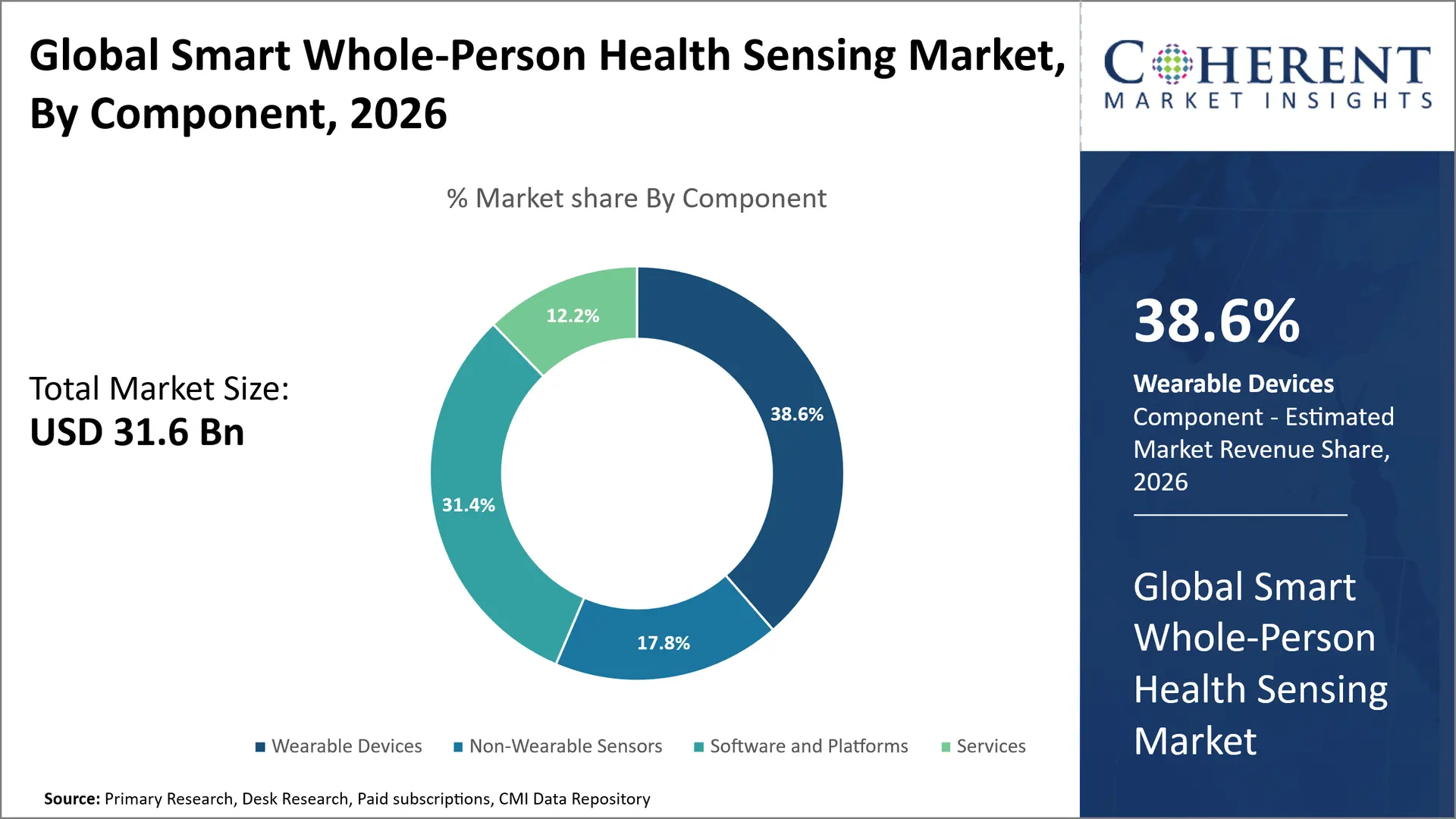
- Wearable devices are projected to hold 38.6% of the global smart whole-person health sensing market share in 2026, making it dominant component segment, across North America attributed to the increased consumer usage of fitness trackers and smartwatches, presence of a well-developed digital health ecosystem, and the rise in the demand for continuous health monitoring. For instance, in the U.S., All of Us (a research program run by the US National Institutes of Health (NIH) and partner institutions) gathers data from wearable devices along with other health information to support inclusive health research.
- Optical sensing is projected to hold 34.7% of the global smart whole-person health sensing market share in 2026, making it dominant sensing technology segment, across Europe owing to the rising use of optical sensors in connected devices and wearables for sensing cardiovascular readings, oxygen saturation, and more. For instance, the NHS England's technology-enabled virtual ward model supports the real-time remote monitoring of patient vitals using connected devices and wearables.
- Cardiovascular health is projected to hold 33.8% of the global smart whole-person health sensing market share in 2026, making it dominant health parameter segment, across Asia Pacific due to an increase in cardiovascular diseases, the proliferation of preventive health programmes and an increase in connected health monitoring services. For instance, in Singapore, Health Track SG pilot combines wearables data on heart rate and blood pressure with lifestyle data to create tailored wellness insights.
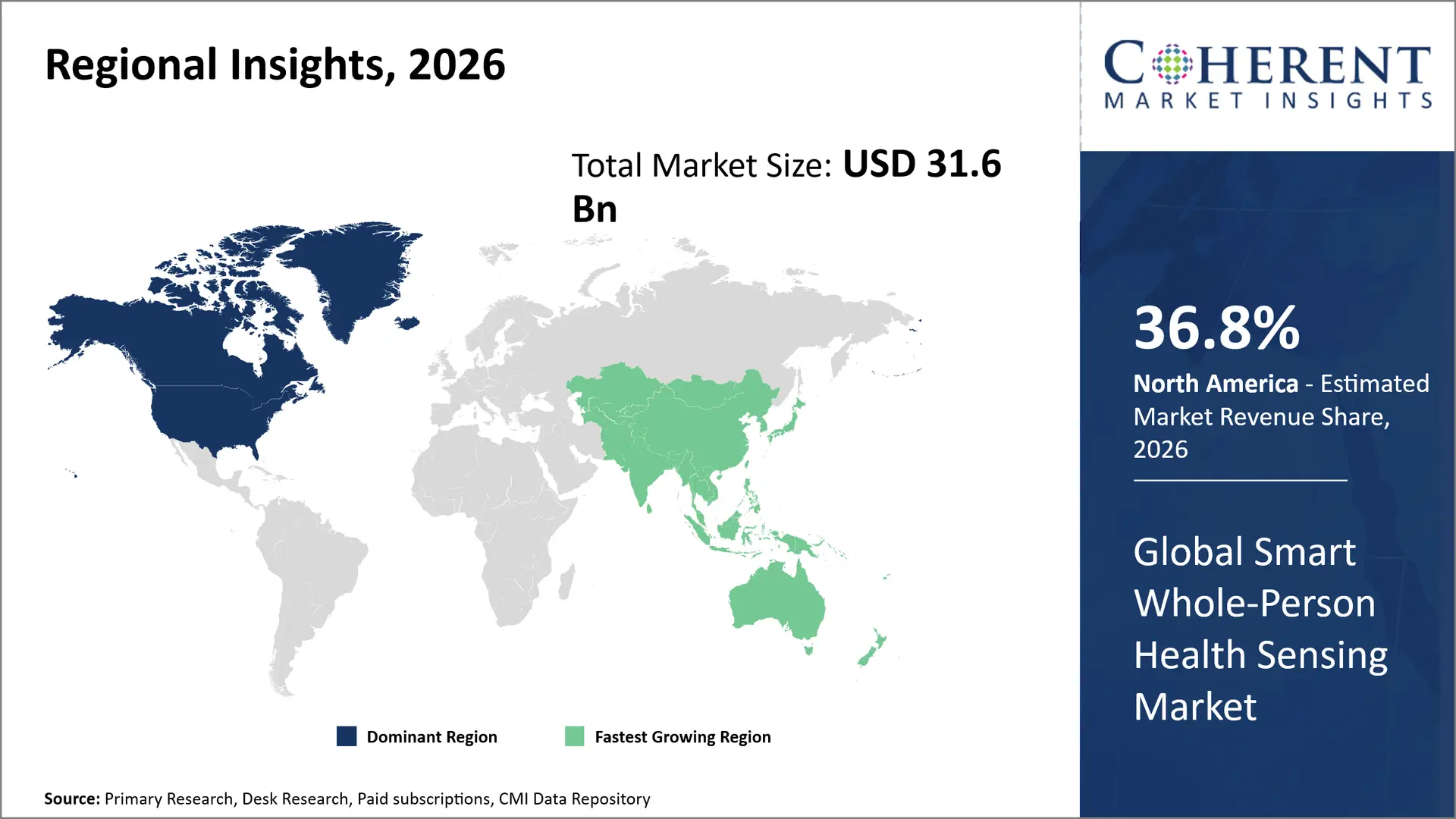
- North America market maintains dominance with an expected share of 36.8% in 2026, attributed to high consumer adoption of wearable health devices, widespread digitized healthcare infrastructure and extensive adoption of wearable device-generated data for healthcare management. For instance, in June 2026, a study published in the JAMA Network Open using U.S. National Cancer Institute's (NCI) Health Information National Trends Survey, it was found that, 108 million U.S. adults used wearable devices for health monitoring in 2024 highlighting the high adoption of continuous health tracking devices by the consumers.
- Asia Pacific is expected to exhibit the fastest growth in the global smart whole-person health sensing market, registering an estimated CAGR of 18.6% during 2026–2033, attributed to the growth of digital health infrastructure, rising adoption of personalized healthcare products and services, and a higher focus of the government on preventive health management. For example, Japan’s METI demonstrated PHR-based services at Expo 2025 Osaka, using diet, sleep, exercise, and lifestyle data, resulting in the integration of various health management components.
Segmental Insights
Why Do Wearable Devices Dominate the Global Smart Whole-Person Health Sensing Market?
Wearable devices are projected to hold the market share of 38.6% in 2026, as wearables allow continuous and real-time monitoring of a wide range of health parameters in easy and non-invasive formats. The adoption of wearables with digital health infrastructure is enabled by various use cases such as preventive healthcare, remote patient monitoring, and personalized care. For instance, the Remote Patient Monitoring Program by the New South Wales Government enable patients to use connected device to monitor blood pressure, heart rate or oxygen saturation. The data can be monitored remotely by healthcare teams to enable clinical intervention in a timely manner. (Source: NSW Government)
- Current Industry Events of 2026
- Market Size Estimation
- Regional Breakdown
- Competitive Landscape
- Customer Intelligence
- Segmental Analysis
- Pricing Analysis
- Key Market Drivers, Challenges & Future Trends
- Customized Insights Section
Why Do Optical Sensing Represent the Largest Sensing Technology Segment in the Smart Whole-Person Health Sensing Market?
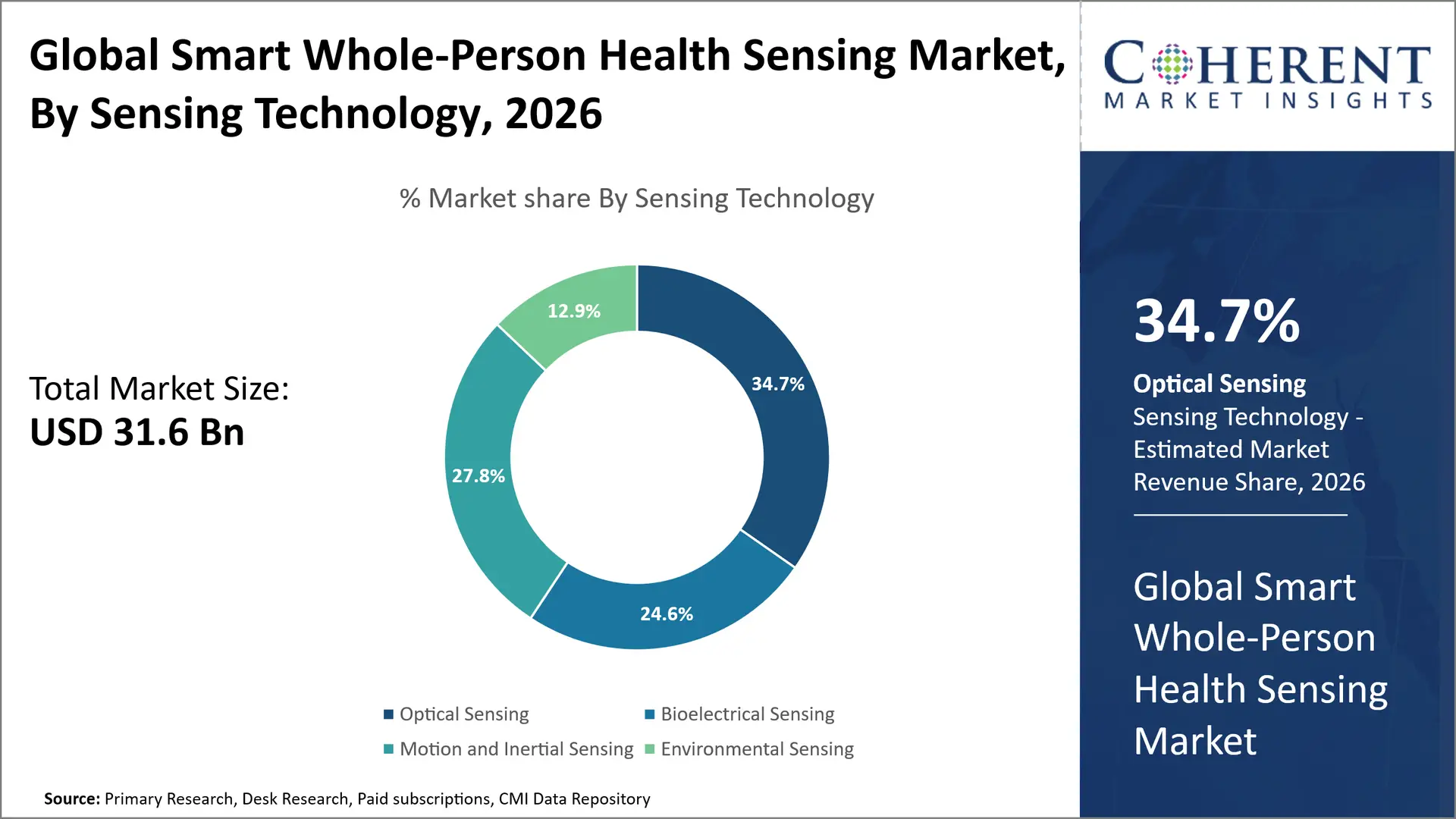
Optical sensing is projected to hold a market share of 34.7% in 2026, as it is a non-invasive method and well suited for applications such as in wearable devices. Technologies such as Photoplethysmography (PPG) enables real-time measurement of variables like blood flow, blood oxygen saturation and heart rate, while advances in signal processing improve measurement reliability. For instance, the University of Cambridge’s 2023 roadmap on wearable photoplethysmography highlights the potential of optical sensing in wearables for heart rate and rhythm monitoring, blood pressure measurement and sleep-related condition detection, highlighting the growing value of the technology in health monitoring. (Source: National Library of Medicine)
Cardiovascular Health Segment Dominates the Global Smart Whole-Person Health Sensing Market
The cardiovascular health segment is projected to hold a market share of 33.8% in 2026, ascribed to the rising prevalence of growth in demand for worldwide monitoring of blood pressure, heart rate and cardiac movement, predominantly in at risk cardiovascular disease groups. Smart sensing solutions help in identifying abnormalities early, remote observation and provide personal care by linking cardiac measurements with activity and behavior data. For instance, SAATHI-HF, an initiative in India, is currently trialing a digital monitoring device for patients with heart failure that uses a wearable device, physiological data, and analysis enabled by artificial intelligence to recognize early signs of deterioration and allow for interventions from clinicians. (Source: Centre for Chronic Disease Control)
Current Events and their Impact
Current Events | Description and its Impact |
India launches SAHI and BODH initiatives to strengthen responsible AI in healthcare (February 2026) |
|
India launches Unified Health Interface to strengthen interoperable digital healthcare (June 2026) |
|
Smart Whole-Person Health Sensing Market Dynamics
Market Drivers
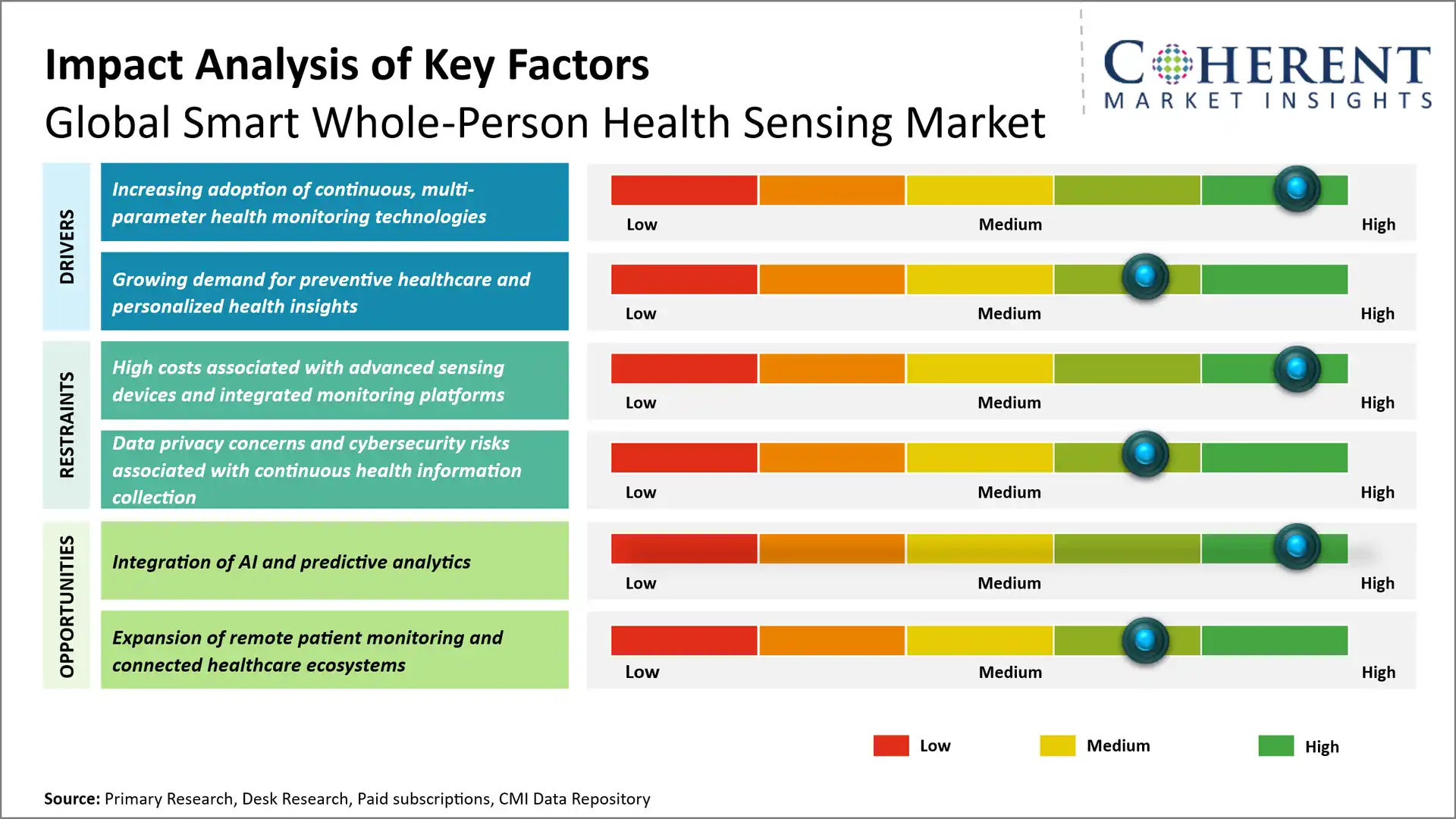
- Increasing adoption of continuous, multi-parameter health monitoring technologies: This increasing use of continuous multi-parameter health monitoring device allows concurrent monitoring of cardiovascular, respiratory, and metabolic parameters through a connected monitoring device and next-generation wearable sensors. For instance, in January 2026, India's Department of Science and Technology (DST) through the Technology Development Board (TDB), funded development of multi vital continuous glucose monitoring device (CGMS) that combined cardiovascular biomarkers in an effort to allow early detection of cardiovascular complications along with monitoring of diabetes.
- Growing demand for preventive healthcare and personalized health insights: Growing focus on prevention healthcare drives demand for smart sensing solutions such as personal health assessment, changes in health parameter detection and timely lifestyle intervention For instance, in June 2026, Government of India launched Aarogya Setu 2.0 app, which acts as a personal health record app that logs user's wearable device data, detects vital signs, presents personalized health dashboards, set reminders and suggests health insights using an AI-powered approach.
- Expanding adoption of remote health monitoring for aging populations: The growing need for continuous health monitoring among aging populations is leading to a wide adoption of connected sensing devices that can monitor vital signs, physical activity, and lifestyle patterns of people outside the conventional healthcare settings. For instance, in September 2026, Tokyo Metropolitan Government launched a maternal health monitoring project where maternal health is tracked through smart watches by registering pulse, heart rate, physical activity, and midwives provide continued health management guidance to pregnant women outside hospital settings.
Emerging Trends
- Integration of multimodal AI-powered health sensing: The application of artificial intelligence in multimodal sensing hardware unlocks the potential to acquire simultaneous, integrated information about physiologic, behavioral and lifestyle signals and synthesize new insights into a person's health.
- Impact: This will improve early risk detection, support predictive monitoring, and tailored health recommendations. Additionally, healthcare platforms will be able to move beyond single biometric metrics and enable a more holistic assessment of health.
- Market Relevance: The market for customer AI-enabled sensing platform is expected to grow in cardiovascular, metabolic health and preventive health. Organizations combining multi-sensory information, multi-sensory data and predictive analysis will have a competitive edge.
- Advancement of non-invasive & continuous biochemical monitoring: Recent developments in wearable biosensors are paving the way to quantify biochemical markers such as glucose, lactate and other biomarkers using more non-invasive and continuous strategies.
- Impact: These approaches can help avoid the need for sporadic testing by providing more ongoing information of an individual's metabolomic and physiological shifts. They will also support more personalized monitoring for managing chronic disease and wellness.
- Market Relevance: This trend is creating opportunities for biosensor manufacturers and digital health innovators to diversify their portfolio of wearable biosensor-based solutions outside of heart-rate and activity tracking. It is expected that metabolic health monitoring and continuous biochemical sensing will become a key differentiator in wearable biosensor product offerings.
Regional Insights
Why is North America a Strong Market for Smart Whole-Person Health Sensing?
The North America region is expected to dominate the global smart whole-person health sensing market with an estimated market share of 36.8% in 2026. This can be credited to the presence of advanced health infrastructure, improved technology innovation and government initiatives towards digital health solutions. The strong government's support towards precision medicine and remote patient monitoring is driving digital health adoption and the evolution of the health sensing technology. The innovation is being supported by the guidance provided by the U.S. FDA that encourages the adoption of multimodal sensing platform for wellness and clinical use cases.
For instance, in March 2026, U.S. Advanced Research Projects Agency for Health (ARPA-H) announced the launch of a Delphi programme to fast-track the development of inexpensive wearable and ingestible sensors that can monitor hormones, inflammatory products, and other signals. The programme aims to develop integrated health sensing that goes beyond one-trick-pixel monitoring by allowing the safe aggregation of data from different aspects of an individual’s biology.
Why Does Asia Pacific Smart Whole-Person Health Sensing Market Exhibit High Growth?
The Asia Pacific region is projected to grow at the highest CAGR of 18.6% in the global smart whole-person health sensing market during the forecast period (2026–2033). The region is projected to contribute 25.4% of the global market in 2026, due to increasing health awareness, a rising middle-class population, and greater penetration of smartphones and IOT. Countries such as China, Japan and South Korea are investing and reforming regulations to develop digital health ecosystems
For instance, in June 2026, China's Ministry of Commerce, seven other government agencies and departments issued 17 measures as part of its AI Plus Consumption strategy. Measures will bolster the market for smart wearable devices, artificial intelligence-driven elderly care products and the new generation of smart consumer devices. The measures are expected to drive both the development and use of connected health-sensing devices in the country. Moreover, rising electronics manufacturing base, growth in domestic demand, and improvement in technological capabilities would support the development and commercialization of affordable and advanced health sensing solutions.
Global Smart Whole-Person Health Sensing Market Outlook for Key Countries
Why is the U.S. Leading Innovation and Adoption in the Smart Whole-Person Health Sensing Market?
The U.S. is the leading hub of innovation and adoption in the smart whole-person health sensing market due to the high number of technology companies designing connected wearable ecosystems with cardiovascular, sleep, activity and metabolic sensors. The country has a competitive edge by integrating consumer health devices with digital health apps, clinical research and remote patient monitoring. Companies like Apple, Google, Abbott and Garmin are expanding the definition of health sensing beyond separated biometric monitoring towards a more extensive interconnected health management.
Is Japan a Favorable Market for Smart Whole-Person Health Sensing Market?
Japan is an attractive market for smart whole-person health sensing driven by its aging population, existing health infrastructure and skilled technology base with strengths in precision sensing and robotics. Market adoption potential for the technologies is high in elderly care, cardiology, sleep, and remote care where monitoring of continuous health data will support elderly living independently and improve chronic disease management. Furthermore, Japan's existing electronics and medtech industry will support development of small-scale, non-invasive sensor hardware and artificial intelligence-based healthcare monitoring platforms.
Is China Emerging as a Key Growth Hub for the Smart Whole-Person Health Sensing Market?
China is emerging as a key growth area in the smart whole-person health sensing market driven by a large consumer electronics manufacturing base, a burgeoning digital health care environment, and an increasingly digitally connected population for connected health. The market offers opportunities for cardiovascular & sleep monitoring, metabolic health management and artificial intelligence-enabled preventive health. The combination of local technology and electronics companies along with the aging population's increasing market for connected health is further helping to establish China as one of the largest markets for integrated health-sensing technology.
Why Does Germany Top the European Smart Whole-Person Health Sensing Market?
Germany probably captures the largest share of the European smart whole-person health sensing market attributed to the presence of a broad medical technology manufacturing footprint, technologically advanced health system, and implementation of digital health to manage clinical care. Digital Healthcare Act (DVG) and DiGA framework have set the floor for the adoption of digital health solutions in the healthcare space and opened doors to connected monitoring and personalized whole-person health management. Moreover, the aging population in the country and the need to manage chronic diseases at home are driving the adoption of wearable sensors, cardiovascular monitoring devices and AII (Artificial Intelligence)-based healthcare platforms.
Is Smart Whole-Person Health Sensing Market Developing in UK?
The UK smart whole-person health sensing market is poised to grow due to rising adoption of remote patient monitoring, focus on digital health and prevention by the National Health Service. The rise in the adoption of wearable sensors and connected health devices is paving way for opportunities across segments such as cardiovascular, respiratory, frail and elderly care, and chronic disease management. Additionally, widespread adoption of virtual wards and innovation in technology-enabled care by the National Health Service will drive the demand for integrated health data in patients along with demand for interoperable sensing devices and artificial intelligence-enabled health analytics.
Health Parameters and Corresponding Sensing Technologies in the Global Smart Whole-Person Health Sensing Market
Health Parameter | Key Indicators Monitored | Relevant Sensing Technologies | Key Applications |
Cardiovascular Health | Heart rate, heart-rate variability (HRV), blood pressure, ECG | Bioelectrical Sensing, Optical Sensing | Cardiovascular Risk Assessment, Cardiac monitoring, |
Respiratory Health | Respiratory rate, blood oxygen saturation (SpO₂), breathing patterns | Bioelectrical Sensing, Optical Sensing | Sleep-Related Breathing Assessment, Respiratory Monitoring |
Sleep and Activity | Sleep duration, sleep stages, movement, physical activity | Motion and Inertial Sensing, Optical Sensing | Sleep Tracking, Fitness Monitoring, Lifestyle Management |
Metabolic Health | Blood glucose, glucose trends, metabolic indicators | Optical Sensing, Bioelectrical Sensing, | Metabolic Health Monitoring, Diabetes Management |
Stress and Mental Wellness | Heart-rate variability, electrodermal activity, stress responses | Optical Sensing, Bioelectrical Sensing, | Stress Monitoring, Mental Wellness Assessment |
How is the integration of AI and predictive analytics creating new growth opportunities in the smart whole-person health sensing market?
The global smart whole-person health sensing market offers huge market opportunity from the use of artificial intelligence and predictive analytics for early identification of diseases, health tracking and monitoring and provision of targeted and personalized prevention programs. For instance, the U.S. National Institutes of Health (NIH) announced the Smart Devices and Sensing Technologies to Mitigate Chronic Disease Disparities Challenge in 2026 with USD 1 million in prizes to encourage development of AI-enabled wearable sensors, smart devices and integrated sensing ecosystems for real-time health monitoring and chronic disease prevention.
Market Players, Key Development, and Competitive Intelligence
Key Developments
- On November 2, 2026, Revive Health and FitOn Health have joined forces to form an artificial intelligence enabled healthcare engagement platform. The new platform will combine fitness, nutrition, sleep, stress management, prevention and connected clinical services. The platform is intended to deliver personalized health advice, drive engagement in prevention care and enable more preventative and holistic management of health.
- In February 2026, the Singapore-MIT Alliance for Research and Technology (SMART) launched the Wearable Imaging for Transforming Elderly Care (WITEC) research group to create a wearable ultrasound imaging system that is expected to enable continuous screening for chronic disease.
Competitive Landscape
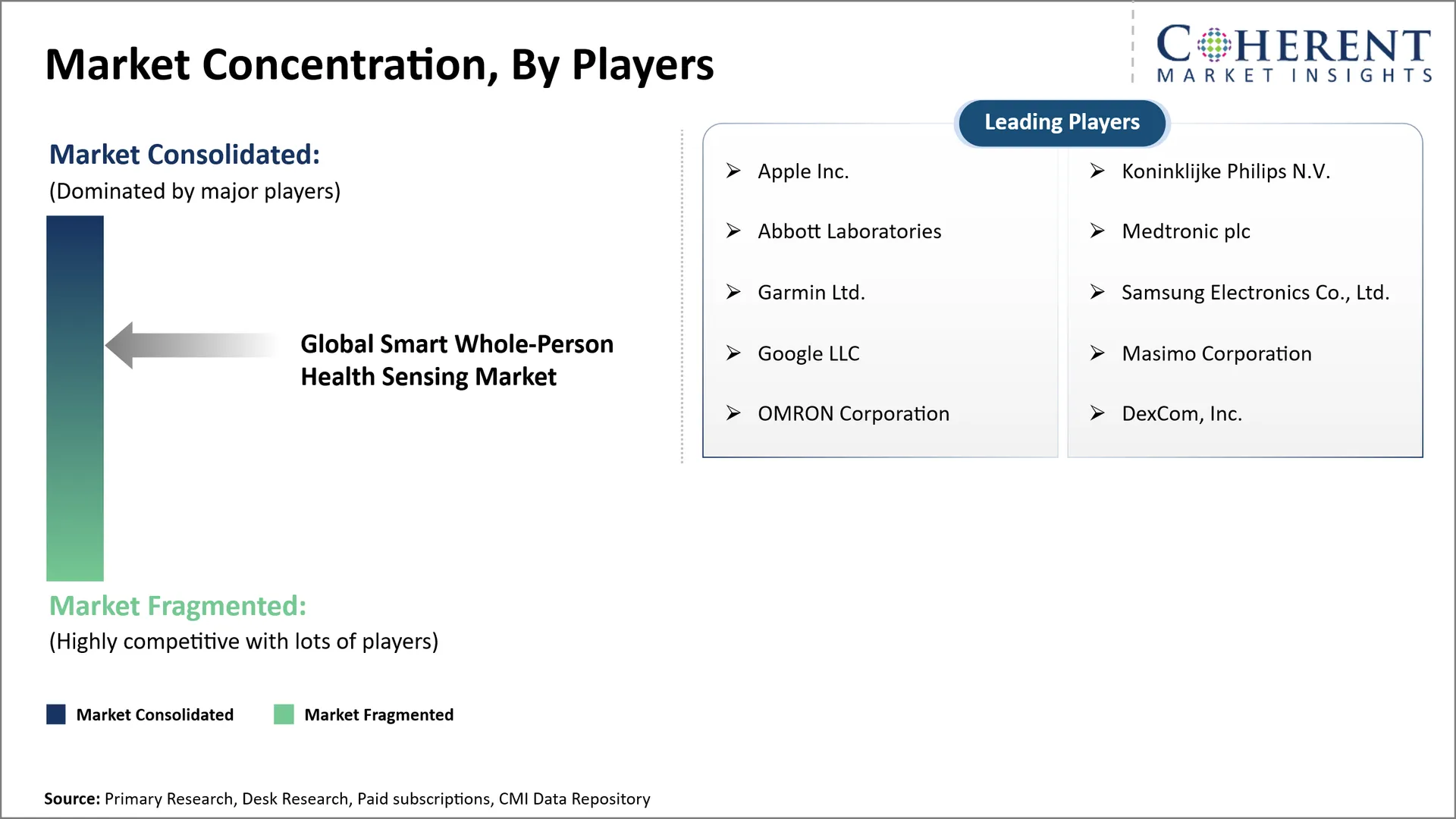
The global smart whole-person health sensing market is highly fragmented and competitive, with entrenched companies in the consumer electronics, medical device, wearable device and digital health solutions specialists. Unlike conventional health monitoring markets, competition is distributed across multiple technologies and product categories, with no single player dominating the entire ecosystem.
Key focus areas include
- Innovative wearable and non-wearable sensors for continuous assessment of multiple health parameters, both physiological and behavioral.
- Integrated digital health platforms expanding to include cardiovascular, respiratory, sleep, activity and mental wellness.
- Improvement of sensor accuracy, small size, battery life and non-invasive monitoring to make day-to-day usability better.
- Enhancing interoperability, clinical validation, and cybersecurity to enable integration with both healthcare providers and remote patient monitoring.
Market Report Scope
Global Smart Whole-Person Health Sensing Market Report Coverage | |||
Report Coverage | Details | ||
Base Year | 2025 | Market Size in 2026: | USD 31.6 Bn |
Historical Data For: | 2020 To 2024 | Forecast Period: | 2026 To 2033 |
Forecast Period 2026 To 2033 CAGR: | 15.4% | 2033 Value Projection: | USD 86.1 Bn |
Geographies covered: |
| ||
Segments covered: |
| ||
Companies covered: | Apple Inc., Koninklijke Philips N.V., Abbott Laboratories, Medtronic plc, Garmin Ltd., Samsung Electronics Co., Ltd., Google LLC, Masimo Corporation, OMRON Corporation, DexCom, Inc. | ||
Growth Drivers: |
| ||
Restraints & Challenges: |
| ||
Analyst Opinion (Expert Opinion)
- In the coming years, the global smart whole-person health sensing market is expected to evolve from single-domain biometric monitoring to comprehensive health intelligence ecosystems that stitch together physiological, behavioral and lifestyle data. Artificial intelligence-powered platforms will expand to enable health insights, early risk detection and tailored prevention. The future will be driven by near real-time monitoring that connects consumer wearables to clinician workflows and remote patient management.
- The best opportunity is expected to be in artificial intelligence-enabled cardiovascular and metabolic health monitoring in India and China, driven by growing chronic disease burden and rising numbers of digitally adopted health systems means sizable growth. Devices that combine intelligent wearables, ongoing health, vital signs tracking and disease-specific health insights will be most appealing to chronic disease populations managing long-term health risks. In addition, aging-related care and at-home monitoring will be attractive applications for companies reaching underserved patient groups.
- In order to gain a competitive advantage market players should focus on the creation of an interoperable sensing ecosystem measuring various health parameters. Instead of devices that measure a single parameter in isolation, companies should focus on using of artificial intelligence-based analytics, increasing sensor accuracy, and clinically validating devices to provide deep and actionable insights into health. Strategic partnerships with healthcare professionals, digital health platforms, and academia, as well as targeted and affordable product offerings and data privacy, will play a key role in competitive differentiation.
Speak to the analyst
Want personalized insights?
Take the findings above to one of our principal consultants, or have the report rebuilt around the segments, geographies and competitors you actually track.
Market Segmentation
- Component Insights (Revenue, USD Bn, 2021 - 2033)
- Wearable Devices
- Non-Wearable Sensors
- Software and Platforms
- Services
- Sensing Technology Insights (Revenue, USD Bn, 2021 - 2033)
- Optical Sensing
- Bioelectrical Sensing
- Motion and Inertial Sensing
- Environmental Sensing
- Health Parameter Insights (Revenue, USD Bn, 2021 - 2033)
- Cardiovascular Health
- Respiratory Health
- Sleep and Activity
- Stress and Mental Wellness
- Application Insights (Revenue, USD Bn, 2021 - 2033)
- Preventive Healthcare and Wellness Monitoring
- Chronic Disease Management
- Remote Patient Monitoring
- Fitness and Lifestyle Management
- End User Insights (Revenue, USD Bn, 2021 - 2033)
- Individual Consumers
- Employers and Corporate Wellness Programs
- Research Institutions
- Others
- Regional Insights (Revenue, USD Bn, 2021 - 2033)
- North America
- U.S.
- Canada
- Latin America
- Brazil
- Argentina
- Mexico
- Rest of Latin America
- Europe
- Germany
- U.K.
- Spain
- France
- Italy
- Russia
- Rest of Europe
- Asia Pacific
- China
- India
- Japan
- Australia
- South Korea
- ASEAN
- Rest of Asia Pacific
- Middle East
- GCC Countries
- Israel
- Rest of Middle East
- Africa
- South Africa
- North Africa
- Central Africa
- North America
- Key Players Insights
- Apple Inc.
- Koninklijke Philips N.V.
- Abbott Laboratories
- Medtronic plc
- Garmin Ltd.
- Samsung Electronics Co., Ltd.
- Google LLC
- Masimo Corporation
- OMRON Corporation
- DexCom, Inc.
Sources
Primary Research Interviews
- Wearable health technology product managers and developers
- Biomedical engineers specializing in biosensors and health-monitoring devices
- Digital health and AI-based health analytics specialists
- Cardiologists, endocrinologists, and remote patient monitoring specialists
Stakeholders
- Smart whole-person health sensing technology developers
- Wearable and non-wearable health device manufacturers
- Biosensor and semiconductor component manufacturers
- Digital health platforms and remote patient monitoring solution providers
- End-use Sectors
- Hospitals and healthcare providers
- Home healthcare and remote patient monitoring providers
- Consumer wellness and fitness organizations
- Corporate wellness and occupational healthcare providers
- Regulatory & Health Bodies
- U.S. Food and Drug Administration (FDA)
- Central Drugs Standard Control Organisation (CDSCO), India
- European Commission (Medical Device Regulation)
- Health Canada
Databases
- ClinicalTrials.gov
- WHO International Clinical Trials Registry Platform (ICTRP)
- U.S. FDA Medical Device Databases
Associations
- American Heart Association (AHA)
- American College of Cardiology (ACC)
- Health Information and Management Systems Society (HIMSS)
- IEEE Engineering in Medicine and Biology Society (IEEE EMBS)
Public Domain Sources
- U.S. Food and Drug Administration (FDA)
- National Institutes of Health (NIH)
- Centers for Disease Control and Prevention (CDC)
- World Health Organization (WHO)
Proprietary Elements
- CMI Data Analytics Tool
- Proprietary CMI Existing Repository of information for last 10 years.
Get access to 250+ pages report
Every segment, forecast, competitor profile and data table behind the analysis above — available for instant download.
- ESOMAR Member
- ISO 9001:2015 Certified
- D-U-N-S Registered
- GDPR & CCPA Compliant
Frequently Asked Questions
The global smart whole-person health sensing market is estimated to be valued at USD 31.6 Bn in 2026 and is expected to reach USD 86.1 Bn by 2033.
Wearable devices dominate the market owing to their huge consumer adoption, ease of use and ability to monitor several health parameters such as heart rate, physical activity, sleep and oxygen saturation levels, among others on continuous basis.
Smart whole-person health sensing combines the powers of sensor sensing and AI engine analytics to gather and analyze real-time information on the physical, psychological and behavioral characteristics of a person to provide holistic health insight.
The CAGR of global smart whole-person health sensing market is projected to be 15.4% from 2026 to 2033.
Increasing adoption of continuous, multi-parameter health monitoring technologies, and growing demand for preventive healthcare and personalized health insights are the major factors driving the growth of the global smart whole-person health sensing market.
High costs associated with advanced sensing devices and integrated monitoring platforms, and data privacy concerns and cybersecurity risks associated with continuous health information collection are the major factors hampering the growth of the global smart whole-person health sensing market.
In terms of sensing technology, optical sensing is estimated to dominate the market revenue share in 2026.