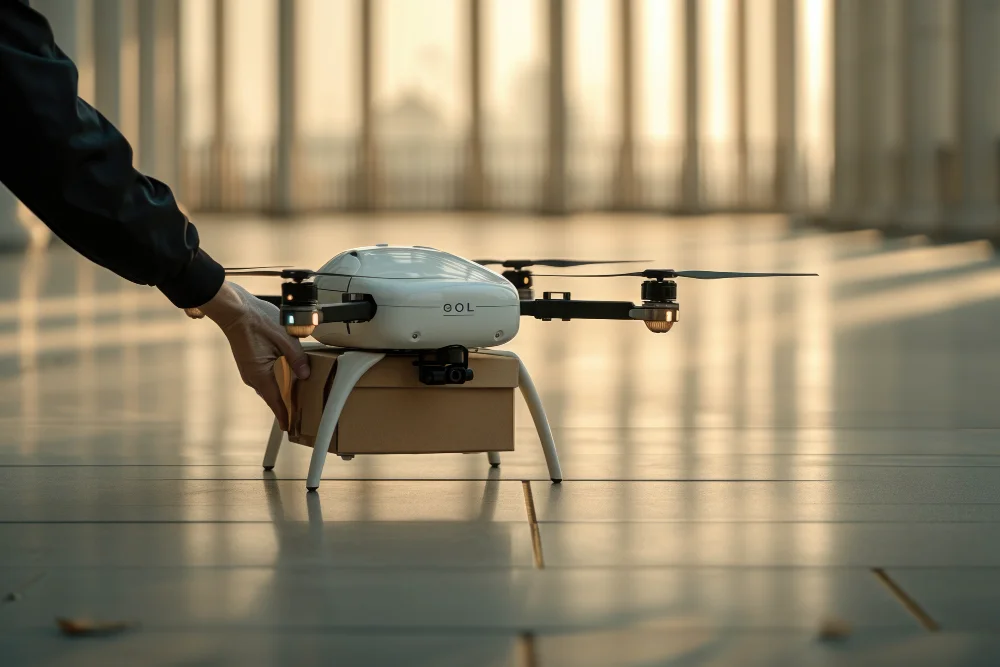
The target drone market is changing fast as new tech steps in. These drones are no longer simple flying targets. They now act like real threats in training and testing. Defense teams want better speed, smarter moves, and real-time data. This demand is pushing new ideas into the space.
Today, drones use AI, better sensors, and longer flight systems. This makes them more useful in combat training and weapon tests. For example, modern target drones can copy enemy jets or missiles with high accuracy. This helps teams train in real-like conditions.
As tech keeps improving, the next wave of target drones will be smarter, cheaper, and more flexible. These changes will shape how defense systems train and prepare in the coming years.
AI will Make Drones Think and React Fast
AI is changing how drones behave in the air. Future drones will not just follow fixed paths. They will react in real time.
For example, a drone may dodge a missile during a test. It may change speed or direction on its own. This makes training more real and tough.
AI also helps drones learn from past runs. Each test makes the next one better. This saves time and cuts human effort.
Swarm Tech will Change Training Drills
Swarm tech means many drones flying as one group. They move together and act like a team. In the middle of the target drone market, this idea is gaining strong demand. Defense teams can test against many threats at once.
For example, a swarm can act like a group of enemy drones. It can confuse radar and test defense limits. This gives a real battle feel.
Better Sensors will Boost Accuracy
Sensors help drones see and track things. New sensors are smaller and sharper. Future drones will use heat sensors, radar, and vision tools. This helps them act like real jets or missiles.
For example, a drone can copy the heat signal of a fighter jet. This helps test heat-seeking missiles in a real way.
Longer Flight Time will Add Value
Flight time is a key need in training. Short flights limit test time. New battery tech and fuel systems will fix this. Drones will stay in the air longer without breaks.
For example, a drone that flies for 5 hours helps run full-day drills. This cuts the need for many drone swaps.
Modular Design will Make Drones Flexible
Future drones will not be fixed in one form. They will use modular parts. This means parts can be changed fast.
For example, teams can swap wings or sensors based on the test. This saves cost and time. One drone can serve many roles. This idea is growing fast in the target drone market as users want more value per unit.
Stealth Features will Improve Realism
Stealth tech helps drones avoid radar. This makes them act like real threats. Future drones may use low radar shapes and special coatings. This will test how well systems detect hidden targets.
For example, a stealth drone can help train radar teams to spot hard targets.
Data and Cloud Systems will Improve Insights
Data is key in every test. Future drones will send live data to cloud systems. This helps teams track every move and result. They can study what worked and what failed.
For example, after a test, teams can replay the full flight. This helps improve the next drill.
FAQs
What is a target drone?
Target drone is an unmanned aircraft used for training and weapon testing. It acts like a real threat.
Why is AI important in target drones?
AI helps drones react in real time. It makes training more real and useful.
What is drone swarm technology?
Drone swarm technology is when many drones fly and act together as one unit.
How do sensors help target drones?
Sensors help drones detect, track, and copy real targets like jets or missiles.
Why is the target drone market growing?
The target drone market is growing due to rising defense needs and better drone tech.
is an Associate Content Writer with 3.5 years of experience specializing in research, content writing, SEO optimization, and market analysis, primarily within the consumer goods, packaging, semiconductor, and aerospace & defense domains. He has a proven track record of crafting insightful and engaging content that enhances digital visibility and provides valuable industry perspectives. Nayan’s expertise lies in producing content that is not only informative but also strategically optimized to reach target audiences effectively. His ability to blend market analysis with SEO strategies ensures that his work is both relevant and highly discoverable.
With an MBA in Systems (IT), Nayan brings a strong foundation in market strategies, business analytics, and research methodologies to his writing. This unique blend of skills allows him to offer in-depth analysis and thought leadership across a variety of content formats, including blogs, news articles, and editorial pieces. Passionate about delivering quality, Nayan is dedicated to providing readers with content that not only informs but also adds depth to ongoing industry conversations. His work reflects a commitment to excellence, and he continues to refine his approach as he keeps pace with evolving market trends.