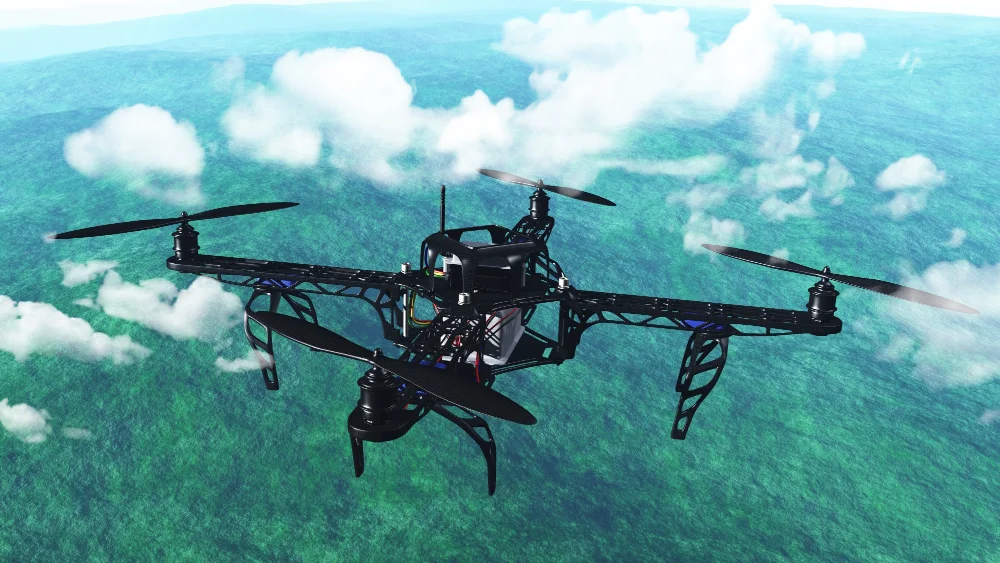
The target drone market is growing fast, and there are clear reasons behind it. Modern defense training now needs real, moving targets, not just static ones. Armies want soldiers to train in conditions that feel close to real combat. Target drones help make that possible.
These drones act like enemy aircraft or missiles. They can fly at different speeds and heights. This helps improve tracking, aiming, and response time. For example, the U.S. military uses target drones during live-fire drills to test missile systems.
Another reason is rising defense budgets. Countries are spending more on training and safety. Instead of using costly manned aircraft, drones offer a safer and cheaper option.
As threats grow and tech improves, the need for realistic training tools keeps rising. That is pushing steady demand in this space.
Why Realistic Training is a Big Driver?
Training today is not basic anymore. Soldiers must face real-like threats. Target drones make this possible.
They can copy enemy moves in the air. Some drones even mimic fast jets or cruise missiles. This helps troops react under pressure.
For example, naval forces use drones to train radar teams. They track fast-moving targets over water. This sharpens skills in real time. Without such tools, training stays limited. That is why demand keeps rising.
Rising Defense Budgets Boost Demand
Many countries are increasing defense spending. A large part goes to training systems. Target drones cost less than using real aircraft. They also reduce risk to pilots. This makes them a smart choice.
The U.S., China, and India are all investing in drone-based training. These funds support the target drone market growth. More budgets mean more orders for advanced drones.
Better Drone Technology is Changing the Game
Recent years have brought significant advancements to drone technology. The current generation of drones operates at higher speeds while displaying advanced intelligence and better performance. The drones include GPS tracking systems and remote control capabilities as standard equipment. Some drones use artificial intelligence to adjust their flight paths during training exercises.
This makes drills less predictable and more useful. Soldiers must stay alert and react fast. For example, modern target drones can change speed mid-air. This adds real pressure during training.
Cost and Safety Benefits Drive Adoption
Using manned aircraft in training is costly and risky. One mistake can lead to serious damage. Target drones remove that risk. If a drone is lost, the cost is much lower. They also need less crew and support. This cuts overall training costs.
For example, air defense systems can test missiles on drones instead of real planes. This keeps pilots safe. These benefits make drones a preferred option.
Growing Focus on Air Defense Systems
Air threats are rising across the world. Countries want strong air defense systems. To test these systems, they need moving targets. Target drones fill this role. They help check radar, missiles, and tracking tools. This ensures systems work in real conditions.
For example, missile tests often use drones as targets. This helps measure accuracy and speed. As air defense grows, so does the need for drones.
Demand from Multiple Defense Forces
Target drones are not just for air forces. Armies and navies also use them. Ground forces train with low-flying drones. Navies use them for sea-based drills. This wide use increases demand across sectors.
For example, naval ships use drones to test anti-air guns. This builds better response skills. More users mean steady growth for the market.
FAQs
What is a target drone?
Target drone is an unmanned aircraft used as a practice target during military training.
Why is the target drone market growing?
The target drone market is growing due to higher defense spending and need for realistic training.
How do target drones improve training?
Target drones improve training by simulating real threats like enemy aircraft or missiles.
Are target drones safe to use?
Target drones are safe to use because they remove the need for human pilots in risky drills.
Which forces use target drones?
Military forces like air force, navy, and army use target drones for different training needs.
is an Associate Content Writer with 3.5 years of experience specializing in research, content writing, SEO optimization, and market analysis, primarily within the consumer goods, packaging, semiconductor, and aerospace & defense domains. He has a proven track record of crafting insightful and engaging content that enhances digital visibility and provides valuable industry perspectives. Nayan’s expertise lies in producing content that is not only informative but also strategically optimized to reach target audiences effectively. His ability to blend market analysis with SEO strategies ensures that his work is both relevant and highly discoverable.
With an MBA in Systems (IT), Nayan brings a strong foundation in market strategies, business analytics, and research methodologies to his writing. This unique blend of skills allows him to offer in-depth analysis and thought leadership across a variety of content formats, including blogs, news articles, and editorial pieces. Passionate about delivering quality, Nayan is dedicated to providing readers with content that not only informs but also adds depth to ongoing industry conversations. His work reflects a commitment to excellence, and he continues to refine his approach as he keeps pace with evolving market trends.