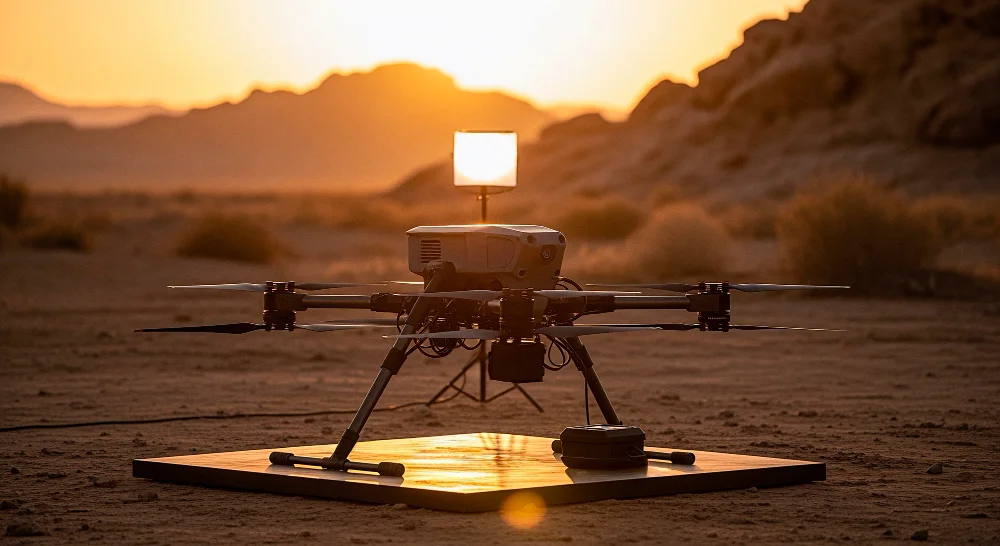
The target drone market is growing fast, and for good reason. Modern armies need real practice, not just theory. Soldiers must train in situations that feel real, fast, and unpredictable. That is where target drones come in. These unmanned systems act like enemy aircraft or missiles during training. They help troops learn how to detect, track, and respond under pressure.
Training without realistic targets can leave big gaps in skills. Target drones fix that by creating live, moving threats. For example, air defense teams can practice hitting fast targets, while pilots can train in combat-like scenarios. This makes drills more useful and closer to real missions. As threats become more advanced, training tools must keep up. Target drones are now a key part of that shift.
Real Training Feels Like Real Combat
Soldiers learn best when training feels real. Static targets do not move or react. That limits learning.
Target drones fly, turn, and change speed. They act like real threats. This helps troops stay alert and make quick choices.
For example, a drone can mimic a cruise missile. Air defense units must track and hit it fast. This builds real skill and confidence.
Safe Way to Practice High-Risk Situations
Live combat training is risky. Mistakes can lead to serious harm. Target drones lower that risk. They create a safe setup where troops can train hard without real danger.
For example, missile units can test weapons on drones instead of real aircraft. This keeps people safe while still giving real practice.
Better Accuracy and Faster Response
Modern warfare needs speed and precision. Small delays can change outcomes. Target drones help improve both. They move in complex ways, forcing quick reactions.
Pilots, radar teams, and gunners all benefit. They learn to track targets faster and hit with better accuracy.
Supports New Technology Testing
New weapons need real testing. Lab tests are not enough. Target drones help test systems in real conditions. They show how weapons perform against moving targets. They support defense teams in testing new radar, missiles, and tracking systems.
For example, a new missile system can be tested against fast drones. This shows if it can handle real threats before use in the field.
Cost-Effective Training Solution
Training with real aircraft is expensive. Fuel, maintenance, and risk all add up. Target drones cost less and are easier to manage. They can be reused or replaced at lower cost.
For example, a drone can be launched multiple times for drills. This allows more practice without huge costs.
Helps Prepare for Modern Threats
Today’s threats are fast, smart, and hard to detect. Old training methods cannot match them. Target drones can copy these new threats. They can fly low, move fast, or act like stealth targets.
This helps troops stay ready for real-world situations. It also keeps training updated with current risks.
Builds Team Coordination
Combat needs strong teamwork. Each unit must work with others. Target drone exercises bring teams together. Radar, command units, and weapon systems must act as one.
For example, radar teams detect the drone, then pass data to missile units. This builds smooth coordination.
FAQs
What is a target drone?
Target drone is an unmanned aircraft used as a moving target in military training.
Why are target drones used in training?
Target drones are used in training to create real and moving threats for better practice.
How do target drones improve military skills?
Target drones improve military skills by helping troops react faster and aim better in real-like situations.
Are target drones cost-effective?
Target drones are cost-effective because they reduce the need for expensive aircraft in training.
What is the role of the target drone market?
The target drone market supports defense forces by providing advanced drones for training and testing needs.
is an Associate Content Writer with 3.5 years of experience specializing in research, content writing, SEO optimization, and market analysis, primarily within the consumer goods, packaging, semiconductor, and aerospace & defense domains. He has a proven track record of crafting insightful and engaging content that enhances digital visibility and provides valuable industry perspectives. Nayan’s expertise lies in producing content that is not only informative but also strategically optimized to reach target audiences effectively. His ability to blend market analysis with SEO strategies ensures that his work is both relevant and highly discoverable.
With an MBA in Systems (IT), Nayan brings a strong foundation in market strategies, business analytics, and research methodologies to his writing. This unique blend of skills allows him to offer in-depth analysis and thought leadership across a variety of content formats, including blogs, news articles, and editorial pieces. Passionate about delivering quality, Nayan is dedicated to providing readers with content that not only informs but also adds depth to ongoing industry conversations. His work reflects a commitment to excellence, and he continues to refine his approach as he keeps pace with evolving market trends.