AI social media influencers are redefining what it even means to be a content creator, blending personality, interactivity, and storytelling in ways that sometimes catch people off guard. Furthermore, AI influencers have ensured the opening of a new dimension of online interaction, and it has created a trend of pushing past traditional norms and also widens the possibilities of how audiences can experience different digital narratives.
The Power of AI in Crafting Unique Online Personalities and Narratives
The power of artificial intelligence is in the ability to process massive amounts of data, and using that, create personalities that are akin to human and can resonate with social media users. These AI-driven personas are designed around particular audiences and are adjusted over time as the tastes shift.
AI influencers have an advantage over human influencers as they are not constrained by time, energy, or by geography. They are able to keep a constant presence across multiple platforms simultaneously, adapting their content as audience behavior changes. There are no burnout and no time zones that need to be navigated. This makes them a vital tool, with their demand increasing, for brands that are experimenting in the realm of digital storytelling.
Thus, the influencer marketing platform is expected to provide lucrative opportunities to the stakeholders based on the trends. Within the market, the solution segment is expected to account for 57.8% of the market in 2026. The demand for comprehensive tools that can effectively handle influencer discovery, campaign management, engagement, as well as performance measurement are poised to intensify. AI adds another layer here too, helping brands identify the right creators and make sense of audience responses.
One trend that is gaining momentum is the use of AI to make creator discovery and matching more precise. Platforms can now analyze audience interests, engagement patterns, content, and campaign results to identify creators whose audiences are more closely aligned with a brand.
Deep learning, natural language processing, social data analysis, mix those together and you get virtual personalities capable of building stories that keep audiences hooked. They're built around a lot of the same qualities that made traditional influencers work in the first place: relatability, entertainment, personality, a knack for storytelling people actually want to follow.
They can also be fine-tuned to fit particular audiences. Content adjusts based on feedback, emerging trends, performance data, all while the character keeps a consistent identity underneath it. That mix of consistency and adaptability is honestly one of the more interesting things AI brings to content creation.
What's especially intriguing is how well these personas hold together under constant tweaking. They adapt to trends, absorb audience feedback, make data-driven adjustments, all without losing whatever makes them "them." Here is a list of some AI influencers that are actively blurring the line between human and machine-driven interaction.
J-Nice Prempelli

J-Nice Prempelli sits right at the intersection of fashion, technology, and AI. As a digital persona, she's sophisticated in a way that comes across effortless, blending luxury fashion with cutting-edge AI innovation into an online presence with real global reach.
She stays ahead of trends by letting AI analyze and predict what her audience is likely to respond to next. Her content gets tailored to followers' tastes, which gives her a level of consistency that's tough to pull off when a human's running the show manually.
Furthermore, the rise of AI influencers in the high-end fashion space is an indication that fashion and lifestyle will remain the leading end-use industry for influencer marketing platforms, with a 36.1% share in 2026. Some of the other factors fueling the growth are the visual trends, along with personal recommendations, and fast changing styles that are driving purchasing decisions in that space.
Meanwhile, J-Nice’s virtual identity focusing on high-end fashion is a credible platform indicating where AI could take the industry next. Using AI to track trends and shape content lets her keep an ongoing dialogue running with followers, such as new looks, inspirations, collaborations, the works.
Han YuA

Han YuA is a striking example of just how cross-cultural AI influencers can get. Han YuA draws on the aesthetics from the East as well as the West, creating a riveting online presence that can be categorized as aspirational and relatable at the same time. She is an indication that virtual personalities are able to move past geographic boundaries and can do so in a variety of ways that human influences tend to manage rarely.
AI is at the core of her identity, and it blends visual storytelling with personal engagement so as to build an emotional connection with the followers. Moreover, AI’s reach spans a multitude of platforms, and Han YuA’s content leans into personal growth, creativity, and showcases where the technology is heading next. Her presence as an AI influencer also indicates how virtual personalities can act as cultural bridges, bringing in different audiences into the same platform.
Meanwhile, another emerging trend is the growing role of micro- and nano-influencers. For instance, brands are expanding their search beyond large creators for micro creators that have more focused communities. This is because smaller audiences tend to offer more relevance along with targeted engagement.
Furthermore, AI is shaping how people consume content and connect with each other, and an indication of it is the constant back-and-forth with followers that Han YuA engages in.
K/DA Seraphine
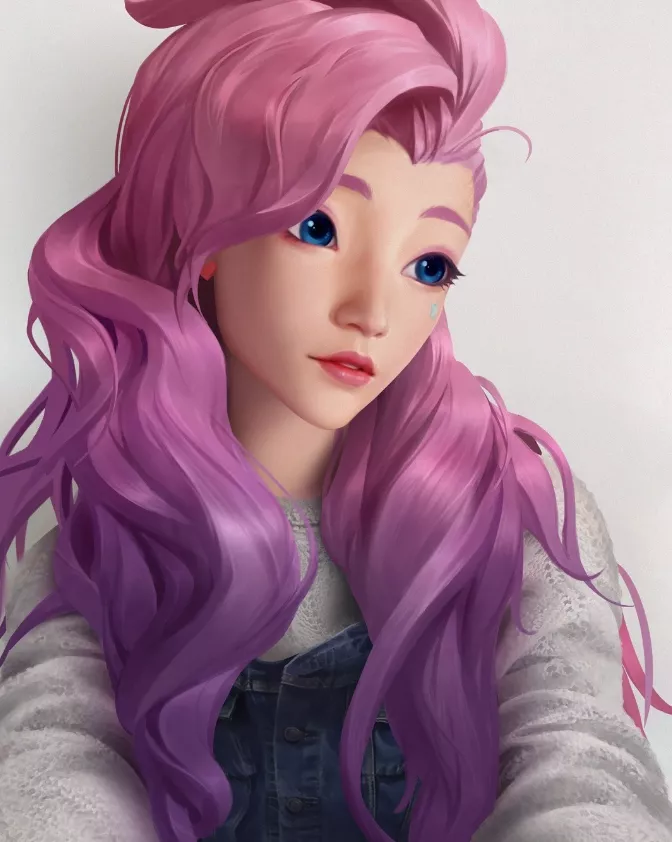
Seraphine is a virtual pop start of the K/DA project. She is a stark reminder of the entertainment value that an AI influencer can provide. Part of the K/DA universe, Seraphine is a musician as well as an influencer, and engages fans via social media and immersive digital content.
Her character was built to resonate with both music and gaming fans, pulling those two communities together through a single virtual identity.
What makes Seraphine stand out is how personal and emotionally resonant her character can feel. She shares updates about her "creative journey," interacts with fans like she's a real working artist, which is proof that AI-driven characters can move well past static digital images into recurring personalities with actual narrative arcs.
Blend music, gaming, and social interaction the way Seraphine does, and you get a sense of how far a virtual influencer can push into entertainment.
Maya Gram
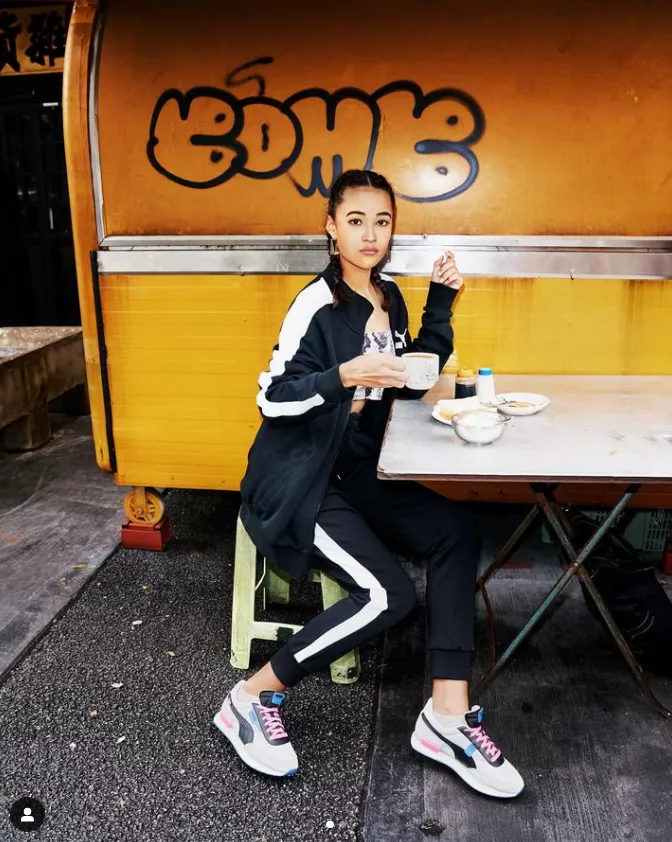
Maya Gram shows a different side of this, with lifestyle and self-improvement content, powered by an adaptive AI algorithm behind the scenes. She creates content nudging her audience toward personal growth and self-care.
Her whole persona is built around continuous improvement, and AI lets her messages get tailored to different followers without losing what makes her recognizable. Content stays relevant; personality stays intact.
Maya's proof that AI isn't just for entertainment. Her content runs the gamut — motivational messages, personal-development tips, digital lifestyle ideas — all filtered through an AI-driven persona.
That she can connect with an audience despite being entirely virtual points to something bigger this technology makes possible: digital characters that hold a recognizable identity while still responding, in real time, to what audiences actually want.
Binxie

Binxie is known for a quirky and playful persona, with a knack for interactive engagement. Binxie actively leans on humor and personality to stand out amidst the large-scale content available in social media.
She has an ability to smoothly navigate trends and respond to audience feedback. Moreover, her response to audience feedbacks gives her a sense of movement as she almost feels alive, creating an illusion of reality.
The entire appeal of Binxie is in connecting with audiences in a natural way, even as algorithms are running the show behind the curtain. Her content remains fresh by tracking the shifting nature of digital creativity.
The flexibility is an advantage as it offers the brands to juggle complex influencer campaigns, and experiment with ideas. Moreover, in the influencer marketing platform market, large enterprises are poised to register for a leading revenue share of 59.6%, mostly because running large-scale influencer programs require tools that are built to manage creators across different markets, audiences, as well as platforms at once.
Furthermore, Binxie is a prime example of how a consistent virtual personality can remain steady even after adapting to various trends that audiences can expect next.
Meanwhile, a third trend is the shift from influencer marketing as a reach tactic toward a measurable performance channel. As platforms improve campaign tracking and attribution, brands are placing more emphasis on which creators actually generate engagement, sales, and other business outcomes rather than simply counting followers.
Belle
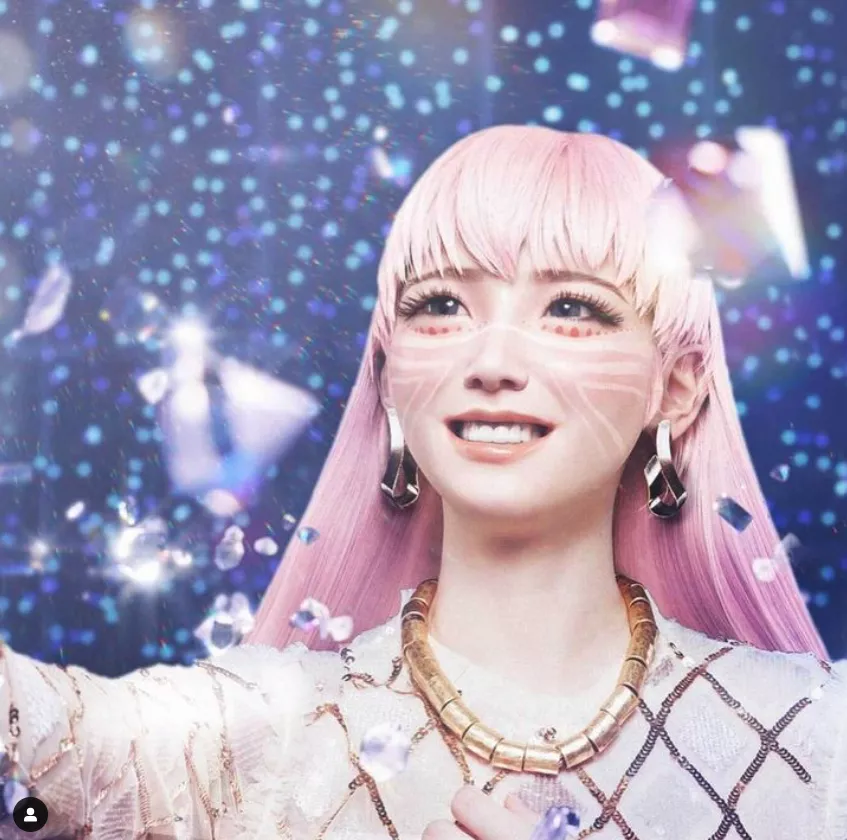
As an AI influencer, Belle’s presence indicates where AI can take high-end fashion and lifestyle content. Belle is presented as elegant, sophisticated, and is tuned toward audiences who tend to value style, exclusivity, as well as innovation.
Furthermore, her content remains on-trend because AI lets her character track as well as respond to the changing fashion movements, and do so in real time. Belle is a representation of another step toward an evolving form of luxury branding where AI-driven influencers can curate the content for global audiences and do so with precision.
Her influence goes beyond fashion, too as she engages followers on culture and technology as well, giving her a broader identity than your typical product-focused character.
Additionally, trends indicate that AI influencers will continue to gain ground, and thus, their overall impact on digital creativity will become tougher to ignore. As artificial intelligence is blended with human-like interaction, the result is the creation of virtual personalities that can change how online content is made and experienced.
Meanwhile, the wider influencer marketing ecosystem is expanding alongside the growth of AI influencers. The most lucrative regional market is North America, with a 43.7% of the global influencer marketing platform market in 2026, backed by heavy social media penetration, solid digital infrastructure, and early adoption of influencer campaigns. The U.S. remains particularly central here, as brands lean more and more on data-driven platforms to track campaign performance and work with micro- and nano-influencers.
Bottom Line
From fashion and entertainment to lifestyle and personal development, AI influencers are opening up new ways for brands and audiences to interact. The technology's still evolving, but the direction's evident: digital personalities are only getting more adaptable, more sophisticated, and more capable of building identities of their own within social media.
The competitive side of influencer marketing platforms is also becoming more data-driven. Aspire reported that brands using its platform launched 7,500 campaigns in 2025, pulling in more than $52 million in direct sales. Traackr's been busy too, expanding its AI toolkit with things like AI Content Summaries, and it is meant to help marketers figure out creator fit faster; its 2026 positioning leans harder into creator data and AI-driven decisions. Upfluence keeps pushing its own creator intelligence work forward, using data to spot emerging trends and track brand performance across platforms.

