
Contact Us Careers Register

Why Automotive and Electronics Sectors Lead in Vision System Adoption

26 Feb, 2026 - by CMI | Category : Industrial Automation And Machinery

Why Automotive and Electronics Sectors Lead in Vision System Adoption - Coherent Market Insights

Why Automotive and Electronics Sectors Lead in Vision System Adoption

Let’s be real, automation is not the future anymore. It’s already here. And when it comes to using vision systems, the automotive and electronics sectors are way ahead of everyone else. These industries move fast, produce huge volumes, and can’t afford mistakes. That’s exactly why vision systems have become their go-to solution.

Vision systems help machines “see” and make decisions. They check quality, guide robots, and make sure everything runs smoothly. And honestly, without them, modern car and electronics production would struggle to keep up.

Let’s break down why these two sectors dominate the machine vision system market.

They Produce Massive Volumes Every Day

The two sectors generate a million items throughout each day. Smartphones and cars serve as examples of products that require precision manufacturing. A single minor flaw has the potential to produce significant financial damage.

Samsung operates production lines that manufacture thousands of smartphones each hour. The vision systems verify three things: they check the camera position, they verify screen alignment, and they detect scratches.

Tesla operates vision systems that perform three functions: they inspect vehicle bodies, they assess paint condition, and they assist robots in their assembly work.

The process of manual inspection would become both time-consuming and error-prone without the presence of vision systems.

They Need Extreme Accuracy

Cars and electronics are not simple products. They are made of hundreds or even thousands of small parts.

One small mistake can cause big problems.

For example:

  • A loose wire in a car can cause safety risks
  • A tiny defect in a phone chip can make the device fail

Vision systems can detect defects that human eyes can easily miss. They don’t get tired, and they don’t lose focus.

This is why manufacturers trust them more than manual inspection.

Automation is their Survival Strategy

The need for speed, together with quality production, results in a battle between companies. The complete operations of a company can be automated through vision systems.

For example, Apple uses vision-guided robots to assemble iPhones. These systems make sure every component is placed perfectly.

This helps them:

  • Speed up production
  • Reduce labor costs
  • Improve product quality

It’s literally a win-win situation.

They Reduce Costly Mistakes

The industry experiences high costs because its operators make errors. The costs of mistakes in these fields reach their highest point.

The recall cost would be huge when they create 10,000 defective cars. The vision systems stop this problem because they identify issues during their initial stage.
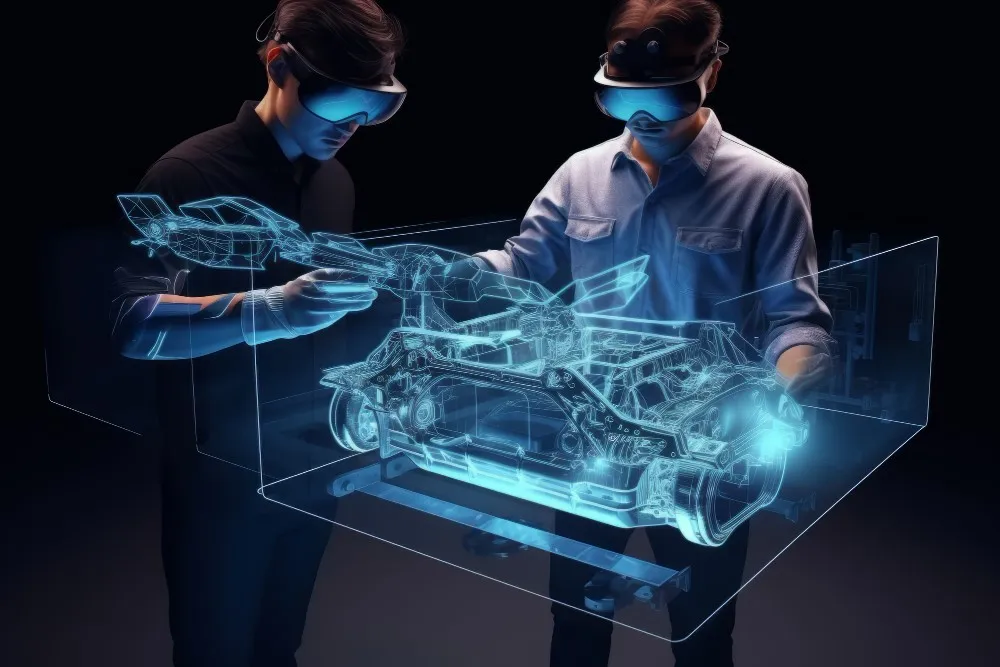
The system automatically identifies and corrects door alignment issues when a car door does not meet its correct position. This process helps businesses save millions of dollars.

They Help Robots Work Smarter

Robots operate throughout automotive and electronics manufacturing plants. The robots require operational direction. The vision systems function as the system's visual detection system.

They help robots:

  • Pick parts
  • Place components
  • Assemble products

For example,

Robots in electronics factories use vision systems to pick up small chips, which they need to put on circuit boards. Robots need vision systems because they would not be able to operate without them.

The Machine Vision System Market is Growing Fast

Why Automotive & Electronics Lead Vision Adoption By Machine Vision System

The machine vision system market is growing rapidly, with the automotive and electronics industries at the forefront. Why?

Because they:

  • Invest heavily in automation
  • Produce large volumes
  • Need perfect quality

These industries are setting up the trend, and other sectors are now following them.

They Improve Safety and Reliability

The importance of safety becomes critical for automotive design purposes.

The vision systems verify that safety components, which include airbags, brakes, and sensors, undergo proper installation. The process creates safer products that customers can use.

The vision systems in electronics technology verify that batteries are assembled correctly and their safety standards are maintained. The process establishes brand credibility through customer trust.

FAQs

  • Why do automotive companies use vision systems?
    • There is an assumed commitment of data, sentiment, and the context that arises with errors and discontinuity.
  • Why is the electronics sector a major user of vision systems?
    • Since it consists of very minute parts, it requires extreme precision in both placement and inspection.
  • How do vision systems help reduce costs?
    • The difference is in being able to detect defects early, which mitigates such later agonies as product recall and waste.
  • Are vision systems better than human inspection?
    • Yes, AI is faster, more accurate, and does not get tired.
  • Will other industries also adopt vision systems?
    • These positions include the use of (even at an initiatory or preliminary level) food, healthcare, and the packaging industry.

About Author

Suheb Aehmad

Suheb Aehmad

Suheb Aehmad is a passionate content writer with a flair for creating engaging and informative articles that resonate with readers. Specializing in high-quality content that drives results, he excels at transforming ideas into well-crafted blog posts and articles for various industries such as Industrial automation and machinery, information & communication... View more

LogoCredibility and Certifications

Trusted Insights, Certified Excellence! Coherent Market Insights is a certified data advisory and business consulting firm recognized by global institutes.

Reliability and Reputation

860519526

Reliability and Reputation
ISO 9001:2015

9001:2015

ISO 27001:2022

27001:2022

Reliability and Reputation
© 2026 Coherent Market Insights Pvt Ltd. All Rights Reserved.
Enquiry Icon Contact Us