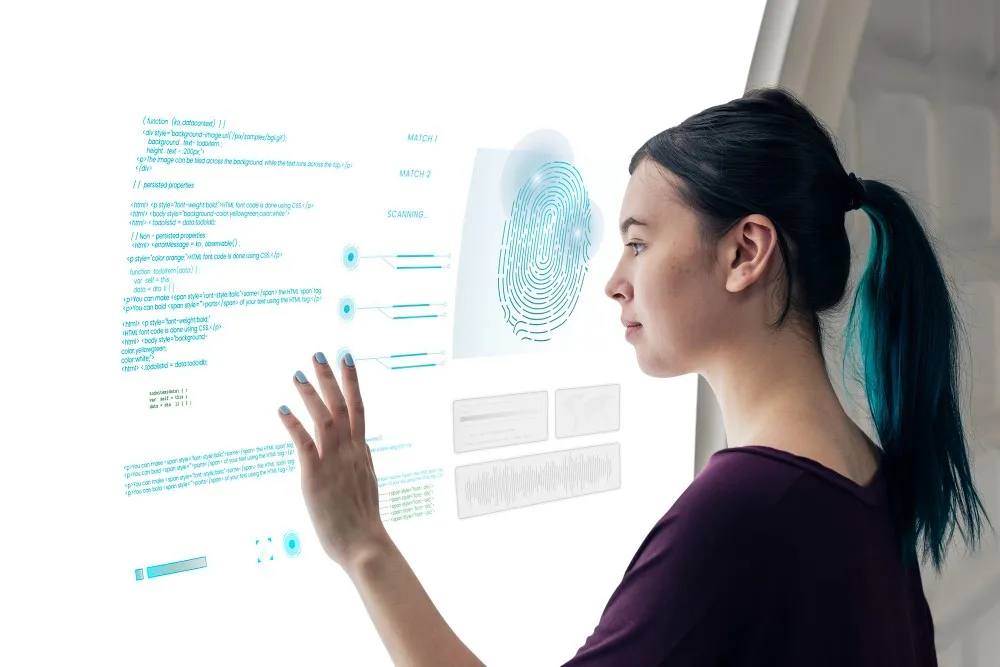
The process of verifying online identity is used to create verification challenges for users. Security measures failed because hackers accessed passwords, and users created fake identification documents, while criminals operated with better deception abilities. The introduction of artificial intelligence and machine learning technologies enables more precise and efficient identity verification processes.
Smarter ID Checks (Not Just “Upload and Pray”)
Traditional identity verification methods depend on two main approaches: manual assessment and simple rule-based systems. AI-powered systems conduct more extensive investigations than traditional methods.
AI can:
- Scan government IDs (passport, driver’s license, Aadhaar, etc.)
- Spot fake or edited documents
- Check fonts, holograms, spacing, and security features
Example:
The AI system uses its abilities to identify different font types and visual element changes to find tiny counterfeit detection discrepancies that human inspectors do not see in the uploaded fake driver's licenses.
Face Recognition That Actually Works
Machine learning creates better facial recognition results than previous identification systems. ML models use facial features, which include eye distance, nose shape, and jawline structure, to match different faces.
Example:
When a user takes a selfie for verification, AI will check if the photos are of the same real person and not just a photo taken from a printed one or from a screen observed.
Liveness Detection = No More Photo or Video Tricks
The main fraud issue for the organization stemmed from spoofing, which involved criminals using photos, videos, and masks to deceive security systems. AI fixes that with live detection.
AI checks:
- Eye movement
- Blinking patterns
- Head movement
- Light reflection on the face
Example:
In cases when another phone attempts photo verification, the AI system will screen for the likelihood of it being via non-human sources and will respond to this input immediately.
Behavioral Patterns Tell the Real Story
Machine learning does not only involve faces and IDs but goes deeper by establishing patterns from the behavior of a person.
ML models track things like
- Typing speed
- Mouse movement
- Device usage patterns
- Location behavior
Example:
If a user suddenly logs in from a new country, on a new device, and behaves differently than usual, ML flags it as high risk—even if the password is correct.
Real-Time Fraud Detection
The real-time capabilities of AI systems create a significant impact on their functionality. AI systems detect and prevent fraud during their active execution instead of waiting until damage occurs for detection. The identity-verification market companies today work rapidly to develop AI-first solutions because of this particular reason.