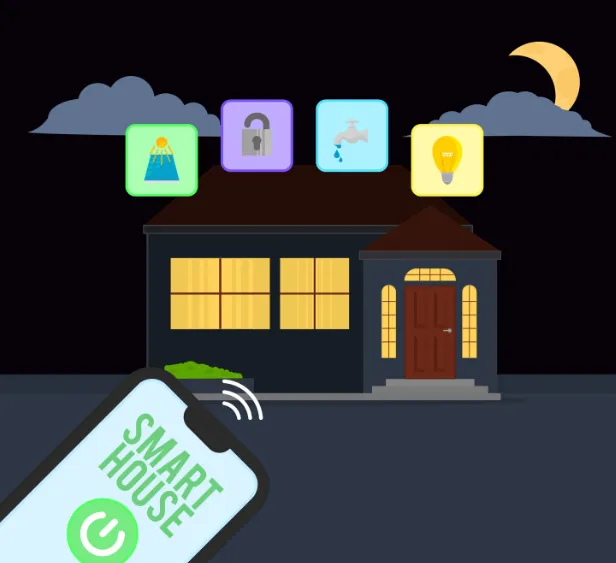
Introduction: Why Smartphones Have Become the Primary Interface for Smart Home Adoption
Every evening on my way home, I check the smart doorbellon my phone. A quick look at the app tells me who’s at the door, whether a package has arrived, or if someone suspicious wandered by. That kind of seamless control, nestled in our palms, makes us feel safe and in command. But beneath the calm reassurance lies a stark truth: the image the smart doorbell industry paints, one of effortless security through smartphone integration, often diverges sharply from the reality most consumers live with.
Overview of Smartphone Integration in Smart Doorbells: Mobile Apps, Notifications, and Remote Access Features
Look at any smart doorbell product page, and it screams convenience. “See, talk to, and secure your doorstep, anywhere, anytime!” the marketing blares. Videos show cheerful users greeting delivery drivers via two-way talk, receiving instant alerts on their phones, and unlocking a sense of control that once seemed futuristic.
Smartphone apps are sold as the central hub: real-time notifications, remote video access, cloud clips accessible from anywhere, and a dashboard that promises full visibility over your doorstep. You can even share clips with friends or community apps. On paper, this feels empowering.
Key Drivers Accelerating Adoption: Always-On Connectivity, User Convenience, and Real-Time Control
The sell is simple: constant connectivity plus your phone equals peace of mind. For many of us with hectic schedules, real-time alerts, “Someone’s at your door when you’re stuck in traffic!” are irresistible. The convenience is real; smartphone integration lets you check on a sleeping child’s return from school or verify a late-night delivery without getting off the couch.
Mobile operating systems (Android and iOS) have embraced this trend, exposing rich APIs that let apps run background notifications, live view streams, and biometric login, all of which deepen user engagement. It’s a virtuous loop of features driving downloads and daily interactions.
Smartphone Integration as the Foundation of Everyday Smart Doorbell Usage: Monitoring, Interaction, and Peace of Mind
For millions of users, the typical smart doorbell experience starts and ends on their phone. You wake up and tap your doorbell app; you’re out running errands and get alerts; you’re on vacation and still interacting with your front porch.
This reliance is exactly what manufacturers want: the smartphone becomes the priceless leash tethering you to their ecosystem. It’s not just a device accessory; it is the device. The promise is peace of mind. But what happens when the system that promises security also brings ambiguity?
Industry Landscape: Role of Smart Doorbell Brands, Mobile OS Platforms, and App Ecosystems
Here’s where the story gets complicated. Take the example of Ring, the brand name synonymous with smart doorbells. On the one hand, Ring’s smartphone-first strategy made it the poster child of the smart home revolution. But the truth has sometimes upended this commendable narrative.
Ring has been under fire for its handling of data and security concerns, despite its assertions on privacy and security. In 2024, the Federal Trade Commission in the United States reached a settlement with Ring over allegations that customers’ private video content was accessed without their consent by employees and contractors, as well as a failure to implement adequate security protocols that resulted in unauthorized access to accounts, with over $5.6 million in refunds issued to affected customers.
Even beyond legal settlements, smart doorbells have revealed cracks in the trust users place in them. Vulnerabilities have emerged showing that during initial setup, some devices earlier exposed Wi-Fi credentials over unencrypted connections, potentially giving hackers access to home networks. Privacy advocates have repeatedly criticized data-sharing features tied to mobile apps and community networks, which can blur the line between security and surveillance.
Behind the scenes, smartphone apps, the darling feature in marketing materials, are also the battleground for ongoing debates about data collection, third-party sharing, and real security practices.
Future Outlook: How Deeper Mobile Integration and Cross-Device Experiences Will Shape Smart Doorbell Adoption
The industry isn’t slowing down. Expect even deeper mobile integration: AI-powered alerts that can distinguish people from packages, automatic routines synchronized with watches or home hubs, and richer cross-device experiences that promise to weave your front door into your digital life more tightly than ever.
But deeper integration also raises deeper questions. Each new layer of convenience is matched by more data flowing out of your home, more reliance on third-party cloud services, and more complexity that consumers don’t fully understand or control.
Software updates can change how devices behave overnight. Data policies can be amended without clear user consent. And when every interaction depends on a smartphone app, you’re trusting that app, and the company behind it, with intimate slices of your daily life.
Conclusion
Smartphone integration should be the backbone of modern smart doorbells; it’s what makes them feel alive and useful. However, the glossy image of the industry does not always correlate with the reality of users who are faced with privacy issues, security risks, and unclear data policies.
As consumers, we have to move past the glossy product pages and ask hard questions about what we are sacrificing for the convenience of integration. Integration should be for you, not to lock you into an ecosystem where every knock on the door is another entry in someone else’s ledger.
FAQs
How can I determine if a smart doorbell app is privacy-friendly?
Before installing the app, one should check the permissions the app needs and the kind of data it collects, and whether it transmits any data to third-party services. There are also trustworthy review websites and summaries of privacy policies that can point out potential issues.
Are there smart doorbells that don’t require extensive use of smartphones?
Yes, some models are more concerned with local storage and local network management, making them less reliant on cloud apps. These models may sacrifice some cloud functionality for better privacy, but they can be a great option if you prefer less smartphone usage.
Does greater integration necessarily mean greater security?
No, it doesn’t. More functionality usually means more complexity, and complexity can be a source of security issues. Security is achieved through good encryption, regular software updates, and openness, regardless of the level of integration.
is a dedicated content writer with a passion for creating high-quality, engaging, and informative content. Specializing in blog posts, press releases, and news articles, she excels at delivering content that not only captivates readers but also drives meaningful results. With a keen eye for detail and a creative approach, Money ensures that every project is carefully crafted to align with audience needs and industry trends. Her ability to simplify complex topics while maintaining clarity and interest makes her a standout in the content creation space. Her writing expertise spans several key industries, including construction engineering, smarft technologies, and agrochemicals.
Constantly staying updated on the latest industry trends, Money is committed to producing content that informs, entertains, and educates. Her unique approach combines creativity with a deep understanding of digital marketing, ensuring her work helps clients enhance their online presence. Money’s passion for writing is reflected in every piece she produces, as she strives to engage readers with fresh, insightful, and impactful content. Her dedication to continuous learning and adapting to new trends makes her a trusted expert in the field.