

Global Cell-Free DNA Diagnostics Market Size and Forecast – 2026 To 2033
The global cell-free DNA diagnostics market is expected to grow from USD 12.18 Bn in 2026 to USD 26.31 Bn by 2033, registering a compound annual growth rate (CAGR) of 11.6% from 2026 to 2033. The global cell-free DNA diagnostics market is expected to witness significant growth owing to the rising burden of cancer along with the growing need for non-invasive tumor profiling and disease-monitoring applications.
As per the World Health Organization (WHO), around 20.6 million new cases of cancer and 10 million cancer death was accounted worldwide in 2024. Without more powerful intervention, the annual number of new cancer cases is predicted to reach almost 35 million by 2050, thus expanding the requirement for unique innovative cfDNA-based diagnosis, screening and monitoring of cancer.
Key Takeaways of the Global Cell-Free DNA Diagnostics Market
- Cell-Free Fetal DNA (cffDNA) is projected to hold 50.6% of the global cell-free DNA diagnostics market share in 2026, making it dominant test type segment. North America is the most active adopter of this technology in the current market scenario, attributed to the presence of robust prenatal screening practices, wide insurance coverage, and the rising adoption of non-invasive fetal tests. The California Prenatal Screening Program offers cfDNA screening to pregnant women in the state and over 340,000 women participate annually.
- Blood plasma is projected to hold 82.4% of the global cell-free DNA diagnostics market share in 2026, making it dominant sample type segment. Europe especially the UK, is promoting the adoption of blood plasma circulating tumor DNA testing for clinical use via its inclusion in the pathway for cancer diagnosis. NHS England has expanded access to liquid biopsy testing for eligible patients with lung and breast cancer, with this blood test potentially providing up to 16 days faster turnaround time over standard tissue biopsy in some cases.
- Next-Generation Sequencing (NGS) is projected to hold 55.6% of the global cell-free DNA diagnostics market share in 2026, making it dominant technology segment. The Asia Pacific is building a genomics diagnostics ecosystem by bringing a national precision medicine program and massive sequencing investments. Singapore National Precision Medicine Programme has sequenced 100,000 people in phase 2 and is continuing to extend population-based genomic research to support precision medicine.
- North America market maintains dominance with an expected share of 43.8% in 2026. This is attributed to the presence of a superior infrastructure for genomics testing in the region, widespread acceptance of liquid biopsy and established screening facilities for prenatal care. The All of Us Research Program by the U.S. National Institutes of Health has announced it has made genomic and health data collected from over 747,000 participants available to researchers, with an aim to strengthen the precision medicine and genomics research ecosystem in the region.
- Asia Pacific is expected to exhibit the fastest growth in the global cell-free DNA diagnostics market, registering an estimated CAGR of 16.4% during 2026–2033. The high growth rate is mainly attributable to rapid advancement in genomic research infrastructure coupled with higher utilization of such technology in molecular diagnostics. As per the data published by the Japan's National Cancer Center, the organization's SCRUM-Japan program had retrieved more than 10,000 liquid biopsy cases as of March 2024, thus highlighting the increasing number of clinical blood-based cancer genomic testing.
Segmental Insights
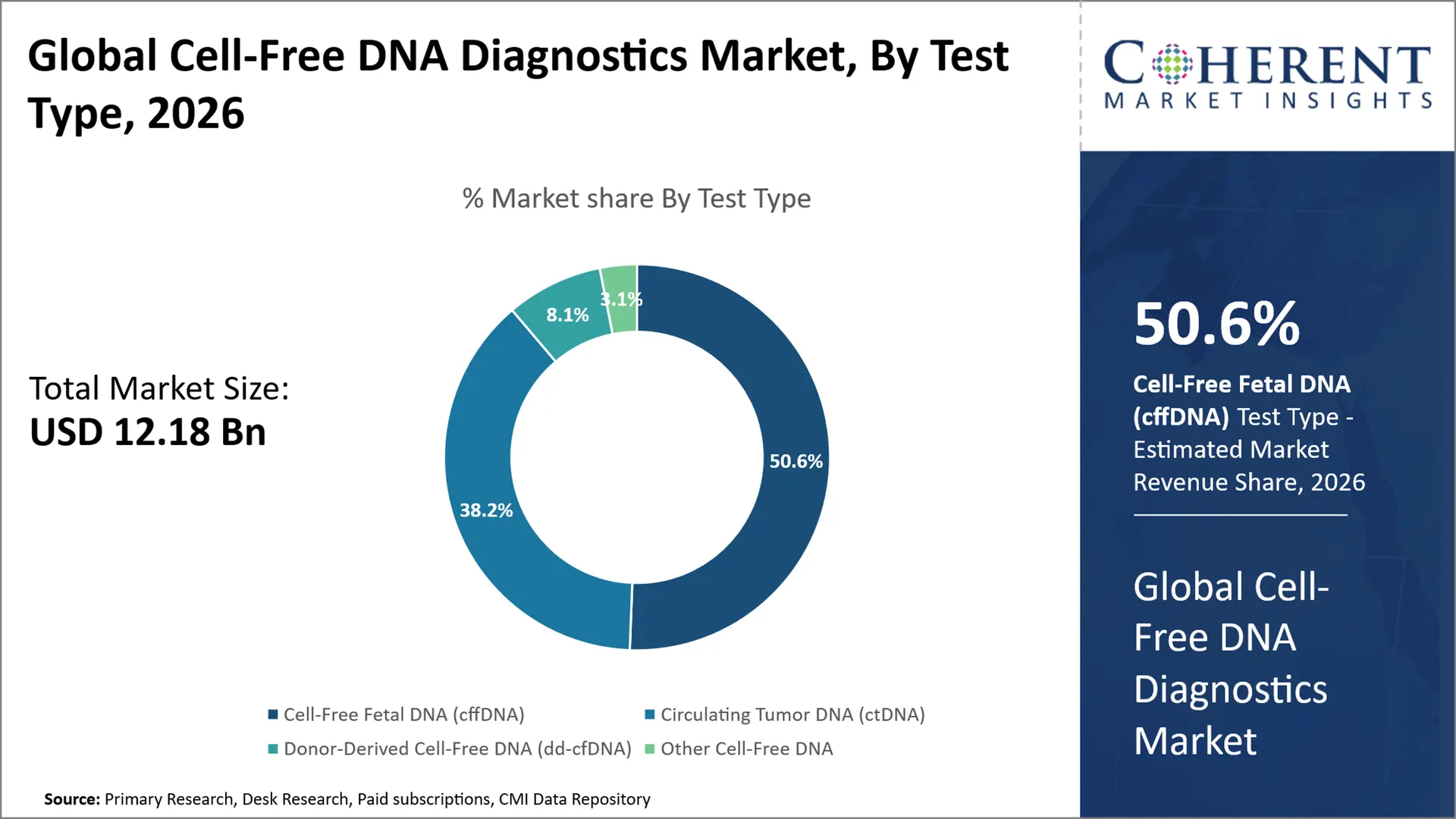
Why Does Cell-Free Fetal DNA (cffDNA) Dominate the Global Cell-Free DNA Diagnostics Market?
Cell-Free Fetal DNA (cffDNA) is projected to hold the market share of 50.6% in 2026, because of the rising usage of cffDNA in non-invasive prenatal testing (NIPT) for fetal chromosomal aneuploidy including trisomy 21, 18, and 13 screening. The ability of cell-free fetal DNA (cffDNA) to offer early screening for genetic risks from a simple blood sample, without invasive tests, will further boost its acceptance by clinicians. For instance, the UK National Health Service (NHS) offers non-invasive prenatal testing (NIPT) as an optional secondary screening test in pregnancies that have been identified as high risk for fetal chromosomal abnormalities, thus supporting the clinical implementation of cell-free DNA-based prenatal screening.
- Current Industry Events of 2026
- Market Size Estimation
- Regional Breakdown
- Competitive Landscape
- Customer Intelligence
- Segmental Analysis
- Pricing Analysis
- Key Market Drivers, Challenges & Future Trends
- Customized Insights Section
Why Does Blood Plasma Represent the Largest Sample Type Segment in the Cell-Free DNA Diagnostics Market?
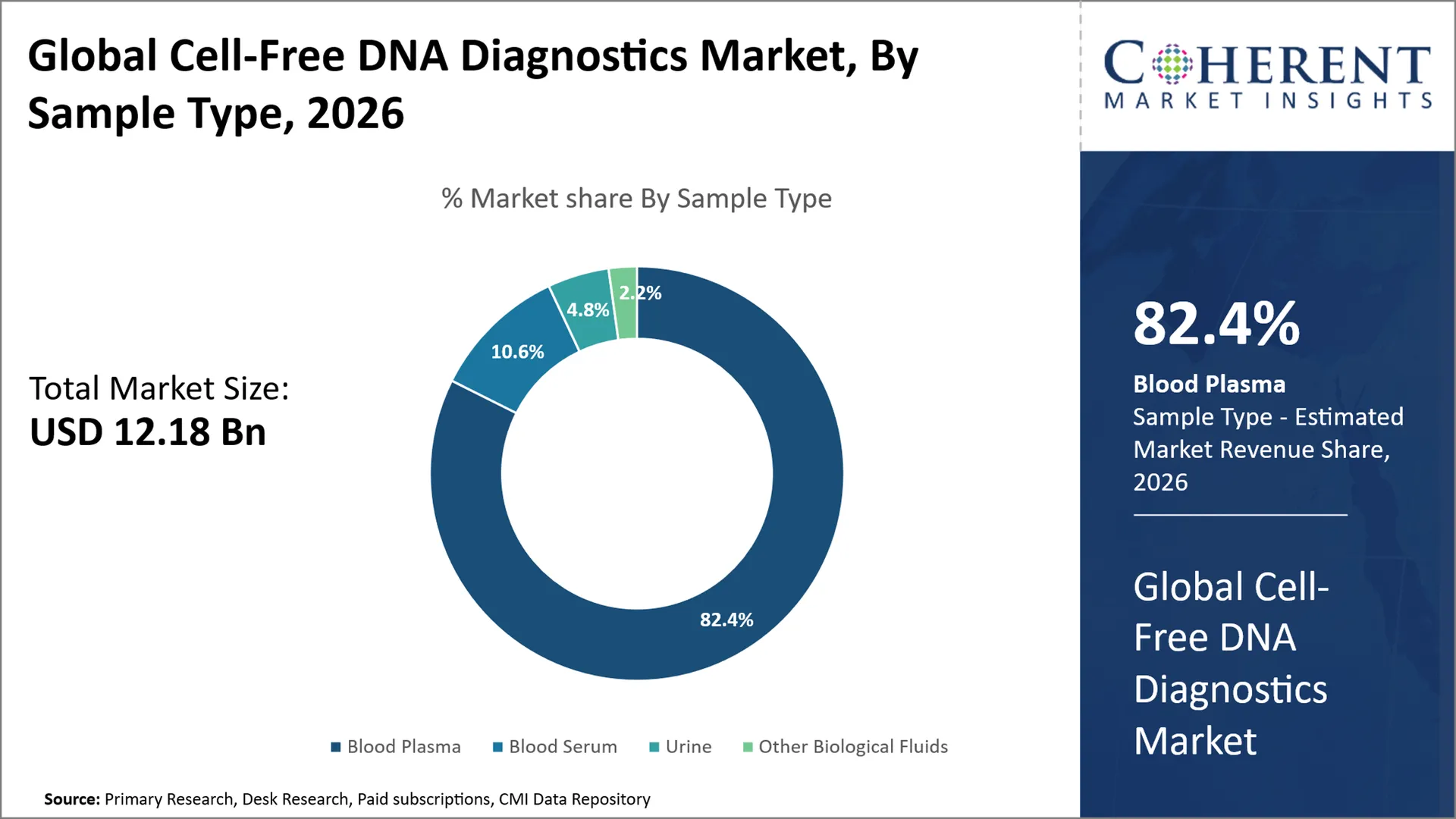
Blood plasma is projected to hold a market share of 82.4% in 2026, due to low possibility of contamination of blood cell's genomic DNA released from lysed blood cells thereby assisting in accurate identification of cfDNA, which is low amount. Blood plasma also offers the advantage of being able to be used with the Next Generation Sequencing (NGS) and PCR based workflows. For instance, the U.S. National Cancer Institute (NCI) recommends plasma as the optimal specimen for circulating free DNA (cfDNA) analysis due to a higher rate of cellular genomic DNA contamination in serum samples.
Next-Generation Sequencing (NGS) Segment Dominates the Global Cell-Free DNA Diagnostics Market
The next-generation sequencing (NGS) segment is projected to hold a market share of 55.6% in 2026, owing to its multi-analyte technology that allows an analysis of various genetic mutations and chromosomal aberrations with a single sample. Its growing use in oncology indicates on support for deep tumor profiling and improved treatment choices. For instance, in May 2026, India’s Nizam’s Institute of Medical Sciences (NIMS), as part of the Indian Council of Medical Research Advanced Molecular Oncology Diagnostic Services (DIAMOnDS) project, reported that its NGS-based cancer testing facility had offered molecular diagnostic services to 1,443 cancer patients since 2024, highlighting the increasing clinical adoption of advanced sequencing technologies. (Source: Telangana Today)
Current Events and their Impact
Current Events | Description and its Impact |
NHS England Expanded Clinical Use of Circulating Tumour DNA Testing for Cancer of Unknown Primary (July 2026) |
|
NHS England Strengthened Implementation of Circulating Tumour DNA Testing Across Cancer Pathways (April 2026) |
|
Cell-Free DNA Diagnostics Market Dynamics
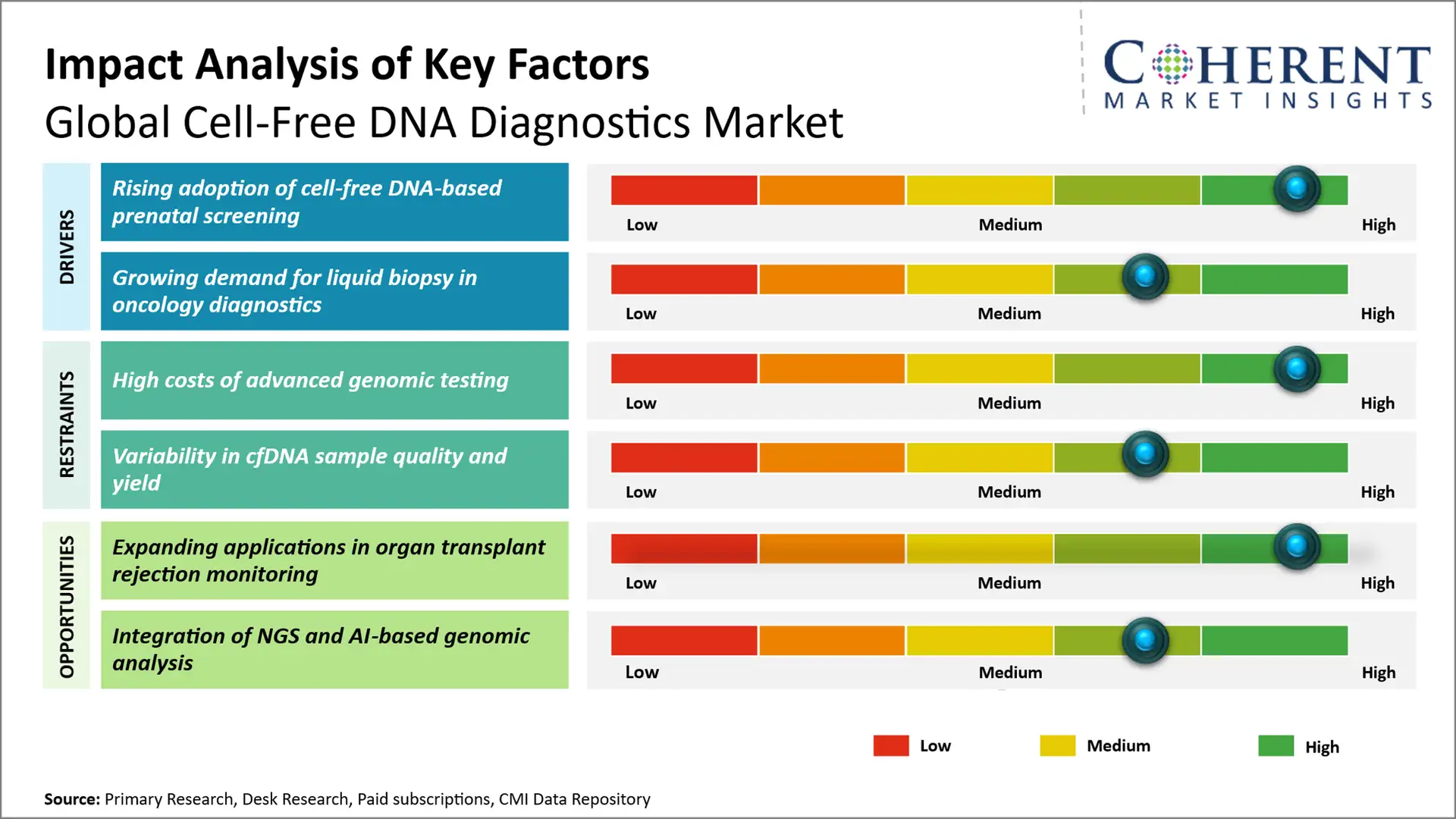
Market Drivers
- Rising adoption of cell-free DNA-based prenatal screening: The rising awareness for non-invasive prenatal testing (NIPT) is propelling the market growth due to a significant use of cfDNA screening to detect common fetal chromosomal anomalies using the mother's blood sample. For instance, Australian Government has provided access to genomic testing through Medicare Benefits Schedule in 2024, which now incorporated prenatal genetic testing.
- Growing demand for liquid biopsy in oncology diagnostics: The rising application of the liquid biopsy is driven by the urgent requirement of minimally invasive molecular profiling services, particularly when tumor tissues are unavailable or hard to collect. For instance, the Employees' State Insurance Corporation (ESIC) of India adopted new CGHS diagnostic rates in October 2025, with inclusion of Liquid Biopsy (Onco) as an oncology test.
- Increasing adoption of cfDNA testing for transplant rejection monitoring: As the need for non-invasive monitoring of organ transplant recipients continues to grow, the use of dd-cfDNA for monitoring recipients for signs of graft injury and predicting the likelihood of rejection could translate into fewer, repeated invasive biopsies. For instance, the U.S. Centers for Medicare & Medicaid Services (CMS) has published guidance for coverage of molecular testing for solid-organ allograft rejection, highlighting the rising role of dd-cfDNA in patient management.
Emerging Trends
- Expansion of multi-cancer early detection (MCED) testing: The use of cfDNA-based MCED tests allows for detection of the molecular signals indicating different cancer types from a single blood sample.
- Impact: This approach is expanding the use of liquid biopsy beyond diagnosis and treatment monitoring in cancer to screening for early-stage cancers.
- Market Relevance: As the technology advances on the MCED platform, new opportunities are expected to emerge for cfDNA testing platforms, sequencing platforms and diagnostic laboratories.
- Integration of artificial intelligence in cfDNA analysis: AI and machine learning can be used in cfDNA sequencing and bioinformatics to identify complex genomic patterns or biomarkers with low expression levels.
- Impact: Improvements in data analysis will provide increased sensitivity of analysis, simplify interpretation and allow more straightforward recognition of clinically significant mutations.
- Market Relevance: The adoption of artificial intelligence is expected to drive increased demand for next-generation sequencing platforms, as well as other computational solutions within oncology, prenatal screening and transplant markets.
Regional Insight
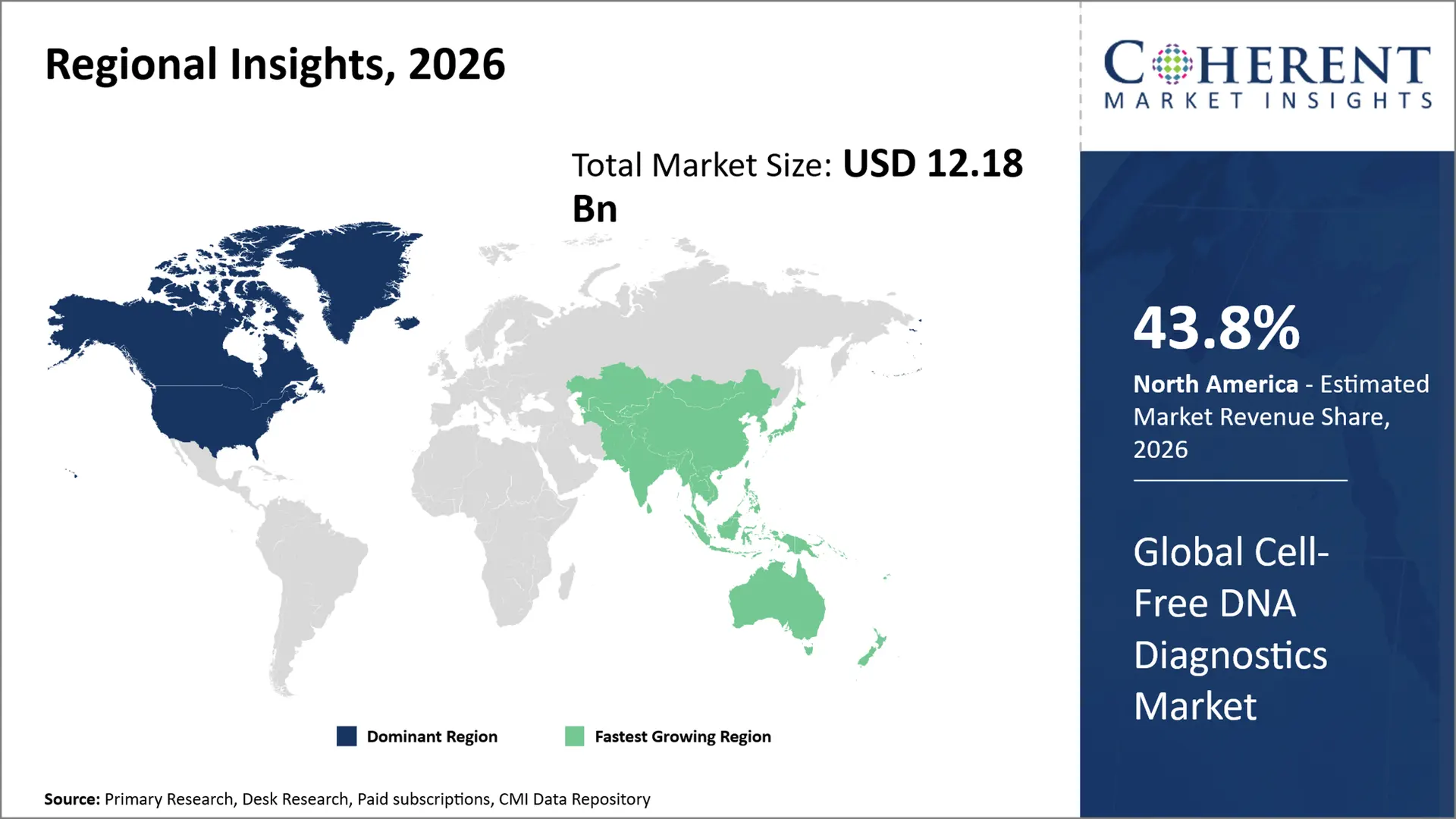
Why is North America a Strong Market for Cell-Free DNA Diagnostics?
North America leads the global cell-free DNA diagnostics market, accounting for an estimated 43.8% share in 2026, owing to the presence of sophisticated healthcare infrastructure, government investments in biotechnology research, and an existing reimbursement system. The government policies in U.S. and Canada support active promotion of precision medicine and genetic testing programs to enable the adoption of cfDNA-based diagnostic and prognostic tools for applications in oncology, transplant monitoring, and prenatal screening.
For instance, the Canadian Precision Health Initiative (CPHI), a USD 56.8 million (CAD 81 million) federally funded initiative announced in March 2025, will establish a genomic database of more than 100,000 genomes to advance personalized health and genomics research, and to prepare the country for the adoption of state-of-the-art molecular diagnostics technology. (Source: Genome Canada) Furthermore, strong collaborations among research institutes, diagnostic centers, and healthcare institutions reinforce the technological advancement and clinical adoption of novel molecular testing.
Why Does Asia Pacific Cell-Free DNA Diagnostics Market Exhibit High Growth?
Asia Pacific is expected to exhibit the fastest growth in the global cell-free DNA diagnostics market, registering an estimated CAGR of 16.4% during 2026–2033. The region is projected to account for 21.6% of the global market in 2026, attributed to increasing healthcare expenditure, growing diagnostic infrastructure, and rising adoption of non-invasive tests. The increasing incidence of cancer and genetic disorders, along with favorable government healthcare reforms in countries such as China, Japan, and India, is expected to drive the growth of market.
For instance, in January 2025, the Government of India launched the Genome India Dataset that provides access to whole genome sequencing data of 10,000 people to the researchers through the Indian Biological Data Center. This is expected to fuel population-specific genomic research, leading to the development of precision diagnostics and personalized medicine to create a favorable ecosystem for advanced cfDNA-based testing. (Source: Press Information Bureau)
Global Cell-Free DNA Diagnostics Market Outlook for Key Countries
Why is the U.S. Leading Innovation and Adoption in the Cell-Free DNA Diagnostics Market?
The U.S. is the market leader in innovation and adoption in cell-free DNA diagnostics driven by a highly evolved liquid biopsy landscape, leading-edge precision oncology capabilities and an established next-generation sequencing infrastructure. Coverage by Medicare as well as regional reimbursement for eligible plasma-based genomic profiling tests enables clinical adoption, depending on the requirement for each test. In addition, the role of the Food and Drug Administration in regulation of in-vitro diagnostics and the Clinical Laboratory Improvement Amendments regulation of clinical laboratory standards shape test validation and commercialization, further deepening the U.S. leadership in advanced cfDNA diagnostics.
Is China a Favorable Market for Cell-Free DNA Diagnostics Market?
With its large volume of cancer patients, growing number of populations offered for prenatal screening, and increasing penetration of precision oncology, China is one of the promising and rapidly growing markets for cell-free DNA diagnostics. Growing investments in local genomic sequencing strength and molecular diagnostics infrastructure are improving accessibility to next-generation sequencing (NGS)-based liquid biopsy testing. In addition, the rising number of clinical indications of circulating tumor DNA (ctDNA) and donor derived cell-free DNA (dd-cfDNA) is opening doors for breakthrough innovation in cancer monitoring and transplant surveillance.
Is Japan Emerging as a Key Growth Hub for the Cell-Free DNA Diagnostics Market?
Japan is a prominent growth area for the cell-free DNA diagnostics market driven by the demand for specialized molecular diagnostics technology, the presence of a well-developed tumor biology ecosystem, and the growing adoption of precision medicine. The growing adoption of circulating tumor DNA (ctDNA) in cancer detection and treatment monitoring in combination with the market demand for non-invasive prenatal testing is leading to the increase in tests based on cfDNA technology.
Why Does Germany Top the European Cell-Free DNA Diagnostics Market?
Germany is expected to hold a significant share in the European cell free DNA diagnostics market owing to the favorable reimbursement coverage by the statutory health insurance for molecular testing. For instance, the statute of health insurance (SHI) system in Germany reimburses related costs of all eligible molecular genetic diagnostic tests through the EBM system. This facilitates access to innovative molecular genetic testing in healthcare. Additionally, the country has a well-established molecular diagnostics infrastructure, biotech research base as well as clinical laboratory infrastructure. The rising trend of deploying next generation sequencing based cancer profiling, liquid biopsy testing and non-invasive prenatal screening tests is also set to drive market growth.
Is Cell-Free DNA Diagnostics Market Developing in UK?
The UK is experiencing a stable growth of its cell-free DNA diagnostics market driven by growing genomic medicine, NHS genomic testing pathways, and uptake of liquid biopsy within oncology. Growing application of circulating tumour DNA for both treatment decision-making and monitoring of disease, alongside established non-invasive prenatal testing services, are strengthening clinical demand. Also, the NHS Genomic Medicine Service and the National Genomic Test Directory support embedding of cutting-edge molecular testing into practice.
Application-Wise Clinical Utility and Diagnostic Methods
Application | cfDNA biomarker | Key diagnostic use | Common testing methods |
Oncology diagnostics | Circulating tumor DNA (ctDNA) | Cancer profiling, treatment response and recurrence monitoring | Next-Generation Sequencing (NGS), Digital Polymerase Chain Reaction (dPCR) |
Prenatal diagnostics | Cell-free fetal DNA (cffDNA) | Screening for fetal chromosomal abnormalities | Next-Generation Sequencing (NGS), Polymerase Chain Reaction (PCR) |
Transplant monitoring | Donor-derived cfDNA (dd-cfDNA) | Detection of graft injury and transplant rejection | Next-Generation Sequencing (NGS), Digital Polymerase Chain Reaction (dPCR) |
Infectious disease diagnostics | Microbial cell-free DNA | Identification of pathogens in bloodstream infections | Metagenomic Next-Generation Sequencing (NGS) |
Neurological diagnostics | Disease-associated cfDNA signatures | Investigation of neurological conditions and tissue-specific biomarkers | Next-Generation Sequencing (NGS), Methylation Analysis |
How are the expanding applications in organ transplant rejection monitoring creating new growth opportunities in the cell-free DNA diagnostics market?
The rise in the number of organ transplantations is creating an opportunity for donor derived cfDNA (dd-cfDNA) testing. The testing enables non-invasive monitoring of graft injury, early rejection detection and reduces the dependence on multiple tissue biopsies. For instance, the India’s Ministry of Health and Family Welfare reported a total of 20,019 organ transplants in 2025, while the national waiting list for transplants reached 89,839 patients as of March 3, 2026, emphasizing the need for better post-transplant care solutions. (Source: Press Information Bureau)
Market Players, Key Development, and Competitive Intelligence
Key Developments
- In October 2026, Natera’s Multi-Cancer Early Detection (MCED) test, a blood-based cfDNA test for screening multiple different types of cancer, received Breakthrough Device Designation from the US Food and Drug Administration (FDA). This designation will help accelerate the further rapid development of the assay and prioritization of interactions with the FDA and is another example of the increasing promise of cfDNA-based liquid biopsy tools in early detection of cancer.
- In February 2026, New England Biolabs (NEB) launched the Monarch Mag Cell-free DNA (cfDNA) Extraction Kit, to optimize the scalable, reproducible isolation of low-abundance cfDNA from plasma, serum, urine and cerebrospinal fluid samples. Its magnetic bead-based, and automation-optimized workflow supports downstream biomarker discovery and diagnostic development applications, thereby strengthening the sample-preparation segment of the cell-free DNA diagnostics market.
Competitive Landscape
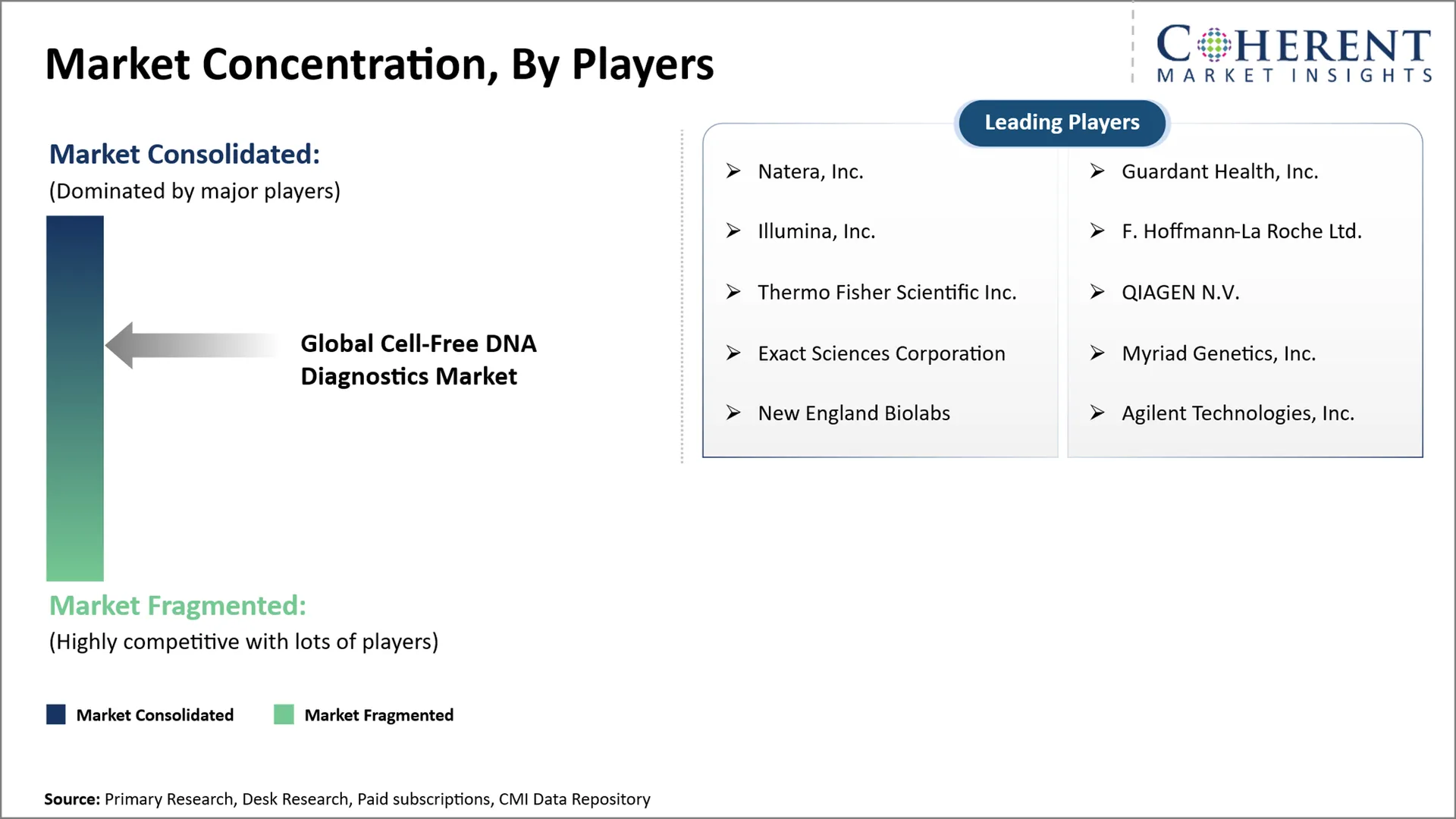
The global cell-free DNA diagnostics market is slightly fragmented with competition driven by specialized testing laboratories, diagnostic technology providers, and molecular diagnostics developers. The companies are focusing on increased sensitivity and sequencing of tests, clinical validation, reduction of turnaround time, and cost reduction of the test. Competition is also driven by the increasing utility of oncology, prenatal screening, and transplant monitoring, as well as advancements in next-generation sequencing (NGS), digital polymerase chain reaction (PCR), and bioinformatics.
Key focus areas include
- Development of next-generation sequencing and digital polymerase chain reaction platforms for sensitive detection of circulating free DNA.
- Extending the use of liquid biopsy to screen and monitor for cancer.
- Enhancing Cell-Free Fetal DNA Testing for Prenatal Screening.
- Creating digital droplet circulating free DNA tests for detecting transplant rejection.
- Strengthening clinical validation and diagnostic standardization.
- Developing bioinformatics powered by AI to analyze genomic information.
- Growing network partners including hospitals and diagnostic labs.
Market Report Scope
Global Cell-Free DNA Diagnostics Market Report Coverage | |||
Report Coverage | Details | ||
Base Year | 2025 | Market Size in 2026: | USD 12.18 Bn |
Historical Data For: | 2020 To 2024 | Forecast Period: | 2026 To 2033 |
Forecast Period 2026 To 2033 CAGR: | 11.6% | 2033 Value Projection: | USD 26.31 Bn |
Geographies covered: |
| ||
Segments covered: |
| ||
Companies covered: | Natera, Inc., Guardant Health, Inc., Illumina, Inc., F. Hoffmann-La Roche Ltd., Thermo Fisher Scientific Inc., QIAGEN N.V., Exact Sciences Corporation, Myriad Genetics, Inc., New England Biolabs, Agilent Technologies, Inc. | ||
Growth Drivers: |
| ||
Restraints & Challenges: |
| ||
Analyst Opinion (Expert Opinion)
- The evolution of cell-free DNA diagnostics into a minimally invasive approach for disease detection, diagnosis, and monitoring will shape the future of the cell-free DNA diagnostics market. Growing interest and adoption of multi-cancer early detection and treatment-monitoring tests will drive ongoing innovation and growth in oncology. Growing application of donor-derived cfDNA and expanding use of prenatal testing will continue to diversify market opportunities, while improvements in sequencing sensitivity, bioinformatics, and affordability will bring cfDNA testing to every clinical lab over the next decades.
- The greatest potential for revenue growth lies in NGS-based circulating tumor DNA (ctDNA) testing for early detection of cancer and monitoring treatment in China and India. These markets offer significant opportunity owing to growing oncology diagnostic infrastructure, demand for personalized medicine, and improved access to sophisticated molecular testing. A second opportunity that is attractive is in dd-cfDNA testing for monitoring kidney transplant rejection in the U.S, which has conducive transplant care environment for adoption of cutting-edge molecular surveillance solutions.
- In order to gain a competitive advantage market players should focus on the clinical validation of their assays which involves evidence of sensitivity, specificity and reproducibility, in different patient populations. The development of low-cost approaches in next-generation sequencing (NGS) and digital PCR, a genomic platform enabled by advanced bioinformatics, will be critical to this effort. Market players should also diversify their portfolio of tests based on end use, build closer partnerships with hospitals and diagnostic labs and focus on regulation and reimbursement.
Speak to the analyst
Want personalized insights?
Take the findings above to one of our principal consultants, or have the report rebuilt around the segments, geographies and competitors you actually track.
Market Segmentation
- Test Type Insights (Revenue, USD Bn, 2021 - 2033)
- Cell-Free Fetal DNA (cffDNA)
- Circulating Tumor DNA (ctDNA)
- Donor-Derived Cell-Free DNA (dd-cfDNA)
- Other Cell-Free DNA
- Sample Type Insights (Revenue, USD Bn, 2021 - 2033)
- Blood Plasma
- Blood Serum
- Urine
- Other Biological Fluids
- Technology Insights (Revenue, USD Bn, 2021 - 2033)
- Next-Generation Sequencing (NGS)
- Polymerase Chain Reaction (PCR)
- Digital PCR (dPCR)
- Others
- Application Insights (Revenue, USD Bn, 2021 - 2033)
- Oncology Diagnostics
- Non-Invasive Prenatal Testing (NIPT)
- Transplantation Monitoring
- Infectious Disease Diagnostics
- Others
- End User Insights (Revenue, USD Bn, 2021 - 2033)
- Hospitals and Clinics
- Diagnostic Laboratories
- Academic and Research Institutes
- Others
- Regional Insights (Revenue, USD Bn, 2021 - 2033)
- North America
- U.S.
- Canada
- Latin America
- Brazil
- Argentina
- Mexico
- Rest of Latin America
- Europe
- Germany
- U.K.
- Spain
- France
- Italy
- Russia
- Rest of Europe
- Asia Pacific
- China
- India
- Japan
- Australia
- South Korea
- ASEAN
- Rest of Asia Pacific
- Middle East
- GCC Countries
- Israel
- Rest of Middle East
- Africa
- South Africa
- North Africa
- Central Africa
- North America
- Key Players Insights
- Natera, Inc.
- Guardant Health, Inc.
- Illumina, Inc.
- F. Hoffmann-La Roche Ltd.
- Thermo Fisher Scientific Inc.
- QIAGEN N.V.
- Exact Sciences Corporation
- Myriad Genetics, Inc.
- New England Biolabs
- Agilent Technologies, Inc.
Sources
Primary Research Interviews
- Molecular Pathologists and Clinical Geneticists
- Medical Oncologists and Liquid Biopsy Specialists
- Prenatal Screening and Genetic Counselling Specialists
- Transplant Surgeons and Transplant Nephrologists
Stakeholders
- Cell-Free DNA Diagnostic Platform Providers
- Molecular Diagnostic Laboratories
- Hospitals and Multispecialty Healthcare Systems
- Genomic Sequencing and Biotechnology Companies
- End-use Sectors
- Hospitals and Multispecialty Healthcare Systems
- Diagnostic and Reference Laboratories
- Academic and Research Institutes
- Fertility and Prenatal Care Centers
- Organ Transplant Centers
- Regulatory & Health Bodies
- U.S. Food and Drug Administration (FDA)
- National Health Service (NHS) England
- Centers for Medicare & Medicaid Services (CMS)
- World Health Organization (WHO)
Databases
- ClinicalTrials.gov
- WHO International Clinical Trials Registry Platform (ICTRP)
- WHO Global Health Observatory (GHO)
- NHS National Genomic Test Directory
Associations
- American College of Obstetricians and Gynecologists (ACOG)
- American Society of Clinical Oncology (ASCO)
- International Society for Prenatal Diagnosis (ISPD)
- American Society of Transplantation (AST)
Public Domain Sources
- National Cancer Institute (NCI), U.S.
- National Institutes of Health (NIH), U.S.
- Indian Council of Medical Research (ICMR)
- Ministry of Health and Family Welfare, Government of India
Proprietary Elements
- CMI Data Analytics Tool
- Proprietary CMI Existing Repository of information for last 10 years.
Get access to 250+ pages report
Every segment, forecast, competitor profile and data table behind the analysis above — available for instant download.
- ESOMAR Member
- ISO 9001:2015 Certified
- D-U-N-S Registered
- GDPR & CCPA Compliant
Frequently Asked Questions
The global cell-free DNA diagnostics market is estimated to be valued at USD 12.18 Bn in 2026 and is expected to reach USD 26.31 Bn by 2033.
Cell-Free Fetal DNA (cffDNA) dominates due to the widespread adoption of non-invasive prenatal testing to screen for fetal chromosomal abnormalities.
Cell-free DNA diagnostics consist of profiling DNA fragments in biofluids to detect genetic abnormalities, mutations indicative of cancer, and other disease-related biomarkers.
The CAGR of global cell-free DNA diagnostics market is projected to be 11.6% from 2026 to 2033.
Rising adoption of cell-free DNA-based prenatal screening, and growing demand for liquid biopsy in oncology diagnostics are the major factors driving the growth of the global cell-free DNA diagnostics market.
High costs of advanced genomic testing, and variability in cfDNA sample quality and yield are the major factors hampering the growth of the global cell-free DNA diagnostics market.
In terms of sample type, blood plasma is estimated to dominate the market revenue share in 2026.