

Global Hematologic Malignancies Market Size and Forecast: 2026-2033
According to Coherent Market Insights, the global hematologic malignancies market is estimated to be valued at USD 90.02 Bn in 2026 and is expected to reach USD 179.64 Bn by 2033, exhibiting a compound annual growth rate (CAGR) of 10.2% from 2026 to 2033. This significant increase reflects rising prevalence of leukemia, advancements in treatment options, and increased healthcare spending globally. The market expansion is driven by the growing demand for innovative therapies and diagnostic solutions catering to various hematologic cancers.
Key Takeaways of the Hematologic Malignancies Market
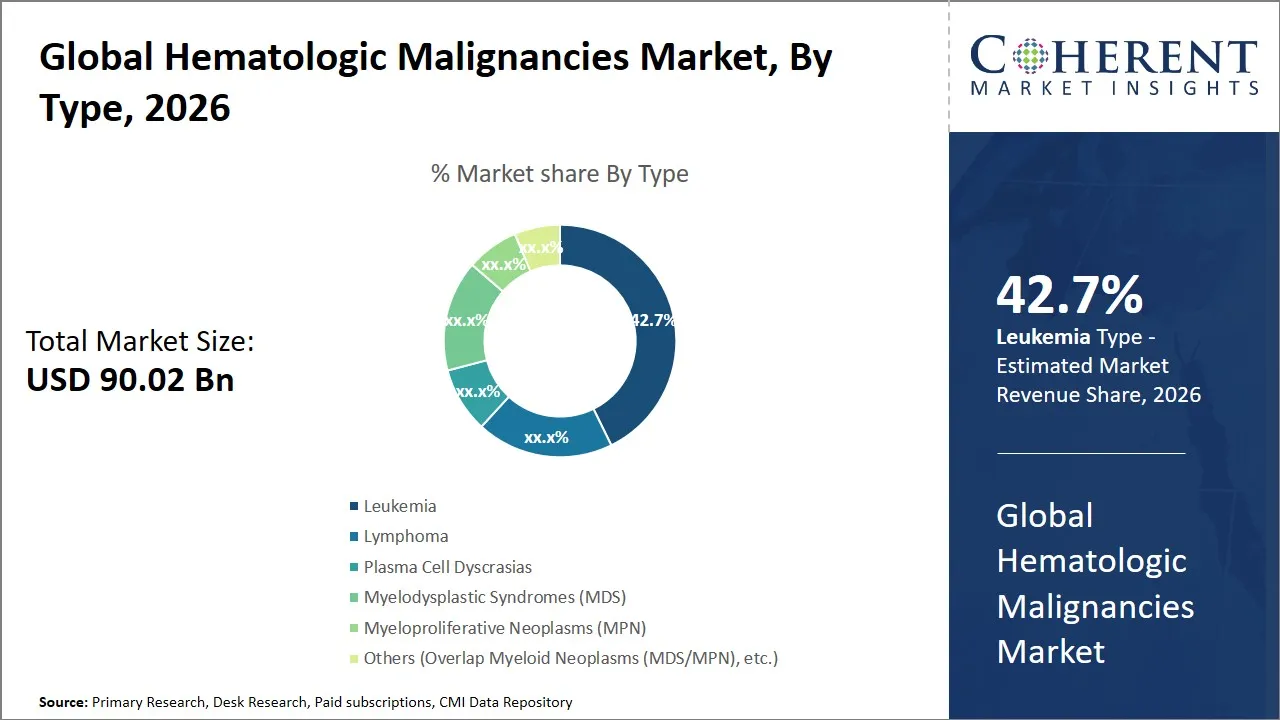
- Leukemia segment is expected to lead the hematologic malignancies market, capturing 42.7% share in 2026.
- Pediatric segment is estimated to represent 39.4% of the market share in 2026.
- Conventional chemotherapy segment is projected to dominate with 37% of the global hematologic malignancies market share in 2026.
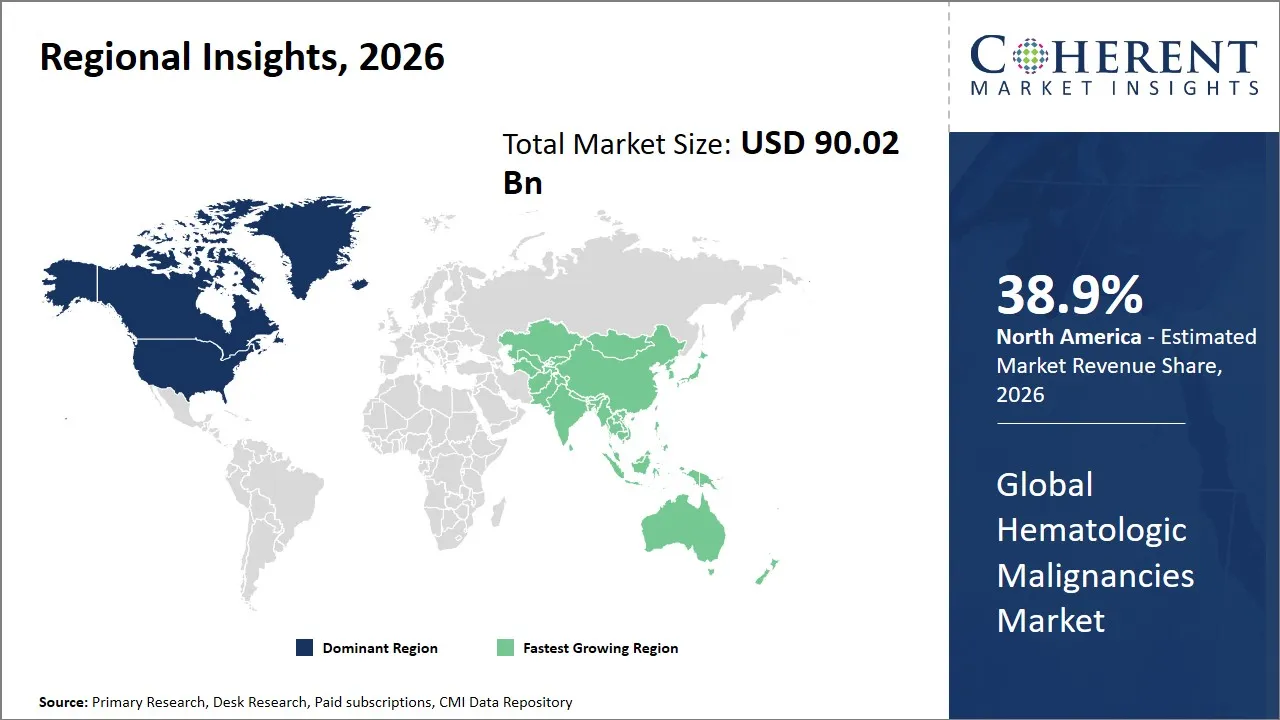
- North America is expected to lead the market, holding a share of 38.9% in 2026. Asia Pacific is anticipated to be the fastest-growing region, with 26% share in 2026.
Market Overview
- Rising global prevalence of blood cancers like leukemia, lymphoma, and multiple myeloma, along with aging populations, is driving market growth.
- Expansion of immunotherapies (e.g., CAR-T), targeted therapies, and stem cell transplants are improving treatment outcomes and increasing adoption.
- Advancements in diagnostic tools, such as molecular testing and imaging, are facilitating earlier detection, thus driving the demand for more advanced treatment options.
- The shift towards precision medicine, using genetic profiling and biomarkers, is creating new opportunities for tailored therapies in hematologic malignancies.
Currents Events and Its Impact
Current Events | Description and its Impact |
Advancements in CAR-T Cell Therapy |
|
Emerging Market Growth in Asia Pacific |
|
Segmental Insights
- Current Industry Events of 2026
- Market Size Estimation
- Regional Breakdown
- Competitive Landscape
- Customer Intelligence
- Segmental Analysis
- Pricing Analysis
- Key Market Drivers, Challenges & Future Trends
- Customized Insights Section
Why Does the Leukemia Segment Dominate the Global Hematologic Malignancies Market in 2026?
The leukemia segment is expected to hold the largest share of 42.7% in 2026, due to its diverse and aggressive subtypes, which necessitate continuous advancements in diagnosis and treatment. Among the diverse types of leukemia, acute leukemia such as the Acute Myeloid Leukemia (AML), and Acute Lymphoblastic Leukemia (ALL), are the most demanding because of their rapid progression and their prevalence in select groups such as children and adults. Other chronic forms, including Chronic Myeloid Leukemia (CML) and Chronic Lymphocytic Leukemia (CLL)/Small Lymphocytic Lymphoma (SLL) also play an important role since in most cases, these have to be dealt with over a long period, therefore, placing extra strain on treatments.
For instance, in October 2025, the U.S. FDA approved revumenib (Revuforj) for patients aged 1+ with relapsed or refractory leukemia carrying specific mutations (NPM1 or KMT2A). This approval offers a targeted treatment for aggressive leukemia forms, providing a new precision therapy for high‑need patients.
(Source-https://www.fda.gov/drugs/resources-information-approved-drugs/fda-approves)
Why Does the Pediatric Segment Dominate the Global Hematologic Malignancies Market in 2026?
The pediatric segment is projected to hold the largest share of 39.4% in 2026, due to the prevalence of certain malignancies like Acute Lymphoblastic Leukemia (ALL), which is one of the most common cancers in children. Pediatric hematologic cancer usually requires different treatment regimens than adults due to difference in disease biology, drug metabolism, and possible long-term side effects. The peculiarities of the therapeutic process with this population group also require specific research in pediatric oncology, which has given rise to both traditional and innovative treatment modalities tailored to young clients.
For instance, on January 28, 2026, the U.S. Food and Drug Administration approved a larger vial size of nelarabine injection for the treatment of T‑cell acute lymphoblastic leukemia (T‑ALL) and T‑cell lymphoblastic lymphoma in both adult and pediatric patients, offering greater dosing flexibility and more precise treatment options for children with these aggressive blood cancers.
Conventional Chemotherapy Dominates the Global Hematologic Malignancies Market
Conventional chemotherapy segment is expected to capture the highest share of 37% in 2026, owing to its well-documented efficacy across a wide spectrum of blood cancers. Chemotherapy continues to be a first-line therapy in a variety of hematologic malignancies, such as leukemia, lymphoma, and multiple myeloma despite the introduction of specific therapies and immunotherapies. Its wide-range cytotoxic effect is useful in reducing tumor burden especially in aggressive and fast-growing cancers and thus is essential during induction and consolidation therapy stages.
Innovations and Recent Approvals Shaping the Hematologic Malignancies Market
Innovation/New Approval | Description | Impact
|
CAR-T Cell Therapy (e.g., Kymriah, Yescarta) | Revolutionary immunotherapy using genetically modified T-cells to target and kill cancer cells in leukemia and lymphoma. | Provides a potential cure for patients with relapsed/refractory blood cancers, increasing remission rates. |
| BCL-2 Inhibitors (e.g., Venetoclax)
| Targeted therapy that inhibits BCL-2 proteins, promoting cancer cell death in chronic lymphocytic leukemia (CLL) and other hematologic malignancies. | Improves survival rates for patients with CLL and AML, offering a more targeted, effective treatment option. |
Bispecific Antibodies (e.g., Blincyto) | A type of antibody that can simultaneously bind to two different targets, enhancing the immune system’s ability to fight blood cancers. | Helps patients with relapsed/refractory acute lymphoblastic leukemia (ALL), improving response rates. |
Gene Editing Therapies (e.g., CRISPR for Sickle Cell) | Cutting-edge gene-editing techniques used to treat genetic blood disorders, including sickle cell disease and beta-thalassemia. | Offers potential cures for genetic blood disorders, reducing long-term dependence on transfusions. |
Immunomodulatory Drugs (e.g., Revlimid) | Drugs that modify the immune system to treat multiple myeloma and other blood cancers by targeting specific tumor cells. | Improves long-term survival and quality of life in multiple myeloma patients, especially in relapse settings. |
Regional Insights
North America Hematologic Malignancies Market Analysis and Trends
The North America region is projected to lead the market with a 38.9% share in 2026, primarily driven by a robust healthcare infrastructure, strong presence of pharmaceutical and biotechnology companies, and supportive government policies encouraging research and innovation. As the biggest donor, the U.S. enjoys a huge amount of funding to support cancer research, state-of-the-art diagnostic and treatment centers, and a well-developed network of clinical trials. The academic institutions, collaboration with healthcare providers, and industry players, including AbbVie, Bristol-Myers Squibb, and Gilead Sciences, have been providing multiple innovative therapies to cancers of the hematologic system, strengthening this market ecosystem.
For instance, in October 2025, the U.S. Food and Drug Administration approved British drugmaker, GSK’s blood cancer therapy, Blenrep in a combination regimen, marking a significant regulatory development in the U.S. hematologic malignancies space and expanding treatment options for multiple myeloma patients.
Asia Pacific Hematologic Malignancies Market Analysis and Trends
The Asia Pacific region is expected to exhibit the fastest growth in the market contributing 26% share in 2026, due to rapidly improving healthcare access, increasing government initiatives to combat cancer, and rising investments by pharmaceutical companies in this region. China, Japan, India, and South Korea are other countries that are developing their healthcare facilities, which means that they have the capability to diagnose and provide with better treatment opportunities in respect to blood cancers.
In June 2025, Glenmark Pharmaceuticals received approval from the Drugs Controller General of India (DCGI) to launch BRUKINSA (zanubrutinib) in India, making it available to treat multiple B‑cell blood cancers including chronic lymphocytic leukemia and various lymphomas. This marks an important therapeutic expansion in the Asia‑Pacific hematologic malignancies landscape, supporting broader access to targeted treatment options.
Global Hematologic Malignancies Market Outlook for Key Countries
What are the Current Trends Shaping the U.S. Hematologic Malignancies Market?
The U.S. hematologic malignancies market remains a world leader with its high-level of healthcare facilities and high investments in oncology research. Breakthrough therapies like targeted therapies and CAR-T cell therapies developed by leading companies like Celgene (Bristol-Myers Squibb company), Amgen, and Jazz Pharmaceuticals have transformed patient outcomes. Well-established insurance systems and government initiatives provide a large number of patients with access to new treatments. Also, the current clinical testing and efforts in precision medicine support the dynamic nature of the market.
How is China Helping in the Growth of the Hematologic Malignancies Market?
The hematologic malignancies market in China is in frenzied development due to the healthcare reforms and further growth in insurance coverage by the government. Domestic firms such as Henlius Biotech and Innovent Biologics are increasingly involved in the country with the international players such as Roche and Pfizer. These partnerships improve the accessibility of innovative as well as biosimilar therapies. The attempts to improve early diagnosis with high-quality screening systems and massive promotional activities also have significant and central functions in the market development.
Key Drivers for the Growth of the Japan Hematologic Malignancies Market
The healthcare system of Japan, which is based on the universal coverage and the high-level of medical technology, promotes the market of hematologic malignancies in Japan. Chugai Pharmaceutical and Takeda Pharmaceutical are the companies which have played a major role in the introduction of innovative drugs and extensive clinical research in this area. The attention of the government to the field of personalized medicine and its effective regulatory system stimulates perpetual innovation. Demographic trends in the aging population also support the need to have special hematologic cancer therapies.
India Hematologic Malignancies Market Trends
The hematologic malignancies market in India is steadily growing due to the growing incidences of cancer and the growing awareness of the government on the issue of cancer care. Novartis and Bristol-Myers Squibb are both multinational corporations which are actively involved in making drugs more accessible and affordable, as well as more affordable drugs by domestic players like Biocon. The increasing number of healthcare facilities, increased patient education and enhanced diagnostic ability strengthen treatment uptake.
Accelerating Growth in Hematologic Malignancies: Regulatory Approvals for Next-Generation Immunotherapies
- The next generation of immunotherapies is currently experiencing rapid approvals process due to a multitude of factors such as the high demand for superior options for treating patients who suffer from blood-based malignancies. Both the U.S. FDA, as well as the EMA, has been fast-tracking the approvals of a number of different breakthrough therapies that utilize immuno-oncology strategies (such as CAR T-cell therapies or bispecific antibody therapies) and have improved survival rates in patients diagnosed with blood-based cancers (e.g. lymphoma or leukemia). Therefore, these new treatment options are being developed as the number of patients diagnosed with blood-based cancers continues to grow. Additionally, the approvals of these therapies are being performed in response to an increased demand for innovative and personalized therapies, which provide opportunities for achieving long-term remission or potentially a cure someday for some patients.
- The market is projected to see a lot of new therapies as additional immunotherapies get approval from regulators. These approvals not only provide patients with few treatment options, but they also give drug corporations new chances. Regulatory authorities are starting to see the promise of immunotherapies. Ongoing collaborations and improvements in gene therapies, such as tailored T-cell treatments, are likely to lead to more growth in the market in the future. This ever-changing regulatory environment will continue to change the way hematologic malignancies are treated, making it easier for people to get the newest treatments
Market Players, Key Developments, and Competitive Intelligence
Key Developments
- In December 2025, AbbVie presented new data at the 2025 ASH Congress, showcasing innovations in personalized treatments for blood cancers like lymphoma and leukemia, highlighting advancements in T-cell engagers, BCL-2 inhibitors, and antibody-drug conjugates.
- In November 2025, Roche announced it will present new data from its broad hematology portfolio at the 2025 American Society of Hematology (ASH) meeting, showcasing innovative treatment and diagnostic insights for blood disorders that support more precise and individualized care decisions for patients with hematologic malignancies.
- In June 2025, Gilead and Kite are leading next‑generation CAR‑T therapy research with efforts to expand treatment options and improve outcomes for eligible cancer patients, signaling a broader innovation push in cell therapy beyond traditional hematologic indications.
Top Strategies Followed by Global Hematologic Malignancies Market Players
Player Type | Strategic Focus | Examples |
Established Market Leaders | Established companies dominate the market by heavily investing in R&D to develop high-performance therapies and diagnostics. They form strategic partnerships with pharmaceutical, OEM, and biotech firms, enhancing product development. Through globalization strategies, they expand into emerging markets with growing healthcare systems, strengthening their competitive edge. | Gilead Sciences, through its partnerships and global expansion, has significantly advanced CAR-T therapies, solidifying its leadership in the hematologic malignancies market. |
Mid-Level Players | Mid-level players in the hematologic malignancies market focus on providing cost-effective solutions while maintaining quality. They aim to serve price-sensitive markets by optimizing manufacturing and supply chain efficiency. Strategic collaborations with larger companies or technology providers help enhance their competitiveness and market reach. | Amgen, a mid-level player, collaborates with technology providers and manufacturers to deliver affordable yet innovative therapies, strengthening its position in the hematologic malignancies market. |
Small-Scale Players | Small-scale players in the hematologic malignancies market focus on niche segments and innovative solutions like precision medicine and digital health. They form local alliances to enhance market entry, access regional expertise, and navigate regulatory challenges. | Kite Pharma, a smaller player, focuses on CAR-T therapies and partners with regional biotech firms to expand its reach and address unmet needs in specific hematologic cancer segments. |
Market Report Scope
Hematologic Malignancies Market Report Coverage
| Report Coverage | Details | ||
|---|---|---|---|
| Base Year: | 2025 | Market Size in 2026: | USD 90.02 Bn |
| Historical Data for: | 2020 To 2024 | Forecast Period: | 2026 To 2033 |
| Forecast Period 2026 to 2033 CAGR: | 10.2% | 2033 Value Projection: | USD 179.64 Bn |
| Geographies covered: |
| ||
| Segments covered: |
| ||
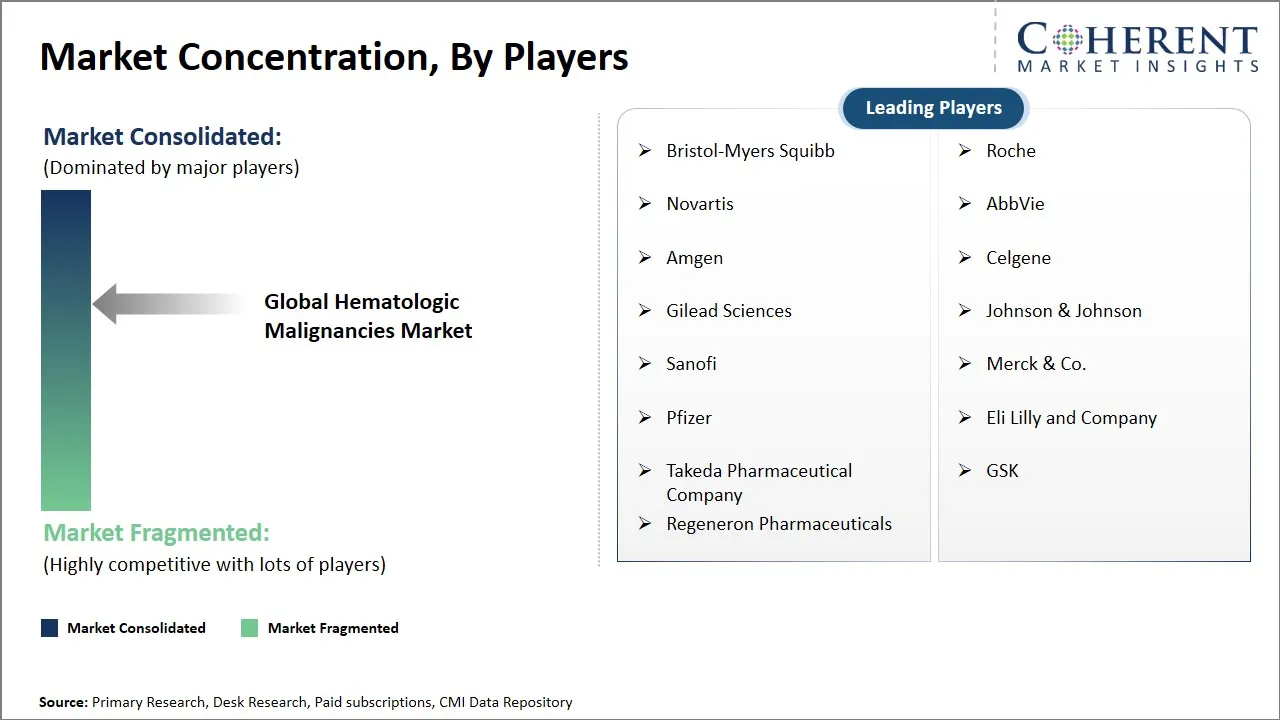
| Companies covered: | Bristol-Myers Squibb, Roche, Novartis, AbbVie, Amgen, Celgene, Gilead Sciences, Johnson & Johnson, Sanofi, Merck & Co., Pfizer, Eli Lilly and Company, Takeda Pharmaceutical Company, GSK, and Regeneron Pharmaceuticals | ||
| Growth Drivers: |
| ||
| Restraints & Challenges: |
| ||
Market Dynamics
Hematologic Malignancies Market Driver - Advancements in Targeted Therapies and Immunotherapies
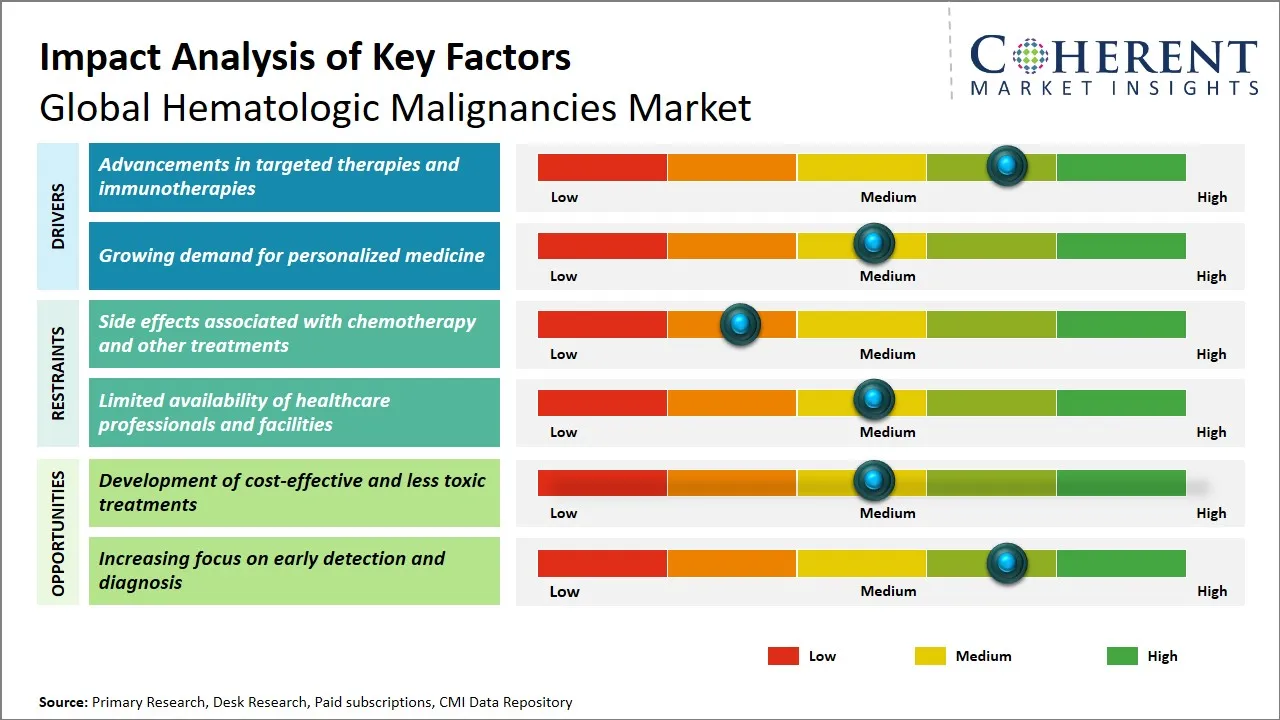
The hematologic malignancies market has undergone significant transformation with the rapid advancement of targeted therapies and immunotherapies, which are playing a crucial role in improving patient outcomes. Compared to traditional chemotherapy, targeted therapies are based on the attention to particular molecular deviations that promote cancer development, which makes it possible to treat it more accurately and efficiently with fewer side effects. Tyrosine kinase, proteasome, and monoclonal antibodies are some of the innovations that have increased therapeutic options with many hematologic malignancies, which include leukemia, lymphoma, and multiple myeloma.
For instance, in November 2025, Gilead Sciences and its subsidiary, Kite presented updated clinical data at the 67th American Society of Hematology (ASH) Annual Meeting that reinforces the curative potential of CAR‑T cell therapies for hematologic cancers including large B‑cell lymphoma and relapsed/refractory multiple myeloma. Results from Phase 2 pivotal studies such as iMMagine‑1 (anito‑cel) and advanced CAR‑T constructs showed high response rates and encouraged durability in patients with relapsed/refractory blood cancers.
(Source- https://www.gilead.com/news/news-details/2025/)
Hematologic Malignancies Market Opportunity - Development of Cost-Effective and Less Toxic Treatments
The global market of hematologic malignancies has a great opportunity to develop cost-effective and less toxic methods of treatment because of the growing overall number of blood malignancies, including leukemia, lymphoma, and myeloma. The existing treatment modalities such as chemotherapy and stem cell transplants are highly linked with significant side effects, expensive cost, and restrict access and compliance among patients, especially in developing economies. There exists an increased need of novel treatments, which can lower the economic strain on the health care systems and enhance the quality of life of patients by reducing toxicity. The development of targeted therapies, immunotherapies, and personalized medicine are promising approaches that can accomplish these goals by targeting molecular and genetic causes of malignancies, allowing more specific and with fewer side effects.
In November 2024, Takeda entered a partnership with Alloy Therapeutics to develop next-generation cell therapies, including iPSC-derived CAR‑T and CAR‑NK technologies, aimed at treating hematologic malignancies with lower toxicity and enhanced efficacy. This collaboration focuses on filling unmet medical needs in emerging markets by advancing targeted, less toxic treatments.
(Source- https://alloytx.com/alloy-therapeutics-and-takeda-partner-on-cell-therapy-platform/)
Analyst Opinion (Expert Opinion)
- The hematologic malignancies market is undergoing strong growth with the influence of various factors. Immunotherapies such as CAR-T and targeted therapies are technological advancements that are transforming the treatment options; they are providing hope to patients who previously had hard-to-treat blood cancers. Also, the approval of new therapies is rapidly accelerating with regulatory assistance of organizations such as the U.S. FDA and EMA that makes sure breakthrough therapies enter the market more quickly. Market expansion is also occurring due to rising demand for more personalized and effective treatment, besides the ever-increasing prevalence of hematologic malignancies. In addition, the emerging economies (especially in Asia Pacific) have great growth potential since health care infrastructure is enhancing and there is an increased awareness of blood cancers.
- Some of the challenges associated with the market include high cost of therapies which could restrict access to treatment in the low income areas despite these advances. Also, the ability of healthcare professionals to cope with the complexities of such treatments is also a bottleneck. Meetings such as the American Society of Hematology (ASH) Annual Meeting and the European Hematology Association (EHA) Congress have been significant in knowledge sharing and policy development as well as in demonstrating recent innovative technologies in the industry. Practical projects, including joint studies between large pharmaceutical businesses and biotech corporations are expanding the frontiers of precision medicine, and a variety of pilot initiatives are being coordinated globally to enhance the access to these new therapies in underserved global areas. These are bound to influence the future of the market through the accessibility and affordability of treatment.
Speak to the analyst
Want personalized insights?
Take the findings above to one of our principal consultants, or have the report rebuilt around the segments, geographies and competitors you actually track.
Market Segmentation
- Type Insights (Revenue, USD Bn, 2021 - 2033)
- Leukemia
- Acute Leukemias
- Acute Myeloid Leukemia (AML)
- Acute Lymphoblastic Leukemia (ALL)
- Chronic Leukemias
- Chronic Myeloid Leukemia (CML)
- Chronic Lymphocytic Leukemia (CLL)/Small Lymphocytic Lymphoma (SLL)
- Others (Hairy Cell Leukemia, etc.)
- Acute Leukemias
- Lymphoma
- Hodgkin Lymphoma
- Non-Hodgkin Lymphoma (NHL)
- Plasma Cell Dyscrasias
- Multiple Myeloma
- Smoldering Multiple Myeloma
- Others (Plasma Cell Leukemia, etc.)
- Myelodysplastic Syndromes (MDS)
- Myeloproliferative Neoplasms (MPN)
- Others (Overlap Myeloid Neoplasms (MDS/MPN), etc.)
- Leukemia
- Age Group Insights (Revenue, USD Bn, 2021 - 2033)
- Pediatric
- Adult
- Geriatric
- By Treatment Modality Insights (Revenue, USD Bn, 2021 - 2033)
- Conventional chemotherapy
- Alkylating agents
- Antimetabolites
- Others (Anthracyclines, etc.)
- Targeted therapies
- Tyrosine kinase inhibitors (e.g., BCR-ABL inhibitors)
- BCL-2 inhibitors
- BTK inhibitors
- Others (PI3K inhibitors, etc.)
- Immunomodulatory drugs (IMiDs)
- Proteasome inhibitors
- Epigenetic / differentiation agents
- Monoclonal antibodies
- Bispecific antibodies / T-cell engagers
- Others (Antibody-drug conjugates (ADCs), etc.)
- Conventional chemotherapy
- Route of Administration Insights (Revenue, USD Bn, 2021 - 2033)
- Oral
- Intravenous (IV)
- Subcutaneous (SC)
- Others (Intramuscular (IM), etc.)
- Distribution Channel Insights (Revenue, USD Bn, 2021 - 2033)
- Online
- Offline
- End User Insights (Revenue, USD Bn, 2021 - 2033)
- Hospitals
- Cancer Centers
- Ambulatory infusion centers
- Homecare Settings
- Others (Academic and Research Institutes, etc.)
- Regional Insights (Revenue, USD Bn, 2021 - 2033)
- North America
- U.S.
- Canada
- Latin America
- Brazil
- Argentina
- Mexico
- Rest of Latin America
- Europe
- Germany
- U.K.
- Spain
- France
- Italy
- Russia
- Rest of Europe
- Asia Pacific
- China
- India
- Japan
- Australia
- South Korea
- ASEAN
- Rest of Asia Pacific
- Middle East
- GCC Countries
- Israel
- Rest of Middle East
- Africa
- South Africa
- North Africa
- Central Africa
- North America
- Key Players Insights
- Bristol-Myers Squibb
- Roche
- Novartis
- AbbVie
- Amgen
- Celgene
- Gilead Sciences
- Johnson & Johnson
- Sanofi
- Merck & Co.
- Pfizer
- Eli Lilly and Company
- Takeda Pharmaceutical Company
- GSK
- Regeneron Pharmaceuticals
Source
Primary Research Interviews
Industry Stakeholders List
- Oncology Clinics
- Pharmaceutical Manufacturers
End-users List
- Healthcare Providers
- Patients and Caregivers
Government and International Databases
- U.S. Food and Drug Administration (FDA)
- World Health Organization (WHO)
- National Institutes of Health (NIH)
- Centers for Disease Control and Prevention (CDC)
- European Medicines Agency (EMA)
- National Cancer Institute (NCI)
Trade Publications
- Cancer Therapy Advisor
- Hematology News
- Blood Journal
- Oncology Times
- The Lancet Haematology
- Journal of Clinical Oncology
Academic Journals
- Journal of Hematology & Oncology
- The American Journal of Hematology
- Leukemia & Lymphoma
- British Journal of Haematology
- Cancer Research Journal
- The New England Journal of Medicine
Reputable Newspapers
- The New York Times
- The Guardian
- The Wall Street Journal
- Reuters Health
- BBC Health
- Washington Post
Industry Associations
- American Society of Hematology (ASH)
- European Hematology Association (EHA)
- Leukemia & Lymphoma Society
- National Comprehensive Cancer Network (NCCN)
- American Cancer Society (ACS)
- European Cancer Organisation (ECCO)
Public Domain Resources
- ClinicalTrials.gov
- National Cancer Institute (NCI) Databases
- National Institutes of Health (NIH) Public Resources
- U.S. National Library of Medicine
- National Health Service (NHS) Resources
Proprietary Elements
- CMI Data Analytics Tool: Proprietary analytics tool to analyze real-time market trends, consumer behavior, and technology adoption in market
- Proprietary CMI Existing Repository of Information for Last 8 Years
Get access to 250+ pages report
Every segment, forecast, competitor profile and data table behind the analysis above — available for instant download.
- ESOMAR Member
- ISO 9001:2015 Certified
- D-U-N-S Registered
- GDPR & CCPA Compliant
Missing comfort of reading report in your local language? Find your preferred language:
Transform your Strategy with Exclusive Trending Reports
Frequently Asked Questions
The global hematologic malignancies market is estimated to be valued at USD 90.02 Bn in 2026 and is expected to reach USD 179.64 Bn by 2033.
The CAGR of global hematologic malignancies market is projected to be 10.2% from 2026 to 2033.
Advancements in targeted therapies and immunotherapies and growing demand for personalized medicine are the major factors driving the growth of the global hematologic malignancies market.
Side effects associated with chemotherapy and other treatments and Limited availability of healthcare professionals and facilities are the major factors hampering the growth of the global hematologic malignancies market.
In terms of type, leukemia is estimated to dominate the market revenue share in 2026.
Bristol-Myers Squibb, Roche, Novartis, AbbVie, Amgen, Celgene, Gilead Sciences, Johnson & Johnson, Sanofi, Merck & Co., Pfizer, Eli Lilly and Company, Takeda Pharmaceutical Company, GSK, and Regeneron Pharmaceuticals are the major players.
North America is expected to lead the global hematologic malignancies market in 2026.