

Global Liquid Biopsy-Guided Therapy Switching Market Size and Forecast – 2026-2033
The global liquid biopsy-guided therapy switching market is expected to grow from USD 1.24 Bn in 2026 to USD 2.40 Bn by 2033, registering a compound annual growth rate (CAGR) of 9.9% from 2026 to 2033. The global liquid biopsy-guided therapy switching market is expected to expand at a lucrative rate in the global market owing to the rising global cancer burden and the increasing demand for adaptive treatment monitoring.
According to World health organization (WHO), about 20.6 million new cancer cases and nearly 10 million deaths from cancer are reported worldwide every year. By 2050, unless counter-measures are adopted promptly, the number of new cancer cases are expected to rise nearly 35 million, highlighting the challenge posed by cancer all across the globe.
Key Takeaways of the Global Liquid Biopsy-Guided Therapy Switching Market
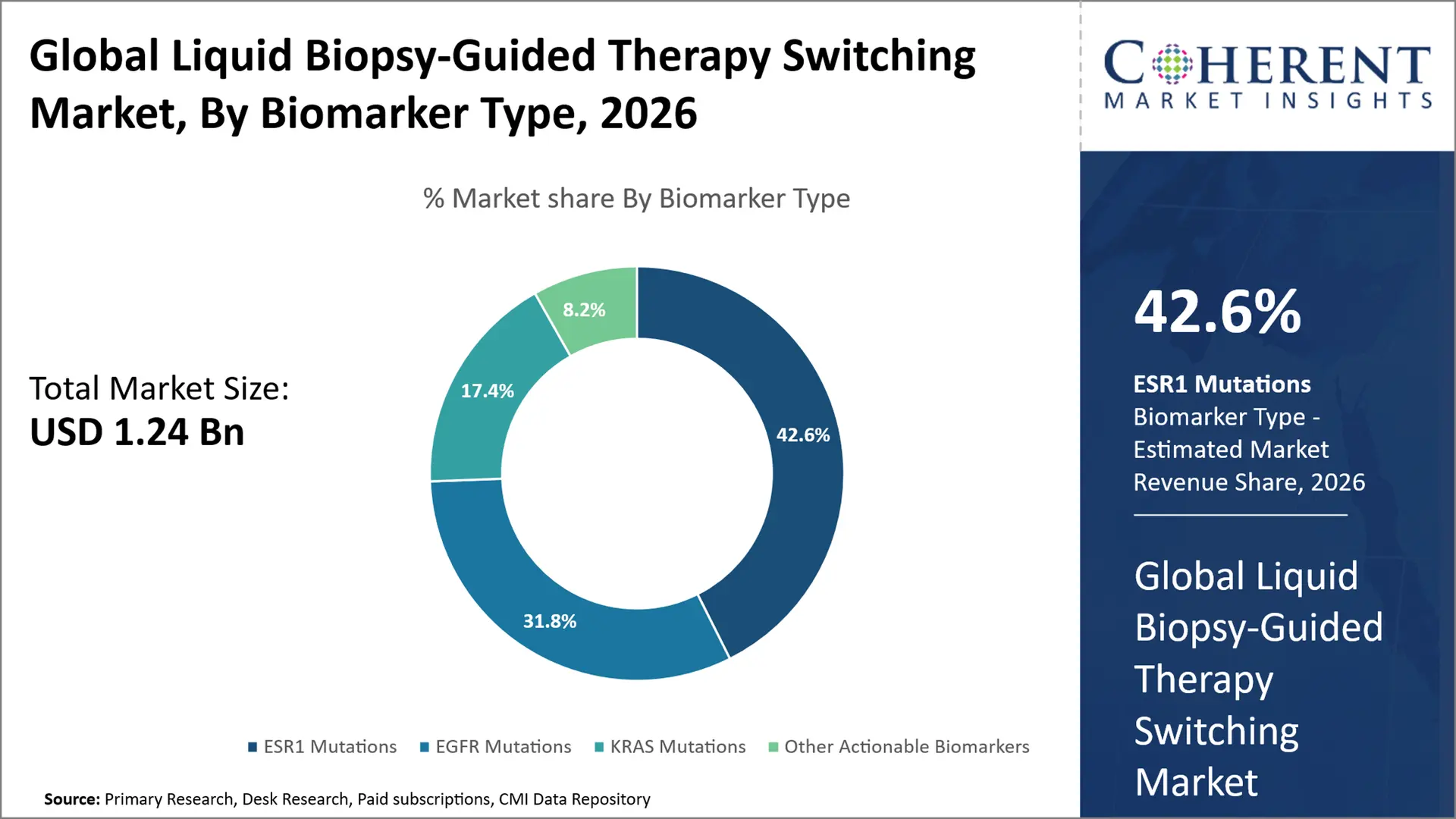
- ESR1 Mutations are expected to dominate the global Liquid Biopsy-Guided Therapy Switching market with a share of 42.6% in 2026, thus becoming the leading biomarker type segment. Blood-based testing is needed for the detection of acquired endocrine resistance as well as for modification of treatment in breast cancer. Europe has matured clinical and molecular diagnostic networks for mutation testing of blood samples as a result of years of clinical research in the field of breast cancer. For instance, in June 2026, a multicenter European study assessed NGS and digital PCR workflows for ESR1 mutation detection in metastatic breast cancer to facilitate reliable mutation detection.
- Next-Generation Sequencing (NGS) will account for 38.7% of the global Liquid Biopsy-Guided Therapy Switching market share in 2026, and continues to be the most dominant liquid biopsy technology segment, as it can detect several actionable mutations in a single test. Despite the growing adoption of blood-based liquid biopsy testing in the Asia Pacific market, genomic testing infrastructure is still expanding in the region and precision oncology is gradually becoming a part of cancer care. For instance, Singapore's national precision medicine programme has accelerated a large-scale genomic study and clinical translation to an improved level.
- Breast Cancer is expected to have the highest share of 43.8% of the global Liquid Biopsy-Guided Therapy Switching market in 2026, thus becoming the leading cancer type segment, across North America because of the significant presence of broad diagnostics infrastructure for oncology and the focus on precision medicine in the region. For instance, the U.S. National Cancer Institute (NCI) has initiated the Cancer Moonshot program to encourage research to develop better detection and treatment of cancers, which has increased the clinical demand for customized cancer management.
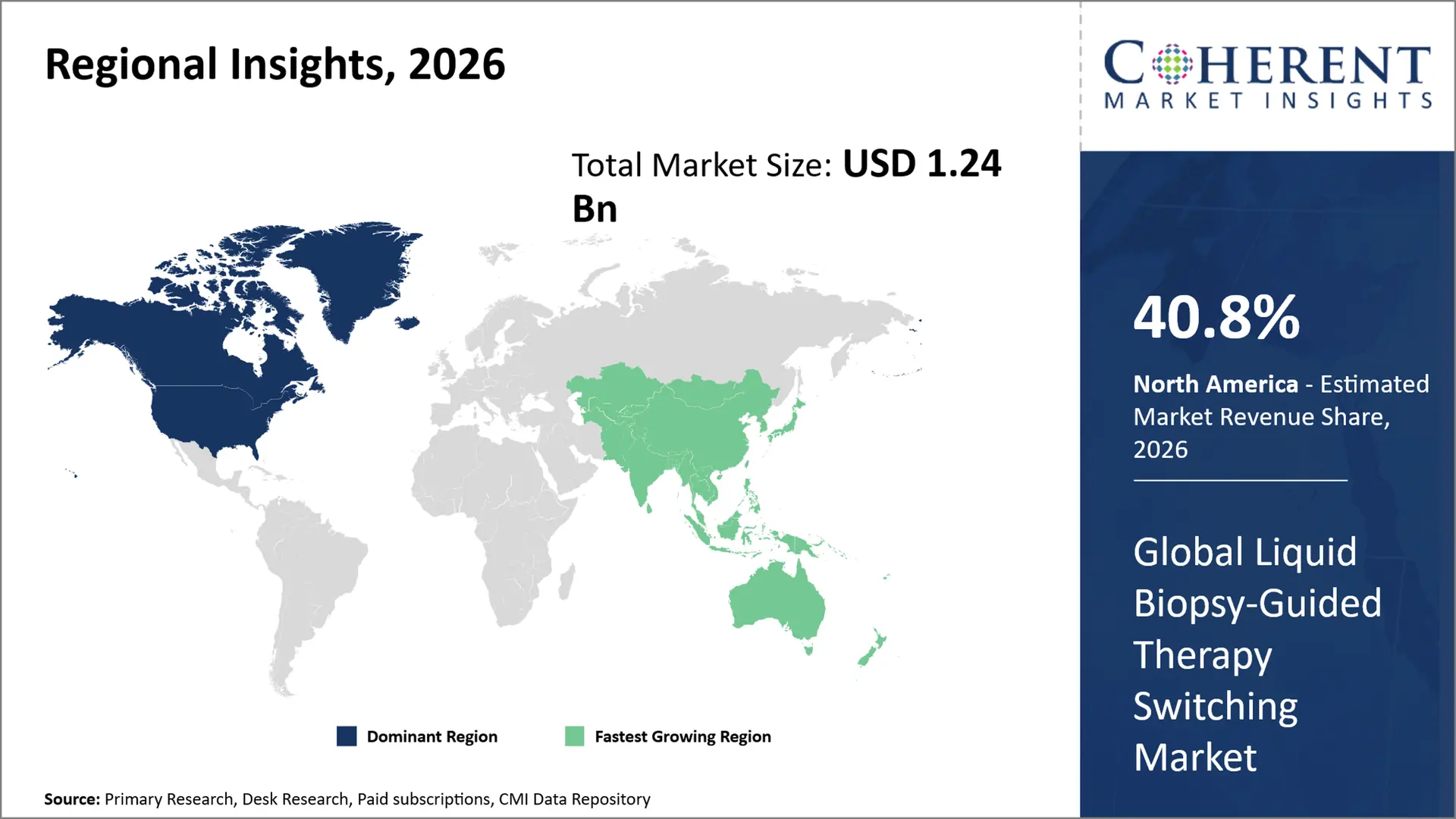
- North America is expected to dominate the market with a share of 40.8% in 2026, owing to its robust oncology research programs and access to advanced molecular diagnostics, increasing adoption of circulating tumor DNA (ctDNA) for making treatment decisions. For instance, in January 2026, the U.S. National Cancer Institute has revised its ComboMATCH trial protocols to use ctDNA sequencing to screen patients for eligibility and to evaluate treatment response, tumor burden and drug resistance.
- Asia Pacific is expected to grow at the highest CAGR of 14.2% during the forecast period from 2026 to 2033, driven by a growing implementation of genomic testing infrastructure, rising funds for precision oncology, and a growing number of clinical studies in cancer testing using blood. For instance, in June 2026, the American Society of Clinical Oncology published results from a real-world cohort of 84,145 people in six Asian countries assessing a blood-based multi-cancer detection test. The results were a demonstration of the increasing capability of using liquid biopsy tests clinically across Asia.
Segmental Insights
Why Do ESR1 Mutations Dominate the Global Liquid Biopsy-Guided Therapy Switching Market?
ESR1 mutations are projected to hold the market share of 42.6% in 2026, because of its association with acquired resistance to endocrine therapy (ET) in HR+ breast cancer, indicating that they should be quickly identified to allow rapid modifications to therapy. Furthermore, liquid biopsy enables serial assessment of circulating tumor DNA (ctDNA) to identify emergence of ESR1 mutations, thus potentially reducing the need for repeat tissue biopsies for this purpose. For instance, in May 2025, results from ESMO Breast Cancer highlighted that serial blood testing can help inform when the new ESR1 mutation arises during endocrine therapy. Such an approach could improve the use of ctDNA testing in resistance-guided therapy.
- Current Industry Events of 2026
- Market Size Estimation
- Regional Breakdown
- Competitive Landscape
- Customer Intelligence
- Segmental Analysis
- Pricing Analysis
- Key Market Drivers, Challenges & Future Trends
- Customized Insights Section
Why Does Next-Generation Sequencing (NGS) Represent the Largest Liquid Biopsy Technology Segment in the Liquid Biopsy-Guided Therapy Switching Market?
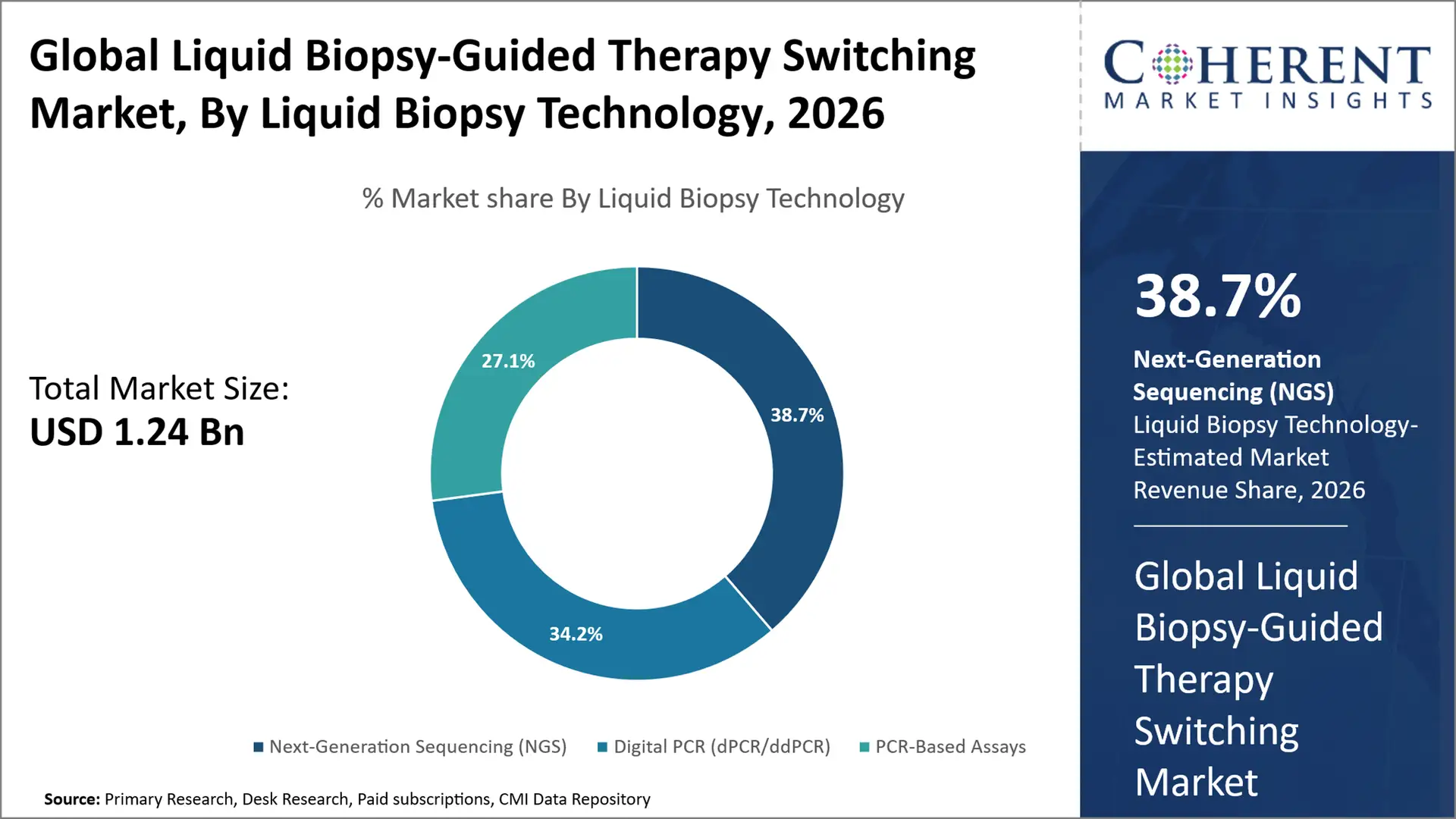
Next-Generation Sequencing (NGS) is projected to hold a market share of 38.7% in 2026, as it allows multiple alterations to be identified in ctDNA in one test. NGS may identify actionable mutations and also new resistance mechanisms in different cancer types, as it provides a broader spectrum of mutation coverage than single-plex tests and thus aid in personalized therapy-switching decisions. For instance, in a real-world analysis (presented at 2026 American Society of Clinical Oncology Breakthrough) of Plasma first, next-generation sequencing was found to pick up on more actionable genomic alterations than tissue testing in 10% of patients with advanced non-small cell lung cancer, which could enable faster treatment initiation.
Breast Cancer Segment Dominates the Global Liquid Biopsy-Guided Therapy Switching Market
The breast cancer segment is projected to hold a market share of 43.8% in 2026, primarily due to high disease burden and need to monitor acquired resistance (especially in hormone receptor-positive disease). The serial ctDNA testing is likely to help in detection of new mutations and help physicians guide treatment decisions regarding treatment change. Targeted therapies are also anticipated to contribute to the relevance of rapid biomarker testing. For instance, the U.S. National Cancer Institute has included the HERizon-Breast Phase II trial in the active program. The trial investigates the efficacy of personalizing treatment by combining circulating tumor DNA testing results with imaging to inform subsequent therapy in patients with HER2-positive locally advanced or metastatic breast cancer. (Source: Gateway for Cancer Research)
Current Events and their Impact
Current Events | Description and its Impact |
NHS England Launched New ctDNA Testing Pathway for Cancer of Unknown Primary (July 2026) |
|
NHS England Adds Routine ctDNA Testing Across Cancer Pathways (April 2026) |
|
U.S. National Cancer Institute Adds ctDNA Screening to ComboMATCH January 2026 |
|
Liquid Biopsy-Guided Therapy Switching Market Dynamics
Market Drivers
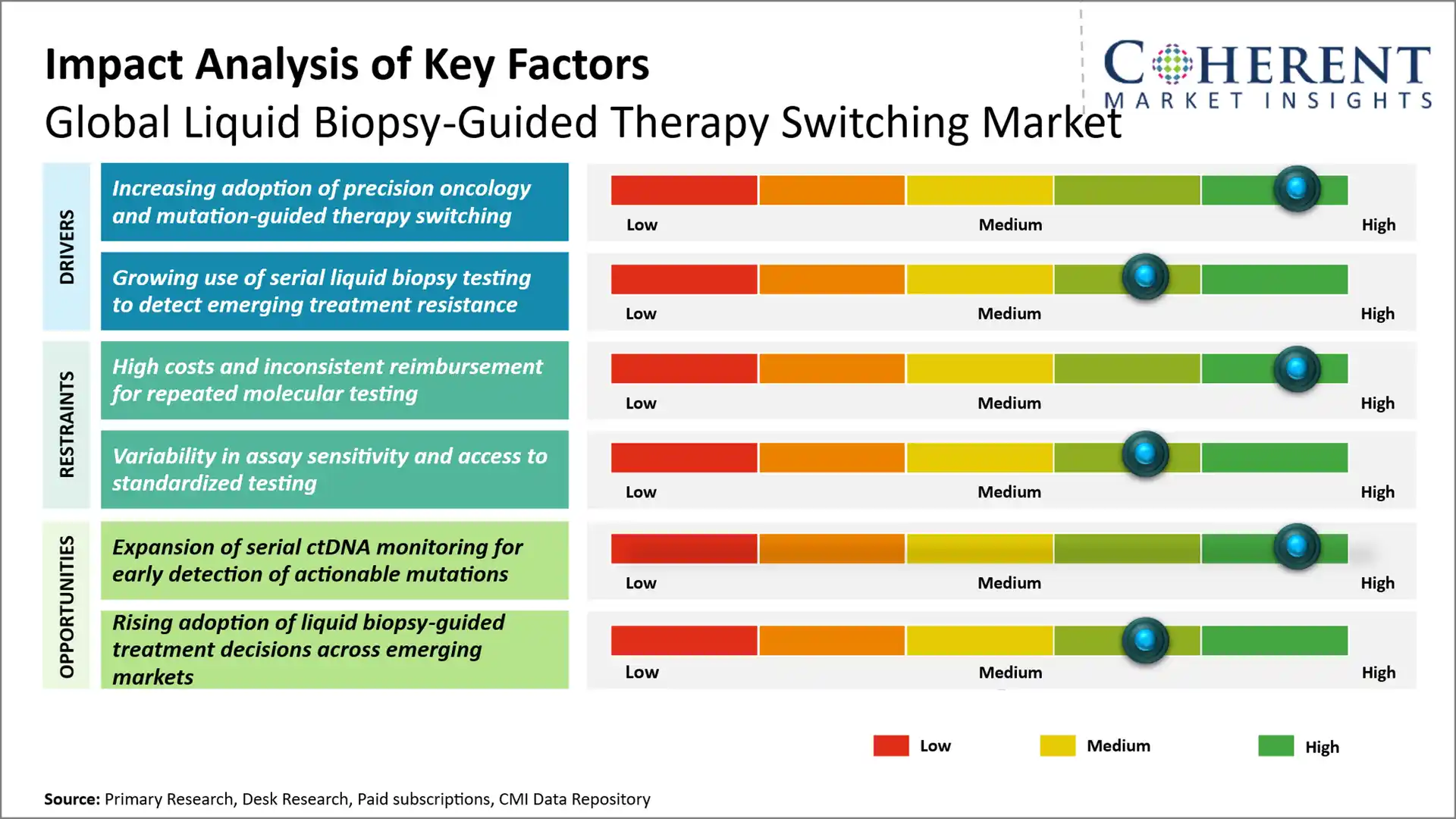
- Increasing adoption of precision oncology and mutation-guided therapy switching: Increasing use of precision oncology leads to higher requests for mutation-guided treatment adjustments, as clinicians increasingly rely on tumor-specific genomic alterations for cancer treatment selection and modifications. Serial monitoring of circulating tumor DNA (ctDNA) could potentially monitor the evolution of resistance mutations and would allow the adaptation of treatments according to the molecular evolution of the patient.
- Growing use of serial liquid biopsy testing to detect emerging treatment resistance: Serial liquid biopsy testing is driving the need for serial ctDNA testing to identify novel resistance mutations and to monitor for response to therapy before radiographic progression. For instance, a February 2026, prospective multicenter clinical trial of serial ctDNA testing for patients with metastatic urothelial cancer revealed that serial testing identified clinically actionable FGFR alterations in patients with initially undetectable mutant alleles.
- Increasing clinical integration of liquid biopsy into personalized cancer treatment: The growing reliance on liquid biopsy technology within oncology is paving the way for iterative, or serial, treatment decisions based on evolving tumor profiles, in situations where tissue-based biopsy is less feasible, or may not be repeated frequently. For instance, in 2025, the European Society for Medical Oncology updated its guidelines on circulating tumor DNA testing to the clinical relevance for detection of targetable mutations to make targeted therapies.
Emerging Trends
- Expansion of serial ctDNA monitoring: Serial testing of circulating tumor DNA (ctDNA) is poised to become crucial for the early detection of acquired resistance mutations that emerge before conventional indicators of disease progression are observed. Such testing allows earlier changes to be made and the pathway to personalized management to be opened up, especially in breast and lung cancer.
- Integration of AI with molecular profiling: The combination of artificial intelligence and advanced bioinformatics are being increasingly incorporated into liquid biopsy platforms to facilitate the analysis of complex genomic data and discovery of the actionable mutation. These advancements allow for better identification of resistance mechanisms and quicker data driven decisions in the field of oncology.
- Highly sensitive liquid biopsy solutions: Next generation sequencing (NGS), digital PCR, and targeted mutation assays: Improvements in all of these are making it possible to more accurately detect low levels of ctDNA, extend the ability to monitor multiple biomarkers and monitor response to treatment and to change treatment for different cancer types.
Regional Insights
Why is North America a Strong Market for Liquid Biopsy-Guided Therapy Switching?
North America leads the global liquid biopsy-guided therapy switching market, accounting for an estimated 40.8% share in 2026, due to technological advancements, robust research & development infrastructure, and favorable regulatory framework. High prevalence of precision oncology, high healthcare expenditure, and high adoption rate of advanced molecular diagnostic tests are driving the adoption of liquid biopsy technologies, which in turn, is projected to provide avenues for new drug developments and clinical use of liquid biopsy approaches.
In addition, high number of government efforts towards delivering precision medicine and alliances amongst academia and pharmaceutical companies further anticipated to drive innovation in ctDNA testing for resistance-guided therapy switching. For instance, the U.S. National Institutes of Health’s All of Us Research Program supports precision medicine by enabling research into how genetic and other factors influence disease and treatment outcomes. This infrastructure can help advance personalized oncology and more targeted approaches to cancer treatment monitoring
Why Does Asia Pacific Liquid Biopsy-Guided Therapy Switching Market Exhibit High Growth?
Asia Pacific is expected to exhibit the fastest growth in the global liquid biopsy-guided therapy switching market, registering an estimated CAGR of 14.2% during 2026–2033. The region is projected to account for 22.1% of the global market in 2026, driven by rising prevalence of cancer, growth of healthcare infrastructure and adoption of personalized medicine in China, Japan, South Korea, and India. Increasing government initiatives to improve healthcare services, coupled with the focus on innovation and improving healthcare outcomes, and investments towards genomic testing, and innovative diagnostic technologies, seem to be supporting the liquid biopsy-guided therapy switching adoption in the region.
For instance, Japan’s Healthcare and Medical Strategy promotes the development and practical application of innovative medical technologies, including genomic medicine, supporting the expansion of precision diagnostics and personalized cancer care across Asia-Pacific. (Source: International Trade Administration) Furthermore, improving healthcare accessibility, widespread insurance coverage and technology transfer is likely to drive the regional market growth.
Global Liquid Biopsy-Guided Therapy Switching Market Outlook for Key Countries
Why is the U.S. Leading Innovation and Adoption in the Liquid Biopsy-Guided Therapy Switching Market?
The U.S. market places great focus on ctDNA-based resistance detection, companion diagnostic innovation and implementation of molecular information in oncology treatment protocols. Major indications include ESR1 mutation monitoring in hormone receptor-positive breast cancer and EGFR resistance profiling in lung cancer with next-generation sequencing and digital polymerase chain reaction used to identify actionable genomic alterations. The U.S. market's key differentiator is its ability to associate serial molecular testing with personalized treatment adjustments rather than to expect tumor imaging or tissue biopsy findings to be the key guiding parameter.
Is China a Favorable Market for Liquid Biopsy-Guided Therapy Switching Market?
China is a promising environment for liquid biopsy-guided therapy switching due to the size of its cancer patient pool, increasing molecular diagnostic infrastructure, and increasing focus on precision oncology. The demand for a ctDNA-based detection of treatment resistance is expected to increase, mainly in lung, breast and colorectal cancers. The improvement in homegrown diagnostic capabilities, broader clinical utilization of genomics testing, reimbursement restrictions and testing standardization differences are likely to pose a barrier to this market.
Is Japan Emerging as a Key Growth Hub for the Liquid Biopsy-Guided Therapy Switching Market?
Japan is becoming a strong growth market for liquid biopsy guided therapy switching, supported by a sophisticated oncology landscape and a growing perception of precision medicine in the country. The market is expected to be driven by increasing demand for serial ctDNA testing for detection of acquired resistance, monitoring of response and therapy switching in certain solid cancers, primarily lung and breast cancers. However, wider adoption will require proof of clinical utility and reimbursement, and integration of molecular testing into oncology workflows.
Why Does Germany Top the European Liquid Biopsy-Guided Therapy Switching Market?
Germany leads the European liquid biopsy guided therapy switching market, owed to its mature molecular diagnostics landscape and a strong oncology research ecosystem with integration of genomic profiling into clinical workflows. The presence of a national cancer research network through the German Cancer Consortium (DKTK) and shared liquid biopsy technologies and highly sensitive circulating tumor DNA (ctDNA) monitoring methodologies developed by the EXLIQUID consortium provides a competitive edge in terms of resistance detection and longitudinal molecular monitoring in precision oncology.
Is Liquid Biopsy-Guided Therapy Switching Market Developing in UK?
The market for liquid biopsy guided switching therapy in the UK is progressing on the back of the growing awareness towards precision oncology, advanced genomic tests and non-invasive molecular diagnostics. The market will additionally accelerate owing to the need for ctDNA based monitoring of emerging resistance to therapy and adaptive treatment modification, particularly in cases of lung and breast cancer. However, its broader use will require clinical validation, consistent reimbursement, and inclusion in routine oncology treatment.
Clinical Applications of ctDNA Monitoring in Therapy Switching
Cancer type | Biomarker monitored | Clinical purpose of monitoring | Potential therapy-switching application |
Breast cancer | ESR1 mutations | Detect acquired endocrine resistance | Inform changes to endocrine therapy |
Lung cancer | EGFR mutations, including resistance alterations | Identify emerging resistance to targeted treatment | Help to choose the next suitable treatment |
Colorectal cancer | KRAS and other RAS-pathway mutations | Monitor resistance-associated genomic changes | Make decisions about anti-EGFR therapy |
Multiple cancer types | Tumor-specific ctDNA alterations | Track molecular response and emerging resistance | Help to evaluate whether to go persist with, change or alter treatment |
How is the expansion of serial ctDNA monitoring for early detection of actionable mutations creating new growth opportunities in the liquid biopsy-guided therapy switching market?
The primary opportunity in the global liquid biopsy-guided therapy switching market is the further development of serial circulating tumor DNA (ctDNA) monitoring for detection of acquired resistance mutations and the support for earlier switching of treatments. Improvements in next-generation sequencing (NGS) and digital PCR have the capacity to increase the sensitivity of mutation detection, allowing longitudinal monitoring for different types of cancer.
Market Players, Key Development, and Competitive Landscape
Key Developments
- In September 2026, Caris Life Sciences launched an improved liquid biopsy test, Caris Assure, which includes whole-exome sequencing, whole-transcriptome sequencing and comprehensive whole-blood analysis. The platform is capable of performing multiple assessments to monitor molecular response and follow disease progression during treatment and can help clinicians to take better therapeutical decisions.
- In September 2026, Guardant Health announced that the U.S. Food and Drug Administration approved Guardant360 CDx as a companion diagnostic for use with camizestrant in advanced breast cancer. The decision enables repeat testing of circulating tumour DNA (ctDNA) every three months for detection of emerging ESR1 mutations to be made. This increases the relevance of serial ESR1 monitoring for detection of resistance and for guiding therapy changes.
Competitive Landscape
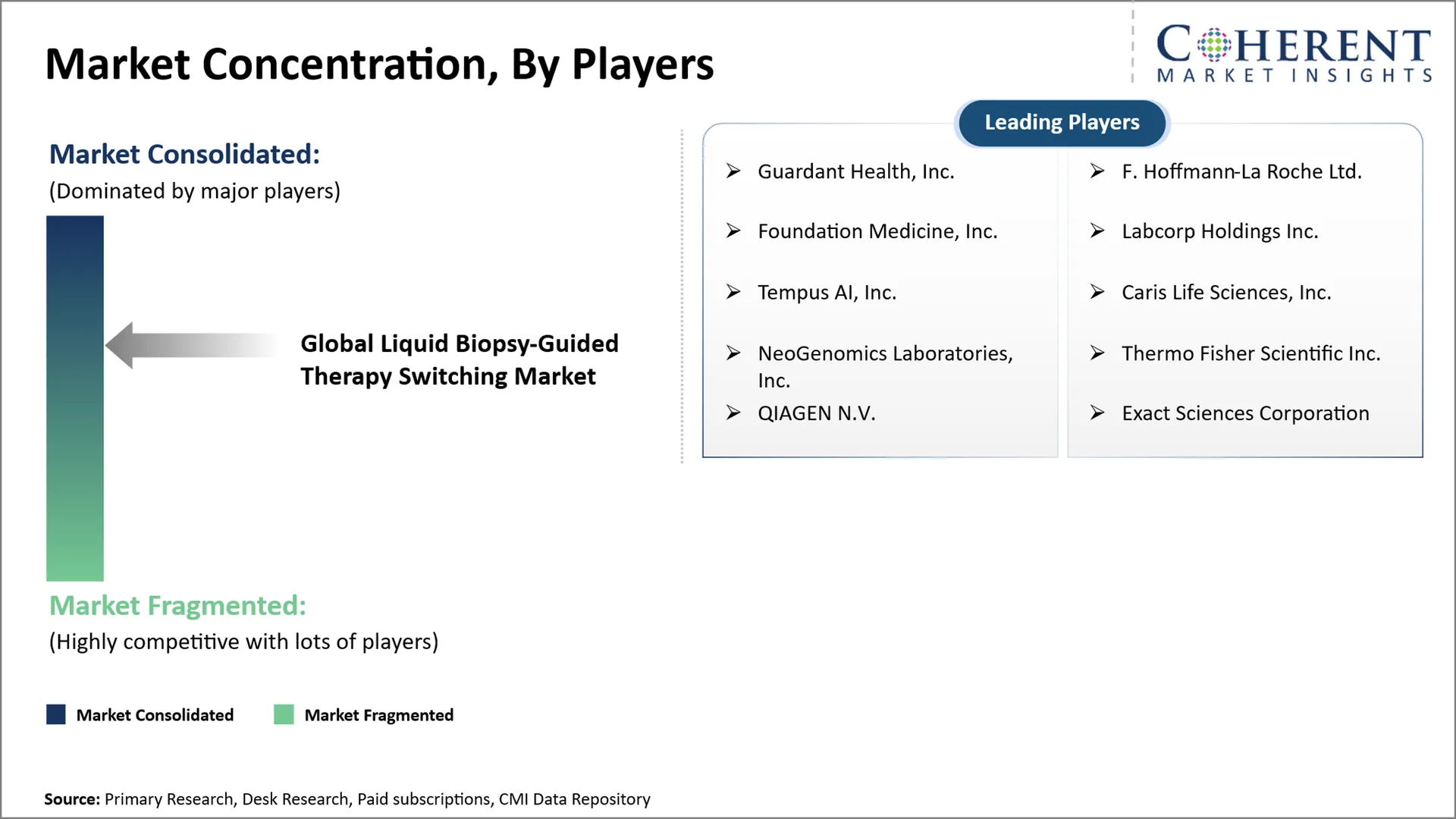
The global liquid biopsy-guided therapy switching market is highly competitive and fast-growing. Leading players among molecular diagnostic laboratories, liquid biopsy technology developers, genomic sequencing firms and precision oncology service providers seek to improve mutation detection, treatment monitoring and decision-making. Key focus areas include:
- Identification of new resistance mutations such as ESR1, EGFR and KRAS
- High- sensitivity circulating tumor DNA (ctDNA) assays
- Liquid biopsy serial monitoring
- Expansion of liquid biopsy applications
- Integration of genomic results with clinical records and oncology decision-support workflows
Market Report Scope
Liquid Biopsy-Guided Therapy Switching Market Report Coverage | |||
Report Coverage | Details | ||
Base Year | 2025 | Market Size in 2026: | USD 1.24 Bn |
Historical Data For: | 2020 To 2024 | Forecast Period: | 2026 To 2033 |
Forecast Period 2026 To 2033 CAGR: | 9.9% | 2033 Value Projection: | USD 2.40 Bn |
Geographies covered: |
| ||
Segments covered: |
| ||
Companies covered: | Guardant Health, Inc., F. Hoffmann-La Roche Ltd., Foundation Medicine, Inc., Labcorp Holdings Inc., Tempus AI, Inc., Caris Life Sciences, Inc., NeoGenomics Laboratories, Inc., Thermo Fisher Scientific Inc., QIAGEN N.V., Exact Sciences Corporation | ||
Growth Drivers: |
| ||
Restraints & Challenges: |
| ||
Analyst Opinion (Expert Opinion)
- The global liquid biopsy-guided therapy switching market is likely to transition from one time mutation tests to an ongoing, biomarker-guided platform for optimizing treatment. Advances in circulating tumor DNA (ctDNA), NGS and digital PCR will enable detection of secondary resistance earlier, and enable more effective treatment switches. In the longer term, companion using with artificial intelligence enabled molecular interpretation and clinical decision support systems will address wider applications in precision oncology and a broader range of cancers.
- The leading opportunity is the identification of ESR1 mutations in breast cancer patients in the U.S., due to the presence of a molecular testing ecosystem, the need for resistance-guided endocrine therapy switching, and an established ecosystem for precision-oncology solutions. Companies should consider concentrating on sensitive ESR1 mutations, serial ctDNA monitoring, and aligning it with oncology treatment pathways. These areas are high potential targets for repeat testing and for enabling actionable treatment decisions.
- The market players should focus on clinically validated, highly sensitive liquid biopsy platforms to detect novel resistance mutations with fast turnaround times. In addition, it will be imperative for players to establish differentiation in integrated next-generation sequencing and digital PCR platforms, forge collaborations with oncology clinics and validate the clinical benefit of therapy switching. Furthermore, players should emphasize on low-cost testing models, reimbursement data and AI for genomic interpretation to be accessible and robust in the long-term.
Speak to the analyst
Want personalized insights?
Take the findings above to one of our principal consultants, or have the report rebuilt around the segments, geographies and competitors you actually track.
Market Segmentation
- Biomarker Type Insights (Revenue, USD Bn, 2021 - 2033)
- ESR1 Mutations
- EGFR Mutations
- KRAS Mutations
- Other Actionable Biomarkers
- Liquid Biopsy Technology Insights (Revenue, USD Bn, 2021 - 2033)
- Next-Generation Sequencing (NGS)
- Digital PCR (dPCR/ddPCR)
- PCR-Based Assays
- Cancer Type Insights (Revenue, USD Bn, 2021 - 2033)
- Breast Cancer
- Lung Cancer
- Colorectal Cancer
- Others
- Therapy Switching Approach Insights (Revenue, USD Bn, 2021 - 2033)
- Switching Treatment Before Clinical Progression Based on Molecular Resistance
- Switching Treatment at Clinical or Radiographic Progression
- Switching Treatment Based on Molecular Response or Emerging Biomarkers
- End User Insights (Revenue, USD Bn, 2021 - 2033)
- Hospitals and Oncology Centers
- Diagnostic and Reference Laboratories
- Pharmaceutical and Biotechnology Companies
- Others
- Regional Insights (Revenue, USD Bn, 2021 - 2033)
- North America
- U.S.
- Canada
- Latin America
- Brazil
- Argentina
- Mexico
- Rest of Latin America
- Europe
- Germany
- U.K.
- Spain
- France
- Italy
- Russia
- Rest of Europe
- Asia Pacific
- China
- India
- Japan
- Australia
- South Korea
- ASEAN
- Rest of Asia Pacific
- Middle East
- GCC Countries
- Israel
- Rest of Middle East
- Africa
- South Africa
- North Africa
- Central Africa
- North America
- Key Players Insights
- Guardant Health, Inc.
- F. Hoffmann-La Roche Ltd.
- Foundation Medicine, Inc.
- Labcorp Holdings Inc.
- Tempus AI, Inc.
- Caris Life Sciences, Inc.
- NeoGenomics Laboratories, Inc.
- Thermo Fisher Scientific Inc.
- QIAGEN N.V.
- Exact Sciences Corporation
Get access to 250+ pages report
Every segment, forecast, competitor profile and data table behind the analysis above — available for instant download.
- ESOMAR Member
- ISO 9001:2015 Certified
- D-U-N-S Registered
- GDPR & CCPA Compliant
Frequently Asked Questions
The global liquid biopsy-guided therapy switching market is estimated to be valued at USD 1.24 Bn in 2026 and is expected to reach USD 2.40 Bn by 2033.
ESR1 Mutations lead because of their central role in identifying the need for endocrine resistance and help direct treatment strategy switch in hormone receptor positive breast cancer.
Liquid biopsy-guided therapy is the use of blood tumor markers, such as circulating tumor DNA (ctDNA), to evaluate treatment resistance or disease progression and to guide changes to cancer treatment.
The CAGR of global liquid biopsy-guided therapy switching market is projected to be 9.9% from 2026 to 2033.
Increasing adoption of precision oncology and mutation-guided therapy switching, and growing use of serial liquid biopsy testing to detect emerging treatment resistance are the major factors driving the growth of the global liquid biopsy-guided therapy switching market.
High costs and inconsistent reimbursement for repeated molecular testing, and variability in assay sensitivity and access to standardized testing are the major factors hampering the growth of the global liquid biopsy-guided therapy switching market.
In terms of cancer type, breast cancer is estimated to dominate the market revenue share in 2026.