

North America, Latin America and Europe Parenting Apps for Neurodivergent Disorders Market Size and Forecast – 2026 To 2033
The North America, Latin America and Europe parenting apps for neurodivergent disorders market is expected to grow from USD 197.2 Mn in 2026 to USD 368.5 Mn by 2033, registering a compound annual growth rate (CAGR) of 9.3% from 2026 to 2033. The North America, Latin America and Europe parenting apps for neurodivergent disorders market is poised for significant expansion, fueled by the soaring burden of neurodevelopmental disorders, particularly Autism Spectrum Disorder (ASD).
According to the data published by U.S. Centers for Disease Control and Prevention (CDC) in May 2025, about 1 in 31 (3.2%) 8-year-old children in the U.S. were identified with autism spectrum disorder in 2022, up from 1 in 36 in 2020, highlighting the escalating need for accessible digital caregiving solutions.
(Source: Centers for Disease Control and Prevention)
Key Takeaways of the North America, Latin America and Europe Parenting Apps for Neurodivergent Disorders Market
- Paid subscription is projected to hold 41.4 % of the North America, Latin America and Europe parenting apps for neurodivergent disorders market share in 2026, making it the dominant type segment, across North America driven by increasing demand for personalized parenting guidance, AI-enabled behavioral insights, and ad-free premium features. For instance, Mightier operates on a subscription-based model, providing families with evidence-based emotional regulation games and clinician-backed behavioral support for children with Attention-deficit/hyperactivity disorder, autism (ADHD), anxiety, and other neurodivergent conditions.
- iOS is projected to hold 54.8 % of the North America, Latin America and Europe parenting apps for neurodivergent disorders market share in 2026, making it the dominant platform type segment across North America supported by higher spending on premium digital health applications and strong adoption among families seeking evidence-based neurodevelopment support. For instance, in January 2025, Tiimo introduced AI-powered planning and routine management enhancements for its iOS application, enabling more personalized scheduling and cognitive support for individuals with attention-deficit/hyperactivity disorder (ADHD) and autism, reinforcing the platform's appeal among neurodivergent users and caregivers.
- Screening and assessment apps segment are projected to hold 35.8 % of the North America, Latin America and Europe parenting apps for neurodivergent disorders market share in 2026, making it the dominant app type segment across North America owing to the increasing focus on early detection and intervention for neurodevelopmental disorders. For instance, in 2024, EarliTec Diagnostics expanded access to its EarliPoint Evaluation, an U.S. FDA-authorized digital diagnostic aid that uses eye-tracking technology to support clinicians in evaluating autism spectrum disorder in young children, reinforcing the growing adoption of digital screening solutions.
- Integration of AI-Powered Behavioral Analytics: The integration of artificial intelligence (AI) into parenting apps is transforming support for families of neurodivergent children by enabling personalized behavioral insights, predictive recommendations, and adaptive intervention strategies. AI-driven analytics help parents monitor behavioral patterns, identify potential triggers, and optimize therapy outcomes, increasing the clinical value and adoption of digital parenting solutions across North America, Latin America, and Europe.
- Expansion of Digital Care Coordination Ecosystems: The growing integration of parenting apps with telehealth platforms, electronic health records (EHRs), therapists, and educational institutions present a significant growth opportunity. Connected digital ecosystems enable seamless information sharing among caregivers, clinicians, and educators, improving continuity of care, treatment adherence, and personalized support for children with neurodevelopmental disorders while expanding the commercial potential of parenting applications.
Segmental Insights
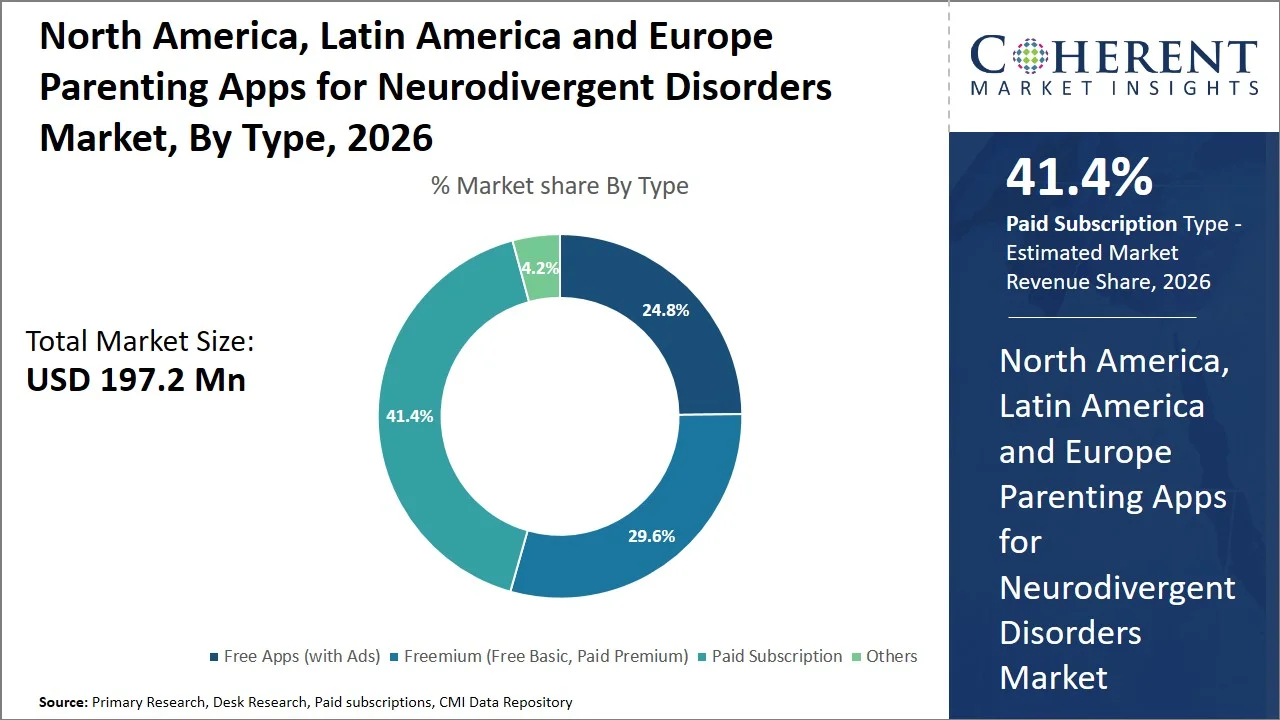
Why Does Paid Subscription Dominate the North America, Latin America and Europe Parenting Apps for Neurodivergent Disorders Market?
Paid subscription is projected to hold a market share of 41.4% in 2026, as parents are becoming more likely to pay subscription fees to unlock and continuously access customized care plans, content from leading experts, tracking features, premium educational tools for effective neurodivergent conditions management and the continuous feature upgrade and support. In addition, subscription platform models facilitate updating the platform features, leveraging AI for providing insights and safeguarding the data, improving user retention and engagement. For instance, Tiimo A/S offers premium plans and features including personalized visual schedules, routine planners, reminders, and tools that help with focus and planning ideal for people with autism and attention-deficit/hyperactivity disorder (ADHD), highlighting a trend of consumers willing to pay for apps designed for neurodivergent users. (Source: Tiimo A/S)
- Current Industry Events of 2026
- Market Size Estimation
- Regional Breakdown
- Competitive Landscape
- Customer Intelligence
- Segmental Analysis
- Pricing Analysis
- Key Market Drivers, Challenges & Future Trends
- Customized Insights Section
Why is iOS the Most Preferred Platform Type in the North America, Latin America and Europe Parenting Apps for Neurodivergent Disorders Market ?
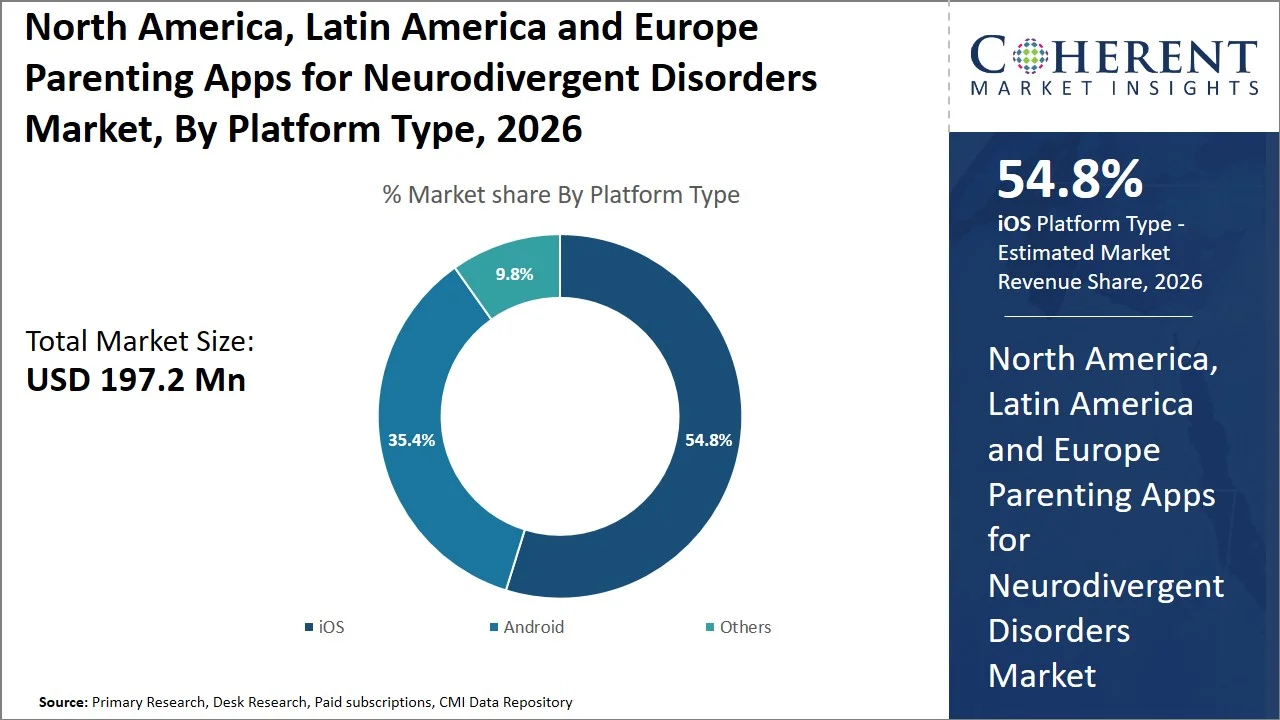
iOS is projected to hold a market share of 54.8% in 2026, on account of its premium digital health users, entrenched ecosystem with data privacy and security, and integration with Apple’s health platforms. This promotes long-term behavioral monitoring and care coordination with a more retained user base and higher in-app subscriptions, making it the preferred choice for developers of specialized neurodivergent parenting applications. For instance, in May 2026, Apple announced a raft of new accessibility features driven by Apple Intelligence such as enhancements to voiceover, magnifier, voice control and accessibility reader designed to make digitally inclusive accessible to those with cognitive, communication, and vision-related challenges. All this serves to increase the power of iOS to build digital health applications and the capacity for people to embrace the power of apps on iOS to care for children on the autism spectrum and their caregivers. (Source: Apple Inc.)
Screening and Assessment Apps Segment Dominates the North America, Latin America and Europe Parenting Apps for Neurodivergent Disorders Market
The screening and assessment apps segment is projected to hold a market share of 35.8% in 2026, since they help in identifying the early signs of developmental problems that eventually allows to initiate a proper clinical evaluation at the appropriate time and to plan care appropriately. These apps provide well-designed tools such as well-researched questionnaires, milestone trackers and AI-driven risk assessment to keep check on changes in behavior even prior to a formal diagnose. For instance, Cognoa’s U.S. FDA-authorized Canvas Dx empowers primary care physicians to either diagnose or exclude the possibility of autism spectrum disorder in patients aged 18 months to 6 years, reducing diagnostic delays and supporting earlier intervention. (Source: Cognoa, Inc.)
Currents Events and their Impact
Current Events | Description and its Impact |
European Commission Publishes General-Purpose AI Code of Practice under the EU AI Act (July 2025) |
|
U.S. FDA Issues Draft Guidance on AI-Enabled Device Software Functions (January 2025) |
|
(Source: European Commission, Food and Drug Administration)
North America, Latin America and Europe Parenting Apps for Neurodivergent Disorders Market Dynamics
Market Drivers
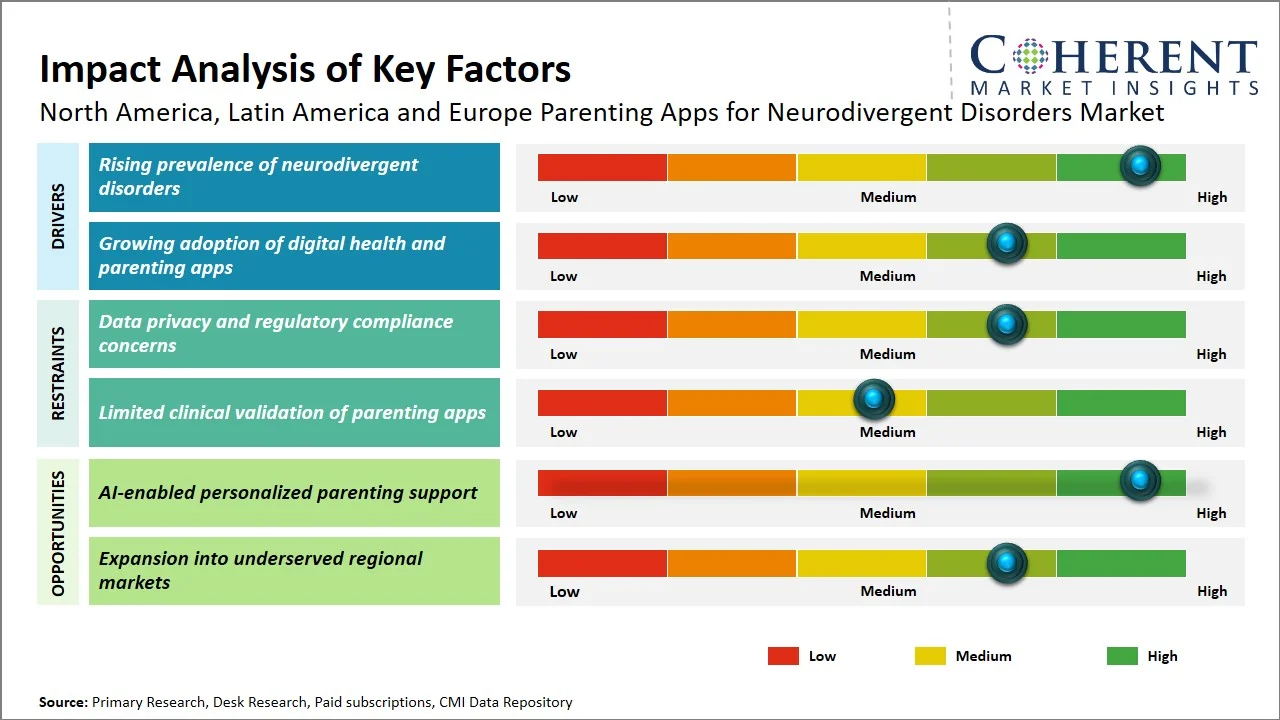
- Rising prevalence of neurodivergent disorders: The increasing recognition and diagnosis of neurodivergent conditions is driving the demand for parenting apps that provide personalized behavioral guidance, developmental tracking, and caregiver support. Growing awareness of early intervention is encouraging parents to adopt digital tools that complement conventional therapy and educational support. For instance, according to The Neurodiversity Directory, approximately 15–20% of the global population is neurodivergent, with around 15% of the U.K. population estimated to be neurodivergent, highlighting the expanding need for specialized digital parenting solutions for neurodiverse families.
- Growing adoption of digital health and parenting apps: The increasing adoption of digital health technologies and mobile parenting applications is driving the demand for parenting apps designed for neurodivergent disorders. Parents are increasingly relying on digital platforms to access behavioral guidance, developmental monitoring, therapy resources, and caregiver education from home. For instance, in January 2025, the National Institute for Health and Care Excellence updated its guideline on digital health technologies, recommending evidence-based digital tools to support health and care delivery, reflecting the growing integration of digital solutions into routine healthcare and creating favorable conditions for parenting app adoption.
Emerging Trends
- Gamification to Improve Caregiver and Child Engagement: Parenting apps are increasingly incorporating gamified activities, reward systems, and interactive learning modules to improve engagement among neurodivergent children and their caregivers. These features encourage consistent therapy participation, behavioral reinforcement, and long-term app retention while making developmental activities more engaging.
- Rise of Multilingual and Culturally Adaptive Parenting Apps: Developers are increasingly offering multilingual interfaces and culturally tailored educational content to improve accessibility across diverse populations in North America, Latin America, and Europe. This trend is enabling broader market penetration by addressing language barriers and region-specific caregiving practices for neurodivergent children.
Regional Insights
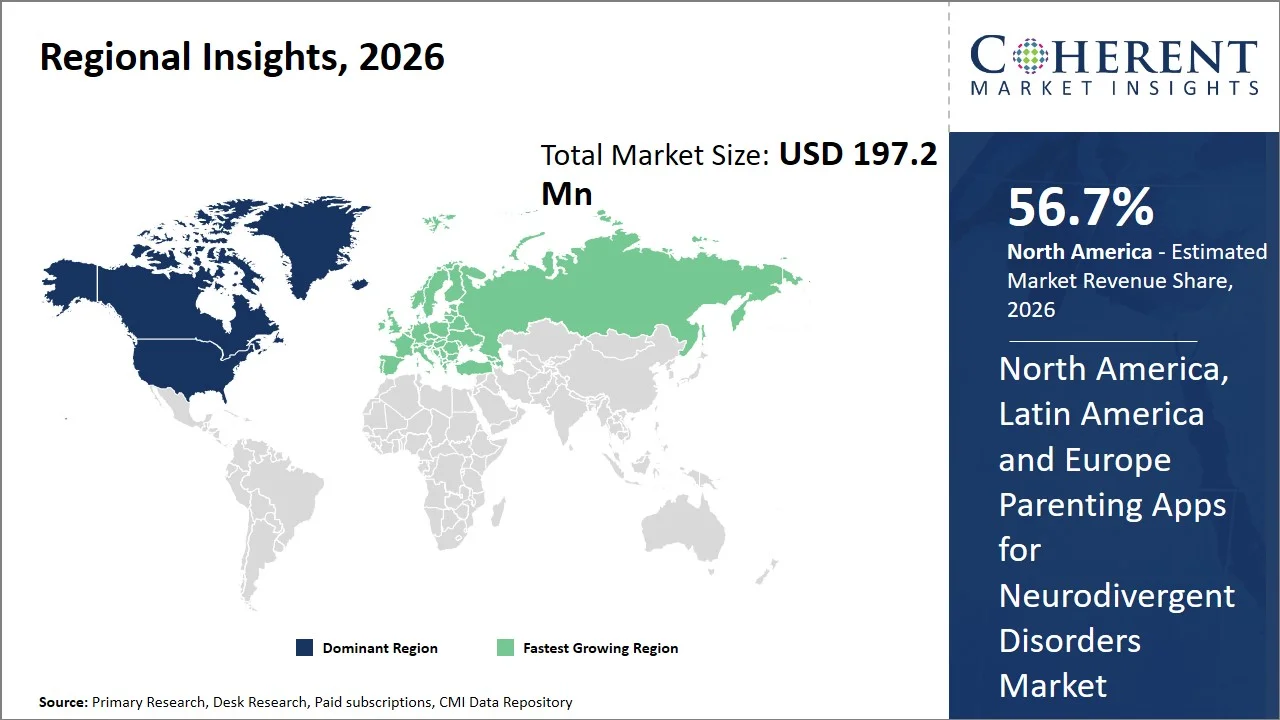
Why is North America a Strong Market for Parenting Apps for Neurodivergent Disorders?
North America leads the parenting apps for neurodivergent disorders market, accounting for an estimated 56.7% share in 2026, due to the region’s well-established digital healthcare ecosystem, pervasive use of mobile health technology, and a comprehensive approach to early neurodevelopmental management. The region received significant investment toward the growth of digital therapeutics and pediatric health-centered AI, fueling innovation in products and driving their implementation. Furthermore, the regulatory environment surrounding digital parenting applications is encouraging standards of data security, cybersecurity, and compliance with the region’s healthcare policies further instill trust among consumers for prolonged care of neurodevelopmental issues. For instance, the U.S. Department of Health and Human Services (HHS) regulates and enforces the HIPAA Privacy Rule, the national standard of patient information. This regulation ensures an individual's health information is protected and used securely in electronic formats and also facilitates access and exchange of this health information, encouraging increased user confidence in using parenting and pediatric applications that handles sensitive child health and neurological data. (Source: U.S. Department of Health and Human Services)
Why Does the Europe Parenting Apps for Neurodivergent Disorders Market Exhibit High Growth?
The Europe parenting apps for neurodivergent disorders market is expected to exhibit the fastest growth with an estimated contribution of 34.7% share to the global market in 2026, owing to expanding use of digital health in the pediatrics sector and increasing demand for AI powered medical tools to diagnose the conditions. Governments in several European nations are promoting digital health for patients and fostering policies related to secure health data sharing to expand the digital parenting apps for neurodivergent disorders market. For instance, in March 2025, European Health Data Space (EHDS) regulation was officially endorsed by the European Council. The regulation ensures safe access and shared access to electronic health data among EU member states. It is anticipated that this new rule will strengthen interoperability and will boost usage of trustworthy digital health apps, like parenting and brain development tools. (Source: European Commission) Furthermore, the rise in the need for easily-accessible, well-researched, and multi-language neurodevelopment care apps also aids market growth.
Why is the U.S. Leading Innovation and Adoption in the Market for Parenting Apps for Neurodivergent Disorders?
The U.S. is at the forefront of the parenting apps for neurodivergent disorders market, leveraging the nation’s dynamic digital health landscape including AI-powered child development systems and unique neurodevelopment solutions companies (such as Cognoa, Inc., Behavior Imaging Solutions, Inc., Mightier, Inc., and Parallel Learning, Inc.) The country’s integrated healthcare delivery systems, and an extensive network of behavior experts with dedicated app providers facilitate a quick delivery of evidence-based and clinically validated parent products. Further, ongoing advancements in personalized behavioral care and digitally powered medicines also support the U.S in maintaining its leadership position within the market and technology advancements.
Is Canada a Favorable Market for Parenting Apps for Neurodivergent Disorders?
Canada is considered as a promising market for parenting apps for neurodivergent disorders owing to its mature pediatric and mental healthcare system, increasing digital health adoption, and robust focus on early intervention in neurodevelopmental disorders. The high penetration of smartphone, and a rising penetration of telehealth service options in the country is beneficial for parenting app usage of remote monitoring, tailored behavioral insights and parent education tools. The high demand for scalable, evidence-based digital solutions also stands to grow this market.
Is the U.K. Emerging as a Key Growth Hub for the Parenting Apps for Neurodivergent Disorders Market?
The parenting apps for neurodivergent disorders market in Brazil is steadily developing, driven by growing awareness of autism spectrum disorder (ASD) and ADHD, expanding telehealth adoption, and increasing access to digital health services. Government initiatives promoting early identification and multidisciplinary care for children with developmental disabilities are further supporting market growth. For instance, Brazil's Rede de Cuidados à Pessoa com Deficiência (RCPD) strengthens rehabilitation and integrated care services for children with neurodevelopmental disorders, creating a favorable environment for digital parenting and caregiver support applications.
Why Does Germany Top the European Parenting Apps for Neurodivergent Disorders Market?
Germany Leads the European parenting apps market for neurodivergent disorders because of the country’s mature digital health ecosystem, pervasive use of mHealth devices and a strong infrastructure in place for neurodevelopmental care for children and adolescents. Germany has long advocated for the diagnosis of neurodevelopmental issues at an earlier age and integrated care approach, thereby expediting the adoption of digital products to monitor behaviors, help caregivers to educate themselves, as well as the monitoring of therapeutic processes. Advanced digital penetration and usage of AI-enabled solutions (such as digital therapeutics (DiGA)-approved applications, AI-powered behavioral monitoring platforms, and personalized cognitive support tools) also help strengthen Germany’s position in the market.
Is Parenting Apps for Neurodivergent Disorders Market Developing in Brazil?
The parenting apps for neurodivergent disorders market in Brazil is steadily developing, driven by growing awareness of autism spectrum disorder (ASD) and ADHD, expanding telehealth adoption, and increasing access to digital health services. Government initiatives promoting early identification and multidisciplinary care for children with developmental disabilities are further supporting market growth. For instance, Brazil's Rede de Cuidados à Pessoa com Deficiência (RCPD) strengthens rehabilitation and integrated care services for children with neurodevelopmental disorders, creating a favorable environment for digital parenting and caregiver support applications.
Healthcare & Digital Ecosystem Landscape Supporting the North America, Latin America and Europe Parenting Apps for Neurodivergent Disorders Market
Region
| Digital Health Adoption | Neurodivergent Care Infrastructure | Government/Institutional Support | Market Impact |
North America | High | Well-established autism, ADHD, and developmental care networks | Strong digital health initiatives and telehealth adoption | Highest market share and innovation hub |
Europe | High | Comprehensive early intervention and multidisciplinary care services | Strong support for digital healthcare and mental health programs | High adoption and steady market growth |
Latin America | Moderate | Expanding pediatric neurodevelopment and behavioral health services | Increasing investments in digital healthcare transformation | Emerging market with significant growth potential |
How is the AI-enabled personalized parenting support creating new growth opportunities in the North America, Latin America and Europe parenting apps for neurodivergent disorders market?
The infusion of artificial intelligence into parenting apps offers huge potential for providing targeted guidance, behavioral trends and instant solutions to families with neuro-typical kidsAI enables parents to receive personalized recommendations based on their child's age, developmental stage, and individual needs, while helping caregivers implement effective behavioral interventions. For instance, in November 2025, Joy raised a USD 14 million Series A funding which will help AI parenting platforms further innovate in areas such as building richer, personalized, evidence-based guidance and more easily extending smart care to parents.
Market Players, Key Development, and Competitive Landscape
Key Developments
- In September 2024, Cognoa, Inc. announced that Wyoming Medicaid became the first U.S. Medicaid program to cover Canvas Dx, the first U.S. FDA-authorized AI-based diagnostic aid for autism. The coverage expands access to earlier autism diagnosis, enabling faster intervention and supporting the adoption of digital tools for children with neurodevelopmental disorders.
- In August 2024, Tiimo A/S announced the successful completion of a USD 4.8 million funding round to accelerate the development of its neuroinclusive planning and learning platform for individuals with ADHD, autism, dyslexia, and other neurodivergent conditions. The investment will support AI-driven features, platform expansion, and broader accessibility, strengthening digital support solutions for neurodivergent individuals and their families.
Competitive Landscape
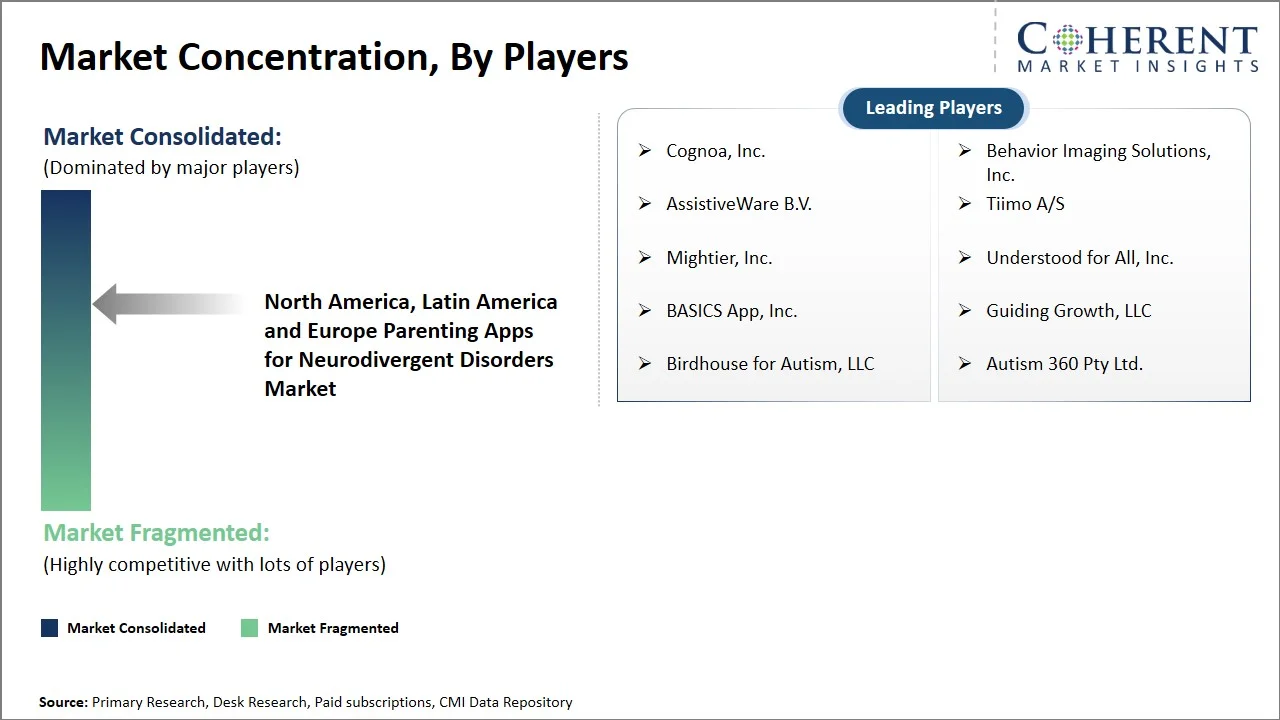
The North America, Latin America and Europe parenting apps for neurodivergent disorders market is highly fragmented, with competition driven by specialized digital health companies, neurodevelopment-focused app developers, and AI-enabled health technology providers. Market participants are focused on enhancing user engagement through personalized interventions, AI-powered behavioral analytics, clinically validated content, and integrated care coordination. Strategic collaborations with healthcare providers, educational institutions, and mental health organizations, along with continuous feature enhancements and geographic expansion, remain key competitive strategies. Key focus areas include:
- AI-powered personalized parenting guidance and behavioral tracking
- Clinical validation and evidence-based digital intervention programs
- Integration with telehealth platforms and care coordination ecosystems
- Strategic partnerships, multilingual app development, and regional expansion
Market Report Scope
North America, Latin America and Europe Parenting Apps for Neurodivergent Disorders Market Report Coverage
| Report Coverage | Details | ||
|---|---|---|---|
| Base Year: | 2025 | Market Size in 2026: | USD 197.2 Mn |
| Historical Data for: | 2020 To 2024 | Forecast Period: | 2026 To 2033 |
| Forecast Period 2026 to 2033 CAGR: | 9.3% | 2033 Value Projection: | USD 368.5 Mn |
| Geographies covered: |
| ||
| Segments covered: |
| ||
| Companies covered: | Cognoa, Inc., Behavior Imaging Solutions, Inc., AssistiveWare B.V., Tiimo A/S, Mightier, Inc., Understood for All, Inc., BASICS App, Inc., Guiding Growth, LLC, Birdhouse for Autism, LLC, and Autism 360 Pty Ltd. | ||
| Growth Drivers: |
| ||
| Restraints & Challenges: |
| ||
Analyst Opinion (Expert Opinion)
- In the coming years, the North America, Latin America and Europe parenting apps for neurodivergent disorders market is expected to transition from basic parenting support applications to AI-powered, clinically informed digital care platforms that deliver personalized behavioral guidance, progress monitoring, and integrated care coordination. As awareness of neurodevelopmental disorders and demand for early intervention continue to increase, these applications are likely to become an essential component of long-term neurodivergent care.
- The maximum opportunities are foreseen within AI-enabled Screening & Assessment Apps and Paid Subscription models, particularly in the U.S., where high autism and ADHD prevalence, strong digital health adoption, and supportive healthcare ecosystems are driving demand. Additionally, expanding into Latin America through multilingual, affordable, and culturally adapted applications presents a significant untapped opportunity.
- In order to gain a competitive advantage market players should prioritize clinical validation, integrate AI-driven personalized recommendations, strengthen partnerships with healthcare providers and educational institutions, and expand interoperability with telehealth and electronic health record (EHR) platforms. Investing in multilingual capabilities, robust data privacy, and evidence-based outcomes will further differentiate offerings and improve user trust and retention.
Speak to the analyst
Want personalized insights?
Take the findings above to one of our principal consultants, or have the report rebuilt around the segments, geographies and competitors you actually track.
Market Segmentation
- Type Insights (Revenue, USD Mn, 2021 - 2033)
- Free Apps (with Ads)
- Freemium (Free Basic, Paid Premium)
- Paid Subscription
- Others
- Platform Type Insights (Revenue, USD Mn, 2021 - 2033)
- iOS
- Android
- Others
- App Type Insights (Revenue, USD Mn, 2021 - 2033)
- Screening and Assessment Apps
- Therapy and Intervention Apps
- Parent Education and Support Apps
- Others
- Indication Insights (Revenue, USD Mn, 2021 - 2033)
- Autism spectrum disorder
- Attention-deficit/hyperactivity disorder
- Down syndrome
- Learning Disorders
- Anxiety disorder
- Others
- End User Insights (Revenue, USD Mn, 2021 - 2033)
- Parents and Caregivers
- Healthcare Professionals
- Others
- Regional Insights (Revenue, USD Mn, 2021 - 2033)
- North America
- U.S.
- Canada
- Latin America
- Brazil
- Argentina
- Mexico
- Rest of Latin America
- Europe
- Germany
- U.K.
- Spain
- France
- Italy
- Russia
- Rest of Europe
- North America
- Key Players Insights
- Cognoa, Inc.
- Behavior Imaging Solutions, Inc.
- AssistiveWare B.V.
- Tiimo A/S
- Mightier, Inc.
- Understood for All, Inc.
- BASICS App, Inc.
- Guiding Growth, LLC
- Birdhouse for Autism, LLC
- Autism 360 Pty Ltd.
Sources
Primary Research Interviews
- Pediatric neurologists, developmental pediatricians, child psychologists, and child psychiatrists specializing in neurodevelopmental disorders
- Digital health developers and product managers developing parenting and neurodevelopment support applications
- Behavioral therapists, occupational therapists, speech-language pathologists, and autism intervention specialists
- Healthcare technology experts and regulatory professionals involved in digital therapeutics and mobile health applications
Stakeholders
- Digital health companies developing parenting and neurodivergent support applications (e.g., Cognoa, Inc., Tiimo A/S, Mightier, Inc., AssistiveWare B.V., Understood for All, Inc.)
- Children's hospitals, autism centers, developmental clinics, and telehealth providers
- End-use Sectors
- Parents and caregivers
- Pediatric hospitals and specialty clinics
- Rehabilitation and behavioral therapy centers
- Schools and special education institutions
- Regulatory & Health Bodies
- U.S. Food and Drug Administration (FDA)
- Centers for Disease Control and Prevention (CDC)
- National Institutes of Health (NIH)
- Health Canada
- European Medicines Agency (EMA)
- National Health Service (NHS England)
Databases
- FDA – Medical Devices & Digital Health Database
- ClinicalTrials.gov
- CDC Autism and Developmental Disabilities Monitoring (ADDM) Network
- WHO Global Health Observatory (GHO)
- OECD Health Statistics
Magazines
- MobiHealthNews
- Healthcare IT News
- Digital Health
- MedCity News
- HealthTech Magazine
Journals
- Journal of Medical Internet Research (JMIR)
- NPJ Digital Medicine
- Journal of Autism and Developmental Disorders
- BMC Digital Health
- Frontiers in Digital Health
Newspapers
- The Wall Street Journal
- Financial Times
- The Guardian
- The New York Times
Associations
- American Academy of Pediatrics (AAP)
- Autism Society of America
- Autism Europe
- American Psychological Association (APA)
- International Society for Autism Research (INSAR)
Public Domain Sources
- U.S. Food and Drug Administration (FDA)
- Centers for Disease Control and Prevention (CDC)
- National Institutes of Health (NIH)
- World Health Organization (WHO)
- European Medicines Agency (EMA)
- Health Canada
- OECD
- European Commission
Proprietary Elements
- CMI Data Analytics Tool, Proprietary CMI Existing Repository of information for last 10 years.
Get access to 250+ pages report
Every segment, forecast, competitor profile and data table behind the analysis above — available for instant download.
- ESOMAR Member
- ISO 9001:2015 Certified
- D-U-N-S Registered
- GDPR & CCPA Compliant
Missing comfort of reading report in your local language? Find your preferred language:
Transform your Strategy with Exclusive Trending Reports
Frequently Asked Questions
The North America, Latin America and Europe parenting apps for neurodivergent disorders market is estimated to be valued at USD 197.2 Mn in 2026 and is expected to reach USD 368.5 Mn by 2033.
Paid subscription dominates due to increasing demand for personalized AI-powered guidance, evidence-based interventions, premium content, and ad-free user experiences that improve long-term engagement and care outcomes.
Parenting apps for neurodivergent disorders are digital platforms that help parents manage and support children with neurodevelopmental conditions through behavior tracking, educational resources, therapy support, and personalized guidance.
The CAGR of the North America, Latin America and Europe parenting apps for neurodivergent disorders market is projected to be 9.3% from 2026 to 2033.
iOS accounts for the largest market share owing to its strong user base, advanced accessibility features, and high adoption of digital health applications across North America and Europe.
Autism Spectrum Disorder (ASD) generates the highest demand due to the increasing prevalence of autism and the growing emphasis on early diagnosis, behavioral intervention, and continuous caregiver support.
Data privacy and regulatory compliance concerns, and limited clinical validation of parenting apps are the major factors hampering the growth of the North America, Latin America and Europe parenting apps for neurodivergent disorders market.