

Global Parasite Cleanse Market Size and Forecast: 2026-2033
The global parasite cleanse market is expected to grow from USD 1,540 Mn in 2026 to USD 2,620 Mn by 2033, registering a compound annual growth rate (CAGR) of 7.9% from 2026 to 2033. The market for parasite cleanse is poised for significant expansion, fueled by the soaring burden of parasitic infections and rising public health programs to address neglected tropical diseases.
According to the World Health Organization, 1.5 billion people worldwide or 24% of the worlds' population have soil-transmitted helminths infection due to their presence in areas where sanitary infrastructure and poor hygiene prevail. This significant burden of disease continues to fuel the market demand for parasite cleansing, preventive, and treatment products globally.
(Source: World Health Organization)
Key Takeaways of the Global Parasite Cleanse Market
- Herbal parasite cleanse products are projected to hold 35.8 % of the global parasite cleanse market share in 2026, making it the dominant product type segment, across North America due to strong consumer inclination toward natural wellness products and dietary supplements. Robust demand in the digestive health segment has been fostered by the increased adoption of herbs like black walnut, wormwood, clove, and oregano oil. For instance, the U.S. Food and Drug Administration (FDA) governs herbal dietary supplement products via the Dietary Supplement Health and Education Act (DSHEA). This legislation details safety, manufacturing, labeling, and advertising mandates. Such legislation has made herbal products commercially viable and widely available across North America. (Source: Food and Drug Administration)
- Intestinal parasite management is projected to hold 42.3 % of the global parasite cleanse market share in 2026, making it the dominant application segment, across Asia Pacific owing to the persistent presence of soil-transmitted helminth infections and government driven de-worming programs. For instance, National Deworming Day, India's largest public health program, reaches millions of children annually, lowering the overall burden of intestinal worm infections and generating continuous awareness and demand for antiparasitic treatments. (Source: Ministry of Health and Family Welfare)
- Pharmacies and drug stores are projected to hold 39.6 % of the global parasite cleanse market share in 2026, making it the dominant distribution channel segment, across Europe due to the strong network of pharmacies and consumers' trust and reliance on pharmacist-guided healthcare purchases. For instance, the Pharmaceutical Group of the European Union (PGEU) emphasizes the increasing importance of community pharmacy in strengthening the role of the pharmacist, protecting the health of the nation, and providing patients with greater access to medicines and healthcare advice. This high level of availability and consumer confidence helps sustain the distribution of antiparasitic drugs and parasite cleanse by means of pharmacy routes. (Source: European Community Pharmacists)
- North America maintains its dominance with an expected share of 38.4 % in 2026, bolstered by the mature supplement market, high consumer expenditure on preventive health care, and the easy access to wellness products through retail and e-commerce channels. For instance, the Council for Responsible Nutrition (CRN) estimates that 75% of U.S. adults used dietary supplements in 2024. This indicates high consumer acceptance of natural health products, thus resulting in the need for herbal parasite cleanse products. (Source: Council for Responsible Nutrition)
- Asia Pacific is expected to exhibit the fastest growth with an estimated contribution of 25.8% share in 2026, driven by persistent efforts to combat neglected tropical diseases, health care infrastructure expansion, and growing health consciousness in developing countries. For instance, the Road Map for Neglected Tropical Diseases 2021-2030, by the World Health organization (WHO), provides a framework for countries to strengthen, prevent, control and eradicate parasitic diseases across developing countries such as India, Indonesia, Bangladesh, and the Philippines. (Source: World Health organization)
- Growing Demand for Gut Health and Digestive Wellness Solutions: Growing consumer emphasis on gut microbiome well-being drives the demand for parasite cleanse products integrated into overall digestive health With consumer desire for nature-based formulas with botanicals that enhance digestion, balancing, and detox, North America and Europe lead the trend as healthy, preventive care and total body health become more prevalent.
- Expansion of E-commerce and Direct-to-Consumer Wellness Platforms: The burgeoning growth in the online health and wellness marketplace creates substantial opportunities for makers of parasite cleanse products. Websites, search engine marketing, and subscription health and wellness programs offer manufacturers a way to connect with health-conscious consumers through educational content. Herbal and plant-based parasite cleanse products hold particularly high potential through the online avenue.
Segmental Insights
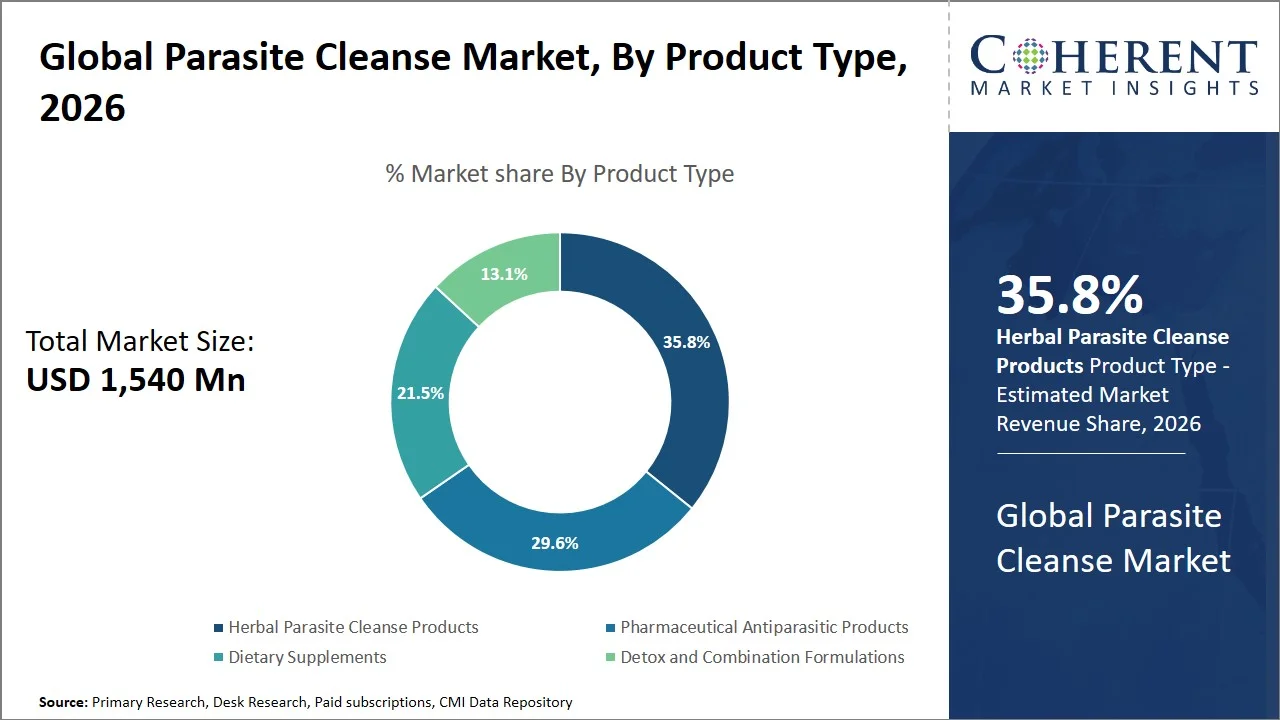
Why Do Herbal Parasite Cleanse Products Dominate the Global Parasite Cleanse Market?
Herbal parasite cleanse products are projected to hold a market share of 35.8% in 2026, owing to the increasing consumer preference for herbal remedies to control parasites and the growing commercialization of botanicals having proven antiparasitic and antimicrobial efficacy. Easy availability of herbal parasite cleanses in multiple product formats including capsules, tincture, powder and liquid extract is a key factor that allows manufacturers to cater to diverse consumer preferences and usage patterns.
In addition, ongoing research into botanical ingredients is driving the development of more advanced formulations with enhanced potency, standardized active compounds, and improved shelf stability. Furthermore, the continued expansion of the global herbal medicine industry, coupled with growing consumer preference for natural healthcare products, is providing additional momentum for market growth. For instance, the World Health Organization published its Traditional Medicine Strategy 2025-2034, aiming to promote the safe, effective and evidence-based use of traditional and herbal medicines, emphasizing their increasing prominence within national health care systems and the necessity for better integration, research, and quality assurance of botanicals on a global level. (Source: World Health Organization)
- Current Industry Events of 2026
- Market Size Estimation
- Regional Breakdown
- Competitive Landscape
- Customer Intelligence
- Segmental Analysis
- Pricing Analysis
- Key Market Drivers, Challenges & Future Trends
- Customized Insights Section
Why Does Intestinal Parasite Management Represent the Largest Application Segment in the Parasite Cleanse Market?
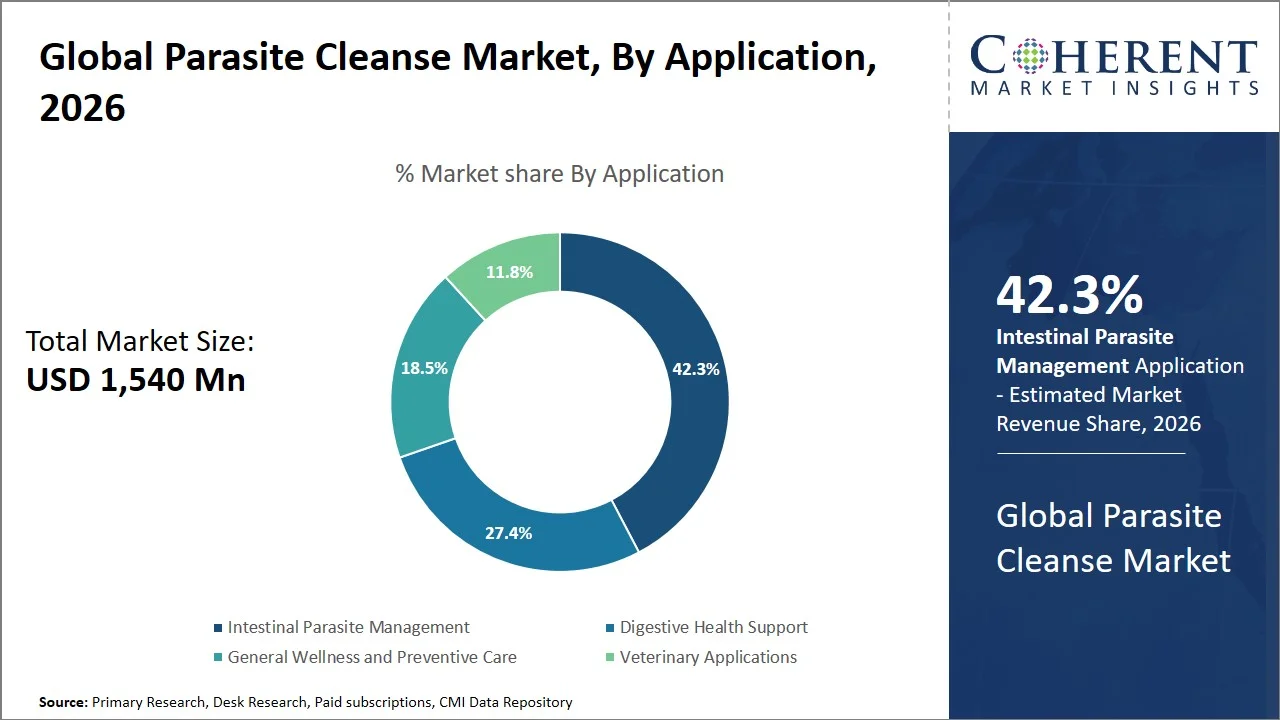
Intestinal parasite management is projected to hold a market share of 42.3% in 2026, driven by the continued prevalence of parasitic infections and growing consumer awareness of their impact on digestive health, nutrient absorption, and overall well-being. Increasing recognition of gastrointestinal symptoms associated with parasitic infections has encouraged greater adoption of parasite cleanse products and antiparasitic therapies, supporting the segment's dominant position in the market. Increased utilization of diagnostic screening approaches and access to healthcare services have led to early diagnosis and treatment of intestinal parasitic infestation. Growth in international tourism, rise in urbanized population, and population migration patterns, have enhanced exposure to parasites, boosting the application segment of intestinal parasite management.
Additionally, rising public health campaigns promoting sanitation and control of infectious diseases further strengthen the segment. For instance, the World Health Organization (WHO) and United Nations Children's Fund (UNICEF) collaborate to promote the Water, Sanitation and Hygiene (WASH) program aimed at reducing the incidence of intestinal parasitic infections by increasing the availability of safe drinking water, sanitation, and hygiene practices. (Source: World Health Organization)
Pharmacies and Drug Stores Segment Dominates the Global Parasite Cleanse Market
The pharmacies and drug stores segment is projected to hold a market share of 39.6% in 2026, driven by strong consumer trust, widespread accessibility, and the availability of professional guidance. Consumers often rely on pharmacists for recommendations when purchasing prescription antiparasitic medications as well as over-the-counter parasite cleanse products. The extensive presence of pharmacy chains and independent drug stores further enhances product availability, making these outlets a preferred distribution channel for parasite cleanse solutions. They also provide easy access to a wide range of healthcare products under regulatory framework. For instance, the International Pharmaceutical Federation (FIP) encourages the global development of community pharmacy services, enhancing access to medicines, screening and preventive care, and primary health care provision, thus strengthening pharmacies in their delivery of care. (Source: International Pharmaceutical Federation)
Currents Events and their Impact
Current Events | Description and its Impact |
Community Pharmacy Agreement 2025 Expands Pharmacy-Based Healthcare Services in Europe (September 2025) |
|
U.S. FDA Announces Human Foods Program 2026 Priority Deliverables (February 2026) |
|
(Source: Government of Ireland, Food and Drug Administration)
Parasite Cleanse Market Dynamics
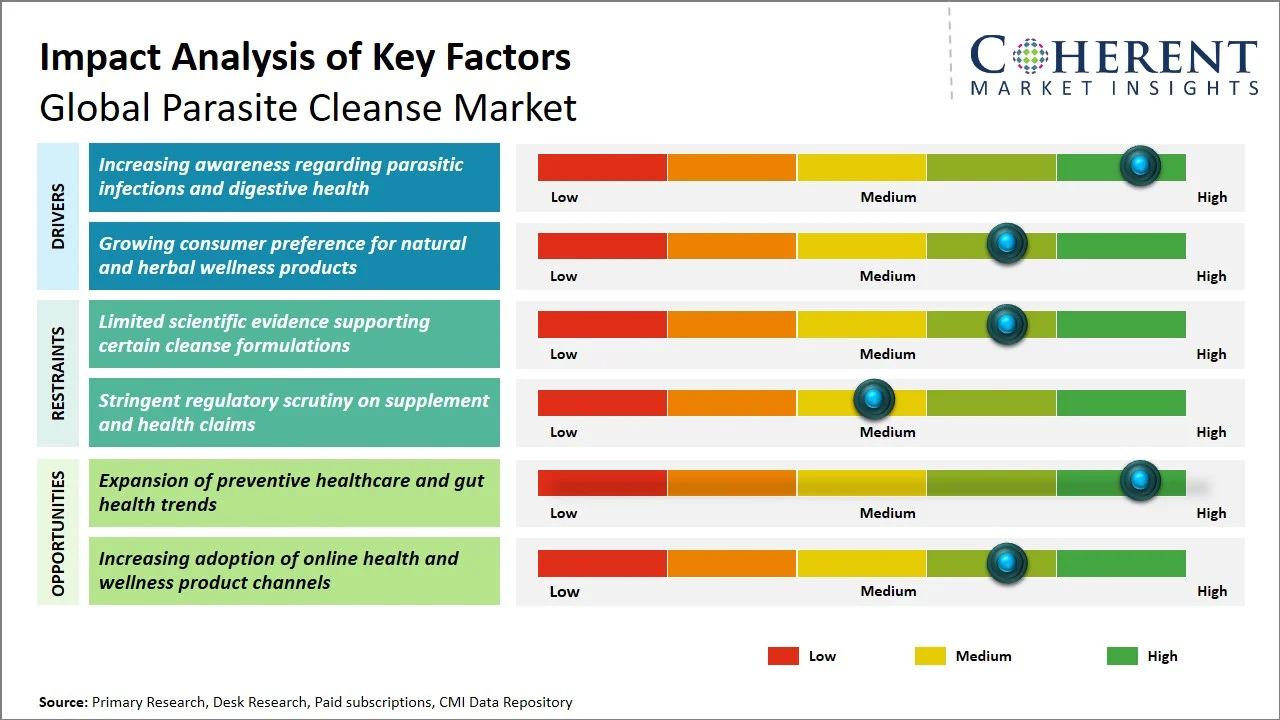
Market Drivers
- Increasing awareness regarding parasitic infections and digestive health: Increasing recognition of the link between parasitic infections and digestive health issues is contributing to the rising adoption of parasite cleanse products globally. As greater amounts of information regarding parasite transmission, symptoms, and other long-term health implications become more readily available through the guidance of healthcare professionals and the ease of online health resources, consumers are looking for preventative health solutions in parasite cleanse, and other related products. Increased international travel and outdoor recreation has augmented awareness of precautionary measures to prevent parasite transmission. Also, an increased interest in sustaining gut health and to uphold digestive functions is anticipated to promote the use of parasite cleanse formulations. For instance, the Centers for Disease Control and Prevention (CDC) continues to promote the Travel Health program, and offer advice on how to avoid parasitic and other infections while traveling, thus making the experience of parasite infection more acknowledged. (Source: Centers for Disease Control and Prevention)
- Growing consumer preference for natural and herbal wellness products: Consumers over the world are gravitating towards herbal formulation as a part of holistic wellness, preventive health measure, and concerns over synthetic ingredients and long-term disease management. Growing preference for clean label products, traceability of ingredient sourcing, and herbal based health products has buoyed market adoption. Increasing availability of herbal formulations through online and wellness specialty stores is further improving accessibility of products. For instance, according to the American Botanical Council (ABC) 2024 Herb Market Report, retail sales of herbal dietary supplements in the U.S. were valued at a record USD 13.23 billion in 2024-a rise of 5.4% over the previous year. The ongoing growth of the herbal supplement industry bears testament to the increasing confidence in herbal health and wellness products among consumers, and provides backing for the demand for herbal parasite cleanse products. (Source: American Botanical Council)
Emerging Trends
- Increasing Adoption of Multi-Ingredient Parasite Cleanse Formulations: To stay ahead of emerging parasite issues while consolidating their market positions, many manufacturers are developing sophisticated blends of antiparasitic herbs containing immune enhancing nutrients, digestive enzymes, and vitamins and minerals, all in one package. These one-stop-shop products fulfill consumer desire for well-rounded health and wellness benefits, and allow brands stand out.
- Rising Focus on Product Transparency and Clean-Label Ingredients: In their wellness product purchases, consumers are placing greater focus on the origin of ingredients, production processes, and product labeling. In response, manufacturers are beginning to highlight their use of non-GMO ingredients, third-party testing, organic labeling, and open supply chains to foster consumer trust and product usage.
Regional Insights
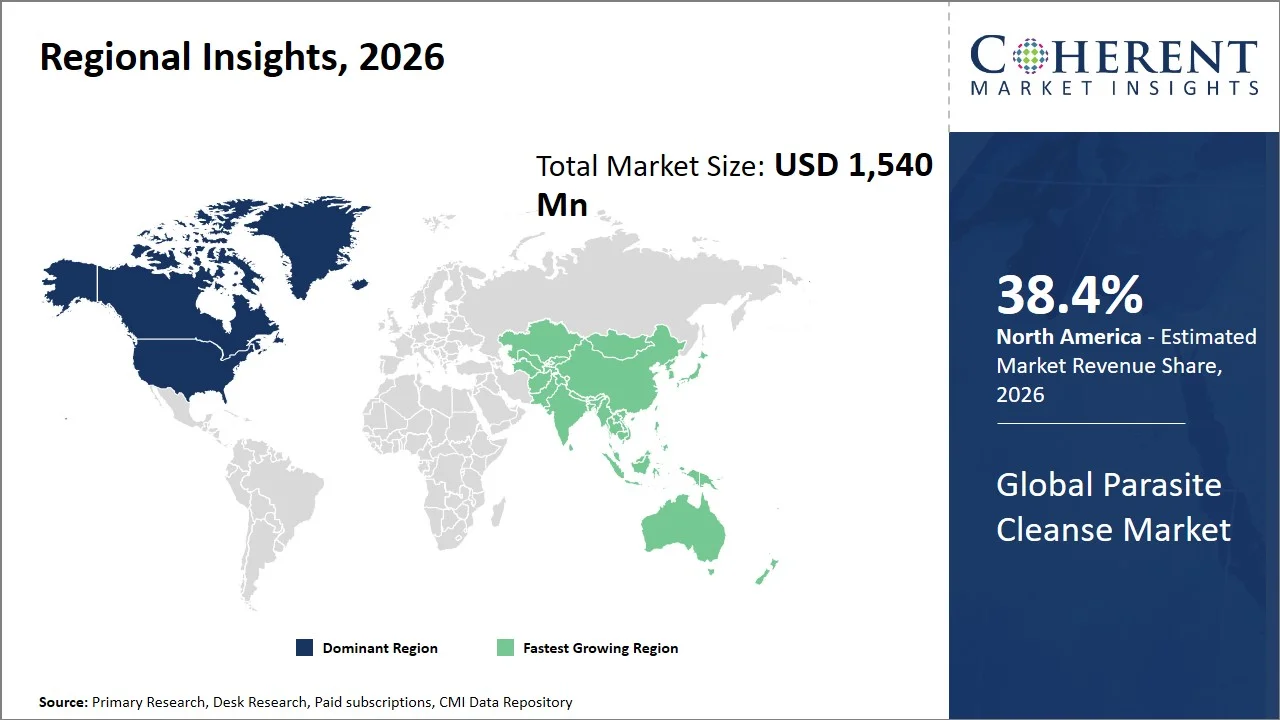
Why is North America a Strong Market for Parasite Cleanse?
North America leads the global parasite cleanse market, accounting for an estimated 38.4% share in 2026, due to its strong healthcare infrastructure, growing health awareness among customers about parasite infections and increasing usage of natural and organic health supplements. Furthermore, the existence of multiple market-leading firms such as Nature's Way, NOW Foods, and Gaia Herbs helps drive market growth with the launch of innovative product formulations and through widely spread distribution channels.
Additionally, government regulation under the U.S. FDA ensures that the products are of good quality and safety, thus increasing consumer trust. For instance, the U.S. Food and Drug Administration (FDA) has mandated dietary supplement manufacturers to follow Current Good Manufacturing Practices (CGMPs) under 21 CFR Part 117. These standard covers requirements concerning production, packaging, cleaning, hazard analysis, and quality assurance, making sure parasite cleanse and other dietary supplement products will be safely manufactured and consistently maintained. (Source: Food and Drug Administration) Moreover, the presence of a well-established supply chain and the convenience of conducting business under NAFTA/USMCA agreement contributes to North America's leading position.
Why Does the Asia Pacific Parasite Cleanse Market Exhibit High Growth?
The Asia Pacific parasite cleanse market is expected to exhibit the fastest growth with an estimated contribution of 25.8% share to the global market in 2026, due to the large population, growing emphasis of the consumers on digestive health and increasing popularity of herbal-based products. The escalating level of disposable incomes, as well as increasing health consciousness among the population, are making consumers more inclined towards proactive health remedies like parasite control products. The region also holds considerable benefits regarding cultural receptibility of indigenous systems of medicine, botanicals, etc. which inherently suit parasite cleanse formulas.
The proliferation of online and formal wellness stores are also increasing product accessibility in developed and developing parts of the world. For instance, Blackmores further diversified its digest health portfolio in the Asia Pacific region with products specifically designed for gastro-health, digestive balance and the whole of wellbeing. The portfolio expansion demonstrates the increasing demand from consumers in Asia Pacific for preventive digest health, and opens a window of opportunity for parasitic cleansing and other gastro-wellness products. (Source: Blackmores)
Global Parasite Cleanse Market Outlook for Key Countries
Why is the U.S. Leading Innovation and Adoption in the Parasite Cleanse Market?
The U.S. is at the forefront of innovation and adoption in the parasite cleanse market, supported by a well-established direct-to-consumer marketing ecosystem and widespread product availability through online retail platforms. Additionally, the country's nutraceutical industry is witnessing the launch of increasingly sophisticated herbal and botanical formulations designed to support parasite cleansing, digestive health, and overall wellness. They often contain standardized extracts and multiple ingredients in popular formats like liquid tinctures, capsules and gummies. While most of these supplements are promoted for their effectiveness for overall digestive health, clean labeling, the inclusion of organic components and specialized formulations are helping in establishing the leadership of the U.S. in the parasite cleanse market.
Is India a Favorable Market for Parasite Cleanse Market?
India is one of the most promising markets for the parasite cleanse market attributed to its large population, increased emphasis on digestion, and greater reliance on herbal/traditional therapies. India has an existing market for Ayurvedic and herbal products (such as Patanjali Divya Krimighna Vati, Himalaya Herbolax, Baidyanath Krimimudgar Ras, Dabur Nature Care Isabgol, and Zandu Pancharishta) which allows the producers to launch parasite cleanse formulations using herbs like neem, vidanga, garlic and clove. Rising urbanization and growing consumer tendency towards disease preventive therapy have led to an increase in the demand for digestive health and cleanse products. Also, e-commerce/organized wellness retailing in urban as well as Tier II cities facilitate the availability of these products.
Is China Emerging as a Key Growth Hub for the Parasite Cleanse Market?
China is positioned as a key growth hub in the global parasite cleanse market driven by the country’s robust background in traditional herbal medicines and consumer attention on digestive system health in the country. Formulations, combining traditional herbal elements and contemporary wellness philosophies, are gaining momentum and offer new avenue for a successful parasite cleanse product. Many domestic companies (such as Tong Ren Tang, Tasly Pharmaceutical, Yunnan Baiyao, Guangzhou Baiyunshan Pharmaceutical, and Jiangzhong Pharmaceutical) are entering and adding their product lines for a selection of herbal premium and functional health goods for the health-conscious consumers. Meanwhile, the expanding digital retail framework and health-centered on-line platforms have expedited exposure and purchase for consumers in the country.
Why Does Germany Top the European Parasite Cleanse Market?
Germany is the leader in the European market for parasite cleanse attributable to the country's advanced herbal medicine market and established popularity of phytotherapeutic products. With several large and medium-sized manufacturers providing botanicals, herbal medicines and other natural remedies, the market in Germany continues to evolve in its herbal formulation approaches. Numerous pharmacies, health stores and alternative therapy practitioners make herbal products widely available and preferred by users. Another fact that is also creating favorable environment for the sales of the parasite cleansing products is that herbal remedies are increasingly becoming a natural way to supplement overall wellness routines.
Is the Parasite Cleanse Market Developing in Brazil?
Brazil is emerging as a promising market for parasite cleanse products, driven by increasing consumer awareness of digestive health and growing interest in natural wellness solutions. Domestic companies and nutraceutical brands are catering to the consumer need for preventive care by introducing more botanical health products. Further, the increasing numbers of pharmacies, health stores, and e-commerce networks in urban and semi-urban areas are increasing accessibility of parasite cleanse products. For instance, in 2024, Brazilian Association of Pharmacy and Drugstore Chains (ABRAFARMA) reported that its pharmacy chain members, had more than 10,000 stores throughout Brazil, highlighting the diverse distributor channel network existing within the country. This geographically driven distribution is likely to enhance the accessibility of the product as a parasite cleanse. (Source: Abrafarma)
Regulatory Landscape Governing the Global Parasite Cleanse Market
Region
| Authority & Classification | Approval Pathway | Key Regulatory Insight |
North America | U.S. Food and Drug Administration (FDA); classified as Dietary Supplements (herbal products) or Drugs (pharmaceutical antiparasitics) | Dietary supplements are regulated under DSHEA with manufacturer responsibility for safety and labeling; pharmaceutical antiparasitics require FDA drug approval through NDA/ANDA pathways | Manufacturers must comply with Current Good Manufacturing Practices (cGMP), labeling regulations, and safety requirements. Disease-treatment claims can trigger drug classification and additional regulatory scrutiny. |
Europe | European Medicines Agency (EMA) and National Competent Authorities; classified as Herbal Medicinal Products, Traditional Herbal Medicinal Products, or Medicinal Products | Traditional herbal products may utilize the Traditional Herbal Medicinal Products Directive (THMPD) registration pathway, while pharmaceutical products require centralized or national marketing authorization | The region emphasizes product quality, safety, efficacy, and pharmacovigilance. Herbal products require documented traditional use and compliance with stringent quality standards. |
Asia Pacific | Country-specific authorities including NMPA (China), CDSCO (India), PMDA (Japan), and TGA (Australia) | Approval pathways vary by country depending on whether products are marketed as traditional medicines, dietary supplements, or pharmaceutical products | Regulatory frameworks increasingly focus on quality control, ingredient standardization, safety monitoring, and evidence-based evaluation of herbal products. |
Latin America | National regulatory authorities such as ANVISA (Brazil), COFEPRIS (Mexico), and INVIMA (Colombia) | Registration requirements differ by country and product classification as herbal medicine, dietary supplement, or pharmaceutical product | Governments are strengthening oversight of herbal health products through enhanced labeling, manufacturing, and safety requirements to improve consumer protection. |
Middle East & Africa | Regulatory authorities including SFDA (Saudi Arabia), MOHAP (UAE), SAHPRA (South Africa), and other national agencies | Products are generally registered as herbal medicines, dietary supplements, or pharmaceutical products depending on formulation and claims | Increasing regulatory harmonization and quality assurance measures are being implemented to improve product safety, import controls, and consumer confidence in herbal wellness products. |
How is the expansion of preventive healthcare and gut health trends creating new growth opportunities in the parasite cleanse market?
Increasing emphasis on preventative health and an amplified awareness of gut health have resulted in considerable opportunities for market expansion of the parasite cleanse market. Health-conscious consumers are progressively turning towards the consumption of preventative health products in their attempts to facilitate a balance of digestive system, absorption of nutrients and maintenance of a robust immune system as opposed to seeking remedy only after having been diagnosed with an illness.
This tendency has prompted an increase in the demand for parasite cleanse products for promoting digestive health and detoxifying the body. In line with this, several producers have launched their parasite cleansing product lines with added nutrients like probiotics, digestive enzymes and antiparasitic herbs. For instance, the International Scientific Association for Probiotics and Prebiotics (ISAPP) regularly releases consensus statements and clinical insights in support of the use of prebiotics and probiotics for digestive health, highlighting the rising scientific and consumer focus on digestive health benefits. (Source: International Scientific Association for Probiotics and Prebiotics
Market Players, Key Development, and Competitive Intelligence
Key Developments
- In September 2025, Remedy's Nutrition announced the launch of its Herbal Parasite Cleanse Formula. The new product offers a supplement derived from botanical sources designed to deliver the benefits of natural internal cleansing. The formula contains black walnut hulls, wormwood and garlic as natural ingredients that have traditionally been used to support digestive health. The launch demonstrates the increasing customer demand for plant-based parasite control and general wellness products based on gut health and detoxification.
- In January 2025, the European Medicines Agency (EMA) issued a positive scientific opinion on the use of ivermectin/albendazole combination therapy for treating parasitic worm infections, such as soil-transmitted helminth infections and lymphatic filariasis. Implementation of this recommendation is predicted to bolster global initiatives for the management of neglected tropical diseases by making available targeted therapy options for parasitic infections.
Competitive Landscape
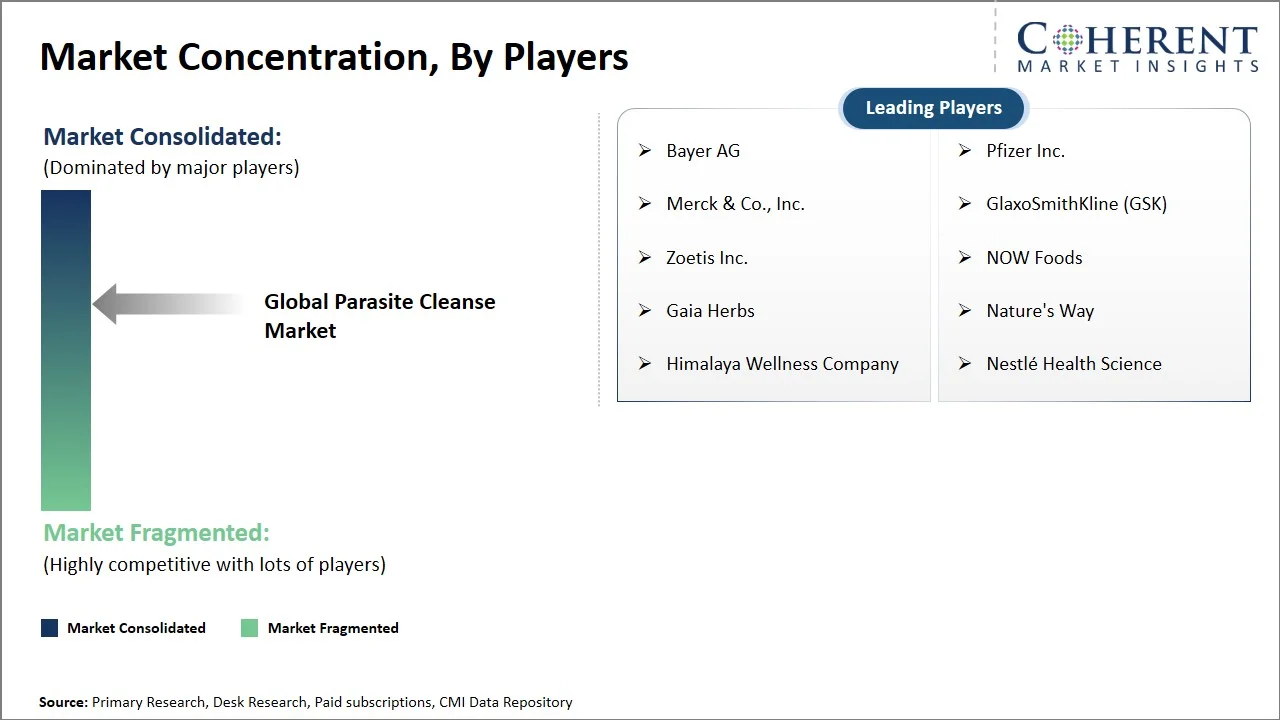
The global parasite cleanse market is moderately competitive, with players involved in herbal supplement manufacturing, nutraceutical manufacturing, traditional medicine provider and pharmaceutical players providing parasite cleansing solutions. Companies are competing by developing clean-label product variants with scientifically proven botanical ingredients and focusing on innovation to establish market dominance and garner consumer confidence. Companies are widening their footprint through strategic growth channels such as e-commerce, wellness retail as well as direct to consumer channels. Key focus areas include:
- Development of multi-ingredient herbal parasite cleanse formulations with digestive and immune health benefits
- Expansion of clean-label, organic, and plant-based product portfolios with transparent ingredient sourcing
- Strengthening online distribution networks and direct-to-consumer wellness platforms to improve market reach
- Investment in clinical validation, quality assurance, and standardized botanical extracts to enhance product credibility and regulatory compliance
Market Report Scope
Parasite Cleanse Market Report Coverage
| Report Coverage | Details | ||
|---|---|---|---|
| Base Year: | 2025 | Market Size in 2026: | USD 1,540 Mn |
| Historical Data for: | 2020 To 2024 | Forecast Period: | 2026 To 2033 |
| Forecast Period 2026 to 2033 CAGR: | 7.9% | 2033 Value Projection: | USD 2,620 Mn |
| Geographies covered: |
| ||
| Segments covered: |
| ||
| Companies covered: | Bayer AG, Pfizer Inc., Merck & Co., Inc., GlaxoSmithKline (GSK), Zoetis Inc., NOW Foods, Gaia Herbs, Nature's Way, Himalaya Wellness Company, and Nestlé Health Science | ||
| Growth Drivers: |
| ||
| Restraints & Challenges: |
| ||
Analyst Opinion (Expert Opinion)
- The future outlook for the global market for parasite cleanse products will likely be driven by the rising consumer focus on prevention-oriented health practices, nutrition for digestive health and natural health methods. Growing consciousness about parasitic diseases and comparatively greater consumption of herbal and plant extracts are expected to propel constant demand from major modern as well as developing countries. The industry will further be fueled by the ballooning of the e-commerce sector and increased sales of wellness items via digital health channels.
- The maximum opportunities will probably exist within intestinal parasite management applications, especially India, Indonesia, Philippines, Bangladesh and Vietnam due to high incidence of intestinal parasitical infections and improving healthcare awareness. On the other hand, herbal parasite cleanse products have the positive outlook in North America, driven by increasing health consciousness and natural new-age health trend.
- In order to obtain a competitive advantage, market participants should focus on researching and developing quality herbal products with culture-both quality assured herbal ingredients and clear labels. Firms should also reinforce their blue-sky shopping and online selling channels, give priority to doing consumer education on digestion health, grow the product range by adding synergy formula, which bag parasites, enhances well-being of the gut and supports heath of immune system into the portfolio.
Speak to the analyst
Want personalized insights?
Take the findings above to one of our principal consultants, or have the report rebuilt around the segments, geographies and competitors you actually track.
Market Segmentation
- Product Type Insights (Revenue, USD Mn, 2021 - 2033)
- Herbal Parasite Cleanse Products
- Pharmaceutical Antiparasitic Products
- Dietary Supplements
- Detox and Combination Formulations
- Application Insights (Revenue, USD Mn, 2021 - 2033)
- Intestinal Parasite Management
- Digestive Health Support
- General Wellness and Preventive Care
- Veterinary Applications
- Distribution Channel Insights (Revenue, USD Mn, 2021 - 2033)
- Pharmacies and Drug Stores
- Supermarkets and Hypermarkets
- Specialty Health Stores
- Online Retail
- Regional Insights (Revenue, USD Mn, 2021 - 2033)
- North America
- U.S.
- Canada
- Latin America
- Brazil
- Argentina
- Mexico
- Rest of Latin America
- Europe
- Germany
- U.K.
- Spain
- France
- Italy
- Russia
- Rest of Europe
- Asia Pacific
- China
- India
- Japan
- Australia
- South Korea
- ASEAN
- Rest of Asia Pacific
- Middle East
- GCC Countries
- Israel
- Rest of Middle East
- Africa
- South Africa
- North Africa
- Central Africa
- North America
- Key Players Insights
- Bayer AG
- Pfizer Inc.
- Merck & Co., Inc.
- GlaxoSmithKline (GSK)
- Zoetis Inc.
- NOW Foods
- Gaia Herbs
- Nature's Way
- Himalaya Wellness Company
- Nestle Health Science
Sources
Primary Research Interviews
- Herbal parasite cleanse product manufacturers and nutraceutical companies involved in the development of botanical parasite management formulations
- Clinical nutritionists, gastroenterologists, and integrative medicine practitioners specializing in digestive health and parasite management
- Dietary supplement distributors, pharmacy operators, and wellness retail channel managers
- Researchers and product development specialists evaluating botanical extracts, herbal efficacy, and digestive wellness ingredients
Stakeholders
- Parasite cleanse product manufacturers and nutraceutical ingredient suppliers
- End-use Sectors:
- Dietary supplement and natural wellness product companies
- Pharmacies, drug stores, and specialty health retailers
- E-commerce and direct-to-consumer wellness platforms
- Integrative medicine clinics and digestive health centers
- Health and wellness consumers focused on preventive healthcare
- Regulatory & Health Bodies: U.S. Food and Drug Administration (FDA) – dietary supplement regulations and labeling compliance, European Medicines Agency (EMA) – herbal medicinal product regulations, World Health Organization (WHO) – parasitic disease prevention initiatives, National Center for Complementary and Integrative Health (NCCIH) – herbal medicine research, Food Standards Australia New Zealand (FSANZ) – complementary medicine oversight
Databases
- WHO Global Health Observatory – parasitic disease prevalence and public health statistics
- CDC Travelers' Health & Parasitic Diseases Database – infection surveillance and prevention data
- World Bank Health Database – sanitation, healthcare access, and infectious disease indicators
- UN Comtrade Database – herbal supplement and nutraceutical trade statistics
- Global Burden of Disease (GBD) Database – intestinal parasitic infection prevalence and disease burden estimates
Magazines
- Nutraceuticals World – dietary supplement and herbal product industry trends
- Natural Products Insider – botanical ingredient and wellness market developments
- WholeFoods Magazine – natural health product innovations and retail trends
- Nutrition Business Journal (NBJ) – dietary supplement sales and consumer behavior insights
- HerbalGram – herbal medicine research and botanical market developments
Journals
- Journal of Ethnopharmacology
- Phytomedicine
- BMC Complementary Medicine and Therapies
- Frontiers in Pharmacology
- Journal of Dietary Supplements
- Parasites & Vectors
Newspapers
- Financial Times – healthcare and consumer wellness industry developments
- The Wall Street Journal – dietary supplement and consumer health trends
- The New York Times (Health Section) – preventive healthcare and wellness trends
Associations
- American Herbal Products Association (AHPA)
- Council for Responsible Nutrition (CRN)
- International Alliance of Dietary/Food Supplement Associations (IADSA)
- American Botanical Council (ABC)
- Consumer Healthcare Products Association (CHPA)
Public Domain Sources
- World Health Organization (WHO) – parasitic disease prevalence and control initiatives
- U.S. Food and Drug Administration (FDA) – dietary supplement regulations and safety guidance
- Centers for Disease Control and Prevention (CDC) – parasitic disease surveillance and prevention resources
- National Institutes of Health (NIH) Office of Dietary Supplements – supplement research and ingredient databases
- European Medicines Agency (EMA) – herbal medicinal product approvals and regulatory guidance
Proprietary Elements
- CMI Data Analytics Tool
- Proprietary CMI Existing Repository of information for last 10 years.
Get access to 250+ pages report
Every segment, forecast, competitor profile and data table behind the analysis above — available for instant download.
- ESOMAR Member
- ISO 9001:2015 Certified
- D-U-N-S Registered
- GDPR & CCPA Compliant
Missing comfort of reading report in your local language? Find your preferred language:
Transform your Strategy with Exclusive Trending Reports
Frequently Asked Questions
The global parasite cleanse market is estimated to be valued at USD 1,540 Mn in 2026 and is expected to reach USD 2,620 Mn by 2033.
Herbal parasite cleanse products dominate due to their widespread consumer acceptance, natural ingredient profiles, and growing popularity among individuals seeking holistic approaches to digestive wellness and parasite management.
The CAGR of the global parasite cleanse market is projected to be 7.9% from 2026 to 2033.
Increasing awareness regarding parasitic infections and digestive health, and growing consumer preference for natural and herbal wellness products are the major factors driving the growth of the global parasite cleanse market.
Limited scientific evidence supporting certain cleanse formulations, and stringent regulatory scrutiny on supplement and health claims are the major factors hampering the growth of the global parasite cleanse market.
Bayer AG, Pfizer Inc., Merck & Co., Inc., GlaxoSmithKline (GSK), Zoetis Inc., NOW Foods, Gaia Herbs, Nature's Way, Himalaya Wellness Company, and Nestlé Health Science are the major players.
North America is expected to lead the global parasite cleanse market in 2026.