
Flat 45% off this market research report
Nov 26 – 29 · Direct purchase only · Not applicable to customized reports

Global Rapid Sterility Testing Market Size and Forecast – 2026 To 2033
The global rapid sterility testing market is expected to grow from USD 1,465.0 Mn in 2026 to USD 2,745.0 Mn by 2033, registering a compound annual growth rate (CAGR) of 9.4% from 2026 to 2033. The global rapid sterility testing market is predicted to register moderate growth rate over the forecast period attributed to the rising demand for sterility assurance validation.
The U.S. Food and Drug Administration (FDA) reported, 61% of the drug shortages reported in 2023 were sterile injectable drugs, which underscores the fact that pharmaceutical manufacturers must continue to achieve high quality in the manufacturing process and reduce manufacturing delays. This situation is prompting manufacturers to move towards faster sterility testing.
Key Takeaways of the Global Rapid Sterility Testing Market
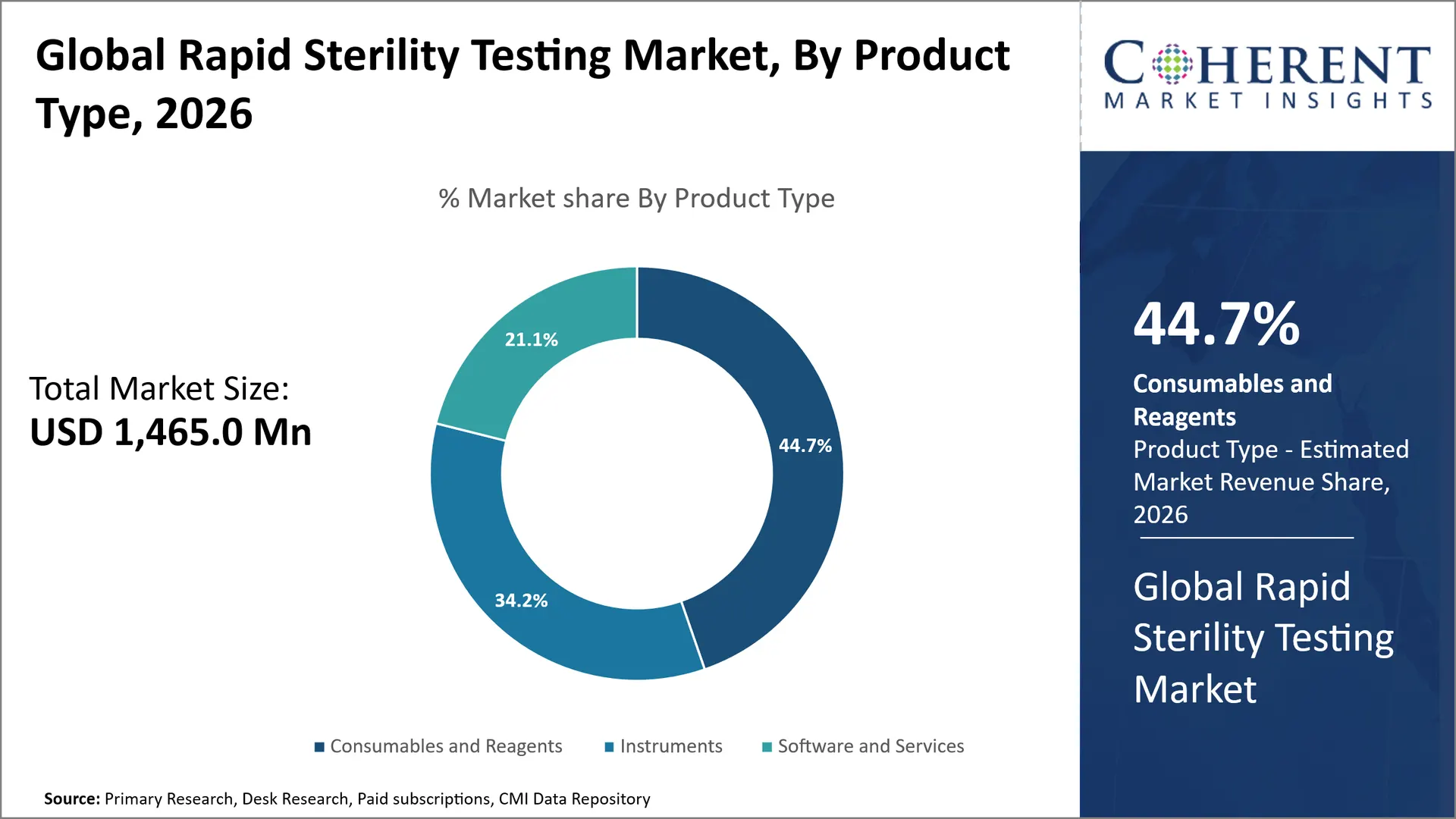
- Consumables and reagents are projected to hold 44.7% of the global rapid sterility testing market share in 2026, making it dominant product type segment. North America being a mature pharmaceutical manufacturing ecosystem with robust quality control has garnered the maximum demand for reagents and consumables. The FDA’s announcement in September 2026 of a CDER-sponsored research fellowship to study the ATP-bioluminescence technology for rapid sterility testing, including work on 10-12 bacteria, reinforces the growing importance of validating the rapid test platform and its supporting reagents.
- ATP bioluminescence is projected to hold 29.4% of the global rapid sterility testing market share in 2026, making it dominant technology segment. Europe presents high market potential for flexible bioluminescent testing solutions because of positive returns on investments into new and innovative pharmaceutical microbiology testing approaches. In February 2016, the UK government funding agency Innovate UK approved a USD 830,655 (£634,526) grant for the RaSTA (Rapid Sterility Testing Approach) project in which GSK partnered with Cell Therapy Catapult and LGC to develop a novel rapid sterility test that can generate an answer in less than an hour.
- Pharmaceutical products are projected to hold 36.8% of the global rapid sterility testing market share in 2026, making it dominant application segment. Asia-Pacific has the opportunity to grow on the back of increasing pharmaceutical manufacturing in the region and research into quicker detection of microbes. In May 2026, researchers in Japan published an ATP-bioluminescence-based approach to microbial contamination detection of cell-based medicinal products that takes 48 hours compared with 120 hours for the compendial method.
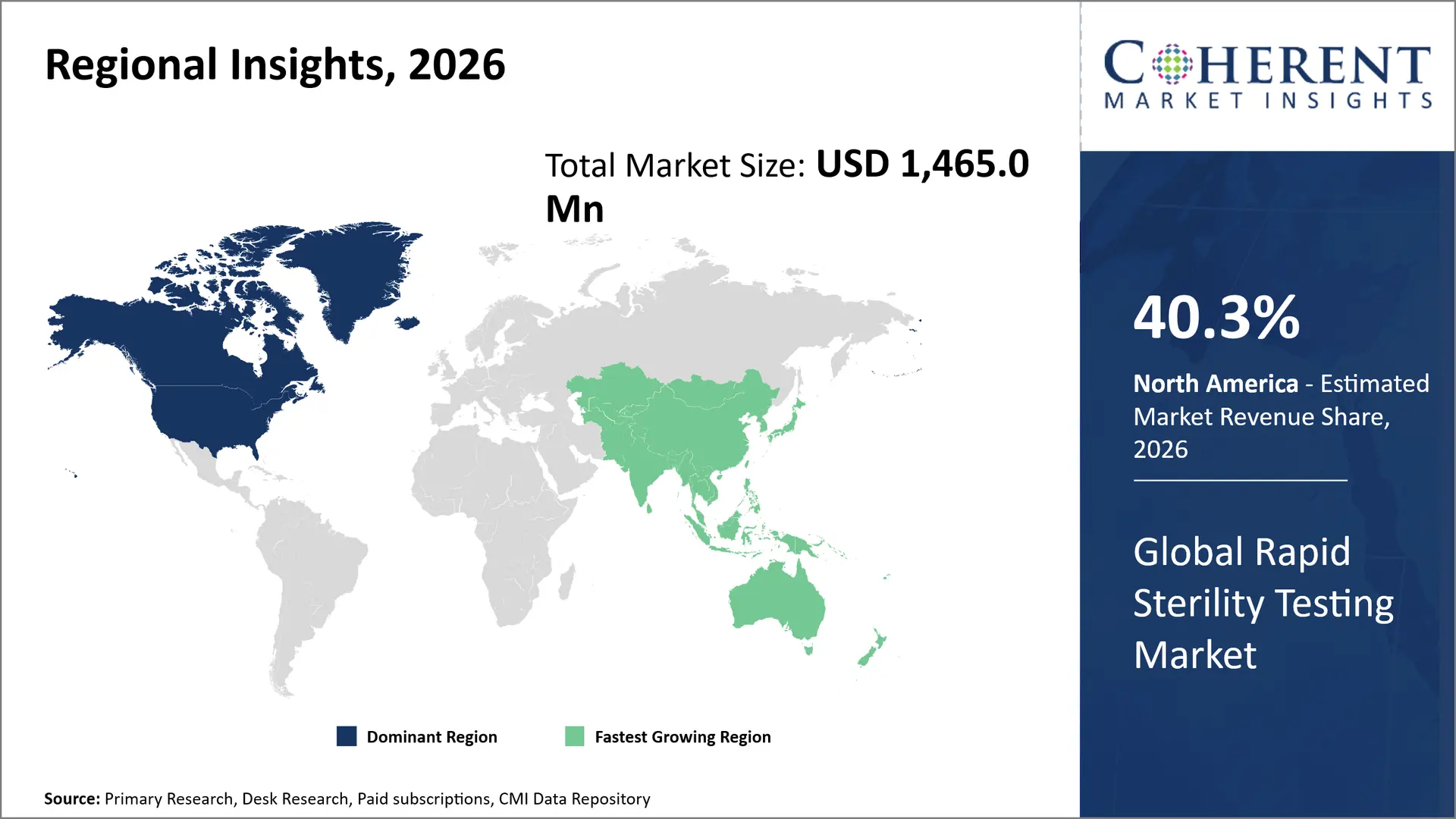
- North America market maintains dominance with an expected share of 40.3% in 2026, owing to the rising use of rapid sterility testing strategies driven by the presence of an established manufacturing base for pharmaceuticals and biotechnology products, advanced quality-control capabilities and infrastructure, and increasing adoption of rapid microbiological techniques. In August 2025, the USP came out with General Chapter 73, wherein an official compendial method for microbial detection based on ATP bioluminescence was described.
- Asia Pacific is expected to exhibit the fastest growth in the global rapid sterility testing market, registering an estimated CAGR of 14.2% during 2026–2033. This growth can be attributed to the growing biopharmaceutical manufacturing industry, government encouragement for industry development and rising investment in biologics manufacturing. In February 2026, the Government of India announced Biopharma SHAKTI with USD 1.08 billion (INR 10,000 crore) over 5 years to boost domestic biologics and biosimilars manufacturing industry and emerging Indian biopharma global capabilities.
Segmental Insights
Why Do Consumables and Reagents Dominate the Global Rapid Sterility Testing Market?
Consumables and reagents are projected to hold the market share of 44.7% in 2026, as demand for media, membrane filters, kits and custom reagents for rapid microbial testing continues to grow. The trend of increased biopharmaceuticals manufacturing and relative use of ATP bioluminescence and PCR-based approaches will continue to drive demand for compatibility-ready consumables. For instance, according to the World Health Organization (WHO) GMP guidance for sterile pharmaceutical products, the culture media used for growth-promotion test should be checked with specific microorganisms to verify that they are suitable for the microbiological test.
- Current Industry Events of 2026
- Market Size Estimation
- Regional Breakdown
- Competitive Landscape
- Customer Intelligence
- Segmental Analysis
- Pricing Analysis
- Key Market Drivers, Challenges & Future Trends
- Customized Insights Section
Why Do ATP Bioluminescence Represent the Largest Technology Segment in the Rapid Sterility Testing Market?
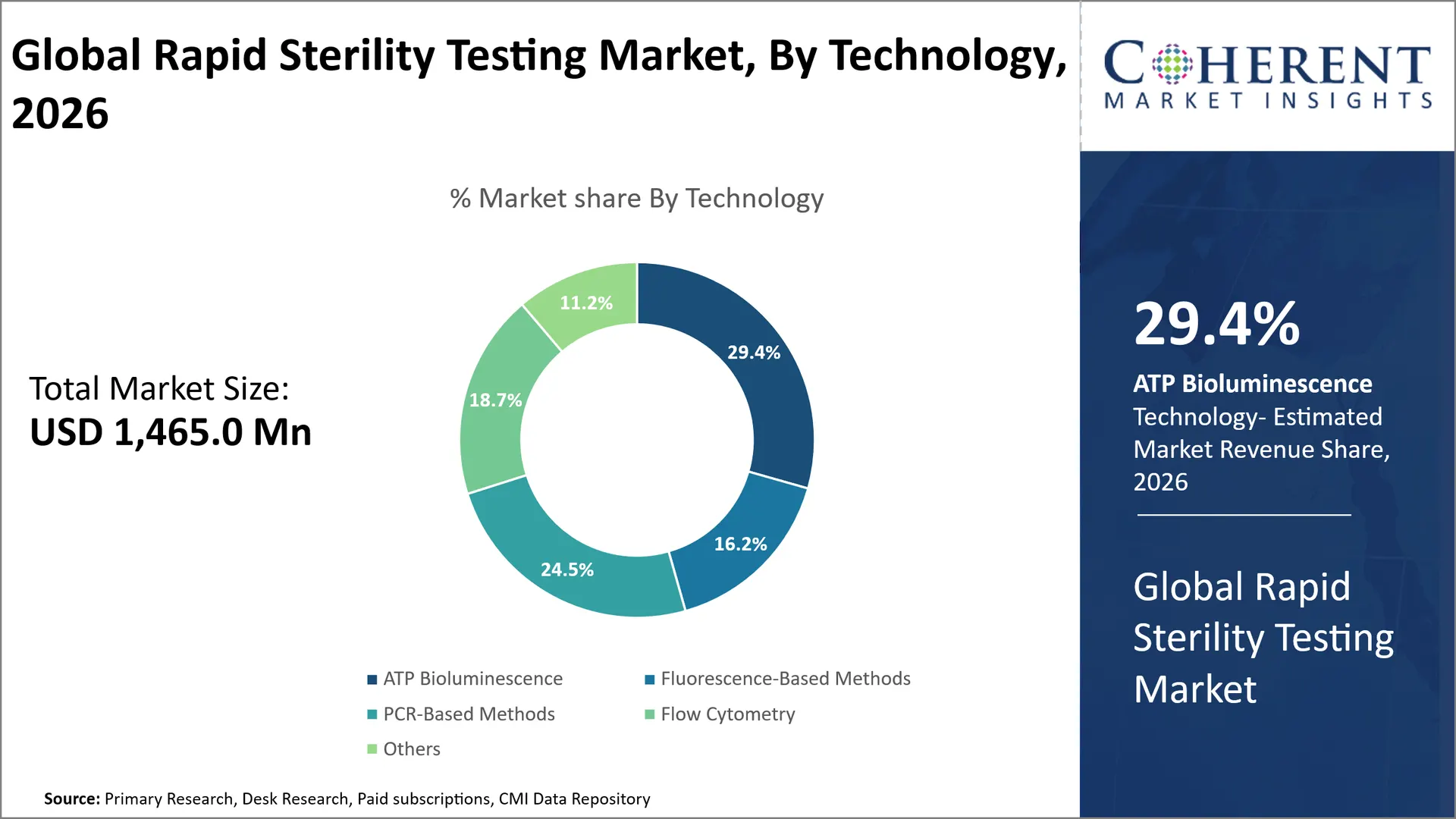
ATP bioluminescence is projected to hold a market share of 29.4% in 2026, owing to its fast microbial detection, sensitivity, and applicability for pharmaceutical QC. Its application for a reduced testing time over traditional culture-based microbiology tests in biologics and other short-lifespan cell-based products is expected to give it an edge. For instance, in May 2026, a research study published by the Springer Nature, reported that microbial contamination detection was observed at 48 hours with an ATP bioluminescence-based method for cell-based medicinal products compared to 120 hours with the compendial method.
Pharmaceutical Products Segment Dominates the Global Rapid Sterility Testing Market
The pharmaceutical products segment is projected to hold a market share of 36.8% in 2026, attributed to the rising demand for injectable drugs, parenteral formulations, and biologics where the stringent sterility requirements due to the risk of microbial contamination to patient safety, have been found to be very high. The increasing production of pharmaceuticals and the need for strict batch-release testing are driving companies to switch to more rapid and sensitive sterility testing. For instance, in March 2026, India’s Ministry of Health and Family Welfare reported that the number of samples of drugs tested in the last five years had risen by 500,000, and announced a further USD 117.4 million (INR 756 crore) of funds from the central government to increase the number of drug-testing labs and thus improve the infrastructure for drug quality control. (Source: Press Information Bureau)
Current Events and their Impact
Current Events | Description and its Impact |
European Commission Introduces Updated GMP Requirements for Sterile Veterinary Medicines (October 2025) |
|
NIST Publishes Report on Rapid Microbial Testing for Advanced Therapy Products (September 2025) |
|
Rapid Sterility Testing Market Dynamics
Market Drivers
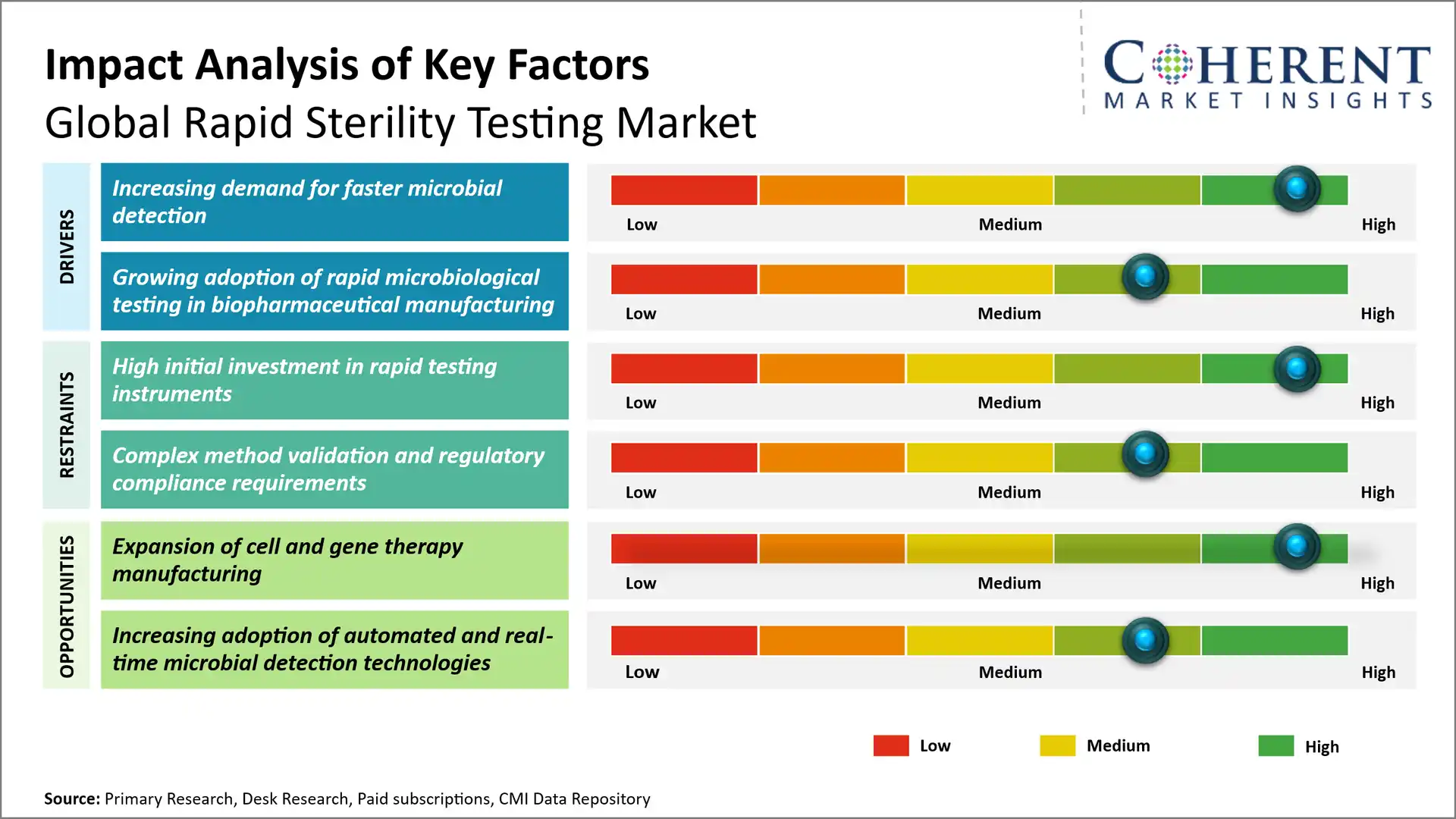
- Increasing demand for faster microbial detection: Growing demand for quicker microbe detection process are accelerating adoption of rapid sterility testing as traditional sterility testing methods can take up to 14 days for the results to be given for the release of a batch of pharmaceuticals. The use of faster detection technology can cut down the timeframe of quality-control decisions, decreases the length of time pharmaceuticals need to be held, and result in more efficient manufacturing. In August 2026, researchers reported in Journal of Pharmaceutical Innovation that time-to-detection was cut from 43 hours to 19 hours at a 100 CFU inoculum by using isothermal microcalorimetry.
- Growing adoption of rapid microbiological testing in biopharmaceutical manufacturing: Increased implementation of rapid microbiological testing in biopharmaceutical manufacturing, owing to intensifying manufacture of biologics, vaccines and advanced therapies requiring assured microbial detection in shorter timescales, is another major factor encouraging manufacturing companies to adopt rapid methods. These techniques enable manufacturers to devise better contamination control strategies and to accelerate production schedules by removing delays associated with traditional sterility testing. In November 2026, India’s Ministry of Health and Family Welfare released draft amendments to Schedule M to align the microbial monitoring requirements in cleanrooms to Grade A with WHO recommendations.
- Increasing regulatory support for alternative microbiological methods: Growing acknowledgement of alternative microbiological techniques by regulators is motivating drug makers to explore rapid sterility testing technologies as options to traditional culture-based methodologies. The expanded regulatory acceptance will facilitate more extensive use, providing a basis for method validation, the ability to detect microbes and the quality of the resulting data. The US FDA's new standard 21 CFR 610.12 updated in April 2025, addressed validation, verification and selection of test controls for non-culture-based methods.
Emerging Trends
- Integration of automation and real-time microbial detection: Automated detection systems are being integrated into rapid sterility testing platforms, decreasing the level of user interaction and enhancing the reproducibility of testing.
- Impact: This would lead to increased throughput in the laboratory, reduced human error, and increased rate of contamination monitoring.
- Market Relevance: The trend is bolstering the growing appeal of automated ATP bioluminescence, flow cytometry, and integrated rapid testing instruments.
- Growing adoption of rapid testing in cell and gene therapy manufacturing: Manufacturers are beginning to explore this technology as a way to meet the dual challenges of short shelf life and challenging manufacturing processes for cell and gene therapies.
- Impact: Faster contamination detection helps with quicker batch release and decreases risk of drug wastage.
- Market Relevance: This provides an increasing opportunity for innovative rapid sterility testing solutions for advanced therapy medicinal products and personalized medicines.
Regional Insights
Why is North America a Strong Market for Rapid Sterility Testing?
North America leads the global rapid sterility testing market, accounting for an estimated 40.3% share in 2026, because of the enormous pharmaceutical & biotechnology industries, sophisticated healthcare system and high-quality control standards by FDA in the region. Additionally, rising investments in research & development by government and private sector are helping boost the innovation in rapid sterilization testing technology like advanced microbiological methods and automated microbial detection.
For instance, in October 2025, the U.S. National Science Foundation (NSF) granted a USD 304,972 Phase I SBIR for research into inline monitoring of particulate matter and microbial contamination during continuous manufacturing of pharmaceuticals. This project aims at combining automated, real-time detection technology to improve the sterility assurance of injectable pharmaceuticals manufacturing. (Source: Innovation Development Institute, LLC) Furthermore, the regions’ mature pharmaceutical supply chain also contributes significantly to strengthen its global leadership.
Why Does Asia Pacific Rapid Sterility Testing Market Exhibit High Growth?
Asia Pacific is expected to exhibit the fastest growth in the global rapid sterility testing market, registering an estimated CAGR of 14.2% during 2026–2033. The region is projected to account for 24.8% of the global market in 2026, owing to rise in pharmaceutical manufacturing and R&D activities for biopharmaceuticals. Countries such as China, India, and South Korea have been emphasizing biotechnology and advanced medical technology development. This in turn has seen uptake of rapid sterility testing technologies to shorten time to market while ensuring product quality.
For instance, in 2023, the Ministry of Health and Family Welfare’s National Institute of Biologicals (NIB) in India announced that it had begun research into rapid microbial testing methods based on ATP bioluminescence, which will enable faster detection of bacterial contamination and determination of impurities in pharmaceuticals compared to traditional methods. The initiative highlights India's efforts to develop and evaluate rapid microbiological methods for sterility testing.
Global Rapid Sterility Testing Market Outlook for Key Countries
Why is the U.S. Leading Innovation and Adoption in the Rapid Sterility Testing Market?
The U.S. is dominating the rapid sterility testing market because of its extensive pharmaceutical and biotechnology manufacturing industry, especially for sterile injectables, biologics, and cell and gene therapy products. The adoption of technologically advanced microbiological applications, such as ATP bioluminescence, PCR-based detection, and automated microbial detection help in rapid contamination detection. Furthermore, the presence of a large demand for reducing batch-release time and robust pharma quality-control industry contributes to the rapid sterility testing market growth.
Is Japan a Favorable Market for Rapid Sterility Testing Market?
Japan is an attractive market for rapid sterility testing with a healthy pharmaceutical and biotech manufacturing ecosystem, increasing cell and gene therapy pipeline, and a need for faster quality-control testing, overall. Due to the short shelf life of cell therapies, the impact of shortening the 14-day test schedule of conventional sterility test methods is top-of-mind, providing significant opportunities for ATP bioluminescence, PCR-based methods, and automated microbial detection platforms.
Is China Emerging as a Key Growth Hub for the Rapid Sterility Testing Market?
China is likely to be an important growth center for the rapid sterility testing market owing to growing pharmaceutical manufacturing, as well as biologics production and the creation of cell and gene therapies. Rising demand for sterile injectable products and reduced time between manufacturing and release is encouraging pharmaceutical companies, and contract development and manufacturing organizations (CDMOs) to boost monitoring of microbial contamination and ATP bioluminescence detection, PCR detection and automated rapid sterility testing.
Why Does Germany Top the European Rapid Sterility Testing Market?
Germany is the dominant country within the European rapid sterility testing market owing to its robust pharmaceutical manufacturing sector and mature biopharmaceutical market. The country generated USD 74.4 billion (EUR 67.9 billion) in sales from the pharmaceutical sector in 2025 while the biopharmaceuticals generated USD 25.3 billion (EUR 23.1 billion) of sales in 2024. The presence of a sizable biologics manufacturing industry, high pharmaceutical R&D spending and dense biotechnology presence contributes to strong demand for these products.
Is Rapid Sterility Testing Market Developing in India?
India emerges as potential market for rapid sterility testing driven by the country’s growing sterile pharma manufacturing base along with increasing regulatory emphasis on controlling microbial contamination leading to rise in demand for sterile products and hence demand for sterility assurance testing. Furthermore, growing market for parenteral products, vaccines and biologics is fueling demand for rapid microbiology methods in India as more companies start using such validated methods to shorten the testing process.
Comparison of Rapid Sterility Testing Technologies
Technology | Detection principle | Typical testing application | Key advantage |
ATP Bioluminescence | Detects ATP released by viable microorganisms | Pharmaceutical products and short-shelf-life biologics | Rapid microbial detection |
PCR-Based Methods | Detects microbial DNA or RNA | Biologics and cell and gene therapies | High analytical sensitivity |
Flow Cytometry | Detects and quantifies microbial cells using optical signals | Pharmaceutical products and process samples | Rapid cell detection and enumeration |
Fluorescence-Based Methods | Uses fluorescent markers to identify microbial activity | Sterile manufacturing and contamination monitoring | Sensitive microbial detection |
Growth-Based Rapid Methods | Detects microbial growth through automated monitoring | Sterility testing of pharmaceutical products | Earlier detection than conventional visual culture methods |
How is the growing adoption of smart insoles in rehabilitation and fall risk assessment creating new growth opportunities in the Rapid Sterility Testing market?
As the cell and gene therapy production industry continues to grow, there is a demand for rapid sterility testing solutions due to the limited shelf lives of cell and gene therapies and the need to meet timeframes that are not always possible to meet with a traditional 14-day sterility test. Cell and gene therapy manufacturers need sensitive microbial detection methods with appropriate reference materials and validation options to be used for safe cell and gene therapy products. For instance, in March 2026, the U.S. National Institute of Standards and Technology (NIST) issued a technical study describing microbial whole cell reference material standards for validation and implementation of new microbial testing methods for advanced therapy products such as cell and gene therapy.
Market Players, Key Development, and Competitive Landscape
Key Developments
- On November 2, 2026, NOVA Biologicals announced the addition of USP Rapid Sterility Testing to its GMP pharmaceutical microbiology services. The automated system continuously monitors microbial growth and can deliver results in approximately 3–7 days for eligible products, compared with the 14-day period typically required under USP. The capability supports pharmaceutical and biopharmaceutical manufacturers, particularly those handling sterile products and short-shelf-life formulations.
- In March 2025, Nelson Laboratories, LLC announced the availability of rapid sterility testing at three of its labs in the U.S, and Europe. The new testing technology and related testing solutions will use rapid microbiological methods (RMMs) to accelerate sterile product release. Depending on product specific validation, the new testing approach reduces the time for a sterility test to as little as six days compared to traditional methods that require 14 days of incubation and can now offer solutions for pharmaceutical products and medical devices as well as rapid and automated sterile product releases.
Competitive Landscape
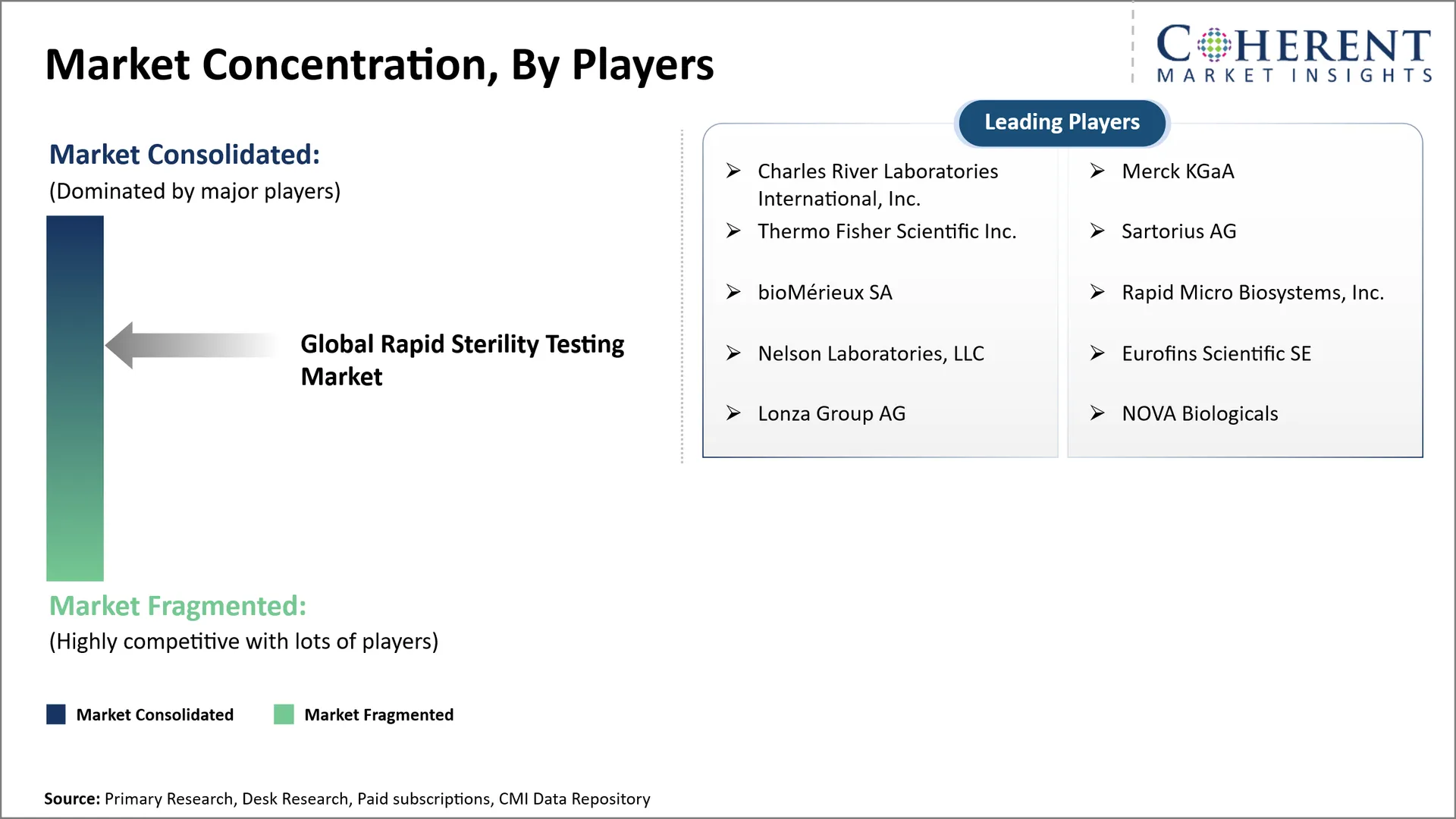
The global rapid sterility testing market is a competitive market with the presence of several players such as the different established life science and pharmaceutical testing firms and other market specialist rapid microbiological testing firms. Competition is a function of the sensitivity of detection, test times, the extent of method validation, the level of automation and compliance with regulatory standards, and the applicability to different pharmaceutical and biopharmaceutical products. Some market players are developing rapid sterility testing systems for drug injection, biologics, cell and gene therapies, and medical devices. Key focus areas include:
- Development of novel ATP bioluminescence, PCR based, fluorescence based, and flow cytometry-based technologies for rapid detection of microbes.
- Automated microbial detection systems to remove the need for manual sample processing and provide more accurate testing and higher laboratory throughput.
- Augmented portfolio of consumables and reagents ranging from specialized media, membrane filters and assay kits to detection reagents.
- Provide rapid sterility testing solutions that are fit for use with biologics, cell and gene therapies, and other products with a short shelf life.
- Increase method validation capabilities to prove equivalence, sensitivity, and reliability compared with traditional sterility testing methods used for compendial sterility testing.
- Implementation of digital data acquisition, automation and on-line monitoring to support improved traceability and GMP compliance.
- Establish strategic relationships with pharma manufacturers, CDMOs and research institutions. To scale testing capacity. To accelerate market penetration.
Market Report Scope
Rapid Sterility Testing Market | |||
Report Coverage | Details | ||
Base Year | 2025 | Market Size in 2026: | USD 1,465.0 Mn |
Historical Data For: | 2020 To 2024 | Forecast Period: | 2026 To 2033 |
Forecast Period 2026 To 2033 CAGR: | 9.4% | 2033 Value Projection: | USD 2,745.0 Mn |
Geographies covered: |
| ||
Segments covered: |
| ||
Companies covered: | Charles River Laboratories International, Inc., Merck KGaA, Thermo Fisher Scientific Inc., Sartorius AG, bioMérieux SA, Rapid Micro Biosystems, Inc., Nelson Laboratories, LLC, Eurofins Scientific SE, Lonza Group AG, NOVA Biologicals | ||
Growth Drivers: |
| ||
Restraints & Challenges: |
| ||
Analyst Opinion (Expert Opinion)
- The global rapid sterility testing market will evolve from traditional culture-based techniques to automated, technology-enabled microbial detection systems that will influence the growth of rapid sterility testing as the industry, driven by manufacturers, focuses on more rapid testing and dependable contaminant detection. Increasing biologics, cell and gene therapy and personalized medicines production will drive rapid sterility testing throughout the pharmaceutical manufacturing process.
- The most significant potential lies in ATP bioluminescence-based testing for cell and gene therapy manufacturing in the U.S. Cell and gene therapy manufacturing requires fast microbial detection to deal with short shelf lives and tight manufacturing schedules. Suppliers with high sensitivity, product compatible solutions that enable faster batch release can fill this unmet manufacturing need.
- In order to gain a competitive advantage market players should focus on the development of rapid testing platforms that can deliver high microbial detection sensitivity with shortened turnaround times and across a broad range of dosage forms. Enhancing product differentiation through investment in automated workflows, bespoke reagents, and validation potential, for complex biologics and advanced therapies will help. Development of partnerships with CDMOs, biopharma manufacturers and pharma quality control labs will help support adoption.
Speak to the analyst
Want personalized insights?
Take the findings above to one of our principal consultants, or have the report rebuilt around the segments, geographies and competitors you actually track.
Market Segmentation
- Product Type Insights (Revenue, USD Mn, 2021 - 2033)
- Instruments
- Consumables and Reagents
- Software and Services
- Technology Insights (Revenue, USD Mn, 2021 - 2033)
- ATP Bioluminescence
- Fluorescence-Based Methods
- PCR-Based Methods
- Flow Cytometry
- Others
- Application Insights (Revenue, USD Mn, 2021 - 2033)
- Pharmaceutical Products
- Biologics and Cell and Gene Therapies
- Medical Devices
- Others
- End User Insights (Revenue, USD Mn, 2021 - 2033)
- Pharmaceutical and Biotechnology Companies
- Contract Development and Manufacturing Organizations (CDMOs)
- Hospitals and Diagnostic Laboratories
- Academic and Research Institutions
- Others
- Regional Insights (Revenue, USD Mn, 2021 - 2033)
- North America
- U.S.
- Canada
- Latin America
- Brazil
- Argentina
- Mexico
- Rest of Latin America
- Europe
- Germany
- U.K.
- Spain
- France
- Italy
- Russia
- Rest of Europe
- Asia Pacific
- China
- India
- Japan
- Australia
- South Korea
- ASEAN
- Rest of Asia Pacific
- Middle East
- GCC Countries
- Israel
- Rest of Middle East
- Africa
- South Africa
- North Africa
- Central Africa
- North America
- Key Players Insights
- Charles River Laboratories International, Inc.
- Merck KGaA
- Thermo Fisher Scientific Inc.
- Sartorius AG
- bioMérieux SA
- Rapid Micro Biosystems, Inc.
- Nelson Laboratories, LLC
- Eurofins Scientific SE
- Lonza Group AG
- NOVA Biologicals
Sources
Primary Research Interviews
- Pharmaceutical Quality Assurance Specialists
- Pharmaceutical Microbiology Experts
- Sterility Testing Laboratory Specialists
- Biopharmaceutical Manufacturing Experts
Stakeholders
- Pharmaceutical and Biotechnology Manufacturers
- Contract Development and Manufacturing Organizations (CDMOs)
- Contract Sterility Testing Laboratories
- Cell and Gene Therapy Developers
- End-use Sectors
- Pharmaceutical Products
- Biologics and Cell & Gene Therapies
- Medical Devices
- Research and Development Laboratories
- Regulatory & Health Bodies
- U.S. Food and Drug Administration (FDA)
- United States Pharmacopeia (USP)
- Central Drugs Standard Control Organization (CDSCO)
- World Health Organization (WHO)
Databases
- ClinicalTrials.gov
- NIH Research Portfolio Online Reporting Tools (RePORTER)
- U.S. National Library of Medicine
- NIST Publications Database
Public Domain Sources
- U.S. Department of Health and Human Services
- National Institute of Standards and Technology (NIST)
- European Commission
- Ministry of Health and Family Welfare, Government of India
Proprietary Elements
- CMI Data Analytics Tool, Proprietary CMI Existing Repository of information for last 10 years.
Get access to 250+ pages report
Every segment, forecast, competitor profile and data table behind the analysis above — available for instant download.
- ESOMAR Member
- ISO 9001:2015 Certified
- D-U-N-S Registered
- GDPR & CCPA Compliant
Frequently Asked Questions
The global rapid sterility testing market is estimated to be valued at USD 1,465.0 Mn in 2026 and is expected to reach USD 2,745.0 Mn by 2033.
Consumables and reagents dominate due to ongoing need for culture media, testing kits, membrane filters and specialized reagents used for routine microbial testing.
Rapid sterility testing employs innovative microbiological techniques to identify microbial contamination of pharmaceutical products in a shorter period than traditional sterility testing.
The CAGR of global rapid sterility testing market is projected to be 9.4% from 2026 to 2033.
Increasing demand for faster microbial detection, and growing adoption of rapid microbiological testing in biopharmaceutical manufacturing are the major factors driving the growth of the global rapid sterility testing market.
High initial investment in rapid testing instruments, and complex method validation and regulatory compliance requirements are the major factors hampering the growth of the global rapid sterility testing market.
In terms of application, pharmaceutical products are estimated to dominate the market revenue share in 2026.