

Global Retinal Vein Occlusion Market Size and Forecast – 2026 To 2033
The global retinal vein occlusion market is expected to grow from USD 2.96 Bn in 2026 to USD 4.71 Bn by 2033, registering a compound annual growth rate (CAGR) of 6.9% from 2026 to 2033. The market for global retinal vein occlusion is poised for significant expansion, fueled by the soaring burden of diabetes hypertension, and other vascular disorders that increase the risk of retinal vein occlusion.
According to the International Diabetes Federation, approximately 589 million adults (20-79 years) were living with diabetes in 2024, while the total number of people living with diabetes is projected to rise to 853 million by 2050, highlighting a rapidly expanding at-risk population for retinal vascular complications and reinforcing the long-term demand for retinal vein occlusion diagnostics and therapies.
(Source: International Diabetes Federation)
Key Takeaways of the Global Retinal Vein Occlusion Market
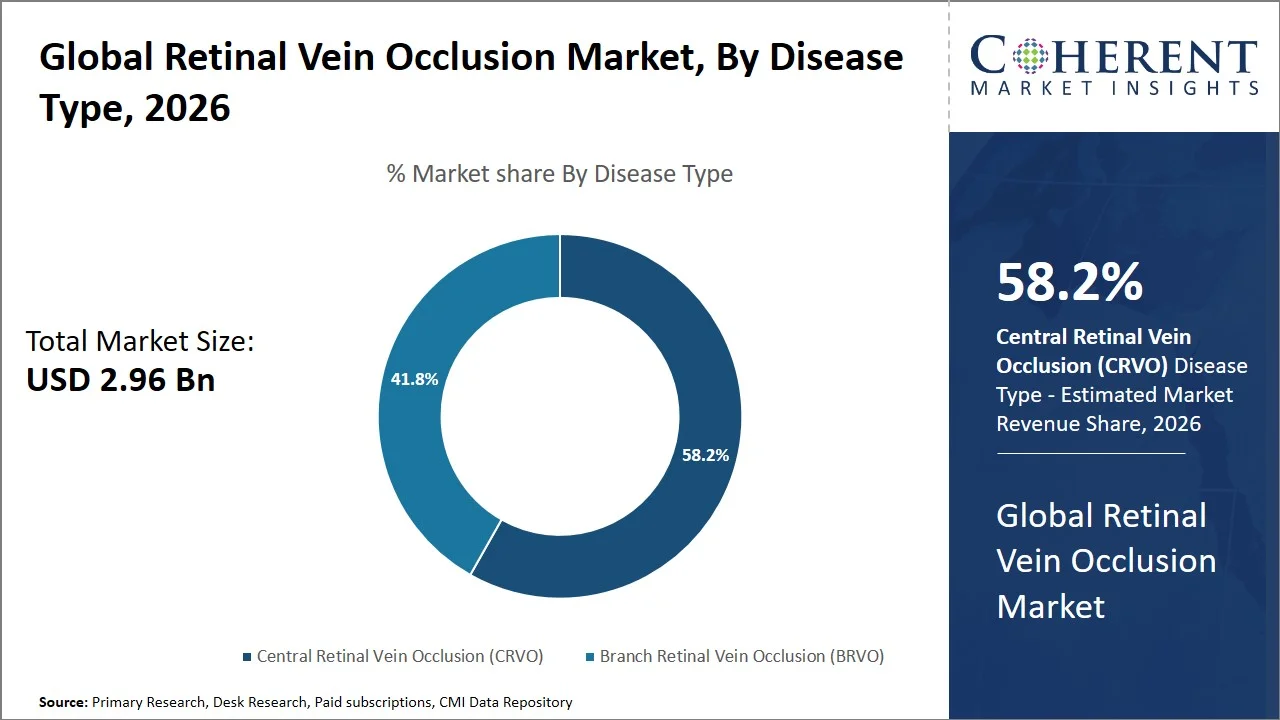
- Central Retinal Vein Occlusion (CRVO) is projected to hold 58.2 % of the global retinal vein occlusion market share in 2026, making it the dominant disease type segment across North America due to the high prevalence of diabetes and cardiovascular disorders, widespread retinal screening, and favorable reimbursement for intravitreal therapies. For instance, the U.S. Centers for Medicare & Medicaid Services (CMS) continues to provide reimbursement coverage for intravitreal anti-VEGF injections and retinal imaging procedures, supporting broad patient access to RVO diagnosis and treatment across hospitals and ophthalmology clinics.
- Anti-VEGF therapy is projected to hold 74.8 % of the global retinal vein occlusion market share in 2026, making it the dominant treatment type segment, across Europe due to comprehensive reimbursement frameworks and standardized access to biologic therapies. For instance, the National Institute for Health and Care Excellence (NICE) recommends and reimburses anti-VEGF therapies for treating visual impairment caused by macular edema secondary to retinal vein occlusion through England's National Health Service (NHS), supporting widespread adoption across the region.
- Hospitals are projected to hold 48.7 % of the global retinal vein occlusion market share in 2026, making it the dominant end user segment across Asia Pacific due to expanding tertiary ophthalmic care and government-led blindness prevention initiatives. For instance, India's National Programme for Control of Blindness and Visual Impairment (NPCBVI) continues to strengthen retinal care services through public hospitals by improving ophthalmic infrastructure, specialist availability, and access to advanced diagnostic facilities, supporting the diagnosis and management of retinal disorders, including retinal vein occlusion.
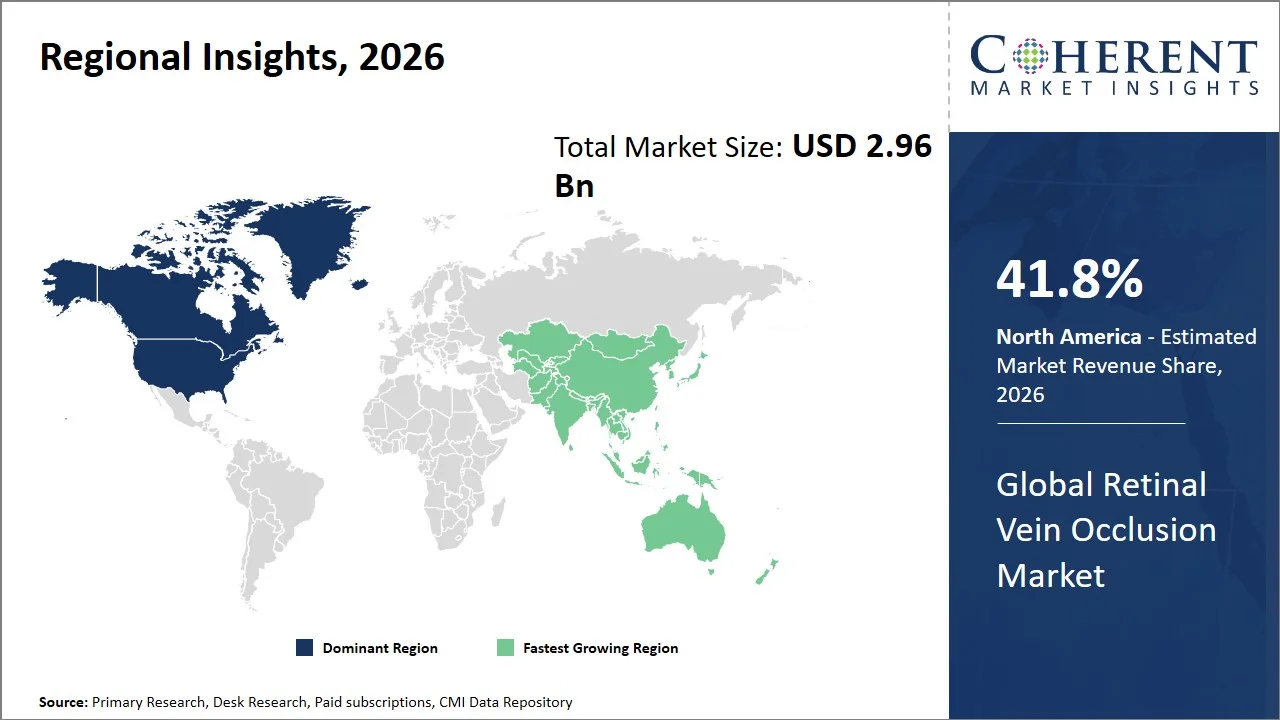
- North America maintains its dominance with an expected share of 41.8 % in 2026, bolstered by the high prevalence of diabetes and age-related retinal diseases, advanced ophthalmic infrastructure, and favorable reimbursement systems. For instance, the U.S. National Eye Institute (NEI) continues to support retinal vascular disease research through its funding initiatives under the National Institutes of Health (NIH), accelerating innovation in retinal imaging and therapeutic approaches while strengthening the region's leadership in retinal disease management.
- Asia Pacific is expected to exhibit the fastest growth with an estimated contribution of 22.6 % share in 2026, driven by the expanding elderly population, increasing prevalence of diabetes, improving access to ophthalmic care, and rising healthcare investments. For instance, China's Healthy China 2030 initiative prioritizes the prevention and management of chronic diseases and strengthens national eye health services through improved screening, diagnosis, and treatment infrastructure, supporting greater adoption of retinal disease management across the region.
- Integration of AI-Enabled Retinal Imaging for Earlier RVO Detection: Artificial intelligence (AI) with retinal imaging modalities such as optical coherence tomography (OCT) and fundus photography are expected to accelerate the identification and diagnosis of retinal vein occlusion. Early discovery of retinal changes with the aid of AI can lead to quicker diagnosis and the introduction of an anti-VEGF therapy sooner. As healthcare providers increasingly adopt AI-powered ophthalmic screening solutions, particularly in high-volume eye care centers, demand for RVO diagnostics and subsequent treatment is expected to increase.
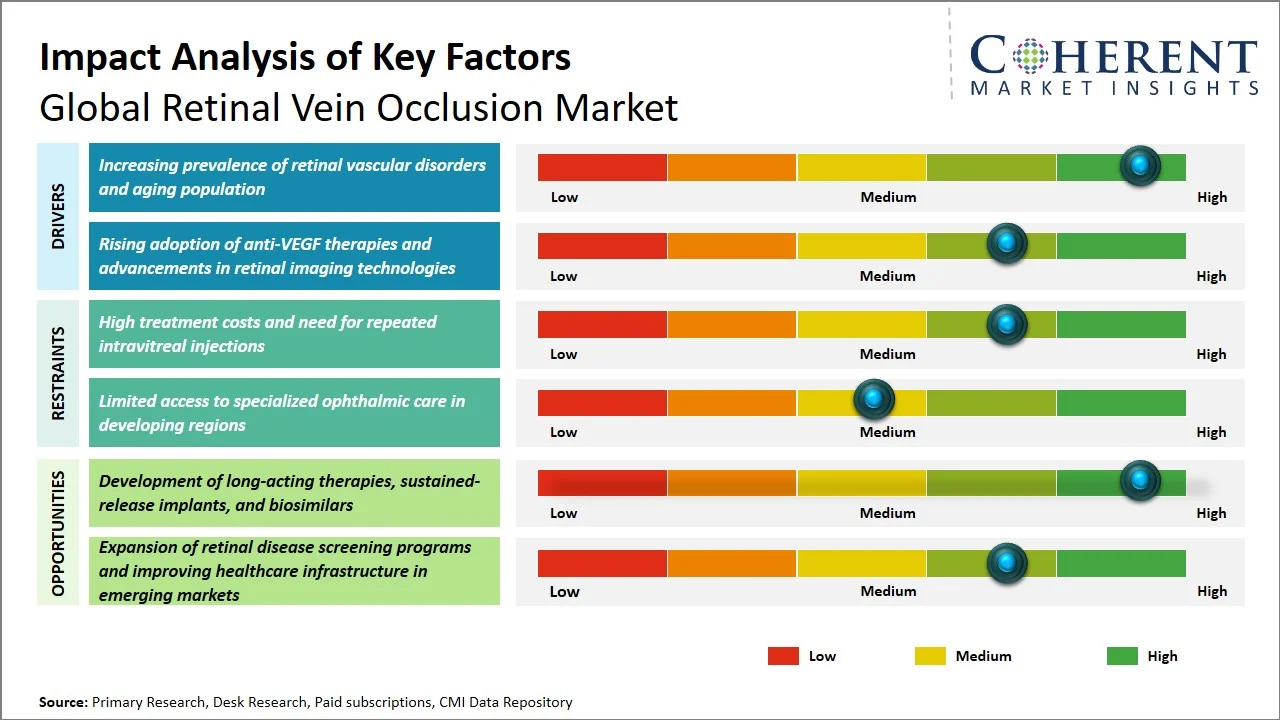
- Emergence of Long-Acting Drug Delivery Platforms to Reduce Treatment Burden: The development of sustained-release intravitreal implants and long-acting biologics presents a significant growth opportunity for the retinal vein occlusion market. Current RVO management often requires frequent intravitreal injections, resulting in poor patient adherence and increased healthcare costs. Novel extended-duration drug delivery technologies capable of maintaining therapeutic efficacy while reducing injection frequency are expected to improve long-term compliance, expand treatment adoption, and create new commercial opportunities for manufacturers.
Segmental Insights
Why Does Central Retinal Vein Occlusion (CRVO) Dominate the Global Retinal Vein Occlusion Market?
Central Retinal Vein Occlusion (CRVO) is projected to hold a market share of 58.2% in 2026, owing to severe clinical presentation, a high incidence of vision-threatening complications, and an elevated standard of care in management. This necessitates a comprehensive diagnostic, treatment, and follow-up protocol, including prolonged pharmacologic therapy, continuous monitoring, and retinal imaging. The disease is often accompanied by ischemia, macula edema and neovascular glaucoma leading increasing healthcare utilization and treatment expenditure. For instance, in July 2024, the European Commission (EC) had granted approval to Roche’s Vabysmo (faricimab) for macular edema following retinal vein occlusion after the completion of the Phase III BALATON and COMINO studies to add to existing superior biologics options for patients with long term needs in retinal indications. (Source: F. Hoffmann-La Roche Ltd)
- Current Industry Events of 2026
- Market Size Estimation
- Regional Breakdown
- Competitive Landscape
- Customer Intelligence
- Segmental Analysis
- Pricing Analysis
- Key Market Drivers, Challenges & Future Trends
- Customized Insights Section
Why Does Anti-VEGF Therapy Represent the Largest Treatment Type Segment in the Retinal Vein Occlusion Market?
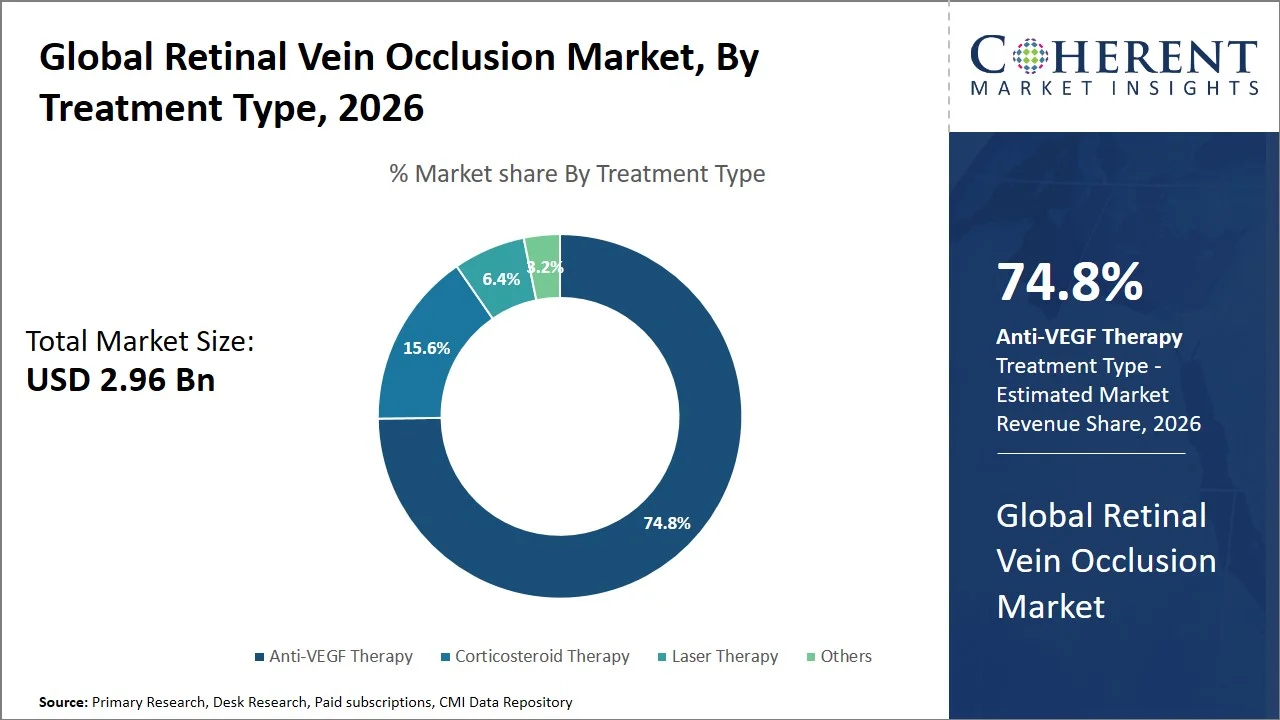
Anti-VEGF therapy is projected to hold a market share of 74.8% in 2026, attributed to its effective capability to decrease macular edema, increase visual acuity and ensure conservation of vision in the long run. The specific functionality of limiting vascular endothelial growth factor (VEGF), a good safety profile and management on outpatient basis has led to its dominance in retinal vein occlusion management. Moreover, the latest versions of anti-VEGF therapy that come with prolonged interval dosing schemes has enhanced the adherence rate of patients and quality of treatment results. For instance, in February 2025, Regeneron Pharmaceuticals Inc. shared positive data from its Phase III QUASAR study of EYLEA HD (aflibercept 8 mg), confirming its potential to deliver significant, consistent vision gains with longer intervals between treatments in people with macular edema resulting from retinal vein occlusion (RVO), highlighting the consistent clinical progress of anti-VEGF treatment. (Source: Regeneron Pharmaceuticals Inc.)
Hospitals Segment Dominates the Global Retinal Vein Occlusion Market
The hospitals segment is projected to hold a market share of 48.7% in 2026, due to their capability in offering retinal imaging, expertise in ophthalmology as well as latest treatment facilities in the same vicinity. The interconnected network allows early diagnosis, administration of intravitreal therapies and long-term follow-up for patients with retinal vascular disorders. For instance, in May 2026, a public consultation was opened by UK National Screening Committee (UK NSC) about the role of artificial intelligence in the NHS Diabetic Eye Screening Programme, highlighting the continued investments being made in hospital-based retinal screening and diagnostics. (Source: UK National Screening Committee)
Currents Events and their Impact
Current Events | Description and its Impact |
U.S. FDA Advances Regulatory Framework for Retinal Clinical Trials (May 2026) |
|
U.S. FDA Issues Draft Guidance on AI to Support Regulatory Decision-Making for Drug and Biological Products (January 2025) |
|
(Source: Retinal Physician, Food and Drug Administration)
Retinal Vein Occlusion Market Dynamics
Market Drivers
- Increasing prevalence of retinal vascular disorders and aging population: The increasing prevalence of age-related retinal disorders is driving the demand for retinal vein occlusion diagnosis and treatment, as advancing age remains one of the strongest risk factors for retinal vascular diseases. The growing elderly population is expected to increase the burden of RVO, thereby supporting the adoption of advanced retinal imaging and therapeutic interventions. For instance, a population-based study published by the National Library of Medicine reported that the prevalence of retinal disorders increased with age, rising from 51.26% among individuals aged 60–69 years to 53.05% among those aged 80 years and above, highlighting the growing clinical burden of retinal diseases in aging populations.
- Rising adoption of anti-VEGF therapies and advancements in retinal imaging technologies: The widespread adoption of anti-VEGF therapies, coupled with advancements in retinal imaging technologies such as optical coherence tomography (OCT) and OCT angiography (OCTA), is driving growth in the retinal vein occlusion market. Enhanced imaging capabilities enable earlier diagnosis, accurate disease monitoring, and timely treatment initiation, leading to improved visual outcomes and greater utilization of anti-VEGF therapies. For instance, in May 2025, Topcon Healthcare acquired RetInSight GmbH to integrate AI-powered OCT image analysis into its ophthalmic platform, strengthening automated detection and monitoring of retinal diseases, including retinal vein occlusion, and advancing AI-assisted clinical decision-making.
Emerging Trends
- Growing Adoption of Biosimilars to Improve Treatment Accessibility: The growing commercialization of anti-VEGF biosimilars is a key trend in the retinal vein occlusion market, making biologic therapies more affordable and accessible. As patent expirations encourage greater biosimilar competition, healthcare systems are expected to expand patient access to effective RVO treatments and reduce overall treatment costs.
- Shift Toward Personalized and Treat-and-Extend Treatment Strategies: The retinal vein occlusion market is witnessing a shift from fixed dosing schedules to personalized treat-and-extend regimens based on individual disease activity and retinal imaging findings. This patient-centric approach helps optimize visual outcomes, reduce unnecessary injections, and improve long-term treatment adherence while lowering the burden on healthcare providers.
Regional Insights
Why is North America a Strong Market for Retinal Vein Occlusion?
North America leads the global retinal vein occlusion market, accounting for an estimated 41.8% share in 2026, owing to the region’s high-tech health infrastructure, greater degree of novel eye treatment introduction, and existence of many well-established pharmaceutical firms pursuing novel therapies for retina disorders. Further, the region has strong clinical trial frameworks and a greater reimbursement for intravitreal drugs with many retina eye specialists and sophisticated equipment for early identification of retinal vein occlusion. For instance, the U.S. Centers for Medicare & Medicaid Services (CMS) reimburses Medicare Part B physician administration of intravitreal anti-VEGF therapies through the Medicare Physician Fee Schedule, allowing increased patient access to treatments for retinal vein occlusion and long-term usage in retina practices. (Source: Centers for Medicare & Medicaid Services)
Why Does the Asia Pacific Retinal Vein Occlusion Market Exhibit High Growth?
The Asia Pacific retinal vein occlusion market is expected to exhibit the fastest growth with an estimated contribution of 22.6% share to the global market in 2026, owing to the aging population, escalating prevalence of diabetes and ophthalmic retinal vascular disorders, and a growing ophthalmic infrastructure. Increased adoption of latest retinal diagnostic technologies and biologic treatments, along with initiatives to promote healthcare access and foreign direct investment from governments can boost the diagnosis and treatment of retinal vein occlusion market in the Asia Pacific region. For instance, the Indian government's Ayushman Bharat Digital Mission (ABDM) improves national healthcare through integration of records and greater accessibility, allowing early diagnosis and effective pathways to specialized eye treatment.
Global Retinal Vein Occlusion Market Outlook for Key Countries
Why is the U.S. Leading Innovation and Adoption in the Retinal Vein Occlusion Market?
The U.S. dominates the retinal vein occlusion market owing to robust network of retina-focused centers, the rapid integration of novel anti-VEGF therapies in clinical settings, and extensive adoption of cutting-edge retina-imaging technologies, such as optical coherence tomography (OCT) and OCT angiography. The country’s prominent clinical research framework and early adoption rate of novel ophthalmic therapy can translate in swift access for patients of cutting-edge treatments in the global retinal vein occlusion market.
Is Japan a Favorable Market for Retinal Vein Occlusion?
Japan is one of the most promising markets for the retinal vein occlusion market driven by rapid growth of an aging population, combined with a highly evolved system of care and broad uptake of advanced retinal imaging techniques (like OCT). Deep clinical expertise in management of the disorder and the earlier use of cutting-edge anti-VEGF treatment all contribute to continued market expansion. For instance, Japan performed approximately 140,000 vitreoretinal surgeries in FY2019 and 130,000 in FY2020.
Is China Emerging as a Key Growth Hub for the Retinal Vein Occlusion Market?
China is positioned as a key growth hub in the global retinal vein occlusion market driven by increasing prevalence of age-related retinal conditions and diabetes, augmenting investments in eye care infrastructure and enhancing availability of biologic drugs. Enhanced penetration of retinal specific innovative diagnostics will likely facilitate uptake of treatment for retinal vein occlusion, with increasing establishment of specialized eye care centers (such as Aier Eye Hospital Group, Zhongshan Ophthalmic Center, Eye & ENT Hospital of Fudan University, and Beijing Tongren Hospital) across the country.
Why Does Germany Top the European Retinal Vein Occlusion Market?
Germany is the leader in the European market for retinal vein occlusion due to robust ophthalmic care infrastructure in the country, presence of retina specialty clinics throughout Europe (such as University Eye Hospital Bonn, University Eye Hospital Tübingen, Charité – Universitätsmedizin Berlin, and the University Eye Hospital Freiburg) and growing utilization of novel anti-VEGF therapies as well as the incorporation of high-resolution retinal imaging devices with high specificity. Germany possesses strong clinical expertise in retinal disorders, supported by a well-established referral network that enables timely and accurate diagnosis.
Is Retinal Vein Occlusion Market Developing in India?
The India retinal vein occlusion market is steadily expanding because of the increasing prevalence of diabetes and hypertension, higher accessibility of ophthalmology care and expanding use of advanced retinal diagnostics techniques in metro and Tier II Indian cities. Indian ophthalmic eye care providers are increasing their number of specialized eye care centers (such as Aravind Eye Care System, LV Prasad Eye Institute, Sankara Nethralaya and Dr. Agarwal’s Eye Hospital) are aiding in the early diagnosis of retinal diseases and greater access to intravitreal treatments throughout India.
Product Innovation Landscape in the Global Retinal Vein Occlusion Market
Product/Technology | Key Innovation | Leading Innovators | Current Stage | Expected Market Impact |
Long-Acting Anti-VEGF Therapies | High-dose biologics with extended dosing intervals (up to 8–12 weeks) | Regeneron Pharmaceuticals Inc., F. Hoffmann-La Roche Ltd | Commercialized | Reduces injection frequency, improves patient adherence, and enhances long-term treatment outcomes. |
Anti-VEGF Biosimilars | Cost-effective biosimilars for aflibercept and ranibizumab | Biocon Biologics Limited, Sandoz, Amgen Inc. | Commercialization | Expands patient access, lowers treatment costs, and accelerates biologic adoption in emerging markets. |
Sustained-Release Drug Delivery Systems | Intravitreal implants and depot-based drug delivery platforms | Ocular Therapeutix, Inc., KODIAK SCIENCES INC. | Clinical Development | Minimizes treatment burden through prolonged drug release and improved therapeutic durability. |
AI-Enabled Retinal Imaging | AI-integrated OCT and fundus imaging for automated diagnosis and disease monitoring | Topcon Corporation, ZEISS Group, Heidelberg Engineering | Commercial Adoption | Enables earlier RVO detection, improves diagnostic accuracy, and supports personalized treatment decisions. |
Gene-Based Retinal Therapies | Gene therapies targeting long-term VEGF suppression | Adverum Biotechnologies, Inc., REGENXBIO Inc. | Clinical Trials | Offers the potential for durable disease control with fewer interventions, representing the next frontier in RVO management. |
How is the development of long-acting therapies, sustained-release implants, and biosimilars creating new growth opportunities in the retinal vein occlusion market?
The expansion in anti-VEGF biosimilar uptake and the availability of long-acting retinal therapy create considerable opportunities for the retinal vein occlusion market in terms of affordability and wider patient access and will alleviate the chronic costs associated with biologic therapy. For instance, in November 2024, the European Commission approved Biogen and Samsung Bioepis's OPUVIZ (aflibercept biosimilar) for multiple retinal disorders, including macular edema secondary to retinal vein occlusion, assessing an important step towards broader access to cost-effective biologic treatments across Europe. (Source: Biogen)
Market Players, Key Development, and Competitive Intelligence
Key Developments
- In May 2025, Topcon Healthcare, Inc. acquired RetInSight GmbH to strengthen its AI-powered ophthalmic imaging portfolio and enhance clinical decision support for retinal disease management. The acquisition integrates RetInSight's artificial intelligence capabilities with Topcon's Harmony digital health platform, enabling earlier detection, personalized treatment planning, and improved monitoring of retinal disorders such as retinal vein occlusion. This strategic move is expected to accelerate the adoption of AI-enabled retinal diagnostics and improve clinical workflows across ophthalmology practices.
- In March 2024, Sandoz acquired the CIMERLI business from Coherus, strengthening its position in the U.S. ophthalmology biosimilars market. CIMERLI, an interchangeable biosimilar to Lucentis, is approved for all ranibizumab indications, including macular edema following retinal vein occlusion (RVO). The acquisition is expected to enhance patient access to cost-effective retinal therapies and support broader adoption of biologic treatments in the global retinal vein occlusion market.
Competitive Landscape
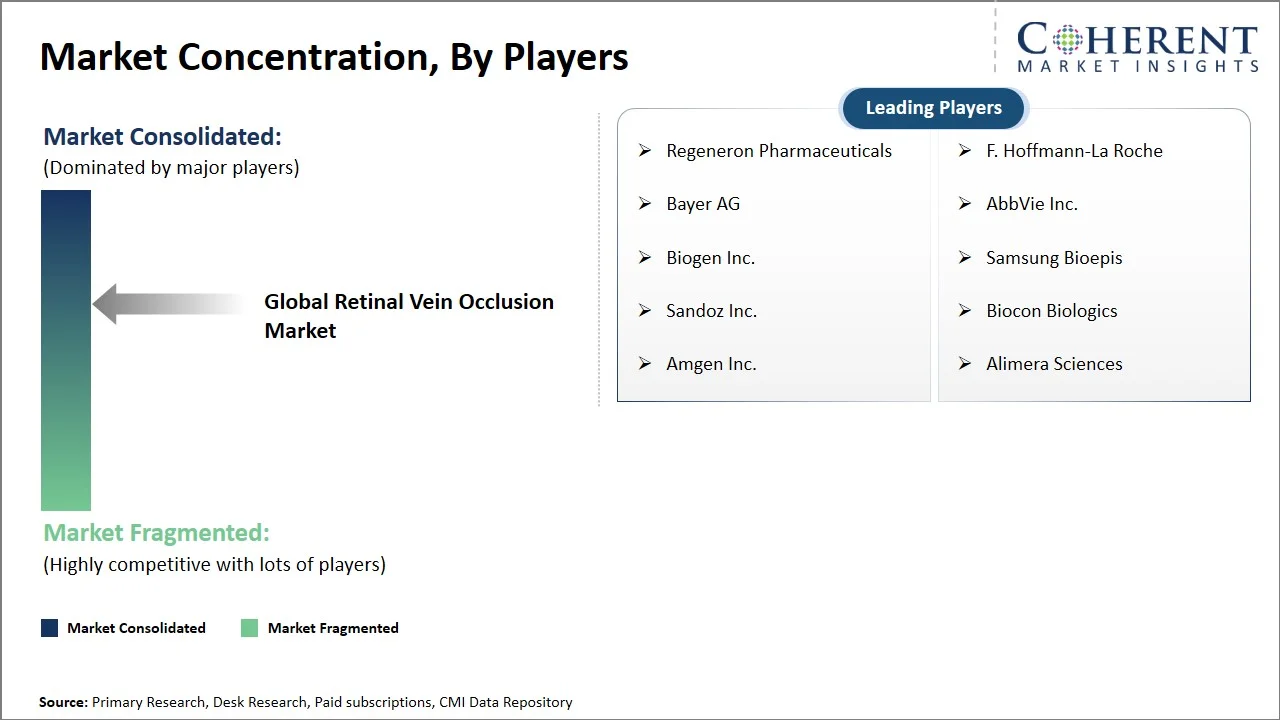
The global retinal vein occlusion market is moderately consolidated, as players are differentiating their offerings through development of novel anti-VEGF, long-acting biologics, affordable biosimilars and improved clinical results for enhanced patient adherence. Companies have considerable investment on retinal drug development, clinical study results and effective marketing campaigns through regulatory clearance and partnerships with external organizations. Key focus areas include:
- Development of long-acting anti-VEGF therapies to reduce injection frequency and improve patient compliance.
- Expansion of biosimilar portfolios to enhance treatment affordability and increase access across emerging markets.
- Integration of AI-enabled retinal imaging and advanced OCT technologies for earlier diagnosis and personalized disease monitoring.
- Strategic collaborations, licensing agreements, and acquisitions to strengthen retinal disease pipelines and geographic presence.
- Advancement of sustained-release drug delivery platforms and next-generation biologics for long-term management of retinal vein occlusion.
Market Report Scope
Retinal Vein Occlusion Market Report Coverage
| Report Coverage | Details | ||
|---|---|---|---|
| Base Year: | 2025 | Market Size in 2026: | USD 2.96 Bn |
| Historical Data for: | 2020 To 2024 | Forecast Period: | 2026 To 2033 |
| Forecast Period 2026 to 2033 CAGR: | 6.9% | 2033 Value Projection: | USD 4.71 Bn |
| Geographies covered: |
| ||
| Segments covered: |
| ||
| Companies covered: | Regeneron Pharmaceuticals, F. Hoffmann-La Roche Ltd., Bayer AG, AbbVie Inc., Biogen Inc., Samsung Bioepis, Sandoz Inc., Biocon Biologics, Amgen Inc., and Alimera Sciences | ||
| Growth Drivers: |
| ||
| Restraints & Challenges: |
| ||
Analyst Opinion (Expert Opinion)
- In the coming years, the retinal vein occlusion market is predicted to pivot away from current short-acting medicines, into next-generation biologics, biosimilars and customized care that aim for better visual outcomes in the long-run with fewer treatment burden. AI-backed retinal diagnosis systems, longer-acting anti- VEGF drugs and sustained release drug delivery systems are likely to create this competitive shift within the next few years.
- The maximum opportunities will probably exist within anti-VEGF therapy across Asia Pacific, particularly in China and India, where the rapidly aging population, rising prevalence of diabetes and hypertension, improving ophthalmic infrastructure, and expanding healthcare access are driving a substantial increase in retinal disease diagnosis and treatment. In these countries, the increasing adoption of advanced retinal imaging and biologic therapies is expected to further accelerate market expansion.
- In order to obtain a competitive advantage, market participants should focus on developing long-acting and cost-effective biologics and biosimilars, invest in AI-enabled retinal imaging and disease monitoring solutions, and establish strategic partnerships with hospitals and specialty eye care centers. Expanding regulatory approvals and strengthening commercial presence in high-growth emerging markets will also be critical to capturing future market share.
Speak to the analyst
Want personalized insights?
Take the findings above to one of our principal consultants, or have the report rebuilt around the segments, geographies and competitors you actually track.
Market Segmentation
- Disease Type Insights (Revenue, USD Bn, 2021 - 2033)
- Central Retinal Vein Occlusion (CRVO)
- Branch Retinal Vein Occlusion (BRVO)
- Treatment Type Insights (Revenue, USD Bn, 2021 - 2033)
- Anti-VEGF Therapy
- Corticosteroid Therapy
- Others
- End User Insights (Revenue, USD Bn, 2021 - 2033)
- Hospitals
- Ophthalmology Clinics
- Ambulatory Surgical Centers (ASCs)
- Others
- Distribution Channel Insights (Revenue, USD Bn, 2021 - 2033)
- Hospital Pharmacies
- Retail Pharmacies
- Specialty Pharmacies
- Regional Insights (Revenue, USD Bn, 2021 - 2033)
- North America
- U.S.
- Canada
- Latin America
- Brazil
- Argentina
- Mexico
- Rest of Latin America
- Europe
- Germany
- U.K.
- Spain
- France
- Italy
- Russia
- Rest of Europe
- Asia Pacific
- China
- India
- Japan
- Australia
- South Korea
- ASEAN
- Rest of Asia Pacific
- Middle East
- GCC Countries
- Israel
- Rest of Middle East
- Africa
- South Africa
- North Africa
- Central Africa
- North America
- Key Players Insights
- Regeneron Pharmaceuticals
- F. Hoffmann-La Roche Ltd.
- Bayer AG
- AbbVie Inc.
- Biogen Inc.
- Samsung Bioepis
- Sandoz Inc.
- Biocon Biologics
- Amgen Inc.
- Alimera Sciences
Sources
Primary Research Interviews
- Vitreoretinal Specialists and Ophthalmologists specializing in retinal vascular diseases
- Ocular Pharmacologists and Retina Researchers involved in anti-VEGF therapies
- Hospital Ophthalmology Department Heads and Retina Clinic Directors
- Medical Affairs and Commercial Leaders from ophthalmic pharmaceutical companies
- Healthcare Reimbursement and Market Access Experts specializing in ophthalmology
Stakeholders
- Anti-VEGF Biologic and Biosimilar Manufacturers
- Ophthalmic Drug Delivery Technology Developers
- Retinal Imaging Device Manufacturers (OCT, OCTA & Fundus Imaging)
- Hospital Systems and Specialty Eye Care Networks
- End-use Sectors
- Hospitals and Multispecialty Healthcare Systems
- Ophthalmology Clinics and Retina Specialty Centers
- Ambulatory Surgical Centers (ASCs)
- Regulatory & Health Bodies
- U.S. Food and Drug Administration (FDA)
- European Medicines Agency (EMA)
- Medicines and Healthcare products Regulatory Agency (MHRA), UK
- Pharmaceuticals and Medical Devices Agency (PMDA), Japan
- National Medical Products Administration (NMPA), China
Databases
- ClinicalTrials.gov
- FDA Drugs Database
- WHO Global Health Observatory (GHO)
- OECD Health Statistics
Magazines
- Retina Today
- Ophthalmology Times
- Modern Retina
- Review of Ophthalmology
- Healio Ophthalmology
Journals
- Ophthalmology
- American Journal of Ophthalmology
- Investigative Ophthalmology & Visual Science (IOVS)
- International Journal of Retina and Vitreous
Newspapers
- The Wall Street Journal – Healthcare and pharmaceutical industry developments
- Financial Times – Life sciences investments and biopharmaceutical market trends
- The New York Times – Public health policy and ophthalmology advancements
- The Economic Times – Indian healthcare investments and ophthalmology market developments
Associations
- American Academy of Ophthalmology (AAO)
- American Society of Retina Specialists (ASRS)
- European Society of Retina Specialists (EURETINA)
- Asia-Pacific Academy of Ophthalmology (APAO)
- Royal College of Ophthalmologists (RCOphth)
Public Domain Sources
- World Health Organization (WHO)
- National Eye Institute (NEI), NIH
- Centers for Disease Control and Prevention (CDC)
- International Diabetes Federation (IDF)
- International Agency for the Prevention of Blindness (IAPB)
Proprietary Elements
- CMI Data Analytics Tool, Proprietary CMI Existing Repository of information for last 10 years.
Get access to 250+ pages report
Every segment, forecast, competitor profile and data table behind the analysis above — available for instant download.
- ESOMAR Member
- ISO 9001:2015 Certified
- D-U-N-S Registered
- GDPR & CCPA Compliant
Missing comfort of reading report in your local language? Find your preferred language:
Transform your Strategy with Exclusive Trending Reports
Frequently Asked Questions
The global retinal vein occlusion market is estimated to be valued at USD 2.96 Bn in 2026 and is expected to reach USD 4.71 Bn by 2033.
Central Retinal Vein Occlusion (CRVO) dominates due to its higher clinical severity, greater treatment intensity, and increased healthcare resource utilization.
Retinal vein occlusion is a retinal vascular disorder caused by blockage of the retinal veins, leading to impaired blood flow, retinal hemorrhage, macular edema, and vision loss.
Optical Coherence Tomography (OCT) is the primary diagnostic modality for evaluating macular edema and monitoring treatment response in retinal vein occlusion.
Anti-VEGF therapies inhibit vascular endothelial growth factor (VEGF), reducing retinal edema, improving visual acuity, and preventing further vision deterioration.
The CAGR of the global retinal vein occlusion market is projected to be 6.9% from 2026 to 2033.
Increasing prevalence of retinal vascular disorders and aging population, and rising adoption of anti-VEGF therapies and advancements in retinal imaging technologies are the major factors driving the growth of the global retinal vein occlusion market.