

Global Transplant Boxes Market Size and Forecast – 2026 to 2033
The Global Transplant Boxes Market is estimated to be valued at USD 196.8 Mn in 2026 and is expected to reach USD 350.6 Mn by 2033, exhibiting a compound annual growth rate (CAGR) of 8.6% from 2026 to 2033. This significant growth is driven by increasing demand for reliable and sterile transportation solutions in organ transplantation processes, coupled with advancements in packaging technologies that ensure the safe preservation of organs during transit.
Key Takeaways of the global transplant boxes market
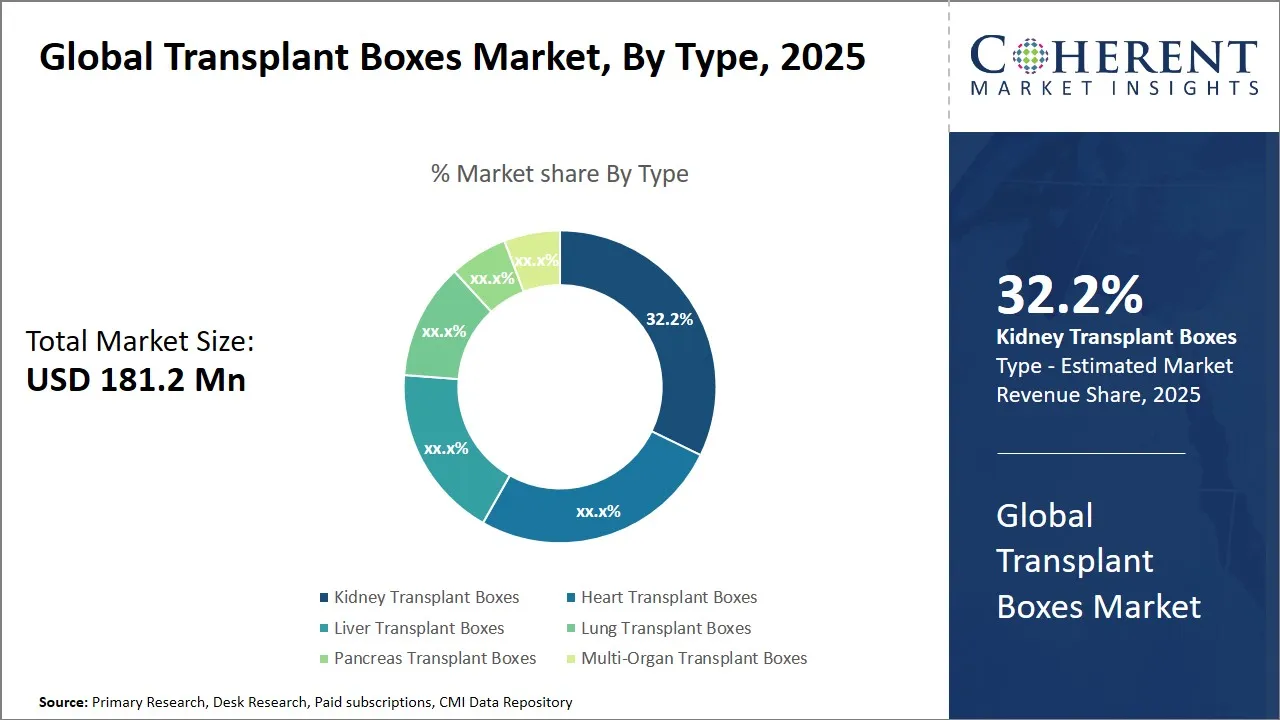
- In 2026, kidney transplant boxes are expected to account for the largest share of the global transplant boxes market at 33.2 % by type.
- Within preservation technology, Hypothermic Machine Perfusion (HMP) devices are expected to lead the market with a 25.5 % share in 2026.
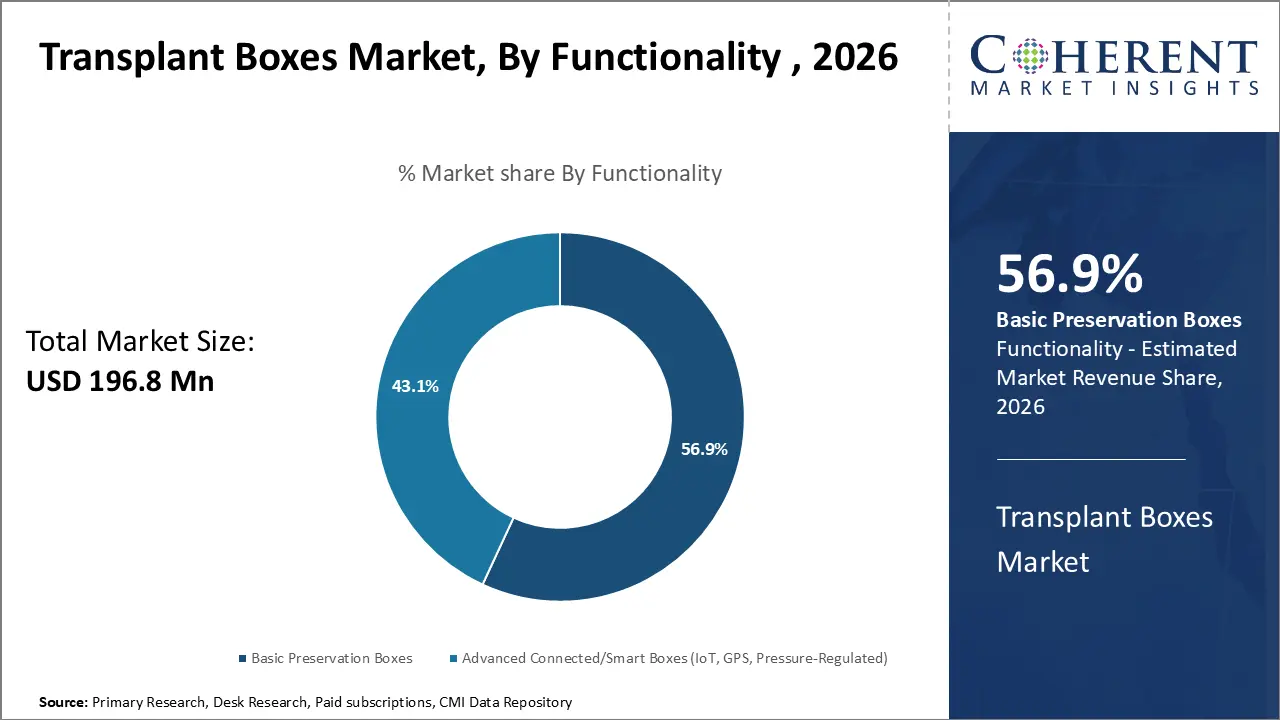
- In terms of functionality, basic preservation boxes are projected to dominate with 56.9 % share in 2026.
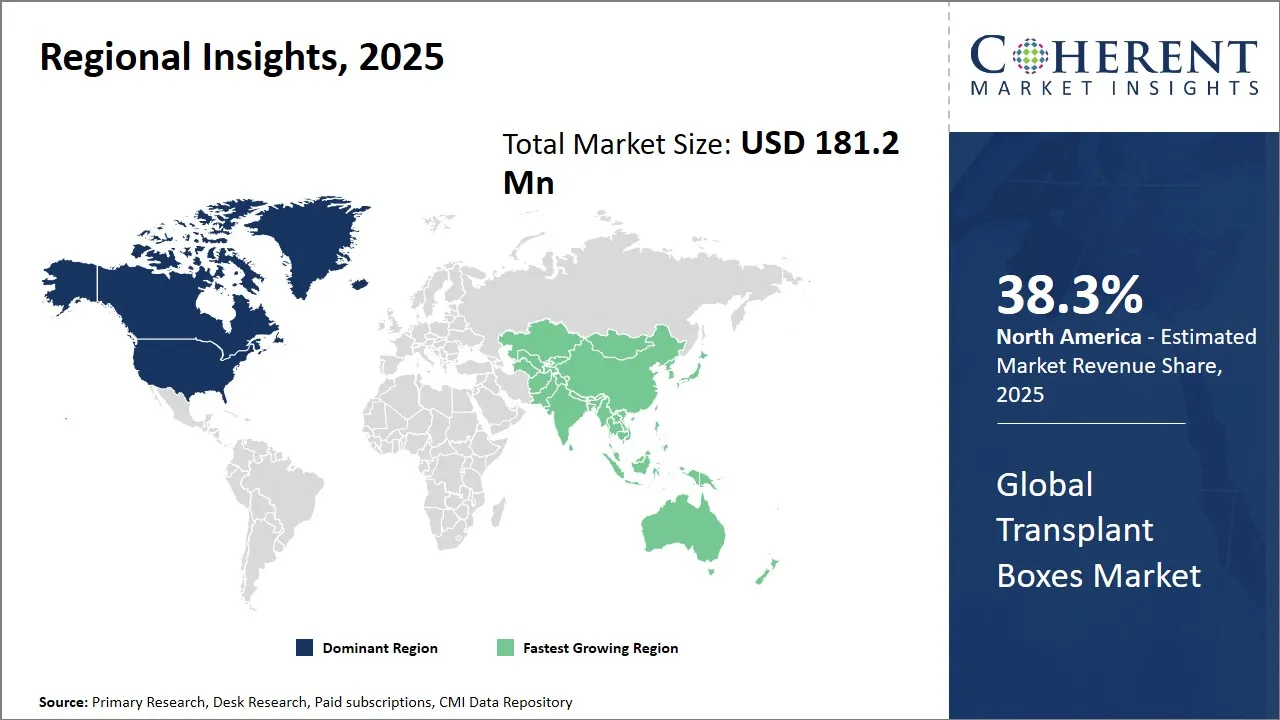
- North America is expected to lead the market, holding a share of 38.3 % in 2026. Asia Pacific is anticipated to be the fastest-growing region, with a market share of 25.3% in 2026.
Market Overview
Key market trends include the integration of smart technologies within transplant boxes, such as temperature monitoring and GPS tracking, which enhance the safety and efficiency of organ transport. Additionally, rising awareness about organ donation and increasing transplantation procedures globally are fueling the market expansion. Manufacturers are also focusing on developing eco-friendly and reusable transplant boxes to meet sustainability goals, supporting long-term growth prospects in this specialized medical packaging segment.
Current Events and Its Impact
Current Events | Description and its impact |
Surge in Organ Transplants Post-COVID-19 |
|
Advancement of Smart IoT-Enabled Transport Boxes |
|
Segmental Insights
- Current Industry Events of 2026
- Market Size Estimation
- Regional Breakdown
- Competitive Landscape
- Customer Intelligence
- Segmental Analysis
- Pricing Analysis
- Key Market Drivers, Challenges & Future Trends
- Customized Insights Section
Transplant Boxes Market Insights, By Type - Kidney Transplant Boxes Segment Dominates Its Driven by the high prevalence of end-stage renal disease (ESRD) and increasing demand for kidney transplants.
In terms of type, the kidney transplant boxes segment are expected to hold the largest share within the global transplant boxes market with 33.2% in 2026, primarily due to the high prevalence of end-stage renal disease (ESRD) and the growing demand for kidney transplants. Chronic kidney disease and ESRD remain significant global health concerns, prompting a steady increase in kidney transplant procedures. As kidneys cannot function adequately without timely transplantation, ensuring the safe preservation and transportation of donor kidneys is critical.
The superior durability and comparatively simpler preservation requirements of kidneys compared to other organs make kidney transplant boxes essential tools for successful transplantation. The need for optimal temperature control to maintain the viability of donor kidneys during transport underscores the demand for reliable and advanced transplant boxes. Additionally, advancements in cold storage technology tailored for kidney preservation have reinforced the market share of kidney transplant boxes. The medical community’s focus on improving post-transplant outcomes through enhanced preservation methods favors the development and adoption of high-quality kidney transplant boxes.
Transplant Boxes Market Insights, By Preservation Technology - Static Cold Storage Boxes Lead Due to Cost-Effectiveness and Simplicity
Within the preservation technology classification, Hypothermic Machine Perfusion (HMP) devices represent the dominant preservation technology segment in the transplant boxes market, accounting for the largest share with an estimated share of 25.5% in 2026. Unlike Static Cold Storage, HMP actively perfuses organs with cold, oxygenated preservation solutions, which helps maintain cellular metabolism and reduces ischemic damage during transport. This dynamic approach extends the functional viability of organs for longer durations compared to traditional static cooling, significantly improving post-transplant outcomes. The ability to closely mimic physiological conditions during preservation makes HMP devices particularly advantageous for high-risk organs such as livers, kidneys, and hearts, where ischemic tolerance is limited.
For example, Organ Recovery Systems, headquartered in Chicago, U.S., specializes in portable preservation technology, with a strong global presence. Its flagship LifePort Kidney Transporter is a hypothermic machine perfusion device that maintains kidney viability by continuously perfusing them during transport. These boxes are designed to be portable, efficient, and widely used across transplant centers in the U.S., Europe, and Asia Pacific, making them one of the most recognized names in kidney transplant logistics.
Transplant Boxes Market Insights, By Functionality - Basic Preservation Boxes Retain Market Lead Driven by Reliability and Regulatory Acceptance
In the functionality segment of the global transplant boxes market, basic preservation boxes command the highest share with an estimated 56.9% in 2026, attributed chiefly to their reliability and broad acceptance across healthcare settings. These boxes focus on maintaining essential preservation conditions such as temperature control without additional connected or smart functionalities that characterize advanced boxes.
The preference for basic preservation boxes stems from their proven track record in supporting successful transplant outcomes by sustaining organ viability under rigorous conditions. Their established performance has built trust among transplant centers and surgical teams, who prioritize consistent, fail-safe operation during critical transport phases. Unlike advanced connected or smart boxes that offer features like IoT integration, GPS tracking, and pressure regulation, basic boxes provide straightforward operation with minimal technical complexity.
Regional Insights
North America Transplant Boxes Market Analysis and Trends
North America’s dominance in the global transplant boxes market, with an estimated share of 38.3% in 2026, is driven by a well-established healthcare infrastructure, strong presence of key medical device manufacturers, and stringent regulatory frameworks that ensure high standards for transplant packaging and preservation. The region benefits from advanced research and development activities, supported by substantial government funding and collaborations between public and private sectors. The U.S. Food and Drug Administration (FDA) enforces rigorous approval processes, which boosts the adoption of innovative and compliant transplant box solutions. Additionally, the dense network of hospitals and transplant centers sustains demand for reliable transplantation containers.
In July 2022, UChicago Medicine announced the use of next-generation organ transportation devices to enhance transplant outcomes. Paragonix Technologies, a U.S.-based company specializing in advanced organ preservation and transport systems, provides its LUNGguard device, which eliminates the need for ice by maintaining organs at an optimal 4 to 8°C, ensuring consistent cooling and real-time monitoring.
Asia Pacific Transplant Boxes Market Analysis and Trends
Asia Pacific exhibits the fastest growth in the transplant boxes market due to several synergistic factor with an estimated share of 25.3% in 2026. Rapid improvements in healthcare infrastructure, increasing public and private healthcare expenditure, and rising awareness around organ transplantation are primary contributors. Governments in countries like China, India, Japan, and South Korea are actively promoting organ donation initiatives and implementing favorable reimbursement and regulatory policies. This region also witnesses expanding capacities for organ transplant surgeries, which fuels the demand for specialized transport and storage solutions. Furthermore, the influx of multinational corporations setting up partnerships and manufacturing hubs in the Asia Pacific enhances product availability and customization to local needs.
In March 2026, the Sankalp India Foundation, a India based nonprofit dedicated to supporting children with blood disorders, inaugurated a 10-bed Bone Marrow Transplant (BMT) unit in Gujarat, India. Established at the Health 1 Super Speciality Hospital, a leading multispecialty healthcare provider, the new Sankalp-Health1 Centre for Paediatric Hematology, Oncology, and BMT is the first of its kind in the region.
Global Transplant Boxes Market Outlook for Key Countries
U.S. Transplant Boxes Market Trends
The U.S. transplant boxes market is characterized by advanced clinical practices and a high volume of organ transplant procedures. The presence of regulatory bodies like the USFDA ensures that transplant boxes adhere to stringent safety and quality standards, fostering innovation. Major industry players including Thermo Fisher Scientific and CryoLife Inc. have developed sophisticated transplant preservation containers incorporating temperature control and real-time monitoring systems.
In March 2023, the Health Resources & Services Administration (HRSA), a U.S. government agency dedicated to improving healthcare access and supporting the organ donation system, announced a modernization initiative to enhance transparency and integrity in the organ procurement and transplantation network. The measures included seeking congressional modifications to the National Organ Transplant Act, publishing updated donor and transplant statistics, and prioritizing upgrades to the OPTN IT system.
Germany Transplant Boxes Market Trends
Germany’s transplant boxes market benefits from the country’s integrated healthcare system, high organ transplantation rates, and strong emphasis on medical device innovation. Regulatory frameworks like those overseen by the Federal Institute for Drugs and Medical Devices (BfArM) guarantee compliance and encourage manufacturers to develop high-quality transplant packaging solutions. German companies such as Lohmann & Rauscher and B. Braun Melsungen are influential players, contributing through robust R&D capabilities and well-established distribution channels across Europe, enhancing the availability of transplant boxes tailored to diverse surgical needs.
In July 2026, the German Organ Transplantation Foundation (DSO), the country’s national body for organ donation, announced Germany’s 100,000th kidney transplant since 1963. The milestone highlights decades of medical progress, with success stories like Eberhard Schollmeyer, who received a kidney 40 years ago and still leads an active life. The World Transplant Games Federation (WTGF) will celebrate such achievements at the 2026 Games in Dresden, even as over 6,200 patients remain on waiting lists, underscoring the urgent need for more donors.
Japan Transplant Boxes Market Trends
Japan continues to lead the transplant boxes market in Asia Pacific by integrating cutting-edge technology with stringent regulatory standards administered by the Pharmaceuticals and Medical Devices Agency (PMDA). The country’s aging population and advanced medical ecosystem have propounded specialized needs for transplant preservation and transport systems. Corporations such as Nipro Corporation and Terumo Corporation are prominent contributors, known for developing highly durable, sterile, and temperature-regulated transplant boxes designed to withstand extended transit times, supporting both domestic demand and export opportunities.
In June 2024, Takeda, a leading Japan-based global biopharmaceutical company, announced on June 24, 2024, that its drug LIVTENCITY (maribavir) has been approved by the Ministry of Health, Labour and Welfare as the first post-transplant anti-CMV therapy in Japan targeting UL97 protein kinase. This approval is significant for transplant patients, where maintaining organ health is as critical as ensuring safe transport through advanced transplant boxes that preserve organs during transfer. Together, innovations in therapies like LIVTENCITY and technologies such as transplant boxes are helping improve outcomes and long-term survival for transplant recipients.
India Transplant Boxes Market Trends
The India transplant boxes market is witnessing steady growth driven by rising organ transplant procedures, advancements in cold chain logistics, and increasing awareness of organ donation. Hospitals and transplant centers are demanding reliable, temperature-controlled preservation solutions to ensure organ viability during transportation. Established global players are entering the Indian transplant boxes market through collaborations with healthcare providers, while domestic manufacturers are focusing on affordable and cost-effective solutions to meet the needs of resource-sensitive hospitals.
On August 11, 2026, the All-India Institute of Medical Sciences (AIIMS) Jodhpur, a premier government medical institute in Rajasthan, announced the launch of its heart transplant programme to strengthen advanced cardiac care in the region. Dr. K R Balakrishnan, chairman of Cardiac Sciences and director of the Institute of Heart and Lung Transplant & Mechanical Circulatory Support, Chennai, attended the inaugural session to support the initiative.
End User Feedback and Unmet Needs in Transplant Boxes Market
- Feedback from hospitals, transplant centers, and organ procurement organizations shows a clear appreciation for the role transplant boxes play in extending organ viability and improving transport safety. Many end users highlight the value of advanced systems that allow real-time temperature and condition monitoring, noting how these features reduce anxiety during long-distance transports and contribute to better surgical outcomes. For example, clinicians at UChicago Medicine have shared positive experiences with the Paragonix LUNGguard system, which eliminated reliance on ice and offered continuous tracking, giving surgeons confidence during complex lung transplants. This kind of endorsement underscores the strong demand for solutions that provide reliability, precision, and peace of mind to medical teams handling life-saving procedures.
- At the same time, recurring concerns reflect that the market still faces significant unmet needs. Smaller hospitals and regional centers often struggle with the high costs of perfusion-enabled or smart transplant boxes, limiting access to only the most well-funded institutions. A common example is feedback from procurement organizations that while devices like TransMedics’ Organ Care System are highly effective, their expense and training requirements create barriers to broader use. Beyond affordability, end-users point to a lack of customizable designs for multi-organ transport and limited post-sales technical support in emerging markets. Addressing these gaps could unlock substantial growth opportunities by enabling wider adoption across mid-tier facilities, fostering innovation in modular and cost-effective designs, and ensuring that support infrastructure matches the pace of technology. For manufacturers and policymakers alike, closing these gaps will not only enhance customer loyalty but also directly improve transplant outcomes worldwide.
Market Players, Key Developments, and Competitive Intelligence
Key Developments
- In February 2025, the UT Southwestern Medical Center (UTSW), a leading academic medical institution in Texas, U.S highlighted the success of its William P. Clements Jr. University Hospital Heart Transplant team, led by Dr. Matthias Peltz, in using advanced perfusion systems popularly known as “heart in a box.” These devices, developed by innovators such as TransMedics (a U.S.-based leader in portable organ care systems) and Paragonix Technologies (a U.S.-based company specializing in advanced organ transport and preservation), keep donor hearts viable longer by maintaining oxygen flow during transport
- In January 2024, Loyola Medicine, a leading academic health system based in the U.S. and affiliated with Trinity Health, marked a major milestone by performing its first transplant using the TransMedics Organ Care System (OCS), widely known as "Heart-in-a-Box." This advanced device functions as a miniature intensive care unit for donor hearts, keeping them in a near-natural state and extending their viability up to 12 hours—double the timeframe of conventional cold storage.
- In October 2023, Oregon Health & Science University (OHSU), a renowned public academic health center in Portland, introduced a groundbreaking perfusion device called Liver-in-a-Box. Unlike the traditional ice-based preservation method, this machine passes blood through the liver at room temperature, allowing the organ to be preserved for up to 24 hours before transplantation.
- In March 2023, the Health Resources & Services Administration (HRSA), a U.S. government agency dedicated to improving healthcare access and supporting the organ donation system, announced a modernization initiative to enhance transparency and integrity in the organ procurement and transplantation network. The measures included seeking congressional modifications to the National Organ Transplant Act, publishing updated donor and transplant statistics, and prioritizing upgrades to the OPTN IT system. As part of this broader modernization effort, emphasis was also placed on integrating advanced Transplant Boxes equipped with temperature control and monitoring technologies to strengthen organ preservation and ensure safer long-distance transportation.
Top Strategies Followed by Global Transplant Boxes Market Players
- Established players, typically large multinational corporations, dominate the market through substantial investments in research and development (R&D). These companies prioritize innovation to create high-performance products that meet stringent regulatory standards and evolving clinical needs. By developing cutting-edge transplant boxes with enhanced features such as improved insulation, temperature control, and durability, they maintain technological leadership and cater to a broad spectrum of healthcare providers. Additionally, these industry leaders form strategic partnerships and alliances with original equipment manufacturers (OEMs), healthcare institutions, and logistics providers to solidify their presence throughout the supply chain.
- For example, Paragonix Technologies has introduced innovative organ preservation systems like the SherpaPak Cardiac Transport System, which provides controlled temperature management for heart transportation. Similarly, Organ Recovery Systems has built a strong presence with its LifePort Kidney Transporter, widely adopted by transplant centers globally. These leaders also form strategic alliances with OEMs, hospitals, and logistics providers to reinforce their positions across the supply chain.
- Mid-level players in the transplant boxes market adopt a pragmatic approach that balances product quality with affordability to capture price-sensitive segments. These companies focus on designing cost-effective solutions that do not compromise critical performance criteria, thus appealing to hospitals, clinics, and transplant centers operating under budget constraints. By targeting domestic markets or specific regional geographies where cost considerations play a significant role, mid-level manufacturers carve out a stable customer base.
- For example, TransMed specializes in providing affordable static cold storage (SCS) transplant boxes that cater to domestic and regional markets, where cost sensitivity plays a crucial role. Similarly, Panasonic Healthcare’s regional subsidiaries have tailored their preservation units for emerging markets in Asia Pacific and Latin America.
- Small-scale players, often startups or niche manufacturers, differentiate themselves through specialization and innovation tailored to defined customer needs. Leveraging agility and flexibility, these companies develop unique transplant box variants featuring specialized functions such as lightweight designs, eco-friendly materials, or integrated smart sensors for real-time monitoring. By adopting cutting-edge technologies like IoT integration and advanced insulation materials, small players remain competitive and relevant despite limited resources.
- For example, XVIVO Perfusion AB, though smaller in scale compared to global giants, has developed advanced organ preservation solutions for lungs and other organs, incorporating cutting-edge monitoring technologies. Likewise, startups like CryoLife have innovated in niche preservation solutions, providing products that integrate smart technologies and specialized insulation for short-distance organ transportation.
Market Report Scope
Transplant Boxes Market Report Coverage
| Report Coverage | Details | ||
|---|---|---|---|
| Base Year: | 2025 | Market Size in 2026: | USD 196.8 Mn |
| Historical Data for: | 2020 To 2024 | Forecast Period: | 2026 To 2033 |
| Forecast Period 2026 to 2033 CAGR: | 8.6% | 2033 Value Projection: | USD 350.6 Mn |
| Geographies covered: |
| ||
| Segments covered: |
| ||
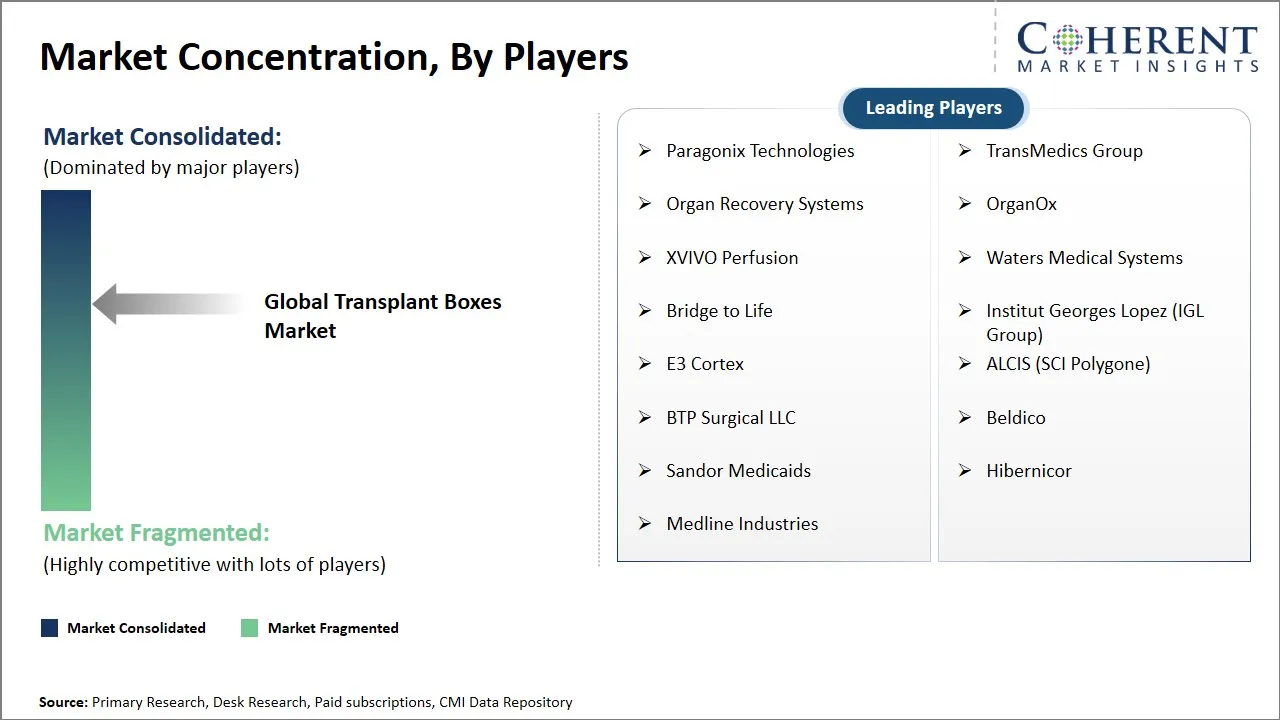
| Companies covered: | Paragonix Technologies, TransMedics Group, Organ Recovery Systems, OrganOx, XVIVO Perfusion, Waters Medical Systems, Bridge to Life, Institut Georges Lopez (IGL Group), E3 Cortex, ALCIS (SCI Polygone), BTP Surgical LLC, Beldico, Sandor Medicaids, Hibernicor, and Medline Industries | ||
| Growth Drivers: |
| ||
| Restraints & Challenges: |
| ||
Transplant Boxes Market Dynamics
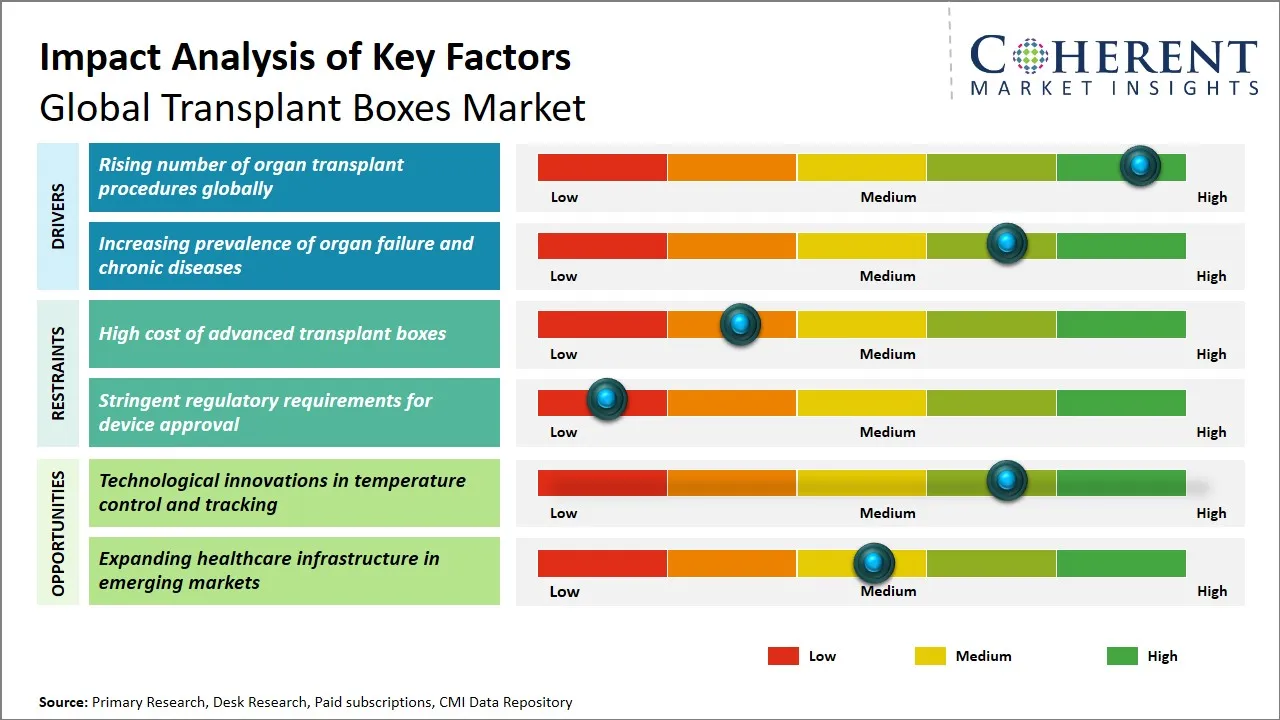
Transplant Boxes Market Driver - Rising Number of Organ Transplant Procedures Globally
The surging number of organ transplant procedures globally plays a crucial role in propelling the demand for transplant boxes, which are essential for the safe and sterile transportation of organs. As advancements in medical technology continue to improve the success rates of organ transplants, more healthcare providers are performing these life-saving surgeries across both developed and emerging markets. Additionally, growing awareness programs and improved organ donation initiatives have contributed to a higher pool of available organs, thereby increasing the frequency of transplants.
The complex logistics involved in ensuring the viability of organs during transit such as maintaining optimal temperature and preventing contamination further accentuate the need for specialized transplant boxes designed to meet rigorous safety standards. Consequently, this rising volume of transplant surgeries stimulates innovation and adoption of high-quality packaging solutions, making transplant boxes indispensable in the organ transplantation ecosystem and directly driving expansion within this market segment.
On August 20, 2025, General Upendra Dwivedi, Chief of the Army Staff, and Mrs. Sunita Dwivedi, President of the Army Wives Welfare Association, pledged organ donation at the Army Hospital (R&R), New Delhi, India, giving strong support to the Armed Forces Organ Retrieval & Transplantation Authority (AORTA). Under DGAFMS Vice Admiral Arti Sarin, AORTA has already inspired over 26,000 Army personnel to pledge organs, reflecting the global momentum as rising numbers of transplant procedures drive demand for greater awareness and participation. This initiative underscores the Armed Forces' commitment to addressing the critical shortage of organ donors, further reinforcing the importance of organ donation in saving lives and improving the health outcomes of individuals in need of transplants.
Transplant Boxes Market Opportunity - Technological Innovations in Temperature Control and Tracking
The global transplant boxes market stands to benefit significantly from ongoing technological advancements in temperature control and real-time tracking systems. Maintaining optimal temperature conditions during the transportation of organs and tissues is critical to ensuring their viability and successful transplantation. Recent innovations, such as enhanced phase change materials, smart insulation technologies, and integrated cooling mechanisms, have improved the reliability and duration of temperature regulation within transplant boxes. Additionally, the integration of Internet of Things (IoT) sensors and GPS tracking enables continuous monitoring of environmental conditions like temperature, humidity, and location in real time. This transparency allows medical personnel to respond proactively to any anomalies during transit, thereby reducing the risk of organ degradation. Furthermore, connectivity advancements facilitate better coordination between transplant centers and logistics providers, ensuring timely deliveries and optimized route planning.
For example, E3 Cortex, a European firm headquartered in Italy, specializes in developing innovative packaging for medical applications, including organ transport. Its VitalPack EVO transplant box is designed to maintain consistent temperatures during long-distance organ transport. The company’s solutions are especially popular across Europe, helping standardize and secure transplant logistics. Moreover, in October 2020, a team at Western University, a leading Canadian research institution, developed a portable temperature-regulating device designed to improve the transport of organs, vaccines, and pharmaceuticals.
Analyst Opinion (Expert Opinion)
- The transplant boxes market is witnessing steady growth as technological innovation, regulatory support, and the rising demand for organ transplantation converge to create a more robust ecosystem. Advances in temperature-controlled and perfusion-enabled boxes have extended organ viability, while global initiatives promoting organ donation are fueling adoption. At the same time, opportunities are opening up in emerging markets where hospital infrastructure for transplantation is expanding, supported by government healthcare reforms. Still, the industry faces challenges including high costs of advanced systems, limited reimbursement structures, and the logistical complexity of maintaining organ safety over long distances. Conferences such as the International Congress of the Transplantation Society, the American Transplant Congress, and the European Society for Organ Transplantation meetings have been key platforms in the last few years for sharing clinical outcomes, policy directions, and technology showcases, further reinforcing awareness and collaboration in this evolving space.
- Recent initiatives underline the market’s momentum. For instance, Loyola Medicine successfully used TransMedics’ Organ Care System for a heart transplant, extending preservation time, while UChicago Medicine adopted Paragonix LUNGguard to improve lung transport safety. Governments are also stepping up; the U.S. Health Resources & Services Administration has prioritized modernization of organ procurement systems and encouraged adoption of advanced preservation tools like transplant boxes. These developments, alongside pilot programs in India and Europe to strengthen organ-sharing networks, are expected to shape the future outlook by expanding donor pools, improving transplant success rates, and encouraging wider use of next-generation preservation technologies.
Speak to the analyst
Want personalized insights?
Take the findings above to one of our principal consultants, or have the report rebuilt around the segments, geographies and competitors you actually track.
Market Segmentation
- Type Insights (Revenue, USD Mn, 2021 - 2033)
- Kidney Transplant Boxes
- Heart Transplant Boxes
- Liver Transplant Boxes
- Lung Transplant Boxes
- Pancreas Transplant Boxes
- Multi-Organ Transplant Boxes
- Preservation Technology Insights (Revenue, USD Mn, 2021 - 2033)
- Static Cold Storage (SCS) Boxes
- Hypothermic Machine Perfusion (HMP) Devices
- Normothermic Machine Perfusion (NMP) Devices
- Other Emerging Technologies
- Functionality Insights (Revenue, USD Mn, 2021 - 2033)
- Basic Preservation Boxes
- Advanced Connected/Smart Boxes (IoT, GPS, Pressure-Regulated)
- Material Type Insights (Revenue, USD Mn, 2021 - 2033)
- Plastic-Based Boxes
- Metal-Based Boxes
- Other Sustainable Materials
- Product Type Insights (Revenue, USD Mn, 2021 - 2033)
- Portable/Transportable Boxes
- Cart-Mounted/Stationary Boxes
- Preservation Duration Insights (Revenue, USD Mn, 2021 - 2033)
- Short-Term
- Medium-Term
- Long-Term
- End User Insights (Revenue, USD Mn, 2021 - 2033)
- Hospitals and Transplant Centers
- Organ Procurement Organizations (OPOs)
- Specialty Clinics
- Academic and Research Institutes
- Regional Insights (Revenue, USD Mn, 2021 - 2033)
- North America
- U.S.
- Canada
- Latin America
- Brazil
- Argentina
- Mexico
- Rest of Latin America
- Europe
- Germany
- U.K.
- Spain
- France
- Italy
- Russia
- Rest of Europe
- Asia Pacific
- China
- India
- Japan
- Australia
- South Korea
- ASEAN
- Rest of Asia Pacific
- Middle East
- GCC Countries
- Israel
- Rest of Middle East
- Africa
- South Africa
- North Africa
- Central Africa
- North America
- Key Players Insights
- Paragonix Technologies
- TransMedics Group
- Organ Recovery Systems
- OrganOx
- XVIVO Perfusion
- Waters Medical Systems
- Bridge to Life
- Institut Georges Lopez (IGL Group)
- E3 Cortex
- ALCIS (SCI Polygone)
- BTP Surgical LLC
- Beldico
- Sandor Medicaids
- Hibernicor
- Medline Industries
Sources
Primary Research Interviews
- Industry Stakeholders list
- Transplant surgeons
- Medical device manufacturers
- End Users list
- Hospitals & transplant centers
- Organ procurement organizations
Government and International Databases
- World Health Organization (WHO)
- U.S. Food and Drug Administration (FDA)
- European Medicines Agency (EMA)
- United Network for Organ Sharing (UNOS)
- Health Resources and Services Administration (HRSA)
- National Health Service (NHS) Blood and Transplant
Trade Publications
- MedTech Dive
- Fierce Biotech
- Medical Device Network
- MassDevice
- BioWorld MedTech
- Nature Biotechnology News & Views
Academic Journals
- The Lancet
- Journal of Heart and Lung Transplantation
- American Journal of Transplantation
- Transplantation Proceedings
- New England Journal of Medicine (NEJM)
- Journal of Medical Devices
Reputable Newspapers
- The New York Times – Health Section
- The Guardian – Healthcare Section
- The Washington Post – Health & Science
- The Wall Street Journal – Health Industry Coverage
- BBC News – Health
- The Times of India – Health
Industry Associations
- International Society for Heart and Lung Transplantation (ISHLT)
- American Society of Transplant Surgeons (ASTS)
- American Society of Transplantation (AST)
- European Society for Organ Transplantation (ESOT)
- World Transplant Society (TTS)
- Association for Organ Procurement Organizations (AOPO)
Public Domain Resources
- OpenGrey Repository
- World Bank Health Data
- OECD Health Statistics
- Global Health Observatory (GHO)
Proprietary Elements
- CMI Data Analytics Tool: Proprietary analytics tool to analyze real-time market trends, consumer behavior, and technology adoption in market
- Proprietary CMI Existing Repository of Information for Last 8 Years
Get access to 250+ pages report
Every segment, forecast, competitor profile and data table behind the analysis above — available for instant download.
- ESOMAR Member
- ISO 9001:2015 Certified
- D-U-N-S Registered
- GDPR & CCPA Compliant
Missing comfort of reading report in your local language? Find your preferred language:
Transform your Strategy with Exclusive Trending Reports
Frequently Asked Questions
The global transplant boxes market is estimated to be valued at USD 196.8 Mn in 2026 and is expected to reach USD 350.6 Mn by 2033.
The CAGR of the global transplant boxes market is projected to be 8.6% from 2026 to 2033.
Rising number of organ transplant procedures globally and increasing prevalence of organ failure and chronic diseases are the major factors driving the growth of the global transplant boxes market.
High cost of advanced transplant boxes and stringent regulatory requirements for device approval are the major factors hampering the growth of the global transplant boxes market.
In terms of type, kidney transplant boxes are estimated to dominate the market revenue share in 2026.
Innovations like IoT-enabled monitoring, smart containers, and machine perfusion systems are improving transparency, security, and organ viability.
Rising organ transplant volumes, government healthcare funding, and expansion in emerging markets present major growth opportunities.