

Medical Electrodes Market Analysis & Forecast 2026-2033
The global medical electrodes market is estimated to be valued at USD 1,256.1 Mn in 2026 and is expected to reach USD 1,732.4 Mn by 2033, exhibiting a compound annual growth rate (CAGR) of 4.7% from 2026 to 2033.
Key Takeaways
- By Product Type, Surface Electrodes are projected to dominate the global medical electrodes market with a significant 68.4% share in 2026.
- By Usability, the Disposable Medical Electrodes segment is anticipated to lead the usability segment with a commanding 58.9% share in 2026.
- By End User, the Hospitals & Clinics are expected to maintain their leadership position in the end user segment, accounting for a 36.2% market share in 2026.
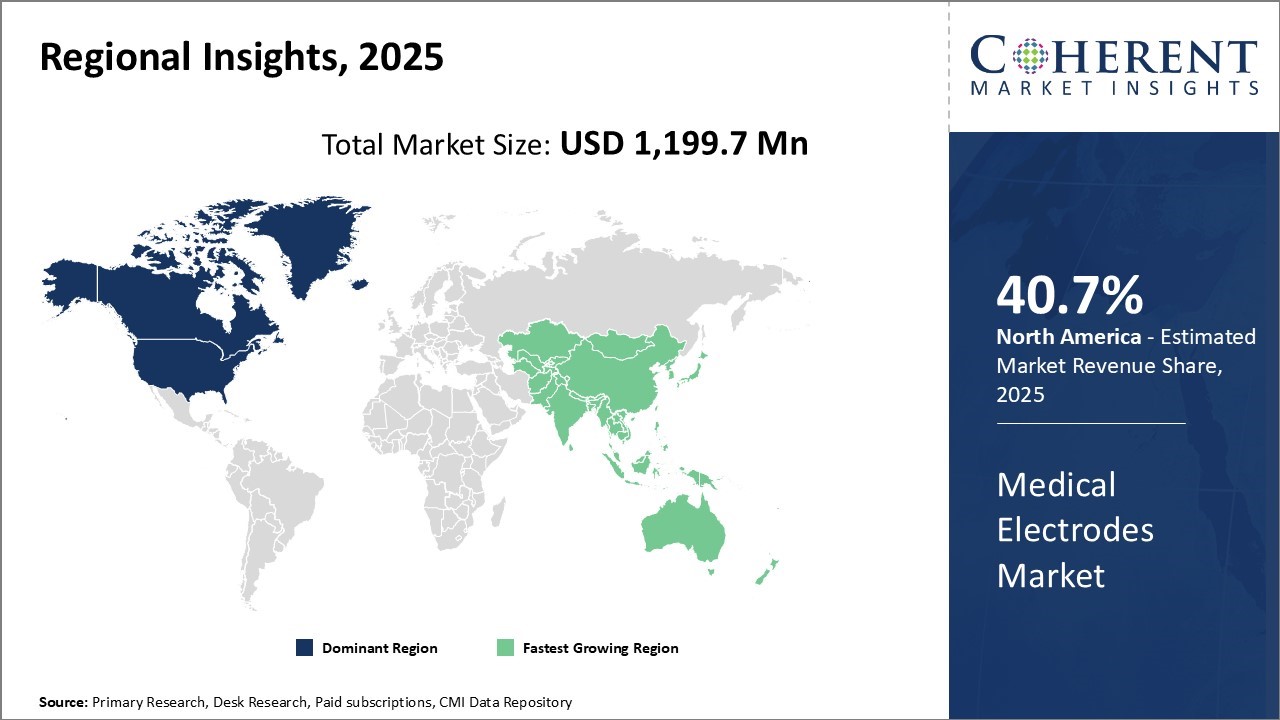
- North America remains the dominant region in the global medical electrodes market and is projected to account for 40.7% of the market share in 2026.
Market Overview
The global medical electrodes market is experiencing steady growth, driven by the rising prevalence of chronic diseases, increasing demand for early diagnosis, and expanding healthcare infrastructure. Surface electrodes are gaining traction due to their non-invasive nature and suitability for continuous monitoring. Disposable electrodes are preferred for cost-effectiveness and infection control. Hospitals and clinics remain the primary end users due to increasing patient volumes.
Current Events and its Impact on the Medical Electrodes Market
Current Event | Description and its impact |
Technology Commercialization and Product Launches |
|
Strategic Investments and Collaborations |
|
Technology Commercialization and Product Launches |
|
Pipeline Analysis – Medical Electrodes Market
The medical electrodes market pipeline is witnessing steady innovation driven by advancements in materials science, miniaturization, and wearable technologies. Key players are actively developing next-generation electrodes with enhanced signal fidelity, skin compatibility, and long-term adhesion. Several products in the pipeline focus on integrating wireless capabilities and smart sensors for real-time health monitoring, particularly in cardiac and neurological applications.
Research is also progressing on bioresorbable and stretchable electrodes, which can conform to irregular body surfaces and eliminate the need for removal procedures. Additionally, partnerships between medical device companies and academic institutions are accelerating the development of multifunctional electrodes capable of diagnostics and therapeutic stimulation.
Clinical trials are underway for novel electrode designs that improve comfort and usability, especially for paediatric and geriatric populations. With rising demand for remote monitoring and personalized care, the pipeline is expected to deliver solutions that support continuous, non-invasive, and AI-driven health monitoring in the coming years.
- Current Industry Events of 2026
- Market Size Estimation
- Regional Breakdown
- Competitive Landscape
- Customer Intelligence
- Segmental Analysis
- Pricing Analysis
- Key Market Drivers, Challenges & Future Trends
- Customized Insights Section
Patent Landscape – Medical Electrodes Market
The medical electrodes market has a dynamic and evolving patent landscape, reflecting intense innovation in materials, design, and application technologies. Leading players such as Medtronic, 3M, GE Healthcare, and Nihon Kohden hold a significant share of global patents, primarily focusing on signal accuracy, skin adhesion, wireless integration, and biocompatibility. Recent patent filings emphasize the development of flexible, stretchable, and wearable electrodes for continuous monitoring of cardiac and neurological parameters.
A growing number of patents are centred around smart electrodes integrated with sensors, wireless transmitters, and data processing capabilities, enabling real-time diagnostics and remote patient monitoring. Moreover, innovations in dry and gel-free electrode technologies are gaining traction due to increased demand for comfort and long-term use.
Geographically, the United States dominates patent activity, followed by Europe and Asia Pacific. Emerging markets like China and India are witnessing a rise in domestic patent filings, indicating a growing focus on indigenous development and low-cost electrode solutions.
Reimbursement Scenario – Medical Electrodes Market
The reimbursement landscape for medical electrodes is well-established in developed healthcare markets. In the United States, electrodes used for Electromyography (EMG), Electrocardiography (ECG), and Electroencephalography (EEG) fall under specific CPT and HCPCS codes, enabling coverage by Medicare, Medicaid, and commercial insurers. Reimbursement policies typically account for both the procedure and consumable costs of single-use electrodes, supporting widespread adoption in clinical settings.
European countries follow a fee-for-service model under national healthcare systems, where electrode usage is reimbursable within bundled diagnostic procedure payments. In regions like Germany and France, electrode expenses are included in DRG (Diagnosis Related Group) tariffs for inpatient care, ensuring hospitals are compensated for necessary monitoring tools.
In Asia‑Pacific, reimbursement remains inconsistent. While Japan and South Korea offer partial coverage for diagnostic procedures involving electrodes, emerging economies such as India and China provide limited or out-of-pocket payment models. As remote monitoring and telehealth gain traction, efforts are underway to frame electrodes as billable medical devices under evolving reimbursement frameworks, particularly in telemedicine.
Prescribers’ Preference – Medical Electrodes Market
Prescribers, including cardiologists, neurologists, and general practitioners, increasingly prefer medical electrodes that offer high signal accuracy, patient comfort, and ease of application. Surface electrodes remain the most commonly recommended due to their non-invasive nature and compatibility with standard diagnostic devices such as ECG, EEG, and EMG systems. Physicians prioritize disposable electrodes for infection control, especially in high-risk environments like ICUs and emergency departments.
For long-term monitoring and home-based care, clinicians favour electrodes with enhanced adhesion, hypoallergenic materials, and wireless capabilities that ensure consistent data collection without frequent replacements. There is also a growing preference for smart electrodes integrated with digital monitoring platforms that enable remote diagnostics and continuous health tracking.
In paediatric and geriatric care, prescribers emphasize soft, flexible, and breathable electrodes to prevent skin irritation. Overall, ease of use, patient compliance, and integration with electronic health records (EHRs) are critical factors shaping prescriber preferences in the evolving medical electrodes market.
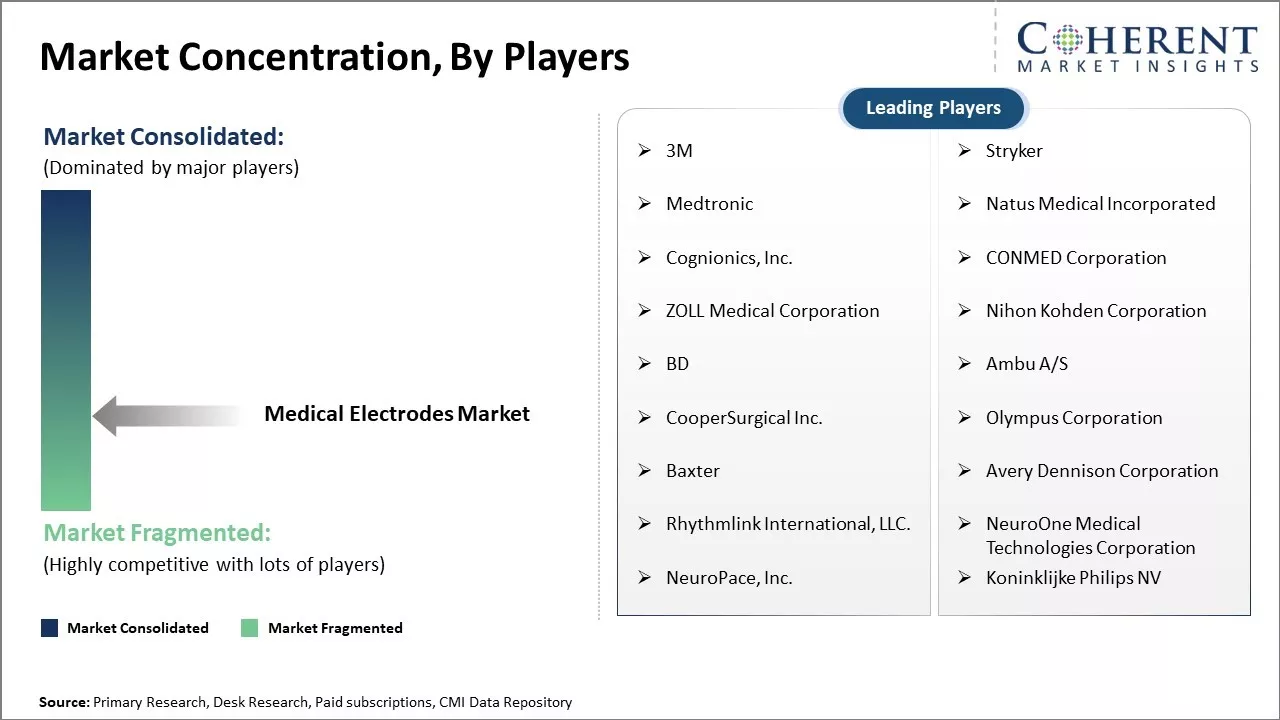
Market Concentration and Competitive Landscape
Medical Electrodes Market Trends
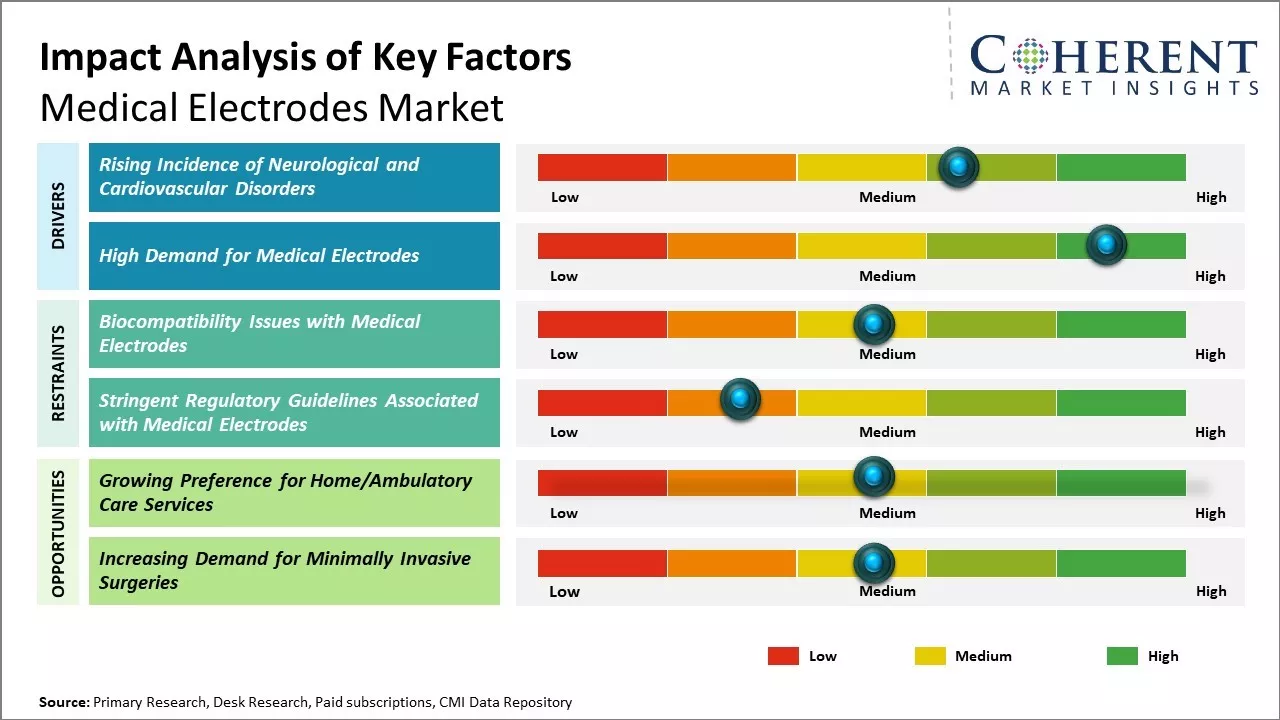
- Rising Incidence of Cardiovascular Disorders
An electrocardiogram (ECG) is one of the simplest and fastest tests used to evaluate the heart. ECG is an integral part of the initial evaluation of a patient suspected of having a cardiac-related problem. According to the World Health Organization (WHO), cardiovascular diseases (CVDs) are the leading cause of death globally, taking an estimated 17.9 million lives each year. CVDs are consistently ranked as the leading cause of death in the U.S., exceeding all forms of cancer.
In May 2025, The Times of India reported that researchers from NIT-Rourkela developed a novel Atrial Lead System (ALS) using standard ECG electrodes to improve detection of cardiac arrhythmias. By optimizing placement of only three leads, the system amplifies atrial signals such as P‑waves without hardware changes enhancing arrhythmia detection in resource-limited clinical settings .
- High Demand for Medical Electrodes
High demand for medical electrodes is expected to augment the growth of the global medical electrodes market during the forecast period. For instance, in September 2021, Bittium Corp., provider of reliable and secure solutions for connectivity, tactical communications and measuring and monitoring of biosignals, expanded the portfolio of its new generation ECG electrodes.
In combination with the Bittium Faros electrocardiogram (ECG) device. The new Bittium OmegaSnap patch electrodes support one, two, and three channel (3-CH) ECG measurements. OmegaSnap electrodes have been designed with special emphasis on user comfort and they allow for a patient-friendly way to perform continuous ECG measurements for up to 7 days without the need of changing the electrode.
In February 2025, The Times of India reported that researchers at NIPER Guwahati, in collaboration with IIT Guwahati and AIIMS Guwahati, developed a groundbreaking ultra-thin tattoo electrode for ECG monitoring. This tattoo electrode flexible, skin-conforming, and adhesive-free delivers hospital-grade cardiac readings and supports prolonged wear without irritation, opening new possibilities for continuous, non-intrusive heart monitoring in both clinical and remote-care settings.
Challenges In the Medical Electrodes Market
- Biocompatibility Issues with Medical Electrodes
Biocompatibility issues with medical electrodes are expected to hinder growth of the global medical electrodes market. For instance, biocompatibility is the most commonly used term to describe appropriate biological requirements of a biomaterial or biomaterials used in a medical device.
Opportunities in the Medical Electrodes Market
- Growing Preference for Home/Ambulatory Care Services
Growing preference for home/ambulatory services is expected to offer lucrative growth opportunities for player in the medical electrodes market. For instance, in July 2021, OMRON Healthcare, a medical device company, announced the launch of OMRON Complete, its first single-lead electrocardiogram (ECG) and blood pressure monitor for home use.
Designed for detection of atrial fibrillation (AFib), OMRON Complete incorporates clinically validated ECG technology that can be used simultaneously with usual blood pressure check, which could potentially decrease consultation time and unnecessary appointments, in a context of high demand for healthcare services.
Segmental Insights
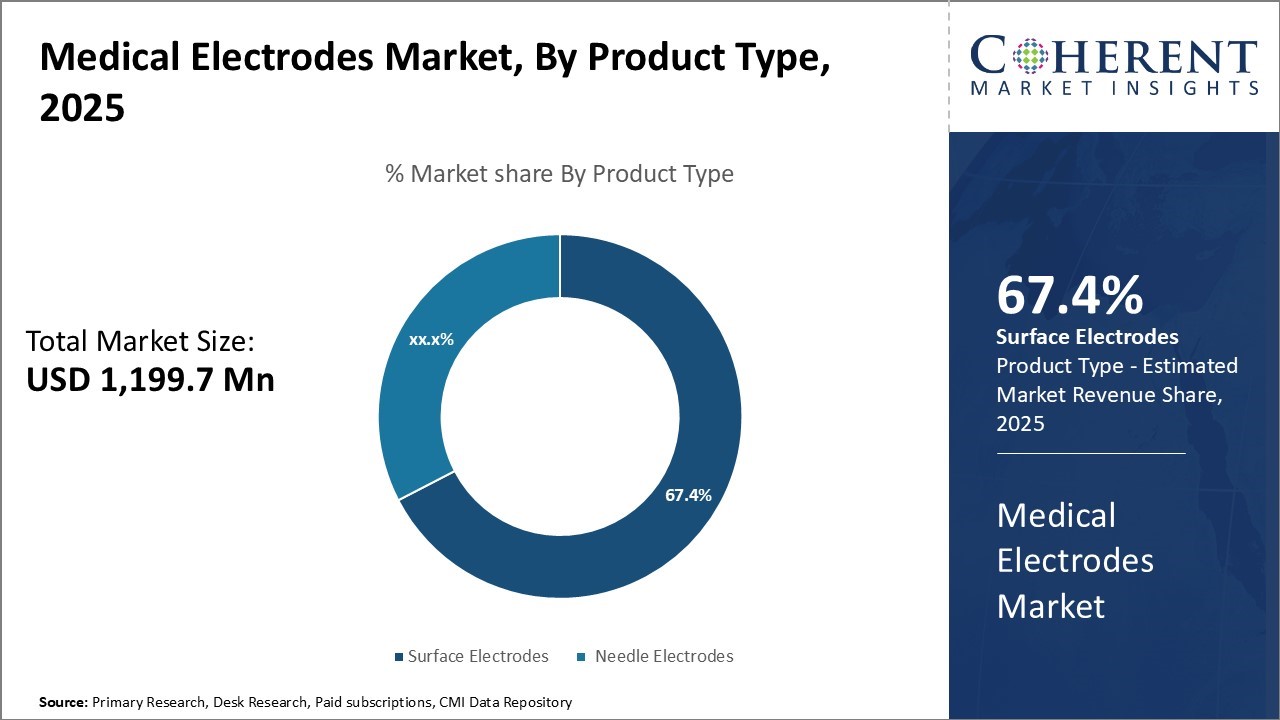
Global Medical Electrodes Market Insights, By Product Type
Surface electrodes are projected to dominate the global medical electrodes market with a significant 68.4% share in 2026. This dominance is attributed to the increasing adoption of non-invasive technologies for continuous patient monitoring. These electrodes offer convenience, ease of use, and minimal risk of infection, making them ideal for long-term applications in cardiology, neurology, and sleep studies.
The rise in chronic diseases such as cardiac arrhythmias and epilepsy has intensified demand for real-time monitoring, particularly in both hospital and homecare settings. With advancements in wearable health tech and diagnostic systems, surface electrodes continue to be the preferred choice among healthcare providers, further reinforcing their leading market position.
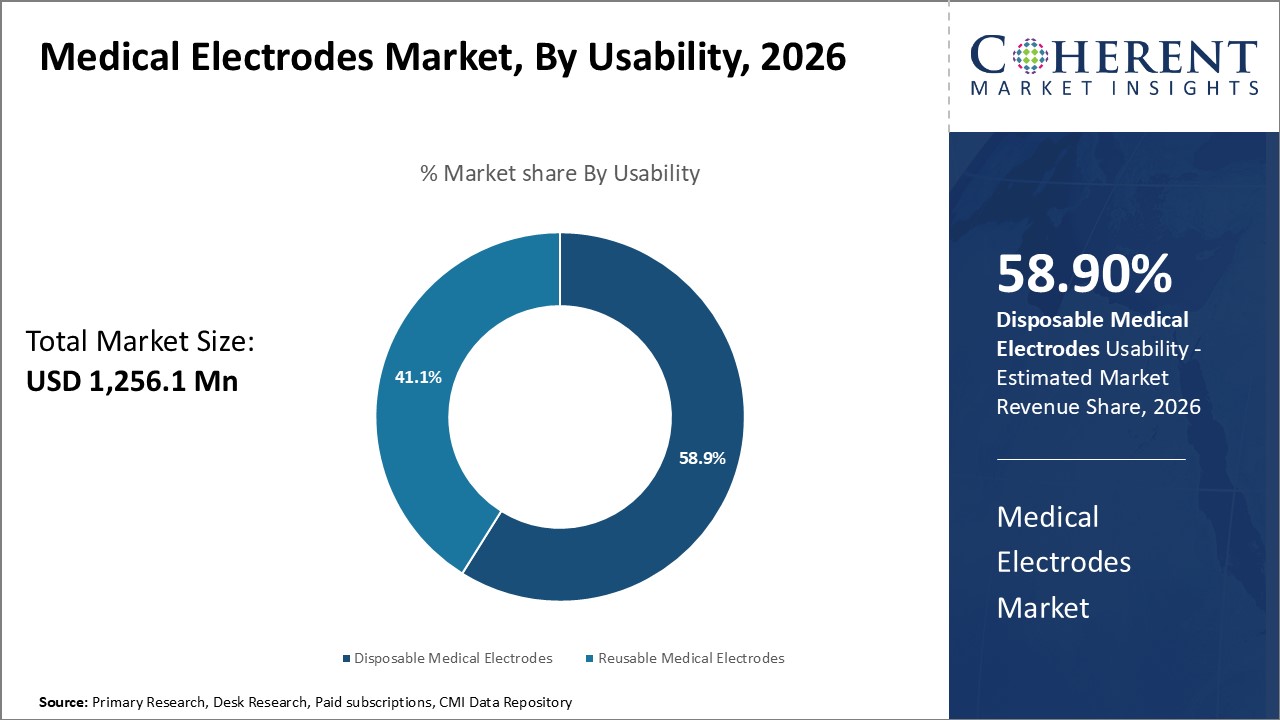
Global Medical Electrodes Market Insights, By Usability
Disposable medical electrodes are anticipated to lead the usability segment with a commanding 58.9% share in 2026, particularly within the Medical Electrodes Market for ECG Signal Acquisition. This growth is primarily driven by the heightened focus on infection prevention and hygiene in clinical environments. Single-use electrodes reduce the risk of cross-contamination, especially in high-turnover facilities such as emergency rooms and ICUs.
In addition to safety, disposable electrodes offer logistical and cost benefits by eliminating the need for reprocessing and sterilization. As hospitals and diagnostic centres face increasing patient volumes, the operational efficiency and regulatory compliance enabled by disposable solutions continue to drive their widespread adoption. These factors are especially crucial in ECG signal acquisition, where high-quality, hygienic, and reliable electrodes are essential for accurate diagnostics and patient care.
Global Medical Electrodes Market Insights, By End User
Hospitals and clinics are expected to maintain their leadership position in the end user segment, accounting for a 36.2% market share in 2026. The segment’s strength is underpinned by the global expansion of healthcare infrastructure, along with a steady rise in diagnostic and surgical procedures that require monitoring via electrodes.
With their high patient intake and extensive diagnostic capabilities, hospitals remain key buyers of both disposable and reusable electrodes. Additionally, the ongoing integration of advanced diagnostic tools, such as ECG, EEG, and EMG systems, continues to solidify hospitals and clinics as the cornerstone of electrode consumption in the medical industry.
Global Medical Electrodes Market – Regional Insights
North America Medical Electrodes Market Trends and Analysis
North America is projected to maintain its leadership position in the global medical electrodes market, accounting for an estimated 40.7% market share in 2026. This dominance is driven by the region’s advanced healthcare infrastructure, substantial healthcare expenditure, and early adoption of cutting-edge diagnostic and monitoring technologies. The United States, in particular, is home to major medical device manufacturers such as 3M, Medtronic, and Cardinal Health, which are at the forefront of innovation in electrode development.
Ongoing investments in research and development, along with favourable reimbursement frameworks and government healthcare initiatives, continue to strengthen North America’s position in the market. Additionally, the rising prevalence of lifestyle-related diseases, an aging population, and the growing demand for remote and long-term patient monitoring are propelling the adoption of medical electrodes.
With a strong foundation in healthcare delivery, a tech-driven R&D ecosystem, and a patient-centric approach, North America remains a global hub for the advancement and commercialization of medical electrode technologies.
Asia Pacific Medical Electrodes Market Trends and Analysis
Asia Pacific has emerged as the fastest-growing region in the global medical electrodes market, supported by rapid economic development, expanding healthcare access, and increasing awareness of early disease detection. Countries such as China, India, Japan, and South Korea are witnessing a surge in demand for medical electrodes due to the growing burden of chronic diseases and an expanding middle-class population.
Governments in the region are prioritizing healthcare reforms and increasing investments in diagnostic and monitoring infrastructure, particularly in underserved and rural areas. In intensive care units (ICUs), the need for High-Conductivity Medical Electrodes in ICU Use is rising, driven by the demand for accurate, real-time monitoring of critical patients. These electrodes ensure superior signal quality and reliability, which are vital for making timely clinical decisions. Domestic medical device manufacturers are also collaborating with global players to produce cost-effective, high-performance electrodes tailored to regional needs.
Moreover, the region’s push toward digital healthcare and wearable medical technologies is accelerating the adoption of electrodes across both clinical and homecare environments. With strategic policy support, rising healthcare spending, and a focus on self-reliance in medical technology, Asia Pacific is poised to become a key engine of growth in the global medical electrodes market.
Medical Electrodes Market Dominating Countries
United States and Canada
The United States stands as the undisputed leader in the global medical electrodes market, fueled by its advanced healthcare infrastructure, robust R&D ecosystem, and high healthcare spending. The country is home to major medical device giants such as 3M, Medtronic, and Cardinal Health, which continue to drive innovation in electrode technology, including smart and wearable electrodes for long-term monitoring.
The U.S. healthcare system’s early adoption of diagnostic and monitoring technologies, combined with favourable reimbursement policies and an aging population, ensures continued dominance in the global landscape.
Canada complements the U.S. with a strong publicly funded healthcare system that emphasizes preventive medicines and early diagnosis. Investments in expanding diagnostic services across urban and remote areas, along with growing demand for patient-friendly and disposable electrode solutions, are fuelling market expansion.
Canada's rising focus on digital health, coupled with national initiatives for remote monitoring and telemedicine, strengthens its position within North America’s medical electrodes ecosystem. Together, the U.S. and Canada lead the global market, setting benchmarks in technological advancement, accessibility, and healthcare integration.
Market Report Scope
Medical Electrodes Market Report Coverage
| Report Coverage | Details | ||
|---|---|---|---|
| Base Year: | 2025 | Market Size in 2026: | USD 1,256.1 Mn |
| Historical Data for: | 2020 To 2024 | Forecast Period: | 2026 To 2033 |
| Forecast Period 2026 to 2033 CAGR: | 4.7% | 2033 Value Projection: | USD 1,732.4 Mn |
| Geographies covered: |
| ||
| Segments covered: |
| ||
| Companies covered: | 3M, Stryker, Medtronic, Natus Medical Incorporated, Cognionics, Inc., CONMED Corporation, ZOLL Medical Corporation, Nihon Kohden Corporation, BD, Ambu A/S, CooperSurgical Inc., Olympus Corporation, Baxter, Avery Dennison Corporation, Rhythmlink International, LLC., NeuroOne Medical Technologies Corporation, NeuroPace, Inc., and Koninklijke Philips NV | ||
| Growth Drivers: |
| ||
| Restraints & Challenges: |
| ||
Analyst Viewpoint – Medical Electrodes Market
- The global medical electrodes market, driven by the rising prevalence of chronic diseases, increasing demand for real-time patient monitoring, and expanding global healthcare infrastructure. As diagnostic accuracy and continuous monitoring become central to modern healthcare delivery, medical electrodes are gaining importance across both clinical and homecare settings.
- Experts identify surface electrodes as the dominant product segment due to their non-invasive nature, versatility, and high compatibility with diagnostic systems like ECG, EEG, and EMG. Disposable electrodes are strongly favoured in high-throughput settings owing to their cost-effectiveness and infection control benefits.
- North America continues to lead the global market, supported by its advanced healthcare infrastructure, favourable reimbursement policies, and presence of key manufacturers. Asia Pacific is emerging as the fastest-growing region, fuelled by rising healthcare investments, urbanization, and growing adoption of digital health solutions.
- Looking forward, analysts believe that innovations in wearable technology, integration with AI-driven diagnostics, and increased focus on remote patient monitoring will reshape the competitive landscape. Strategic collaborations among device manufacturers, healthcare providers, and tech companies will be essential to meet evolving clinical needs and improve patient outcomes.
Market Segmentation
- By Product Type (Revenue, USD Mn, 2021 - 2033)
- Surface Electrodes
- Needle Electrodes
- By Usability (Revenue, USD Mn, 2021 - 2033)
- Disposable Medical Electrodes
- Reusable Medical Electrodes
- By Modality (Revenue, USD Mn, 2021 - 2033)
- Electromyography (EMG)
- Electroencephalography (EEG)
- Electromyography (EMG)
- Brainstem Auditory Evoked Potentials (BAEPs)
- Others
- By Application (Revenue, USD Mn, 2021 - 2033)
- Cardiology
- Neurophysiology
- Electrosurgery
- Others
- By End User (Revenue, USD Mn, 2021 - 2033)
- Hospitals & Clinics
- Diagnostic Centers
- Ambulatory Surgical Centers
- Others
- By Region (Revenue, USD Mn, 2021 - 2033)
- North America
- U.S.
- Canada
- Latin America
- Brazil
- Argentina
- Mexico
- Rest of Latin America
- Europe
- Germany
- U.K.
- Spain
- France
- Italy
- Russia
- Rest of Europe
- Asia Pacific
- China
- India
- Japan
- Australia
- South Korea
- ASEAN
- Rest of Asia Pacific
- Middle East
- GCC Countries
- Israel
- Rest of Middle East
- Africa
- South Africa
- North Africa
- Central Africa
- North America
- Key Players Insights
- 3M
- Stryker
- Medtronic
- Natus Medical Incorporated
- Cognionics, Inc.
- CONMED Corporation
- ZOLL Medical Corporation
- Nihon Kohden Corporation
- BD
- Ambu A/S
- CooperSurgical Inc.
- Olympus Corporation
- Baxter
- Avery Dennison Corporation
- Rhythmlink International, LLC.
- NeuroOne Medical Technologies Corporation
- NeuroPace, Inc.
- Koninklijke Philips NV
Sources
The Stakeholders Consulted
- Biomedical engineers and clinical application specialists
- Manufacturers and suppliers of medical electrodes and diagnostic accessories
- Hospital procurement officers and medical device sourcing managers
- Regulatory affairs professionals and healthcare compliance officers
- Research institutions focused on biomedical devices and diagnostics
- Healthcare providers across hospitals, clinics, diagnostic labs, and home care settings
- Distributors and importers of disposable and reusable electrode products
Databases Opened
- U.S. Food & Drug Administration (FDA) – Medical Device Databases
- Centers for Medicare & Medicaid Services (CMS) – Reimbursement Data
- National Center for Biotechnology Information (NCBI) – Clinical Research Studies
- Ministry of Health and Family Welfare (India) – Medical Device and Infrastructure Data
Magazines & Trade Publications
- MedTech Dive
- Medical Design & Outsourcing
- BioSpectrum – Medical Devices Section
- Healthcare IT News
- Diagnostics World
Scientific and Industry Journals
- Journal of Electrocardiology
- IEEE Transactions on Biomedical Engineering
- Journal of Clinical Monitoring and Computing
- Sensors Journal (MDPI)
- Biomedical Signal Processing and Control
Newspapers & Media Outlets
- The Wall Street Journal – Healthcare & MedTech
- Bloomberg – Medical Devices & Healthcare Sector
- Reuters – Global Healthcare Markets
- The Economic Times – Health and Diagnostics
- Business Standard – Medical Technology & Innovation
Associations and Regulatory Bodies
- U.S. Food & Drug Administration (FDA)
- European Medicines Agency (EMA)
- Association for the Advancement of Medical Instrumentation (AAMI)
- Medical Device Innovation Consortium (MDIC)
- Bureau of Indian Standards (BIS) – Medical Devices Section
Public Domain Sources
- U.S. National Institutes of Health (NIH) – Biomedical Research Insights
- World Health Organization (WHO) – Medical Device Statistics
- European Commission – EU Medical Device Regulations and Reports
- Indian Council of Medical Research (ICMR) – Device Adoption and Use Trends
- Centers for Disease Control and Prevention (CDC) – Cardiac and Neurological Data
Proprietary Research Elements
- CMI Data Analytics Tool
- Proprietary CMI Repository of Market Data (covering past 8 years)
- CMI Expert Interviews and Transcripts (focused on medical electrodes, diagnostic technologies, and market adoption trends)
Get access to 250+ pages report
Every segment, forecast, competitor profile and data table behind the analysis above — available for instant download.
- ESOMAR Member
- ISO 9001:2015 Certified
- D-U-N-S Registered
- GDPR & CCPA Compliant
Missing comfort of reading report in your local language? Find your preferred language:
Transform your Strategy with Exclusive Trending Reports
Frequently Asked Questions
The Medical Electrodes Market size is estimated to be valued at USD 1,256.1 Mn in 2026, and is expected to reach USD 1,732.4 Mn by 2033.
The CAGR of the global Market is projected to be 4.7% from 2026 to 2033.
Rising incidence of neurological and cardiovascular disorders and high demand for medical electrodes are the major factors driving the growth of the global market.
Biocompatibility issues with medical electrodes and stringent regulatory guidelines associated with medical electrodes are the major factors hampering the growth of global market.
Medical electrodes collect vital biosignals (e.g., ECG, EEG, EMG) and transmit them via connected devices to healthcare providers, enabling real-time, remote monitoring and diagnosis without in-person visits.
Medical electrodes hold strong potential in emerging areas such as sleep medicine, mental health monitoring, neonatal care, rehabilitation, and chronic pain management by offering continuous, non-invasive, and cost-effective diagnostic solutions.
In terms of product type, surface electrodes is estimated to dominate the market revenue share in 2026.