

Next Generation Probiotics Market Size and Forecast — 2026-2033
Next Generation Probiotics Market is estimated to be valued at USD 257.3 Mn in 2026 and is expected to reach USD 547.9 Mn in 2033, exhibiting a compound annual growth rate (CAGR) of 11.4% from 2026 to 2033. This increases the interest in using commensal bacteria as next-generation probiotic (NGP) for the prevention and treatment of disease as a novel health promoting approach. Next generation probiotics can develop either dietary supplement or novel drug that faces a new challenge in their efficacy, safety, technological robustness, and regulatory framework. Next generation probiotics to use as bio therapeutics must go through three rounds of clinical trials such as preclinical, toxicological studies and pharmacodynamics.
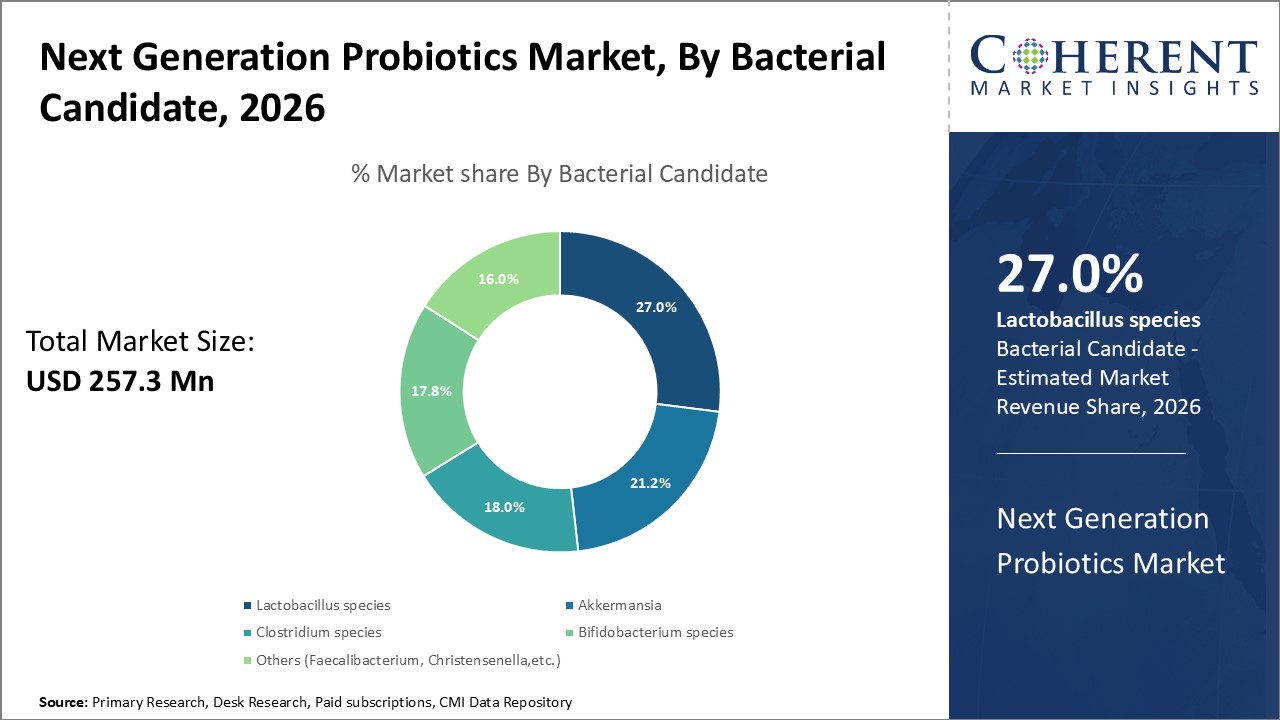
Figure 1.Global Next Generation Probiotics Market Share (%), by Bacterial Candidate, 2026
Global Next Generation Probiotics Market- Drivers
Increasing product launches by key players in market are expected to drive market growth over the forecast period. For instance, in June 2021, FitBiomics, a sports biotechnology company, launched its first consumer product under Nella Brand, a next-generation probiotics supplement for gut health in active adults uniquely sourced from the microbiome of elite athletes.
Moreover, in September 2020, Lonza, a leading global provider of integrated healthcare solutions, announced the launch of its L. plantarum (TWK10) ingredient, which is originally isolated from fermented vegetables, specifically Taiwanese Kimchi. The unique patented TWK10 strain is the next generation of probiotics. It is also a novel probiotic designed to deliver sports nutrition benefits for both elite athletes and active consumers. The TWK10 brand is clinically shown to enhance endurance and improve body composition and energy levels.
- Current Industry Events of 2026
- Market Size Estimation
- Regional Breakdown
- Competitive Landscape
- Customer Intelligence
- Segmental Analysis
- Pricing Analysis
- Key Market Drivers, Challenges & Future Trends
- Customized Insights Section
Next Generation Probiotics Market Report Coverage
| Report Coverage | Details | ||
|---|---|---|---|
| Base Year: | 2025 | Market Size in 2026: | USD 257.3 Mn |
| Historical Data for: | 2020 To 2024 | Forecast Period: | 2026 To 2033 |
| Forecast Period 2026 to 2033 CAGR: | 11.4% | 2033 Value Projection: | USD 547.9 Mn |
| Geographies covered: |
| ||
| Segments covered: |
| ||
| Companies covered: | Pendulum, Amsterdam Winclove Probiotics, Metabogen AB (Biogaia), Exeliom Biosciences, TargEDys, Chr. Hansen Holding A/S, YSOPIA Bioscience, A-Mansia Biotech, Next Gen Probiotics, Evolve Biosystems and DuPont de Nemours, Inc. | ||
| Growth Drivers: |
| ||
| Restraints & Challenges: |
| ||
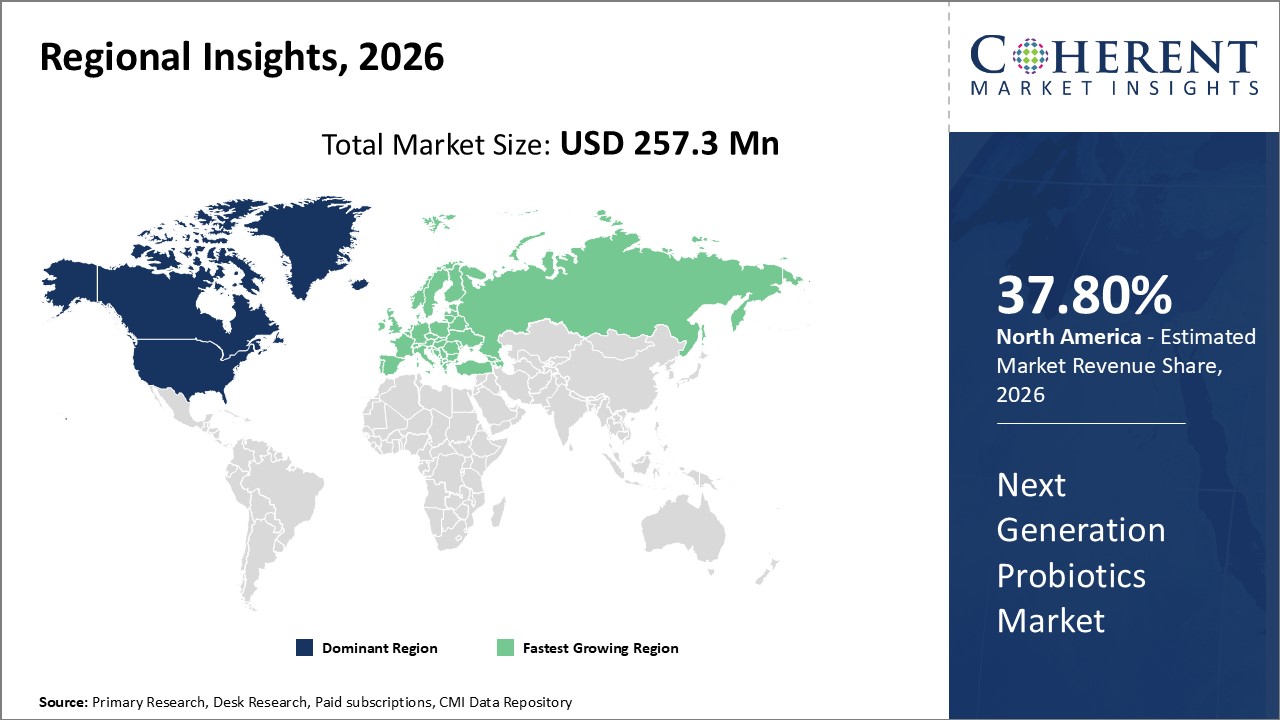
Figure 2.Global Next Generation Probiotics Market Share (%), by Region, 2026
As the link between regional warehouses is not smooth, transportation of raw materials between regions cannot be carried out successfully. This shortage of raw materials and components have negatively affected the supply chain of the next generation probiotics market.
This study revealed negative impact on availability and access of essential drugs, sanitation and hygiene products, and antimicrobials. Most pharmaceutical companies and pharmacies in Namibia experienced delayed manufacturing and distribution of drugs, which is attributed to reduced inter-country transportation of pharmaceutical goods and limited in-country capacity to manufacture drugs.
Emerging data suggest that changes in the immune homeostasis, induced by SARS CoV-2, might be mediated by gut microbiota. Elderly people have less diverse intestinal flora in which beneficial microorganisms deteriorate. The administration of these NGPs, isolated from the human gut, could restore the microbiota and improve the immunity in the lungs. Indeed, several studies have suggested a connection between the gut and the lungs.
Global Next Generation Probiotics Market: Key Developments
On August 29, 2022, BioGaia, a biotechnology company, developed probiotic products and expanded its product portfolio with new bacterial strains, developed together with its owned subsidiary MetaboGen AB, a biotechnology research company. MetaboGen built a pilot plant in Eslöv, Sweden. The facility handles manufacturing of bacteria with different requirements during fermentation, both traditional lactobacilli as well as new which are extremely oxygen-sensitive strains.
On July 08 2022, A-Mansia Biotech, a privately held biotechnology company, revealed its new brand name along with plans to launch food supplement Akkermansia Muciniphila. The new brand name of A-Mansia Biotech is The Akkermansia Company.
Global Next Generation Probiotics Market: Restraint
Difficulties associated with the production of next-generation probiotics is expected to hinder the growth of the global next generation probiotics market. For instance, according to an article published by Network of Aquaculture Centres in Asia Pacific, an intergovernmental organization that promotes rural development through sustainable aquaculture and aquatic resources management, in 2021, NGP falls under the category of LBPs (live biotherapeutics) or drugs. Any probiotic strain that will be used as NGP is subject to the usual pharmaceutical clinical trials and research on its pharmacokinetics, pharmacodynamics, safety, and delivery routes. This process is stringent and poses significant hurdles on the pathway of NGP development and commercialization.
Global Next Generation Probiotics Market- Key Players
Major players operating in the global next generation probiotics market include Pendulum, Amsterdam Winclove Probiotics, Metabogen AB (Biogaia), Exeliom Biosciences, TargEDys, Chr. Hansen Holding A/S, YSOPIA Bioscience, A-Mansia Biotech, Next Gen Probiotics, Evolve Biosystems, and DuPont de Nemours, Inc.
Sources
Primary Research Interviews
- Next-generation probiotic developers (e.g., Seres Therapeutics, Finch Therapeutics, 4D Pharma, Pendulum Therapeutics, Kaleido Biosciences)
- Gastroenterologists and microbiome researchers
- Venture-backed live biotherapeutic companies
Databases
- U.S. FDA CBER live biotherapeutic data
- EMA biotherapeutic data
- NIH Human Microbiome Project
Magazines
- NutraIngredients
- GEN
Journals
- Cell Host & Microbe (Cell Press)
- Nature Microbiology
Newspapers
- Reuters Pharma
- Financial Times – Pharmaceuticals
Associations
- ISAPP
- Pharmabiotic Research Institute
- American Gastroenterological Association (AGA)
Public Domain Sources
- U.S. FDA LBP guidance
- EMA live biotherapeutic guidelines
- ResearchGate publications on next-generation probiotics
Proprietary Elements
- CMI Data Analytics Tool, Proprietary CMI Existing Repository of information for last 10 years.
Get access to 250+ pages report
Every segment, forecast, competitor profile and data table behind the analysis above — available for instant download.
- ESOMAR Member
- ISO 9001:2015 Certified
- D-U-N-S Registered
- GDPR & CCPA Compliant
Missing comfort of reading report in your local language? Find your preferred language:
Transform your Strategy with Exclusive Trending Reports
Frequently Asked Questions
The Next Generation Probiotics Market is estimated to be valued at USD 257.3 Mn in 2026, and is expected to reach USD 547.9 Mn by 2033.
The CAGR of the Next Generation Probiotics Market is projected to be 11.4% from 2026 to 2033.
Increasing product launches and research and development activities are expected to drive the market.
Lactobacillus species is the leading bacterial candidate segment in the market.
The major factors hampering growth of the market include Difficulties associated with manufacturing of next generation probiotic products
Major players operating in the market include Pendulum, Amsterdam Winclove Probiotics, Metabogen AB (Biogaia), Exeliom Biosciences, TargEDys, Chr. Hansen Holding A/S, YSOPIA Bioscience, A-Mansia Biotech, Next Gen Probiotics, Evolve Biosystems and DuPont de Nemours, Inc.