

Urethral Stricture Treatment Market Size and Forecast — 2026-2033
Urethral Stricture Treatment Market is estimated to be valued at USD 1,988.4 Mn in 2026 and is expected to reach USD 3,069.7 Mn in 2033, exhibiting a compound annual growth rate (CAGR) of 6.4% from 2026 to 2033.
Analysts’ Views on Global Urethral Stricture Treatment Market:
Increasing inorganic strategies such as partnership by the key market players is expected to drive the global urethral stricture treatment market growth over the forecast period. For instance, in October 2020, Laborie, a diagnostic and therapeutic medical technology company, announced today that it has acquired Pelvalon, Inc., a privately held medical device company located in Redwood City, California, which currently conducting clinical trials to support regulatory approval of optilume, a drug-coated balloon (DCB) technology for usage in urethral strictures.
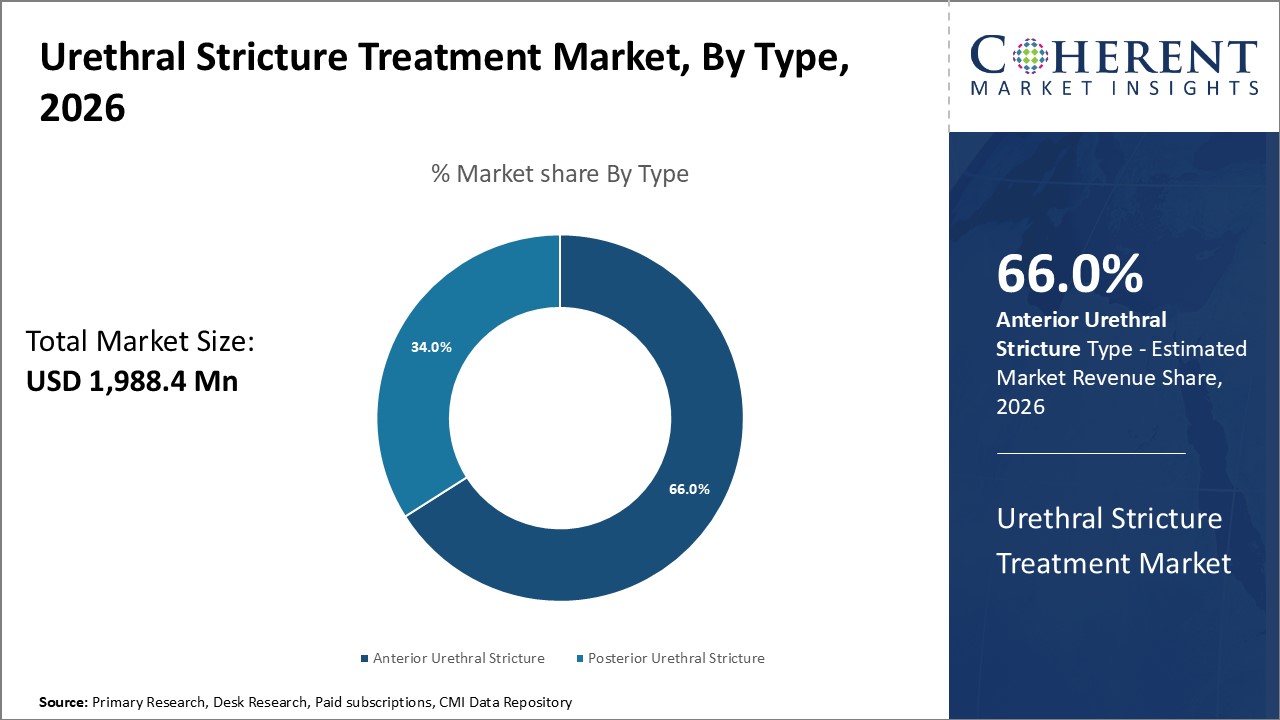
Figure 1. Global Urethral Stricture Treatment Market Share (%), By Type, 2026
Global Urethral Stricture Treatment Market – Drivers
Increasing inorganic strategies such as approvals by the key market players from the regulatory authorities is expected to drive the global urethral stricture treatment market growth over the forecast period. For instance in February 2022, Laborie, a diagnostic and therapeutic medical technology company, announced that the Therapeutic Goods Administration (TGA) regulation authority in Australia has approved the use of Optilume, a urethral drug coated balloon (DCB) technology for the treatment of anterior urethral stricture.
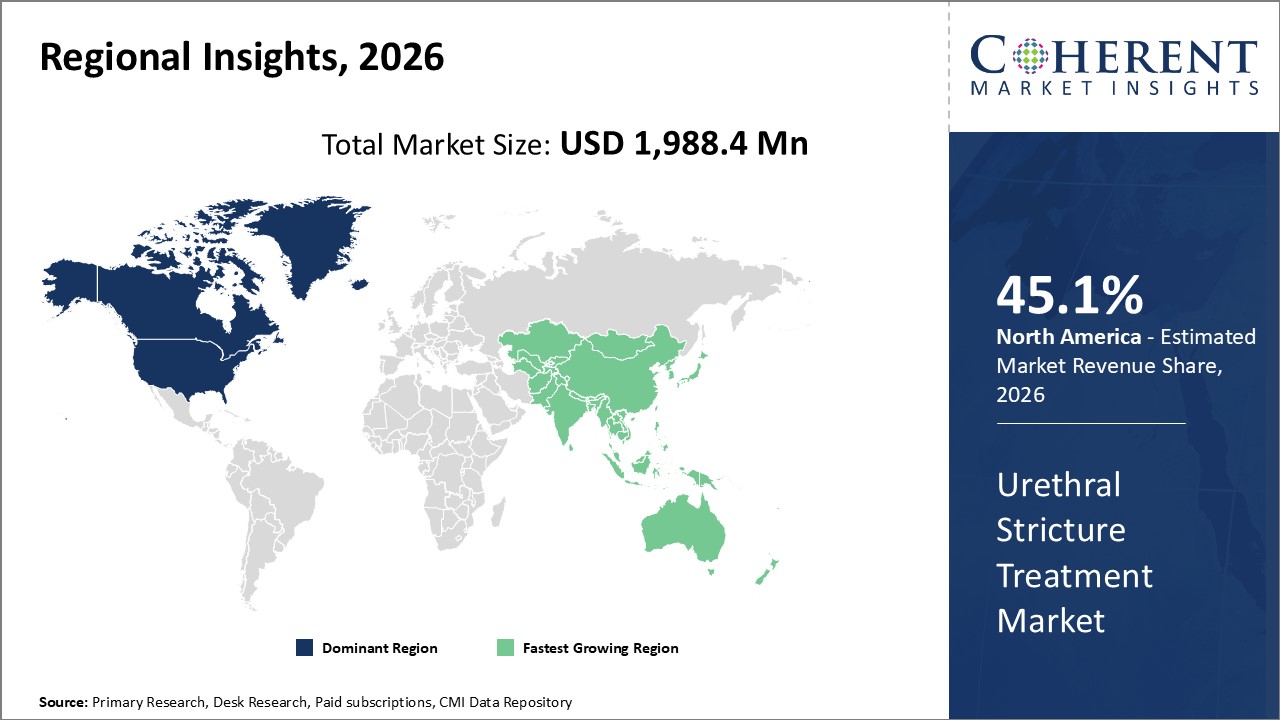
Figure 2. Global Urethral Stricture Treatment Market Value (US$ Million), By Region , 2026
Global Urethral Stricture Treatment Market—Regional Analysis
Among all regions the North America is ecpexted to hold the dominant postion in the global urethral stricture treatment market over the forecast period, due to increase in prevalence of urethral strictures. For instance in October 2026, a data was published in the National Center for Biotechnology Information (NCBI), according to which Urethral strictures are common, with its prevalence in the US being around 200/100,000 in younger men and more than 600/100,000 in men older than 65. The estimated annual incidence rate in The US is 0.9%. Male urethral strictures account for 5,000 hospital admissions annually and 1.5 million visits to clinics
For instance, in April 2021, according to an article published by the Elsevier, a scientific journal and publisher, priority 1 patients, who normally should undergo surgery within 30 days, were on the waiting list for a mean (SD) time of 60.51 (20.14) days. They were mainly patients with ureteral lithiasis (25.6%), high-risk or muscle-invasive bladder cancer (20.9%) and high-risk prostate cancer (13.9%). The mean waiting time had already significantly exceeded the mean time to surgery in 2019
- Current Industry Events of 2026
- Market Size Estimation
- Regional Breakdown
- Competitive Landscape
- Customer Intelligence
- Segmental Analysis
- Pricing Analysis
- Key Market Drivers, Challenges & Future Trends
- Customized Insights Section
Urethral Stricture Treatment Market Report Coverage
| Report Coverage | Details | ||
|---|---|---|---|
| Base Year: | 2025 | Market Size in 2026: | USD 1,988.4 Mn |
| Historical Data for: | 2020 To 2024 | Forecast Period: | 2026 To 2033 |
| Forecast Period 2026 to 2033 CAGR: | 6.4% | 2033 Value Projection: | USD 3,069.7 Mn |
| Geographies covered: |
| ||
| Segments covered: |
| ||
| Companies covered: | Becton, Dickinson and Company, Amecath, Zhejiang Chuangxiang, Medical Technology Co., Ltd, Allium Ltd., SURGIMEDIK, Cook Group, Taewoong Medical Co., Ltd., Teleflex Incorporated, B. Braun Melsungen AG, Coloplast A/S, Boston Scientific Corporation, and Pnn Medical A/S, and Laborie | ||
| Growth Drivers: |
| ||
| Restraints & Challenges: |
| ||
Global Urethral Stricture Treatment Market- Segmentation
Global urethral stricture treatment market report is segmented into type, treatment, disease indication, end user, and region.
Based on Type, the market is segmented into posterior urethral stricture and anterior urethral stricture. Out of which, the anterior urethral treatment is expected to hold the dominant position in the global urethral stricture treatment market over the forecast period, due to increasing number of urethral stricture in males.
Based on Treatment, the market is segmented into urethral dilation, direct vision internal urethrotomy (DVIU), Urethroplasty (Anastomotic Urethroplasty and Substitution Urethroplasty), and others. Out of which, the urethral dilationsegment is expected to hold a dominant position in the global urethral stricture market over the forecast period, due to increasing number of treatment by this method.
Based on Disease Indication, the market is segmented into latrogenic, idiopathic, infection-induced, trauma,and others. Out of which, the idiopathic segment is expected to hold a dominant position in the global urethral stricture treatment market over the forecast period.
Based on End User, the market is segmented into hospitals, ambulatory surgical centers, and others. Out of which, hospitals segment is expected to be dominant in the global urethral stricture treatment market over the forecast period, owing to increasing number of surgical equipments from hospitals.
Based on Region, The market is segmented into North America, Latin America, Europe, Asia Pacific, Middle East, and Africa. Out of which the North America is expected to hold dominant position in the global urethral stricture treatment market over the forecast period.
Global Urethral Stricture Treatment Market- Cross Sectional Analysis
In disease indication, latrogenic segemnt hold a dominant position in Europe region, due to increasing, urethral stricture following transurethral prostate surgery occurs in between 4.5-14% of patients, transurethral surgery is the most common cause of latrogenic urethral stricture accounting for 42% of all causes.
Global Urethral Stricture Treatment Market: Key Developments
Increasing inorganic strategies such as acquisition by the key market players is expected to drive the global urethral stricture treatment market growth over the forecast period. For instance in October 2021, Laborie, a medical technology company, announced that it has acquired Pelvalon, Inc., a privately held medical device company, to increase its product portfolio.
Global Urethral Stricture Treatment Market: Key Trends
Increasing incidence of urethral stricture
Increasing incidence of urethral stricture, and high success rate of the procedure is expected to drive growth of the urethroplasty segment during the forecast period. For instance, according to the British Association of Urological Surgeons (BAUS) Limited, urethroplasty is the most preferred procedure for treatment of urethral strictures, and has a success rate of over 86.0% as compared to other procedures.
Global Urethral Stricture Treatment Market: Restraint
High Cost of the Treatment
Urethral stricture treatment requires highly efficient & technologically advanced procedures. Technologically advanced procedures offer fast recovery with no down time and reduces recurrence. However, high cost of surgical procedures is expected to hamper growth of the market, as individuals in lower middle income economies cannot afford the treatment. According to the Elsevier , the cost of first treatment of Direct Vision Internal Urethrotomy (DVIU) is US$ 3,375.0, and the cost of second term treatment of DVIU is US$ 7,522.5 that is very expensive for patients in low and middle income countries. The cost of the treatment could be reduced by making of surgical intruments in house
Global Urethral Stricture Treatment Market - Key Players
Major players operating in the global urethral stricture treatment market include Becton, Dickinson and Company, Amecath, Zhejiang Chuangxiang, Medical Technology Co., Ltd, Allium Ltd., SURGIMEDIK, Cook Group, Taewoong Medical Co., Ltd., Teleflex Incorporated, B. Braun Melsungen AG, Coloplast A/S, Boston Scientific Corporation, and Pnn Medical A/S, and Laborie.
Sources
Primary Research Interviews
- Urologists and reconstructive urology specialists
- Urethral dilation/stent and urethroplasty graft manufacturers
- Urology ambulatory center medical directors
Databases
- U.S. FDA 510(k) database
Magazines
- Urology Times
Journals
- Journal of Urology (AUA)
- European Urology
Newspapers
- Reuters Health
Associations
- American Urological Association (AUA)
- Society of Genitourinary Reconstructive Surgeons (GURS)
Public Domain Sources
- U.S. National Institute of Diabetes and Digestive and Kidney Diseases (NIDDK)
Proprietary Elements
- CMI Data Analytics Tool, Proprietary CMI Existing Repository of information for last 10 years.
*Definition: Urethral stricture is the narrowing of the urethra due to scar tissue that leads to obstructive voiding dysfunction with potentially serious consequences for the entire urinary tract. It produces obstructive and irritative urinary symptoms, and can ultimately impair renal function.
Get access to 250+ pages report
Every segment, forecast, competitor profile and data table behind the analysis above — available for instant download.
- ESOMAR Member
- ISO 9001:2015 Certified
- D-U-N-S Registered
- GDPR & CCPA Compliant
Missing comfort of reading report in your local language? Find your preferred language:
Transform your Strategy with Exclusive Trending Reports
Frequently Asked Questions
The Urethral Stricture Treatment Market is estimated to be valued at USD 1,988.4 Mn in 2026, and is expected to reach USD 3,069.7 Mn by 2033.
The CAGR of the Urethral Stricture Treatment Market is projected to be 6.4% from 2026 to 2033.
Increasing prevalence of urethral stricture is expected to drive the market growth.
Anterior urethral stricture is the leading type segment in the market.
High cost of the treatment is expected to hinder the market growth over the forecast period.
Major players operating in the market include Becton, Dickinson and Company, Amecath, Zhejiang Chuangxiang, Medical Technology Co., Ltd, Allium Ltd., SURGIMEDIK, Cook Group, Taewoong Medical Co., Ltd., Teleflex Incorporated, B. Braun Melsungen AG, Coloplast A/S, Boston Scientific Corporation, and Pnn Medical A/S, and Laborie.