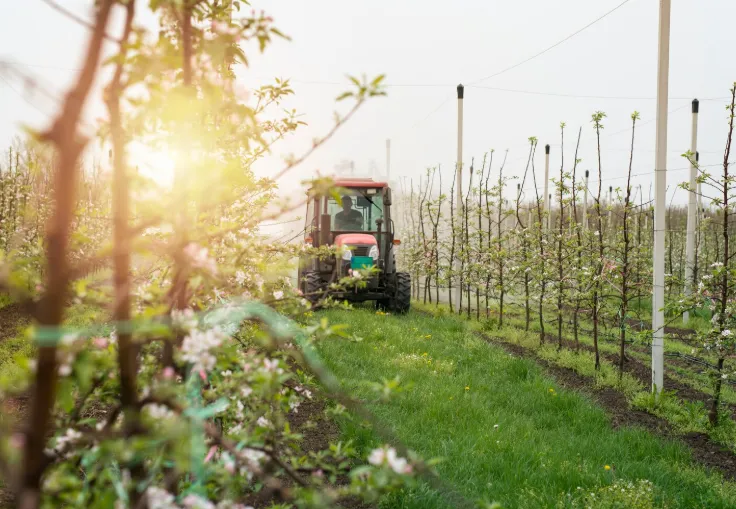
Changing climate and rising temperatures have made farming challenging. It has a great impact on the agriculture sector. Farmers find it difficult to grow vegetables in scorching heat, where moderate sunlight or minimal water is required. To combat these situations, shade nets are the game-changer.
Understanding Shade Nets: The Shield for Your Crops
A shade net is a high-density polyethylene (HDPE) material, usually UV-stabilized, used to control the amount of sunlight, moisture, and wind reaching the plants. It can be viewed as an advanced sunscreen for the farm. These nets are available in 35, 50, 75, and 90 percent, indicating the volume of light blocked by the net.
An example is a shade net made of 50 percent shade, which allows only half the sunlight to pass through, creating an artificial microclimate that is far cooler than an open field.
How They Support Modern Agriculture
1. Temperature and Humidity Regulations
In open farming, the soil becomes dehydrated by evaporation. Shade nets will maintain a specified humidity level, keeping plants moist and the soil temperature stable. This is essential for sensitive crops such as lettuce, broccoli, and strawberries.
2. Protection from Pests and Physical Damage
Shade nets serve as a physical shield. They protect crops from harsh sunlight, excessive rain, hail, and strong winds, which can damage plants. Moreover, they prevent pest and bird entry, reducing the need for chemical pesticides.
3. Enhanced Quality of Yield
Direct UV radiation can cause peppers and tomatoes to develop sunscald. The shade nets can screen out light, thereby producing the same color, improving texture, and increasing shelf life, which are critical in the export market.
Real-Life Instances: Success in the Field
1. Greenhouse Revolution in Maharashtra
Farmers in Maharashtra's dry belts faced challenges cultivating bell peppers (Capsicum) during the dry summer seasons. They could reduce ambient temperature by 40-60°C by installing 50% green shade nets. This enabled them to supply produce out of season, at almost twice the market value compared with the normal harvesting period.
2. Nursery and Floriculture
The nursery owner recently posted a report from Bangalore showing that by installing 75 percent shade nets over his ornamental plants, his water use was reduced by 30 percent. The shade net also helped the delicate saplings avoid drying out, resulting in 95% survival compared with 70% in the open environment.
Conclusion
As we enter an age of increasingly unreliable weather, open-field farming is becoming riskier. Shade nets would provide a cost-effective, sustainable, and efficient micro-level way of controlling the weather. These nets prevent extreme heat from reaching crops, save water, and boost quality; therefore, they are not a mere gimmick but a key tool for the contemporary farmer.
Purchasing a shade net is not only a matter of crop security these days; it is also a matter of food security.
FAQs
Which color shade net is best?
Green: Most popular in general agriculture, as it aligns with the natural spectrum.
Black: This color is most effective in cooler areas for warm plants; it absorbs heat.
White: Reflects light; suitable in flowering vegetation that requires bright as well as cool heat.
How long does a shade net last?
When used in high-quality UV-stable shade nets, the product may last 3-5 years under the specified weather conditions in the area.
Is it expensive to install?
Although the structure (bamboo or metal frames) incurs an initial setup cost, the ROI is strong due to higher crop yields and water savings. Many governments also provide subsidies for controlled cultivation.
Is it possible to use shade nets during rainy seasons?
Yes. They are not made of water-impermeable plastic, but they shield against heavy raindrops, helping prevent soil erosion and physical damage to young vegetation.
is an Associate Content Writer with 3.5 years of experience specializing in research, content writing, SEO optimization, and market analysis, primarily within the consumer goods, packaging, semiconductor, and aerospace & defense domains. He has a proven track record of crafting insightful and engaging content that enhances digital visibility and provides valuable industry perspectives. Nayan’s expertise lies in producing content that is not only informative but also strategically optimized to reach target audiences effectively. His ability to blend market analysis with SEO strategies ensures that his work is both relevant and highly discoverable.
With an MBA in Systems (IT), Nayan brings a strong foundation in market strategies, business analytics, and research methodologies to his writing. This unique blend of skills allows him to offer in-depth analysis and thought leadership across a variety of content formats, including blogs, news articles, and editorial pieces. Passionate about delivering quality, Nayan is dedicated to providing readers with content that not only informs but also adds depth to ongoing industry conversations. His work reflects a commitment to excellence, and he continues to refine his approach as he keeps pace with evolving market trends.