
Contact Us Careers Register

How Copper Supply Chains are Adapting to Geopolitical Pressures

09 Mar, 2026 - by CMI | Category : Energy

How Copper Supply Chains are Adapting to Geopolitical Pressures - Coherent Market Insights

How Copper Supply Chains are Adapting to Geopolitical Pressures

Modern industries understand that copper sits at the center. It offers power to various applications. The key trending areas include energy grids and electric vehicles. But still, the businesses see the growing geopolitical pressure in the global copper supply chain. There is a clear trade tension and resource nationalism. Even regional instability is reshaping how copper moves from mines to markets. It leads to securing a reliable supply for companies and governments.

For a broader industry perspective, read through the copper industry market analysis report.

Major Geopolitical Risks Affecting Copper Supply Chains

  • Resource Nationalism

Resource nationalism is a major growing concern in the global copper industry. Governments are even increasing control over mining operations in resource-rich countries. They are doing it through higher taxes and stricter regulations. The right policies aim to secure greater economic benefits. But they can disrupt production and investment. These types of actions even create uncertainty for international buyers in copper supply chains. It relies on stable access to this essential metal for different uses.

  • Political Instability in Key Mining Regions

The presence of political instability in key mining regions can lead to a serious threat. There are many of the world’s largest copper reserves that lie in countries with political tensions. More factors that are playing a part include policy shifts and social unrest. These can disrupt mining operations. So, there may be situations of slow production and delayed exports. And these uncertainties may create supply shortages and price volatility.

According to an IEA (International Energy Agency) report, the three top countries for copper supply are Chile, Peru, and China. Its graphical representation mentioned that Chile and Peru are popular for mining, 23% and 10%, respectively. On the contrary, China is leading in refining with 46%.

(Source: IEC Copper Report)​

  • Trade Tensions and Tariffs

Trade tensions and tariffs are a serious geopolitical risk. There are many countries that depend on the cross-border mining of copper. Also, they rely on their refining and manufacturing networks. So, the situation may become problematic when governments impose tariffs. The restriction on the exports can heavily affect the industries where copper is used in high amounts. For example, the construction and electronics industries. Even the increase in trade disputes between major economies can disrupt shipping routes.
The Way Copper Supply Chains are Adapting

Copper Supply Chains Adapting to Geopolitical Pressures By Copper Supply Chains

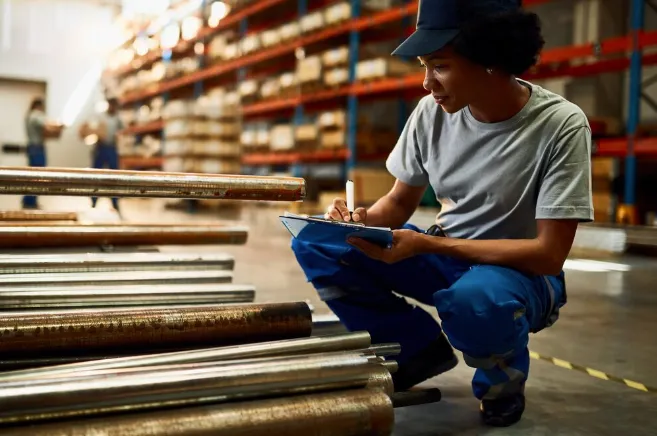
You can see that copper supply chains need to make shifts due to rising geopolitical tensions. So, the countries are diversifying sourcing strategies. They are focusing on investing in domestic mining and refining. Various companies are forming regional partnerships to reduce dependency on single suppliers.

Moreover, governments are supporting strategic reserves. There is also a surge in recycling initiatives. These changes will benefit many industries over time.

Conclusion

The copper supply chains are experiencing a new era. It is due to the geopolitics and sustainability demands. Besides, one more factor to consider here is faster industrial growth. There are many companies and governments that are responding to this. They are trying to invest in domestic production and strengthen partnerships across regions. As a result, you may observe here that global demand continues to rise. There will be a need for resilient and transparent supply networks. It will ensure stable copper availability.

FAQs

  • Who are the global players of the copper supply chain?
    • Many countries are playing a crucial role. Chile and Peru are dominating the copper mining production. And China is leading the copper refining and manufacturing. Some more countries that are popular in the global copper supply chain are the United States and the Democratic Republic of Congo.
  • What are the ways companies use to modify their copper sourcing strategies?
    • There are many companies that are diversifying their suppliers. Even many are investing in recycling technologies. Companies are also building strategic reserves. Moreover, they are partnering with different mining regions. The ones offering more stable political and economic environments.
  • How is copper recycling reinforcing supply chains?
    • Copper recycling can reduce the reliance on newly mined materials. Besides, it can stabilize the supply during geopolitical disruptions. Copper is also easily recycled without losing quality. So, it is a critical component of sustainable and resilient supply strategies.

About Author

Mirza Aamir

Mirza Aamir

Mirza Aamir is a dynamic writer with over five years of experience in creating compelling and insightful content across a diverse range of industries, including automotive and transportation, energy, consumer electronics, bulk chemical, and food & beverages. With a strong foundation in writing blogs, articles, press releases, preview analysis, and other co... View more

LogoCredibility and Certifications

Trusted Insights, Certified Excellence! Coherent Market Insights is a certified data advisory and business consulting firm recognized by global institutes.

Reliability and Reputation

860519526

Reliability and Reputation
ISO 9001:2015

9001:2015

ISO 27001:2022

27001:2022

Reliability and Reputation
© 2026 Coherent Market Insights Pvt Ltd. All Rights Reserved.
Enquiry Icon Contact Us