There has been a marked increase in the valuation of different financial markets and the derivative markets are no different. The notional value of outstanding over-the-counter (OTC) derivatives climbed up to $846 trillion in June 2025. This marks an increase from the average 5% annual upward trend since end-2016. The main catalyst for this growth has been a wave of fintech innovation that makes it easier for participants to execute and settle financial assets.
What the Derivatives Market Is and How It Has Grown
A derivative is a financial contract whose value comes from an underlying asset. That asset can be a stock, a bond, a commodity, a currency, an interest rate, or even another derivative. There are four main types of derivatives namely futures, options, swaps, and forwards. Futures and listed options trade on regulated exchanges. Meanwhile, swaps and forwards trade over the counter between institutional counterparties.
Derivatives give traders a way to tap into specific markets and trade a range of different assets. People use them to hedge existing positions, bet on which direction an underlying asset will move, or stretch the size of a position through leverage. Most of these contracts change hands either on regulated exchanges or in OTC markets, and they are usually a few taps away on any decent trading app.
The Bank for International Settlements stated that the notional value of outstanding over-the-counter derivatives climbed to $846 trillion by mid-2025. This figure represents a 16% increase year over year and it is also the sharpest annual acceleration it has experienced since the 2008 financial crisis. Revenue across the financial derivatives industry came in at around $14.8 billion in 2025, and the numbers are heading in one direction. Analysts expect the market to keep expanding at a compound annual growth rate of 7.6% through 2034. Emerging market derivatives are expected to grow even faster at 10.4% CAGR, driven by rising wealth in Asia Pacific, Latin America, and the Middle East.
Why People Use the Derivatives Market

Derivatives have become a core tool in modern finance for different reasons, including
Hedge to Protect Losses
Hedging is a strategy by investors and more commonly big companies to safeguard or insure against the adverse price movement risk of an asset.
For example, the owner of a stock purchases a put option on that stock to protect their portfolio from a decline in the price of the stock. In other words, they take opposite positions on the same security.
The idea is that if prices fall and they lose money on the stock, they will simultaneously earn money on the put option (since the put should rise in value). That gain helps cushion the loss they take on the stock itself. If the stock price ends up climbing the way the shareholder hoped, they still benefit from the rise in their portfolio's value. The catch is that they will not see that premium they paid for the put option again. Anyone who hedges accepts this trade-off. You give up some upside in exchange for protection on the downside. When prices move in your favor, the insurance feels expensive. When they move against you, the hedge is exactly why you set it up in the first place.
Leverage
Leverage is one of the biggest reasons people turn to derivatives. It lets a trader control a contract worth far more than the cash they actually put up. Options are particularly good at this when markets get volatile. A meaningful price move in the underlying asset, going in the right direction, gets magnified through the option.
Profit from speculation
Investors also use derivatives to wager on the future price of the asset through speculation. Large speculative plays can be carried out cheaply because options offer investors the ability to leverage their positions at a fraction of the cost of an equivalent amount of underlying asset.
The Fintech Innovations That Drove the Growth
The expansion of the derivatives over the past decade did not happen on its own. Several waves of fintech innovation made it possible.
Automated trading is taking the day
Algorithmic trading was the first major driver. By the time the early 2010s rolled around, electronic trading had taken over from the old open outcry pits that used to define places like the Chicago Mercantile Exchange. Trades that once required a person yelling on a floor were now happening in milliseconds through algorithms. Large orders got chopped up into smaller pieces automatically, which helped traders minimize the impact their activity had on the market. According to the CME Group, 65 to 70% of futures trading volume is now executed algorithmically. In equity options, the figure is 40 to 45%.
Firms invested in high-frequency tech
High-frequency trading followed and accelerated the trend. HFT firms invested in co-located servers, fiber-optic networks and proprietary algorithms designed to capture tiny price discrepancies in fractions of a second. While controversial, HFT has dramatically increased liquidity in derivatives markets (reached $14.74 billion in 2026), which has tightened spreads and reduced costs for everyone else.
People can trade-on-the-go
Top brokers, such as Oanda, have developed trading apps that make it easy for retail clients. Traders who would never have called a broker to execute a futures contract could now do it in three taps.
Infrastructural costs are cheaper
Cloud-based trading infrastructure made institutional-grade tools available to smaller firms. Cloud captured 54.47% of algorithmic trading deployment in 2025. Small hedge funds and prop firms can now run strategies that previously required millions in server infrastructure, all rented through cloud providers at a fraction of the cost.
Blockchain boom
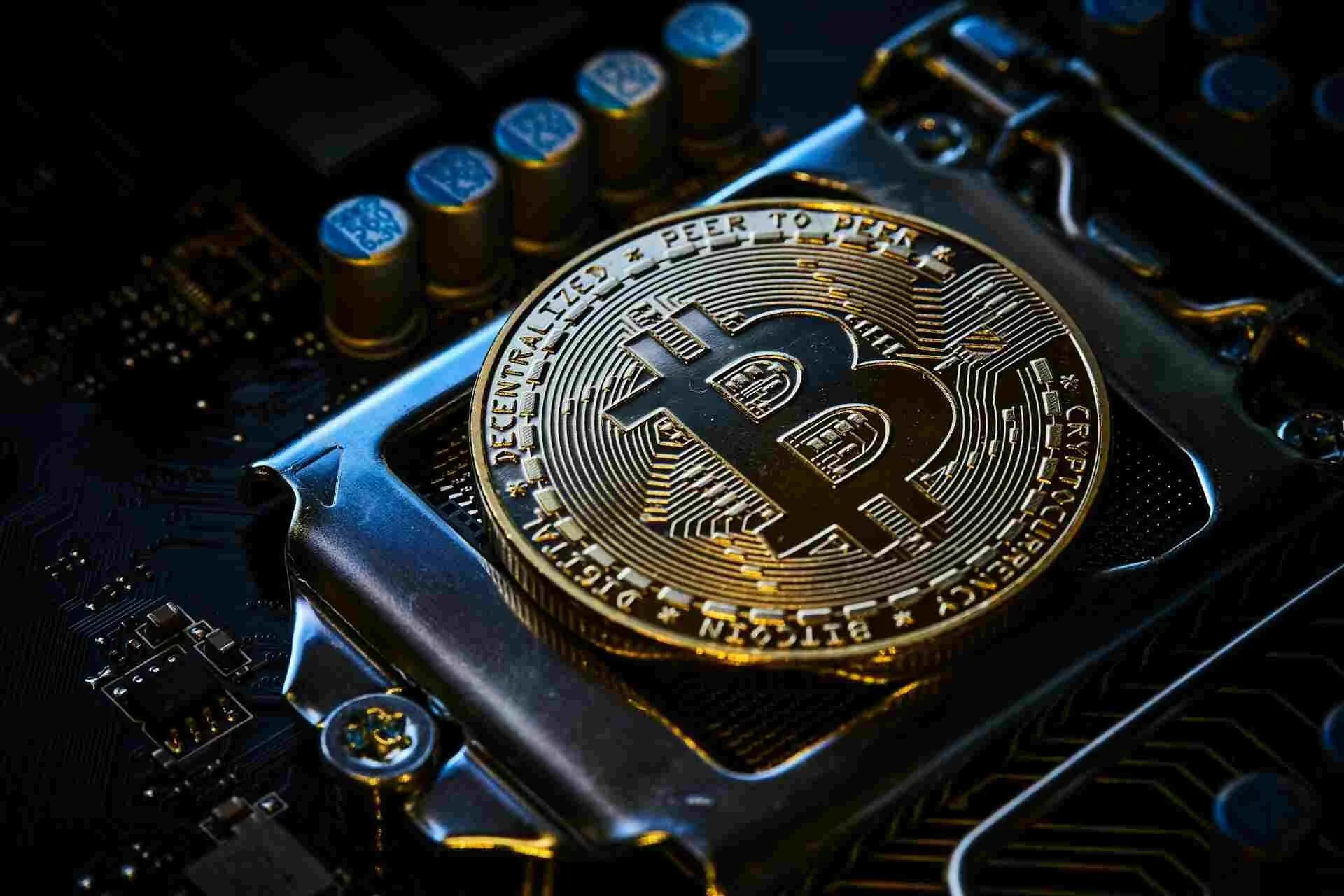
Crypto derivatives emerged as an entirely new category around 2017 and exploded after the 2021 bull market. Perpetual swaps, options on crypto assets and tokenized derivatives created billions in new trading volume. The 2024 approval of spot Bitcoin ETFs opened up further products tied to those funds, and 2025 saw continued growth in regulated crypto derivative trading.
The Future of the Derivatives Market
Several fintech innovations will likely accelerate this growth further. Innovations like the tokenization of derivatives contracts on blockchain rails and AI-driven risk management that allows firms to offer more products with tighter margins are likely to be the main actors in the future. We could also witness the expansion of decentralized derivatives protocols that operate outside traditional clearing infrastructure coming into the picture.

