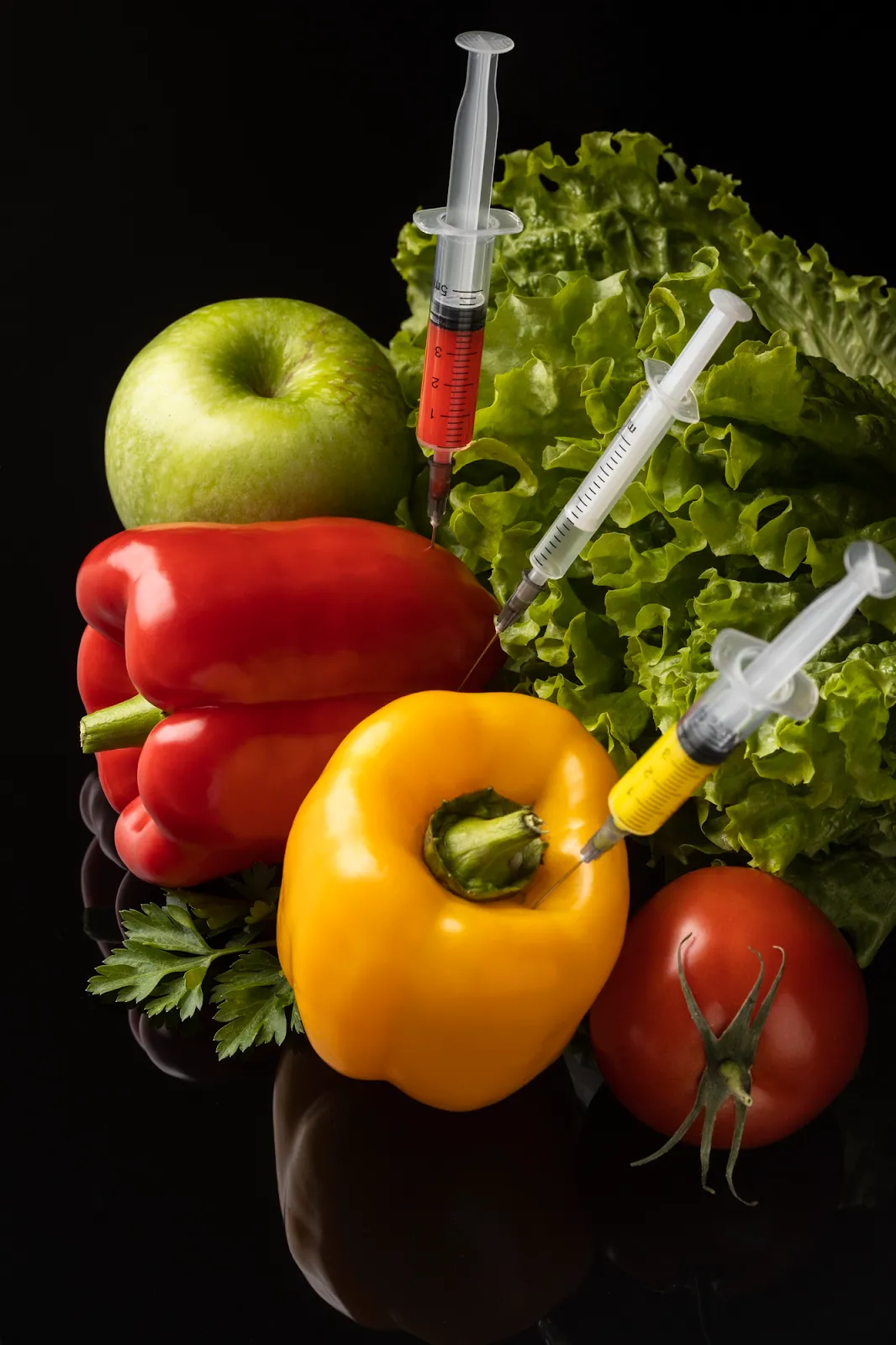
Introduction: Why Food Color Regulation Is Reshaping Ingredient Choices Across the Food Industry
For most of us, the bright red of a candy, the vivid orange of a snack chip, or the cheerful yellow of a drink are so familiar that we hardly think about them. We eat with our eyes first, and that’s no accident. The food colors market is built around the promise of visual appeal and consistency. We take it for granted that our breakfast cereals are as colorful as the box suggests, and our beverages have just that color displayed on their billboards. Behind that expectation, though, lies a fast-shifting reality: regulatory standards are now compelling the industry to think again, not just about marketing, but also about the very ingredients that make that color.
Overview of the Food Colorants Landscape: Synthetic vs. Natural Colors and Usage Across Food Categories
Synthetic food colors, often labeled as FD&C (Food, Drug, and Cosmetic) dyes in the U.S., have dominated processed foods for decades. They are cheap, stable, and produce bright, uniform shades that help brands sell products. Because of these characteristics, cereals, snack foods, sweets, beverages, and even some kinds of sauces regularly make them an essential ingredient.
On one side of this coin, we see the range of natural colours that owe their origins to fruit, vegetable, spice, and plant derivatives, such as Anthocyanins, Beta Carotene, and Chlorophyll.
An example illustrating this phenomenon in real life involves the makeover of Sam’s Club private brand products, whereby synthetic dyes were removed and vegetable juice and spirulina extracts, amongst other agents, were added as color agents within the company's 'Made Without' campaign.
Key Drivers Behind the Regulatory Push: Health Concerns, Label Transparency, and Consumer Advocacy
The changing of the guard in this industry isn't because food companies suddenly came to the realization that natural ingredients are, per se, superior. It is due to many years of pressure being applied by regulators and consumer advocates amidst evolving public expectations.
Regulatory bodies have taken concrete steps, too, that create ripples across global supply chains. In the U.S., the FDA has gone so far as to move toward revoking authorization for certain synthetic dyes and has encouraged broader phase-outs of others by 2026-27. In Europe, stricter safety review processes and labeling requirements have long made artificial dyes less appealing. On the consumer side, polls indicate that demand for "clean" labels with recognizable ingredients is driving purchasing decisions, a trend no company can afford to ignore if they want to hold on to market share.
Regulatory Standards as the Foundation of the Shift Toward Natural Colors: Compliance, Reformulation, and Supply Chain Adjustments
At the core of this change are the regulatory frameworks that make synthetic dyes harder to justify. When a dye such as Red 3 is removed from approved status, manufacturers have to remove those same dyes from their formulations by our compliance deadline. This is not as trivial an exercise as changing a label. Rather, it is a daunting chain of events that is set into motion.
Ingredient reformulation: Food science requires that stable natural alternatives be found that match the look of synthetic dyes; trial and error are often necessary to match color intensity and stability.
Adjusting supply chains: To scale up the supply of the natural colors from beet juice to paprika extract, there is a need to create a supply chain with farmers instead of working with companies that produce such chemicals.
Cost Implications: Natural colors have a relatively higher price tag associated with them in comparison to other petroleum derivative-based or derived synthetic dyes. They may impact the efficiency of production processes as well. There have been some businesses where the burden is passed on to consumers as well.
Marketing and packaging: Products need updates to their labels and marketing efforts to highlight the change in the ingredients used, which can present the challenge of consumer doubt regarding whether the change affects the product's quality or flavor.
Industry Landscape: Role of Food Manufacturers, Ingredient Suppliers, and Regulatory Bodies
Some firms take enthusiastic stances in accepting natural colors and see a regulatory trend as a competitive play, while others take a more sluggish approach in complying and will only do so if forced by a regulation.
Big brands such as Conagra Brands, Kraft Heinz, and General Mills have indicated intentions to phase out significant volumes of synthetics in due course, in keeping with regulatory guidelines to avoid non-compliance. On the other hand, natural color ingredients are gaining more space in the market as the segment grows in keeping with the demands. Although the segment is not new to the industry, as it appeared just a few years back, it is certainly noted as part of the food colors segment. Here, it seems the regulators are not just policing the products but creating a wave in the supply chains themselves.
Future Outlook: How Evolving Regulations Will Accelerate Innovation in Natural Food Color Alternatives
Looking ahead, regulatory standards will only continue to push the industry toward natural colors and perhaps beyond. We can expect:
Labels for more products made of plant-based color
More R&D in the direction of stable, scalable natural pigments.
Expanded regulatory frameworks in markets outside the U.S. and EU
Greater transparency in food labeling globally
More than a cosmetic shift, this promises to reorder agricultural markets, the pricing of ingredients, and consumer expectations about what constitutes "natural" food.
Conclusion
The shift away from synthetic food colors is one of the clearest examples of how regulatory standards can reshape not just compliance checkboxes, but entire ingredient ecosystems. What consumers once assumed was effortless, brightly colored breakfast cereal, vibrant beverages, and candy that looked exactly like the picture now reflects a behind-the-scenes struggle between cost, compliance, consumer trust, and innovation. As regulations tighten and transparency becomes non-negotiable, food makers are being forced to meet the industry’s old promises with new realities, and that’s a change worth watching.
FAQs
How can I tell if a product uses synthetic or natural food colors?
Check the ingredients on the packaging for natural colorings, which can typically include an explanation of the actual sources used for the dyeing agent itself. Synthetic coloring can frequently take the form of FD&C labels combined with the number itself, such as "Red 40" or "Yellow 5".
Are all synthetic food colors being banned worldwide?
No regulatory actions vary by country. Some regions are phasing out certain synthetic colors faster than others. Not all dyes are banned everywhere, and many remain approved under specific conditions.
Is natural always safer than synthetic?
Not necessarily, as "natural" doesn’t automatically imply "safer" in any form or context, though regulatory changes indicate the precautionary principle and increased transparency driven by consumer pressure, not safety concerns per se.
is a content writer with a unique ability to decode market trends and transform complex data into accessible, engaging content. With a special focus on emerging technologies and shifting consumer behaviors, she contributes extensively to Coherent Market Insights, where her expertise in market research enables her to create insightful and informative articles. She is well-versed in analyzing market data across various industries, including medical imaging, pharmaceuticals, specialty and fine chemicals, and food ingredients
A tech-savvy professional with a passion for staying ahead of industry developments, she thrives on researching the latest trends and understanding how they influence markets and consumer behaviors. Her love for reading and learning keeps her at the forefront of new ideas, while her writing brings these trends to life for her audience. With a commitment to providing valuable perspectives, she remains dedicated to producing content that offers clarity and depth, helping her readers navigate the ever-evolving landscape of modern markets.