The Medicare Advantage risk adjustment landscape has entered a pivotal year. Starting January 1, 2026, CMS is calculating 100% of risk scores utilizing the 2024 CMS-HCC model (V28), completing a three-year phase-in that has fundamentally changed how health plans approach coding accuracy, documentation, as well as audit readiness.
For Medicare Advantage organizations, the stakes have never been higher. Not including HCC codes can lead to lost revenue, with estimates showing that missing information about chronic conditions can cost health plans thousands of dollars for each member every year. At the same time, CMS continues to surge RADV audit enforcement, enabling compliance as critical as revenue capture.
The result? A surge in demand for intelligent risk adjustment technologies that combine speed, accuracy, and defensibility. According to recent healthcare analytics market research, the global healthcare analytics market is projected to reach USD 177.18 billion by 2032, growing at a CAGR of 21.2%, a clear signal that data-driven healthcare solutions are no longer optional.
Here are the top 10 risk adjustment technologies taking over this transformation in 2026.
1. RAAPID: Neuro-Symbolic AI for End-to-End Risk Adjustment
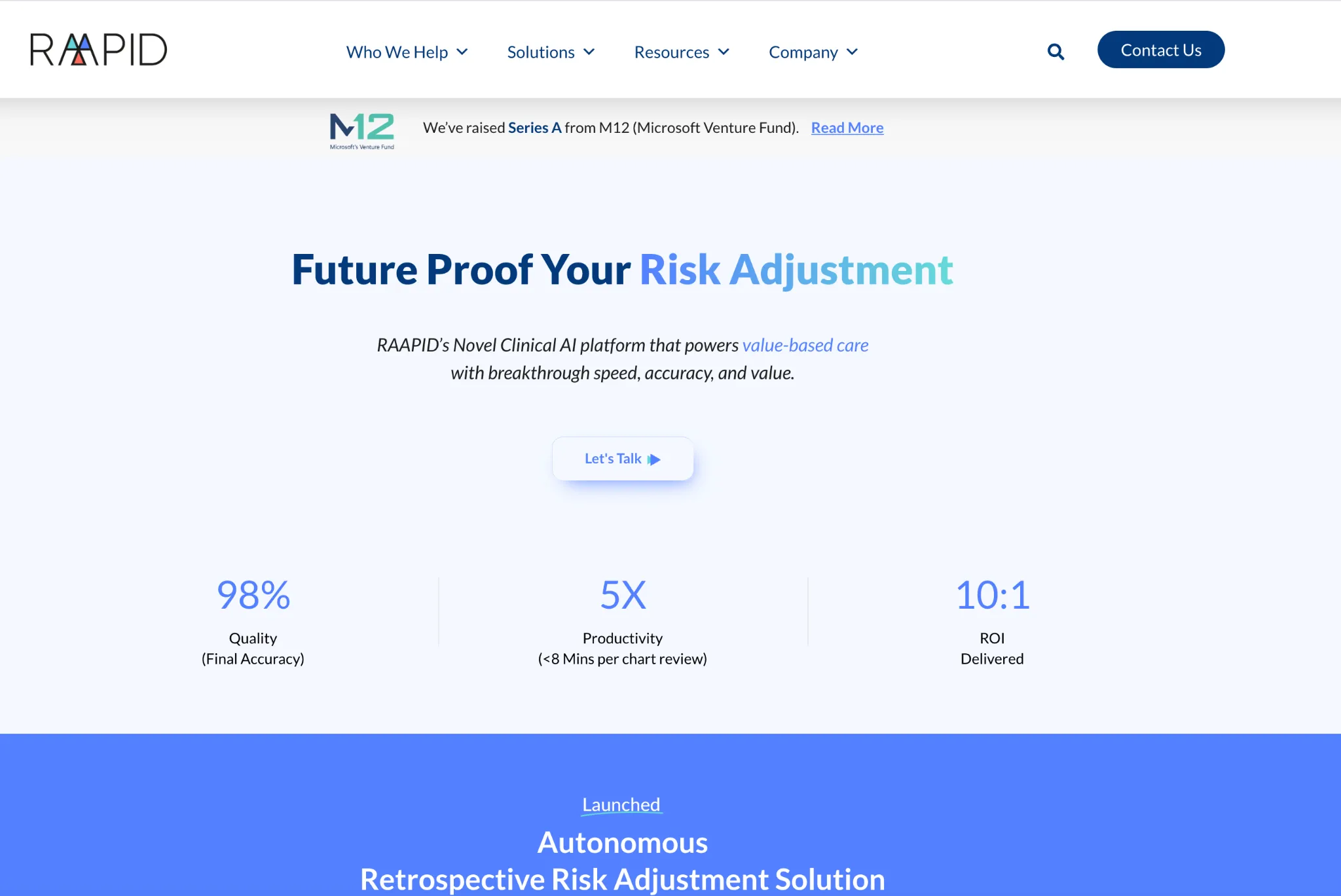
RAAPID stands at the forefront of top risk adjustment software with its proprietary neuro-symbolic AI platform. Unlike conventional NLP-based systems that depend on pattern matching, RAAPID combines neural networks with symbolic clinical reasoning, effectively mimicking how expert coders think and validate diagnoses.
The platform delivers 98% HCC coding accuracy while processing charts in under 8 minutes, compared to the industry average of 40+ minutes per record. Every suggested HCC code is automatically backed by MEAT (Monitor, Evaluate, Assess, Treat) evidence, making audit-ready documentation by design rather than as an afterthought.
What sets RAAPID out shine is its comprehensive coverage across the entire risk adjustment lifecycle. The platform manages prospective pre-visit analysis, point-of-care delivery, as well as retrospective chart review within a single unified system. Health plans using RAAPID have reported a guaranteed 10:1 ROI, with average revenue capture of $2,500 per member. For organizations seeking both accuracy and explainability in an era of heightened RADV scrutiny, RAAPID represents the gold standard.
2. Optum: Enterprise-Scale AI and Data Analytics
Optum leverages its vast data ecosystem as well as AI-driven coding support to provide a comprehensive risk adjustment capabilities for Medicare Advantage plans. The platform out shines in identifying missed diagnoses, improving RAF score accuracy, as well as generating population health insights at enterprise scale.
Its strength lies in the sheer volume of data it processes, enabling predictive models that help health plans anticipate risk gaps before they become revenue losses. For large organizations already embedded in the UnitedHealth ecosystem, Optum provides seamless integration along with proven reliability.
3. Inovalon: Cloud-Based Predictive Analytics
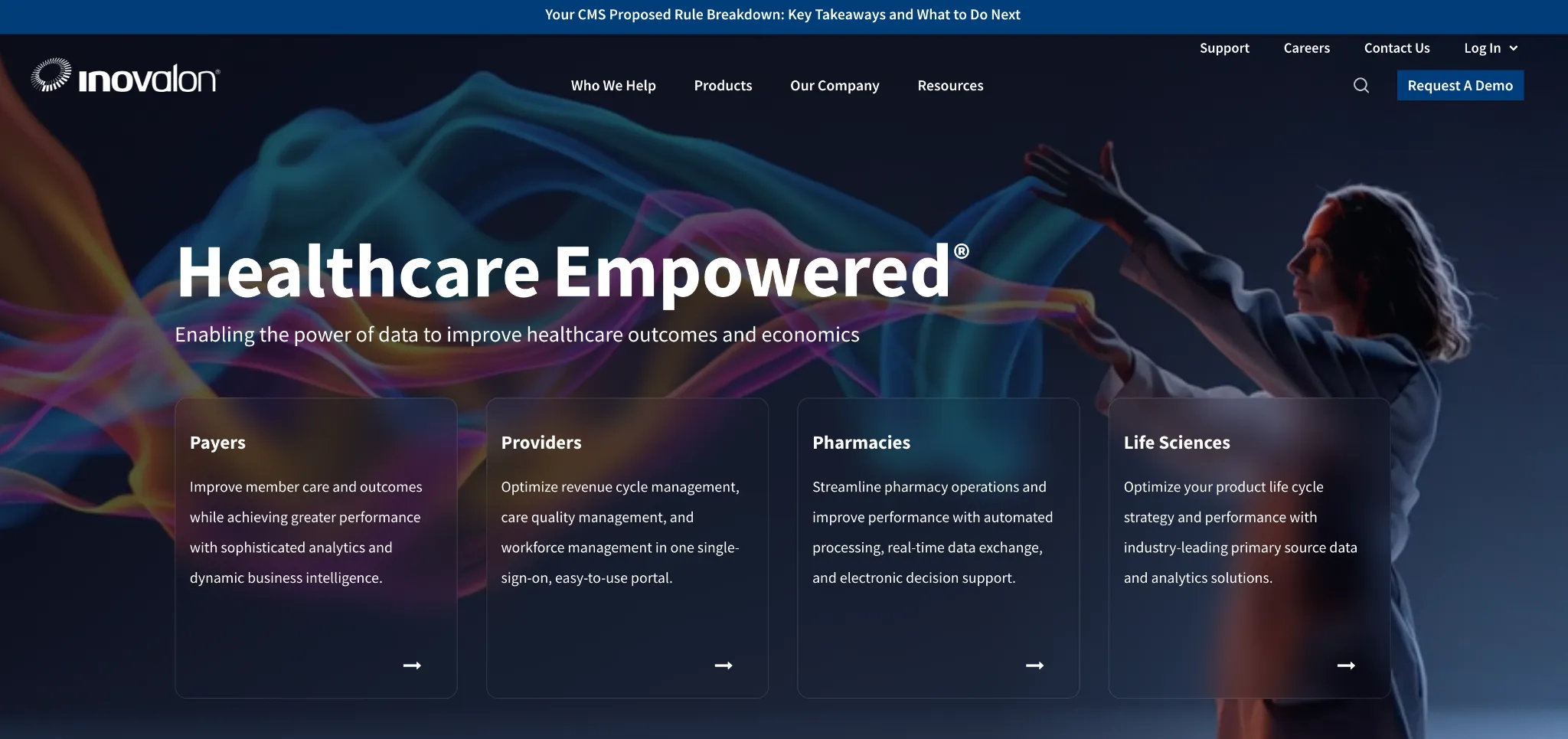
Inovalon's ONE Platform connects national-scale data access with predictive analytics for cloud-based risk adjustment. The platform analyzes over 85 billion medical events across 395 million unique lives, giving it one of the largest real-world datasets in the industry.
In late 2024, Inovalon launched its AI-powered Converged Record Review, which utilizes algorithms to lower unnecessary manual medical record reviews by up to 50%. For health plans managing large Medicare Advantage populations, this translates into major operational savings without sacrificing coding accuracy.
4. Cotiviti: Suspect Analytics and Compliance Optimization
Cotiviti provides deep expertise in risk adjustment analytics, particularly through its Suspect Analytics solution. The platform identifies members with potentially undocumented conditions as well as prioritizes them by probability of success, aid health plans optimize resource allocation.
Cotiviti's recent purchase of Edifecs has enhanced its capability to share data between different systems. By combining risk adjustment technology along with health data exchange, Cotiviti is now better prepared to aid health plans gather data from different sources while staying compliant with changing CMS rules.
5. Datavant (formerly Apixio): NLP-Powered Unstructured Data Extraction
Datavant, formerly known as Apixio, focuses on one of the most challenging aspects of risk adjustment, extracting accurate insights from unstructured clinical data. Its AI-powered platform utilizes advanced NLP to analyze physician notes, lab reports, as well as other free-text documentation that traditional systems usually miss.
The platform supports both Medicare as well as ACA risk adjustment programs, with particular strength in scaling chart review processes. For organizations drowning in unstructured medical records, Datavant provides a targeted solution for improving HCC capture rates and RAF score optimization.
6. Innovaccer: Unified Data Platform with AI Companion
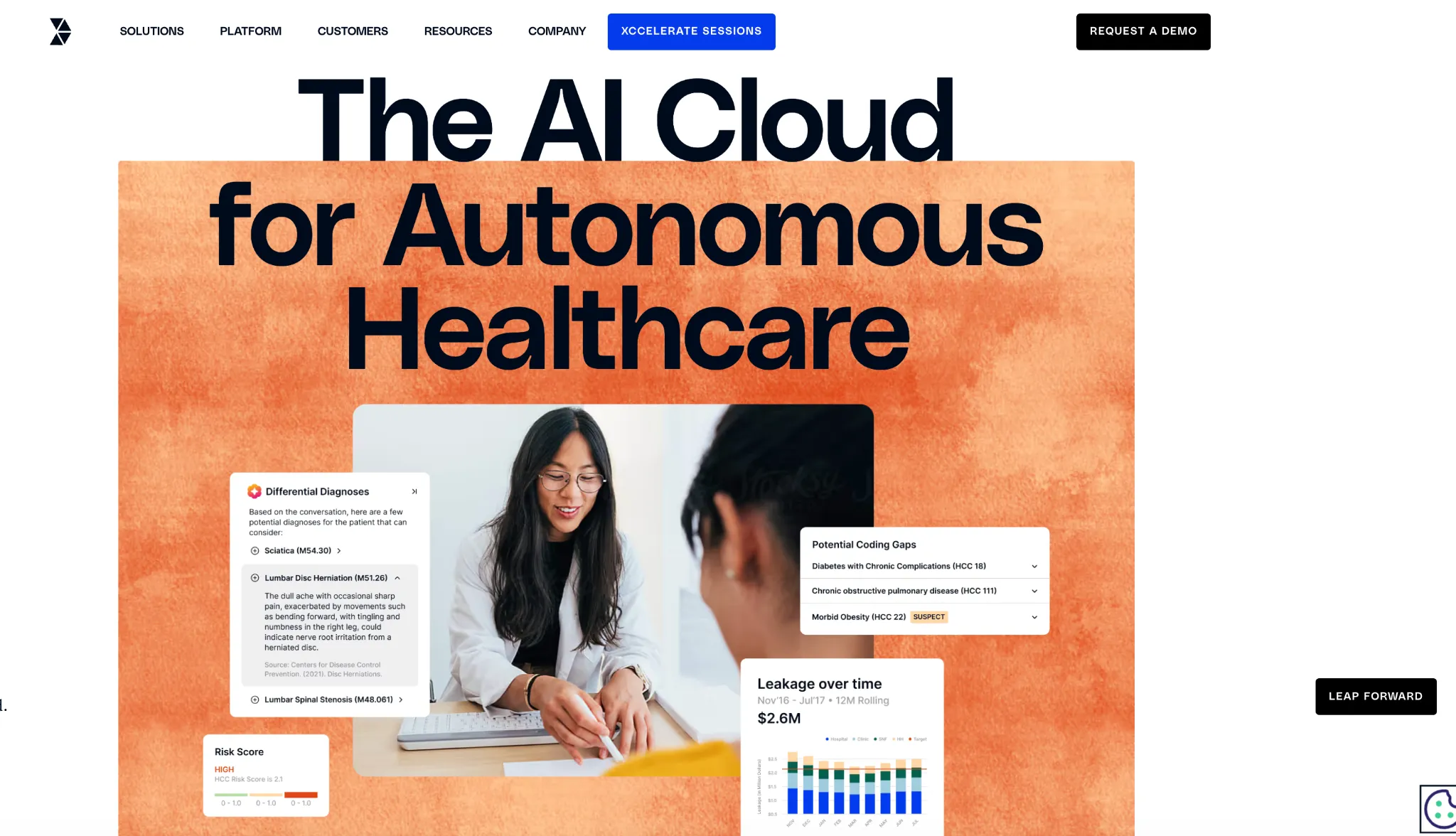
Innovaccer has established itself as a transformative force in healthcare data management as well as risk adjustment. Its AI-powered platform has demonstrated a 70% improvement in coding accuracy for organizations using its analytics tools, along with documented financial benefits exceeding $27 million for enterprise clients.
The platform's strength lies in unifying fragmented healthcare data into a single, actionable view. This holistic approach enables more accurate risk stratification and better coordination between coding, clinical, and quality teams, a critical advantage as value-based care arrangements grow more complex.
7. CodaMetrix: Deep Learning for Autonomous Medical Coding

CodaMetrix uses deep learning to automatically code medical records for different specialties, including Medicare Advantage risk adjustment. Unlike rule-based systems that need manual updates, CodaMetrix’s neural networks keep learning from clinical data as well as claims patterns on their own.
The platform adapts automatically to coding guideline changes and non-standard clinical documentation. However, health plans should cautiously evaluate whether autonomous deep learning cater to their requirements for explainability during audits, as these systems can sometimes struggle to bring the clear reasoning trails that RADV auditors demand.
8. Reveleer: Chart Review Automation at Scale
Reveleer provides risk adjustment software spanning coding, quality improvement, as well as member management. In 2024 alone, the platform processed 1.1 billion pages of medical records as well as delivered 2.5 million diagnoses, demonstrating its capacity for high-volume operations.
Backed by over $65 million in recent funding, Reveleer supports both prospective coding at the point of care as well as retrospective analysis from historical records. Its platform is particularly well-suited for health plans looking to automate chart retrieval as well as review workflows without overhauling their existing technology stack.
9. Arcadia: Population Health and Value-Based Care Analytics
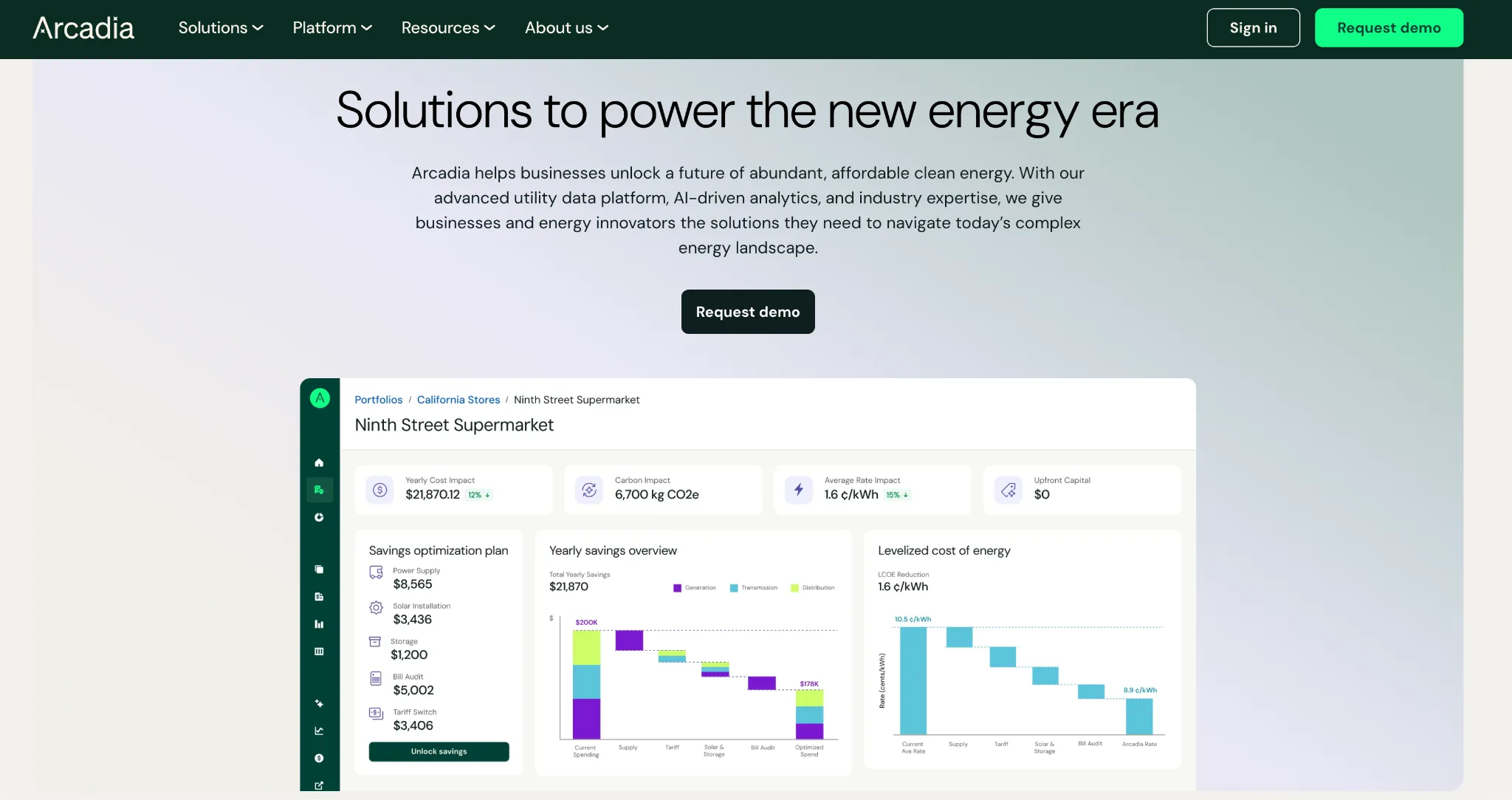
Arcadia offers a risk adjustment solution that has achieved six Best in KLAS awards, showing a high user satisfaction across the industry. The platform connects risk adjustment with broader population health management, aiding health plans in identifying suspected diagnoses at the point of care while simplifying documentation workflows.
Arcadia's approach emphasizes collaboration between payers as well as providers, increasing transparency around risk gaps and enabling more coordinated care delivery. For organizations pursuing comprehensive value-based care strategies, Arcadia provides a strong analytical foundation that extends beyond risk adjustment alone.
10. Vatica Health: Point-of-Care Clinical Support
Vatica Health takes a unique approach by integrating intuitive software with in-office clinical support. Rather than depending solely on technology, Vatica deploys clinical experts alongside its platform to capture accurate diagnoses during patient encounters.
This hybrid model strengthens documentation quality, improves compliance, as well as enhances RAF accuracy while reducing audit risk at the source. For provider-facing organizations that prioritize real-time capture over retrospective review, Vatica Health offers a differentiated solution that blends human expertise with technology-driven insights.
What to Look for in Risk Adjustment Technology in 2026
Opting for the ideal risk adjustment platform is no longer just a technology decision. It is a strategic one. As CMS tightens audit enforcement as well as the V28 model reaches full implementation, health plans should prioritize several critical factors.
First, explainability matters more than ever. Platforms that can trace every HCC code back to specific MEAT evidence in the clinical documentation will be far better positioned to defend submissions during RADV audits. Black-box algorithms that deliver codes without transparent reasoning make a significant compliance risk.
Second, end-to-end coverage is essential. The most effective solutions address the whole risk adjustment lifecycle, from prospective pre-visit analysis through retrospective chart review and audit defense. Point solutions that cover only part of the workflow usually create integration challenges and operational gaps.
Third, data quality cannot be overlooked. Even the most sophisticated AI will underperform if it is built on incomplete or poorly structured data. The best platforms harmonize structured as well as unstructured data from multiple sources, including EHRs, claims, labs, as well as pharmacy records, to build a complete patient picture.
The Bottom Line
The risk adjustment technology landscape in 2026 is defined by a clear shift from manual, reactive processes toward AI-driven, proactive platforms. Health plans that invest in the right technology today will not only capture more legitimate revenue but also build sustainable audit defenses that protect them as CMS oversight intensifies.
Among the solutions evaluated, RAAPID's neuro-symbolic AI stands out for its combination of industry-leading accuracy, built-in MEAT evidence trails, as well as comprehensive lifecycle coverage. However, every organization's needs are unique, and the best choice depends on factors like population size, existing infrastructure, and strategic priorities.
The one thing that is certain: standing still is no longer an option. The technology gap between organizations that embrace intelligent risk adjustment and those that rely on legacy processes will only widen in the years ahead.

