

Global Healthcare Analytics Market Size and Forecast – 2026 to 2033
The Global Healthcare Analytics Market is estimated to be valued at USD 55.99 Bn in 2026 and is expected to reach USD 217.59 Bn by 2033, exhibiting a compound annual growth rate (CAGR) of 21.4% from 2026 to 2033. This rapid expansion is driven by the increasing adoption of data-driven decision-making in healthcare, rising demand for improved patient outcomes, and the growing integration of advanced technologies such as artificial intelligence and machine learning in analytics solutions.
Key Takeaways of the Global Healthcare Analytics Market
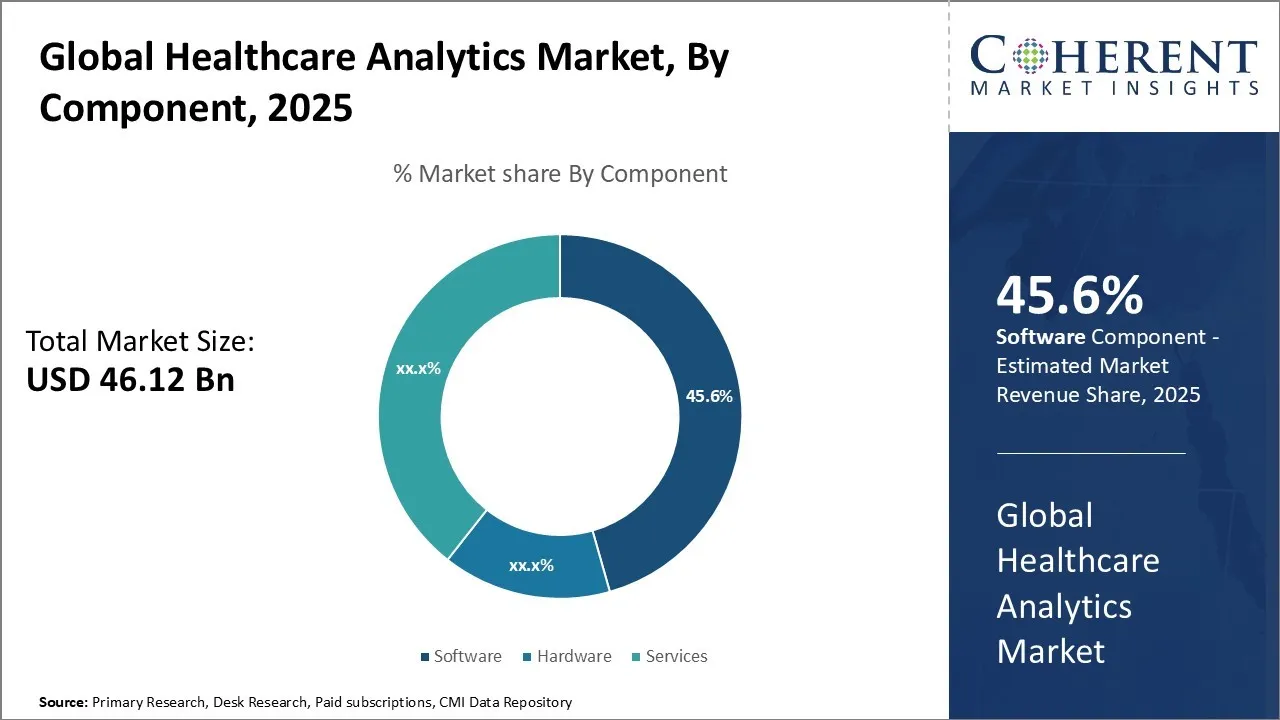
- The software segment is expected to hold largest share of the global healthcare analytics market, accounting for 46.6% in 2026, as it plays a crucial role in data processing, analysis, and visualization.
- Despite the rise of cloud computing, on-premises deployment continues to be the preferred choice, capturing an estimated 57.8% of the market share in 2026.
- Among the various types of healthcare analytics, descriptive analytics leads the market with an estimated 35.5% share in 2026, as it provides essential insights by summarizing historical and current healthcare data.
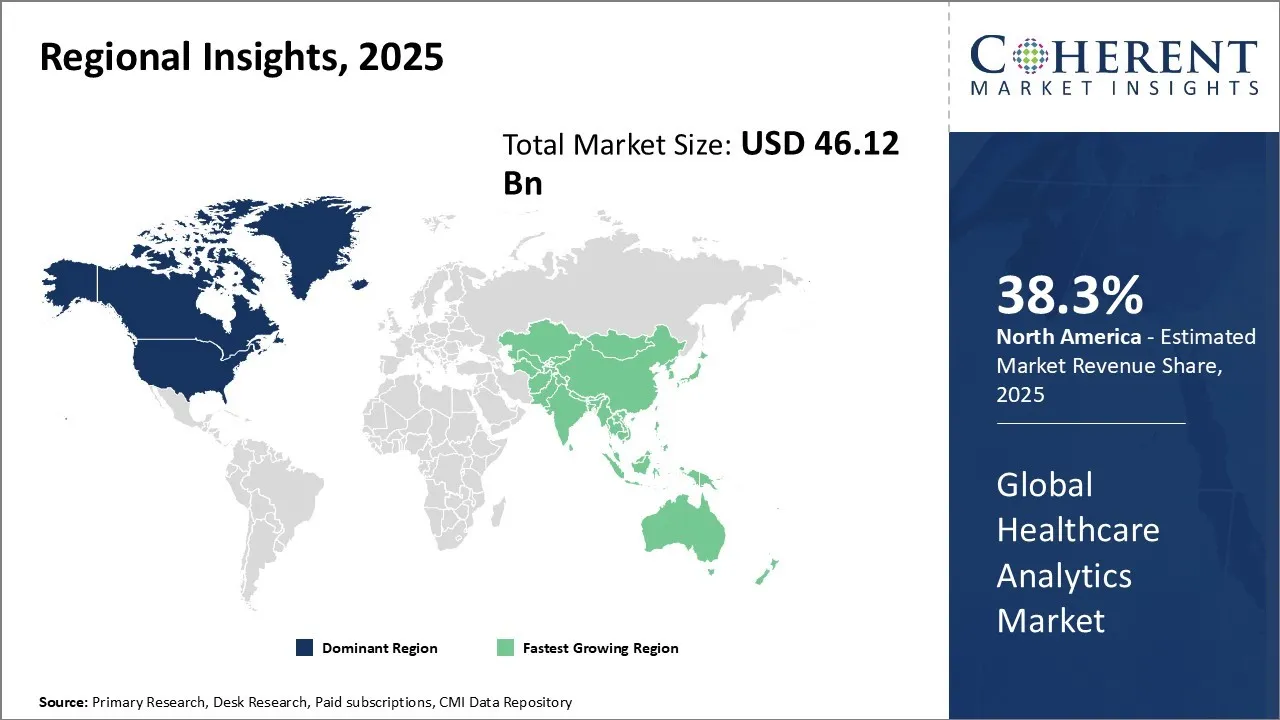
- North America is expected to lead the market, holding a share of 38. 3% in 2026. Asia Pacific is anticipated to be the fastest-growing region, with a market share of 24.2% in 2026.
Market Overview
The market trend highlights a significant shift towards predictive and prescriptive analytics, enabling healthcare providers to anticipate patient risks and improve care management proactively. Moreover, the proliferation of electronic health records (EHRs) and the increasing focus on value-based care are accelerating the adoption of healthcare analytics platforms. Additionally, advancements in big data and cloud computing are facilitating real-time data processing and analysis, further propelling market growth and innovation in personalized medicine and population health management.
Currents Events and their Impact
Current Events | Description and its impact |
Lane Clark & Peacock LLP. launches Medicines Oracle |
|
Accelerated AI and Generative AI Adoption |
|
Segmental Insights
- Current Industry Events of 2026
- Market Size Estimation
- Regional Breakdown
- Competitive Landscape
- Customer Intelligence
- Segmental Analysis
- Pricing Analysis
- Key Market Drivers, Challenges & Future Trends
- Customized Insights Section
Healthcare Analytics Market Insights, By Component - Software contributes the highest share of the market owing to its critical role in enabling data-driven healthcare decisions
The software segment is expected to dominate the global healthcare analytics market primarily because it serves as the backbone for data processing, analysis, and visualization with a share of 46.6% in 2026. Healthcare providers are increasingly dependent on sophisticated software solutions to manage vast sets of clinical, operational, and financial data. Software platforms facilitate everything from electronic health records (EHR) integration and patient management to real-time analytics dashboards that help clinicians make informed decisions.
Several factors drive the software segment’s leading position. First, rapid digital transformation efforts within healthcare organizations call for robust software capable of handling complex analytics workloads. Advanced algorithms embedded in these software solutions enable predictive modeling, risk stratification, and trend analysis, catering to diverse healthcare needs. Second, the need for interoperability across multiple healthcare systems mandates flexible and scalable software architectures that can integrate with existing hospital infrastructure and external data sources.
In November 2022, Hartford HealthCare, a U.S.-based integrated healthcare system, entered a long-term partnership with Google Cloud to drive digital transformation, strengthen healthcare data analytics, and improve care delivery and access.
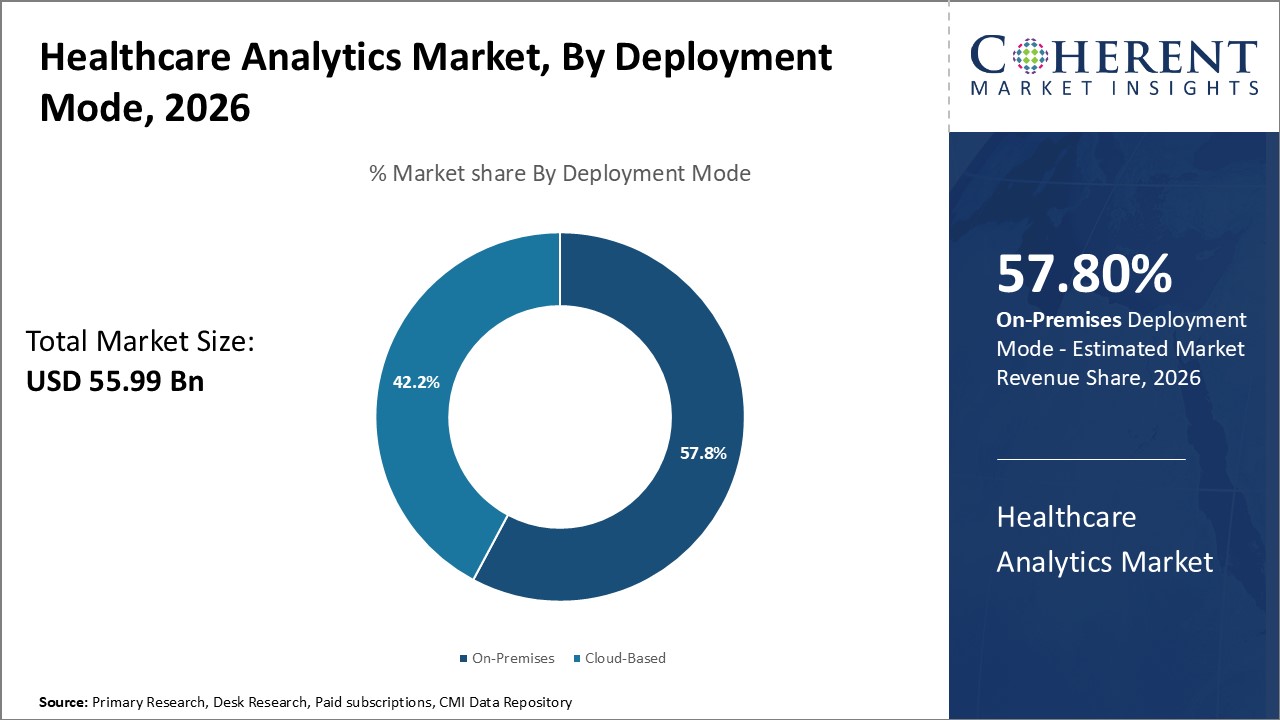
Healthcare Analytics Market Insights, By Deployment Mode - On-premises solutions hold the highest market share driven by data security and control imperatives
Despite the growing popularity of cloud computing, on-premises deployment remains the preferred choice in the global healthcare analytics market with an estimated share of 57.8% in 2026. This inclination is largely influenced by healthcare organizations’ critical need to maintain stringent control over sensitive patient data. On-premises solutions allow health systems to host analytics platforms within their own IT infrastructure, reducing exposure to external security vulnerabilities and complying with strict data governance policies prevalent in many regions.
Healthcare providers often operate under complex regulatory frameworks that impose heavy penalties for breaches, making data security a paramount concern. On-premises deployments enable institutions to customize security protocols, manage access control, and ensure that data residency requirements are met. Additionally, many healthcare facilities have invested heavily in local IT resources and infrastructure, creating a natural preference for on-premises setups that capitalize on these existing assets.
Healthcare Analytics Market Insights, By Analytics Type - Descriptive analytics accounts for the largest share owing to its foundational role in healthcare decision-making
Descriptive analytics leads the market with an estimated share of 35.5% in 2026 among healthcare analytics types because it lays the groundwork for all data-driven insights by summarizing historical and current healthcare data. By aggregating and visualizing past patient records, clinical outcomes, resource utilization, and operational metrics, descriptive analytics empowers healthcare professionals to understand trends, identify patterns, and benchmark performance effectively.
In November 2022, Ursa Health, a U.S.-based healthcare analytics solutions provider, updated its Ursa Studio platform to help organizations comply with the requirements of the Centers for Medicare and Medicaid Services (CMS).
Healthcare organizations leverage descriptive analytics to generate reports and dashboards that highlight patient demographics, treatment histories, and hospital workflow efficiency. This baseline understanding is crucial for detecting anomalies such as rising infection rates or decreasing patient satisfaction, enabling targeted interventions. Given the complexity of healthcare systems and the heterogeneity of data sources, descriptive analytics acts as the entry point to transform voluminous data into easily interpretable formats.
Role of Artificial Intelligence (AI) in the Global Healthcare Analytics Market
- Artificial Intelligence (AI) is revolutionizing the global healthcare analytics market by driving efficiency, reducing costs, and enabling data-driven decision-making. AI's role in predictive analytics allows healthcare providers to forecast patient outcomes, optimize resource allocation, and identify high-risk patients early, thus improving overall care and reducing hospital readmission rates. Personalization through AI enables tailored treatment plans by analyzing individual patient data, while process automation streamlines administrative tasks, allowing healthcare professionals to focus more on patient care. AI also enhances customer experiences by offering more accurate diagnoses, quicker responses, and improved patient engagement, leading to higher satisfaction levels. Operational improvements driven by AI, such as better supply chain management and real-time monitoring of health metrics, further streamline healthcare practices, making them more efficient and cost-effective.
- Emerging opportunities within AI for healthcare analytics include the creation of new business models, such as AI-powered telemedicine platforms and personalized wellness solutions. AI fosters innovation in products and services by enabling more advanced diagnostic tools, robotic surgeries, and remote patient monitoring. As AI continues to evolve, it provides a competitive advantage by enabling healthcare companies to offer faster, more accurate services at a lower cost, making them more attractive to both consumers and investors. However, despite its advantages, AI's integration into healthcare analytics comes with challenges such as data privacy concerns, reliance on large datasets, and the need for continual training of AI models to ensure accuracy. Companies must leverage AI responsibly, focusing on data security and continuous innovation, to capitalize on growth opportunities and ensure long-term success in the healthcare analytics market.
Regional Insights
North America Healthcare Analytics Market Analysis and Trends
In North America, the dominance in the global healthcare analytics market is driven by a mature healthcare infrastructure with an estimated share of 38.3% in 2026, high adoption of advanced technologies, and strong supportive government policies aimed at digitizing healthcare. The region benefits from a robust ecosystem comprising leading healthcare providers, technology vendors, and research institutions investing heavily in data analytics for improved patient outcomes.
Government initiatives such as the Affordable Care Act and the 21st Century Cures Act promote data interoperability and healthcare IT innovation, enabling the widespread deployment of analytics solutions. The presence of leading analytics companies like IBM Watson Health, SAS Institute, and Optum enhances the market’s competitive edge.
Asia Pacific Healthcare Analytics Market Analysis and Trends
Meanwhile, the Asia Pacific region is expected to exhibit the fastest growth in the healthcare analytics market due to rapid digital health transformation, increasing healthcare expenditures with a share of 24.2% in 2026, and rising chronic disease prevalence. Emerging economies like India and China are investing heavily in healthcare IT infrastructure, encouraged by government initiatives such as China’s Healthy China 2030 plan and India’s National Digital Health Mission, which focus on health data integration and analytics adoption. Growing private sector participation and expansion of multinational analytics companies — including Philips Healthcare, Cerner Corporation, and GE Healthcare — are accelerating market penetration.
In May 2026, Helical Insight, a India-based open source business intelligence based startup, introduced its Embedded Healthcare Analytics Software to transform healthcare decision-making. By integrating real-time insights directly into existing medical systems, it enhances decision-making during clinical workflows, improves patient outcomes, and speeds up trend identification. This solution empowers healthcare providers to unlock the full potential of their data, driving smarter, more efficient care and operations.
Healthcare Analytics Market Outlook for Key Countries
U.S. Healthcare Analytics Market Trends
The U.S. healthcare analytics market benefits from one of the most advanced healthcare infrastructures globally, with substantial investments in electronic health records (EHRs) and health information exchanges (HIEs). Major players such as Cerner, Epic Systems, and McKesson dominate the market by providing integrated analytics platforms that enhance operational efficiency and clinical outcomes. Government incentives supporting interoperability and data sharing, alongside stringent regulations like HIPAA, encourage privacy-conscious analytics solutions.
In June 2022, Oracle, a multinational technology corporation, acquired Cerner Corporation, merging Cerner’s clinical expertise with Oracle’s advanced analytics, automation capabilities, and enterprise platform. This acquisition aims to enhance healthcare delivery through integrated clinical and operational insights.
Germany Healthcare Analytics Market Trends
Germany’s healthcare analytics market is characterized by strong government support through initiatives promoting the Digital Healthcare Act, which integrates digital solutions into statutory health insurance frameworks. The country's leading healthcare providers and insurers actively adopt analytics to comply with regulatory standards and improve patient care pathways. Companies such as Siemens Healthineers and SAP Healthcare play critical roles by offering sophisticated analytics technologies tailored to clinical diagnostics, hospital management, and reimbursement processes. The presence of a structured healthcare system combined with increased investment in AI and data-driven innovations nurtures steady market growth.
In July 2024, WHO/Europe launched the Strategic Partners’ Initiative for Data and Digital Health (SPI-DDH), a collaborative network focused on advancing the digital transformation of healthcare systems and leveraging healthcare analytics to enhance patient care. The initiative aims to provide safe, affordable, and person-centered digital health technologies, enabling healthcare workers and patients to benefit from data-driven solutions.
China Healthcare Analytics Market Trends
China continues to lead the Asia Pacific region’s healthcare analytics evolution by aggressively expanding its healthcare digitization efforts. The government’s strategic policies encourage the adoption of big data and AI-driven analytics to address challenges posed by its large population and increasing chronic disease burden. China continues to lead the Asia Pacific region’s healthcare analytics evolution by aggressively expanding its healthcare digitization efforts.
The government’s strategic policies encourage the adoption of big data and AI-driven analytics to address challenges posed by its large population and rising chronic disease burden. Healthcare technology firms such as Ping An Good Doctor (offering AI-powered medical consultations and health risk assessments) and Alibaba Health (operating cloud-based healthcare analytics and e-pharmacy services) leverage vast datasets to provide predictive analytics and telemedicine solutions.
India Healthcare Analytics Market Trends
India’s healthcare analytics market is rapidly evolving, supported by initiatives such as the National Digital Health Blueprint and the launch of the Ayushman Bharat Digital Mission. These programs aim to create integrated health databases encouraging analytics for disease surveillance, resource allocation, and personalized treatment plans. Growing investments from both government and private sectors have attracted players like Tata Consultancy Services (TCS), Wipro, and IBM India, who develop scalable analytics solutions suited for diverse healthcare settings. The challenges of variable healthcare access and workforce shortages further incentivize analytics adoption to optimize care delivery and manage healthcare resources efficiently.
For example, NanoHealth, an India-based healthcare enterprise, specializes in chronic disease management by combining the efforts of trained community health workers, known as “Saathis,” with low-cost point-of-care diagnostics and analytics dashboards to monitor conditions such as hypertension and diabetes in underserved urban areas. By leveraging partnerships with regional NGOs, municipal public health departments, and local clinics, NanoHealth effectively accesses distribution channels and gathers localized health insights.
Market Players, Key Developments, and Competitive Intelligence
Key Developments
- In May 2025, Helical Insight, a top open-source BI platform, introduces its Embedded Healthcare Analytics Software to transform healthcare decision-making. By integrating real-time insights directly into existing medical systems, it enhances decision-making during clinical workflows, improves patient outcomes, and speeds up trend identification. This solution empowers healthcare providers to unlock the full potential of their data, driving smarter, more efficient care and operations.
- In October 2024, Clarify Health, healthcare data and analytics company, launched the Clarify Performance IQ Suite, the first fully AI-enabled application that combines cost, quality, and utilization analytics for healthcare providers. Powered by Clarify’s innovative Clarify Atlas Platform and Clarify IQ AI technology, this suite provides health plans and providers with actionable insights to optimize provider networks, improve care quality, and reduce costs.
- In August 2024, Innovaccer Inc., a leading healthcare AI company, unveiled its Government Health AI Data and Analytics Platform (GHAAP), designed to support public sector agencies in modernizing healthcare systems. Focused on Medicaid and Public Health Modernization, GHAAP aims to address challenges from data fragmentation and silos, driving enhanced data-driven decision-making and health equity. The platform integrates clinical and non-clinical data, leveraging AI to improve operational efficiency and outcomes.
- In December 2024, Tuva Health, the world’s first open-source healthcare data transformation platform, has officially launched with USD 5 Mn in seed funding. The healthcare analytics platform enables payers, providers, and pharmaceutical companies to transform claims and EHR datasets into analytics-ready tables with built-in normalization and data quality enhancements. With support from over 25 partners, Tuva Health aims to make healthcare data transformation transparent, customizable, and accessible, driving innovation in treatment pathways and improving patient care.
Top Strategies Followed by Global Healthcare Analytics Market Players
- Established market leaders tend to invest substantially in research and development (R&D) to innovate high-performance and technologically advanced analytics solutions. These companies channel significant resources into developing products that can process vast amounts of healthcare data with higher accuracy and speed, integrating artificial intelligence, machine learning, and predictive analytics capabilities. Alongside innovation, strategic partnerships form a cornerstone of their growth strategy.
- In June 2025, IQVIA (formerly IMS Health and Quintiles), a global leader in clinical research services and healthcare analytics, introduced new Artificial Intelligence (AI) agents at the Graphics Technology Conference (GTC) in Paris, powered by NVIDIA technology. These custom-built AI agents are designed to enhance workflows and accelerate insights in the life sciences and healthcare analytics sectors.
- Mid-level companies within the healthcare analytics domain often focus on delivering cost-effective solutions that balance quality with affordability, addressing the price sensitivity of many healthcare providers—particularly in developing regions. These players design their product portfolios to cater to budget-conscious customers while retaining essential analytics functionalities, thereby serving smaller healthcare facilities or practices seeking to enhance operations and patient outcomes without incurring prohibitive expenses.
- In August 2022, Syntellis Performance Solutions expanded its software portfolio for healthcare organizations by acquiring Stratasan, an advanced healthcare market intelligence and data analytics company. This acquisition enabled Syntellis to offer more comprehensive yet scalable analytics tools, strengthening its ability to deliver affordable, high-quality solutions to a broader range of healthcare providers.
- Small-scale players navigate the competitive healthcare analytics market by carving out niche segments that emphasize specialized features or highly innovative product concepts. Often operating with limited resources, these companies prioritize agility and creativity over scale, adopting cutting-edge technologies such as blockchain for data security, internet of things (IoT) integration for real-time monitoring, or niche AI algorithms tailored to particular medical conditions. This focus allows them to differentiate their offerings in an otherwise crowded market.
- For example, Heidi Health, an Australia-based healthcare technology company, offers AI-powered medical scribe solutions that use conversational AI to transcribe consultations and automatically generate structured clinical documents such as assessments, referrals, and billing codes. The platform integrates seamlessly with local electronic health record (EHR) systems like Best Practice, MediRecords, and Athenahealth, enabling smooth adoption in clinical workflows.
Market Report Scope
Healthcare Analytics Market Report Coverage
| Report Coverage | Details | ||
|---|---|---|---|
| Base Year: | 2025 | Market Size in 2026: | USD 55.99 Bn |
| Historical Data for: | 2020 To 2024 | Forecast Period: | 2026 To 2033 |
| Forecast Period 2026 to 2033 CAGR: | 21.4% | 2033 Value Projection: | USD 217.59 Bn |
| Geographies covered: |
| ||
| Segments covered: |
| ||
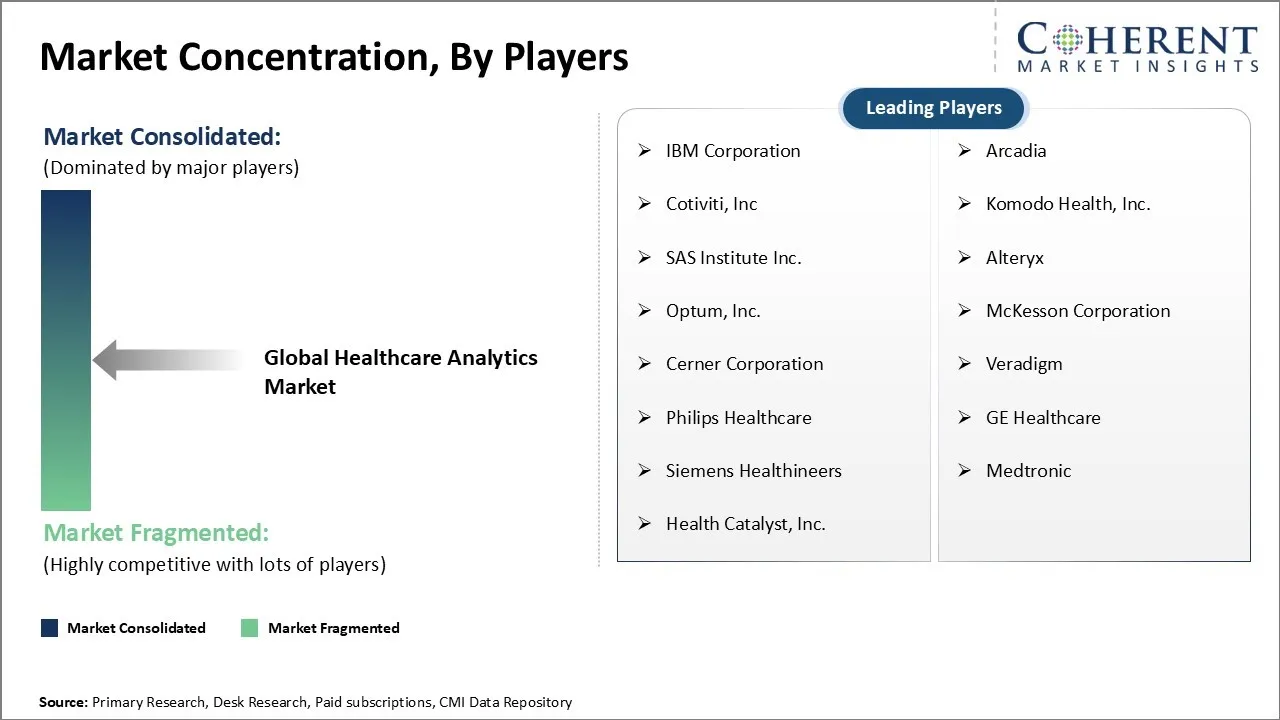
| Companies covered: | IBM Corporation, Arcadia, Cotiviti, Inc, Komodo Health, Inc., SAS Institute Inc., Alteryx, Optum, Inc., McKesson Corporation, Cerner Corporation, Veradigm, Philips Healthcare, GE Healthcare, Siemens Healthineers, Medtronic, and Health Catalyst, Inc. | ||
| Growth Drivers: |
| ||
| Restraints & Challenges: |
| ||
Healthcare Analytics Market Dynamics
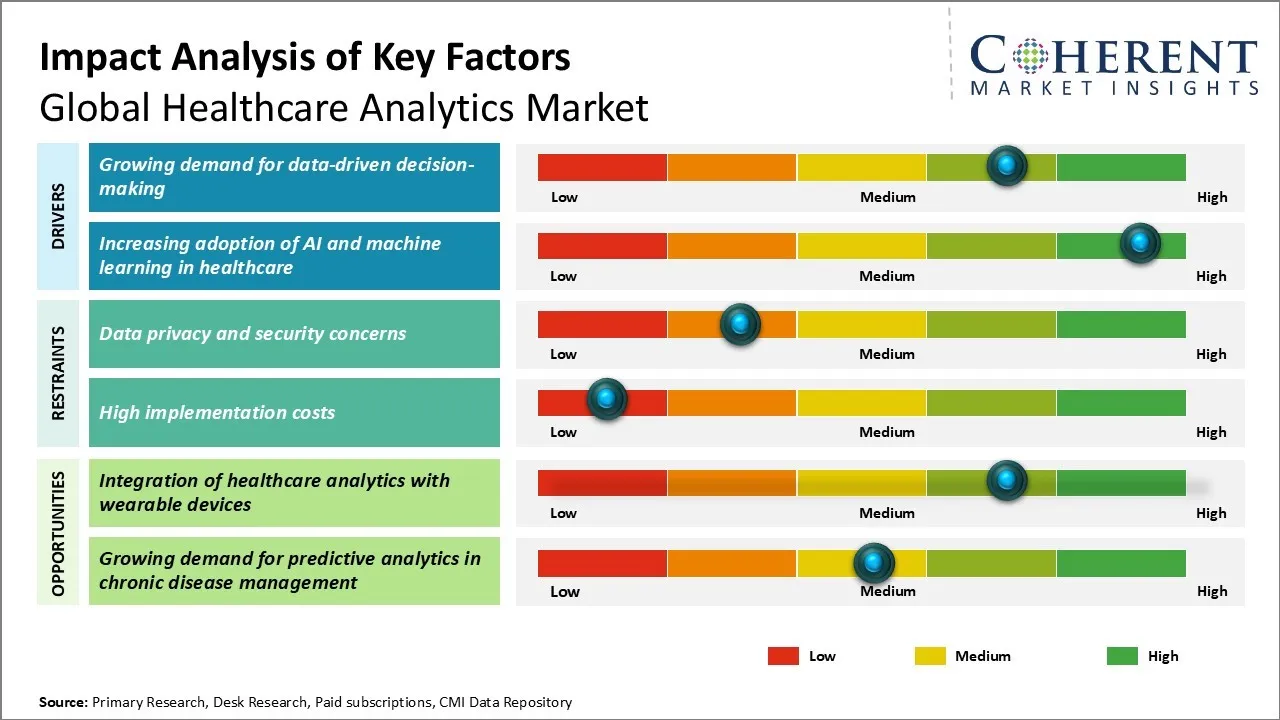
Healthcare Analytics Market Driver - Growing Demand For Data-Driven Decision-Making
The escalating demand for data-driven decision-making is a critical force propelling the expansion of the healthcare analytics market. Healthcare providers and organizations are increasingly recognizing the value of leveraging vast amounts of clinical, operational, and financial data to enhance patient outcomes, improve operational efficiency, and reduce costs. As healthcare systems become more complex and data sources more diverse—ranging from electronic health records (EHRs) and wearable devices to genomic data—stakeholders are compelled to adopt advanced analytics solutions that can synthesize and interpret this information effectively.
This shift towards evidence-based practices supports more accurate diagnoses, personalized treatment plans, and proactive care management, which ultimately elevate the standard of care delivery. Moreover, regulatory pressures and the pursuit of value-based care models are intensifying the need for robust analytics that help identify gaps in care, monitor performance metrics, and predict patient risks. Consequently, the healthcare industry’s growing reliance on data insights is driving substantial adoption of analytics tools, fueling market growth.
On July 18, 2025, Johns Hopkins Health System launched Illustra Health, a new population health analytics platform aimed at helping healthcare organizations manage value-based care (VBC) and population health initiatives. The platform combines data analysis tools, operational alignment, and implementation support, allowing providers to transform healthcare data into actionable insights for improving both clinical and financial performance.
Healthcare Analytics Market Opportunity - Integration of Healthcare Analytics with Wearable Devices
The integration of healthcare analytics with wearable devices presents a significant growth opportunity in the global healthcare analytics market. As wearable technology becomes increasingly sophisticated and widely adopted, these devices generate vast amounts of real-time health data, including vital signs, physical activity, sleep patterns, and other biometric indicators. Leveraging advanced healthcare analytics to process and interpret this data can enable more personalized and preventive healthcare solutions. This fusion allows for continuous patient monitoring outside traditional clinical settings, enhancing chronic disease management, early diagnosis, and health risk assessments. Furthermore, healthcare providers and insurers can utilize analytics derived from wearable data to improve patient engagement, optimize treatment plans, and reduce healthcare costs by preventing hospital readmissions and emergency visits.
In August 2024, Alten Calsoft Labs (ACL) explored the transformative role of real-time analytics and interoperability in wearable health technology, revolutionizing how health data is monitored and managed. With wearable devices equipped to track metrics like heart rate, sleep patterns, and physical activity, real-time data is processed and analyzed through cloud-based systems, offering immediate health feedback and actionable insights.
Analyst Opinion (Expert Opinion)
- The global healthcare analytics market is experiencing robust growth driven by advancements in artificial intelligence (AI), machine learning, and big data analytics. Technological innovations have enabled healthcare organizations to extract valuable insights from vast datasets, improving clinical decision-making, operational efficiency, and patient outcomes. Additionally, increased regulatory support, such as the implementation of healthcare reforms and data privacy laws, fosters a secure environment for data-driven innovations. Rising demand for cost-effective healthcare solutions and personalized medicine further propels market growth, while challenges like data security and the integration of disparate healthcare systems remain significant hurdles.
- The growing digitalization of healthcare data is a key driver of the healthcare analytics market, with many developed nations adopting electronic medical records. In Germany, the country’s largest healthcare digitalization initiative—the electronic patient health record (Elektronische Patientenakte, ePA)—was launched on January 1, 2021. The ePA is designed to enhance digital connectivity across the healthcare system, enabling seamless information exchange between patients and clinicians, as well as between hospital and primary care providers.
- Emerging opportunities lie in the adoption of cloud-based analytics platforms and AI-driven predictive analytics, particularly for patient care management and operational optimization. Real-world initiatives like the "AI for Health" program by Microsoft and various government-led digital health strategies demonstrate the impact of collaboration between tech giants, healthcare providers, and policymakers in shaping the future of healthcare analytics. These developments are expected to have a lasting influence on market dynamics and contribute to the sector’s continued evolution.
Speak to the analyst
Want personalized insights?
Take the findings above to one of our principal consultants, or have the report rebuilt around the segments, geographies and competitors you actually track.
Market Segmentation
- Component Insights (Revenue, USD Bn, 2021 - 2033)
- Software
- Hardware
- Services
- Deployment Mode Insights (Revenue, USD Bn, 2021 - 2033)
- On-Premises
- Cloud-Based
- Analytics Type Insights (Revenue, USD Bn, 2021 - 2033)
- Descriptive Analytics
- Predictive Analytics
- Prescriptive Analytics
- Diagnostic Analytics
- Application Insights (Revenue, USD Bn, 2021 - 2033)
- Clinical Analytics
- Operational Analytics
- Financial Analytics
- Population Health Analytics
- Operational and Administrative Analytics
- End User Insights (Revenue, USD Bn, 2021 - 2033)
- Healthcare Providers
- Hospitals
- Clinics
- Diagnostic Centers
- Healthcare Payers
- Insurance Companies
- Government Health Agencies
- Other End Users
- Pharmaceutical Companies
- Research and Academia
- Others (Government Agencies)
- Healthcare Providers
- Regional Insights (Revenue, USD Bn, 2021 - 2033)
- North America
- U.S.
- Canada
- Latin America
- Brazil
- Argentina
- Mexico
- Rest of Latin America
- Europe
- Germany
- U.K.
- Spain
- France
- Italy
- Russia
- Rest of Europe
- Asia Pacific
- China
- India
- Japan
- Australia
- South Korea
- ASEAN
- Rest of Asia Pacific
- Middle East
- GCC Countries
- Israel
- Rest of Middle East
- Africa
- South Africa
- North Africa
- Central Africa
- North America
- Key Players Insights
- IBM Corporation
- Arcadia
- Cotiviti, Inc.
- Komodo Health, Inc.
- SAS Institute Inc.
- Alteryx
- Optum, Inc.
- McKesson Corporation
- Cerner Corporation
- Veradigm
- Philips Healthcare
- GE Healthcare
- Siemens Healthineers
- Medtronic
- Health Catalyst, Inc.
Sources
Primary Research Interviews
- Industry Stakeholders List
- Healthcare providers (hospitals, clinics, private practices)
- Healthcare IT vendors (software developers, system integrators)
- Pharmaceutical companies
- Healthcare insurance companies
- Healthcare data management companies
- End-Users List
- Healthcare professionals (doctors, nurses, medical staff)
- Healthcare administrators and policymakers
- Patients and patient advocacy groups
- Insurance providers
- Clinical research organizations
Government and International Databases
- World Health Organization (WHO)
- U.S. Centers for Disease Control and Prevention (CDC)
- National Institutes of Health (NIH)
- European Medicines Agency (EMA)
- U.S. Food and Drug Administration (FDA)
Trade Publications
- Healthcare IT News
- Modern Healthcare
- Health Data Management
- Journal of Healthcare Information Management
- MobiHealthNews
Academic Journals
- Journal of Healthcare Analytics
- Health Affairs
- Journal of Medical Internet Research (JMIR)
- Health Informatics Journal
- Journal of the American Medical Informatics Association (JAMIA)
Reputable Newspapers
- The New York Times (Healthcare section)
- The Guardian (Health section)
- The Washington Post (Health & Science section)
- Reuters (Healthcare section)
- Financial Times (Health & Pharma section)
Industry Associations
- Healthcare Information and Management Systems Society (HIMSS)
- American Medical Informatics Association (AMIA)
- International Society for Telemedicine and eHealth (ISfTeH)
- Health Level Seven International (HL7)
- Institute for Healthcare Improvement (IHI)
Public Domain Resources
- U.S. National Library of Medicine
- European Commission Digital Health Resources
- HealthData.gov (U.S. Government)
- Global Health Data Exchange (GHDx)
Proprietary Elements
- CMI Data Analytics Tool: Proprietary analytics tool to analyze real-time market trends, consumer behavior, and technology adoption in market
- Proprietary CMI Existing Repository of Information for Last 8 Years
Get access to 250+ pages report
Every segment, forecast, competitor profile and data table behind the analysis above — available for instant download.
- ESOMAR Member
- ISO 9001:2015 Certified
- D-U-N-S Registered
- GDPR & CCPA Compliant
Missing comfort of reading report in your local language? Find your preferred language:
Transform your Strategy with Exclusive Trending Reports
Frequently Asked Questions
The global healthcare analytics market is estimated to be valued at USD 55.99 Bn in 2026 and is expected to reach USD 217.59 Bn by 2033.
The CAGR of the global healthcare analytics market is projected to be 21.4% from 2026 to 2033.
Growing demand for data-driven decision-making and increasing adoption of AI and machine learning in healthcare are the major factors driving the growth of the global healthcare analytics market.
Data privacy and security concerns and high implementation costs are the major factors hampering the growth of the global healthcare analytics market.
In terms of component, software is estimated to dominate the market revenue share in 2026.
IBM Corporation, Arcadia, Cotiviti, Inc, Komodo Health, Inc., SAS Institute Inc., Alteryx, Optum, Inc., McKesson Corporation, Cerner Corporation, Veradigm, Philips Healthcare, GE Healthcare, Siemens Healthineers, Medtronic, and Health Catalyst, Inc. are the major players.
North America is expected to lead the global healthcare analytics market in 2026.