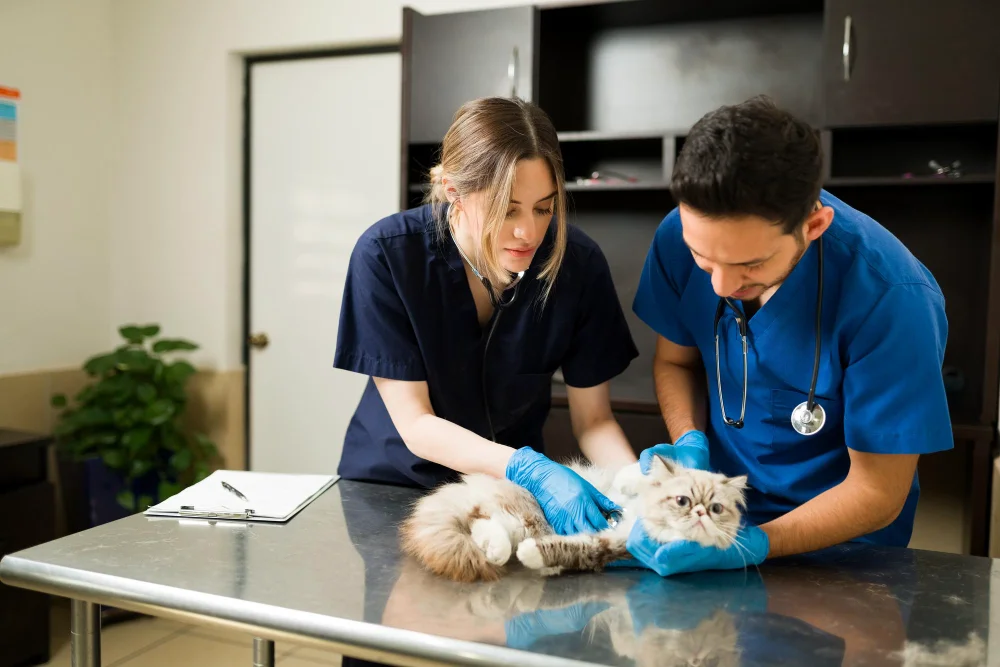
The Spay and Neuter Market is growing fast across the U.S., and veterinary clinics play a key role in this shift. More pet owners now understand the health and behavior benefits of spaying and neutering. Many people still need help because they require guidance together with trust and need simple ways to reach these services. Local veterinary clinics provide the required assistance in this situation.
Veterinary clinics are the primary location where pet owners seek information about their pets. The institutions provide educational resources together with safe medical procedures to support their mission of decreasing domestic animal populations. The clinics establish partnerships with shelters while operating affordable services to extend their reach to additional families. The clinics operate discount days every month to provide affordable service options for their customers.
Clinics shape community perceptions about responsible pet care through their educational efforts which increase public awareness.
Educating Pet Owners with Clear Advice
Veterinary clinics guide pet owners with simple and honest advice. Many first-time pet owners do not know when to spay or neuter. Clinics explain the right age, health benefits, and risks in easy terms.
For example, a vet may explain how neutering a male dog can reduce aggression. They may also share how spaying a female cat can prevent certain cancers. These real facts help owners make quick and smart choices.
Clinics also use posters, social media, and emails to spread awareness. This keeps the topic active in the pet care space.
Making Services Easy and Affordable
Cost is a big reason many people delay these procedures. Veterinary clinics solve this by offering low-cost options. Some clinics partner with local groups to provide free or discounted services.
For example, a clinic may run a weekend camp with lower prices. Another clinic may offer payment plans for families on a budget. These steps remove barriers and bring more pets into the system.
Trust matters when it comes to pet health. Pet owners want safe and caring hands. Veterinary clinics build this trust through clear talks and good care.
When a vet explains the process step by step, owners feel calm. Follow-up care also builds confidence. Clinics often call or message after surgery to check on the pet.
For example, a clinic may give a simple care guide after surgery. This helps owners handle recovery at home without stress.
Partnering with Shelters and Rescue Groups
Veterinary clinics often work with shelters and rescue teams. This helps control pet population at a larger level. Shelters depend on clinics to spay or neuter pets before adoption.
For example, many rescue dogs are fixed before they go to new homes. This reduces unwanted litters and keeps adoption numbers stable.
Joint events like adoption drives also boost awareness. Clinics may set up booths to answer questions and book appointments on the spot.
Using Reminders and Follow-Ups
Busy pet owners may forget or delay appointments. Clinics solve this with reminders and follow-ups.
Many clinics send text alerts or emails about due dates. Some even call pet owners to schedule visits. These small steps increase action rates.
For example, a clinic may remind a dog owner when the pet turns six months old. This is often the right time for the procedure.
Supporting Community Programs
Veterinary clinics support local campaigns that promote pet care. These programs focus on schools, parks, and community events.
For example, clinics conduct school visits to educate students about proper pet care. The program establishes awareness from early development stages. Some clinics also sponsor local pet events and offer free check-ups.
The community initiatives work to establish spaying and neutering as standard procedures.
Frequently Asked Questions
What is spaying and neutering?
Spaying and neutering are surgical procedures that prevent pets from reproducing.
Why should I spay or neuter my pet?
Spaying or neutering helps control pet population and improves long-term health.
When should I spay or neuter my pet?
Most pets should be spayed or neutered around six months of age.
Is the procedure safe for pets?
The procedure is safe when done by trained veterinarians in proper clinics.
How much does it cost to spay or neuter a pet?
The cost depends on the clinic, but many offer low-cost or discount programs.
is a seasoned content writer with over 3.5 years of hands-on experience across various writing formats, including news articles, blog posts, press releases, and informational content. Her expertise lies in producing high-quality, informative content tailored to meet the specific needs of diverse industries, such as Biotechnology, Clinical Diagnostic, Healthcare IT, advanced material, and Medical Devices. She has a deep understanding of how to craft engaging narratives that align with industry trends, helping businesses enhance their online presence and communicate effectively with their audiences.
What sets Ravina apart is her keen eye for detail and her passion for storytelling. She approaches every piece of content with the intent to make it not just informative but also impactful, ensuring that it resonates with the audience on a deeper level. With a reputation for producing timely and relevant articles, she has made significant contributions to the field by helping companies effectively communicate their brand message through engaging, clear, and creative writing. As an advocate for clarity in communication, she continues to explore new ways of refining her craft while remaining at the forefront of content trends.