The nature of digital behavior evolves rapidly, and the necessity to remain visible has become increasingly dependent on how well you adapt to the changing search trends. You might experience the persistent urge to deal with escalating expenses, learn new ad formats, and select the appropriate platforms without wasting budget.
In the meantime, search engines are redefining the way advertisements are displayed, the way performance is evaluated, and how the end user is engaging with the paid placements. These changes impact choices that you make on a daily basis, particularly when clarity and efficiency are crucial.
This article walks you through how search engines have transformed PPC and why these developments continue to shape the strategy behind modern paid advertising.
1. From Simple Bidding to Multi-Platform PPC
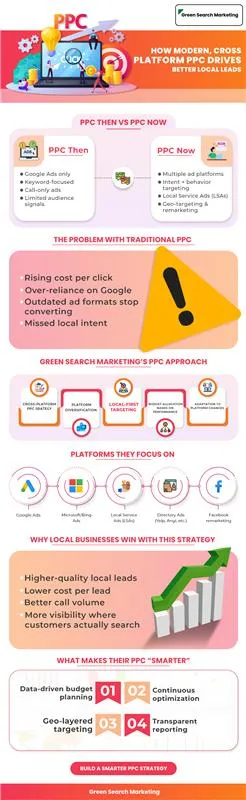
Looking back at the history of paid ads PPC, it is clear that the primitive pay-per-click advertising was based on basic bidding. Advertisers choose keywords, bids, and wait. Search engines had a minimal influence and were primarily ranking advertisements according to bid price and rudimentary relevance criteria.
With the introduction of search platforms, they executed a systematic mechanisms to understand which ads are shown and why. Search engines began to examine criteria like the quality of the ads, the level of correspondence with the keywords, the landing-page experience instead of depending only on bids, etc.
This provided a more equalized environment where visibility was based on both budget and relevancy. At the same time, PPC (pay-per-click) ads started appearing on more than just one search engine. Businesses now reach audiences across different platforms such as Google, Bing, Yahoo, Yelp, and local directories.
This expanded ecosystem changed the approach of PPC from a keyword-only strategy to a diversified strategy where layer targeting and multi-platform presence influenced performance. Since users search across different engines, maps, apps, and local listings, the success of the campaign relies on the knowledge of how each platform interacts with paid ads.
2. Relevance Becomes Core of Modern PPC
As the behavior of users became more complicated, search engines became more specific in the way they determine the placement of ads. They started focusing on relevance instead of raw bid competition. This inlcination prompted advertisers to look beyond matching keywords and consider how their advertisements align with the active interests of people.
Search engines also introduced features that guide in determining the needs of users more precisely. Location intent, search phrasing, and browsing patterns began to influence the timing as well as location of the appearance of ads. Consequently, PPC became less focused on delivering messages and more focused on reaching people at the moment when they required information.
This change made it easier to understand what people were looking for. Ads became more targeted, showing up for users searching for services in specific industries, categories, or locations. As a result, advertisers began creating strategies based on what people were really interested in, rather than just using general keywords.
3. Tools That Improved Visibility
Search engines extend their targeting capabilities, giving advertisers tools to connect with audiences more effectively. Instead of casting wide nets, campaigns could target users based on location, device, and search context. This made local visibility easier to achieve, especially for service-based businesses that rely on geographic relevance.
Additionally, platforms made options that aid advertisers reach potential customers across different stages of their search journey. For example, remarketing lists allow ads to follow users who previously interacted with a site, while audience segments help recognize groups actively searching within specific categories.
Because each search engine offers unique targeting strengths, marketers began combining platforms to improve reach. Google offers high search volume, while Microsoft Ads can attract users within particular segment. Yelp and directory ads contribute to local visibility when users are looking for providers nearby. The success of PPC now relies on combining these channels to reach users wherever they are searching.
4. Expanded Ad Formats Shaping Smarter Placement
As search engines acquired more data, they discovered deeper insights into consumers' online behavior. These data signals allowed advertisers to refine their targeting and develop more personalized campaigns.
Search engines started analyzing browsing behavior, interaction history, and real-time engagement patterns. As a result, advertisers were able to identify users who were actively researching, comparing alternatives, or preparing to make a purchase.
Layered targeting became a powerful tool. Advertisers used information about people's age, location, interests, and behaviors to target audiences who were similar to their ideal customers. They also created new ways to reach people through custom audiences, in-market groups, and remarketing lists.
Additionally, search engines began emphasizing performance tracking. They introduced transparent metrics that measure clicks, visibility, cost trends, as well as lead quality. With this information, advertisers can adjust budgets, refine targeting, and analyze which platforms offers the best returns.
Because each search engine offers its own reporting application, campaigns benefit from analyzing a number of data sources rather than depending on a single platform’s metrics.
Conclusion
Search engines transformed PPC from a straightforward keyword bidding model into a multi-platform, intent-driven advertising environment. As their features advances, they introduced broader targeting, deeper insight into search behavior, along with a meaningful ad format.
These shifts encouraged advertisers to make strategies that reflect how users search across engines, directories, maps, and apps. By understanding how search platforms shape visibility and engagement, you can create PPC campaigns that adapt to user behavior and remain effective as the digital landscape continues to evolve.
Disclaimer: This post was provided by a guest contributor. Coherent Market Insights does not endorse any products or services mentioned unless explicitly stated.
Share this story
D
About Author
Derek
Derek is a Senior Content Specialist with a passion for crafting clear, engaging, and impactful narratives. He blends creativity with strategy to produce content that connects with diverse audiences. Outside of work, he enjoys exploring new trends in digital storytelling and communication.
Interested in industry outlook for Cross Platform And Mobile Advertising Market?Request Free Sample