What once used to be a specialized topic is quickly becoming common knowledge regarding vitamin D deficiency. With approximately 77% of the world’s population having an insufficiency in vitamin D levels, based on a review of data from 7.9 million participants from 81 countries, the world can no longer just make up treatments; it needs intelligent ones with an added degree of efficiency. Luckily for everyone, science is developing some innovative treatments very rapidly.
From Pills to Precision: The Evolution of Vitamin D Delivery
For decades, the vitamin D supplement shelves looked mostly uniform - one kind of tablet, one kind of capsule. But that landscape is dramatically shifting, thanks to the fundamental problem of bioavailability. The way in which vitamin D is actually absorbed by the body when taken can vary from individual to individual based on age, gut health, genetics, and dosage form.
Tablets are still leading the charge with a 33% market share and with good reason; they offer stability, accuracy of dosage, and global production viability. But this will likely continue to change as we see innovation in dosage forms.
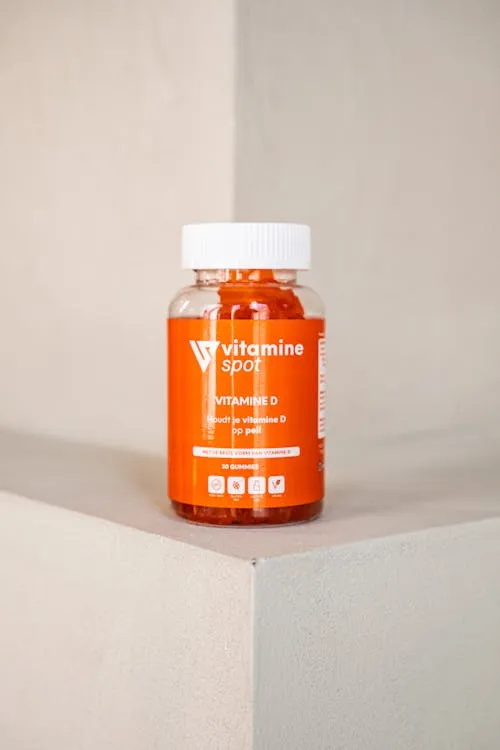
Soft gel capsules and gummies have been quickly taking market share, especially among younger and older individuals who have issues swallowing traditional tablets. Gummies in fact, "reformed supplement compliance with a routine, non-clinical dosage of vitamin D supplementation.
Liquid and powders accommodate patients unable to swallow, or who need varying doses, a major demand factor given the rise of personalized medicine.
The Aqueous Injection Breakthrough
What is the buzz surrounding recent years? It could be the aqueous cholecalciferol injection. In February 2024, Cadila Pharmaceuticals introduced the world's first aqueous form of vitamin D injection. That is remarkable, compared to oil-based formulations.
(Source: Cadila Pharmaceuticals)
So why is that important? The oil-based injections are absorbed at a relatively slow pace and can cause patients a lot of pain, making the absorption and the overall effect of the injection slow. The new aqueous form has better pharmacokinetic characteristics. Thus, it is rapidly absorbed in the body and used faster. Physicians are reporting better patient compliance and faster recovery of critically deficient patients who cannot afford to wait weeks.
Liposomal and Novel Formulations: Bioavailability Gets an Upgrade
The market share for smaller businesses and innovative delivery systems such as liposomal vitamin D is expanding. The formulation of vitamin D within lipid spheres (liposomal) increases vitamin D absorption at the cellular level 1,000-fold, which benefits people with poor gut health or absorptive issues. At the other end of the spectrum, DSM-Firmenich has a new, EU-approved Novel Food called ampli-D calcidiol monohydrate (May 2024). The formula has been proven in over 15 human trials to increase blood vitamin D levels 2.5 times quicker than standard vitamin D and redefine effective supplementation.
(Source: dsm-firmenich)