

Global Vitamin D Therapy Market Size and Forecast – 2026 to 2033
The Global Vitamin D Therapy Market is estimated to be valued at USD 2.94 Bn in 2026 and is expected to reach USD 6.31 Bn by 2033, exhibiting a compound annual growth rate (CAGR) of 11.5% from 2026 to 2033. This significant growth reflects rising awareness about vitamin D deficiency and its impact on health, increased prevalence of related disorders, and advancements in therapy options. Market expansion is driven by growing demand across various age groups and geographic regions.
Key Takeaways of the Global Vitamin D Therapy Market
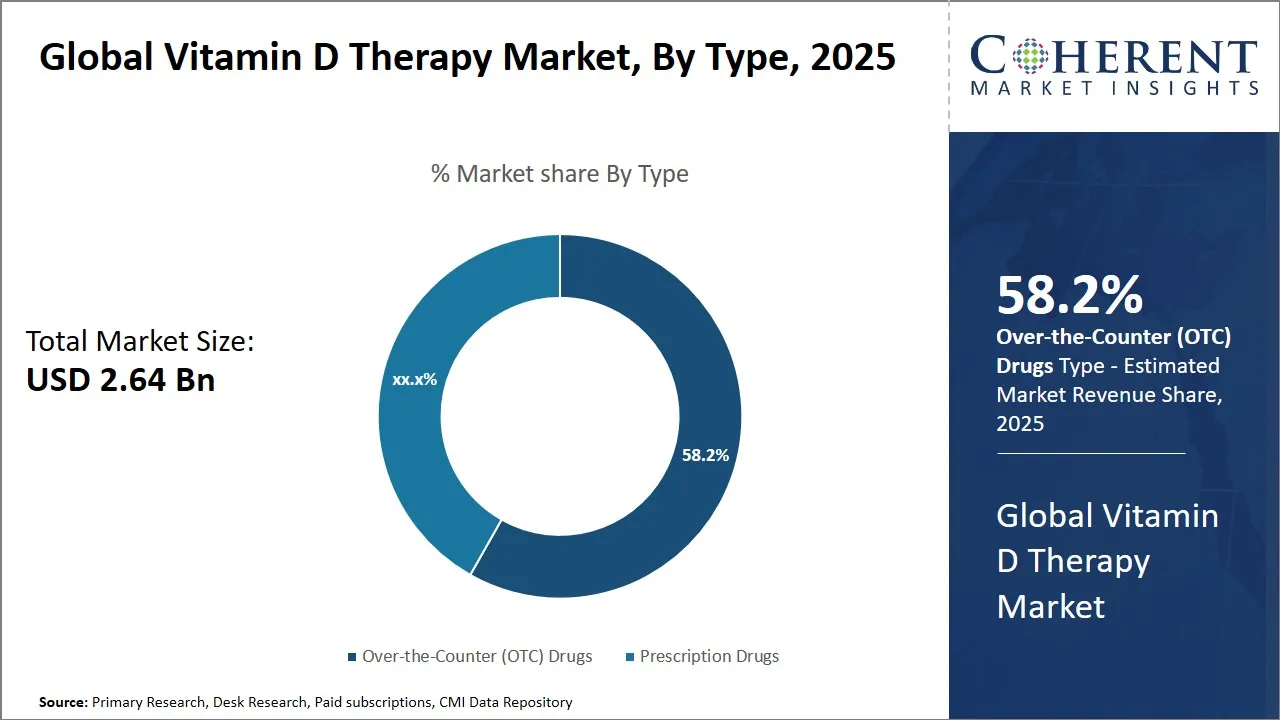
- In 2026, Over-the-Counter (OTC) drugs will hold the largest share of the global vitamin D therapy market, accounting for an estimated market share of 59.2 %.
- When considering route of administration, the oral segment is expected to dominate the market, capturing 76.2 % of the share, driven by its convenience and high patient adherence.
- In terms of dosage form, tablets are projected to lead the market with a 33.4 % share in 2026, due to their stability, ease of production, and broad consumer acceptance.
- North America is expected to lead the market, holding a share of 39.3 % in 2026. Asia Pacific is anticipated to be the fastest-growing region, with a market share of 24.3% in 2026.
Market Overview
Key trends in the vitamin D therapy market include the rising adoption of personalized medicine and increased use of digital health technologies for monitoring vitamin D levels. Additionally, the market is witnessing a shift towards novel formulations and delivery methods that enhance bioavailability and patient compliance. Increasing investments in research and development to better understand the therapeutic benefits of vitamin D also contribute to the evolving landscape, making vitamin D therapy a critical focus area in preventive and therapeutic healthcare.
Current Events and Its Impact
Current Events | Description and its impact |
Rising Prevalence of Malnutrition and Deficiencies |
|
Role of Public Awareness Campaigns |
|
Segmental Insights
- Current Industry Events of 2026
- Market Size Estimation
- Regional Breakdown
- Competitive Landscape
- Customer Intelligence
- Segmental Analysis
- Pricing Analysis
- Key Market Drivers, Challenges & Future Trends
- Customized Insights Section
Vitamin D Therapy Market Insights, By Type - Dominance of Over-the-Counter (OTC) Drugs is Driven by Accessibility and Consumer Awareness
In terms of type, Over-the-Counter (OTC) drugs contribute the highest share of the global vitamin D therapy market with an estimated share of 59.2% in 2026 owing to a combination of factors centered around consumer accessibility and increased self-care awareness. The rising public consciousness about the health benefits of maintaining optimal vitamin D levels, such as bone health, immune support, and potential chronic disease prevention, has accelerated demand for easy-to-access supplementation options. OTC vitamin D ingredients appeal to a broad consumer base seeking preventive care without the need for medical prescriptions, making them the preferred choice for many individuals worldwide.
Additionally, the convenience offered by OTC vitamin D products significantly drives their market dominance. These products are widely available across pharmacies, supermarkets, and online platforms, enabling consumers to make immediate purchases without engaging healthcare providers. This reduces barriers such as appointment delays or prescription requirements, thus encouraging more consistent use. Moreover, the surge in digital health platforms and online pharmacies has further simplified OTC product procurement, expanding market outreach to urban and rural areas alike.
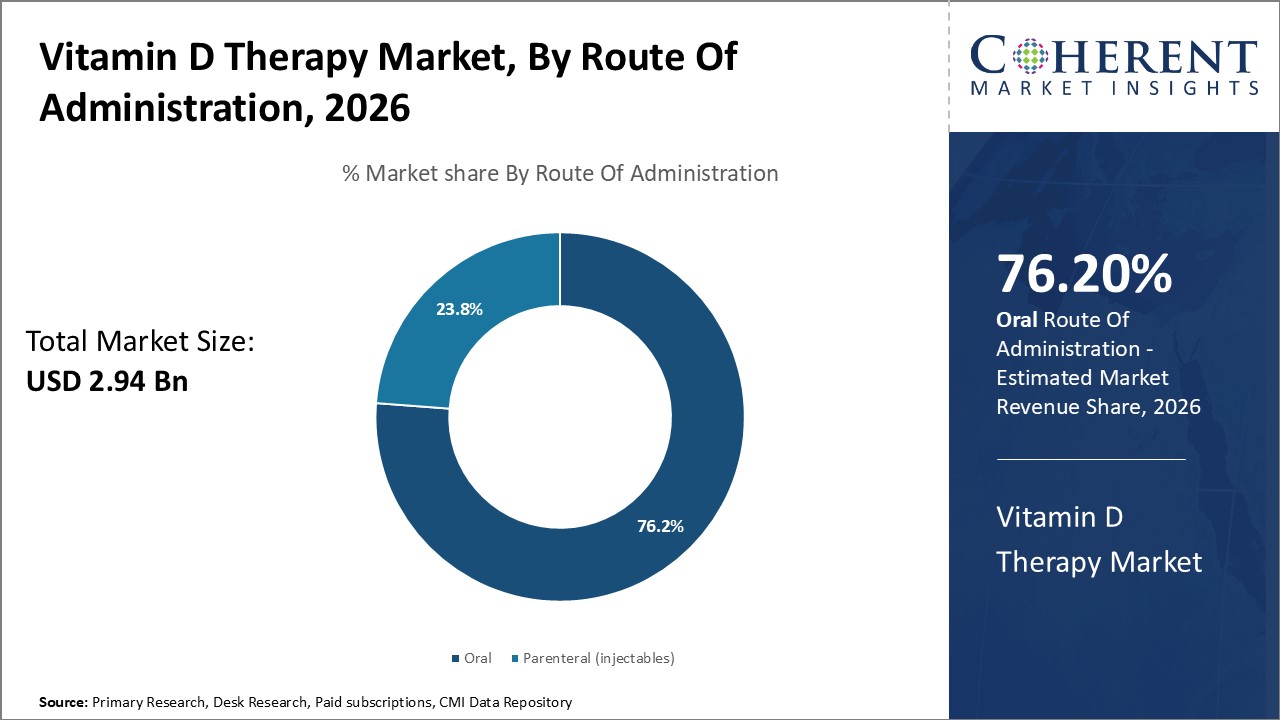
Vitamin D Therapy Market Insights, By Route of Administration - Oral Route of Administration Leads due to Convenience and Patient Compliance
In terms of route of administration, the oral segment dominates the market with a projected share of 76.2% in 2026, primarily driven by its unmatched convenience and high patient compliance. Oral administration represents the most traditional and widely accepted method of delivering vitamin D supplements, encompassing a range of dosage forms that consumers find easy to incorporate into daily routines. This route eliminates the need for clinical supervision or invasive procedures, appealing especially to long-term users focused on preventive health.
The ease of usage with oral vitamin D formulations—which include tablets, capsules, gummies, and liquids—ensures better adherence to recommended dosing schedules. Unlike parenteral (injectable) options, oral supplementation does not require healthcare professional involvement, making it a preferred choice for self-management of vitamin D insufficiency or deficiency.
In February 2021, DSM (a global leader in nutrition and health) received approval for a new Certificate of Suitability (CEP) for its vitamin D3 powder form, becoming the only company to hold this certification. This new form of vitamin D3 accelerates the development process for pharmaceutical companies by ensuring optimal content uniformity in oral solid-dose formulations.
In terms of dosage form, tablets emerge as the lead segment within the global vitamin D therapy market with an estimated share of 32.4% in 2025, propelled by their stability, ease of manufacturing, and widespread consumer acceptance. Tablets are traditionally favored pharmaceutical forms due to their long shelf life and robustness under varied storage conditions, making them highly suitable for global distribution—including regions with challenging climate control.
The ingestible tablet format ensures precise dosing, which is critical in vitamin D therapy to avoid under- or overdosing. This accuracy builds trust among consumers and healthcare providers alike, supporting tablets’ preference over more variable forms such as powders or liquids, which may involve additional preparation or measurement errors. The familiarity of tablets also plays a key role; consumers generally perceive tablets as a reliable and effective form of medication given their extensive use in other therapeutic areas.
Regional Insights
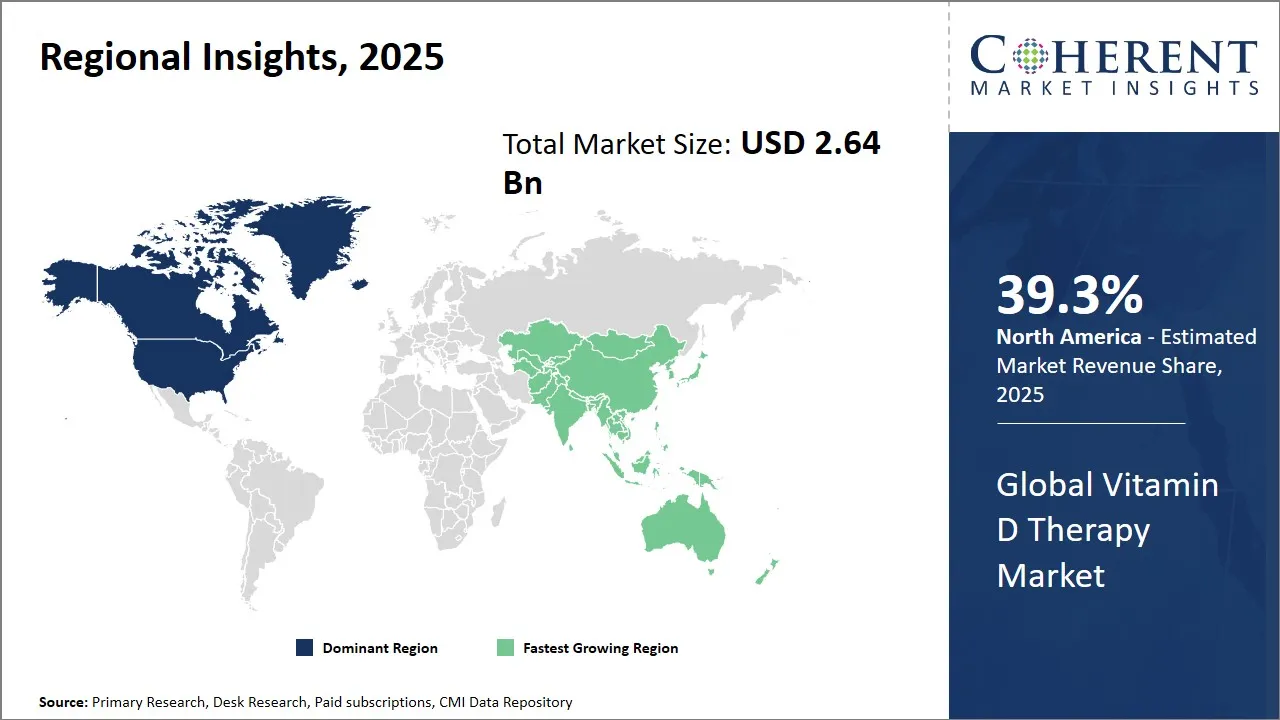
North America Vitamin D Therapy Market Analysis and Trends
In North America, the dominance in the global vitamin D therapy market is driven by a mature healthcare infrastructure with an estimated share of 39.3% in 2026, significant R&D investments, and high consumer awareness regarding vitamin D deficiency and related health issues. The presence of well-established pharmaceutical companies, such as Pfizer, Merck & Co., and Amgen, reinforces the market’s robust ecosystem. Government policies that promote nutritional health, coupled with active healthcare reimbursement frameworks, further fuel market stability.
Additionally, the region benefits from a strong supply chain network and widespread adoption of advanced therapeutic solutions, enabling efficient distribution and accessibility of vitamin D products across both retail and hospital channels. In September 2024, research presented at the American Academy of Pediatrics 2024 National Conference & Exhibition revealed that low Vitamin D levels can significantly delay fracture healing in children. The study, which analyzed 186 pediatric fracture cases from 2015 to 2022, found that fractures took up to an extra month to heal clinically and several months longer to show improvement on x-rays in children with low Vitamin D.
Asia Pacific Vitamin D Therapy Market Analysis and Trends
The Asia Pacific region is expected to exhibit the fastest growth in the vitamin D therapy market due to rising awareness about bone health with a share of 24.3% in 2026, increasing geriatric population, and escalating incidences of vitamin D deficiency. Rapid urbanization and improving healthcare infrastructure in countries like India, China, Japan, and Southeast Asian nations enhance accessibility to vitamin D products. Government initiatives promoting public health and nutritional supplement consumption have catalyzed market expansion. Increasing presence of multinational and local pharmaceutical players such as Sun Pharmaceutical, Takeda Pharmaceutical, and Dr. Reddy’s Laboratories contributes to this growth, along with expanding trade ties that facilitate import and export of vitamin D formulations.
Global Vitamin D Therapy Market Outlook for Key Countries
U.S. Vitamin D Therapy Market Trends
The U.S. vitamin D therapy market stands out due to its extensive healthcare framework and high rate of vitamin D deficiency awareness campaigns. Leading companies such as Pfizer and Amgen focus heavily on innovative product development and vitamin D therapy combinations to manage osteoporosis and other related conditions. Government mandates on fortification of food products with vitamin D and supportive insurance coverage have enhanced patient access to therapy. The U.S. vitamin D therapy market also benefits from strong collaborations between pharmaceutical firms and healthcare providers, helping maintain market leadership.
In December 2024, Monterey Mushrooms, a leading mushroom producer, filed a petition with the U.S. Food and Drug Administration (FDA) to amend the food additive regulations to include vitamin D₂ mushroom powder produced by exposing sliced or diced edible cultivars of Agaricus bisporus to ultraviolet light. This initiative aims to broaden fortification options and enhance the nutritional profile of food products.
Germany Vitamin D Therapy Market Trends
Germany's vitamin D therapy market is bolstered by its robust healthcare insurance system and stringent regulatory environment, ensuring product efficacy and safety. Major pharmaceutical companies like Bayer and Merck KGaA actively invest in research for improving vitamin D formulations. Additionally, the aging population drives demand for vitamin D therapy targeting bone diseases such as osteoporosis. Government health initiatives focused on preventive care and nutrition further stimulate market adoption. Germany’s strategic location in Europe facilitates trade and distribution across the region, enhancing market penetration.
In February 2022, OPKO Health, Inc., a global healthcare company, announced that its commercial partner Vifor Fresenius Medical Care Renal Pharma (VFMCRP) has launched RAYALDEE (extended-release calcifediol) in Germany. This marks the first international launch of the product outside the U.S. RAYALDEE is approved for treating secondary hyperparathyroidism (SHPT) in adult patients with stage 3 or 4 chronic kidney disease (CKD) and vitamin D insufficiency.
China Vitamin D Therapy Market Trends
China's vitamin D therapy market growth is propelled by increasing government support for health supplements and an expanding middle-class population concerned about wellness. Key players, including Sinopharm Group and Shanghai Pharma, have expanded their vitamin D product portfolios in response to rising consumer demand. The country’s ongoing healthcare reforms and rising incidences of lifestyle-related diseases underscore the importance of vitamin D therapy. Distribution channels are rapidly evolving with e-commerce platforms playing a significant role in product accessibility, supported by regulatory streamlining to encourage market expansion.
In May 2021, Theramex (a global pharmaceutical company specializing in women's health) launched Lundeos (colecalciferol) in Spain, with the upcoming launch of Fedivelle (colecalciferol) in Italy. These new small soft gel capsules are designed to treat Vitamin D deficiency in adults and adolescents, offering flexible daily or weekly dosing options. The product is particularly beneficial for women during pregnancy, menopause, and osteoporosis treatment.
India Vitamin D Therapy Market Trends
India presents a dynamic market outlook with considerable growth potential attributable to its large population, high prevalence of vitamin D deficiency, and increasing healthcare awareness. Companies, such as Sun Pharmaceutical and Dr. Reddy’s Laboratories, are prominent providers of vitamin D therapies, leveraging extensive domestic manufacturing capabilities. Government nutrition programs and public health campaigns aimed at improving bone health accelerate demand. The expansion of private healthcare facilities and growing acceptance of supplements in urban and rural areas enhance market penetration significantly.
In May 2024, ENTOD Pharmaceuticals, a leading player in ocular health, launched India’s first Vitamin D3-enriched eye drops to treat dry eye syndrome. This innovative formulation provides targeted relief by improving tear stability and aiding in corneal wound healing. Dry eye syndrome, often caused by environmental factors and Vitamin D deficiency, affects a significant portion of the population, particularly in India, where 76% suffer from Vitamin D insufficiency.
End User Feedback and Unmet Needs in the Global Vitamin D Therapy Market
- End users in the global vitamin D therapy market, spanning healthcare providers, patients, and regulatory bodies, consistently offer valuable insights regarding the performance and accessibility of these treatments. One common piece of positive feedback is related to the efficacy of innovative Vitamin D formulations, such as aqueous injections, which provide faster absorption and more precise dosing compared to traditional oil-based products. Healthcare professionals report improved patient compliance and quicker recovery times, particularly in patients with severe deficiency. For example, the introduction of aqueous Vitamin D injections by Cadila Pharmaceuticals has received acclaim for its ability to effectively treat Vitamin D deficiency, with many end users appreciating the reduction in treatment duration and the minimized side effects. However, not all feedback is entirely positive. A recurring concern among both patients and healthcare providers is the lack of customizable treatment options for those with specific needs, such as elderly patients or individuals with certain chronic conditions. This issue highlights the limitation of one-size-fits-all approaches, with many users expressing frustration over the need for more personalized therapies.
- The unmet needs within the Vitamin D therapy market center around affordability, customization, and technological advancements. While many Vitamin D supplements and therapies are effective, their costs can be a barrier, particularly in low-income regions or for patients requiring long-term use. This creates an opportunity for manufacturers to explore affordable yet high-quality alternatives. Furthermore, the market would greatly benefit from the development of personalized formulations that cater to individual needs based on age, health condition, and lifestyle factors. Such innovation would not only address the current dissatisfaction around treatment limitations but also offer manufacturers an opportunity to diversify their product range and improve customer retention. Moreover, the integration of digital health solutions, like mobile apps for monitoring Vitamin D levels or adherence to prescribed regimens, could significantly enhance patient engagement and lead to improved therapeutic outcomes. Addressing these gaps would pave the way for enhanced customer satisfaction, long-term market growth, and the potential for breakthrough innovations in Vitamin D therapy.
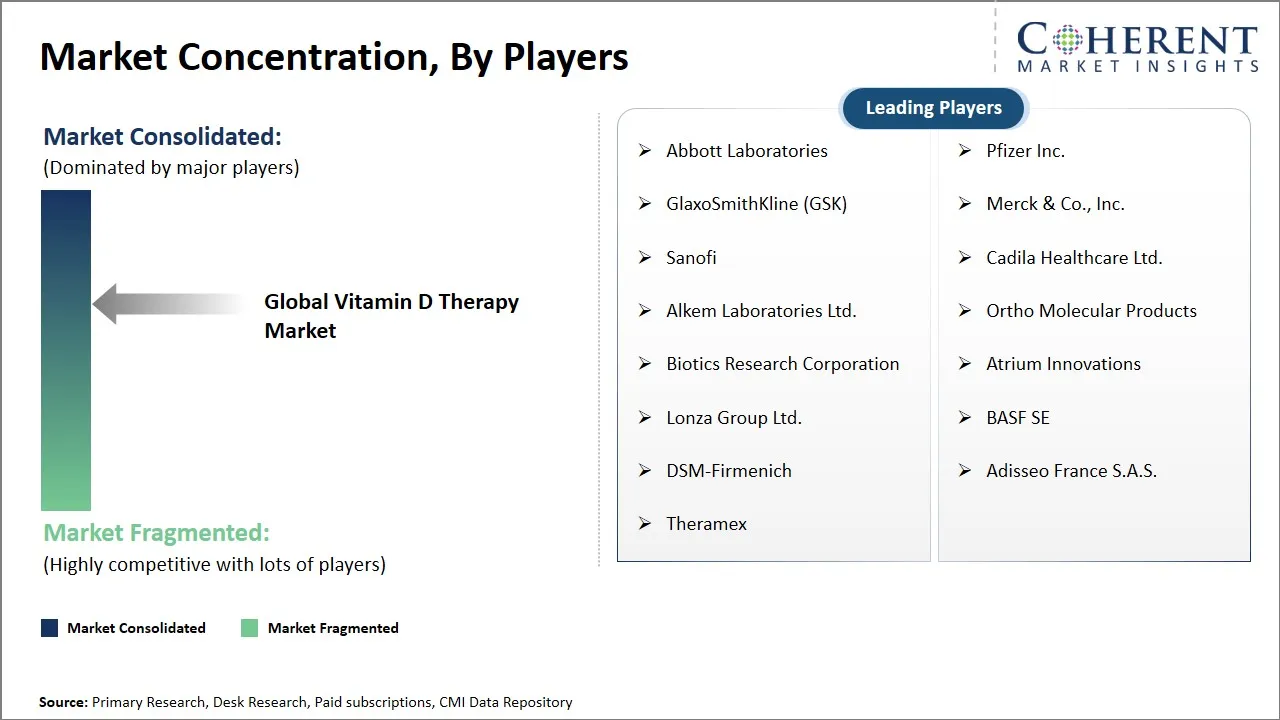
Market Players, Key Developments, and Competitive Intelligence
Key Developments
- In April 2025, NanoSpeed Diagnostics, a Canadian biotechnology company, received approval from Health Canada for its Test4D Serum, a point-of-care diagnostic tool designed to detect vitamin D levels in blood serum. The device utilizes NanoSpeed's proprietary technology for both qualitative and quantitative assessment of vitamin D deficiency, facilitating rapid and accessible testing.
- In January 2025, the Philippines Food and Drug Administration (FDA) issued Circular No. 2025-0001, updating the classification and permissible levels of vitamins and minerals in food and dietary supplements. The new guidelines set the maximum allowable daily intake of vitamin D at 25 mcg for adults, standardizing supplement limits and clarifying market requirements.
- In February 2024, Cadila Pharmaceuticals (a leading global pharmaceutical company based in Ahmedabad) launched the world’s first aqueous cholecalciferol injection, offering a pioneering solution to treat Vitamin D deficiency. This new formulation provides superior pharmacokinetics and pharmacodynamics compared to traditional oil-based preparations, ensuring faster and more effective results. The injection is designed for painless administration, improving patient compliance and enabling rapid correction of Vitamin D levels, crucial for managing various health conditions.
- In May 2024, DSM-Firmenich, a global leader in nutrition, health, and beauty, announced that the European Commission approved its ampli-D calcidiol monohydrate as a novel food. Clinically proven in over 15 human studies, ampli-D raises blood vitamin D levels 2.5 times faster than conventional vitamin D₃. The EU authorization allows a maximum daily dose of 10 µg for individuals aged 11 and above, including pregnant and lactating women, and 5 µg for children aged 3–10. A five-year exclusive use period commenced on May 1, 2024, enabling DSM-Firmenich to market ampli-D across the EU.
Top Strategies Followed by Global Vitamin D Therapy Market Players
- Established players in this sector invest heavily in research and development to innovate high-performance Vitamin D formulations that offer enhanced efficacy, bioavailability, and patient compliance. These companies prioritize the development of patented and differentiated products through sustained R&D efforts, which not only strengthen their product portfolio but also enable them to set premium pricing structures. Additionally, they pursue strategic partnerships and alliances with major industry stakeholders, including original equipment manufacturers (OEMs), pharmaceutical giants, and healthcare providers, thereby consolidating their market presence and accelerating product commercialization.
- In May 2024, Bayer, a global pharmaceutical and life sciences company, partnered with South Korea's G+FLAS Life Sciences to co-develop genome-edited tomato varieties enhanced with vitamin D₃. Utilizing G+FLAS's genome-editing technology and Bayer's tomato germplasm, this collaboration aims to address vitamin D deficiency through biofortified crops.
- Mid-level players in the Vitamin D therapy market adopt a different approach, focusing primarily on offering cost-effective solutions that strike a balance between quality and affordability. Recognizing that a significant segment of consumers in both emerging and developed regions is price-sensitive, these companies tailor their product offerings to appeal to this demographic without compromising essential therapeutic efficacy. Companies like Nature Made (a well-known supplement brand) and Kirkland Signature (offering affordable health products) are capitalizing on the growing interest in Vitamin D therapies. These brands, recognized for their focus on quality and affordability, may play a key role in making such therapies more accessible to consumers.
- In June 2024, the Endocrine Society (a leading organization for clinical endocrinology) issued new guidelines recommending that healthy adults under 75 should take the Institute of Medicine's recommended daily allowance of vitamin D. The guidelines also suggest higher vitamin D intake for children, pregnant individuals, adults over 75, and those with high-risk prediabetes.
- Small-scale players carve out their niche in the crowded Vitamin D therapy market by concentrating on specialized product features or highly innovative formulations that differentiate them from mainstream competition. This may include developing novel drug delivery systems like liquid drops, slow-release capsules, or combination therapies with other nutrients targeting specific patient groups, such as infants or elderly populations. Adoption of cutting-edge technologies, including biotechnology or nanotechnology, helps these smaller entities stay competitive despite limited resources.
- For example, BioCeuticals develops advanced Vitamin D formulations such as liposomal Vitamin D, which enhances bioavailability. Its focus on delivering high-quality, effective, and specialized Vitamin D solutions to specific patient groups, such as pregnant women or individuals with chronic diseases, helps them stand out in the competitive market.
Market Report Scope
Vitamin D Therapy Market Report Coverage
| Report Coverage | Details | ||
|---|---|---|---|
| Base Year: | 2025 | Market Size in 2026: | USD 2.94 Bn |
| Historical Data for: | 2020 To 2024 | Forecast Period: | 2026 To 2033 |
| Forecast Period 2026 to 2033 CAGR: | 11.5% | 2033 Value Projection: | USD 6.31 Bn |
| Geographies covered: |
| ||
| Segments covered: |
| ||
| Companies covered: | Abbott Laboratories, Pfizer Inc., GlaxoSmithKline (GSK), Merck & Co., Inc., Sanofi, Cadila Healthcare Ltd., Alkem Laboratories Ltd., Ortho Molecular Products, Biotics Research Corporation, Atrium Innovations, Lonza Group Ltd., BASF SE, DSM-Firmenich, Adisseo France S.A.S., and Theramex | ||
| Growth Drivers: |
| ||
| Restraints & Challenges: |
| ||
Vitamin D Therapy Market Dynamics
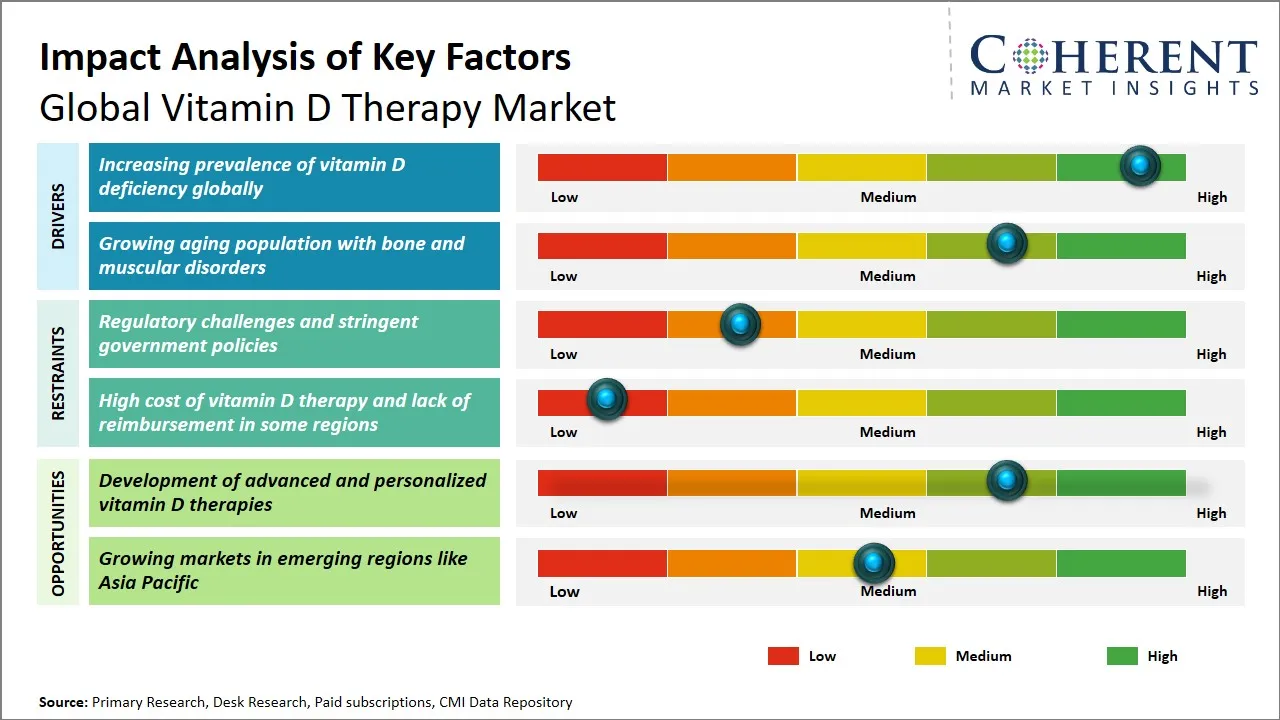
Vitamin D Therapy Market Driver - Increasing Prevalence of Vitamin D Deficiency Globally
The rising incidence of vitamin D deficiency worldwide serves as a critical driver for the expansion of the global vitamin D therapy market. Modern lifestyles characterized by reduced outdoor activities and increased indoor occupations contribute significantly to limited sun exposure, which is essential for natural vitamin D synthesis in the skin. Urbanization and changes in dietary patterns, often lacking in sufficient vitamin D intake, further exacerbate this nutritional gap. Moreover, certain population segments, including the elderly, pregnant women, and individuals with darker skin tones, are more susceptible to deficiency, amplifying the demand for therapeutic interventions. Additionally, growing awareness among healthcare providers and patients regarding the implications of vitamin D deficiency such as its link to bone disorders, immune dysfunction, and chronic diseases has led to increased screening and supplementation practices.
In March 2023, a recent global study by Frontiers in Nutrition, analyzing data from 308 studies and 7.9 million participants found that vitamin D deficiency remains a prevalent health issue worldwide. The research, which covered the years 2000 to 2022, revealed that 15.7% of participants had serum vitamin D levels below 30 nmol/L, and nearly 77% had levels under 75 nmol/L. The research, which analyzed data from 308 studies with 7.9 million participants across 81 countries, highlighted that vitamin D deficiency remains a significant global health issue.
Vitamin D Therapy Market Opportunity - Development of Advanced and Personalized Vitamin D Therapies
The global vitamin D therapy market presents a significant opportunity for the development of advanced and personalized vitamin D therapies, driven by increasing awareness of vitamin D deficiency's role in various chronic conditions and the growing emphasis on precision medicine. Traditional supplementation approaches often adopt a one-size-fits-all model, which may not adequately address individual variations in vitamin D metabolism influenced by genetic, geographic, lifestyle, and health status factors. Advances in biotechnology and genomics now enable the tailoring of vitamin D therapies based on a patient’s unique genetic makeup, enabling optimized dosing and improved efficacy while minimizing adverse effects. Furthermore, innovations such as vitamin D analogs and controlled-release formulations offer enhanced bioavailability and targeted therapeutic outcomes.
In May 2025, The VITAL trial, led by Mass General Brigham Incorporated, found that vitamin D supplementation may help slow biological aging by protecting telomeres. A daily dose of 2,000 IU of vitamin D3 significantly reduced telomere shortening, preventing nearly three years of aging compared to a placebo. This supports the development of advanced and personalized vitamin D therapies, where supplements could be tailored to individual needs to reduce age-related disease risks. However, omega-3 supplementation showed no significant effect on telomere length in the study.
Analyst Opinion (Expert Opinion)
- The vitamin D therapy market is experiencing steady growth driven by key factors such as increasing awareness about the health benefits of Vitamin D, advancements in delivery technologies, and growing research linking deficiencies to chronic health conditions. Technological innovations in Vitamin D formulations, such as soft gel capsules, aqueous injections, and powder forms, are enhancing patient convenience and improving treatment efficacy. Additionally, regulatory support in major markets, including the EU and the U.S., has facilitated faster market access for novel Vitamin D therapies. This is further accelerated by rising demand among aging populations, particularly for osteoporosis management and immune health.
- Emerging opportunities are centered around personalized medicine, with companies focusing on tailor-made Vitamin D treatments based on genetic and health profiles. However, challenges remain, such as the ongoing debate over the optimal levels of supplementation and potential overuse. Notable events like the Vitamin D and Bone Health Symposium held in 2022 have been instrumental in advancing knowledge, fostering policy development, and showcasing new research and treatment innovations. Global initiatives, including government health programs targeting deficiency prevention, are likely to further boost market adoption. For instance, DSM’s introduction of a Certificate of Suitability (CEP) for Vitamin D3 powder has simplified regulatory compliance, accelerating the market entry of novel products.
Speak to the analyst
Want personalized insights?
Take the findings above to one of our principal consultants, or have the report rebuilt around the segments, geographies and competitors you actually track.
Market Segmentation
- Type Insights (Revenue, USD Bn, 2021 - 2033)
- Over-the-Counter (OTC) Drugs
- Prescription Drugs
- Route of Administration Insights (Revenue, USD Bn, 2021 - 2033)
- Oral
- Parenteral (injectables)
- Dosage Form Insights (Revenue, USD Bn, 2021 - 2033)
- Tablets
- Capsules/Gummies
- Injections
- Powder
- Other Liquid Solutions
- Application Insights (Revenue, USD Bn, 2021 - 2033)
- Osteoporosis
- Rickets
- Muscle Weakness
- Skin Diseases
- Autoimmune Disorders
- Others
- Age Group Insights (Revenue, USD Bn, 2021 - 2033)
- Children
- Adults
- Geriatric
- Gender Insights (Revenue, USD Bn, 2021 - 2033)
- Female
- Male
- Distribution Channel Insights (Revenue, USD Bn, 2021 - 2033)
- Hospital Pharmacies
- Retail Pharmacies
- Online Pharmacies
- End User Insights (Revenue, USD Bn, 2021 - 2033)
- Hospitals
- Specialty Clinics
- Homecare Settings
- Rehabilitation centers
- Others (Academic and Research Institutions)
- Regional Insights (Revenue, USD Bn, 2021 - 2033)
- North America
- U.S.
- Canada
- Latin America
- Brazil
- Argentina
- Mexico
- Rest of Latin America
- Europe
- Germany
- U.K.
- Spain
- France
- Italy
- Russia
- Rest of Europe
- Asia Pacific
- China
- India
- Japan
- Australia
- South Korea
- ASEAN
- Rest of Asia Pacific
- Middle East
- GCC Countries
- Israel
- Rest of Middle East
- Africa
- South Africa
- North Africa
- Central Africa
- North America
- Key Players Insights
- Abbott Laboratories
- Pfizer Inc.
- GlaxoSmithKline (GSK)
- Merck & Co., Inc.
- Sanofi
- Cadila Healthcare Ltd.
- Alkem Laboratories Ltd.
- Ortho Molecular Products
- Biotics Research Corporation
- Atrium Innovations
- Lonza Group Ltd.
- BASF SE
- DSM-Firmenich
- Adisseo France S.A.S.
- Theramex
Sources
Primary Research Interviews
- Industry Stakeholders List
- Chief Medical Officer, Pharmaceutical Company
- Regulatory Affairs Specialist, Healthcare Provider
- End-users List
- Pharmacist, Retail Pharmacy
- Healthcare Practitioner, General Practitioner
Government and International Databases
- World Health Organization (WHO)
- Centers for Disease Control and Prevention (CDC)
- U.S. National Institutes of Health (NIH)
- European Medicines Agency (EMA)
- U.S. Food and Drug Administration (FDA)
- National Health and Nutrition Examination Survey (NHANES)
Trade Publications
- Pharmaceutical Technology
- The American Journal of Clinical Nutrition
- Nutraceuticals World
- Pharmacy Times
- Food Business News
- Drug Development & Delivery
Academic Journals
- Journal of Clinical Endocrinology & Metabolism
- The Lancet Diabetes & Endocrinology
- Journal of Bone and Mineral Research
- The American Journal of Clinical Nutrition
- Endocrine Reviews
- European Journal of Clinical Nutrition
Reputable Newspapers
- The New York Times
- The Guardian
- The Washington Post
- The Financial Times
- The Wall Street Journal
Industry Associations
- Endocrine Society
- National Osteoporosis Foundation (NOF)
- American College of Rheumatology (ACR)
- International Osteoporosis Foundation (IOF)
- American Society for Nutrition (ASN)
- American Academy of Pediatrics (AAP)
Public Domain Resources
- National Center for Biotechnology Information (NCBI)
- U.S. Department of Health and Human Services (HHS)
- U.S. Census Bureau
- National Institute of Environmental Health Sciences (NIEHS)
Proprietary Elements
- CMI Data Analytics Tool: Proprietary analytics tool to analyze real-time market trends, consumer behavior, and technology adoption in market
- Proprietary CMI Existing Repository of Information for Last 8 Years
Get access to 250+ pages report
Every segment, forecast, competitor profile and data table behind the analysis above — available for instant download.
- ESOMAR Member
- ISO 9001:2015 Certified
- D-U-N-S Registered
- GDPR & CCPA Compliant
Missing comfort of reading report in your local language? Find your preferred language:
Transform your Strategy with Exclusive Trending Reports
Frequently Asked Questions
The global vitamin D therapy market is estimated to be valued at USD 2.94 Bn in 2026 and is expected to reach USD 6.31 Bn by 2033.
The CAGR of the global vitamin D therapy market is projected to be 11.5% from 2026 to 2033.
Increasing prevalence of vitamin D deficiency globally and growing aging population with bone and muscular disorders are the major factors driving the growth of the global vitamin D therapy market.
Regulatory challenges and stringent government policies and high cost of vitamin D therapy and lack of reimbursement in some regions are the major factors hampering the growth of the global vitamin D therapy market.
In terms of type, the Over-the-Counter (OTC) drugs segment is estimated to dominate the market revenue share in 2026.
Vitamin D and calcium work together to maintain bone health. While calcium helps build and maintain bone strength, vitamin D is necessary for calcium absorption in the body. Calcium supplements alone may not be as effective without sufficient vitamin D levels.
Technological advancements in drug delivery systems, such as improved oral formulations, injectable therapies, and personalized dosing based on genetic testing, are helping make vitamin D therapy more effective and convenient for patients.