
Remote work and hybrid work models have permanently altered the way businesses are carried out. For many people, managing distributed teams is a puzzling riddle: how to keep the teams productive, how to have clear communication, how to keep the staff motivated, yet at the same time respecting their autonomy and privacy. Conventional management styles are, in most cases, ineffective in this new world, and leaders are left seeking remedies that would close the gap without creating a sense of mistrust.
Enter employee monitoring software. Despite being confused with intrusive surveillance in some instances, when done well, it can enable companies to overcome the difficulties of remote work. This article examines the role of modern monitoring tools in enabling managers to make valuable contributions, foster responsibility, and secure the welfare of employees in distributed teams.
Gaining Visibility Without Micromanagement
Loss of physical visibility is one of the most significant problems of remote work. Managers can no longer afford to gloss over their team members' daily activities and even know that one of them is in distress merely by passing by their desk. The absence of this immediate context can be a cause of anxiety as to whether work is going on well.
Other managers respond by making regular visits, conducting numerous status meetings, or even presenting periodic progress reports, hoping to counter the distance. However, this technique is counterproductive because it can hamper the efforts of staff, raise stress, and express distrust. Also, constant monitoring negatively affects the independent work environment that the remote work offers and can lead to job dissatisfaction.
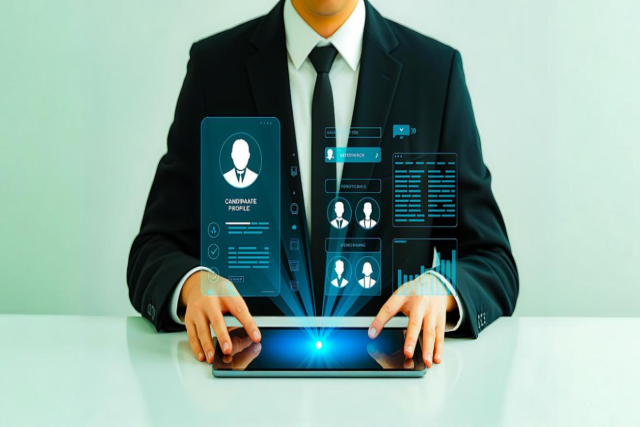
A superior solution in this regard is a modern employee monitor software. These tools provide summary information on the completion of tasks, applications, and time on projects - providing a good overview of the productivity without dwelling on individual clicks. The managers can also get a useful understanding of which areas of the workflow are bottlenecks or skewed workload and can interfere in the process in a supportive, and not punitive way.
These data-driven transparencies assist in the creation of a culture of trust where employees feel noticed and assisted instead of being looked at. It also results in better and strategic rather than reactive management and further allows the leaders to concentrate on coaching and resources where they are most needed.
Overcoming Time Zone and Coordination Barriers
Distributed teams usually cut across various time zones, cultures, and work schedules, and hence coordination and communication can be very difficult. Arranging synchronous meetings can be a logistical nightmare, and wrong deadlines can be a source of confusion and stress.
In the absence of instruments that consider these disparities, a few employees may be compelled to hold meetings at an inconvenient time, or may not be able to meet time constraints imposed in another time zone. This not only lowers productivity but may also damage morale and cause a high turnover risk.
Some of the new employee monitoring systems have built-in functions that automatically set schedules and alerts based on the local time of each member of the team. This time zone support features make sure that tasks and meetings are scheduled based on the reality of each person and their work hours.
Moreover, these kinds of software can frequently facilitate asynchronous working by providing high-level updates on the project's current state, thus allowing employees to work in a coherent way even when they are not able to stand in the same place. Monitoring software facilitates dispersed teams to work together smoothly and efficiently by simplifying the cross-time zones complications.
Maintaining Accountability and Preventing Burnout
Accountability is difficult to achieve yet necessary in a distant environment. Managers might not be able to evaluate individual contributions equitably without any visual indications or physical check-ins. This may result in micromanagement on one hand due to suspicion or loose supervision that will leave work to pass through the cracks. The two extremes hurt trust and team cohesion.
Employee monitoring software helps to have objective data concerning the work completion rate, milestones within a project, and the extent of workplace collaboration to create an evidence-based foundation of accountability. This transparency also enables the managers to know when employees are doing well, when they are having difficulties and facilitates open and candid conversations founded on facts and not suppositions.
In the meantime, distanced work makes it unclear where on-time and break time begin, and this increases the risk of burnout. There is the drive to work late or abandon breaks, and such decisions may be influenced by the need to demonstrate productivity or manage heavy workloads, which usually passes without managers noticing the toll it takes.
Efficient analytics within high-end monitoring systems can detect signs of overwork, such as common work overtime or unusual work schedules, and alert managers before it is too late. This will allow them to get timely intervention, whether it is redistribution of work, encouraging rest, or mental health provision. These insights can be integrated with an enablement-based organizational culture to establish a sustainable practice of remote working that protects the well-being of workers.
Conclusion
The management of distributed teams has some challenges, but it is not impossible. When used ethically and openly, the correct employee monitoring software can provide the visibility, coordination, and support leaders need to deal with the issue of remote work. These tools may develop a culture of accountability and caring that will make employees feel valued and empowered instead of fostering mistrust. Organizations adopt technology that upholds privacy and is result-oriented rather than surveillance-oriented by embracing technology, and this places them on the path to success in the changing work environment. By so doing, they unleash the actual potential of distance teams: flexibility, productivity, and an engaged workforce flourishing in any distance.
Frequently Asked Questions (FAQ)
Q1: Isn’t employee monitoring software just a way to spy on workers?
Not implemented with care. In present-day software, the emphasis is placed on aggregate productivity information and performance as opposed to intrusive monitoring. Mistrust can be avoided through transparency and open communication with the employees.
Q2: How can monitoring tools respect employee privacy?
By gathering only necessary data on work-related matters, not personal information, and granting the employees access to their metrics, organisations can make the process of monitoring impartial and not intrusive.
Q3: Can monitoring software really help prevent burnout?
Yes. Numerous platforms interpret work trends and raise red flags about overwork or uneven work schedules, and the managers can take preventative measures to curb burnout.
Q4: How does staff monitoring software assist in cross-time zone management?
It can synchronize with time scheduling applications that will automatically scale to due dates and alerts according to the local time of each member in the team so that the teams can coordinate with each other irrespective of the geographical position.
Q5: Do employees feel micromanaged when monitored by using monitoring software?
Monitoring software can assist the managers to concentrate on the results and give the power to the employees when they are used to offer insights and support and not to take control of everything the employee does, which can create the impression of micromanagement.
Disclaimer: This post was provided by a guest contributor. Coherent Market Insights does not endorse any products or services mentioned unless explicitly stated.





 Contact Us