
Contact Us Careers Register

What Challenges Limit Mass Adoption of AI Glasses Today

13 Feb, 2026 - by CMI | Category : Smart Technologies

What Challenges Limit Mass Adoption of AI Glasses Today - Coherent Market Insights

What Challenges Limit Mass Adoption of AI Glasses Today

AI glasses provide users with hands-free information and intelligent system support while displaying content directly in their line of sight. Technology appears impressive. However, the current state of AI glasses remains limited because they do not exist in all locations. People do not use them in public spaces such as cafés, offices, and metro stations. The obstacle that prevents their advancement requires examination through our straightforward explanation, which uses Gen-Z language.

1. Privacy Concerns Are a Big Red Flag

The main obstacle to progress exists because of privacy concerns. The design of AI glasses includes permanent recording equipment, which includes cameras, microphones, and sensors. People experience discomfort because users and their companions both react to this situation.

When a person uses public AI glasses, which include built-in cameras, other people cannot tell if they are being filmed. The first generation of smart glasses experienced public backlash because of this issue. Brands need to demonstrate their data protection methods with visible evidence of active recording before consumers will trust them.

2. Battery Life Still Isn’t There

AI glasses contain multiple technologies, which include AI processing and display systems, camera equipment, and wireless communication capabilities. The entire system consumes power at a rapid rate.

The situation becomes uncomfortable when your eyeglasses fail to function during your work-related video meetings and outdoor navigation activities. Current smartphone models need to be charged multiple times because their batteries only last for a few hours of use. People expect all-day battery life for products that they will use throughout the day, just like they expect it from smartphones and earbuds.

3. Design Is Not “Everyday Wear” Yet

Let us speak truthfully about style since it holds significant importance. Many AI glasses currently available on the market display either excessive bulkiness or an overly technological appearance. People want glasses that look normal, not like a sci-fi prop. If users experience discomfort when wearing the product throughout the day, they will reject it.

For Example:

People use regular prescription glasses to carry out their daily activities. Many users find it difficult to use AI glasses because their distinctive features make them different from other products.

4. High Prices Keep Most Users Out

Right now, AI glasses are expensive. Advanced hardware, AI features, and limited production push prices up. This makes them feel like a luxury gadget, not a daily essential.
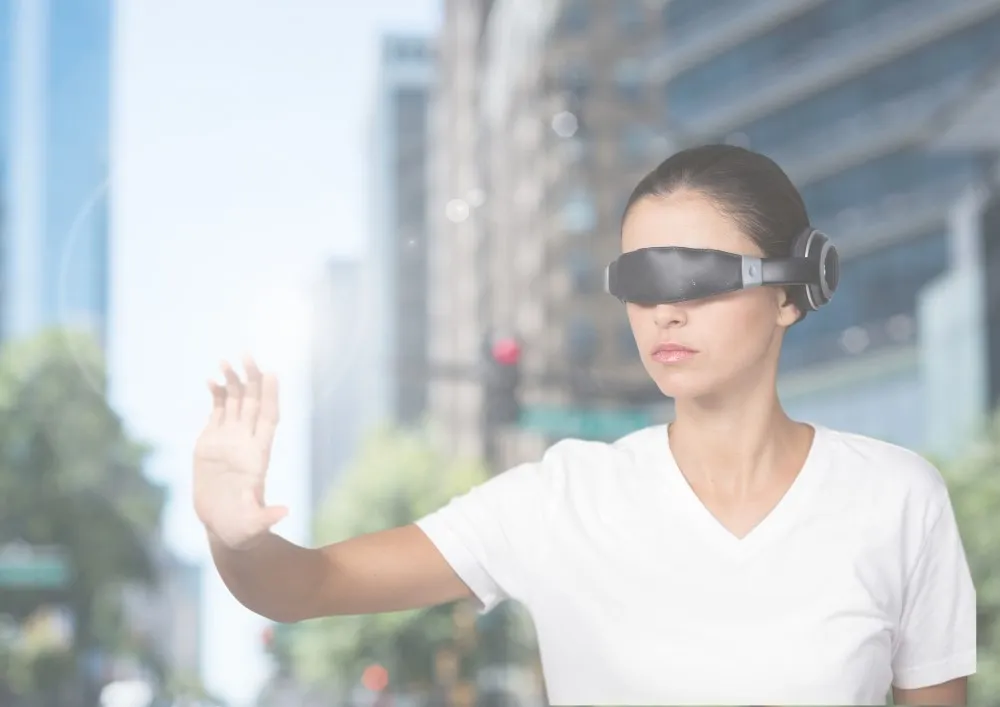
For students or young professionals, spending a big amount on glasses that do what a phone already does feels unnecessary. Until prices drop and value becomes clearer, the AI glasses market will mostly attract early adopters, not the mass crowd.

5. Comfort and Health Concerns

What Challenges Limit Mass Adoption of AI Glasses By Comfort and Health

Extended periods of smart glasses use lead to discomfort for users. Users continue to report three specific problems, including eye strain, headaches, and pressure on the nose.

AI glasses must achieve the same comfort level as regular eyewear to reach widespread usage. Users will stop using the product if they experience fatigue after using it for a brief time.

6. Social Acceptance is Still Growing

Social norms take time to change. People today react to AI glasses the same way they used to react to Bluetooth headsets, which they found uncomfortable to use for conversation.

People worry about looking rude, distracted, or creepy while wearing them. The adoption process will remain slow until society accepts AI glasses as a common sight.

FAQs

  • Are AI glasses safe to use every day?
    • Yes, but long-term comfort and eye health are still being studied. Most brands are working on safer displays and lighter designs.
  • Why do people worry about privacy with AI glasses?
    • Because cameras and microphones can gather data in public spaces, there are anxieties associated with recording without consent.
  • Are AI glasses better than smartphones?
    • Not yet. Phones still offer more power and apps. AI glasses are more about hands-free convenience.
  • Will AI glasses become cheaper in the future?
    • Most likely, yes. As technology improves and production scales up, prices should come down.
  • Who benefits most from AI glasses right now?
    • Those in healthcare, manufacturing, field services, and logistics are in particular putting value on the idea; indeed, these are the roots of any AR-based benefits.

About Author

Money Singh

Money Singh

Money Singh is a dedicated content writer with a passion for creating high-quality, engaging, and informative content. Specializing in blog posts, press releases, and news articles, she excels at delivering content that not only captivates readers but also drives meaningful results. With a keen eye for detail and a creative approach, Money ensures that every p... View more

LogoCredibility and Certifications

Trusted Insights, Certified Excellence! Coherent Market Insights is a certified data advisory and business consulting firm recognized by global institutes.

Reliability and Reputation

860519526

Reliability and Reputation
ISO 9001:2015

9001:2015

ISO 27001:2022

27001:2022

Reliability and Reputation
© 2026 Coherent Market Insights Pvt Ltd. All Rights Reserved.
Enquiry Icon Contact Us