Why Choose Aluminum for Automotive Parts?
Aluminum has many properties that lend themselves to automotive applications. Aluminium is lightweight, corrosion resistant, recyclable and with a high strength to weight ratio. That makes aluminum a prime candidate for everything from body panels and chassis parts to wheels, powertrain components, heat exchangers and electric vehicle battery applications.
The growing focus on vehicle lightweighting is particularly important as automakers work to meet fuel-efficiency and emissions requirements. And lighter cars can also make up for the extra weight of batteries in electric vehicles, boosting the driving range and energy efficiency.
What Makes Aluminum Unique in Automotive Applications?
One of the major advantages of aluminum is its low density. Aluminum is typically about one-third the weight of steel, which allows automakers a chance to cut weight in a vehicle without a complete overhaul of the vehicle architecture.
Reducing the weight of a vehicle means that less energy is needed to accelerate and drive it, helping conventional vehicles use less fuel and electric vehicles use less energy. They are particularly useful to automotive manufacturers that want to enhance vehicle efficiency without reducing performance in lightweight aluminum automotive components.
-
High Strength-to-Weight Ratio
Aluminum alloys can offer a good compromise between weight and structural performance. Today’s automotive engineers are designing lightweight vehicle structures using advanced aluminum architectures that maintain the stiffness and crash performance demanded in today’s cars.
This is especially true for body structures, chassis components and other load bearing applications where the goal of manufacturers is to reduce mass without compromising on safety.
Aluminum will naturally form a protective layer of oxide when exposed to air. This gives aluminum corrosion resistance and makes it suitable for use in automotive applications that are exposed to moisture, road conditions and changing weather.
Corrosion resistance enables manufacturers to increase the service life of components and reduce the maintenance required, especially in the case of aluminum for wheels, body components, heat exchangers and other exposed parts.
Aluminum is also important in terms of sustainability. Car aluminum can be reclaimed and recycled, reducing the need for primary aluminum production and improving circular-material strategies for manufacturers.
Automakers and suppliers are looking for ways to reduce the environmental impact of vehicle production and the use of recycled aluminum is becoming increasingly important, as recycling aluminum generally uses much less energy than producing primary aluminum.
What Are the Advantages of Using Aluminum in Automotive Manufacturing?
In some applications the material cost of aluminum can be higher than that of conventional steel. However, the light weight of aluminum may lead to economic benefits over the vehicle life cycle. Less energy/fuel is consumed as the weight of the vehicle is reduced. Advanced manufacturing processes enable manufacturers to incorporate multiple functions into lightweight parts.
The economics of aluminum are also starting to make sense as auto makers build more electric and hybrid vehicles where losing weight can mean more efficiency and range.
-
Improved Fuel and Energy Efficiency
Lightweight automotive parts in aluminum can reduce the overall vehicle mass and energy needed to transport it. That could translate into better fuel economy for conventional cars. A lighter electric car would take less energy and may go further on a single charge.
Governments and car manufacturers are trying to make transport more efficient, and to reduce emissions, so lightweight materials such as aluminum are gaining in importance.
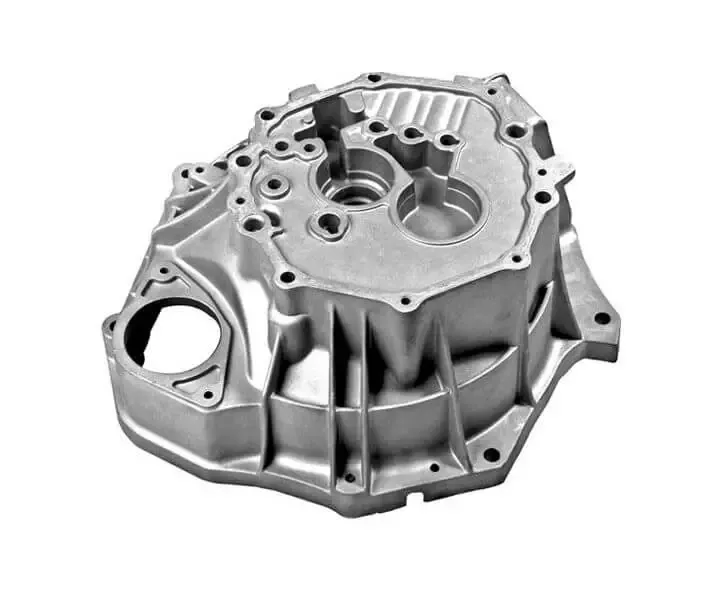
Aluminum components can contribute to improved acceleration, braking, handling, and overall vehicle dynamics by reducing vehicle mass. Aluminum castings are particularly useful in the manufacture of lightweight automotive components that must meet strength and durability requirements for demanding applications. Engine blocks, transmission cases, stators and heat sinks are typical automotive aluminum castings. Casting processes can produce complex shapes with high precision.
Aluminum casting parts not only lighten the vehicle but also enhance its performance by improving acceleration and braking. Lighter vehicles have a higher power-to-weight ratio, allowing for quicker response times and better handling. This makes aluminum casting an important manufacturing approach for automakers looking to combine weight reduction with component strength, precision, and production efficiency.
Especially for things like wheels and suspension, where less unsprung mass can lead to better ride and handling. Aluminum’s high strength to weight ratio allows engineers to design parts that meet performance and structural requirements.
Aluminum alloys are strong and stiff enough for car makers to cut vehicle weight and still maintain enough structural integrity to protect occupants.
Advances in alloy development and joining technologies further enhance the potential of aluminum in body structures and crash-management systems.
Where Is Aluminum Used in Automotive Parts?
Aluminum is used in many parts of a vehicle, and its uses continue to grow as manufacturers develop new alloys and manufacturing processes
Aluminum has traditionally been used for cylinder heads, engine blocks, pistons, heat exchangers and other powertrain components.
It is suitable for components dealing with the heat, while controlling the overall mass of the vehicle due to its low weight and thermal properties.
In recent years, aluminum is being used more and more in frames and chassis parts to reduce the weight of the vehicle while still maintaining the structural rigidity needed for the vehicle to perform.
Chassis applications are particularly relevant because they enable the improvement of vehicle dynamics without the addition of unnecessary mass.
Aluminum wheels and suspension parts can lower the unsprung mass and might enhance handling, ride and response.
Automakers increasingly use aluminum for doors, hoods, trunk lids, and other body components. These applications can result in substantial weight savings, while still meeting the appearance, durability and structural performance required by today’s vehicles.
This is reflected in the broader automotive aluminum market. Body structure and closure applications account for approximately 48.8% of the market, making this the leading application segment in 2026. Aluminum's ability to combine weight reduction with structural performance is a major factor supporting its adoption in this area.
Which Aluminum Products Are Used in Automotive Manufacturing?
The choice of the aluminum form is dictated by the structural, manufacturing and performance requirements of the part.
Sheet aluminum is particularly important because it can be used across body panels, closures, and other vehicle structures. CMI estimates that the sheet aluminum segment accounts for approximately 45.6% of the automotive aluminum market, making it the leading product segment. Its versatility, cost-effectiveness, corrosion resistance, and suitability for large-scale manufacturing support widespread adoption.
Another very important form is extrusions which are being considered for structural profiles when manufacturers want a lightweight component of a particular shape. Extruded aluminum is ideal for structural members and other applications where energy absorption and weight reduction are important.
Castings and other aluminum forms are also used when manufacturers need complex shapes, thermal-management capabilities, or specialized component designs. That decision allows the automaker to choose the best aluminum-making process for each part, instead of one material format.
Which Vehicles Are Driving Aluminum Demand?
Aluminum is used by passenger cars, light commercial vehicles, heavy commercial vehicles and two-wheelers but the largest opportunity is in passenger vehicles.
Passenger cars account for approximately 52.3% of the automotive aluminum market, supported by large-scale vehicle production, fuel-efficiency requirements, and increasing demand for lightweight vehicles. The rapid expansion of electric passenger vehicles provides another important growth opportunity because manufacturers need to offset battery weight and improve energy efficiency.
Light commercial vehicles are also increasingly relevant as delivery and logistics fleets look for ways to increase payload capacity and reduce fuel or energy consumption. At the same time, the use of aluminum in heavy commercial vehicles and two wheelers provides further opportunity for manufacturers as they progressively replace selected heavier components.
What Are the Challenges in Working with Aluminum?
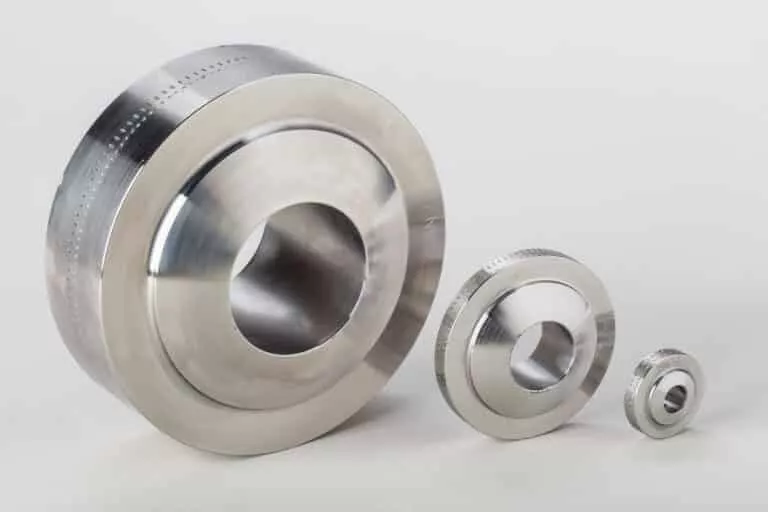
Despite its advantages, aluminum is not suitable for every automotive application. Manufacturers must consider machining, joining, durability, material costs, and compatibility with other materials.
Aluminum is generally much easier to machine than steel, but its softness and tendency to stick to cutting tools can make it a challenge to machine. With the right tooling, cutting parameters and lubricants, producers can get consistent results.
Joining aluminum to aluminum or aluminum to other materials requires careful process selection. Depending on the application, riveting, adhesive bonding and special welding techniques can be used.
As manufacturers move to more mixed-material vehicle architectures, joining technologies will be more critical as they have to combine aluminum with steel, composites and other advanced materials without compromising structural integrity.
Aluminum provides strong durability and corrosion resistance, but component design must account for fatigue, vibration, loading conditions, and the characteristics of specific alloys.
Automakers have demonstrated that these challenges can be managed through advanced engineering. The Audi Space Frame architecture, for example, helped demonstrate how aluminum-intensive vehicle structures could combine lightweight construction with the structural requirements of premium automobiles.
How Is Aluminum Shaping Electric Vehicles?
The growth of electric mobility is creating an important new opportunity for automotive aluminum. Batteries add significant weight to electric vehicles, making lightweight vehicle architecture particularly important.
Aluminum can be used in body structures, chassis components, battery enclosures, heat exchangers, and other EV applications. By reducing the mass of components surrounding the battery system, manufacturers can improve overall vehicle efficiency and potentially increase driving range.
The relationship between aluminum and EV development is also influencing material innovation. Demand from electric and autonomous vehicles is driving interest in specialized aluminum alloys with enhanced thermal management properties, especially for battery cooling systems, CMI notes.
What’s Changing the Aluminum Game?
The automotive aluminum industry is evolving as manufacturers look beyond traditional lightweighting and to new mixes of materials, manufacturing technologies and recycling processes.
The development of hybrid aluminum composites including those with carbon fiber reinforcement is one of the important trends. These materials may have the potential to further reduce weight and to improve structural performance. CMI is seeing hybrid aluminum composites as an emerging trend in the automotive aluminum market.
Another trend worth mentioning is the growing use of aluminum in electric and autonomous vehicles. In addition to thermal management, battery protection and vehicle efficiency, EV producers need materials to provide lightweight structures. This is fueling research into higher-performance aluminum alloys and new manufacturing methods.
Recycling is also taking on a greater importance. Automakers and material suppliers are turning more to circular-economy strategies that recover aluminum from vehicles and scrap in production. CMI says automotive aluminum recycling rates are expected to be greater than 75% in 2026, as regulatory and industry commitments to sustainability continue to rise.
These advances are enabled by wider investment in automotive manufacturing technology. The global automotive manufacturing equipment market is projected to reach USD 33 billion by 2026, with CNC machines accounting for around 27.7% of the market, and automated systems representing around 57%. These technologies can provide the precision, repeatability and productivity needed to manufacture ever more complex aluminum parts.
Where Is Automotive Aluminum Growing Fastest?
The geographic landscape is also affecting the adoption rate of aluminum in the automotive manufacturing. North America accounts for a share of almost 30% of the global automotive aluminum market. This is attributed to a strong automotive manufacturing ecosystem, advanced research infrastructure and rising electric vehicle production. The region’s drive toward lightweight vehicle technologies and vehicle efficiency is supporting the demand for aluminum.
The U.S. is particularly important to this regional position. The country's automotive industry combines major vehicle manufacturers, aluminum producers, technology companies, research capabilities, and established recycling infrastructure. CMI estimates that U.S. manufacturers contributed approximately 28% of total automotive aluminum market revenue in 2025. Companies such as Alcoa Corporation and Novelis are expanding capabilities and developing next-generation aluminum alloys, while automakers including Tesla and Ford are contributing to demand for lightweight materials for electric and conventional vehicles.
This positions the U.S. as a key market for aluminum automotive parts because lightweighting is important for not only passenger vehicles but also electric vehicles, SUVs, trucks and other high-volume vehicle segments. The country’s manufacturing capacity, research and development, recycling infrastructure and demand for fuel and energy-efficient vehicles all contribute to its continued status as an important automotive aluminum player.
At the same time, Asia Pacific is the fastest-growing regional market, with a CAGR exceeding 10%, supported by expanding automotive manufacturing hubs in China and India. Growth in the region is being supported by rising vehicle production, cost-effective aluminum processing capabilities, availability of raw-material and government initiatives.
China is a large consumer of aluminum driven by a large automotive manufacturing base and an expanding electric vehicle industry while India’s expanding automotive production and electric mobility ecosystem offers opportunities. Japan and South Korea also have expertise in the advanced automotive engineering and manufacturing and development of lightweight and electrified vehicle technologies.
Europe is another important market because strict emissions rules are pushing automakers to make lighter and more efficient cars. The strong German automotive manufacturing base and the presence of major OEM’s like Volkswagen, BMW and Mercedes-Benz will continue to fuel demand for aluminum in body structures, chassis and electric vehicle components.
Who Is Shaping the Automotive Aluminum Industry?
Aluminum producers are boosting capacity and alloy development, investing in recycling and forging new partnerships with automakers, changing the competitive landscape. Some of the major players in the automotive aluminum market include Alcoa Corporation, Novelis Inc., Rusal, Constellium SE, Kaiser Aluminum, UACJ Corporation, Sapa Group, AMAG Austria Metall AG, Aleris Corporation and Hindalco Industries.
Their role extends beyond supplying conventional aluminum. Producers are developing advanced alloys, expanding regional production, improving recycling capabilities and partnering with automakers to meet the material needs of EVs and lightweight vehicle platforms.
For example, the increasing capability of Asian Pacific and North American aluminum producers and researchers is enabling suppliers to respond to the growing demands of auto makers. This competitive environment is significant as the future of automotive aluminum will rely on the availability of the material and the improvements in alloy strength, manufacturing efficiency, joining technologies and recyclability.
Case Studies: Successful Automotive Designs Using Aluminum
The automotive industry has already demonstrated the practical benefits of aluminum-intensive vehicle design.
- Audi A8: The Audi Space Frame architecture incorporates a large amount of aluminum to reduce weight without compromising structural performance.
- Jaguar XJ: The aluminum-intensive body structure of this model showed how lightweight construction could be used in a premium passenger vehicle.
The examples show that aluminum is not just a substitute for steel. Rather it can enable manufacturers to re-think vehicle architecture and design around weight reduction, performance and efficiency.
What Does the Future Hold for Aluminum in Automotive Parts?
Automakers are looking at vehicle performance, efficiency, safety, sustainability and electrification and the automotive aluminum market is expected to keep growing.
The global automotive aluminum market is projected to grow from USD 32.4 billion in 2026 to USD 56.7 billion by 2033, at a CAGR of 8.4%. Growth will be supported by lightweight vehicle demand, electric mobility, stricter emissions requirements, advances in aluminum alloys, and the expansion of automotive manufacturing hubs.
Materials will probably also become more specialized. High strength alloys, better joining technologies, advanced casting and extrusion processes and the increased use of recycled aluminum can broaden the range of applications beyond conventional engine and body parts.
Aluminum’s potential in electric vehicles could be even more critical as automakers seek to reduce weight related to batteries and improve thermal management. A wider adoption of circular manufacturing practices could, meanwhile, improve the sustainability benefits of aluminum.
Conclusion
Aluminum is being used more and more in automotive parts because it is light weight, strong, corrosion resistant, recyclable and performs well. It is used in engine parts, wheels and suspension parts, body structures, chassis parts, heat exchangers and electric vehicle systems.
The growing automotive aluminum market reflects this shift. With the market expected to reach USD 56.7 Billion by 2033 from USD 32.4 Billion in 2026, representing an 8.4% CAGR, manufacturers are increasingly looking toward aluminum to address the demands of lightweighting, electrification, efficiency, and sustainability.
The strongest opportunities are emerging in areas such as passenger vehicles, body structures and closures, sheet aluminum, electric vehicles, and advanced lightweight architectures. North America remains a leading market, while Asia Pacific is experiencing faster growth as automotive production expands across China, India, Japan, and other major manufacturing economies.

