
Contact Us Careers Register

Web Design by Niche: Why What Works for E-commerce Won’t Work for Healthcare

31 Jul, 2025 - by Bizango | Category : Marketing and Advertising

Web Design by Niche: Why What Works for E-commerce Won’t Work for Healthcare

Websites' designs are never generic. A user on an online clothing site will have completely varied interactions compared to a user searching for a doctor on a cardiology clinic site. Effective designs and aesthetic appeal are not enough for a website. It demands niche-oriented level consideration across multiple areas – such as capturing user attention, guiding user flow in the procedure, building trust indicators, and prioritizing functionality level.

Let us understand how niche web design strategies differ in the most dominant spaces, such as e-commerce websites, healthcare websites, marketing firms, design studios, and AI, and why a customized approach is inevitable for businesses wishing to perform well.

Understanding User Intent: Why Niche Defines Design Decisions

Every web user wants something different in mind, depending on the domain and the niche requirement. A shoe buyer needs speed in vision-driven decision-making, whereas a user looking for medical content needs reassurance and description.

Knowledge of niche differences enables design strategies to be not only pleasing to the eye, but also to match the needs of people using them. Brands can achieve this by ensuring they design experiences based on each niche and their expectation and behaviour so as to create lasting relationships, trust, and engagement.

1. E-Commerce Design - Speed and Style in Harmony

E-commerce design is more than looks! It is about speed, trust, and flow. According to the Baymard Institute, a difficult checkout experience causes 17% of customers to leave their carts. The takeaway? The website looks like it won’t sell by itself; your design has to eliminate friction on every single click.

Core UX Priorities in E-commerce:

  • Blazing loading speed: A 1-second delay in speed decreases conversions by 7%. Focus on the site speed to avoid such consequences.
  • Mobile-first design: With over 73% traffic from mobiles on online stores, responsive mobile-friendly design has been a requirement.
  • Uncrowding: All elements within the design should lead the buyer journey from the product categories through the CTAs.
  • Trust factors: Real reviews, refund guarantees, and SSL indicators set credibility in a snap.
cmiblogimg

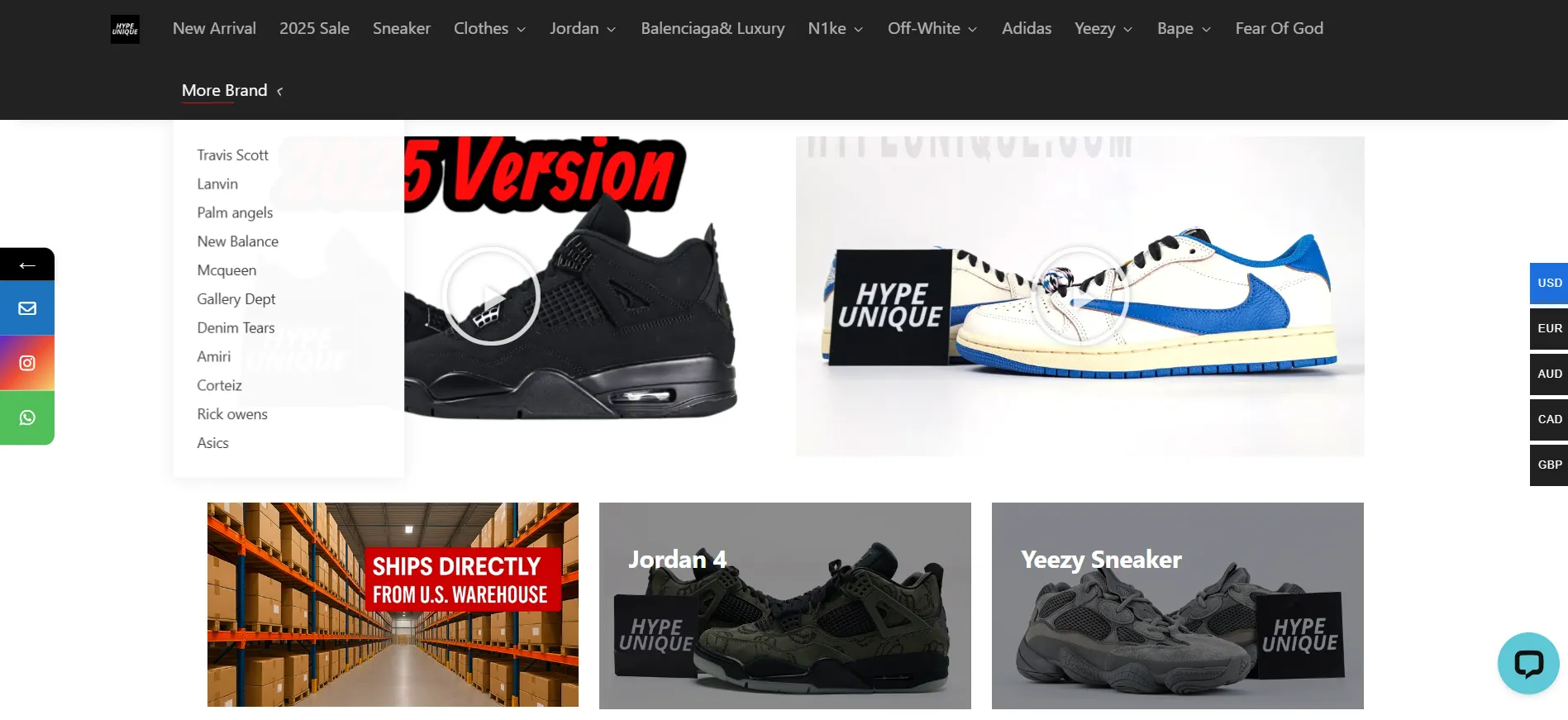
One brand that values this resonant spot is Hypeunique. Being a streetwear-oriented e-commerce site, it uses clean UI, large product photographs, and a minimum-distraction checkout funnel. Website design prioritizes product desirability in the form of lifestyle shots but keeps the interface mobile-friendly and blazing fast.

For niche apparel retailers, visual storytelling and credibility at first glance are paramount. Their customers don’t read comprehensive content articles; they go for photo storytelling, prices, and decide in a flash. That’s why the design choices in such websites help fast conversion with little clutter.

While designing online commerce sites, keep in mind that only a clear interface converts. Don’t intimidate buyers; instead, guide them.

2. Healthcare Web Design - Trust Before Trends Guide UX

Healthcare websites play a quite different role compared to e-commerce. While business seeks conversion, medical web design needs to establish trustworthiness, calmness, and clarity. Patients will view doctor websites at the worst moments – when ill with symptoms, searching for a specialist, or making a consultation appointment. Gimmicky or busy web designs will negatively affect their sense of safety at once.

Essential UX Priorities for Healthcare Websites:

  • Accessibility first: Sites must comply with WCAG 2.1, including screen reader compatibility, sufficient contrast, and text scalability.
  • Relaxational imagery: Soothing colors such as the grays, the blues, and the pastels decrease anxiety and facilitate reading.
  • Simplification at the structural level: Information design should facilitate the user reaching the clinic location, contact information, and appointment choices within 2–3 clicks.
  • Secure design: Features like HIPAA-compatible forms, encrypted patient engagement tools, and prominent privacy statements are crucial.
cmiblogimg

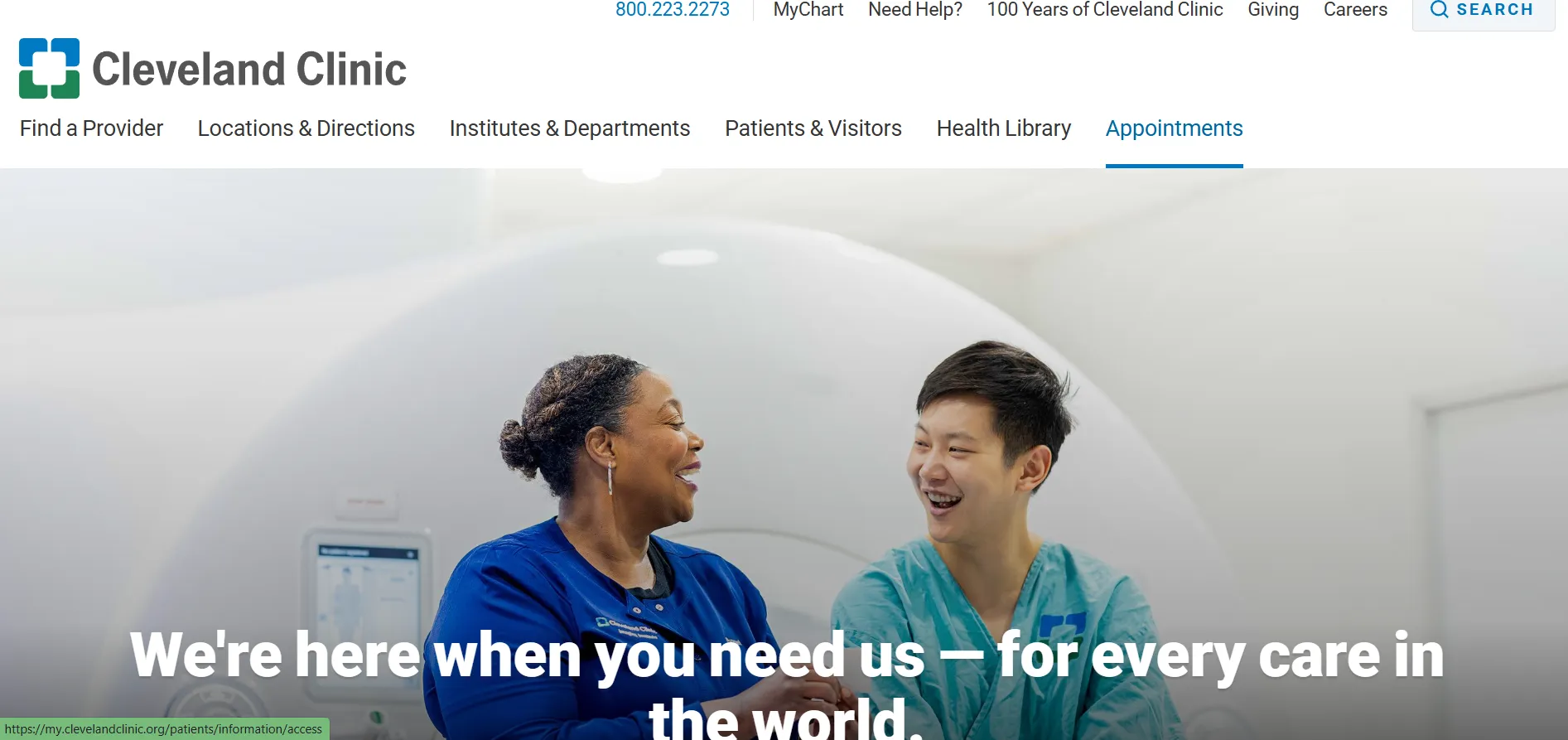
Cleveland Clinic's website illustrates how you can relieve user stress with a clean, harmless interface and obvious CTAs. It prioritizes main clicks like booking or finding a doctor in just a couple of taps. The gentle visuals and mobile-first design consider the empathy for individuals in desperate hours.

This method masks the deeper truth: healthcare UX is more about user reassurance and less about user innovation. When the user in retail design is pushed in the desired direction through persuasive design strategies, healthcare design needs to play a more reassuring role.

Animations, pop-ups, or attention grabbers elsewhere, possibly promising, yet appear overwhelming in this situation. With web design for the healthcare field, the most successful are humble in confidence, simple in approach, SEO-friendly in nature, and rooted in empathy.

3. Advertising Agencies – Performance Meets Story Telling

A marketing agency website design tiptoes the thin wire between design and conversion. Such websites are more than brochures on the internet – they’re testament to design savvy, strategic genius, and measurable results. Their audiences are business leaders, CMOs, or startup CEOs. Because of this fact, marketing web design must help establish credibility in an instant, show strength in the portfolio, and convincingly declare services.

Key Features in Web Design for Ad Agencies:

  • Bold but clear visual definition: From the logotype to the typography, the whole web design should provide the brand personality, whether bold and simple, idiosyncratic, or corporate.
  • Case studies in sales: Agencies should quantify results in the format of “3x ROI” or “45% organic traffic growth” in brief storytelling.
  • Cohesive, intuitive design: Services, past work, and contact options should all be accessible within two or three clicks for the visitors.
  • Low interactivity: Scroll-activated animations or service maps with interactivity may distract the users' attention from highlighting a progressive, technology-conscious brand.
  • SEO- and UX-friendly: From loading at lightning speed to having the service categories clearly separated, website performance will never be compromised in any form.
cmiblogimg

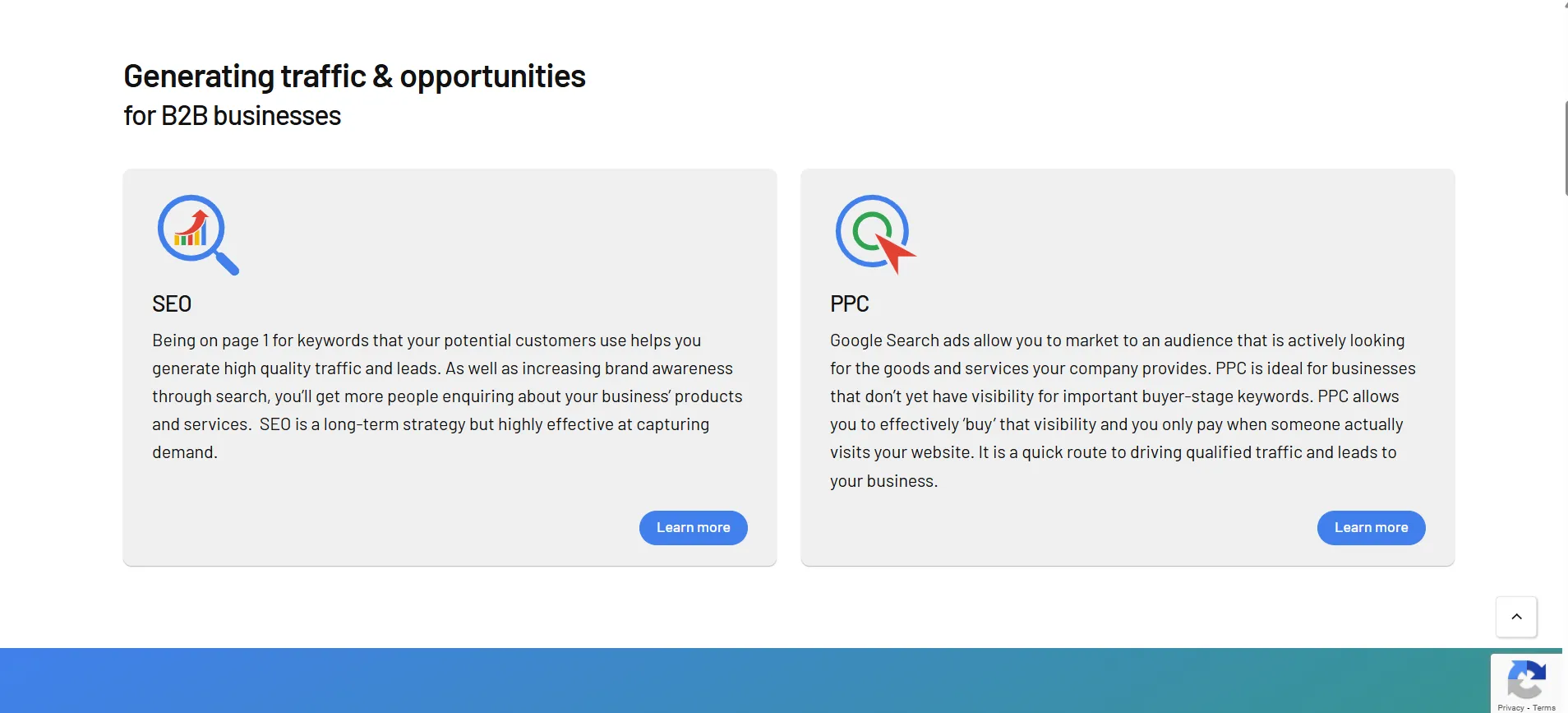
For example, Alastair Kane Search Marketing shows exactly the right balance. Theirs is a simple, conversion-focused, and non-technical website – explaining SEO and PPC services in simple language, not cluttering.
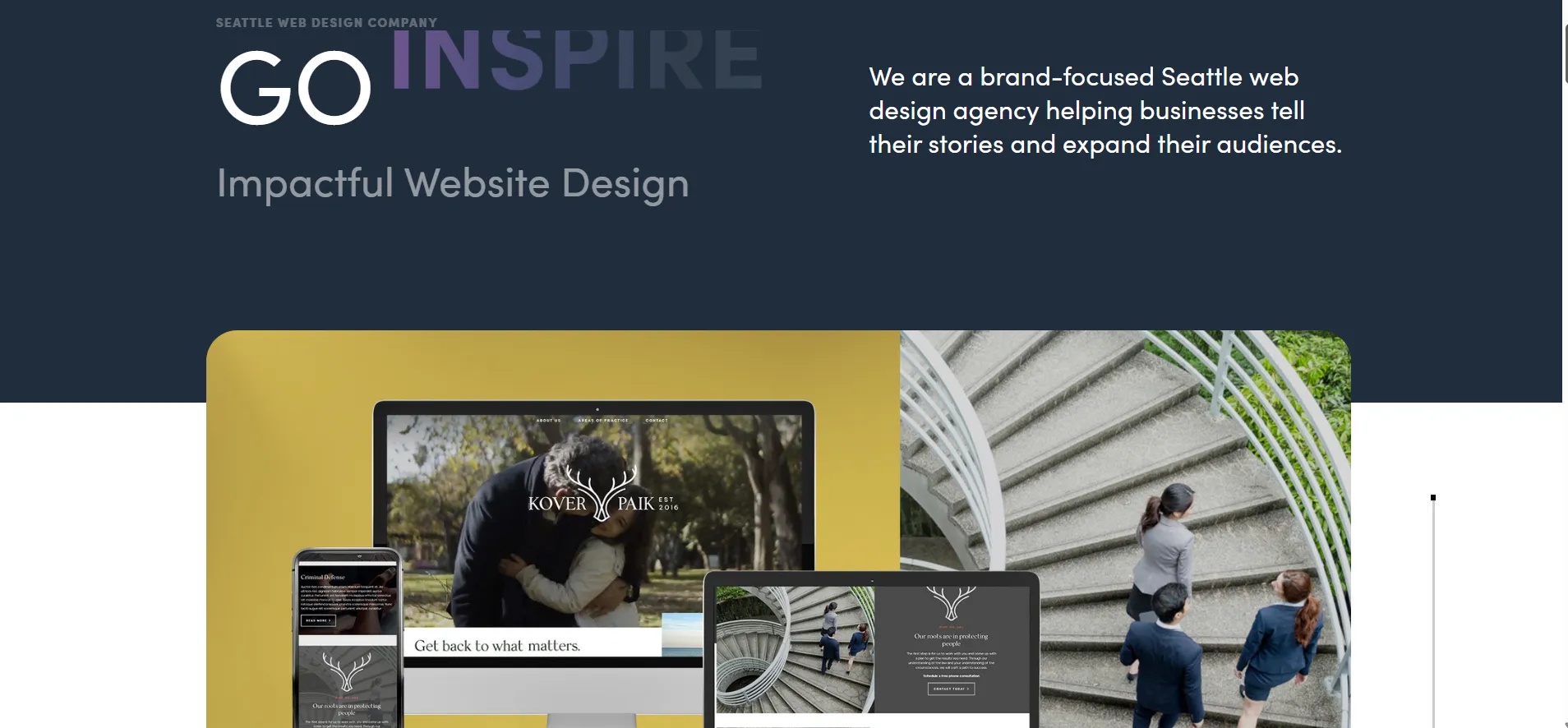
A finished site is the agency’s own mind in reflection. A bloated or templatic design is a red flag. When executed properly, the website guides visitors from curiosity to inquiry gradually, without requiring flashy gimmicks. Purposeful storytelling delivers impact with polish.

4. Creative Design Studios – The Site Is the Portfolio

For design studios, the website is more than a marketing brochure; it is the portfolio. Visitors arrive hoping to be impressed by the aesthetic—but not necessarily enlightened. Their audiences are typically brand managers, art directors, and content strategists. So, the website has only two seconds in which it should deliver aesthetic vision, attention to detail, and versatility.

Key Elements of a Design Studio Website

  •  Custom design and animations: No fixed templates. From the grid system to the hover system, it should demonstrate the design methodology of the studio.
  • Portfolio-driven architecture: Galleries of projects, short project videos, and interactive case studies should be prominent. Images do more heavy-lifting than words ever have.
  • Plain but forceful copy: Innovative websites often reduce written content to just a few impactful lines, relying on the design itself to communicate the message.
  • Smooth transitions and interactivity: From scroll-activated animations through 3D mockups, interactivity raises the level of immersion in a non-gimmicky way.

cmiblogimg

For example, Bizango’s site strikes this perfect balance. Their website uses animated graphics, sharp transitions, and high-resolution photography in trying to provide service without getting distracted.

While service or business sites can afford little risk, there is room for more risk at the studio level. That liberation needs to be focused into a deliberate, immersive, loyal expression for the studio’s distinctive aesthetic. Page loading by motion on scroll should cement the brand narrative. You’re not just telling them what you do; you’re revealing it frame by frame, pixel by pixel.

5. Technological and Artificial Intelligence Platforms – Shallowness With Depth

Non-negotiable clarity is demanded in web design for an AI-driven platform. Such websites are challenged with describing complex technology like OCR, NLP, or machine learning in simple enough language for decision-makers, though certainly not for developers. The goal is to quickly build trust and smoothly guide the user toward taking action.

What makes Technoplatform websites unique?

  • Explanation through Visuals: Short animations, schema diagrams, or deconstruction stepwise through visual aids are most effective in explaining the way in which the technology operates, particularly in the abstract processes of AI.
  • Use-Case Driven Architecture: Technical sites are normally for more than one group of people. Well-organized sites provide clear guidelines for startups, business clients, government agencies, funding agencies and software engineers, and the related use cases.
  • Try Before You Buy: Offering live demos, sandbox tools, or open sign-ups helps reduce hesitation and build viewers’ trust. This is especially true for APIs or machine learning platforms, which can be hard to understand but powerful once experienced.
  • Contextual Technical Docs: While developer docs are crucial, they should never interrupt the main UX flow. Smart browsing features such as the utilization of models or side panels keep the user in focus.

cmiblogimg

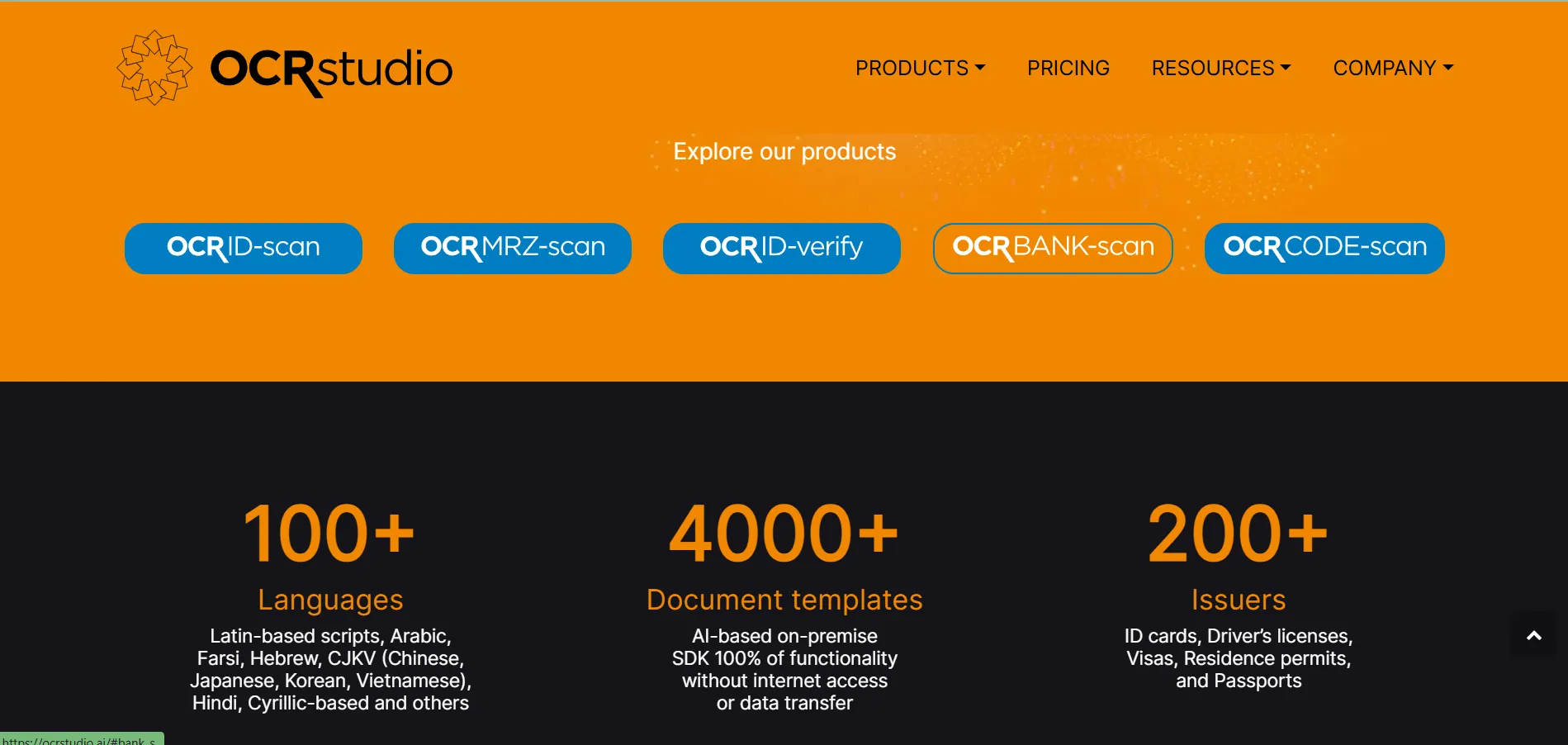
This approach is demonstrated by the OCR Studio website. Its simple interface introduces document processing and scanning through the power of AI with industry-relevant applicability and retains the logical flow and accessibility.

While design-driven sites are constrained in speaking about ROI, performance indicators, and usability in the number of scrolls, depth should seem effortless in this domain. That’s where intentional UX, disciplined design, and contextual storytelling meet in the digital world of trust.

How to Align Web Design with Your Niche

Now, that we’ve seen real-world examples, let’s summarise some key niche-specific website design strategy takeaways:

Niche

Focus

Avoid

Must-Have

E-commerce

Speed, visuals, conversion

Long text, distractions

Fast checkout

Healthcare

Trust, accessibility

Overdesign, salesy tone

Clear contact

Marketing

Strategy, results

Vague claims, fluff

Case studies

Creative

Visual storytelling

Templates, stock visuals

Portfolio

AI/Tech

Function + simplicity

Jargon overload

Demos/docs

Questions to Ask Before Web Designing

Before you start designing the website for your brand or business, ask yourself:

  1. Who is the primary user?
  2. What emotion should they feel on the homepage?
  3. What is the #1 action they should take?
  4. Do we need to educate or convert or both?
  5. What devices and platforms will the primary users most commonly use?
  6. How much prior knowledge does the user have about our products or services?
  7. Which pain points or barriers must the design help overcome?
  8. What tone and voice best suit the brand and audience expectations?

A successful design strategy begins not with a layout, but with these foundational questions.

Custom Web Design: The Key to Engaging Diverse Audiences

Web design is not only about aesthetics. It is all about the analysis of the psychology and behaviour of your target viewers in your niche. A healthcare patient and a fast fashion buyer click differently than an entrepreneur using AI in their businesses. An attempt to put everyone in the position of experiencing a universal and similar crawling practice results in a misaligned experience and reduced engagement.

Made-to-fit may no longer be a luxury, especially because of the ever-changing digital environment. Be it a sneaker shop, search marketing, a portfolio site with creative flavor, or AI workflow hosts, your site design should use the niche language.

Disclaimer: This post was provided by a guest contributor. Coherent Market Insights does not endorse any products or services mentioned unless explicitly stated.

About Author

Renu Sharma

Renu Sharma is the Co-Founder of Tanot Solutions, and she helps businesses to 5X their organic traffic by building high-quality backlinks. When not working, she loves to polish her marketing knowledge and skills and watch interesting web series.

LogoCredibility and Certifications

Trusted Insights, Certified Excellence! Coherent Market Insights is a certified data advisory and business consulting firm recognized by global institutes.

Reliability and Reputation

860519526

Reliability and Reputation
ISO 9001:2015

9001:2015

ISO 27001:2022

27001:2022

Reliability and Reputation
© 2025 Coherent Market Insights Pvt Ltd. All Rights Reserved.
Enquiry Icon Contact Us