

Global Cardiac Mapping Market Size and Forecast – 2026 to 2033
The Global Cardiac Mapping Market is estimated to be valued at USD 2.99 Bn in 2026 and is expected to reach USD 6.02 Bn by 2033, reflecting a compound annual growth rate (CAGR) of 10.5% from 2026 to 2033. This substantial growth is driven by advancements in cardiac mapping technologies, rising prevalence of cardiac arrhythmias, and increasing adoption of minimally invasive surgery worldwide.
Key Takeaways of the Global Cardiac Mapping Market
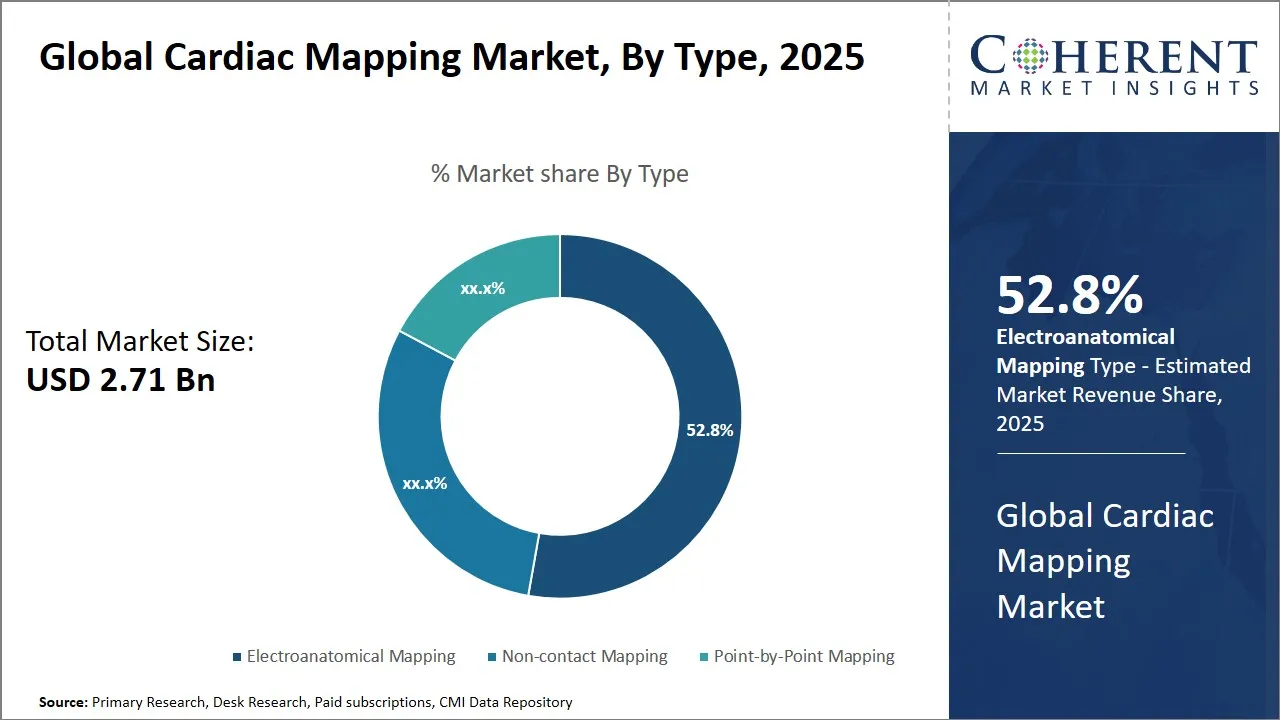
- The electroanatomical mapping segment is expected to lead the market with a 53.8 % share in 2026,
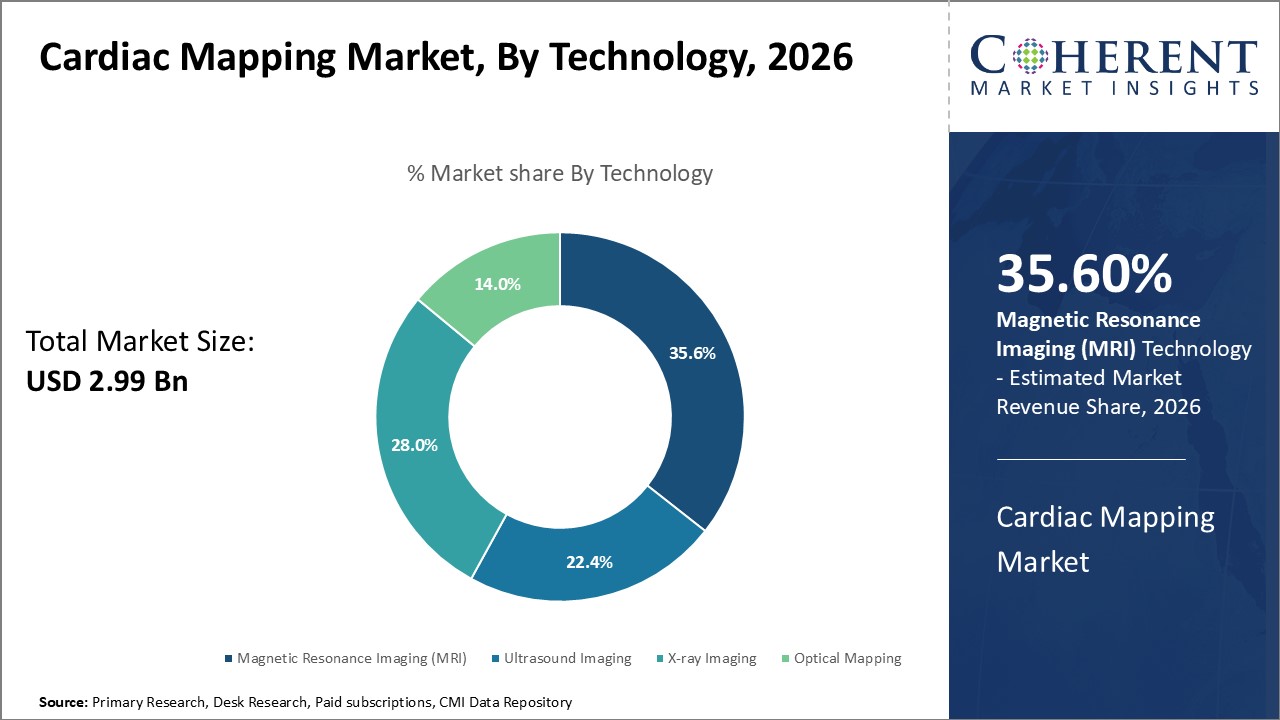
- While by technology, Magnetic Resonance Imaging (MRI) will dominate with the highest market share of 35.6 % in 2026.
- In terms of application, atrial fibrillation mapping holds the largest share of the global cardiac mapping market, accounting for an estimated 43.3 % in 2026.
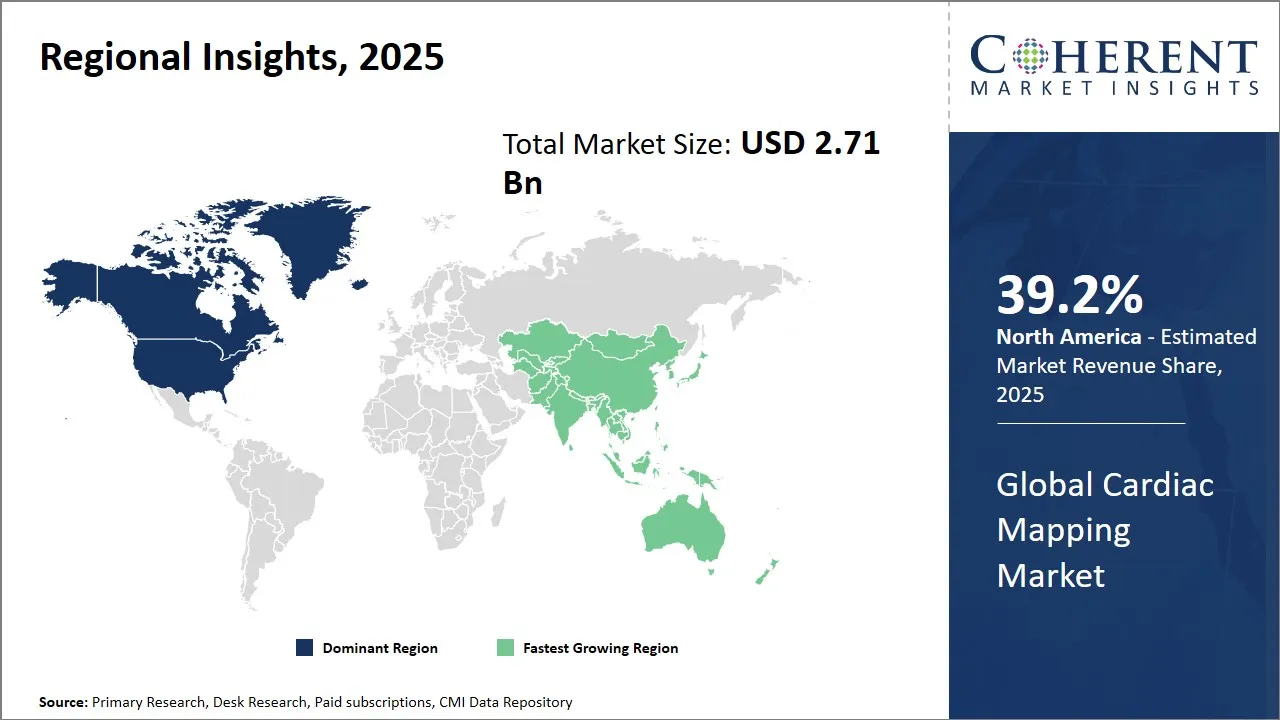
- North America is expected to lead the market, holding a share of 39.2 % in 2026. Asia Pacific is anticipated to be the fastest-growing region, with 24.4% share in 2026.
Current Events and Its Impact
Current Events | Description and its Impact |
Accelerated Adoption of mRNA & Biologic Therapies |
|
Ultra Long‑Acting & Digital Delivery Innovation |
|
Segmental Insights
- Current Industry Events of 2026
- Market Size Estimation
- Regional Breakdown
- Competitive Landscape
- Customer Intelligence
- Segmental Analysis
- Pricing Analysis
- Key Market Drivers, Challenges & Future Trends
- Customized Insights Section
Why Electroanatomical Mapping is Leading the Charge in Cardiac Procedures?
By type, electroanatomical mapping segment is expected to dominate the market with a share of 53.8% in 2026, due to the fact that, to a large extent, it enhances the diagnosis and treatment of complex cardiac arrhythmias by providing a significant contribution to the global cardiac mapping market. EAM systems offer real-time 3-D visualization of electrical activity of the heart along with anatomical data helping clinicians to accurately locate abnormal electrical pathways and tissue causing arrhythmias.
In May 2024, Biosense Webster, a leader in cardiac arrhythmia treatment, launched the CARTO 3 System Version 8. This update introduces the CARTOSOUND FAM and CARTO ELEVATE modules, enhancing electro-anatomical mapping efficiency and accuracy for catheter ablation procedures. The system utilizes artificial intelligence to create accurate left atrial anatomy maps and offers improved signal quality.
(Source: https://www.jnjmedtech.com/en-US/product/carto-3-system)
Why is MRI Emerging as the Preferred Technology in Cardiac Mapping?
Magnetic Resonance Imaging (MRI) is projected to dominate the market with the highest market share of 34.6% in 2025. This is because it has unmatched imaging powers which improve diagnostic and therapeutic accuracy in cardiac care. MRI has a better soft tissue contrast, images and spatial resolution and does not expose patients to ionizing radiation; hence, it is the perfect imaging modality to use in order to see in-depth cardiac anatomy and functional evaluation.
In June 2025, Canon Medical Systems Corporation, a leader in medical imaging technology, won the Invention Award at the National Commendation for Invention. The award recognized their magnetic resonance imaging system that enables multiplanar real-time cardiac scanning without breath-holding. This innovation allows clear dynamic heart images during free breathing, expanding MRI's clinical applications.
(Source: https://global.medical.canon/News/PressRelease/Detail/166445-834)
Why Atrial Fibrillation Mapping is Gaining Traction in Arrhythmia Treatment?
In the application segmentation, atrial fibrillation mapping is projected to hold the largest share of the global cardiac mapping market, accounting for 43.3% in 2026. This dominance is driven by the increasing prevalence of atrial fibrillation and the critical need for precise mapping techniques to improve treatment outcomes. AF is pre-eminently the most prevalent sustained cardiac arrhythmia in the world as well as a significant risk factor of stroke and heart failure.
The electrical complexity of atrial fibrillation requires the use of superior mapping technology that is able to adequately map the irregular conduction patterns and arrhythmogenic substrates that initiate and sustain the arrhythmia.
Digital Transformation in Cardiac Mapping: The Role of AI, Robotics, Remote Navigation, and Cloud Analytics
- The integration of AI, robotics, remote navigation, and cloud analytics is transforming the cardiac mapping market, driving the digitalization of electrophysiology (EP) labs. AI-powered algorithms enhance the precision and efficiency of cardiac mapping, enabling more accurate diagnoses and personalized treatment plans. Robotics and remote navigation systems offer greater control and flexibility during procedures, improving outcomes and reducing procedure times.
- Cloud analytics plays a crucial role in the digitalization of EP labs by facilitating real-time data sharing and collaboration across multiple locations. This technology enables seamless integration of patient data, enhancing decision-making and optimizing treatment strategies. Together, these innovations are revolutionizing the cardiac mapping landscape, making procedures more efficient, safer, and accessible for patients globally.
Regional Insights
North America Cardiac Mapping Market Analysis and Trends
North America is expected to hold 39.2% share of the global cardiac mapping market in 2026, driven by a large patient population with cardiovascular diseases and significant investments in research and development. This positions North America as the dominant player in the industry. The locally available high-tech companies and a number of specialized cardiac care centers create a healthy atmosphere in terms of innovation and implementing the latest cutting-edge cardiac mapping solutions.
Market growth is further enhanced by government programs to enhance cardiovascular health and good reimbursement policies. Abbott Laboratories, Biosense Webster (a Johnson and Johnson company), and Boston Scientific are the key players that have good operations in this region creating thrust on technological advancement and widening the product portfolio.
Asia Pacific Cardiac Mapping Market Analysis and Trends
The cardiac mapping market has the highest growth in the Asia Pacific region where its share stands at an estimated 24.4% in 2026. This growth can be attributed to an increasing number of heart related diseases and growing healthcare facilities. India, China, Japan and South Korea are some of the countries that governments are investing in healthcare modernization such as in sophisticated medical gear. The growing disposable incomes and increasing insurance coverage are contributing to the growth in demand of the cardiac mapping technologies.
Besides, the medical tourism promotion program also leads to high adoption rates. The major players in the industry like Medtronic and Philips have also been keen to build their presence by entering into partnerships, local manufacturing and training in this region. Rise in the number of hospitals which are equipped with electrophysiology laboratories and knowledge in handling cardiac arrhythmias also boosts market growth in Asia Pacific.
Global Cardiac Mapping Market Outlook for Key Countries
What is Fueling Growth in the U.S. Cardiac Mapping Market?
The cardiac mapping market in the U.S. is a powerful market with a strong R&D and a competitive ecosystem, consisting of such key players as Biosense Webster and Abbott Laboratories. Cardiac mapping is adopted due to insurance cover, government intervention such as NHLBI and good awareness of patients. The focus of the country on individualized medicine and least invasive cardiac surgeries is stimulating the need in the innovative mapping technologies. Moreover, the collaboration between healthcare providers and medical device companies contributes to the faster creation of products and their integration into the technology.
Germany Cardiac Mapping Market Trends
The cardiac mapping market in Germany is favorable due to the well-established healthcare system that has a high number of hospitals and emphasis on evidence based medicine. The government stimulates the process of digitization and innovation in the medical field, which contributes to the adoption of advanced cardiac mapping systems. The local firms and multinational corporations like Siemens Healthineers and Boston Scientific also help through innovating in technology and provision of support services. The firm adheres to clinical excellence and training in the country that predetermines the high use of cardiac mapping products to treat cardiac arrhythmias.
How Japan is Advancing Cardiac Mapping Technologies?
The cardiac mapping market in Japan is driven by the aging population and high prevalence of cardiovascular diseases in the country. Close industry-research interaction promotes the innovation and use of new technologies in the clinical setting. Terumo Corporation and Medtronic are companies that have a significant presence and specialize in the localization of devices and compliance with regulations. The advancement in terms of demand of the advanced diagnostic tools such as cardiac mapping systems comes with healthcare policies that advocate the efficient management of chronic diseases.
India Cardiac Mapping Market Trends
The cardiac mapping market in India is facilitated by the increasing rate of cardiovascular diseases and the advancement of healthcare systems particularly in tier 1 cities and tier 2 cities. The government programs to access to quality cardiac care and awareness on heart health increase demand of cardiac mapping devices. The Multinational companies like Philips and Abbott Laboratories, and the local upcoming companies are putting money in the distribution network and training of healthcare professionals.
Integration of Pulsed Field Ablation (PFA) Waveform-Specific Mapping Algorithms in Cardiac Mapping
- Pulsed Field Ablation (PFA) waveform-specific mapping algorithms are becoming increasingly important in the cardiac mapping market, particularly for enhancing the precision of catheter ablation procedures. These algorithms are designed to optimize the use of PFA technology, which uses short bursts of energy to treat arrhythmias. By integrating waveform-specific mapping with PFA, electrophysiologists can obtain more accurate and targeted maps of the heart, leading to better outcomes during ablation procedures.
- The compatibility of PFA waveform-specific mapping algorithms with existing mapping systems enables real-time visualization of heart tissue responses to the energy pulses. This ensures a higher level of precision in identifying and treating areas responsible for abnormal electrical signals. As a result, these advancements minimize damage to surrounding tissues, reduce procedure time, and improve overall safety and effectiveness, making PFA an increasingly popular choice for treating complex arrhythmias.
Market Players, Key Developments, and Competitive Intelligence
Key Developments
- In July 2025, Boston Scientific Corporation, a leading global medical device manufacturer, obtained U.S. FDA approval for the expanded FARAPULSE labeling in the Cardiac Mapping field, covering persistent atrial fibrillation (AF) following the ADVANTAGE AF trial, which demonstrated an 85.3% success rate.
- In June 2025, Abbott, a global healthcare company renowned for its advanced medical devices, diagnostics, nutrition, and branded generic medicines, received the CE Mark for the Volt Pulsed Field Ablation System in Cardiac Mapping, achieving 99.1% pulmonary vein isolation with fewer energy applications.
- In April 2025, Medtronic, a global leader in medical technologies, reported an 88% arrhythmia-free survival rate from the Sphere-360 single-shot PFA trials in patients with paroxysmal atrial fibrillation (AF) as part of Cardiac Mapping advancements.
- In March 2025, Stereotaxis, a company specializing in robotic technologies for the treatment of cardiovascular diseases, filed a 510(k) application for the MAGiC Sweep, a robotically navigated high-density mapping catheter with 20 electrodes, further advancing Cardiac Mapping solutions.
Top Strategies Followed by Global Cardiac Mapping Market Players
Player Type | Strategic Focus | Example |
Established Market Leaders | Heavy R&D investment for advanced cardiac mapping technologies, strategic alliances with major industry leaders and OEMs, accelerated technological advancements, and aggressive global expansion targeting emerging markets. | Companies like Abbott, Medtronic, and Siemens Healthineers dominate the cardiac mapping market by investing heavily in R&D, forming partnerships with OEMs, and expanding distribution networks in high-growth regions such as Asia, Latin America, and Africa. |
Mid-Level Players | Cost-effective cardiac mapping solutions blending quality with affordability, collaborations with technology providers and contract manufacturers to improve production efficiency, and expanding reach in price-sensitive regions. | Firms like Biosense Webster, EPMedSystems, and Nevro Corporation provide affordable yet reliable cardiac mapping solutions, collaborate with contract manufacturers to scale operations, and target emerging markets where cost efficiency is a priority. |
Small-Scale Players | Niche innovation in cardiac mapping using cutting-edge technologies like AI, machine learning, or novel sensing mechanisms, forming localized partnerships for market entry, and addressing specific clinical needs. | Companies like Carto, Ensite, and small tech-driven startups specialize in innovative cardiac mapping technologies, form regional alliances to navigate regulations and rapidly scale in specific geographic regions, and target unmet clinical needs in highly specialized areas of cardiology. |
Market Report Scope
Cardiac Mapping Market Report Coverage
| Report Coverage | Details | ||
|---|---|---|---|
| Base Year: | 2025 | Market Size in 2026: | USD 2.99 Bn |
| Historical Data for: | 2020 To 2024 | Forecast Period: | 2026 To 2033 |
| Forecast Period 2026 to 2033 CAGR: | 10.5% | 2033 Value Projection: | USD 6.02 Bn |
| Geographies covered: |
| ||
| Segments covered: |
| ||
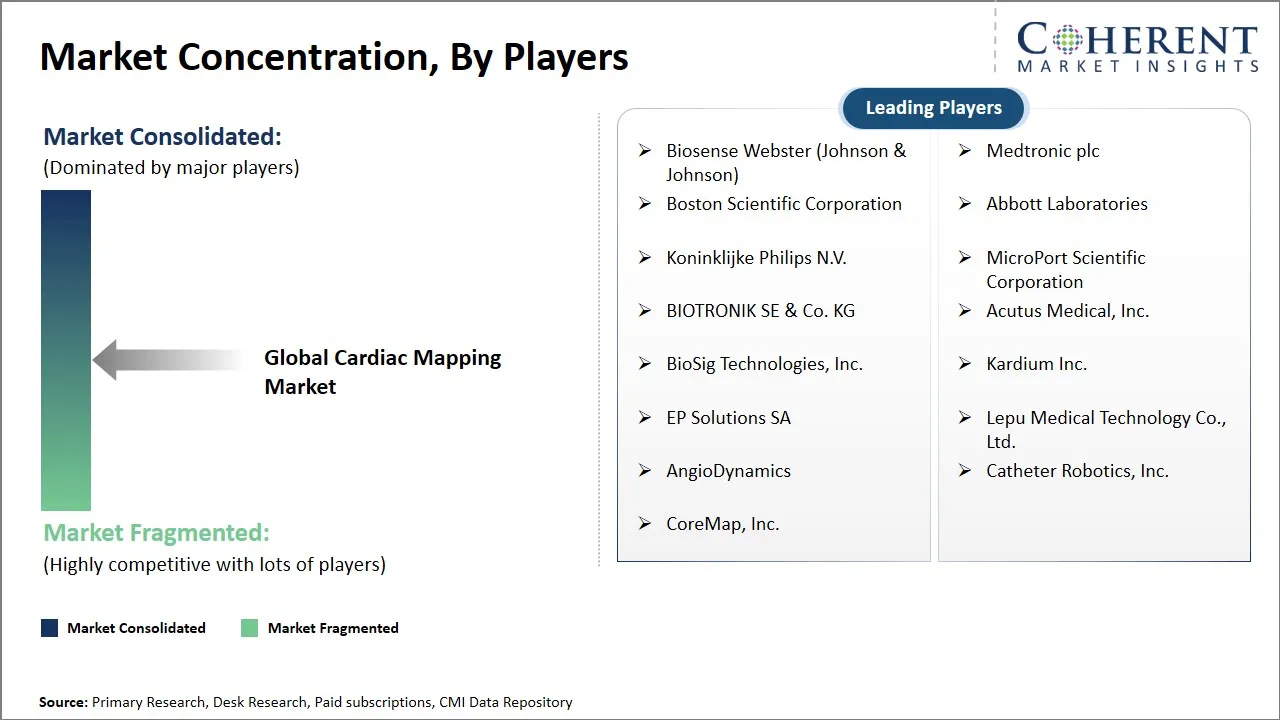
| Companies covered: | Biosense Webster (Johnson & Johnson), Medtronic plc, Boston Scientific Corporation, Abbott Laboratories, Koninklijke Philips N.V., MicroPort Scientific Corporation, BIOTRONIK SE & Co. KG, Acutus Medical, Inc., BioSig Technologies, Inc., Kardium Inc., EP Solutions SA, Lepu Medical Technology Co., Ltd., AngioDynamics, Catheter Robotics, Inc., and CoreMap, Inc. | ||
| Growth Drivers: |
| ||
| Restraints & Challenges: |
| ||
Cardiac Mapping Market Dynamics
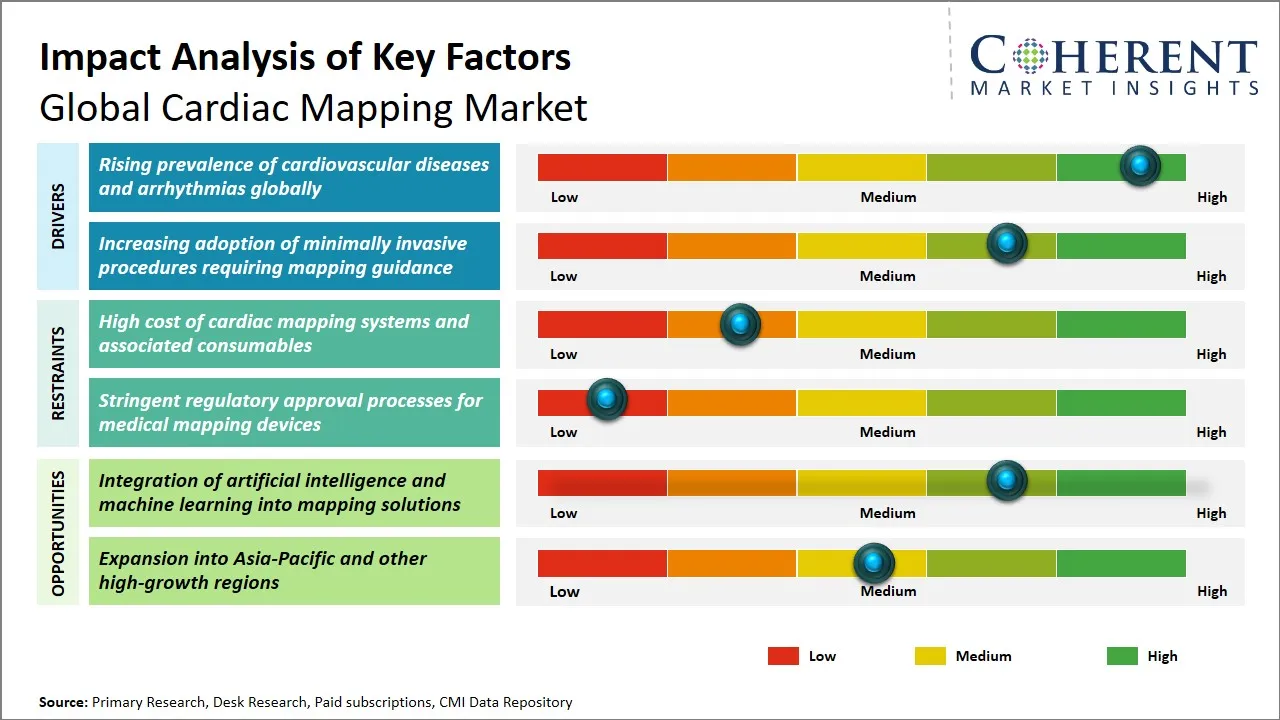
Cardiac Mapping Market Driver - Rising Prevalence of Cardiovascular Diseases and Arrhythmias Globally
Increased rate of cardiovascular diseases (CVDs) and arrhythmias in the global population is an important element that is driving the market towards better cardiac mapping devices. With changing demographics of the population, and the increasing prevalence of risk factors like hypertension, diabetes, obesity and sedentary ways of life, the pressure of the heart-related conditions is increasing. Arrhythmias, especially, are difficult to diagnose and treat, requiring the accurate determination of the origin and character of abnormal heartbeat activity. Cardiac mapping technologies are important in enabling clinicians to visualize and analyze these electrical patterns with high accuracy resulting into better diagnosis, treatment planning, and outcome of the procedure, including catheter ablation.
In July 2025, cardiovascular diseases (CVDs) remain the top global killer, causing 19.8 million deaths in 2022. Most deaths occur in low- and middle-income countries, where early detection is limited. The WHO’s Global HEARTS Initiative, launched in 2016, aims to reduce premature deaths by 25% by 2025. It focuses on improving primary care, increasing access to essential medicines, and promoting lifestyle changes to prevent CVDs.
(Source: https://www.who.int/news-room/fact-sheets/detail/cardiovascular-diseases-(cvds))
Cardiac Mapping Market Opportunity - Integration of Artificial Intelligence and Machine Learning into Cardiac Mapping Solutions
The introduction of cardiac mapping solutions with the help of the artificial intelligence (AI) and machine learning (ML) technologies introduces a cardiac mapping market that will be a great growth opportunity in the international cardiac mapping market. Such superior technologies can transform the precision, effectiveness, and forecasting of the cardiac mapping tasks, curbing the current constraints of the cardiac mapping process which include: lengthy duration of the procedure and difficulty in interpretation due to the existence of sophisticated cardiac arrhythmias.
Algorithms based on AI can handle large volumes of electrophysiological data in real-time, allowing arrhythmogenic foci to be identified more accurately and cardiac complex structures to be better mapped. Data input into machine learning models can be used to continue improving and simplifying the diagnosis, as well as providing a personalized treatment plan in accordance with the characteristics of individual patients. Automated workflow management is also supported by this integration and minimizes human error and enhances the effects of procedures.
In July 2025, Johnson & Johnson MedTech, a global leader in cardiac arrhythmia treatment, launched the VARIPULSE Platform across Asia-Pacific. This innovative platform integrates Pulsed Field Ablation (PFA) technology with the CARTO 3 mapping system to enhance atrial fibrillation (AFib) treatment. Approved in countries including Japan, Hong Kong, and Australia, the VARIPULSE Platform provides efficient, patient-centric therapy with minimal fluoroscopy exposure.
Analyst Opinion (Expert Opinion)
- The cardiac mapping market is propelled by AI, robotics and cloud analytics innovations which enhance treatment outcomes and diagnosis accuracy. There is also market boost by regulatory support and increased cardiovascular diseases prevalence. Nevertheless, such issues as cost and the necessity to hire qualified specialists still exist.
- The main conferences like the European Heart Rhythm Association Congress and Sessions of American Heart Association have eased the process of sharing important knowledge. Also, the international efforts such as collaborations between technology firms and healthcare organizations are helping to promote the use of cardiac mapping technologies, enhancing diagnostic accuracy and patient management.
Speak to the analyst
Want personalized insights?
Take the findings above to one of our principal consultants, or have the report rebuilt around the segments, geographies and competitors you actually track.
Market Segmentation
- Type Insights (Revenue, USD Bn, 2021 - 2033)
- Electroanatomical Mapping
- Non-contact Mapping
- Point-by-Point Mapping
- Technology Insights (Revenue, USD Bn, 2021 - 2033)
- Magnetic Resonance Imaging (MRI)
- Ultrasound Imaging
- X-ray Imaging
- Optical Mapping
- Application Insights (Revenue, USD Bn, 2021 - 2033)
- Atrial Fibrillation Mapping
- Ventricular Mapping
- Catheter Ablation
- Cardiac Arrhythmia Mapping
- Product Insights (Revenue, USD Bn, 2021 - 2033)
- Catheters
- Software
- Consumables and Accessories
- System Insights (Revenue, USD Bn, 2021 - 2033)
- 3D Mapping Systems
- 2D Mapping Systems
- End User Insights (Revenue, USD Bn, 2021 - 2033)
- Hospitals
- Ambulatory Surgical Centers
- Cardiac Research Centers
- Academic and Research Institutions
- Regional Insights (Revenue, USD Bn, 2021 - 2033)
- North America
- U.S.
- Canada
- Latin America
- Brazil
- Argentina
- Mexico
- Rest of Latin America
- Europe
- Germany
- U.K.
- Spain
- France
- Italy
- Russia
- Rest of Europe
- Asia Pacific
- China
- India
- Japan
- Australia
- South Korea
- ASEAN
- Rest of Asia Pacific
- Middle East
- GCC Countries
- Israel
- Rest of Middle East
- Africa
- South Africa
- North Africa
- Central Africa
- North America
- Key Players Insights
- Biosense Webster (Johnson & Johnson)
- Medtronic plc
- Boston Scientific Corporation
- Abbott Laboratories
- Koninklijke Philips N.V.
- MicroPort Scientific Corporation
- BIOTRONIK SE & Co. KG
- Acutus Medical, Inc.
- BioSig Technologies, Inc.
- Kardium Inc.
- EP Solutions SA
- Lepu Medical Technology Co., Ltd.
- AngioDynamics
- Catheter Robotics, Inc.
- CoreMap, Inc.
Sources
Primary Research Interviews
Industry Stakeholders List
- Cardiology Centers
- Medical Device Manufacturers
End Users List
- Cardiologists
- Hospital Administrators
Government and International Databases
- World Health Organization (WHO)
- U.S. Centers for Disease Control and Prevention (CDC)
- European Medicines Agency (EMA)
- National Institutes of Health (NIH)
- Food and Drug Administration (FDA)
- Ministry of Health (various countries)
Trade Publications
- Journal of the American College of Cardiology
- Heart Rhythm Journal
- Cardiovascular Research Journal
- American Journal of Cardiology
- European Heart Journal
- Medical Device and Diagnostic Industry (MDDI)
Academic Journals
- The Lancet Cardiovascular Medicine
- Journal of Electrocardiology
- Circulation Journal
- Pacing and Clinical Electrophysiology Journal
- International Journal of Cardiology
- Journal of Cardiovascular Electrophysiology
Reputable Newspapers
- The New York Times
- The Guardian
- Wall Street Journal
- Financial Times
- Reuters
- Bloomberg
Industry Associations
- Heart Rhythm Society
- European Society of Cardiology (ESC)
- American Heart Association (AHA)
- American College of Cardiology (ACC)
- Cardiology Society of India (CSI)
- International Society for Heart and Lung Transplantation (ISHLT)
Public Domain Resources
- National Library of Medicine (NLM)
- ClinicalTrials.gov
- European Society of Cardiology Research Platform
- OpenFDA
- National Health Service (NHS)
Proprietary Elements
- CMI Data Analytics Tool: Proprietary analytics tool to analyze real-time market trends, consumer behavior, and technology adoption in market
- Proprietary CMI Existing Repository of Information for Last 8 Years
Get access to 250+ pages report
Every segment, forecast, competitor profile and data table behind the analysis above — available for instant download.
- ESOMAR Member
- ISO 9001:2015 Certified
- D-U-N-S Registered
- GDPR & CCPA Compliant
Missing comfort of reading report in your local language? Find your preferred language:
Transform your Strategy with Exclusive Trending Reports
Frequently Asked Questions
The global cardiac mapping market is estimated to be valued at USD 2.99 Bn in 2026 and is expected to reach USD 6.02 Bn by 2033.
The CAGR of the global cardiac mapping market is projected to be 10.5% from 2026 to 2033.
Rising prevalence of cardiovascular diseases and arrhythmias globally and increasing adoption of minimally invasive procedures requiring mapping guidance are the major factors driving the growth of the global cardiac mapping market.
High cost of cardiac mapping systems and associated consumables and Stringent regulatory approval processes for medical mapping devices are the major factor hampering the growth of the global cardiac mapping market.
Remote navigation allows electrophysiologists to control mapping systems with greater flexibility, enhancing procedure accuracy and reducing patient risk.
The market is expected to grow due to continued innovation, increased adoption of advanced technologies, and rising cardiovascular health concerns.
In terms of type, electroanatomical mapping is estimated to dominate the market revenue share in 2026.