

Global Cardiometabolic Diseases Market Size and Forecast – 2026 To 2033
The global cardiometabolic diseases market is expected to grow from USD 128.74 Bn in 2026 to USD 183.96 Bn by 2033, registering a compound annual growth rate (CAGR) of 5.2% from 2026 to 2033. The market for cardiometabolic diseases is poised for significant expansion, fueled by the rising global prevalence of obesity, a major risk factor for diabetes, cardiovascular diseases, and other cardiometabolic disorders.
According to the World Obesity Federation, more than 1 billion people worldwide were living with obesity in 2024, including nearly 880 million adults and 159 million children and adolescents. The growing obesity burden is expected to drive the demand for advanced therapeutics, diagnostics, and integrated cardiometabolic disease management solutions.
Key Takeaways of the Global Cardiometabolic Diseases Market
- Cardiovascular diseases are projected to hold 42.8 % of the global cardiometabolic diseases market share in 2026, making it the dominant disease type segment across North America due to the high burden of cardiovascular disorders and the widespread adoption of evidence-based treatment guidelines. For instance, according to the U.S. Centers for Disease Control and Prevention (CDC), heart disease accounted for 702,880 deaths in the U.S. in 2022, representing 1 in every 5 deaths. This substantial disease burden continues to drive the demand for advanced cardiometabolic therapeutics and disease management solutions.
- Therapeutics are projected to hold 76.3 % of the global cardiometabolic diseases market share in 2026, making it the dominant product type segment across North America due to continuous regulatory approvals of innovative therapies for obesity, diabetes, and cardiovascular diseases. For instance, in January 2025, the U.S. Food and Drug Administration (FDA) approved a new indication for Ozempic (semaglutide) to reduce the risk of kidney disease progression, kidney failure, and cardiovascular death in adults with type 2 diabetes and chronic kidney disease, reinforcing the adoption of advanced cardiometabolic therapies.
- Hospitals are projected to hold 46.7 % of the global cardiometabolic diseases market share in 2026, making it the dominant end user segment across Europe due to the concentration of specialized cardiology and diabetes care services within hospital settings. For instance, the European Commission launched the European Health Data Space (EHDS) Regulation in 2025 to enable secure access and exchange of electronic health data across EU member states, strengthening hospital-based management of chronic diseases, including cardiovascular disease and diabetes.
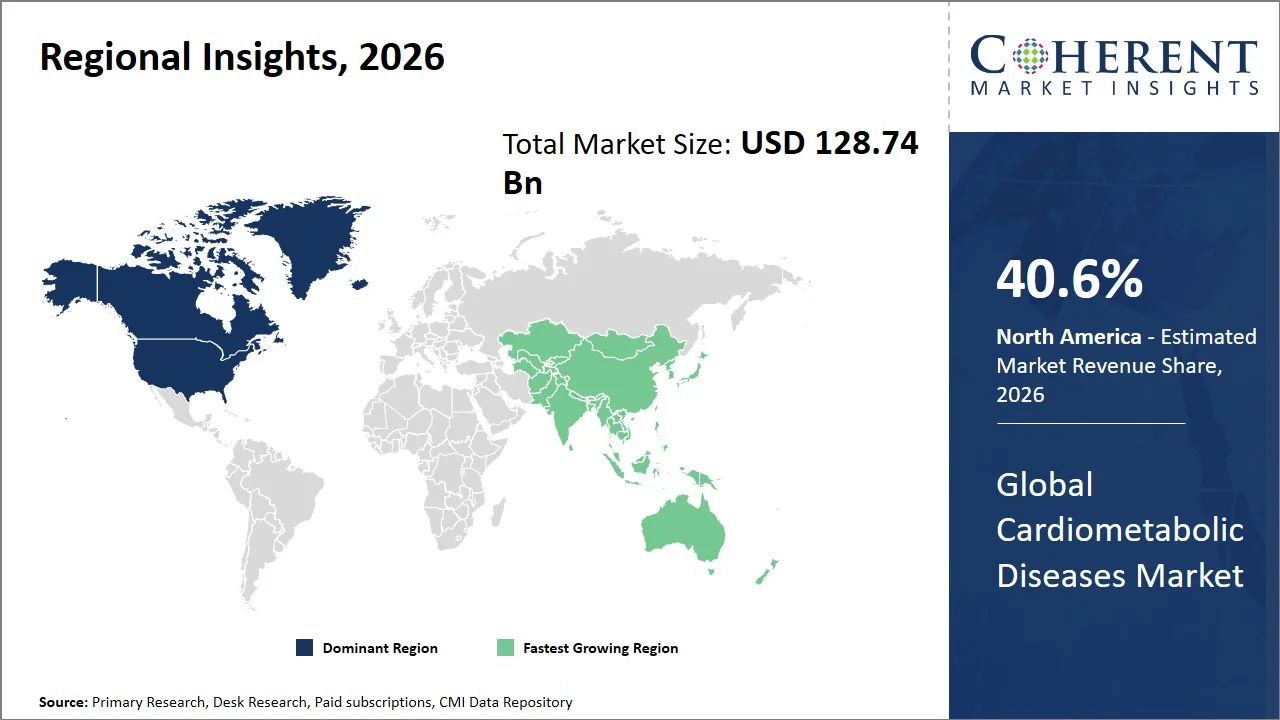
- North America maintains its dominance with an expected share of 40.6 % in 2026, bolstered by favorable reimbursement policies, high adoption of innovative cardiometabolic therapies, and a well-established healthcare infrastructure. For instance, the U.S. Centers for Medicare & Medicaid Services (CMS) announced that Medicare Part D plans may cover anti-obesity medications when prescribed for medically accepted indications, including reducing cardiovascular risk, improving patient access to advanced cardiometabolic therapies.
- Asia Pacific is expected to exhibit the fastest growth with an estimated contribution of 22.8 % share in 2026, propelled by the rising prevalence of obesity and diabetes, expanding healthcare infrastructure, and increasing government initiatives for chronic disease prevention. For instance, according to China's National Health Commission, the Healthy China Action (2019–2030) prioritizes comprehensive prevention and management of cardiovascular diseases and diabetes through nationwide screening, lifestyle interventions, and improved access to healthcare services, supporting long-term market growth.
- Expansion of Multi-Indication GLP-1 Therapies: The expanding clinical use of GLP-1 receptor agonists beyond glycemic control is significantly driving the cardiometabolic diseases market. These therapies are increasingly approved for obesity, cardiovascular risk reduction, chronic kidney disease, and obstructive sleep apnea, enabling a single treatment to address multiple cardiometabolic conditions. Their demonstrated ability to improve both metabolic and cardiovascular outcomes is accelerating physician adoption and broadening the eligible patient population.
- AI-Enabled Precision Cardiometabolic Risk Prediction: The growing integration of artificial intelligence and multi-omics technologies into cardiometabolic care presents a significant market opportunity. AI-powered risk prediction models, combined with genomic, proteomic, and digital health data, enable earlier identification of high-risk individuals and personalized treatment strategies. As healthcare systems increasingly prioritize preventive and value-based care, the demand for precision cardiometabolic management solutions is expected to expand substantially.
Segmental Insights
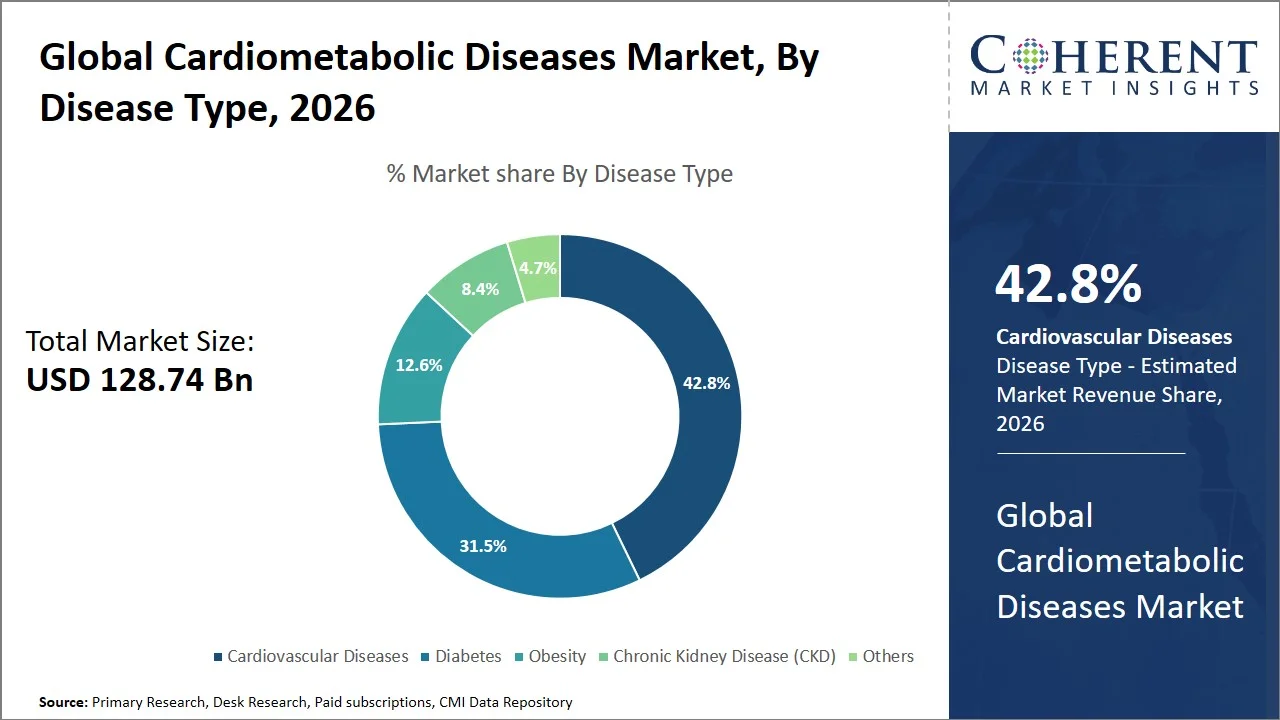
Why Do Cardiovascular Diseases Dominate the Global Cardiometabolic Diseases Market?
Cardiovascular diseases are projected to hold a market share of 42.8% in 2026, since they are more prevalent and develop & persist throughout life as chronic conditions, being intricately linked with obesity, hypertension, diabetes and dyslipidemia. The chronic burden of disease management together with high demands for novel drugs as well as early diagnosis contribute to a sustained need across the range of interventions. For instance, in June 2025, the U.S. FDA approved Merck & Co., Inc’s ENFLONSIA (clesrovimab-cfor) for the prevention of lower respiratory tract disease caused by respiratory syncytial virus (RSV) in infants entering their first RSV season. This approval highlights the FDA’s persistent commitment for innovative biological products and advances in preventive medicine.
- Current Industry Events of 2026
- Market Size Estimation
- Regional Breakdown
- Competitive Landscape
- Customer Intelligence
- Segmental Analysis
- Pricing Analysis
- Key Market Drivers, Challenges & Future Trends
- Customized Insights Section
Why Does Therapeutics Represent the Largest Product Type Segment in the Cardiometabolic Diseases Market?
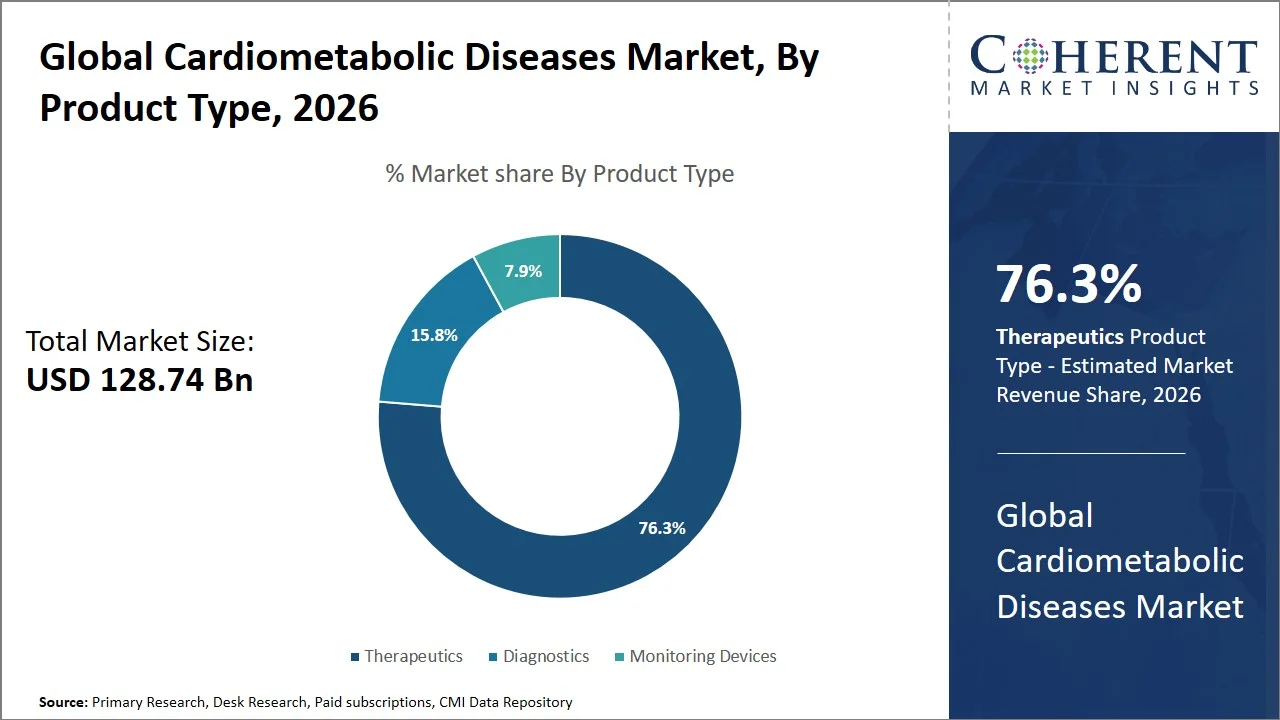
Therapeutics are projected to hold a market share of 76.3% in 2026, due to their prominent role in long-term management and increasing accessibility of innovative medicine. Targeted drugs, biologics, and multi-drug compounds have offered a better solution resulting in a more positive impact in the overall effectiveness and the adherence to drugs, reinforcing sustained market demand. For instance, in February 2025, the U.S. FDA approved Merilog, the U.S.’s first fast-acting biosimilar insulin of NovoLog. The approval increases options for an accessible, alternative insulin therapy, as well as enhancing the pipeline of sophisticated cardiometabolic therapy.
Hospitals Segment Dominates the Global Cardiometabolic Diseases Market
The hospitals segment is projected to hold a market share of 46.7% in 2026, due to their comprehensive services comprising of an integrated solution with an access to state-of-the-art diagnosis and therapeutics, interventions and post management in one place. Hospitals cater to the complex chronic patient with both cardiovascular and metabolic condition, helping sustain health through specialized experts. For instance, in March 2025, Mayo Clinic announced USD 1.9 billion capital investment to transform Mayo Clinic’s campus in Arizona, U.S. By adding new patient care facilities, advanced technologies, specialty cardiology, and advanced, complex care service offerings, it will help meet future patient care needs for chronic and cardiometabolic diseases.
Current Events and their Impact
Current Events | Description and its Impact |
U.S. FDA Releases Updated Draft Guidance for Obesity Drug Development (January 2025) |
|
European Medicines Agency (EMA) Updates Safety Information for Semaglutide Medicines (June 2025) |
|
Global Cardiometabolic Diseases Market Dynamics
Market Drivers
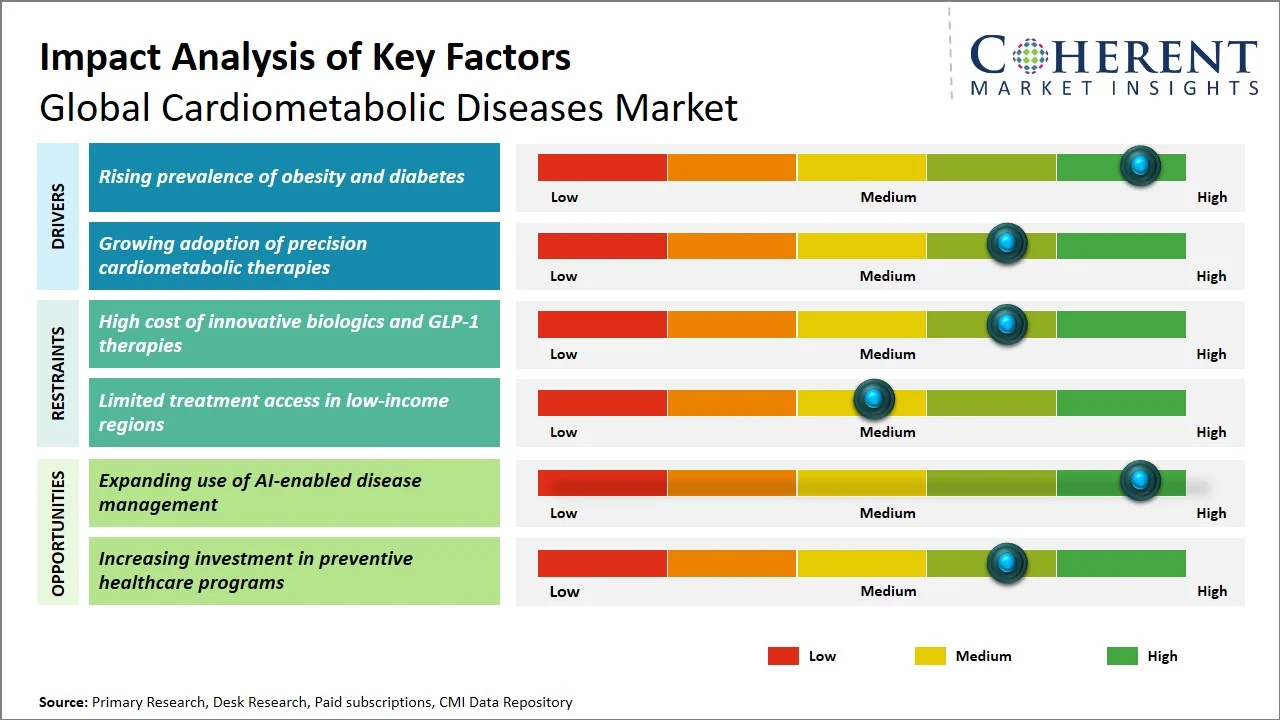
- Rising prevalence of obesity and diabetes: The rising prevalence of obesity and type 2 diabetes is significantly increasing the global burden of cardiometabolic diseases, driving the demand for innovative therapeutics, early diagnostics, and integrated disease management solutions. As these conditions frequently coexist and elevate the risk of cardiovascular complications, healthcare systems are placing greater emphasis on preventive care and long-term disease management. For instance, in March 2025, the World Health Organization (WHO) launched the 3 by 35 Initiative, encouraging countries to implement health taxes on tobacco, alcohol, and sugary drinks to curb obesity, diabetes, and other non-communicable diseases, reinforcing global efforts toward cardiometabolic disease prevention.
- Growing adoption of precision cardiometabolic therapies: The adoption of precision cardiometabolic therapies is accelerating as healthcare providers increasingly tailor treatment strategies based on disease severity, genetic factors, biomarkers, and patient-specific risk profiles. Advances in targeted therapeutics and precision diagnostics are improving clinical outcomes while supporting more effective management of complex cardiometabolic conditions. For instance, in April 2025, the U.S. Food and Drug Administration (FDA) approved Amgen's UPLIZNA (inebilizumab) for Immunoglobulin G4-related disease (IgG4-RD), marking the first FDA-approved treatment for this immune-mediated condition with cardiometabolic implications, highlighting the growing regulatory focus on targeted, precision-based therapies.
Emerging Trends
- Increasing Adoption of Polypill and Fixed-Dose Combination (FDC) Therapies: Healthcare providers are increasingly adopting fixed-dose combination (FDC) therapies that combine antihypertensive, lipid-lowering, and antidiabetic agents into a single formulation. These therapies improve medication adherence, simplify chronic disease management, and enhance long-term cardiovascular and metabolic outcomes, particularly among patients with multiple comorbidities.
- Growing Integration of Continuous Metabolic Monitoring Technologies: The market is witnessing rising adoption of continuous glucose monitoring (CGM) and next-generation wearable metabolic monitoring devices that provide real-time insights into glucose variability and other physiological parameters. The integration of these technologies into routine care is enabling proactive disease management, remote patient monitoring, and improved treatment optimization for individuals with cardiometabolic disorders.
Regional Insights
Why is North America a Strong Market for Cardiometabolic Diseases?
North America leads the global cardiometabolic diseases market, accounting for an estimated 40.6% share in 2026, due to its highly sophisticated healthcare facilities, increasing obesity, diabetes and cardiovascular disease occurrence and fast adoption of newer diagnostics and therapeutics. The region's supportive government stance towards cardiovascular healthcare through a widespread range of screening services, preventative care measures as well as awareness initiatives will fuel market growth as well as solidify regional dominance.
For instance, the U.S. Department of Health and Human Services, along with the Centers for Disease Control and Prevention and Centers for Medicare & Medicaid Services, promote Million Hearts 2027, a nationwide prevention initiative to avoid one million heart attacks and strokes by fostering better blood pressure and cholesterol control, assessment of cardiovascular disease risk, and cardiac rehabilitation availability. Additionally, ongoing investments in digital health, precision medicine and remote patient monitoring support market growth, and reinforce the region's leadership.
Why Does the Asia Pacific Cardiometabolic Diseases Market Exhibit High Growth?
The Asia Pacific cardiometabolic diseases market is expected to exhibit the fastest growth with an estimated contribution of 22.8% share to the global market in 2026, due to rapid rise in the obese and diabetic population across densely populated countries coupled with the rising number of cardiovascular disorders. In response to the rising burden of these diseases, various Asian governments have rolled out health reforms to improve the prevention and early diagnosis of chronic illnesses to provide efficient & effective management of chronic condition post diagnoses.
For instance, the government of India is enhancing National Programme for Prevention and Control of Non-Communicable Diseases (NP-NCD) by further increasing the reach and scope of population-based screening for diabetes and hypertension in the adult population age group of 30 years and above in its own Ayushman Arogya Mandirs, facilitating early diagnosis and treatment. Furthermore, rising healthcare expenditure in the form of improving access to novel and modern therapies/diagnostics are accelerating market expansion and positioning Asia Pacific as the fastest-growing regional market.
Global Cardiometabolic Diseases Market Outlook for Key Countries
Why is the U.S. Leading Innovation and Adoption in the Cardiometabolic Diseases Market?
The U.S. holds the largest market share for innovation and adoption in cardiometabolic diseases market due to the prompt commercialization of next-generation GLP-1 treatment options, precision medicines and their accompanying digital solutions. The U.S. healthcare system’s proactive engagement towards incorporating groundbreaking medical options into clinical treatment, employing biomarker approaches to patient treatment and implementing wearable technologies further spurs the market growth in the country.
Is the U.K. a Favorable Market for the Cardiometabolic Diseases Market?
The U.K. is a promising market for cardiometabolic diseases due to the existence of a mature chronic disease management infrastructure and quick absorption of evidence-based treatment standards in the U.K. The country is taking an active role in pioneering Preventive Cardiology, early risk assessment stratification, and community-based obesity and diabetes management, translating to faster uptake of digital health technologies. Moreover, health service adoption of digital solutions across populations managed through health service initiatives (such as NHS Diabetes Prevention Programme (NHS DPP) and the NHS Digital Weight Management Programme) are making sustainable inroads for next-generation cardiometabolic disease products, digital solutions and therapeutics.
Is China Emerging as a Key Growth Hub for the Cardiometabolic Diseases Market?
China is becoming an important growth area in the cardiometabolic diseases market driven by the country’s escalating burden of metabolic conditions and persistent growth of its healthcare infrastructure. The adoption of novel cardiometabolic treatments, clinical-decision support powered by AI, and disease management solutions delivered digitally is expanding rapidly within China's tertiary and integrated care. Furthermore, increased investments in hospital refurbishment, precision medicine and real-world data research are strengthening China's position as a major market for advanced cardiometabolic solutions. For instance, in February 2025, Perennial Holdings established the first wholly foreign-owned hospital in China that serves the general tertiary population of hospitals. Through the development in Tianjin with approximately USD 138 million (RMB 1 billion), the hospital offers state-of-the-art diagnosis and personalized care, including the management of chronic conditions supporting the adoption of innovative cardiometabolic care.
Why Does Germany Top the European Cardiometabolic Diseases Market?
Germany leads the European cardiometabolic diseases market driven by the country's high adoption of cutting-edge cardiometabolic treatments, and strong and integrated infrastructure network of specialized cardiovascular and diabetes care services and precision medicine solutions. This country is at the forefront for cardiometabolic diseases-oriented research and clinical trials, new treatments' prior approval, innovative and breakthrough medical diagnostic tools for bringing them into real-life applications and securing its competitive advantage in the European markets.
Is the Cardiometabolic Diseases Market Developing in Japan?
The cardiometabolic diseases market in Japan is gradually expanding due to rising aging population, significant prevalence of diabetes and heart disease and proactive stance in preventive & early care in Japan. The uptake of precision medicine, digital health tools and novel cardiometabolic solutions, coupled with robust medical infrastructure, innovative clinical ecosystem, would add pace to the market growth. Furthermore, anticipated rise in investment focused on chronic disease management, telehealth devices and real-world evidence generation is expected to drive sustained market growth.
Digital Technologies Shaping the Global Cardiometabolic Diseases Market
Digital Technology | Role in Cardiometabolic Disease Management | Market Impact |
Artificial Intelligence (AI) | Predictive risk assessment, clinical decision support | Enables early diagnosis and personalized treatment planning |
Continuous Glucose Monitoring (CGM) | Real-time glucose tracking and therapy optimization | Improves glycemic control and increases demand for connected diabetes care |
Remote Patient Monitoring (RPM) | Continuous monitoring of blood pressure, ECG, and glucose | Reduces hospitalizations and supports home-based chronic disease management |
Digital Therapeutics (DTx) | App-based lifestyle and medication adherence programs | Enhances patient engagement and long-term disease management |
Wearable Health Devices | Continuous monitoring of cardiovascular and metabolic parameters | Expands preventive care and facilitates early intervention |
How is the expanding use of AI-enabled disease management creating new growth opportunities in the cardiometabolic diseases market?
AI in cardiometabolic disease management is driving innovative, and increasingly accessible health solutions through a combination of precise risk stratification, seamless real-time monitoring and improved clinically guided decision making, offering personalized patient care. Artificial intelligence integrated within digital health solutions support early detection and interventions in patients prone to conditions like cardiovascular disease (CVD), obesity and diabetes (DB). For instance, in October 2025, Lupin Digital Health unveiled VITALYFE – the company’s AI driven cardiometabolic wellness platform for the Indian workforce. The platform leverages the company’s digital health platform approved by Central Drugs Standard Control Organisation (CDSCO). The platform leverages AI driven risk assessment, ongoing health tracking and lifestyle recommendation to aid early detection and prevention of cardiometabolic conditions.
Market Players, Key Development, and Competitive Landscape
Key Developments
- On July 22, 2026, Evogene and ELEEO Inc. announced a strategic collaboration to develop next-generation oral small-molecule PCSK9 pathway inhibitors for hyperlipidemia and cardiovascular diseases. The partnership will leverage Evogene's AI-powered computational chemistry platform to accelerate the discovery of novel oral therapies aimed at improving lipid management and reducing cardiovascular risk.
- In June 2026, the Novo Nordisk Foundation launched CardioMetabolic Bridge, a pan-European initiative backed by USD 68.8 million (€60.2 million) over six years to accelerate drug discovery for cardiometabolic diseases. The program will support the translation of promising academic research into novel therapeutics by providing funding, laboratory infrastructure, and commercialization support across Europe.
- In January 2026, Nimbus Therapeutics announced a research collaboration and license agreement with Eli Lilly and Company to develop a novel oral obesity treatment. The collaboration combines Nimbus' expertise in structure-based drug discovery with Lilly's global development and commercialization capabilities to advance innovative oral therapies for obesity and related cardiometabolic diseases.
Competitive Landscape
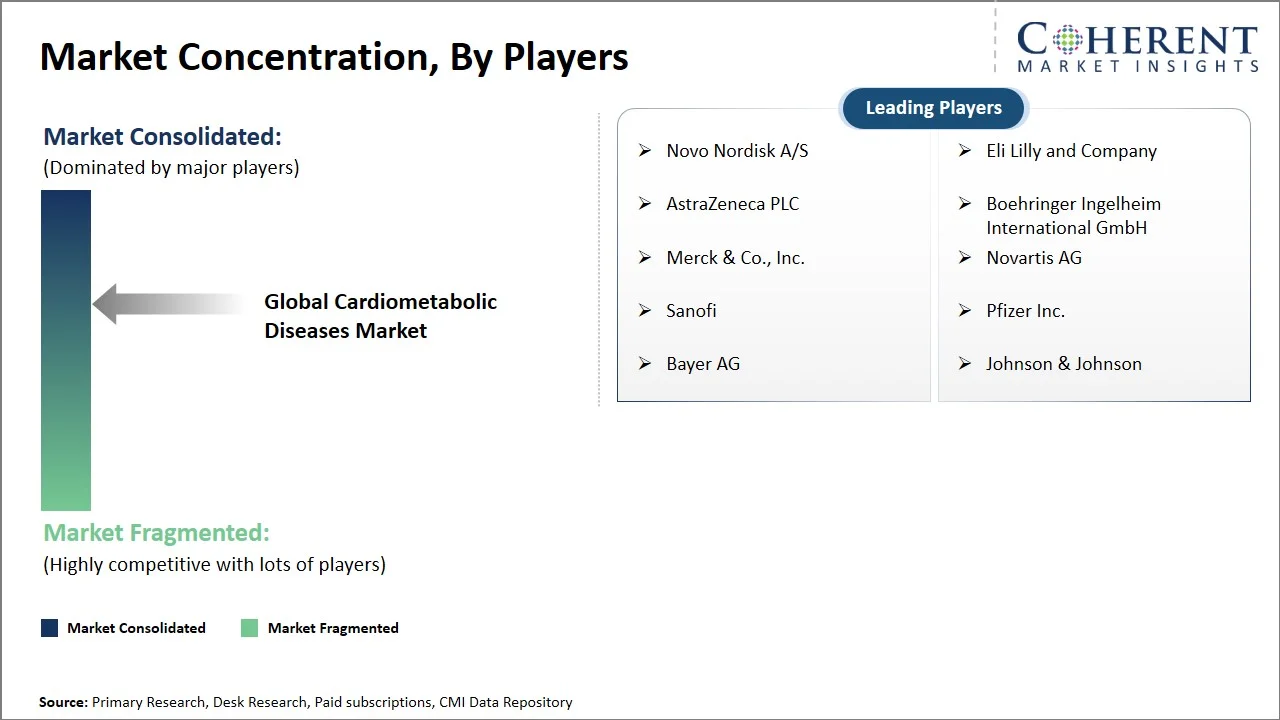
The global cardiometabolic diseases market is moderately consolidated, with competition driven by pharmaceutical companies, medical device manufacturers, digital health providers, and biotechnology firms focused on developing integrated solutions for diabetes, obesity, cardiovascular diseases, and chronic kidney disease. Market participants are strengthening their portfolios through innovation, strategic collaborations, lifecycle management of blockbuster therapies, and expansion of digital care ecosystems to improve patient outcomes. Key focus areas include:
- Development of next-generation GLP-1 receptor agonists, dual/triple agonists, and other targeted cardiometabolic therapies
- Expansion of AI-enabled digital therapeutics, remote patient monitoring, and connected disease management platforms
- Strategic collaborations, licensing agreements, and acquisitions to strengthen cardiometabolic drug pipelines and precision medicine capabilities
- Increasing investment in companion diagnostics, biomarker-based risk stratification, and personalized treatment approaches
- Geographic expansion and enhanced market access through reimbursement strategies and commercialization of innovative cardiometabolic solutions
Market Report Scope
Cardiometabolic Diseases Market Report Coverage
| Report Coverage | Details | ||
|---|---|---|---|
| Base Year: | 2025 | Market Size in 2026: | USD 128.74 Bn |
| Historical Data for: | 2020 To 2024 | Forecast Period: | 2026 To 2033 |
| Forecast Period 2026 to 2033 CAGR: | 5.2% | 2033 Value Projection: | USD 183.96 Bn |
| Geographies covered: |
| ||
| Segments covered: |
| ||
| Companies covered: | Novo Nordisk A/S, Eli Lilly and Company, AstraZeneca PLC, Boehringer Ingelheim International GmbH, Merck & Co., Inc., Novartis AG, Sanofi, Pfizer Inc., Bayer AG, and Johnson & Johnson | ||
| Growth Drivers: |
| ||
| Restraints & Challenges: |
| ||
Analyst Opinion (Expert Opinion)
- In the coming years, the global cardiometabolic diseases market is expected to evolve toward integrated, precision-based disease management, where pharmaceuticals, digital health technologies, diagnostics, and remote monitoring solutions converge to deliver personalized and preventive care. Continued innovation in incretin-based therapies, AI-enabled clinical decision support, and biomarker-driven treatment strategies will reshape the standard of care and sustain long-term market growth.
- The maximum opportunities are foreseen within GLP-1 receptor agonists and next-generation combination therapies for obesity and type 2 diabetes in the U.S., supported by expanding clinical indications, favorable reimbursement for high-risk patient populations, and a large disease burden. Significant growth opportunities are also anticipated in AI-enabled remote patient monitoring and digital cardiometabolic management platforms across Asia Pacific, particularly in India and China, where rising chronic disease prevalence and healthcare digitalization are accelerating adoption.
- In order to gain a competitive advantage market players should prioritize pipeline diversification beyond traditional glucose-lowering therapies, invest in AI-powered digital health ecosystems and companion diagnostics, and generate robust real-world evidence to support regulatory approvals and reimbursement. Strategic collaborations between pharmaceutical companies, digital health providers, and healthcare systems will be essential to deliver integrated cardiometabolic care and strengthen market positioning.
Speak to the analyst
Want personalized insights?
Take the findings above to one of our principal consultants, or have the report rebuilt around the segments, geographies and competitors you actually track.
Market Segmentation
- Disease Type Insights (Revenue, USD Bn, 2021 - 2033)
- Cardiovascular Diseases
- Diabetes
- Obesity
- Chronic Kidney Disease (CKD)
- Others
- Product Type Insights (Revenue, USD Bn, 2021 - 2033)
- Therapeutics
- Diagnostics
- Monitoring Devices
- End User Insights (Revenue, USD Bn, 2021 - 2033)
- Hospitals
- Specialty Clinics
- Homecare Settings
- Others
- Distribution Channel Insights (Revenue, USD Bn, 2021 - 2033)
- Hospital Pharmacies
- Retail Pharmacies
- Online Pharmacies
- Regional Insights (Revenue, USD Bn, 2021 - 2033)
- North America
- U.S.
- Canada
- Latin America
- Brazil
- Argentina
- Mexico
- Rest of Latin America
- Europe
- Germany
- U.K.
- Spain
- France
- Italy
- Russia
- Rest of Europe
- Asia Pacific
- China
- India
- Japan
- Australia
- South Korea
- ASEAN
- Rest of Asia Pacific
- Middle East
- GCC Countries
- Israel
- Rest of Middle East
- Africa
- South Africa
- North Africa
- Central Africa
- North America
- Key Players Insights
- Novo Nordisk A/S
- Eli Lilly and Company
- AstraZeneca PLC
- Boehringer Ingelheim International GmbH
- Merck & Co., Inc.
- Novartis AG
- Sanofi
- Pfizer Inc.
- Bayer AG
- Johnson & Johnson
Sources
Primary Research Interviews
- Cardiologists, endocrinologists, and obesity medicine specialists involved in cardiometabolic disease management
- Hospital pharmacy directors and clinical care managers from tertiary care hospitals
- Executives from pharmaceutical and biotechnology companies developing cardiometabolic therapeutics
- Medical affairs and clinical development leaders specializing in diabetes, cardiovascular, and metabolic disorders
- Digital health and remote patient monitoring solution providers for chronic disease management
Stakeholders
- Pharmaceutical and biotechnology companies
- Medical device and wearable health technology manufacturers
- Digital therapeutics and AI-enabled healthcare solution providers
- Contract Research Organizations (CROs) and Contract Development & Manufacturing Organizations (CDMOs)
- Hospitals, specialty clinics, and integrated healthcare providers
- End-use Sectors
- Hospitals
- Specialty clinics
- Home healthcare providers
- Academic and research institutes
- Retail and online pharmacy networks
- Regulatory & Health Bodies
- U.S. Food and Drug Administration (FDA)
- European Medicines Agency (EMA)
- Centers for Disease Control and Prevention (CDC)
- World Health Organization (WHO)
- National Institutes of Health (NIH)
- Centers for Medicare & Medicaid Services (CMS)
- National Medical Products Administration (NMPA), China
- Pharmaceuticals and Medical Devices Agency (PMDA), Japan
Databases
- ClinicalTrials.gov
- U.S. FDA Drugs Database
- European Medicines Agency (EMA) Medicines Database
- WHO Global Health Observatory (GHO)
- CDC National Center for Chronic Disease Prevention and Health Promotion (NCCDPHP)
- NIH RePORTER Database
Magazines
- Cardiology Today
- Pharmacy Times
- Endocrine News
- MedPage Today
Journals
- Journal of the American College of Cardiology (JACC)
- The Lancet Diabetes & Endocrinology
- European Heart Journal
Newspapers
- The Wall Street Journal (Health Section)
- Financial Times (Pharma & Healthcare)
- The New York Times (Health Section)
Associations
- American Heart Association (AHA)
- European Society of Cardiology (ESC)
- American Diabetes Association (ADA)
- International Atherosclerosis Society (IAS)
Public Domain Sources
- World Health Organization (WHO) Publications
- Centers for Disease Control and Prevention (CDC) Reports
- National Institutes of Health (NIH) – National Heart, Lung, and Blood Institute
Proprietary Elements
- CMI Data Analytics Tool, Proprietary CMI Existing Repository of information for last 10 years.
Get access to 250+ pages report
Every segment, forecast, competitor profile and data table behind the analysis above — available for instant download.
- ESOMAR Member
- ISO 9001:2015 Certified
- D-U-N-S Registered
- GDPR & CCPA Compliant
Missing comfort of reading report in your local language? Find your preferred language:
Transform your Strategy with Exclusive Trending Reports
Frequently Asked Questions
The global cardiometabolic diseases market is estimated to be valued at USD 128.74 Bn in 2026 and is expected to reach USD 183.96 Bn by 2033.
Cardiovascular diseases dominate due to their high global prevalence, increasing aging population, rising incidence of hypertension and dyslipidemia, and continuous advancements in cardiovascular therapeutics and diagnostic technologies.
Cardiometabolic diseases are a group of interconnected metabolic and cardiovascular disorders, including diabetes, obesity, hypertension, dyslipidemia, and cardiovascular diseases, that share common risk factors and significantly increase the risk of adverse cardiovascular events.
The CAGR of the global cardiometabolic diseases market is projected to be 5.2% from 2026 to 2033.
GLP-1 receptor agonists are a class of medications that improve glycemic control, promote weight loss, and reduce cardiovascular risk in patients with type 2 diabetes and obesity.
Cardiometabolic risk refers to the likelihood of developing cardiovascular disease and metabolic disorders due to factors such as obesity, insulin resistance, hypertension, dyslipidemia, and elevated blood glucose levels.
Rising prevalence of obesity and diabetes, and growing adoption of precision cardiometabolic therapies are the major factors driving the growth of the global cardiometabolic diseases market.