

Embolic Agents Market
Market Definition |
|
|
Key Statistics Table
Metric | Value |
Global Market Size (2026) | USD 3,456.4 Million |
Forecast Market Size (2033) | USD 6,348.4 Million |
Growth Rate (CAGR 2026–2033) | 9.4% |
Leading Product Type | Microspheres (33.4% share in 2026) |
Leading Indication | Arteriovenous malformations (AVM) (24.7% share in 2026) |
Leading End User | Hospitals (43.2% share in 2026) |
Dominant Region | North America (44.9% share in 2026) |
Fastest Growing Region | Asia Pacific (21.9% share in 2026) |
Base Year | 2025 |
Forecast Period | 2026-2033 |
Key Players | Medtronic plc, Boston Scientific Corporation, Terumo Corporation, Johnson & Johnson MedTech, Merit Medical Systems, Inc. |
Source: Coherent Market Insights Analysis, July 2026 | |
Global Embolic Agents Market Size and Forecast – 2026 To 2033
The global embolic agents market is expected to grow from USD 3,456.4 Mn in 2026 to USD 6,348.4 Mn by 2033, registering a compound annual growth rate (CAGR) of 9.4% from 2026 to 2033. The market for embolic agents is poised for significant expansion, fueled by the soaring burden of cancer and other vascular disorders requiring embolization procedures.
According to the World Health Organization, in 2022, there were an estimated 20 million new cancer cases and 9.7 million deaths. The estimated number of people who were alive within 5 years following a cancer diagnosis was 53.5 million. About 1 in 5 people develop cancer in their lifetime, approximately 1 in 9 men and 1 in 12 women die from the disease. Further, over 35 million new cancer cases are predicted in 2050, a 77% increase from the estimated 20 million cases in 2022.
Key Takeaways of the Global Embolic Agents Market
- Microspheres are projected to hold 33.4 % of the global embolic agents market share in 2026, making it the dominant product type segment across North America due to continued regulatory approvals that have expanded their clinical use. For instance, in 2017, the U.S. Food and Drug Administration (FDA) granted De Novo classification to Merit Medical's Embosphere Microspheres for prostatic artery embolization (PAE) to treat symptomatic benign prostatic hyperplasia (BPH), making it the first embolic agent approved by the FDA for this indication. The expanded indication accelerated the adoption of calibrated microspheres across interventional radiology practices in the U.S.
- Arteriovenous malformations (AVM) are projected to hold 24.7 % of the global embolic agents market share in 2026, making it the dominant indication segment across Europe due to the presence of specialized neurovascular centers and widespread adoption of endovascular treatment approaches. For instance, the European Stroke Organisation (ESO), in collaboration with the European Society for Minimally Invasive Neurological Therapy (ESMINT), recommends endovascular embolization as an integral component of multimodal management for selected brain arteriovenous malformations patients, reinforcing the use of embolic agents in specialized neurovascular care across Europe.
- Hospitals are projected to hold 43.2 % of the global embolic agents market share in 2026, making it the dominant end user segment across North America due to the availability of advanced interventional radiology infrastructure and multidisciplinary care teams. For instance, the U.S. Centers for Medicare & Medicaid Services (CMS) provides reimbursement for a wide range of transcatheter embolization procedures, including arterial embolization for hemorrhage control and tumor management, supporting the adoption of embolic agents in hospital settings.
- North America maintains its dominance with an expected share of 44.9 % in 2026, bolstered by the widespread adoption of minimally invasive embolization procedures, a favorable reimbursement landscape, and advanced interventional radiology infrastructure. For instance, the American College of Radiology (ACR) has established Practice Parameters for the Performance of Arteriography and Endovascular Interventions, promoting standardized embolization practices across accredited healthcare facilities and supporting the continued adoption of embolic agents in the region.
- Asia Pacific is expected to exhibit the fastest growth with an estimated contribution of 21.9 % share in 2026, propelled by expanding transplant and interventional radiology infrastructure, increasing healthcare expenditure, and improving access to advanced endovascular procedures. For instance, in 2024, the National Health Commission (NHC) of China announced measures to strengthen county-level healthcare capacity by expanding interventional treatment capabilities and enhancing specialty services, supporting greater adoption of embolization procedures across the country.
- Current Industry Events of 2026
- Market Size Estimation
- Regional Breakdown
- Competitive Landscape
- Customer Intelligence
- Segmental Analysis
- Pricing Analysis
- Key Market Drivers, Challenges & Future Trends
- Customized Insights Section
Segmental Insights
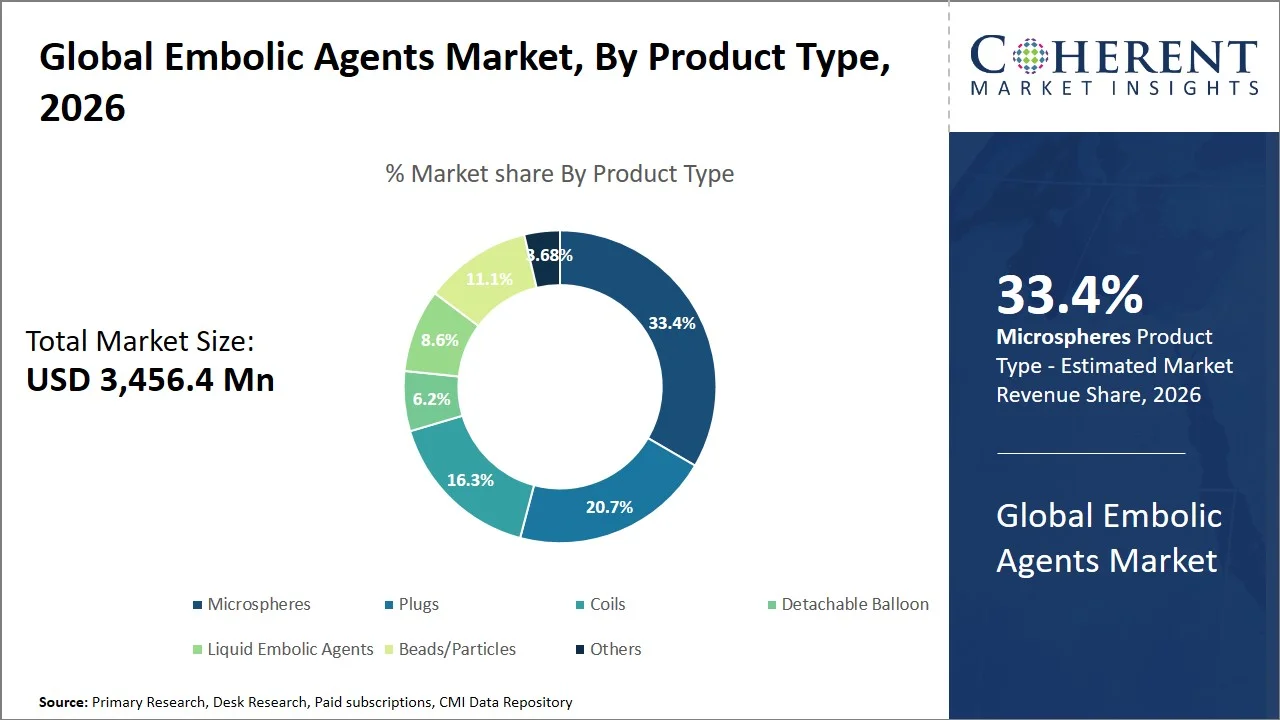
Why Do Microspheres Dominate the Global Embolic Agents Market?
Microspheres are projected to hold a market share of 33.4% in 2026, owing to their predictable vessel occlusion with minimum trauma to healthy surrounding tissue. The consistent particle size and embolization profile of microspheres make them highly suitable for transarterial chemoembolization (TACE), uterine fibroid embolization (UFE), arteriovenous malformation (AVMs), and others. In addition, drug-eluting microspheres improve outcomes with site-specific drug delivery and minimize adverse effects associated with systemic drug exposure in the context of interventional oncology procedures. For instance, in April 2024, Terumo Europe NV unveiled the world’s first resorbable drug-eluting microspheres, the BioPearl for transarterial chemo embolization (TACE) procedures in the management of liver cancer. CE-marked, these microspheres offer gradual release of the drug in addition to gradual resorption, marking a significant advancement in embolization technology for liver cancer management.
Why Does Arteriovenous Malformations (AVM) Represent the Largest Indication Segment in the Embolic Agents Market?
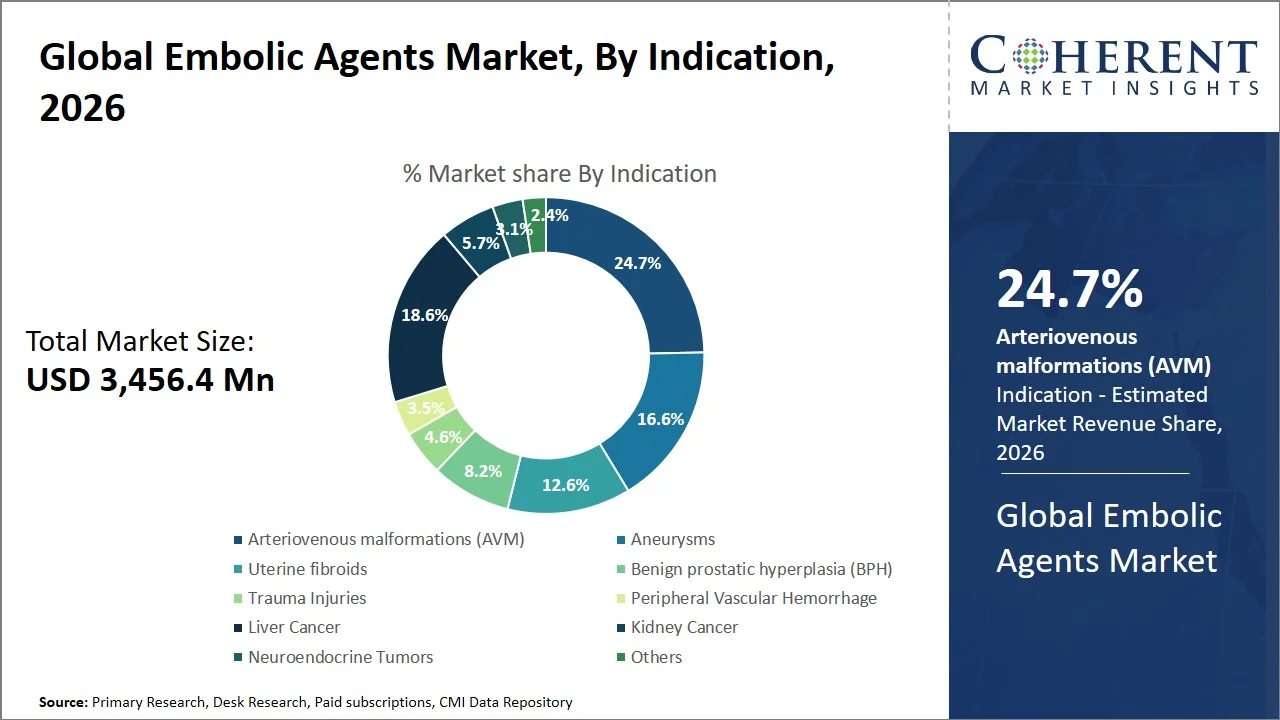
Arteriovenous malformations (AVM) are projected to hold a market share of 24.7% in 2026, due to the high adoption of embolization for the treatment of the malformation, either as definitive or as an adjunct to decrease bleeding and to assist surgery. The high implementation of both liquid embolic agents and detachable coils in arteriovenous malformations embolization led to higher degree of accuracy and prolonged effectiveness, supported by technological development in image-guided neurovascular interventions. For instance, in June 2026, Medtronic announced the first patient procedure with its CE Mark Onyx 12 Liquid Embolic System after its European launch. Onyx 12’s reduced viscosity and flowability characteristics facilitate deeper delivery of the agent within complex lesions, such as brain arteriovenous malformations (AVMs).
Hospitals Segment Dominates the Global Embolic Agents Market
The hospitals segment is projected to hold a market share of 43.2% in 2026, as these medical facilities can perform intricate embolization procedures and are equipped with complex angiography systems, hybrid operation rooms, and multidisciplinary team of physicians. Hospitals are central hubs for neurovascular, interventional oncology, trauma, and peripheral vascular embolization, and are the major place to conduct these interventions with the presence of a variety of periprocedural facilities and expert interventional radiologists. For instance, King Faisal Specialist Hospital & Research Centre’s team provides interventional radiology support and interventional procedures, including tumor, vascular malformation, and acute hemorrhage embolization with the help of state-of-the-art imaging technologies. This highlights the crucial role that tertiary hospitals play in complex embolization therapies and contributes to demand of embolic agents.
Currents Events and their Impact
Current Events | Description and its Impact |
U.S. FDA Quality Management System Regulation (QMSR) Implementation (February 2026) |
|
European Commission Proposal to Simplify Medical Device Regulations (December 2025) |
|
Embolic Agents Market Dynamics
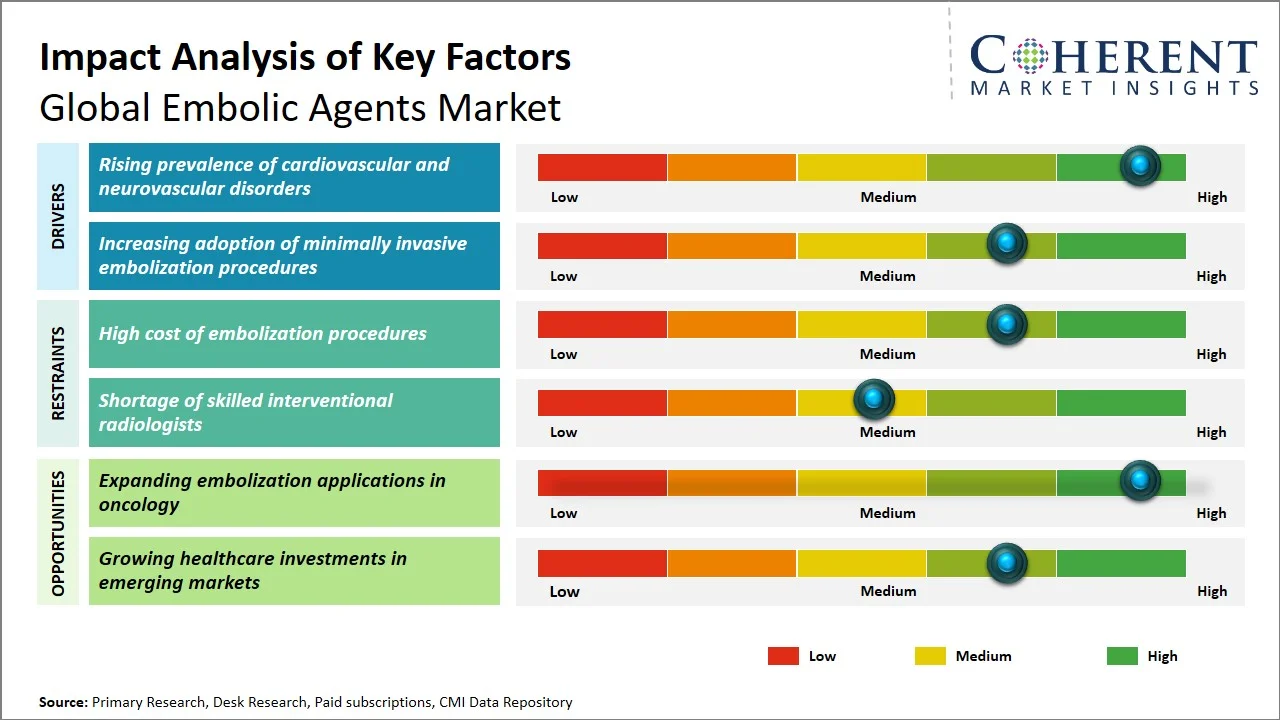
Market Drivers
- Rising prevalence of cardiovascular and neurovascular disorders: As embolization has become a preferred minimally invasive treatment for conditions such as cerebral aneurysms, arteriovenous malformations (AVMs), and vascular hemorrhage. Continuous advancements in catheter-based techniques and embolic materials are further expanding their clinical use. For instance, according to the World Health Organization (WHO), cardiovascular diseases caused approximately 19.8 million deaths globally in 2022, with heart attacks and strokes accounting for nearly 85% of these deaths, highlighting the growing need for advanced endovascular interventions, including embolization therapies.
- Increasing adoption of minimally invasive embolization procedures: The increasing clinical adoption of catheter-based embolization procedures across interventional oncology, neurovascular, and peripheral vascular interventions is driving the demand for advanced embolic agents. Continuous improvements in image-guided delivery systems and embolic materials have expanded the use of embolization as a standard minimally invasive treatment for complex vascular conditions. For instance, the U.S. National Cancer Institute (NCI) recognizes transarterial chemo embolization (TACE) as a standard locoregional treatment for unresectable hepatocellular carcinoma, reflecting the growing integration of embolization into routine cancer care.
- Increasing incidence of cancer requiring embolization therapy: The rising burden of liver and other hyper vascular cancers is accelerating the demand for embolic agents, particularly for transarterial chemoembolization (TACE) and transarterial radioembolization (TARE). As interventional oncology becomes an integral component of cancer management, the use of advanced embolization therapies continues to expand. For instance, the International Agency for Research on Cancer (IARC) projects that annual liver cancer cases will increase from approximately 0.87 million in 2022 to more than 1.5 million by 2050, underscoring the growing need for embolization-based therapies.
- Advancements in liquid embolic agent technologies: Continuous advancements in liquid embolic agent technologies are improving embolization precision, controlled delivery, and long-term vessel occlusion, particularly in neurovascular and peripheral vascular interventions. The development of next-generation non-adhesive formulations is expanding treatment options for complex vascular conditions. For instance, in July 2025, Medtronic enrolled the first patient in its PELE IDE Clinical Study evaluating the Onyx Liquid Embolic System for the treatment of peripheral arterial hemorrhage, supporting the expansion of liquid embolic applications beyond neurovascular indications.
- Rising availability of image-guided intervention facilities: The increasing availability of image-guided intervention facilities is enhancing the precision and safety of embolization procedures, enabling accurate catheter navigation and targeted embolic agent delivery. The wider adoption of advanced angiography suites and hybrid operating rooms is expanding access to minimally invasive vascular interventions across oncology and neurovascular care. For instance, in June 2024, the Government of India inaugurated the All-India Institute of Medical Sciences (AIIMS), Rewari, equipped with advanced diagnostic imaging and interventional facilities, strengthening access to image-guided procedures under the country's expanding tertiary healthcare infrastructure.
Market Restraints
- High cost of embolization procedures: The high cost of embolization procedures remains a significant barrier to market growth, particularly in low- and middle-income countries where access to advanced interventional radiology services is limited. Procedure costs are influenced by the use of specialized embolic agents, microcatheters, imaging systems, and skilled clinical expertise, restricting wider adoption. For instance, according to the U.S. Centers for Medicare & Medicaid Services (CMS), hospital reimbursement for vascular embolization procedures (CPT 37243) reflect the high resource intensity and procedural complexity associated with embolization therapies.
- Shortage of skilled interventional radiologists: The shortage of skilled interventional radiologists continues to limit the adoption of embolization procedures, particularly in emerging economies where access to specialized endovascular expertise remains inadequate. The complexity of embolization techniques and limited specialist availability create challenges in expanding procedural capacity. For instance, according to the Radiological Society of North America (RSNA), more than half of the world's population lacks access to interventional radiology services due to shortages of trained specialists and infrastructure, restricting the availability of image-guided therapies such as embolization.
- Risk of procedure-related complications: The potential for procedure-related complications, including non-target embolization, vessel injury, post-embolization syndrome, and ischemic events, remains a key challenge for the embolic agents market. These risks necessitate meticulous procedural planning and experienced operators, limiting broader adoption in centers with limited interventional expertise. For instance, the Society of Interventional Radiology (SIR) identifies non-target embolization as a recognized complication of embolization procedures, underscoring the need for precise catheter placement and image-guided embolic delivery.
Top 5 Emerging Trends in Global Embolic Agents Market
- Rising Adoption of Liquid Embolic Agents: Liquid embolic agents are gaining traction due to their ability to penetrate complex vascular anatomies and provide durable vessel occlusion. Their expanding use in neurovascular interventions and peripheral embolization is driving product innovation and clinical adoption.
- Growing Preference for Drug-Eluting Microspheres: Drug-eluting microspheres are increasingly being used in interventional oncology, particularly for transarterial chemoembolization (TACE), as they enable simultaneous vessel occlusion and localized chemotherapy, improving therapeutic efficacy while reducing systemic toxicity.
- Integration of Advanced Image-Guided Embolization: The adoption of cone-beam CT, 3D angiography, and image fusion technologies is enhancing procedural precision during embolization. These advancements improve target localization, reduce non-target embolization, and support better clinical outcomes.
- Development of Next-Generation Bioresorbable Embolic Materials: Manufacturers are focusing on bioresorbable embolic agents that provide temporary vascular occlusion while gradually degrading after treatment. These materials are expected to minimize long-term complications and expand applications in selective embolization procedures.
- Expanding Clinical Applications Beyond Oncology: The use of embolic agents is extending beyond cancer treatment into benign prostatic hyperplasia (prostate artery embolization), musculoskeletal disorders, trauma management, and gastrointestinal bleeding. This diversification is creating new growth opportunities and broadening the addressable patient population.
Regional Insights
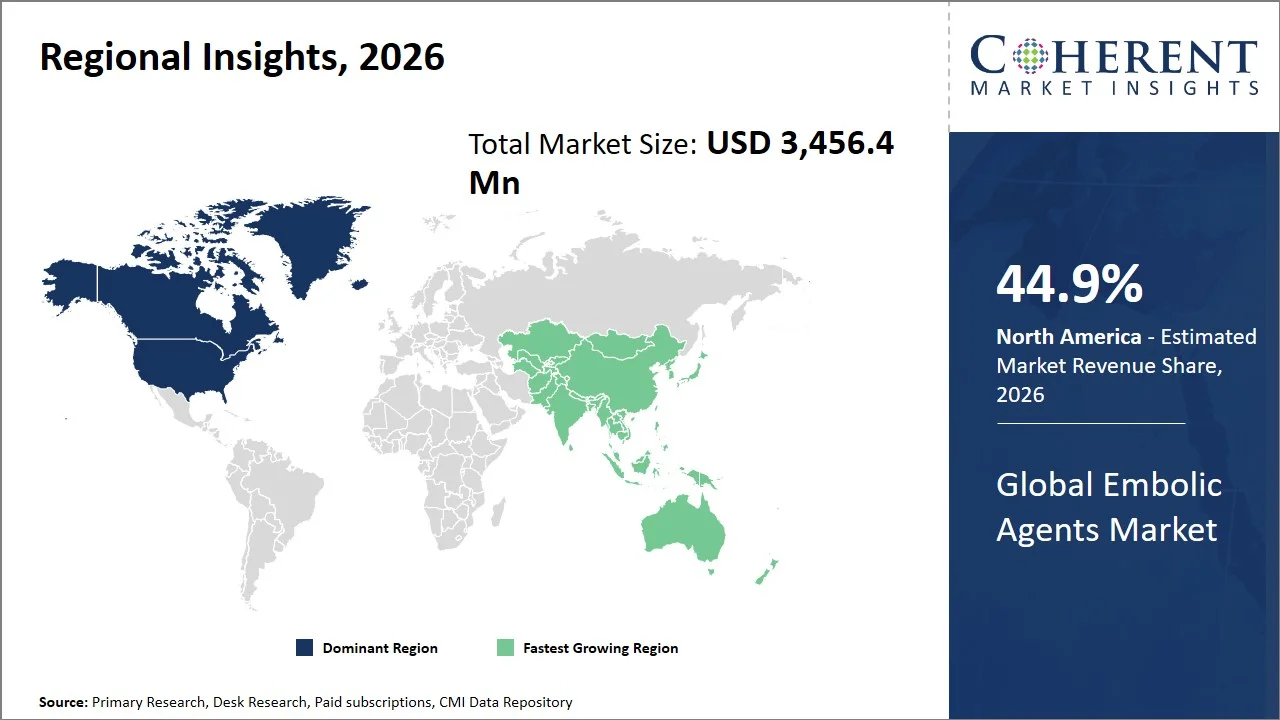
Why is North America a Strong Market for Embolic Agents?
North America leads the global embolic agents market, accounting for an estimated 44.9% share in 2026, owing to high penetration of minimally invasive embolic embolization procedures across oncology interventions, neurovascular interventions, and peripheral vascular interventions. Additionally, the region benefits from robust interventional radiology practice and the presence of favorable reimbursement for procedures employing embolic embolization. For instance, the U.S. Centers for Medicare & Medicaid Services (CMS) offers reimbursement for vascular embolization, such as tumor embolization (CPT 37243), thereby fostering the use of embolization treatments for in-hospital outpatient and ambulatory care. Furthermore, the growing clinical adoption of next-generation liquid embolic systems, beads, image-guided procedures continue to enhance procedural outcomes.
Why Does the Asia Pacific Embolic Agents Market Exhibit High Growth?
The Asia Pacific embolic agents market is expected to exhibit the fastest growth with an estimated contribution of 21.9% share to the global market in 2026, fueled by the widespread adoption of embolization through minimally invasive techniques to treat oncological and neurovascular conditions. Supportive government policies in healthcare, growing infrastructure of interventional radiology, and increased healthcare spending are likely to drive the market in this region. For instance, the government of India enabled finance to increase access to the treatment by promoting use of interventional radiology and oncology in conjunction with the Ayushman Bharat-Pradhan Mantri Jan Arogya Yojana (AB-PMJAY). This facilitated the use of embolization therapies to a much greater extent. (Source: National Health Authority) Furthermore, the escalating prevalence of vascular and oncologic conditions across the region along with rising prevalence of embolic agent awareness has further bolstered the demand for this market.
Global Embolic Agents Market Outlook for Key Countries
Why is the U.S. Leading Innovation and Adoption in the Embolic Agents Market?
The U.S. accounted for an estimated 34.1% share of the global embolic agents market in 2026, due to high concentration of leading interventional radiology facilities and comprehensive cancer centers (such as MD Anderson Cancer Center, Mayo Clinic, Cleveland Clinic, and Memorial Sloan Kettering Cancer Center) with extensive experience in sophisticated embolization procedures. The widespread adoption of liquid embolic agents, drug-eluting microspheres, and high-performance microcatheters for neurovascular procedures and interventional oncology applications has further augmented the demand for the technologically enhanced embolic agents.
Is France a Favorable Market for Embolic Agents Market?
The France accounted for an estimated 4.7% of the global embolic agents market in 2026, driven by the country’s high level of acceptance and usage of interventional radiology for treating oncologic, neurovascular and peripheral vascular diseases. With established tertiary hospital and cancer center infrastructures to support treatment of cancer with trans arterial chemoembolization (TACE), uterine fibroid embolization (UFE), and cerebral aneurysms, France’s deep clinical expertise with minimally invasive vascular interventions, early introduction of the newer liquid embolic, and wide utilization of the newest microparticle technology continue to support sustained market growth.
Is China Emerging as a Key Growth Hub for the Embolic Agents Market?
China accounted for an estimated 12.6% of the global embolic agents market in 2026, owing to the significant burden of hepatocellular carcinoma (accounting for over 40% of global liver cancer cases), making transarterial chemoembolization (TACE) is one of the most prevalent interventional oncology procedures. Extensive clinical acceptance of liquid embolics and drug-eluting microspheres as well as broad application of embolization for uterine fibroid and neurological disorders have boosted the demand for sophisticated embolic agents in the country.
Why Does Germany Top the European Embolic Agents Market?
Germany accounted for an estimated 8.1% of the global embolic agents market in 2026, attributed to its high utilization of embolization in hepatology, oncology and neurovascular, supported by well-established interventional radiology programs (such as the DeGIR Quality Assurance Program and the DeGIR/DGNR Certification Program). The country remains an early adopter of new technologies like liquid embolics, calibrated microspheres and image-guided techniques in managing the most challenging cases involving vascular treatments. This extensive incorporation of embolization in routine clinical pathways drives demand for novel embolic products.
Is Embolic Agents Market Developing in Japan?
Japan accounted for an estimated 6.8% of the global embolic agents market in 2026, due to widespread adoption of embolization in the treatment of hepatocellular carcinoma, cerebral aneurysms and arteriovenous malformations. The market has adopted image guided endovascular technologies and precision microcatheter technology from its nascent stages which have enabled wide use of sophisticated liquid embolic and calibrated micro spheres products in the country. Furthermore, an increased trend toward the use of minimally invasive therapies continues to facilitate market growth in Japan.
Emerging Technology Trends in the Global Embolic Agents Market
Technology Trend | Industry Adoption | Expected Market Impact |
Drug-Eluting Microspheres | Rapidly increasing in interventional oncology | Improves localized drug delivery and treatment efficacy |
Liquid Embolic Technologies | Expanding in neurovascular and peripheral interventions | Enables precise embolization of complex vascular lesions |
Bioresorbable Embolic Materials | Early-stage commercialization | Reduces long-term foreign body complications |
Image-Guided Embolization Systems | Widely adopted in advanced hospitals | Improves procedural accuracy and patient outcomes |
Next-Generation Microcatheters | Growing adoption globally | Enhances distal vessel access and embolic delivery precision |
How are the expanding embolization applications in oncology creating new growth opportunities in the embolic agents market?
As interventional oncology becomes more relevant, the rise in minimally invasive approaches used to manage hyper vascular cancers and liver cancer continue to rise in both developed and emerging regions. Innovations in areas like liquid embolic agents, image guidance technologies and next-generation biomaterials are further contributing to increasing clinical use and improved outcomes. For instance, in August 2025, Instylla, Inc. received U.S. FDA Premarket Approval (PMA) for the Embrace Hydrogel Embolic System. The first liquid embolic system approved for the embolization of hyper vascular tumors of peripheral arteries; it represents a new era in embolic treatment for oncology.
Market Players, Key Development, and Competitive Intelligence
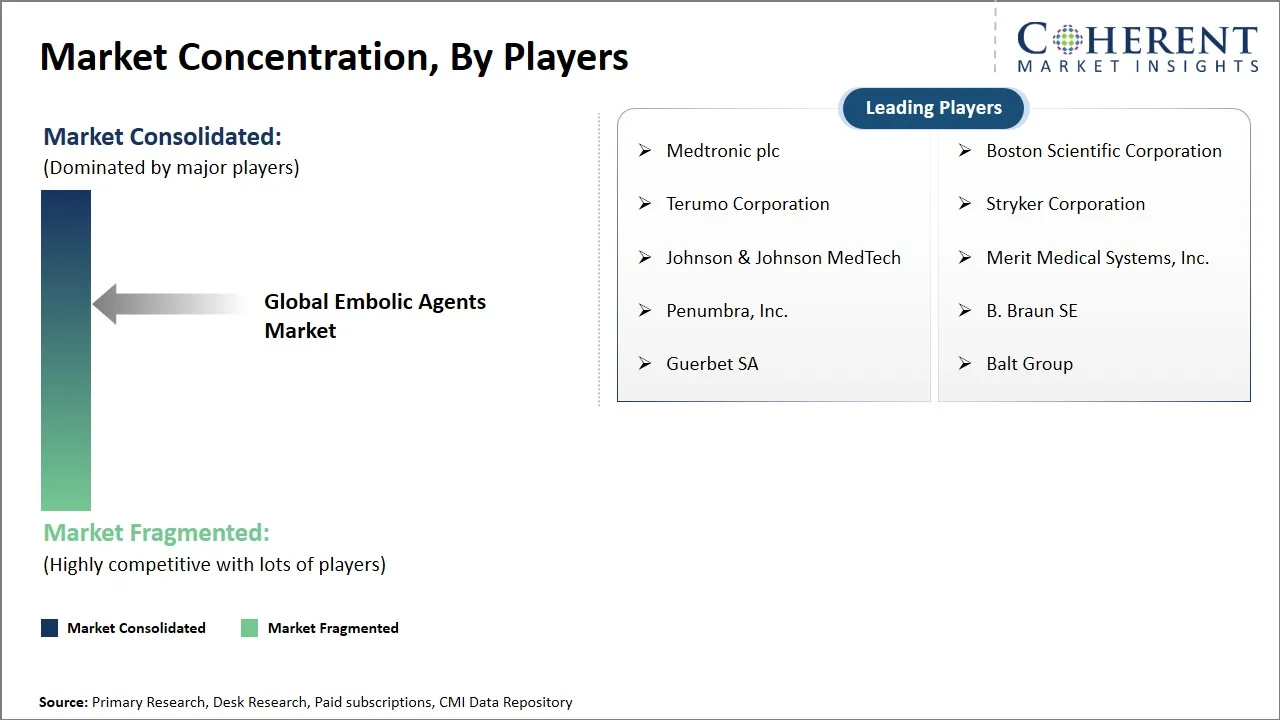
Key Developments
- Merger & Acquisition (M&A)
- In June 2026, Medtronic completed the acquisition of Scientia Vascular to strengthen its neurovascular portfolio. The acquisition integrates advanced microcatheter and vascular access technologies with Medtronic's therapeutic solutions, enhancing support for complex neurovascular embolization procedures. The move reinforces the company's position in minimally invasive stroke and aneurysm treatment.
- Regulatory Approval
- In May 2026, Arsenal Medical announced that the U.S. FDA granted Investigational Device Exemption (IDE) approval for the RADIANT pivotal trial evaluating NeoCast, its novel liquid embolic agent for the treatment of chronic subdural hematoma. The trial will assess NeoCast as an adjunct to surgery, aiming to achieve predictable distal penetration of the middle meningeal artery (MMA) and improve procedural outcomes.
- Launch
- In January 2026, Instylla, Inc. initiated the commercial launch of the Embrace Hydrogel Embolic System following its first clinical use. The novel hydrogel-based embolic technology is designed for peripheral vascular embolization, offering controlled delivery and durable vessel occlusion. The launch expands the availability of advanced embolic solutions for minimally invasive interventional procedures.
- Collaboration
- In March 2025, Varian and Embolx entered into a strategic agreement to advance image-guided therapies for cancer by integrating embolization technologies with precision oncology solutions. The collaboration aims to enhance minimally invasive interventional oncology procedures and improve treatment planning and clinical outcomes for cancer patients.
Competitive Landscape
Company | Headquarters | Key Brands | Primary Market Segment |
Medtronic plc | Dublin, Ireland | Onyx Liquid Embolic System, Pipeline Flex Embolization Device | Neurovascular Embolization & Peripheral Embolization |
Boston Scientific Corporation | Massachusetts, U.S. | EMBOLD Fibered Detachable Coil, Interlock Coils | Peripheral Vascular & Neurovascular Embolization |
Terumo Corporation | Tokyo, Japan | AZUR Detachable Coils, AZUR HydroPack Coils | Neurovascular & Peripheral Embolization |
Stryker Corporation | Michigan, U.S. | Target Detachable Coils, Surpass Evolve Flow Diverter | Neurovascular Embolization |
Johnson & Johnson MedTech | New Jersey, U.S. | CERENOVUS Galaxy G3 Mini Coil, TRUFILL n-BCA Liquid Embolic System | Neurovascular Embolization |
Merit Medical Systems, Inc. | Utah, U.S. | Embosphere Microspheres, EmboCube Embolization Gelatin | Peripheral Embolization & Interventional Oncology |
Penumbra, Inc. | California, U.S. | POD Packing Coil, Ruby Coil System | Peripheral Vascular & Neurovascular Embolization |
B. Braun SE | Melsungen, Germany | HydroPearl Microspheres, Contour PVA Embolization Particles | Peripheral Embolization |
Guerbet SA | Villepinte, France | LIFEPEARL Microspheres | Interventional Oncology & Transarterial Chemoembolization (TACE) |
Balt Group | Montmorency, France | Silk Vista Flow Diverter, LUNA Aneurysm Embolization System | Neurovascular Embolization |
Market Report Scope
Embolic Agents Market Report Coverage
| Report Coverage | Details | ||
|---|---|---|---|
| Base Year: | 2025 | Market Size in 2026: | USD 3,456.4 Mn |
| Historical Data for: | 2020 To 2024 | Forecast Period: | 2026 To 2033 |
| Forecast Period 2026 to 2033 CAGR: | 9.4% | 2033 Value Projection: | USD 6,348.4 Mn |
| Geographies covered: |
| ||
| Segments covered: |
| ||
| Companies covered: | Medtronic plc, Boston Scientific Corporation, Terumo Corporation, Stryker Corporation, Johnson & Johnson MedTech, Merit Medical Systems, Inc., Penumbra, Inc., B. Braun SE, Guerbet SA, and Balt Group | ||
| Growth Drivers: |
| ||
| Restraints & Challenges: |
| ||
Analyst Opinion (Expert Opinion)
- In the coming years, the embolic agents market is anticipated to experience substantial growth driven by the increasing preference for minimally invasive procedures, rising prevalence of cancer and vascular disorders, and continuous advancements in embolization technologies. Future innovation will focus on precision embolization, bioresorbable materials, drug-eluting embolic agents, and image-guided therapies to improve clinical outcomes and procedural safety.
- The maximum opportunities are foreseen within liquid embolic agents for interventional oncology applications, particularly trans arterial chemoembolization (TACE) for liver cancer, with China emerging as the most promising market. The country's high liver cancer incidence, expanding interventional radiology infrastructure, growing healthcare investments, and increasing adoption of minimally invasive cancer therapies are expected to drive substantial demand.
- In order to gain a competitive advantage, market players should focus on developing next-generation liquid and drug-eluting embolic agents with enhanced precision, biocompatibility, and ease of delivery. Expanding clinical evidence through multicenter studies, strengthening partnerships with hospitals and interventional radiology centers, accelerating regulatory approvals in high-growth emerging markets, and investing in physician training programs will be key strategies to enhance market penetration and maintain a competitive advantage.
Speak to the analyst
Want personalized insights?
Take the findings above to one of our principal consultants, or have the report rebuilt around the segments, geographies and competitors you actually track.
Market Segmentation
- Product Type Insights (Revenue, USD Mn, 2021 - 2033)
- Microspheres
- Plugs
- Coils
- Detachable Balloon
- Liquid Embolic Agents
- Beads/Particles
- Others
- Indication Insights (Revenue, USD Mn, 2021 - 2033)
- Arteriovenous malformations (AVM)
- Aneurysms
- Uterine fibroids
- Benign prostatic hyperplasia (BPH)
- Trauma Injuries
- Peripheral Vascular Hemorrhage
- Liver Cancer
- Kidney Cancer
- Neuroendocrine Tumors
- Others
- End User Insights (Revenue, USD Mn, 2021 - 2033)
- Hospitals
- Specialty Clinics
- Diagnostic/ Radiology Centers
- Ambulatory Surgery Centers
- Trauma Centers
- Others
- Regional Insights (Revenue, USD Mn, 2021 - 2033)
- North America
- U.S.
- Canada
- Latin America
- Brazil
- Argentina
- Mexico
- Rest of Latin America
- Europe
- Germany
- U.K.
- Spain
- France
- Italy
- Russia
- Rest of Europe
- Asia Pacific
- China
- India
- Japan
- Australia
- South Korea
- ASEAN
- Rest of Asia Pacific
- Middle East
- GCC Countries
- Israel
- Rest of Middle East
- Africa
- South Africa
- North Africa
- Central Africa
- North America
- Key Players Insights
- Medtronic plc
- Boston Scientific Corporation
- Terumo Corporation
- Stryker Corporation
- Johnson & Johnson MedTech
- Merit Medical Systems, Inc.
- Penumbra, Inc.
- Braun SE
- Guerbet SA
- Balt Group
Sources
Primary Research Interviews
- Interventional radiologists and neurointerventional specialists
- Vascular surgeons and endovascular specialists
- Oncology specialists performing transarterial chemoembolization (TACE)
- Hospital procurement and catheter laboratory managers
- Medical device product managers and R&D executives
- Regulatory affairs and quality assurance professionals
- Healthcare distributors and channel partners specializing in interventional devices
Stakeholders
- Embolic agent manufacturers
- Interventional radiology centers
- Hospitals and ambulatory surgical centers (ASCs)
- Cancer treatment and comprehensive oncology centers
- Neurovascular and cardiovascular specialty hospitals
- Medical device distributors and procurement organizations
- Contract manufacturing organizations (CMOs) for interventional devices
- End-use Sectors
- Hospitals and multispecialty healthcare providers
- Ambulatory surgical centers (ASCs)
- Interventional radiology centers
- Specialty cardiovascular and neurovascular clinics
- Cancer treatment centers
- Regulatory & Health Bodies
- U.S. Food and Drug Administration (FDA)
- European Commission
- European Medicines Agency (EMA)
- Medicines and Healthcare products Regulatory Agency (MHRA), UK
- Pharmaceuticals and Medical Devices Agency (PMDA), Japan
- Health Canada
- Therapeutic Goods Administration (TGA), Australia
- National Medical Products Administration (NMPA), China
Databases
- U.S. FDA Medical Device Databases
- FDA MAUDE (Manufacturer and User Facility Device Experience)
- ClinicalTrials.gov
- European Commission EUDAMED
- WHO Global Health Observatory
- OECD Health Statistics
Magazines
- Medical Device Network
- MedTech Dive
- Medical Design & Outsourcing
- NeuroNews International
- Endovascular Today
Journals
- Journal of Vascular and Interventional Radiology (JVIR)
- Cardiovascular and Interventional Radiology (CVIR)
- Journal of NeuroInterventional Surgery (JNIS)
- Journal of Endovascular Therapy
- European Radiology
Associations
- Society of Interventional Radiology (SIR)
- Cardiovascular and Interventional Radiological Society of Europe (CIRSE)
- Advanced Medical Technology Association (AdvaMed)
- World Federation of Interventional and Therapeutic Neuroradiology (WFITN)
- American College of Radiology (ACR)
Public Domain Sources
- World Health Organization (WHO)
- U.S. Food and Drug Administration (FDA)
- Centers for Disease Control and Prevention (CDC)
- Centers for Medicare & Medicaid Services (CMS)
- European Commission
- European Medicines Agency (EMA)
- Health Canada
- Pharmaceuticals and Medical Devices Agency (PMDA), Japan
- National Medical Products Administration (NMPA), China
- Medicines and Healthcare products Regulatory Agency (MHRA), UK
Proprietary Elements
- CMI Data Analytics Tool, Proprietary CMI Existing Repository of information for last 10 years.
Get access to 250+ pages report
Every segment, forecast, competitor profile and data table behind the analysis above — available for instant download.
- ESOMAR Member
- ISO 9001:2015 Certified
- D-U-N-S Registered
- GDPR & CCPA Compliant
Missing comfort of reading report in your local language? Find your preferred language:
Transform your Strategy with Exclusive Trending Reports
Frequently Asked Questions
The global embolic agents market is estimated to be valued at USD 3,456.4 Mn in 2026 and is expected to reach USD 6,348.4 Mn by 2033.
Microspheres dominate due to their high precision in targeted vessel occlusion, controlled and sustained drug delivery capabilities (particularly in drug-eluting microspheres), excellent biocompatibility, and widespread use in interventional oncology procedures such as trans arterial chemoembolization (TACE) for liver cancer.
The CAGR of the global embolic agents market is projected to be 9.4% from 2026 to 2033.
Drug-eluting embolic agents improve treatment efficacy by combining targeted vessel occlusion with localized drug delivery.
Advanced imaging technologies enhance procedural accuracy, real-time navigation, and targeted embolic agent delivery.
Liquid embolic agents provide superior penetration and durable occlusion in complex vascular anatomies.
Novel biomaterials are improving embolic agent biocompatibility, safety, and long-term therapeutic performance.