

Global Fibroblast Growth Factors Market Size and Forecast – 2026 to 2033
The Global Fibroblast Growth Factors Market is estimated to be valued at USD 3.93 Bn in 2026 and is expected to reach USD 7.09 Bn by 2033, reflecting a compound annual growth rate (CAGR) of 8.8% from 2026 to 2033. This robust growth reflects increasing investments in regenerative medicine and biotechnology, along with rising demand for therapeutic applications that utilize fibroblast growth factors. The expanding prevalence of chronic diseases and a growing focus on personalized medicine further bolster market expansion during this period.
Key Takeaways of the Fibroblast Growth Factors Market
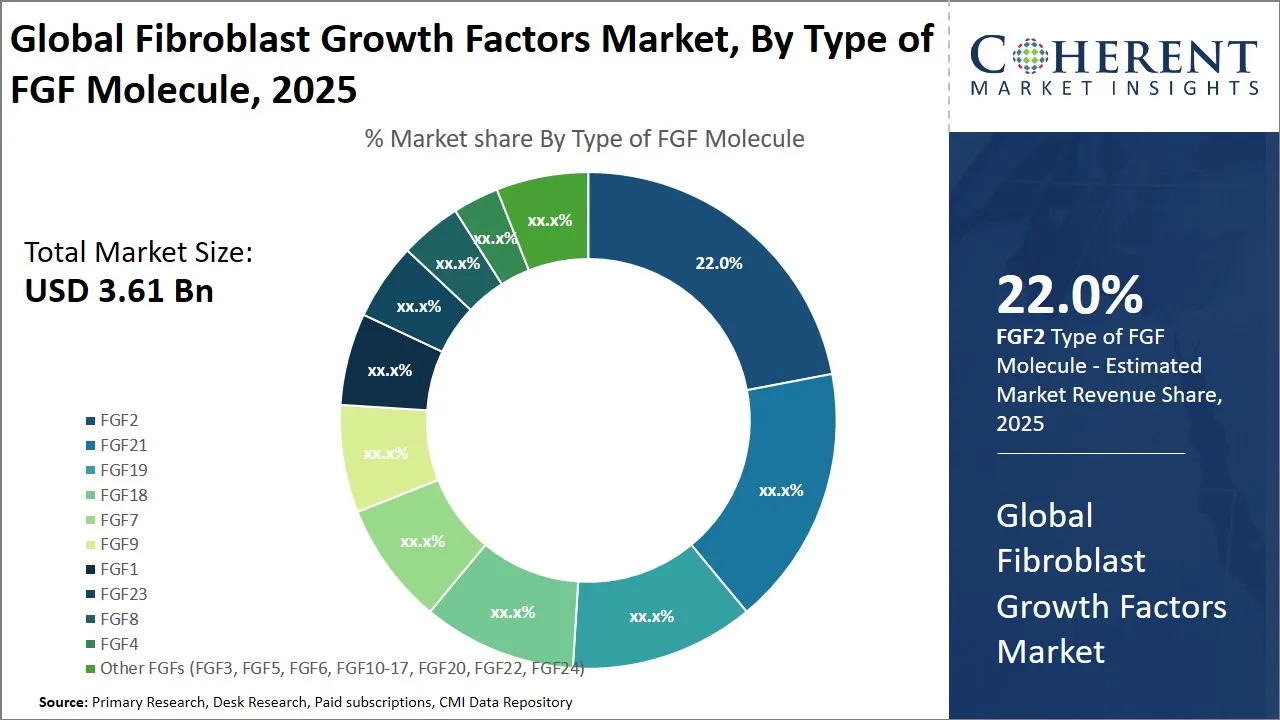
- FGF2 segment is expected to lead the global fibroblast growth factors market with a 15.9% share in 2026.
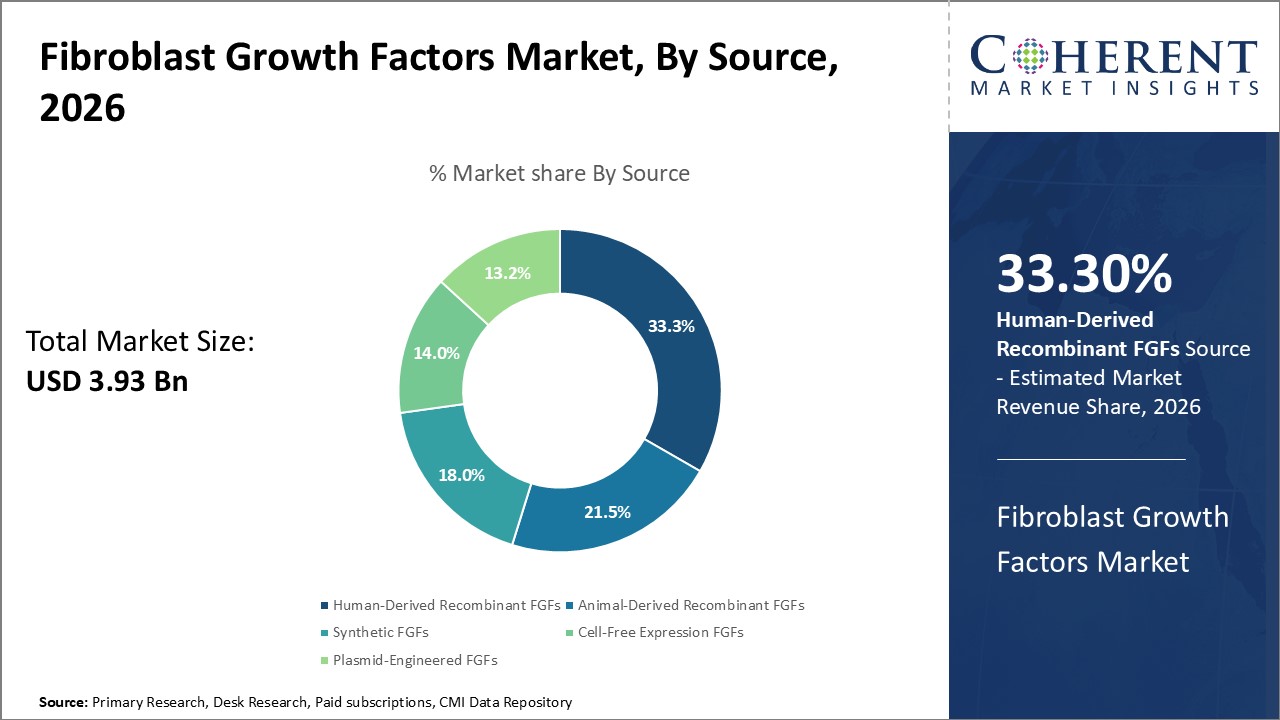
- Human-derived recombinant FGFs segment is projected to account for 33.3 % of the market share in 2026
- Liquid FGFs segment is expected to capture 34.4 % of the fibroblast growth factors market share in 2026.
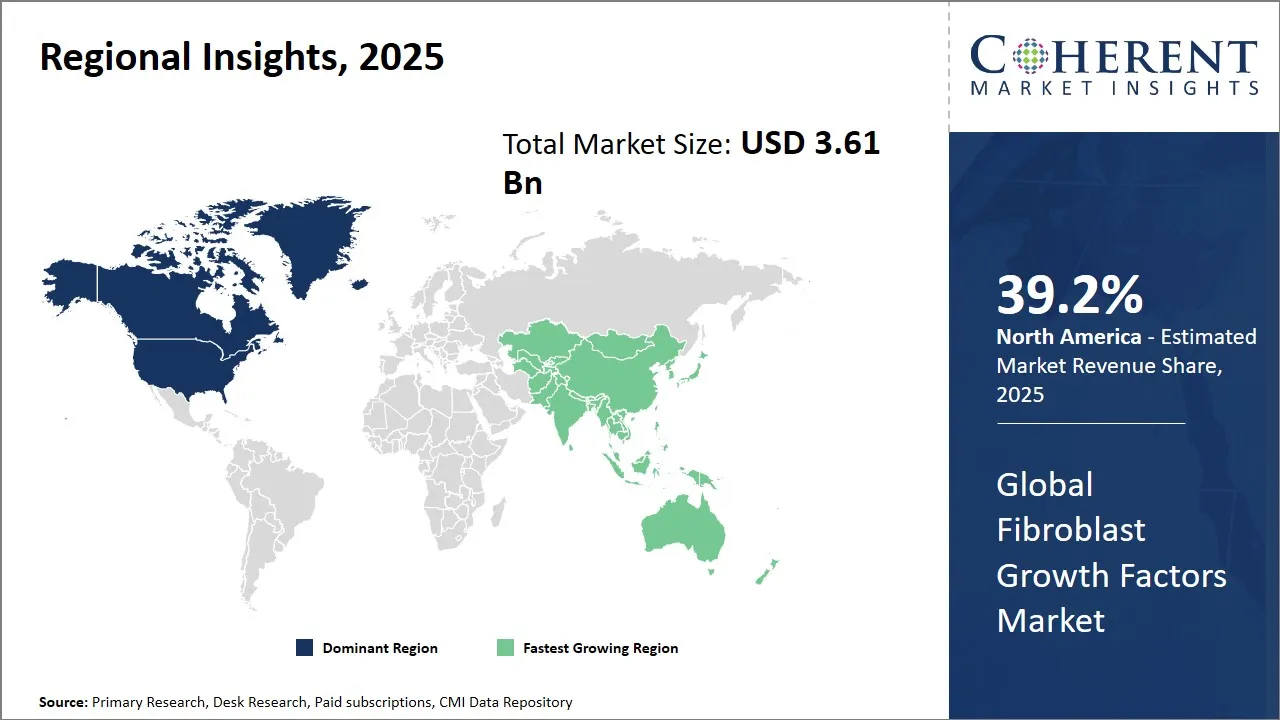
- North America will dominate the fibroblast growth factors market in 2026 with an estimated 39.2 % share.
- Asia Pacific will hold 24.4 % of the fibroblast growth factors market in 2026 and grow fastest.
Market Overview
- Market trends indicate a surge in research and development activities aimed at enhancing the efficacy and delivery mechanisms of fibroblast growth factors, driving innovation in treatment options for wound healing and tissue regeneration.
- Additionally, the integration of advanced biotechnologies, such as gene editing and nanotechnology, into fibroblast growth factor applications is gaining momentum.
- Rising collaborations between pharmaceutical companies and research institutions are fostering product pipeline expansion, supporting sustained market growth and promising future breakthroughs in various medical fields.
Current Events and Its Impact
Current Events | Description and its impact |
Expansion of Phase 3 programs for FGF21 analogs in NASH/MASH and severe hypertriglyceridemia |
|
Regulatory approvals and withdrawals reshaping the FGFR inhibitor landscape |
|
Segmental Insights
- Current Industry Events of 2026
- Market Size Estimation
- Regional Breakdown
- Competitive Landscape
- Customer Intelligence
- Segmental Analysis
- Pricing Analysis
- Key Market Drivers, Challenges & Future Trends
- Customized Insights Section
Fibroblast Growth Factors Market Insights, By Type of FGF Molecule - FGF2 Contributes the Highest Market Share Owing to its Broad Therapeutic Applicability and Well-Established Biological Significance
FGF2 segment is the largest player in the fibroblast growth factors industry with a share of 15.9% in 2026 because it has a wide range of functions in cell proliferation, differentiation, angiogenesis, and tissue repair. It is also versatile in medical research and clinical applications, which explains its major contribution to the growth of this segment.
The role of FGF2 in wound healing and regenerative medicine is highly acknowledged, hence its importance in the development of therapies in chronic wounds, burn, and other tissue injuries. The fact that the protein is capable of stimulating endothelial cell growth and inducing new blood vessels makes it an important molecule in the treatment of cardiovascular and orthopedic.
For example, several companies are advancing FGF2-based research tools, clinical candidates, or recombinant proteins that support therapeutic development. Ankura Biopharma is developing engineered FGF2 variants with improved stability for advanced regenerative applications. Proteintech manufactures GMP-grade recombinant FGF2 used by global academic labs and biotech firms in stem cell culture and tissue engineering workflows.
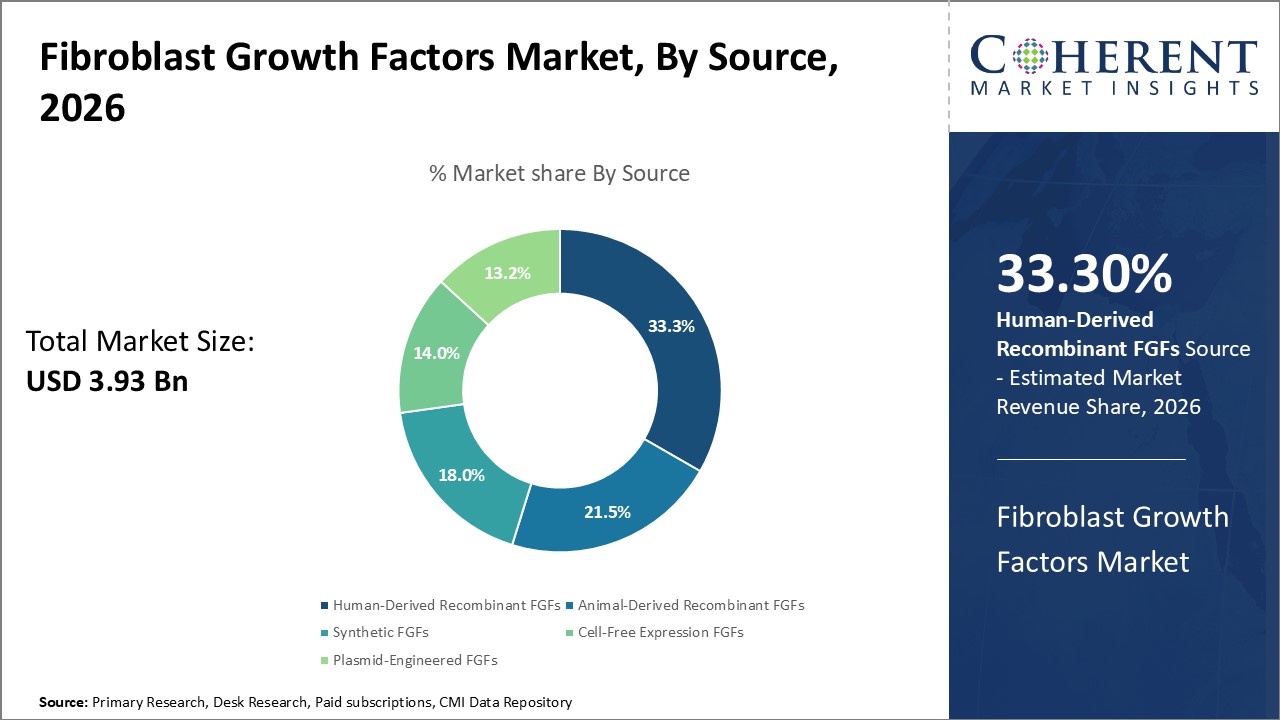
Why Does Human-Derived Recombinant FGFs Lead the Fibroblast Growth Factors Market in 2025?
The human-derived recombinant FGFs dominate the market with 33.3% market share in 2025 because they are very similar with the human body proteins, which enhances safety, biocompatibility and regulatory acceptance. The outcome of such a congruence is the increase in biocompatibility, decrease in immunogenicity, and improved therapeutic efficacy in relation to non-human or synthetic analogues.
These are key areas of clinical applications, where safety and performance were the determining factors among healthcare practitioners and pharmaceutical developers. The development of superior recombinant DNA technologies and refined systems of expression has enabled manufacturers to scale up high-purity human-derived FGFs to a high level which passes the strict quality standards that regulatory agencies around the world demand.
For example, ReproCELL supplies human-sequence recombinant FGFs for stem cell expansion and clinical-grade regenerative therapy workflows. CellVec develops viral and non-viral recombinant expression systems optimized for producing human-derived FGFs used in advanced therapy manufacturing. OriCell Bioscience manufactures research- and GMP-grade human recombinant FGFs for applications in MSC, iPSC, and primary cell culture.
What Makes Liquid FGFs the Dominant Product Form in the Fibroblast Growth Factors Market?
Liquid FGFs segment is expected to hold 34.4% share in 2026 because end users prefer such products because of their ease of handling and stability under a controlled storage environment. Such features save time on preparation and also minimize any error in handling both in the laboratory and clinical setting.
Liquid FGFs do not require reconstitution and can be either applied or incorporated directly into media and therapeutic products, which is maximally efficient in terms of workflow efficiency among researchers and healthcare practitioners. Liquid FGFs can be readily used to enable quick experimentation and treatment regimen, particularly in high throughput research and regenerative therapy initiatives.
For instance, in June 2025, GeneCentric Therapeutics, a precision oncology company focused on gene-expression diagnostics, raised USD 8 million in a Series C round to launch its new GenomicsNext liquid biopsy platform. The funding was led by Hatteras Venture Partners, a life sciences investor, with support from IAG Capital Partners, Alexandria Venture Investments, and Labcorp, and will support commercialization efforts through 2026.
Pricing Benchmark: Research-Grade vs. GMP-Grade Recombinant FGF Products
Parameter | Research-Grade rFGF (e.g., FGF2, FGF1) | GMP-Grade rFGF (Clinical/Cell-Therapy Use) |
Typical use case | In vitro research, screening, assay development | Clinical manufacturing, ATMPs, cell therapy, media for human use |
Purity (SDS-PAGE/HPLC) | ≥95% | ≥98–99% with tighter impurity specs |
Endotoxin level | ≤1–10 EU/µg | ≤0.1–0.5 EU/µg |
Typical pack sizes | 10–100 µg, 0.1–1 mg | 0.1–10 mg (often custom/batch-specific) |
List price (small pack, per 100 µg) | ~USD 150–400 | ~USD 800–2,000+ |
Implied price range (per mg, list/catalog) | ~USD 1,000–3,000/mg | ~USD 8,000–20,000+/mg |
Pricing model | Standard catalog price; occasional academic discounts | Project-based, volume-tiered, QA / documentation premium built in |
Documentation provided | CoA, basic QC data | Full GMP CoA, batch records, traceability, regulatory support |
Regulatory compliance level | RUO (Research Use Only) | GMP-compliant, suitable for regulated use |
Key price drivers | Expression system, brand, purity, pack size | GMP facility overhead, QC/QA, validation, documentation, audits |
Regional Insights
North America Fibroblast Growth Factors Market Analysis and Trends
North America has controlled the global market for fibroblast growth factors with 39.2% share in 2026 due to a well-developed biotechnology and pharmaceutical environment with significant funding in research and sophisticated healthcare facilities. The availability of major biopharmaceutical firms like Amgen, Regeneron Pharmaceuticals and Thermo Fisher scientific is a strong foundation in the field of innovation and product development in FGFs.
Also, government policy, which fosters research in biotechnology industry, like NIH grants and fast-track designations of the U.S. Food and Drug Administration, expedites commercialization of new growth factor therapies. A close partnership between academies and the industry players in the U.S. and Canada is another factor that enhances the leadership of the region as it encourages the development of advanced R&D and clinical trials.
Asia Pacific Fibroblast Growth Factors Market Analysis and Trends
Asia Pacific fibroblast growth factors market has the greatest expansion and is projected to account for 24.4% share in 2026. This is attributed to the rapidly growing healthcare infrastructure, increasing tendency of investment in biopharma research, and increasing rate of prevalence of chronic diseases that need regenerative therapy. Countries like China, Japan, South Korea, and India are investing in biotechnology parks and incubation centers in large numbers to develop a local start up and to bring the foreign direct investment in the biotech industry.
The increasing involvement of local pharmaceutical firms such as Wuxi Biologics, Samsung Biologics, and Biocon, coupled with the cooperation with the multinationals, expedites the entry into the market and product accessibility.
Fibroblast Growth Factors Market Outlook for Key Countries
Why is the U.S. a Central Hub for Fibroblast Growth Factors Market Growth?
A significant market share of the fibroblast growth factors in the U.S is due to the large biotechnology sector and the strong funding ecosystem. The giants including Amgen and Regeneron Pharmaceuticals are the most innovative with the use of FGFs in recombinant protein therapies and regenerative medicine applications. The favorable regulatory environments provided by the Food and Drug Administration encourage a quicker market entry and clinical development. Also, excellent academia-industry connections stimulate innovations in new indications, and the U.S. is a place of research and commercialization.
What Factors are Accelerating the Growth of China’s Fibroblast Growth Factors Market?
The market for fibroblast growth factors in China is a fast developing one that has a strong support of the government with such initiatives as Made in China 2026 and National Innovation-Driven Development Strategy. There are domestic firms such as Wuxi Biologics and CanSino Biologics developing their biologics capacity such as FGFs. Increased regulatory transparency of the National Medical Products Administration (NMPA) reduced the duration of approval, promoting innovation and foreign collaborations. The growing role of China in the international FGFs has been anchored on increased investment in healthcare and biopharma research and development.
How is Japan Shaping the Future Trajectory of the Fibroblast Growth Factors Market?
Japan still has offered the most developed biotechnology market in Asia with high incentives by the government as well as a stable healthcare system that correlates in the adoption of FGFs in regenerative medicine and wound healing. Well-established companies such as Takeda Pharmaceutical and Chugai Pharmaceutical have major roles to play and can do so by providing superior manufacturing capacities and vast clinical know-how. The healthcare requirements of the aging population in the country are increasing the demand of the new growth factor therapies, which are backed by regulatory incentives on the products of the regenerative medicine as demonstrated by the Act on the Safety of Regenerative Medicine.
Germany Fibroblast Growth Factors Market Trends
Germany is unique in Europe in that it combines the latest biotechnology and manufacturing base. Bayer and BioNTech companies are among the companies involved in the FGFs space through their massive research and collaboration with university research centers. The government of Germany encourages biotech innovation by providing funds and easy intellectual property legislation which creates a favorable competitive market. The strategic location of Germany in the European Union is also an advantage to cross-border collaborations and biologics trade, which helps improve its market presence.
Recombinant FGF Manufacturing Capacity & CMO/CDMO Mapping in the Fibroblast Growth Factors Market
- Recombinant FGF manufacturing capacity in the Fibroblast Growth Factors market is expanding as demand rises in stem-cell culture, regenerative medicine, and wound-healing applications. Capacity is clustered in the U.S., Europe, China, and South Korea, where producers invest in microbial expression, high-purity refolding, and GMP-grade purification to deliver bioactive, low-endotoxin FGFs at scale.
- The CMO/CDMO landscape is shaped by specialized biologics manufacturers with expertise in small recombinant proteins and tight quality control. Mapping shows the U.S. and Europe leading in GMP-compliant high-purity production, while China and South Korea offer cost-efficient scale. Companies outsource to these partners for process development, scale-up, and regulatory-aligned manufacturing to accelerate clinical and commercial supply.
Market Players, Key Developments, and Competitive Intelligence
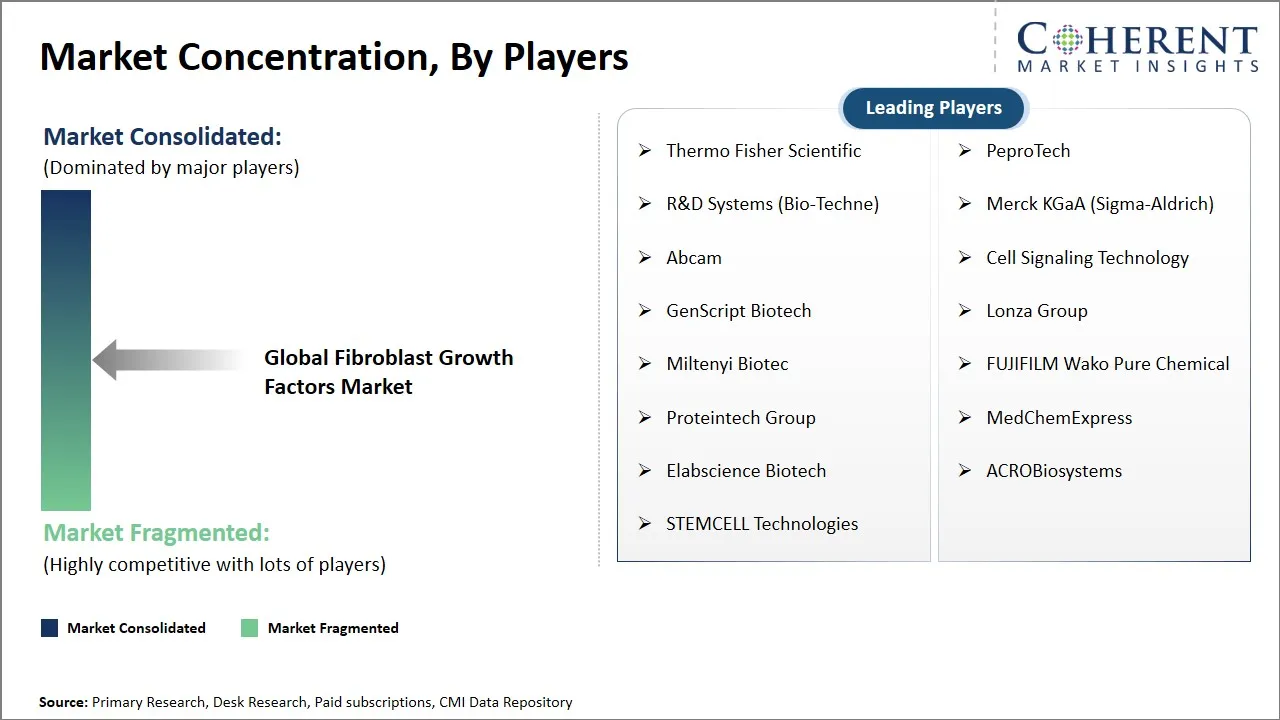
Key Developments
- In June 2025, Amgen, a global biotechnology company focused on innovative therapies, reported positive Phase 3 results for bemarituzumab in Fibroblast Growth Factors receptor-driven gastric cancer. The drug showed a clear overall survival benefit when combined with chemotherapy in patients with FGFR2b-positive advanced gastric or gastroesophageal junction cancer. Zai Lab, a China-based biopharma company active in oncology partnerships, supported the trial and holds rights in Greater China.
- In February 2025, Eisai Co., Ltd, a Japan-based pharmaceutical company focused on oncology and neuroscience, signed an exclusive license agreement granting development and distribution rights for its fibroblast growth factor receptor inhibitor tasurgratinib to SciClone, a China-based biopharma firm known for cancer and infection therapies, covering mainland China, Hong Kong, Macau, and Taiwan.
- In May 2025, GSK, a global biopharma company focused on advanced specialty medicines, announced the acquisition of efimosfermin from Boston Pharmaceuticals, a clinical-stage firm developing targeted therapies for serious liver diseases. Efimosfermin is a Phase III-ready Fibroblast Growth Factor 21 analog showing strong antifibrotic effects in steatotic liver disease.
- In May 2025, Zai Lab, a China- and US-based biopharmaceutical company focused on oncology and immunology, reported positive Phase 3 results for bemarituzumab in fibroblast growth factor receptor 2b-positive gastric cancer. The treatment combined with chemotherapy showed a significant overall survival benefit for patients with FGFR2b overexpression.
Top Strategies Followed by Global Fibroblast Growth Factors Market Players
Player Type | Strategic Focus | Example |
Established Market Leaders | Heavy investment in R&D and innovation | Companies such as Thermo Fisher Scientific, Merck KGaA, and R&D Systems (Bio-Techne) invest aggressively in advanced recombinant protein engineering, global research partnerships, and expanded distribution networks to strengthen their leadership in high-performance FGFs across developed and emerging markets. |
Mid-Level Players | Cost-optimized performance and collaborative scaling | Mid-tier players like PeproTech, Proteintech Group, and FUJIFILM Wako Pure Chemical focus on producing reliable and cost-effective FGFs, collaborating with technology providers and CMOs to improve manufacturing efficiency, accelerate development, and expand distribution reach in price-sensitive markets. |
Small-Scale / Emerging Players | Niche innovation and rapid technology adoption | Smaller innovators such as ACROBiosystems, Elabscience, and MedChemExpress differentiate through specialized engineered FGFs, fast adoption of advanced delivery technologies, and regional alliances that support early-stage entry and strong positioning within focused therapeutic or research-driven segments. |
Market Report Scope
Fibroblast Growth Factors Market Report Coverage
| Report Coverage | Details | ||
|---|---|---|---|
| Base Year: | 2025 | Market Size in 2026: | USD 3.93 Bn |
| Historical Data for: | 2020 To 2024 | Forecast Period: | 2026 To 2033 |
| Forecast Period 2026 to 2033 CAGR: | 8.8% | 2033 Value Projection: | USD 7.09 Bn |
| Geographies covered: |
| ||
| Segments covered: |
| ||
| Companies covered: | Thermo Fisher Scientific, PeproTech, R&D Systems (Bio-Techne), Merck KGaA (Sigma-Aldrich), Abcam, Cell Signaling Technology, GenScript Biotech, Lonza Group, Miltenyi Biotec, FUJIFILM Wako Pure Chemical, Proteintech Group, MedChemExpress, Elabscience Biotech, ACROBiosystems, and STEMCELL Technologies | ||
| Growth Drivers: |
| ||
| Restraints & Challenges: |
| ||
Fibroblast Growth Factors Market Dynamics
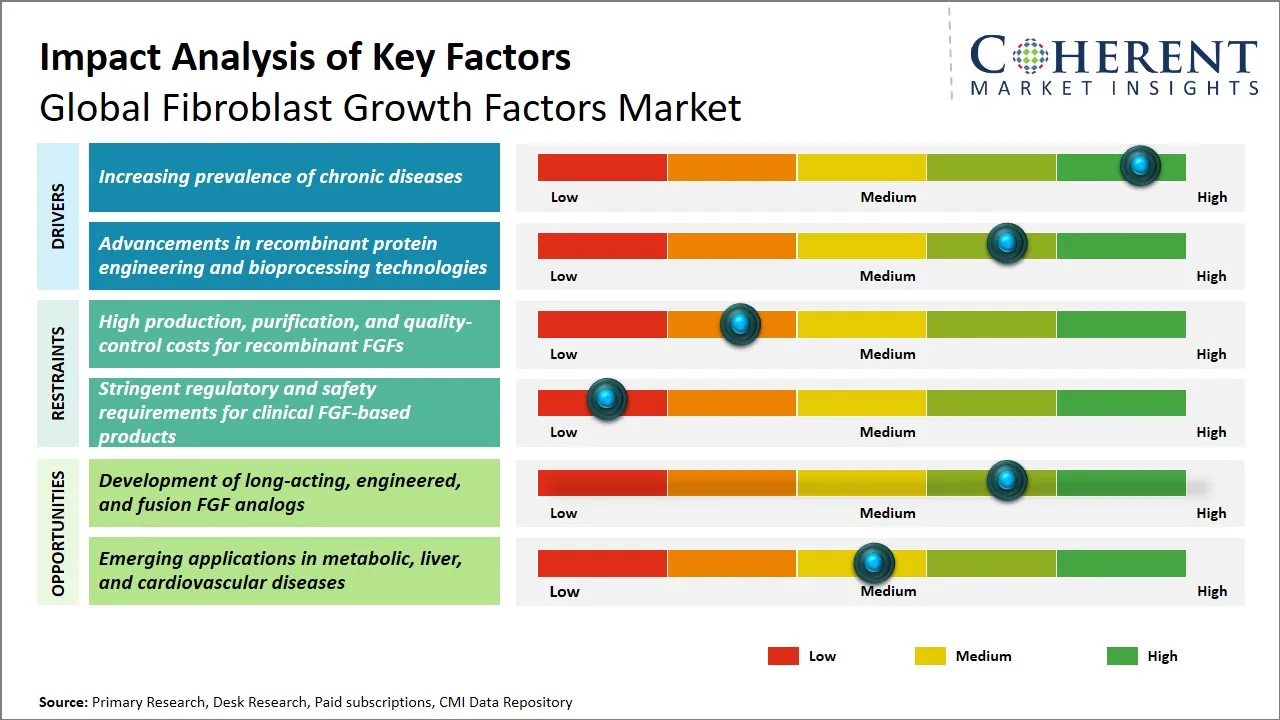
Fibroblast Growth Factors Market Driver - Increasing Prevalence of Chronic Diseases
Growing popularity of chronic pathologies, including cardiovascular disorders, diabetes, and other neurodegenerative pathologies, is largely contributing to the need of fibroblast growth factors (FGFs) in therapeutics. The chronic diseases may be characterized by tissue damage and impaired healing processes resulting in an increased necessity of regenerative medicine solutions which may provoke cell growth, tissue healing and angiogenesis. Being highly essential in cellular proliferation, differentiation and survival, FGFs are currently being studied and exploited due to their capacity to facilitate tissue regeneration and healing of damaged cells.
In September 2025, the World Health Organization (WHO) reported a sharp rise in the global burden of chronic or noncommunicable diseases, which claimed around 43 million lives in 2021—accounting for 75% of non-pandemic-related deaths. The data highlighted cardiovascular diseases, cancers, chronic respiratory conditions, and diabetes as the leading causes, with 80% of premature deaths occurring in low- and middle-income countries.
(Source: https://www.who.int/news-room/fact-sheets/detail/noncommunicable-diseases)
Fibroblast Growth Factors Market Opportunity - Development of Long-Acting, Engineered, and Fusion FGF Analogs
The market of the fibroblast growth factors around the world is experiencing a massive potential in the designs of long-acting, engineered, and fusion FGF analogs, which is a disruptive opportunity in the biopharmaceutical environment. Short half-life, rapid degradation, and frequent administration of FGF are frequent limitations of traditional FGF therapies, both of which may obstruct patient compliance and therapeutic efficacy. A variety of methods of protein engineering, such as site-directed mutagenesis, PEGylation, and fusion with carrier proteins such as FC fragments, is also being used to design engineered FGFs with increased stability and extended activity. The changes enhance pharmacokinetics, and the delivery of prolonged release and extended biological response is possible.
For example, Ardelyx is exploring engineered FGF19 and FGF21 pathway modulators with enhanced metabolic effects. Hanmi Pharmaceutical develops long-acting fusion-based peptide therapeutics and has expanded its biologics platform to include engineered growth factor candidates. CatalYm is advancing engineered cytokine and growth factor therapies designed to reshape immune responses in difficult cancers.
(Source: https://hanmipharm.com/science/manufacturing/long-acting-platform.hm)
Analyst Opinion (Expert Opinion)
- The fibroblast growth factors market is rapidly growing with biopharma moving to hi-tech cell therapy, organoid development and regenerative uses, which depend on high-purity, engineered FGFs. The market is moving towards better recombinant technologies, clear regulatory pathways and increased demand by stem-cell and metabolic research, and the limitations to purity, price pressure and stringent validation requirements continue to hamper broader use. Scientific conferences like ASGCT Annual Meeting, TERMIS World Congress, the Festival of Genomics and the CRISPR Medicine Conference have contributed significantly to the scientific community and regulated policy debates and presentation of next-generation FGF engineering technology.
- Industry and social initiatives have recently shifted in favor of fast-gaining momentum. FUJIFILM Wako and Bio-Techne have extended high-grade FGF lines to clinical-grade cell culture and a number of Asian and European research centers have initiated pilot studies in tissue engineering and disease-model interrogation with FGFs. Programs funded by governments, such as Horizon Europe and regenerative medicine programs of AMED are further supporting the pipelines of innovation and defining the long-term outlook of the market.
Speak to the analyst
Want personalized insights?
Take the findings above to one of our principal consultants, or have the report rebuilt around the segments, geographies and competitors you actually track.
Market Segmentation
- Type of FGF Molecule Insights (Revenue, USD Bn, 2021 - 2033)
- FGF2
- FGF21
- FGF19
- FGF18
- FGF7
- FGF9
- FGF1
- FGF23
- FGF8
- FGF4
- Other FGFs (FGF3, FGF5, FGF6, FGF10–17, FGF20, FGF22, FGF24)
- Source Insights (Revenue, USD Bn, 2021 - 2033)
- Human-Derived Recombinant FGFs
- Animal-Derived Recombinant FGFs
- Synthetic FGFs
- Cell-Free Expression FGFs
- Plasmid-Engineered FGFs
- Product Form Insights (Revenue, USD Bn, 2021 - 2033)
- Liquid FGFs
- Lyophilized FGFs
- Encapsulated FGFs
- FGF-Based Kits and Reagents
- FGF-Integrated Media Supplements
- Application Insights (Revenue, USD Bn, 2021 - 2033)
- Drug Discovery and Development
- Regenerative Medicine
- Stem Cell Research
- Tissue Engineering
- Oncology Research
- Metabolic Disease Research
- Dermatology and Wound Healing
- Orthopedics and Bone Regeneration
- Cardiovascular Research
- Neuroscience Research
- Toxicology Studies
- Other Research Applications
- End User Insights (Revenue, USD Bn, 2021 - 2033)
- Pharmaceutical Companies
- Biotechnology Companies
- Academic and Research Institutes
- CROs
- CMOs/CDMOs
- Hospitals and Clinical Research Centers
- Regenerative Medicine Centers
- Usage Insights (Revenue, USD Bn, 2021 - 2033)
- In-Vitro Use
- In-Vivo Preclinical Use
- Clinical-Stage Use
- Injectable FGFs
- Topical FGFs
- Implant/Scaffold-Integrated FGFs
- Therapeutic Area Insights (Revenue, USD Bn, 2021 - 2033)
- Oncology
- Metabolic Disorders
- Cardiovascular Disorders
- Musculoskeletal Disorders
- Neurological Disorders
- Endocrine Disorders
- Dermatological Disorders
- Gastrointestinal Disorders
- Rare Genetic Disorders
- Regional Insights (Revenue, USD Bn, 2021 - 2033)
- North America
- U.S.
- Canada
- Latin America
- Brazil
- Argentina
- Mexico
- Rest of Latin America
- Europe
- Germany
- U.K.
- Spain
- France
- Italy
- Russia
- Rest of Europe
- Asia Pacific
- China
- India
- Japan
- Australia
- South Korea
- ASEAN
- Rest of Asia Pacific
- Middle East
- GCC Countries
- Israel
- Rest of Middle East
- Africa
- South Africa
- North Africa
- Central Africa
- North America
- Key Players Insights
- Thermo Fisher Scientific
- PeproTech
- R&D Systems (Bio-Techne)
- Merck KGaA (Sigma-Aldrich)
- Abcam
- Cell Signaling Technology
- GenScript Biotech
- Lonza Group
- Miltenyi Biotec
- FUJIFILM Wako Pure Chemical
- Proteintech Group
- MedChemExpress
- Elabscience Biotech
- ACROBiosystems
- STEMCELL Technologies
Sources
Primary Research Interviews
Industry Stakeholders list
- Clinical researchers specializing in growth factor biology
- Biopharmaceutical R&D leaders from regenerative medicine programs
- Biotechnology manufacturing experts for recombinant proteins
- Hospital procurement decision-makers for biologics
- Regulatory consultants involved in biologics submissions
- Cell therapy process development scientists
End Users List
- Oncologists using targeted biologic therapies
- Regenerative medicine clinicians
- Stem cell laboratory managers
- Academic translational research groups
- Hospital pharmacy directors
- Molecular pathology experts
Government and International Databases
- U.S. Food and Drug Administration
- National Institutes of Health
- ClinicalTrials.gov
- World Health Organization
- European Medicines Agency
- National Health Commission of China
Trade Publications
- BioCentury
- Endpoints News
- Fierce Pharma
- Genetic Engineering & Biotechnology News
- PharmaVoice
- Nature Biotechnology News section
Academic Journals
- Nature Communications
- Cell Reports
- The Journal of Biological Chemistry
- Science Translational Medicine
- Journal of Clinical Investigation
- Molecular Cell
Reputable Newspapers
- The New York Times
- The Wall Street Journal
- Financial Times
- The Guardian
- Nikkei Asia
- The Washington Post
Industry Associations
- Biotechnology Innovation Organization
- American Association for Cancer Research
- International Society for Stem Cell Research
- American Society of Gene and Cell Therapy
- European Society for Medical Oncology
- International Federation of Pharmaceutical Manufacturers
Public Domain Resources
- NCBI Gene and Protein Databases
- European Bioinformatics Institute
- Human Protein Atlas
- NIH RePORTER
- Public Clinical Trial Registries
Proprietary Elements
- CMI Data Analytics Tool: Proprietary analytics tool to analyze real-time market trends, consumer behavior, and technology adoption in market
- Proprietary CMI Existing Repository of Information for Last 8 Years
Get access to 250+ pages report
Every segment, forecast, competitor profile and data table behind the analysis above — available for instant download.
- ESOMAR Member
- ISO 9001:2015 Certified
- D-U-N-S Registered
- GDPR & CCPA Compliant
Missing comfort of reading report in your local language? Find your preferred language:
Transform your Strategy with Exclusive Trending Reports
Frequently Asked Questions
The global fibroblast growth factors market is estimated to be valued at USD 3.93 Bn in 2026 and is expected to reach USD 7.09 Bn by 2033.
The CAGR of global fibroblast growth factors market is projected to be 8.8% from 2026 to 2033.
Increasing prevalence of chronic diseases and advancements in recombinant protein engineering and bioprocessing technologies are the major factors driving the growth of the global fibroblast growth factors market.
High production, purification, and quality-control costs for recombinant FGFs and stringent regulatory and safety requirements for clinical FGF-based products are the major factors hampering the growth of the global fibroblast growth factors market.
In terms of type of FGF molecule, the FGF2 is estimated to dominate the market revenue share in 2026.
North America is expected to lead the global fibroblast growth factors market in 2026.
Capital-intensive GMP infrastructure and long regulatory validation cycles.