NEUROTECH DEVICES MARKET SIZE AND SHARE ANALYSIS - GROWTH TRENDS AND FORECASTS (2026 - 2033)
Neurotech Devices Market, By Product Type (Neurostimulation, Neuroprostheses, Neurosensing, and Neurorehabilitation devices), By Condition (Pain management, Epilepsy, Urinary and fecal incontinence, Hearing conditions, Parkinson’s disease, Depression, Essential tremor, and Others), By End User (Hospitals, Ambulatory Surgical Centers (ASCs), Homecare facilities, and Others), By Geography (North America, Europe, Asia Pacific, Latin America, Middle East, and Africa)
- Published In : 22 May, 2026
- Code : CMI6629
- Page number : 168
- Formats :
Excel and PDF
- Industry : Medical Devices
- Historical Range : 2020 - 2024
- Base Year : 2025
- Estimated Year : 2026
- Forecast Period : 2026 - 2033
Global Neurotech Devices Market Size and Forecast – 2026 To 2033
The global neurotech devices market is expected to grow from USD 15,151.2 Mn in 2026 to USD 31,000.1 Mn by 2033, registering a compound annual growth rate (CAGR) of 10.8% from 2026 to 2033. The market for neurotech devices is poised for significant expansion, fueled by the soaring burden of neurological disorders such as Parkinson’s disease, Alzheimer’s disease, epilepsy, stroke, chronic pain, and depression.
According to the World Health Organization (WHO), neurological conditions are the leading cause of ill health and disability, affecting over 1 in 3 people worldwide.
(Source: World Health Organization)
Key Takeaways of the Global Neurotech Devices Market
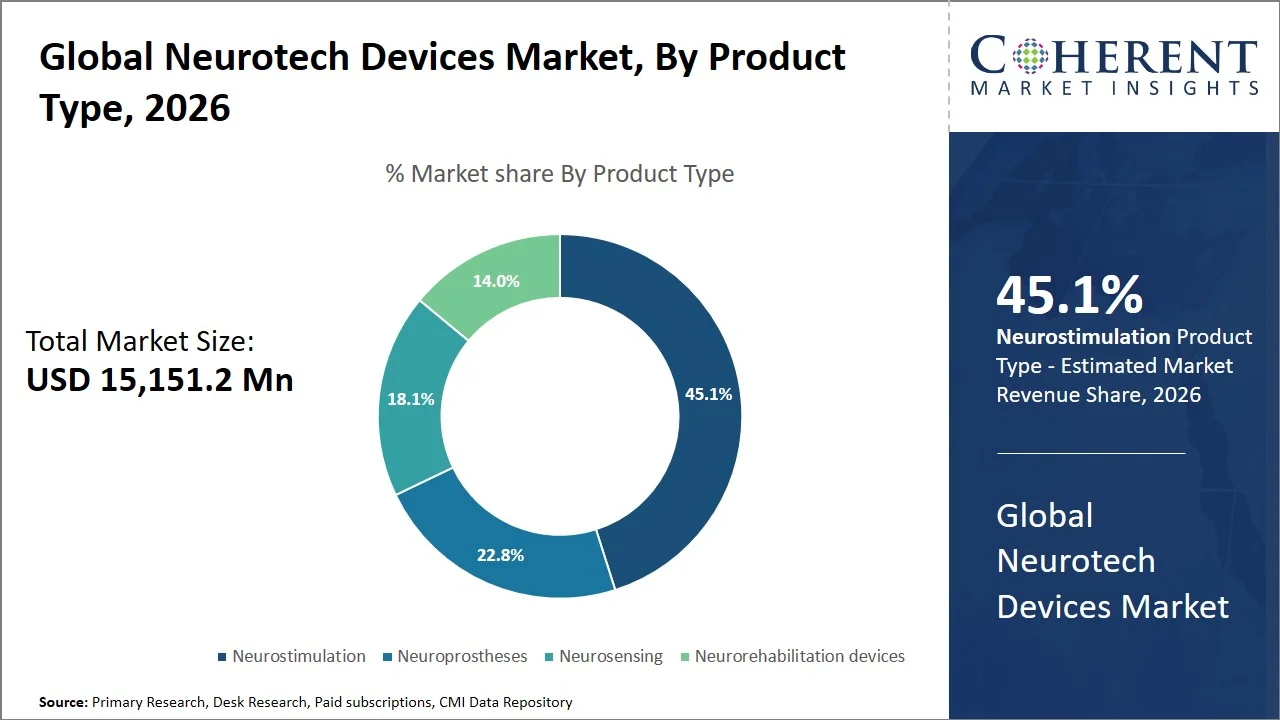
- Neurostimulation is projected to hold 45.1% of the global neurotech devices market share in 2026, making it the dominant product type segment, especially in North America. Deep brain stimulation, spinal cord stimulation and vagus nerve stimulation devices are widely being adopted in clinics for diseases such as Parkinson's disease, epilepsy, chronic pain and treatment-resistant depression. The U.S. is still the largest market due to wide reimbursement coverage, high burden of neurological diseases and steady technological improvements in implantable neurostimulation systems. Fo instance, a study conducted in the U.S. that has been published by the National Library of Medicine, shows that more than 5,500 procedures related to deep brain stimulation (DBS) were conducted on hospital admissions, representing how quickly neurostimulation technologies are being adopted by hospitals and specialty centers within the U.S. (Source: National Library of Medicine)
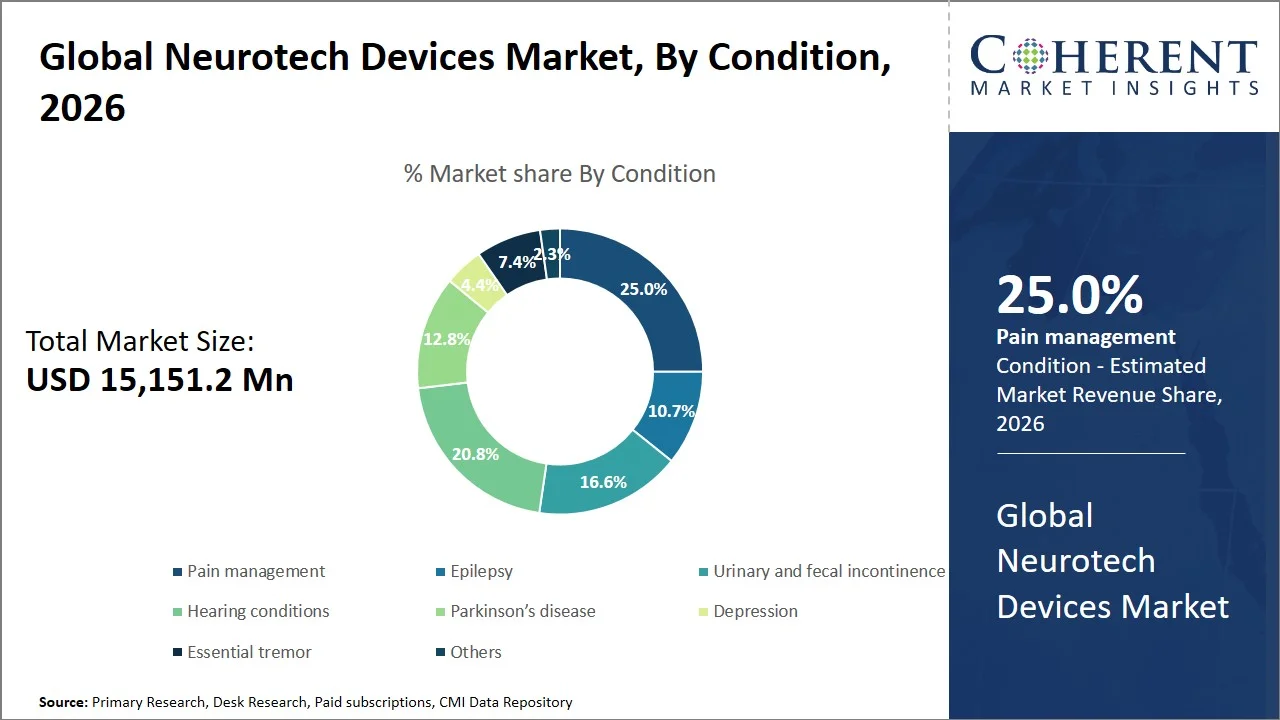
- Pain management is projected to hold 25.0% of the global neurotech devices market share in 2026, making it the dominant condition segment, with significant penetration in North America attributed to the increase in the number of people suffering from chronic pain disorders, increased sensitivity and propensity of pain and number of physicians leaning towards non-opioid therapies are the other reasons for this. Neurostimulation-based pain management therapies such as spinal cord stimulation, peripheral nerve stimulation is increasingly being used in indications such as pain disorders, failed back surgery syndrome, and musculoskeletal disorders. For instance, according to research published by ScienceDirect, chronic pain affects almost a third of the world's population, and the U.S. Centers for Disease Control and Prevention (CDC) estimated that 24% of U.S. adults have chronic pain. This broad patient demographic, in conjunction with rising consciousness about the complications associated with the use of opioids, is hastening the penetration of sophisticated neurotech-based pain management devices in the region. (Source: ScienceDirect)
- The hospitals segment is projected to hold 71.8% of the global neurotech devices market share in 2026, making it the dominant end user segment, with high penetration in North America bolstered by the proliferation of prominent neurosurgical hospitals, rising penetration of deep brain stimulation (DBS) procedure, and climbing investments in neurological infrastructure. Hospitals across the U.S. are adopting AI-enabled neurotechnology platforms, robotic-assisted neurosurgery systems and adaptive neurostimulation devices for Parkinson's disease and epilepsy. For instance, UCHealth announces the deployment of the first adaptive deep brain stimulation system in North America for Parkinson's disease which can automatically determine the most appropriate amount of stimulation based on a patient's brain activity, a sign of how more and more innovative neurotech systems are making their way into hospitals throughout the region. (Source: UCHealth)
- North America maintains dominance with an expected share of 34.9% in 2026, bolstered by high incidence of neurological diseases, widespread acceptance of state-of-the-art neurostimulation modalities, and reimbursement scenarios. Moreover, the region boasts the presence of several top neurotechnology firms (such as Medtronic plc, Boston Scientific Corporation, Abbott Laboratories, and NeuroPace, Inc), modern healthcare infrastructure, and increasing funding for brain-computer interface (BCI) and neuromodulation research. For instance, U.S. Food and Drug Administration approved a number of next-generation neurostimulation and neurological monitoring devices. This suggests a robust regulatory and commercialization environment for neurotechnology in the region. (Source: Food and Drug Administration)
- Asia Pacific is expected to exhibit the fastest growth with an estimated contribution of 21.6% share in 2026, fueled by a rapidly growing elderly populace, rising neurological disease prevalence, and an improving healthcare infrastructure throughout China, India, Japan, and South Korea, along with increasing government funding towards neurological studies, more widespread availability of advanced neurological therapies, and increasing utilization of less invasive neurostimulation procedures, the regional market is also growing at a brisk pace. For instance, Japan has been a forerunner in advocating robotic assisted elderly care and rehabilitation robotics. Since aging and unavailability of caretakers are the major issues, implementation of robotic care technologies for elderly care by the Japanese government with help of subsidy to nursing homes has been a step forward to facilitate comprehensive use of neurotechnology and rehabilitation robotics in elderly care. (Source: Stanford University)
- Rising Adoption of Closed-Loop Neurostimulation for Personalized Therapy: Adaptive closed-loop neurostimulation devices are becoming more popular as they monitor neural activity and automatically regulate electrical stimulation levels accordingly. These systems improve efficacy in various indications including movement disorders, epilepsy, chronic pain, by minimizing overstimulation and enabling more targeted treatment. Increasing demand for individualized neuromodulation treatments along with advancements in AI-enabled neural monitoring are likely to drive further growth in the neurotech devices market.
- Growing Demand for Neurorehabilitation Technologies in Stroke Recovery: In recent years, the emerging neurorehabilitation technologies have been used by a number of institutions in stroke recovery, including those that facilitate re-learning of the brain, restore motor function, and rehabilitate patients’ cognitive functions. A majority of these neurotech devices, like robotic assisted rehab machines, AI assisted motion therapy systems, and EEG facilitated neuro feedback devices are playing an important role in stroke recovery programs. The increasing emphasis on function outcome, home based rehab solutions, and neurological treatment during the later stages of stroke management is further enabling widespread adoption of neurorehabilitation technologies in hospitals and rehab centers.
Why Does the Neurostimulation Segment Dominate the Global Neurotech Devices Market?
Neurostimulation is projected to hold a market share of 45.1% in 2026, attributed to the superior efficacy of neurostimulation in chronic neurological conditions such as epilepsy, Parkinson’s disease, chronic pain, treatment resistant depression, etc. As compared to long term pharmacological treatment approaches, neurostimulation devices are preferred clinically owing to providing targeted neural modulation with negligible systemic side effects. The advent of advanced closed loop stimulation systems, wireless programming solutions, and minimally invasive device implantation methods has been aiding in improving the efficacy and patient outcomes.
The segment is also characterized by increasing adoption of neurostimulation in the management of psychiatric, cognitive disorders and related neurodegenerative conditions, in addition to growing inclination towards personalized neuromodulation-based therapies. Moreover, proliferating outpatient procedure options for neurostimulation devices is facilitating their increased patient adoption. For instance, Mayo Clinic emphasized an increased utilization of deep brain stimulation (DBS) therapy for the treatment of movement disorders, including Parkinson's disease and essential tremor, due to its unique capacity to modulate dysregulated brain activity and restore normal motor functioning in refractory patients. (Source: Mayo Clinic)
Why Does Pain Management Represent the Largest Condition Segment in the Global Neurotech Devices Market?
To learn more about this report, Request Free Sample
Pain management is projected to hold a market share of 25.0% in 2026, driven by the growing incidences of chronic pain syndromes in aging populations, due to neuropathies, musculoskeletal disorders and postsurgical complications. The increasing clinical use of neurostimulation devices including dorsal column stimulators and peripheral nerve stimulators as a safe and effective long-term pain treatment modality, especially in nonresponsive patients, is greatly contributing to the segment growth. Concerns over the opioid dependence and side-effects of drugs are further boosting the usage of neurotech-based pain treatment devices.
Growing product innovations such as minimally invasive implantation techniques, rechargeable stimulators and programmable stimulating parameters are further enhancing the segment growth. Expanding usage areas in failed back surgery syndrome, neuropathic pain and complex regional pain syndrome are also strengthening the segment dominance. For instance, Cleveland Clinic mentions spinal cord stimulation therapy as being commonly prescribed to treat cases of chronic back pain, neuralgia, and complex regional pain syndrome due to sending low electrical impulses through the spinal cord to disrupt pain signals sent to the brain. (Source: Cleveland Clinic)
Hospitals Segment Dominates the Global Neurotech Devices Market
The hospitals segment is projected to hold a market share of 71.8% in 2026, due to their specialized neurological treatment services based on state-of-the-art diagnostic and surgical services essential for advanced neurotechnology procedures. Hospitals employ multidisciplinary team of neurologists, neurosurgeons, rehabilitation experts and neurophysiologists to facilitate complete management of neurological ailments. The procedure room and perioperative image guided technologies keep hospitals as the preferred sites for implantable neurostimulation procedures. Continual expansion of hospital-based neurorehabilitation programs and advanced neuromodulation techniques will continue to propel hospital segment growth.
The country-level favorable reimbursement scenarios and increasing trend of adoption of AI based neurotherapeutic models are expected to keep hospitals as the primary source for neurotechnology related interventions worldwide. For instance, Mass General Brigham established a new Center for Brain Circuit Therapeutics to focus on next-generation neuromodulation and neurotechnology-based therapies for neurological and psychiatric diseases. This underscores the increasing importance of hospitals in implementing innovative neurotech. (Source: Brigham and Women's Hospital)
Currents Events and their Impact
|
Current Events |
Description and its Impact |
|
U.S. FDA Strengthens Good Machine Learning Practice (GMLP) Framework for AI-Enabled Neurotechnology Devices (December 2025) |
|
|
European Union Expands AI Act Compliance Requirements for High-Risk Neurotechnology and Medical Devices (March 2025) |
|
Uncover macros and micros vetted on 75+ parameters: Get instant access to report
(Source: Food and Drug Administration, European Commission)
Global Neurotech Devices Market Dynamics
To learn more about this report, Request Free Sample
Market Drivers
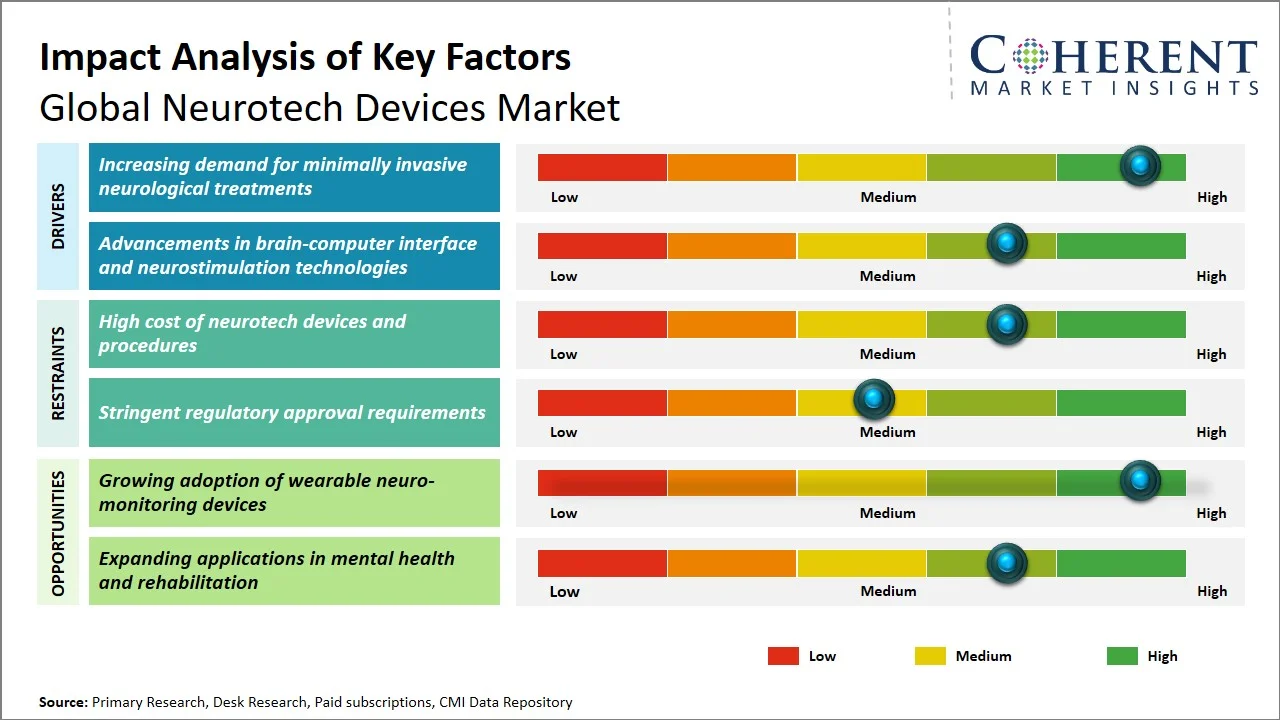
- Increasing demand for minimally invasive neurological treatments: The use of less-invasive techniques enables healthcare providers to offer their patients treatment options that are associated with minimal risks, lower costs, decreased hospital stay and faster recovery periods, which in turn encourages the widespread utilization of the latest neurotechnology. Devices such as robot-assisted surgery systems, implantable neurostimulators, and catheter-based approaches for pain management or imaging allow more specific treatment of neurological diseases with reduced trauma when compared to open neuro-surgical procedures. The increased incidence of debilitating neurological conditions such as Parkinson's disease, cerebral palsy, epilepsy, traumatic brain injury, and stroke has increased the awareness of less-invasive techniques that also bring several advantages. Shorter hospital stays and faster recoveries are considered highly advantageous by both the patients and healthcare service providers that strive to better allocate their resources. For instance, Mayo Clinic details the use of minimally invasive deep brain stimulation (DBS) to treat movement disorders. This approach allows for easier management of symptoms with less trauma to the body and shorter recovery times. (Source: Mayo Clinic)
- Advancements in brain-computer interface and neurostimulation technologies: Ongoing developments in brain-computer interface (BCI) and neurostimulation systems are major positive catalysts for the neurotech devices market. Technologies such as wireless transmission of neural signals, AI-driven interpretation of brain signals, closed-loop neurostimulation systems and less invasive neural implants are enabling more precise treatment and better patient outcomes in a number of neurological indications. Neurostimulation is being more widely adopted in the management of paralysis, epileptic seizures, movement disorders, and cognitive rehabilitation. Increasing R&D investments and a surge in clinical studies are facilitating more commercialization of next-generation neurotechnology platforms. For instance, in January 2024, Neuralink gained public attention after the company's announcement of successful human implantation of its brain-computer interface technology that restores communication and device control to patients suffering from total paralysis. (Source: Neuralink)
Emerging Trends
- Integration of AI-Powered Predictive Neurology Platforms: Neurotech tools that utilize artificial intelligence (AI) and predictive analytics, such as EEG-derived algorithms, are predicted to be a key growing trend in neurological diagnosis and treatment. These tools will analyze neural activity patterns to help facilitate early detection of seizures, cognitive deterioration, and abnormal movements, and therefore offer proactive treatment options to assist patients.
- Growing Adoption of Wearable Neurotechnology Device: The demand for wearable neurotech devices like portable EEG headsets, sleep bands, and non-invasive neurostimulation wearables are booming as they gain popularity for at-home neurological monitoring and treatment. The growth can be attributed to the emerging demand for remote patient monitoring, digital therapeutics, and sustained neurological evaluation in non-clinical environments.
Regional Insights
To learn more about this report, Request Free Sample
Why is North America a Strong Market for Neurotech Devices?
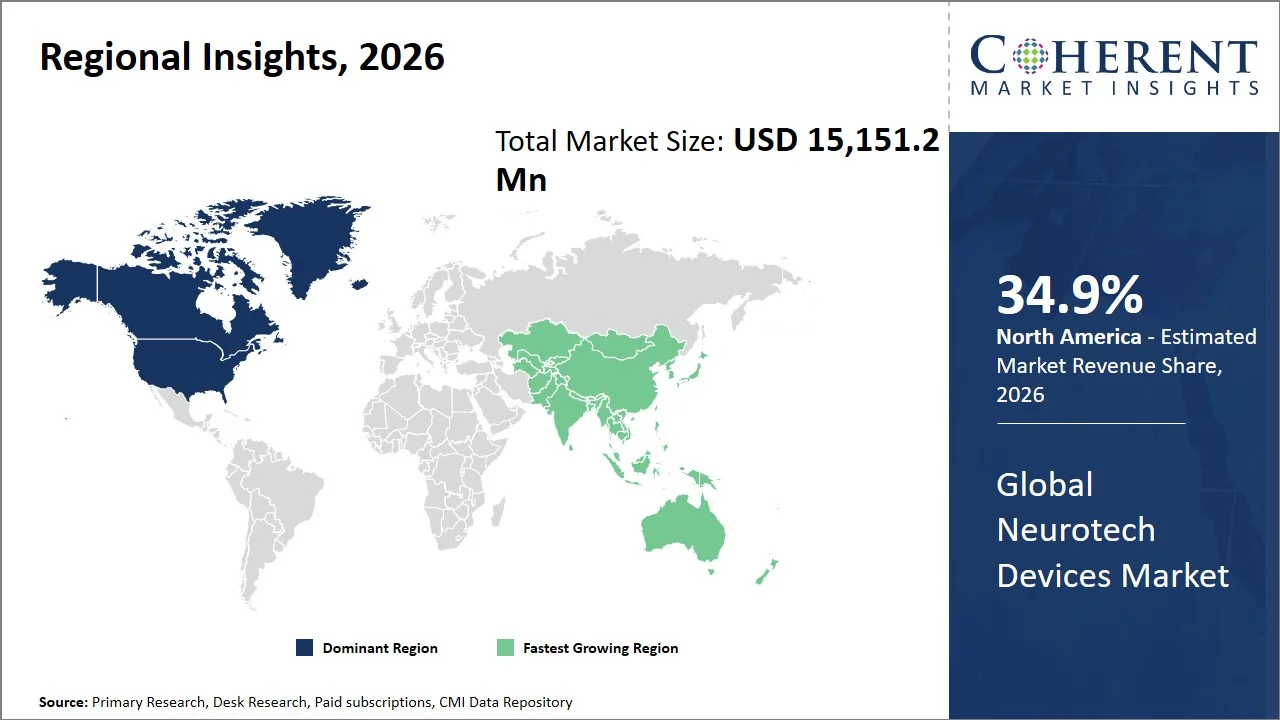
North America leads the global neurotech devices market, accounting for an estimated 34.9% share in 2026, owing to the region’s well-developed healthcare infrastructure, large investments in research and development and high adoption of high-end medical technologies. The presence of a mature medical devices industry and top neurotechnology companies such as Medtronic, Boston Scientific and Abbott Laboratories, has played an important role in boosting North America leadership in the global neurotech devices market. Additionally, the North America neurotech devices market has tremendous government support through grants and funding from the National Institute of Health (NIH) and the Food and Drug Administration’s (FDA’s) rapid regulatory approvals that have bolstered technological breakthroughs and reduced time-to-market for innovative products.
The region is also characterized by a vibrant ecosystem of academic research centers and university - industry partnerships for the development of innovative neurotech devices for Parkinson’s disease, epilepsy, and chronic pain. For instance, in April 2025, Johns Hopkins University revealed ongoing growth of the National Institute of Health (NIH)-supported "NeuroTech Harbor" program in partnership with Howard University to speed the market readiness of neurotechnology advancements for Parkinson's disease, epilepsy, chronic pain, and related neurological disorders via collaborations between universities and industry. (Source: Johns Hopkins University)
Why Does the Asia Pacific Neurotech Devices Market Exhibit High Growth?
The Asia Pacific neurotech devices market is expected to exhibit the fastest growth with an estimated contribution of 21.6% share to the market in 2026, driven by increasing healthcare investment, growing recognition of neurological diseases and advanced regulatory policies to promote device approvals. Countries such as China, Japan, South Korea, and India are witnessing rapid adoption of neurostimulation and neuromodulation devices owing to improving healthcare infrastructure and burgeoning patient population. For instance, in February 2025, Japan expanded its national Brain/MINDS initiative to hasten the progress of advanced brain mapping, neurotechnology and AI-enabled neurological research programs to enhance diagnosis and management of neurological conditions. This has been boosting the use of neuro-monitoring, neurorehabilitation and brain-computer interface technologies within the country's healthcare and research systems. (Source: Brain/MINDS 2.0)
The market is further propelled by government initiatives to promote local innovation and manufacturing, such as China’s "Healthy China 2030" strategy and Japan’s initiatives to develop elderly care technologies. In addition, new entrants from within the region such as Shenzhen Mindray Bio-Medical Electronics and Nihon Kohden Corporation, along with foreign manufacturers establishing local manufacturing units will further drive the regional neurotech devices industry.
Global Neurotech Devices Market Outlook for Key Countries
Why is the U.S. Leading Innovation and Adoption in the Neurotech Devices Market?
The U.S. dominates the neurotech devices market in innovation and commercialization as advanced neurocomputation technology such as brain-computer interface (BCI), neuromodulation and AI-enabled neurological monitoring systems are fast-to-market in clinical use. The U.S. has built a strong ecosystem of neuroscience research institutes, digital health companies, neurosurgical clinics, and neurodevice startups which is leading to an accelerated commercialization of the same. The adoption of neurotechnology in the realms of movement disorder therapy, cognitive rehabilitation, and remote neurological monitoring is gaining much prominence in real-world use cases across hospitals and specialty neurology clinics in the country. The U.S. is also witnessing high momentum in the development and commercialization of adaptive neurostimulation devices and neuro-monitoring wearables for personalized neurological care.
Is Canada a Favorable Market for Neurotech Devices?
Canada has a strong market potential for neurotech devices owing to the proliferation of neurotechnology into niche areas of neurological rehabilitation and specialty neurological treatment. Growing number of academic hospitals and neurology centers adopting neurostimulation therapies, cognitive monitoring devices and digital neurorehabilitation solutions. Growing collaborative health care ecosystem of Canada enabling development and clinical testing of new neurotechnology applications for managing neurodegenerative diseases, stroke rehab and mental health disorders. Growing interest in remote neurological care and neuro-monitoring solutions for homecare.
Is China Emerging as a Key Growth Hub for the Neurotech Devices Market?
China is rapidly emerging as a significant growth region for the neurotech devices market, owing to a rapid proliferation of AI-based neurological treatment modalities and the development of smart medical devices across the nation. The market is also witnessing an increasing utilization of neurotech in applications such as neurorehabilitation, cognitive diagnostics and brain-computer interface research in China’s vast metropolitan health systems. Innovation in the domestic front in the domain of wearable neuro-monitoring platforms and digital neurology is also playing a crucial role in consolidating the country’s position in the global neurotech landscape. Furthermore, rising penetration of intelligent healthcare infrastructure is compelling a faster adoption of advanced neurodiagnostic and neuromodulation technologies for clinical and rehabilitative applications.
Why Does Germany Top the Europe Neurotech Devices Market?
Germany leads the Europe market for neurotech devices owing to its developed penetration of neurotechnology in precision medicine, neurorehabilitation and advanced neurosurgical treatment delivery pathways. It has developed sufficient competencies across neuromodulation therapies, robotic-assisted neurotherapies and cognitive retraining technologies in centers of excellence. It is also witnessing an increase in the adoption of AI-enabled neurodiagnostics workflows, digital neurology platforms and neurodiagnostics systems in Germany for personalized treatment pathways. Growing collaborative tie-ups between neurodiagnostics device developers and neuroscience institutes are also driving the adoption of implantable and wearable neurotech devices.
Is the Neurotech Devices Market Developing in Japan?
The market for neurotech devices in Japan is gradually emerging owing to the rising implementation of neurotechnology in elderly and neurocognitive care, as well as, rehabilitation-oriented healthcare services. There is a rising adoption of robotic neurorehabilitation systems, wearable neurological monitoring and diagnostic devices, and other supportive neurotechnologies that aid age-related neurological issues in Japan. The adoption of smart neurorehabilitation platform integrating neurofeedback, motion analysis, and digital therapeutics for functional recovery is also gaining momentum in Japan. The domestic penetration of neurotechnology-enabled neurological homecare is further contributing toward long-term market growth in Japan.
Regulatory Landscape Governing the Global Neurotech Devices Market
|
Region |
Authority & Classification |
Approval Pathway |
Key Regulatory Insight |
|
North America |
U.S. Food and Drug Administration (FDA) – Class II & Class III neurological devices |
510(k), De Novo, and Premarket Approval (PMA) pathways depending on device risk profile |
Neurotech devices such as implantable neurostimulators and brain-computer interfaces require stringent clinical validation, cybersecurity assessment, software verification, and long-term safety monitoring. AI-enabled neurotechnology products are increasingly reviewed under FDA’s evolving AI/ML device framework. |
|
Europe |
European Medicines Agency (EMA) & European Commission under Medical Device Regulation (MDR 2017/745) |
CE Mark approval through Notified Bodies under MDR compliance |
Neurotechnology devices integrated with AI, neural data analytics, and implantable stimulation systems face stricter post-market surveillance, clinical evidence, and data governance requirements under MDR and EU AI Act implementation. |
|
Asia Pacific |
Pharmaceuticals and Medical Devices Agency (PMDA – Japan), National Medical Products Administration (NMPA – China), CDSCO (India) |
Country-specific regulatory approval with local clinical evaluation requirements |
Governments across Asia Pacific are strengthening regulatory oversight for AI-enabled neurological devices, particularly focusing on patient safety, neural data protection, and localization requirements for implantable neurotechnology systems. |
|
Latin America |
ANVISA (Brazil), COFEPRIS (Mexico) |
Medical device registration and local compliance review |
Latin American countries are gradually harmonizing neurological device regulations with U.S. FDA and EU MDR standards to improve safety, device traceability, and quality assurance for implantable neurotechnology products. |
|
Middle East & Africa |
Saudi Food and Drug Authority (SFDA), UAE Ministry of Health & Prevention (MOHAP), South African Health Products Regulatory Authority (SAHPRA) |
Import licensing, device registration, and regional conformity assessment |
Regulatory frameworks in the region are increasingly emphasizing digital health governance, cybersecurity compliance, and approval standardization for advanced neurodiagnostic and neuromodulation technologies. |
Uncover macros and micros vetted on 75+ parameters: Get instant access to report
How is the growing adoption of wearable neuro-monitoring devices creating new growth opportunities in the global neurotech devices market?
The increasing use of wearable neuro-monitoring devices presents huge opportunities in the neurotech devices market as these devices allow real-time continuous monitoring of neurological functioning beyond hospital environment. Continuous wearable EEG headset, sleep monitor bands and neuro tracking patches are being used increasingly for monitoring of epilepsy, cognitive performance testing, sleep related disorders and early detection of neurological abnormality. These devices enable remote patient monitoring, eliminate hospital dependence and enables long term neurological data collection for customized treatment approaches. Rising popularity of home healthcare, digital therapeutics and tele-neurology services are strengthening the adoption of wearable neurotechnologies across regions. Advancements in wireless connectivity, AI based neural analytics and miniaturization of biosensors are also improving the accuracy and ease of use of these devices. For instance, in January 2025, Neurable further developed AI-based wearable EEG for real-time cognitive and attention monitoring in daily settings. (Source: Neurable)
Market Players, Key Development, and Competitive Intelligence
To learn more about this report, Request Free Sample
Key Developments
- In April 2026, Motif Neurotech received U.S. FDA clearance for the first human clinical trials of a therapeutic brain-computer interface (BCI) intended to combat depression resistant to other treatments. The purpose of the trial is to assess the efficacy and safety of the implantable brain stimulation device in the treatment of such debilitating conditions.
- In December 2024, ElectroCore signed a deal to buy NeuroMetrix and its wearable neuromodulation system, Quell. This strategic move is expected to reinforce the firm's presence in the non-invasive bioelectronic medicines and wellness industry. The agreement allows the organization to increase its neurotechnology offerings further and improve on wearable and cloud-enabled neuromodulation technologies.
Competitive Landscape
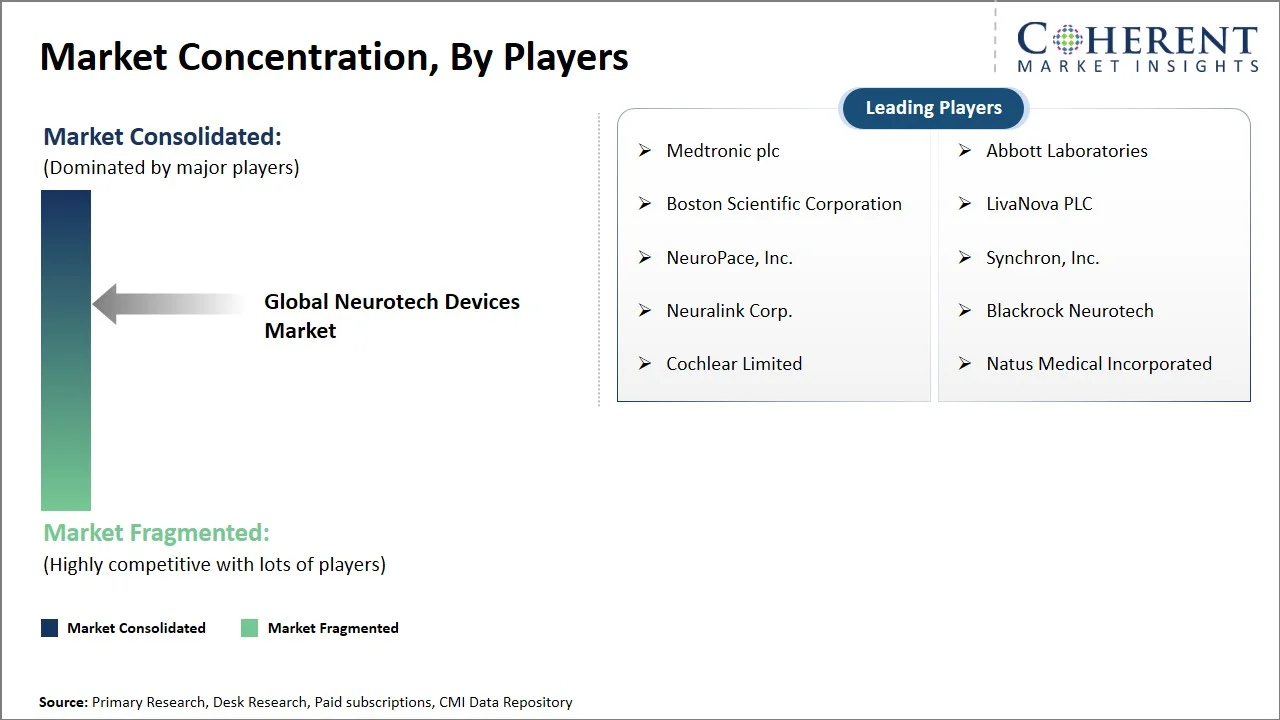
The global neurotech devices market is moderately competitive, with competition focused advancing the technology, optimizing the treatment approach, small form-factor of the device, and the incorporation of AI enabled neuromonitoring modules in the devices. Market players are investing in launch of minimally invasive neurostimulation systems, wearable neuromonitoring devices, and advanced brain computer interface platforms. Companies are also focusing on developing closed loop stimulation devices, wireless connectivity, and personalized neuromodulation solutions to improve patient outcomes and ease of use for patients. Key focus areas include:
- Development of AI-enabled and closed-loop neurostimulation systems
- Expansion of wearable neuro-monitoring and remote neurological assessment devices
- Investment in minimally invasive and wireless neurotechnology platforms
- Enhancement of real-time neural data analytics and personalized therapy solutions
- Strategic collaborations with hospitals, neuroscience institutes, and rehabilitation centers
Market Report Scope
Neurotech Devices Market Report Coverage
| Report Coverage | Details | ||
|---|---|---|---|
| Base Year: | 2025 | Market Size in 2026: | USD 15,151.2 Mn |
| Historical Data for: | 2020 To 2024 | Forecast Period: | 2026 To 2033 |
| Forecast Period 2026 to 2033 CAGR: | 10.8% | 2033 Value Projection: | USD 31,000.1 Mn |
| Geographies covered: |
|
||
| Segments covered: |
|
||
| Companies covered: |
Medtronic plc, Abbott Laboratories, Boston Scientific Corporation, LivaNova PLC, NeuroPace, Inc., Synchron, Inc., Neuralink Corp., Blackrock Neurotech, Cochlear Limited, and Natus Medical Incorporated |
||
| Growth Drivers: |
|
||
| Restraints & Challenges: |
|
||
Uncover macros and micros vetted on 75+ parameters: Get instant access to report
Analyst Opinion (Expert Opinion)
- The global neurotech devices market is forecast to be led by the integration of artificial intelligence, brain-computer interface (BCI) systems, wearable neuro-monitoring platforms and personalized neuromodulation interventions in the coming years. The traditional hospital-centric neurological care paradigm is slowly being replaced with more portable, continuous, data-rich and minimally invasive neurotechnology solutions for real-time brain function monitoring and on-demand therapy administration. Greater adoption of AI-supported neural data intelligence, tele-precise monitoring and digital therapeutics are set to revolutionize the brain disease treatment landscape in the next decade.
- The maximum opportunities will probably exist in neurostimulation and wearable neuro-monitoring markets in the U.S., Japan and China, mainly targeting Parkinsons disease, epilepsies, post-stroke neurorehabilitation and chronic pain. The growing aging population, escalation of neurology disease burden and healthcare digitization trend in these markets are driving demand for minimally invasive neurotechnology platforms and at-home neurological care solutions. The Asia Pacific markets are also expected to adopt neurotechnology for rehabilitation and AI-enabled cognitive monitoring at a faster pace.
- In order to gain a competitive advantage, the market players should develop AI-powered and less invasive neurotechnology devices with real-time monitoring and adaptive stimulation functions. Investing in wearable neuro-monitoring systems, closed loop neurostimulation systems, and cloud-based neurologic data analytics would be advantageous for long-term differentiation. Further, to bring the AI-enabled devices to the market faster, competitors should focus on regulatory strategies and establish partnerships with hospitals and neuroscience research institutes and conduct more clinical validation studies.
Market Segmentation
- Product Type Insights (Revenue, USD Mn, 2021 - 2033)
- Neurostimulation
- Neuroprostheses
- Neurosensing
- Neurorehabilitation devices
- Condition Insights (Revenue, USD Mn, 2021 - 2033)
- Pain management
- Epilepsy
- Urinary and fecal incontinence
- Hearing conditions
- Parkinson’s disease
- Depression
- Essential tremor
- Others
- End User Insights (Revenue, USD Mn, 2021 - 2033)
- Hospitals
- Ambulatory Surgical Centers (ASCs)
- Homecare facilities
- Others
- Regional Insights (Revenue, USD Mn, 2021 - 2033)
- North America
- U.S.
- Canada
- Latin America
- Brazil
- Argentina
- Mexico
- Rest of Latin America
- Europe
- Germany
- U.K.
- Spain
- France
- Italy
- Russia
- Rest of Europe
- Asia Pacific
- China
- India
- Japan
- Australia
- South Korea
- ASEAN
- Rest of Asia Pacific
- Middle East
- GCC Countries
- Israel
- Rest of Middle East
- Africa
- South Africa
- North Africa
- Central Africa
- North America
- Key Players Insights
- Medtronic plc
- Abbott Laboratories
- Boston Scientific Corporation
- LivaNova PLC
- NeuroPace, Inc.
- Synchron, Inc.
- Neuralink Corp.
- Blackrock Neurotech
- Cochlear Limited
- Natus Medical Incorporated
Sources
Primary Research Interviews
- Neurologists, neurosurgeons, and neurorehabilitation specialists utilizing neurostimulation and neuro-monitoring technologies
- Hospital procurement managers and neuro care administrators managing neurotechnology device adoption
- Brain-computer interface (BCI) researchers and neuroengineering professionals involved in neural interface development
- Neurodiagnostic laboratory professionals and EEG monitoring specialists conducting neurological assessments
- Medical device distributors and healthcare supply chain professionals supplying neurotechnology systems
- Rehabilitation center professionals and movement disorder specialists utilizing neurorehabilitation devices
Stakeholders
- Neurostimulation and neurotechnology device manufacturers
- End-use Sectors
- Hospitals and neurology specialty clinics
- Neurorehabilitation and stroke recovery centers
- Ambulatory surgical centers and outpatient neurological care facilities
- Research institutes and neuroscience laboratories
- Home healthcare and remote neurological monitoring settings
- Regulatory & Health Bodies: U.S. Food and Drug Administration (FDA) – neurological and implantable medical device regulations, European Commission – EU MDR and AI Act compliance framework for neurotechnology devices, Pharmaceuticals and Medical Devices Agency (PMDA), Japan – neurotechnology and digital health device approvals, National Medical Products Administration (NMPA), China – AI-enabled neurological device registration standards, World Health Organization (WHO) – neurological disorder burden and digital health guidelines
Databases
- FDA Medical Device Databases – neurological device approvals and classification data
- WHO Global Health Observatory – neurological disease prevalence and healthcare infrastructure statistics
- OECD Health Statistics – neurological care expenditure and healthcare utilization data
- ClinicalTrials.gov – neurotechnology clinical trial and neurostimulation research data
Magazines
- Medical Device Network – neurotechnology and neuromodulation device developments
- MedTech Dive – AI-enabled medical device and neurotechnology regulatory updates
- NeuroTech Business Report – brain-computer interface and neurostimulation industry trends
- Medical Product Outsourcing (MPO) – neurotechnology manufacturing and outsourcing trends
- Healthcare Purchasing News – hospital procurement and neurological device supply chain updates
Journals
- Journal of Neural Engineering
- Nature Neuroscience
- Frontiers in Neuroscience
- Journal of NeuroEngineering and Rehabilitation
- Neuromodulation: Technology at the Neural Interface
Newspapers
- Financial Times – healthcare technology and AI-enabled medical device coverage
- The Wall Street Journal – neurotechnology investments and healthcare innovation developments
- The New York Times (Health Section) – neuroscience and digital health trends
- The Guardian (Science & Health) – brain-computer interface and neurological research coverage
Associations
- Society for Neuroscience (SfN)
- International Neuromodulation Society (INS)
- Advanced Medical Technology Association (AdvaMed)
- Medical Device Manufacturers Association (MDMA)
- American Academy of Neurology (AAN)
Public Domain Sources
- World Health Organization (WHO) – neurological disorder prevalence and disability statistics
- U.S. Centers for Disease Control and Prevention (CDC) – neurological disease and brain injury statistics
- National Institutes of Health (NIH) – neuroscience and brain-computer interface research data
- European Commission Digital Health Portal – AI and neurotechnology regulatory developments
- OECD Health Data – neurological healthcare expenditure and patient care statistics
Proprietary Elements
- CMI Data Analytics Tool, Proprietary CMI Existing Repository of information for last 10 years.
Share
Share
About Author
Manisha Vibhute is a consultant with over 5 years of experience in market research and consulting. With a strong understanding of market dynamics, Manisha assists clients in developing effective market access strategies. She helps medical device companies navigate pricing, reimbursement, and regulatory pathways to ensure successful product launches.
Missing comfort of reading report in your local language? Find your preferred language :
Transform your Strategy with Exclusive Trending Reports :
Frequently Asked Questions
EXISTING CLIENTELE
Joining thousands of companies around the world committed to making the Excellent Business Solutions.
View All Our Clients