

Global Graves’ Disease Market Size and Forecast – 2026-2033
According to Coherent Market Insights, the global graves’ disease market is estimated to be valued at USD 2.30 Bn in 2026 and is expected to reach USD 3.26 Bn by 2033, exhibiting a compound annual growth rate (CAGR) of 5.1% from 2026 to 2033. This steady growth reflects increasing awareness, improved diagnostic techniques, and advancements in treatment options driving the market expansion over the forecast period.
Key Takeaways of the Graves’ Disease Market
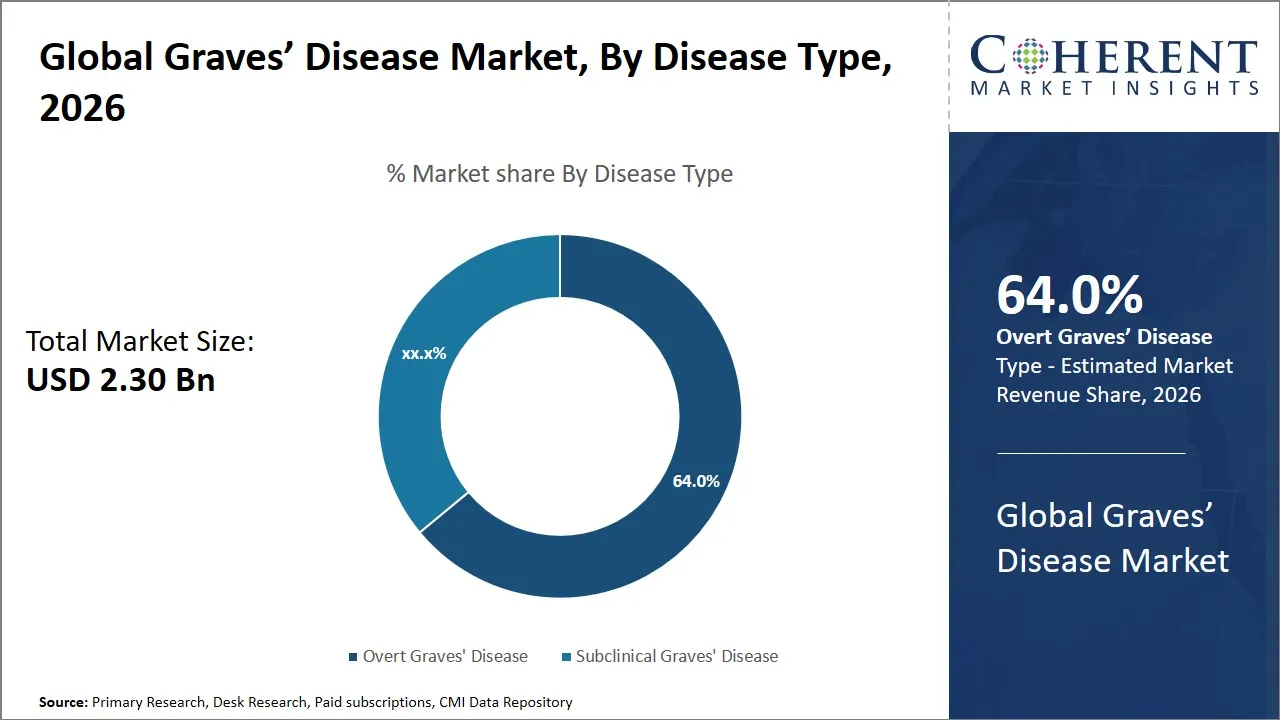
- Overt graves’ disease segment is expected to lead the graves’ disease market, capturing 64% share in 2026.
- Thyrotoxicosis segment is estimated to represent 37% of the market share in 2026.
- Clinical evaluation segment is projected to dominate with 34% of the global graves’ disease market share in 2026.
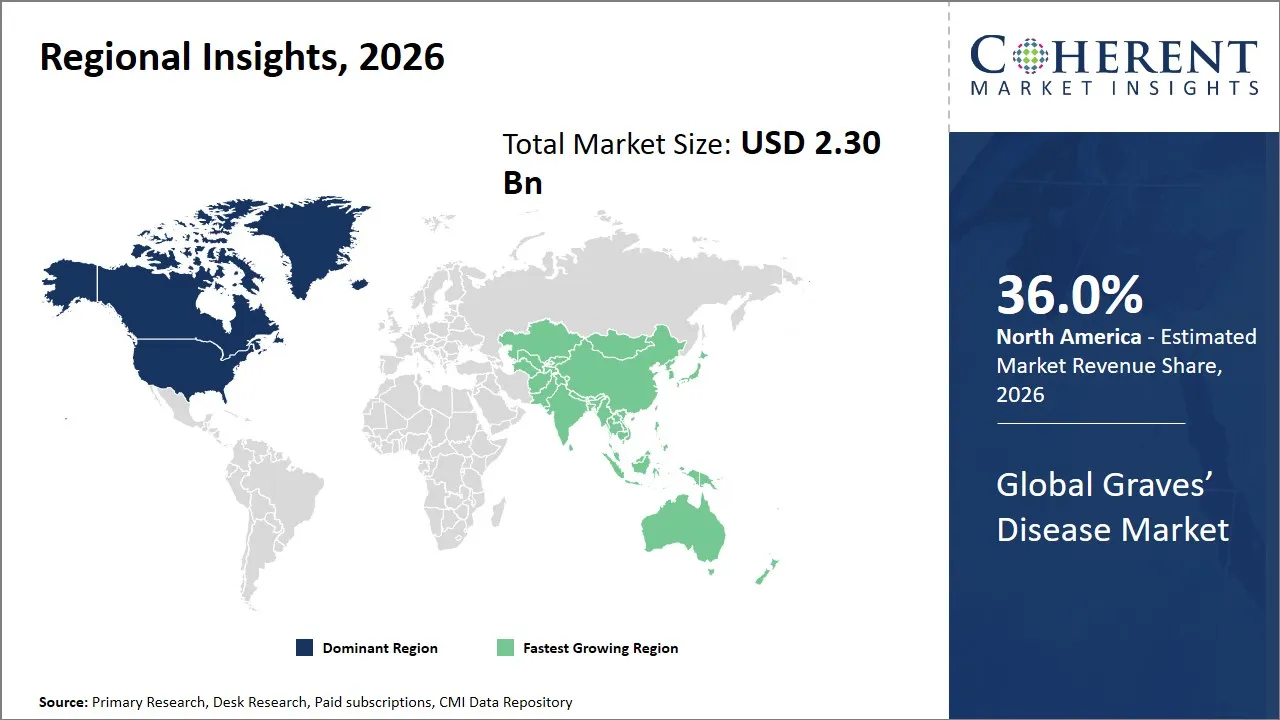
- North America is expected to lead the market, holding a share of 36% in 2026. Asia Pacific is anticipated to be the fastest-growing region, with 23% share in 2026.
Market Overview
- The increasing incidence of autoimmune diseases, particularly thyroid disorders, is driving the demand for graves’ disease treatments globally.
- The market is seeing a shift toward biologic therapies and advanced treatment options, offering more targeted and effective solutions for patients.
- With the development of AI-assisted and next-generation diagnostic tools, the market is experiencing earlier detection and more accurate diagnoses.
- Public health initiatives and screening programs are increasing awareness, leading to earlier diagnoses and better access to treatment.
Current Events and Its Impact
Current Events | Description and its Impact |
Approval of New Graves’ Disease Treatment |
|
Increased Awareness and Early Diagnosis |
|
Segmental Insights
- Current Industry Events of 2026
- Market Size Estimation
- Regional Breakdown
- Competitive Landscape
- Customer Intelligence
- Segmental Analysis
- Pricing Analysis
- Key Market Drivers, Challenges & Future Trends
- Customized Insights Section
Why Does the Overt Graves’ Disease Segment Dominate the Global Graves’ Disease Market in 2026?
The overt graves’ disease segment is expected to hold the largest share of 64% in 2026, primarily fueled by the distinct and severe clinical manifestations associated with overt disease that prompt immediate medical attention and facilitate diagnosis. The overt graves’ disease patients generally have transparent signs and symptoms of hyperthyroidism that is manifested through loss of weight, palpitations, heat intolerance, and unpredictable variations in metabolism. These eminent clinical manifestations stimulate early doctor consultations, and hence the growth of the need for therapeutic and management interventions to counter overt presentations.
For instance, globally, Graves’ disease (most cases presenting as overt hyperthyroidism) affects about 1 in 200 people worldwide, equivalent to roughly 0.5% of the population.
(Source- https://www.ncbi.nlm.nih.gov/books/NBK285567/#:~:text=)
Why Does the Thyrotoxicosis Segment Dominate the Global Graves’ Disease Market in 2026?
The thyrotoxicosis segment is projected to hold the largest share of 37% in 2026, largely due to its high prevalence and substantial impact on patient health and daily functioning. Graves’ disease is typified by thyrotoxicosis, which is characterized by excessive circulation of thyroid hormones that lead to hypermetabolism in the body and is met by tachycardia, anxiety, sweating, tremors and weight loss among some of the most common symptoms.
Its prevalence among symptomatic patients is overwhelming and thus it is the major factor that leads to diagnosis as well as therapeutic intervention. The significant role of thyrotoxicosis in market segmentation can be attributed to the fact that the disease impacts greatly the quality of life of patients, which in most instances require urgent and long-term medical care to counter the potentially life-threatening complications.
For instance, a 38‑year‑old woman developed resistant thyrotoxicosis due to alemtuzumab treatment for multiple sclerosis, requiring emergency thyroidectomy. These highlights evolving drug safety considerations for autoimmune patients at risk of thyroid crises.
(Source- https://www.cureus.com/articles/360811-alemtuzumab-induced-resistant-)
Clinical Evaluation Dominates the Global Graves’ Disease Market
The clinical evaluation segment is expected to capture the highest share of 34% in 2026, due to its accessibility, cost-effectiveness, and pivotal role in the initial detection and ongoing management of graves’ disease. Clinical assessment is carried out by taking detailed patient history, examining them physically as well as evaluating typical signs like goiter, ophthalmopathy and hyperthyroid effects. This method is also a pillar since it can be easily done in most healthcare facilities such as primary care without necessarily using specialized apparatus. The extensive use of clinical assessment is caused by its capability to give a big picture of the presentation of a patient, which leads to further testing of the diagnosis and ability to suspect something early leading to confirming tests.
Treatment Pathway Split in Graves' Disease: From Symptom Control to Long-Term Solutions
- Initial Symptom Control: The first step in the treatment of patients with graves’ disease is to manage the symptoms with anti-thyroid drugs (including methimazole) to suppress the overproduction of thyroid hormones. Tachycardia and tremors are also typical symptoms of which beta-blockers (e.g., propranol) are also used to manage.
- Long-Term Management Options: Long-term management of Graves’ disease entails such options as radioactive iodine therapy (RAI) to ablate the thyroid gland that results in hypothyroidism, which is subsequently treated with thyroid hormone replacement therapy. Alternatively, other patients can choose to undergo a thyroidectomy (removal of thyroid) based on cases.
Regional Insights
North America Graves’ Disease Market Analysis and Trends
The North America region is projected to lead the market with a 36% share in 2026, driven by a well-established healthcare infrastructure, high awareness levels, and the presence of advanced diagnostic and therapeutic facilities. The region enjoys a high government subsidization rate in healthcare funding and positive policies in reimbursement, especially in the U.S. and Canada, which make use of innovative treatments possible. The ecosystem consists of big pharmaceutical firms that are big in terms of research and development of autoimmune and thyroid disorders. Giants like Pfizer, Novartis, and Eli Lilly are strong in the industry and have been involved in leading the market due to constant innovations and partnerships with top medical facilities. Streamlined regulatory approvals and an established supply chain affects the trade dynamics, which contributes to the rapid penetration of advanced biologics and targeted therapies in the market.
For instance, in May 2025, according to health statistics referenced by the Cleveland Clinic, Graves’ disease affects approximately 1 % of people in the U.S., making it the most common autoimmune cause of hyperthyroidism in the country. The condition occurs when the immune system mistakenly stimulates the thyroid gland to produce excessive thyroid hormones, leading to classic symptoms such as rapid heartbeat, weight loss, tremors, and fatigue.
(Source- https://www.yalemedicine.org/conditions/graves-disease)
Asia Pacific Graves’ Disease Market Analysis and Trends
The Asia Pacific region is expected to exhibit the fastest growth in the graves’ disease market contributing 23% share in 2026, propelled by increasing healthcare expenditure, rising patient awareness, and expanding healthcare infrastructure in emerging economies such as India, China, and Southeast Asian countries.
The growing disposable income and urbanization in conjunction with government efforts to enhance access to healthcare are driving the need to find useful options of treatment. The market ecosystem is experiencing an increasing local manufacturing capacity in addition to international organizations making entry through partnerships and licensing agreements. Companies such as Takeda Pharmaceutical, Sun Pharmaceutical, and Jiangsu Hengrui Medicine are also significant players in the area and pay much attention to personalized treatment and cost-effectiveness.
Graves’ Disease Market Outlook for Key Countries
What are the Current Trends Shaping the U.S. Graves’ Disease Market?
The U.S. graves' disease market benefits from a high standard of advanced healthcare facilities, substantial investment in research and development, and the strong presence of the pharmaceutical industry. Big pharmaceutical firms such as Pfizer and Eli Lilly are recognizable, having the innovative therapies and having robust clinical trial programs. This is because the government is focused on autoimmune research and the reimbursement policy that supports the accessibility of the treatment, and industry coupled with academic centers encourage innovation. This is a highly correlated ecosystem that keeps the nation at the forefront in the management of graves.
How is Germany Helping in the Growth of the Graves’ Disease Market?
The market for graves’ disease in Germany is marked with a well-developed health care system and a very strict regulatory environment which encourages a high standard of care of thyroid disorders. The existence of major pharmaceutical firms like Bayer and Boehringer Ingelheim justifies the competitiveness of the market. Government healthcare policies are firm and innovative treatments are reimbursed and increasing focus on personalized medicine is defining therapeutic strategies. Germany is an important market in Europe regarding the treatment and diagnosis of graves’ disease due to the well-developed diagnostics and treatment facilities.
Key Drivers for the Growth of the China Graves’ Disease Market
The fast-growing market for graves’ disease in China is supported by the growing healthcare infrastructure, and more government efforts targeted at handling chronic diseases. The local pharmaceutical companies such as Jiangsu Hengrui and Sino Biopharmaceutical, and multinational companies such as Takeda are influential with the orientation on affordable and accessible treatments. The constant alterations in regulatory channels have made the response of the products more efficient since the awareness and screening programs have led to the early diagnosis of the disease and the uptake of treatment among the population.
India Graves’ Disease Market Trends
The graves’ disease market in India is developed due to growing healthcare awareness, the development of infrastructure, and state programs on the expansion of healthcare in rural areas. Local organizations like Sun Pharmaceutical are leveraging on their high presence with low-cost drug portfolios, and multinational corporations are entering via joint ventures to exploit the large number of patients. Although there are some issues associated with affordability and disparities in healthcare access, with continuous public health campaigns and policy assistance, the coverage rate of graves’ disease diagnosis and treatment has gradually increased.
Pipeline Heat Map in Graves' Disease: Advancements in Drug Development and Therapeutic Landscape
- The pipeline heat map of graves’ disease is a graphical depiction of all the drug development projects currently underway to treat Graves' disease, a depiction of the therapeutic field, its discovery and development first into an early clinical trial. As the autoimmune thyroid disorder draws more attention, several pharmaceutical industries are actively developing new forms of biologics, immune-modulating therapies and targeted medications to provide the patients with a more effective and safe option. The pipeline comprises a variety of therapies that are meant to treat the underlying causes of the disease especially immunotherapy, hormone regulation, and symptom management.
- With the expansion of the graves’ disease market, Pipeline Heat Map identifies the market players and their drug candidates at various stages of development. It is also able to trace the geographical coverage and regulatory licenses that may impact market forces. The map shows that although the current approaches to thyroid ablation, which include radioactive iodine and surgery are the common approaches to treating the disease, there are new candidates that seek to slow the disease progression and increase the long-term outcomes. Firms are investigating the use of combination therapies and personalized medicine so as to increase patient compliance and reduce side effects. This dynamic situation offers huge prospects of innovation in the treatment of Graves’ disease with immunotherapies and biologic agents taking center stage.
Market Players, Key Developments, and Competitive Intelligence
Key Developments
- In December 2025, Argenx SE announced it is discontinuing its Phase 3 UplighTED studies evaluating efgartigimod (Vyvgart) subcutaneous (SC) in adults with moderate to severe thyroid eye disease (TED), after an Independent Data Monitoring Committee (IDMC) recommended stopping the trials for futility following interim analysis results.
- In December 2025, VYNE Therapeutics Inc. and Yarrow Bioscience, Inc. entered into a definitive merger agreement in an all‑stock transaction that will combine the two companies into a single entity named Yarrow Bioscience, Inc., expected to trade on Nasdaq under the ticker YARW.
- In April 2025, Tepezza (teprotumumab), the first targeted therapy for thyroid eye disease (TED) associated with Graves’ disease, received a positive opinion from the European Medicines Agency (EMA). The European Commission granted full marketing authorization in June 2025, expanding its global reach after FDA approval in January 2020 and approval in Japan in September 2024. This marks a significant milestone in offering a treatment for TED, a previously underserved condition.
Top Strategies Followed by Global Graves' Disease Market Players
Player Type | Strategic Focus | Examples |
Established Market Leaders | Established players in the Graves' disease market are focusing heavily on R&D investments to create high-performance products and innovative treatments, improving patient outcomes. These companies are also forming strategic partnerships with OEMs to strengthen their supply chains and enhance product portfolios. | Sanofi has significantly invested in expanding its biologic therapies for autoimmune diseases, including Graves' disease, while forming partnerships with global distributors to enhance its market reach in emerging economies. |
Mid-Level Players | Mid-level players in the Graves' disease market focus on cost-effective treatment solutions, offering generic drugs, biosimilars, and diagnostic kits to cater to price-sensitive patients. They often form collaborative agreements and joint ventures with CMOs and technology providers to improve production efficiency and expand market reach. | Mylan (now part of Viatris) has successfully marketed generic versions of thyroid medications, collaborating with local distributors in emerging markets to provide affordable treatment options for Graves' disease. |
Small-Scale Players | Small-scale players in the graves' disease market focus on niche innovations like telemedicine platforms, personalized medicine, and novel drug delivery systems to address specific patient needs. They form local alliances with startups, research institutions, and regional manufacturers to enhance market entry, improve distribution, and navigate regulatory challenges, leveraging their flexibility to capture underserved segments. | Elios Therapeutics is a small player developing personalized treatment approaches for Graves' disease, partnering with local research institutes to enhance their drug delivery systems and gain market access in emerging regions. |
Market Report Scope
Graves’ Disease Market Report Coverage
| Report Coverage | Details | ||
|---|---|---|---|
| Base Year: | 2025 | Market Size in 2026: | USD 2.30 Bn |
| Historical Data for: | 2020 To 2024 | Forecast Period: | 2026 To 2033 |
| Forecast Period 2026 to 2033 CAGR: | 5.1% | 2033 Value Projection: | USD 3.26 Bn |
| Geographies covered: |
| ||
| Segments covered: |
| ||
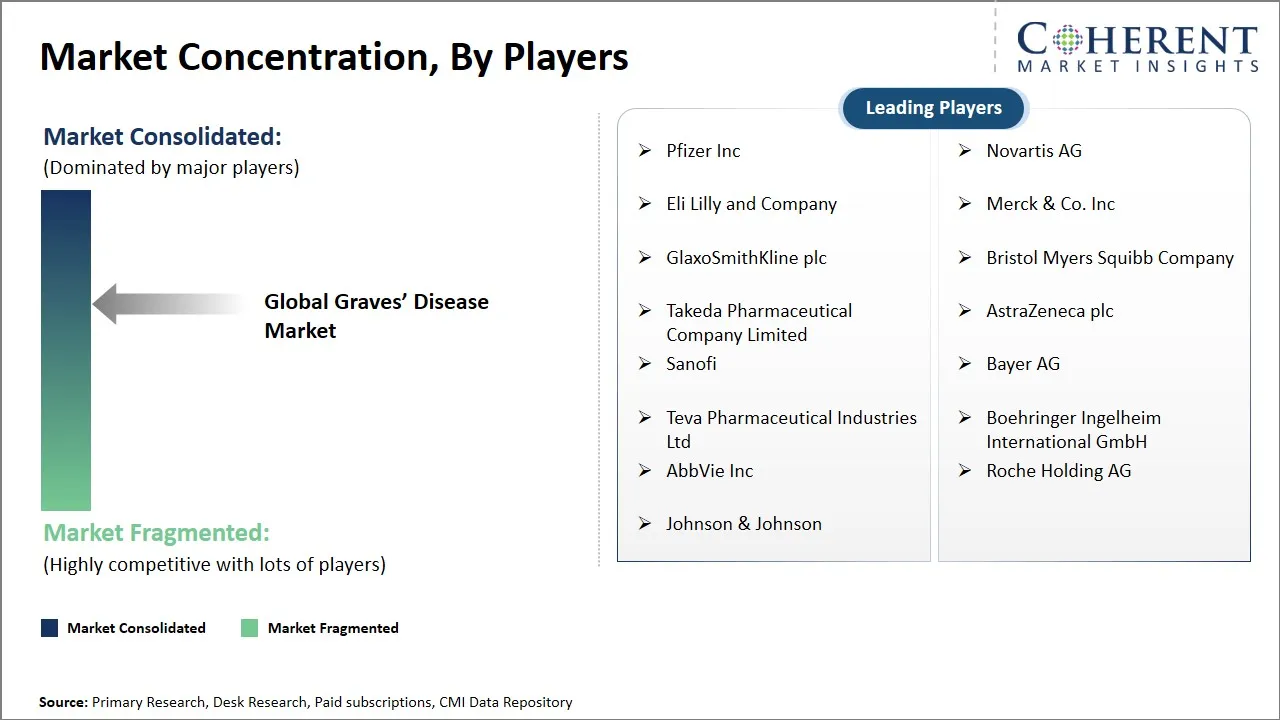
| Companies covered: | Pfizer Inc, Novartis AG, Eli Lilly and Company, Merck & Co. Inc, GlaxoSmithKline plc, Bristol Myers Squibb Company, Takeda Pharmaceutical Company Limited, AstraZeneca plc, Sanofi, Bayer AG, Teva Pharmaceutical Industries Ltd, Boehringer Ingelheim International GmbH, AbbVie Inc, Roche Holding AG, and Johnson & Johnson | ||
| Growth Drivers: |
| ||
| Restraints & Challenges: |
| ||
Global Graves’ Disease Market Dynamic
Global Graves’ Disease Market Driver - Rising Prevalence of Autoimmune Thyroid Disorders
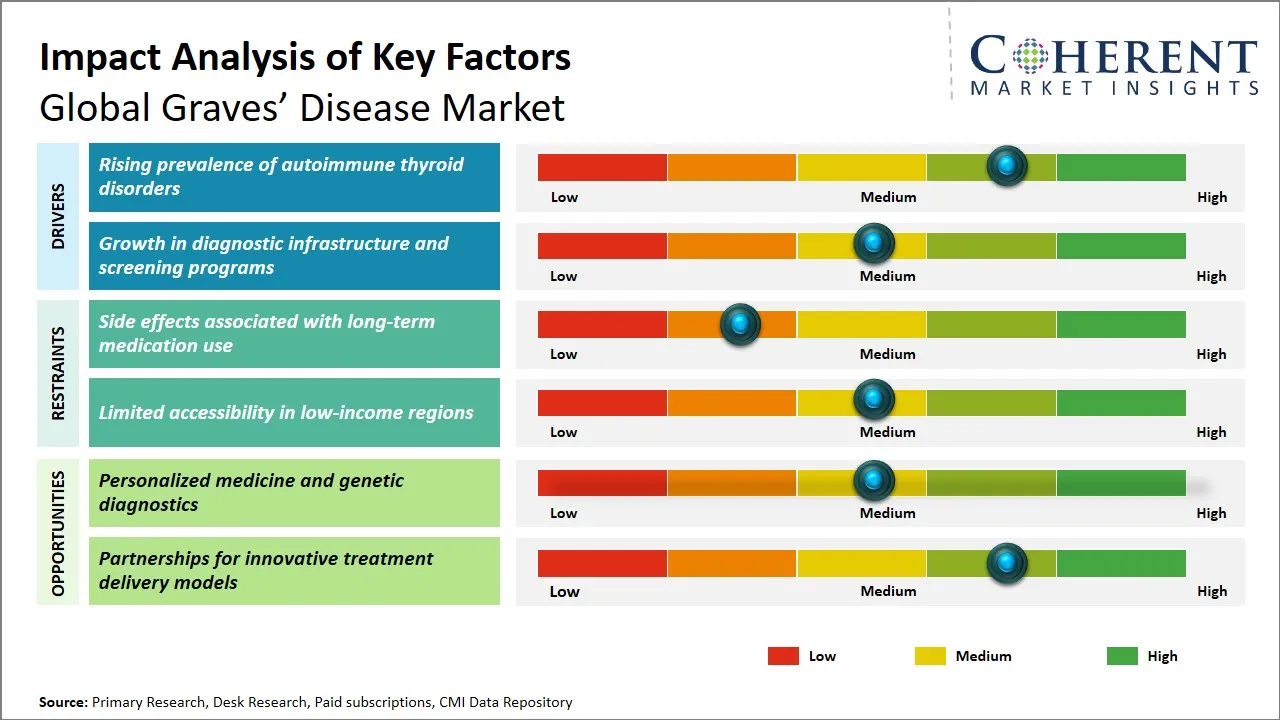
The phenomenon of the growing prevalence of autoimmune thyroid diseases and the graves’ disease in particular is having a strong impact on the market of Graves’ disease in the world. Different reasons including genetic inclination, environment stimulation and lifestyle modification have also led to a perceptible increase in the count of patients diagnosed with autoimmune thyroid conditions. This causes hyperthyroidism due to the mistaken action of the immune system against the thyroid gland resulting in such symptoms like loss of weight, decreased temperature, and palpitations causing a resultant demand of effective diagnostic instruments and therapeutic interventions.
For instance, in the U.S., approximately 20 million Americans are affected by some form of thyroid disease, with a significant portion remaining undiagnosed. Autoimmune conditions are a major cause, with Graves' disease being the most common cause of hyperthyroidism, accounting for 60% to 80% of cases in the U.S.
(Sources- https://www.thyroid.org/media-main/press-room/#:~:text=)
Global Graves’ Disease Opportunity - Personalized Medicine and Genetic Diagnostics in the Global Graves' Disease Market
A major opportunity in the worldwide market of Graves’ disease is case of personalized medicine and genetic diagnostics. Graves’ disease which is an autoimmune disorder resulting in hyperthyroidism has a significant variation in clinical manifestation and response to treatment across different patients. The recent progress in the field of genomics and molecular biology has allowed detecting several genetic markers and molecular pathways that play a role in the pathogenesis of the disease. With such insights, the benefits of personalized medicine would allow customizing therapies based on individual genetic profiles to enhance effectiveness of treatment and minimize adverse effects. Genetic diagnostics enables clinicians to better and more precisely diagnose the patient at earlier stages to stratify patients according to their risk factors and anticipated treatment outcomes. This subdivision will simplify intervention, whether it is the use of suitable immunomodulatory agents or hormone replacements.
For instance, in February 2025, Graves' disease is responsible for 60-80% of hyperthyroidism cases, with hyperthyroidism affecting approximately 1.2% of the U.S. population. This significant patient pool underscores the growing need for advanced diagnostics in the management of autoimmune thyroid disorders. With millions of individuals potentially suffering from Graves' disease, genetic diagnostics and personalized medicine are becoming critical tools in providing targeted treatments and improving patient outcomes.
(Source- https://www.ncbi.nlm.nih.gov/books/NBK448195/#:~:text=Introduction,Pathophysiology)
Analyst Opinion (Expert Opinion)
- The graves’ disease market can be characterized by significant trends such as high level of technological progress in the sphere of diagnostics and treatment and as a result, new genetic tests are being offered that make it possible to detect the disease at early stages and work out more individual treatment programs. Additionally, the new biologics and immunotherapies are being supported by regulations and this is opening the door to more effective treatments thereby widening the treatment options. Overall demand in the market is also increasing due to the growing instances of autoimmune diseases, coupled with the increased awareness of thyroid disorders. Meanwhile, the potential of the emerging markets remains very high because of the development of healthcare infrastructure. Nevertheless, there are problems like treatment costs, comorbidity issues, and supply chain problems that are still present.
- Over the past few years, significant events such as the International Thyroid Congress and the American Thyroid Association meetings have united the global community of experts to exchange ideas on the management and the new forms of treatment of graves’ disease. Such meetings have contributed significantly to development of clinical guidelines and promotion of cooperation among the industry leaders. When implemented in practice, programs such as those, initiated by the World Health Organization (WHO) to increase access to diagnostic in the low-income areas, would most likely lead to a better situation in terms of detection and availability of treatment of the disease in the world and have a long-term positive effect on the market.
Speak to the analyst
Want personalized insights?
Take the findings above to one of our principal consultants, or have the report rebuilt around the segments, geographies and competitors you actually track.
Market Segmentation
- Disease Type Insights (Revenue, USD Bn, 2021 - 2033)
- Overt Graves’ Disease
- Subclinical Graves’ Disease
- Symptom Insights (Revenue, USD Bn, 2021 - 2033)
- Thyrotoxicosis
- Graves Orbitopathy (Ocular)
- Dermopathy (Pretibial Myxedema)
- Other Systemic Manifestations
- Diagnostic Method Insights (Revenue, USD Bn, 2021 - 2033)
- Clinical Evaluation
- Imaging
- Ultrasound
- Radioiodine Uptake Scan
- MRI/CT (for orbitopathy)
- Laboratory
- TSH
- Free T3/Free T4
- TSH Receptor Antibodies (TRAb)
- Treatment Modality Insights (Revenue, USD Bn, 2021 - 2033)
- Pharmacological
- Antithyroid Drugs
- Methimazole
- Propylthiouracil
- Carbimazole
- Beta Blockers
- Corticosteroids
- Immunosuppressants
- Antithyroid Drugs
- Radioactive Iodine Therapy
- Surgical
- Total Thyroidectomy
- Subtotal Thyroidectomy
- Adjunctive/Ocular
- Orbital Decompression
- Rituximab
- Teprotumumab
- Supportive/Other
- Lifestyle/Adjunctive Care
- Pharmacological
- End User Insights (Revenue, USD Bn, 2021 - 2033)
- Hospitals
- Specialty Clinics
- Diagnostic Centers
- Ambulatory Surgical Centers
- Home Care Settings
- Distribution Channel Insights (Revenue, USD Bn, 2021 - 2033)
- Hospital Pharmacies
- Retail Pharmacies
- Online Pharmacies
- Regional Insights (Revenue, USD Bn, 2021 - 2033)
- North America
- U.S.
- Canada
- Latin America
- Brazil
- Argentina
- Mexico
- Rest of Latin America
- Europe
- Germany
- U.K.
- Spain
- France
- Italy
- Russia
- Rest of Europe
- Asia Pacific
- China
- India
- Japan
- Australia
- South Korea
- ASEAN
- Rest of Asia Pacific
- Middle East
- GCC Countries
- Israel
- Rest of Middle East
- Africa
- South Africa
- North Africa
- Central Africa
- North America
- Key Players Insights
- Pfizer Inc
- Novartis AG
- Eli Lilly and Company
- Merck & Co. Inc
- GlaxoSmithKline plc
- Bristol Myers Squibb Company
- Takeda Pharmaceutical Company Limited
- AstraZeneca plc
- Sanofi
- Bayer AG
- Teva Pharmaceutical Industries Ltd
- Boehringer Ingelheim International GmbH
- AbbVie Inc
- Roche Holding AG
- Johnson & Johnson
Sources
Primary Research Interviews
Industry Stakeholders List
- Thyroid Disease Specialists
- Healthcare Providers in Endocrinology
End users List
- Graves’ Disease Patients
- Patient Advocacy Groups
Government and International Databases
- U.S. National Institutes of Health (NIH)
- European Medicines Agency (EMA)
- World Health Organization (WHO)
- Centers for Disease Control and Prevention (CDC)
- Health Canada
- National Health Service (NHS)
Trade Publications
- Pharmaceutical Technology
- The Pharmaceutical Journal
- PharmaTimes
- Drug Development & Delivery
- Pharmaceutical Business Review
- GlobalData Pharma
Academic Journals
- Journal of Clinical Endocrinology & Metabolism
- European Journal of Endocrinology
- Thyroid
- Journal of Autoimmunity
- Antimicrobial Agents and Chemotherapy
- Journal of Clinical Pharmacology
Reputable Newspapers
- The New York Times
- The Guardian
- The Wall Street Journal
- Financial Times
- The Washington Post
- Bloomberg
Industry Associations
- American Thyroid Association (ATA)
- European Thyroid Association (ETA)
- American Association of Clinical Endocrinologists (AACE)
- International Thyroid Association (ITA)
- Thyroid Federation International (TFI)
- Endocrine Society
Public Domain Resources
- National Library of Medicine
- ClinicalTrials.gov
- OpenFDA
- The Cochrane Library
- Google Scholar
Proprietary Elements
- CMI Data Analytics Tool: Proprietary analytics tool to analyze real-time market trends, consumer behavior, and technology adoption in market
- Proprietary CMI Existing Repository of Information for Last 8 Years
Get access to 250+ pages report
Every segment, forecast, competitor profile and data table behind the analysis above — available for instant download.
- ESOMAR Member
- ISO 9001:2015 Certified
- D-U-N-S Registered
- GDPR & CCPA Compliant
Missing comfort of reading report in your local language? Find your preferred language:
Transform your Strategy with Exclusive Trending Reports
Frequently Asked Questions
The global graves’ disease market is estimated to be valued at USD 2.30 billion in 2026 and is expected to reach USD 3.26 billion by 2033.
The CAGR of global graves’ disease market is projected to be 5.1% from 2026 to 2033.
Comorbid autoimmune conditions, such as rheumatoid arthritis or type 1 diabetes, complicate Graves' disease management by potentially requiring multiple therapies and increasing the risk of drug interactions. These conditions may also lead to increased immune system dysfunction, making treatment more challenging. Managing both conditions simultaneously can necessitate a personalized treatment approach to balance medications and minimize side effects, ensuring optimal care for both diseases.
Early diagnostic tools in Graves' disease enable faster identification of thyroid dysfunction, allowing for timely intervention with targeted treatments like anti-thyroid medications or radioactive iodine therapy. This reduces the risk of complications such as thyroid storm or eye disease, improves symptom management, and enhances overall patient outcomes by preventing disease progression and long-term thyroid damage.
Rising prevalence of autoimmune thyroid disorders and growth in diagnostic infrastructure and screening programs are the major factors driving the growth of the global graves’ disease market.
Side effects associated with long‑term medication use and limited accessibility in low‑income regions are the major factors hampering the growth of the global graves’ disease market.
In terms of disease type, overt graves’ disease is estimated to dominate the market revenue share in 2026.