

Global Heart Valve Devices Market Size and Forecast – 2026 to 2033
According to Coherent Market Insights, the global heart valve devices market is estimated to be valued at USD 15.70 Bn in 2026 and is expected to reach USD 31.90 Bn by 2033, exhibiting a compound annual growth rate (CAGR) of 10.7% from 2026 to 2033. This significant growth trajectory reflects increasing demand for advanced cardiovascular treatments, driven by a rising prevalence of heart valve diseases, technological innovations, and expanding geriatric populations worldwide. The market expansion also benefits from growing healthcare infrastructure and rising awareness about minimally invasive procedures.
Key Takeaways of the Heart Valve Devices Market
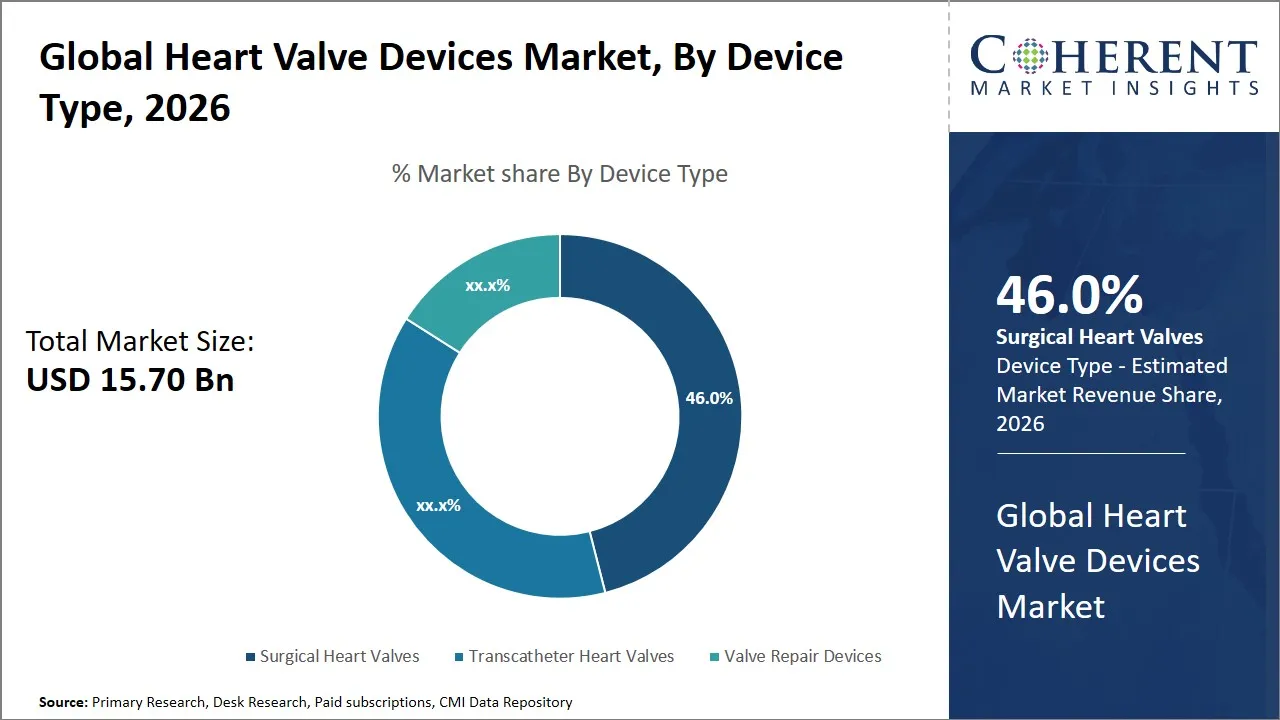
- Surgical heart valves segment is expected to lead the heart valve devices market, capturing 46% of the market share in 2026.
- Aortic valve devices segment is estimated to represent 41% of the global heart valve devices market share in 2026.
- Mechanical valves segment is projected to dominate with 47% of the market share in 2026.
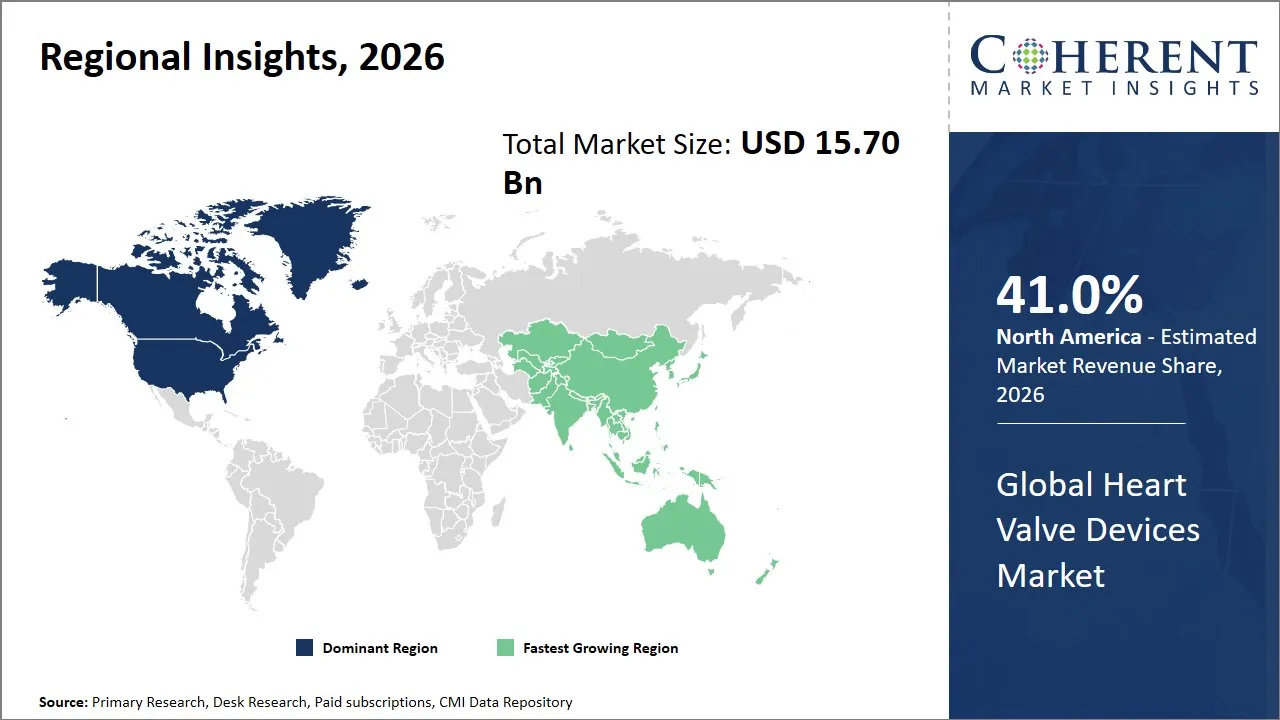
- North America is expected to lead the market, holding a share of 41% in 2026. Asia Pacific is anticipated to be the fastest-growing region, with 32% share in 2026.
Market Overview
- The global heart valve devices market is expanding rapidly, driven by increasing cases of cardiovascular diseases and a growing aging population worldwide. Technological advancements in transcatheter heart valves (THV) and robotic-assisted surgeries are driving the adoption of minimally invasive procedures, offering shorter recovery times and improved patient outcomes.
- The rising demand for biological and mechanical heart valves is fueled by innovations in medical device technologies, which enhance efficiency and accuracy in valve replacement surgeries.
- Emerging markets are contributing to market growth, as expanding healthcare infrastructure improves access to heart valve treatments in regions with increasing cardiovascular disease
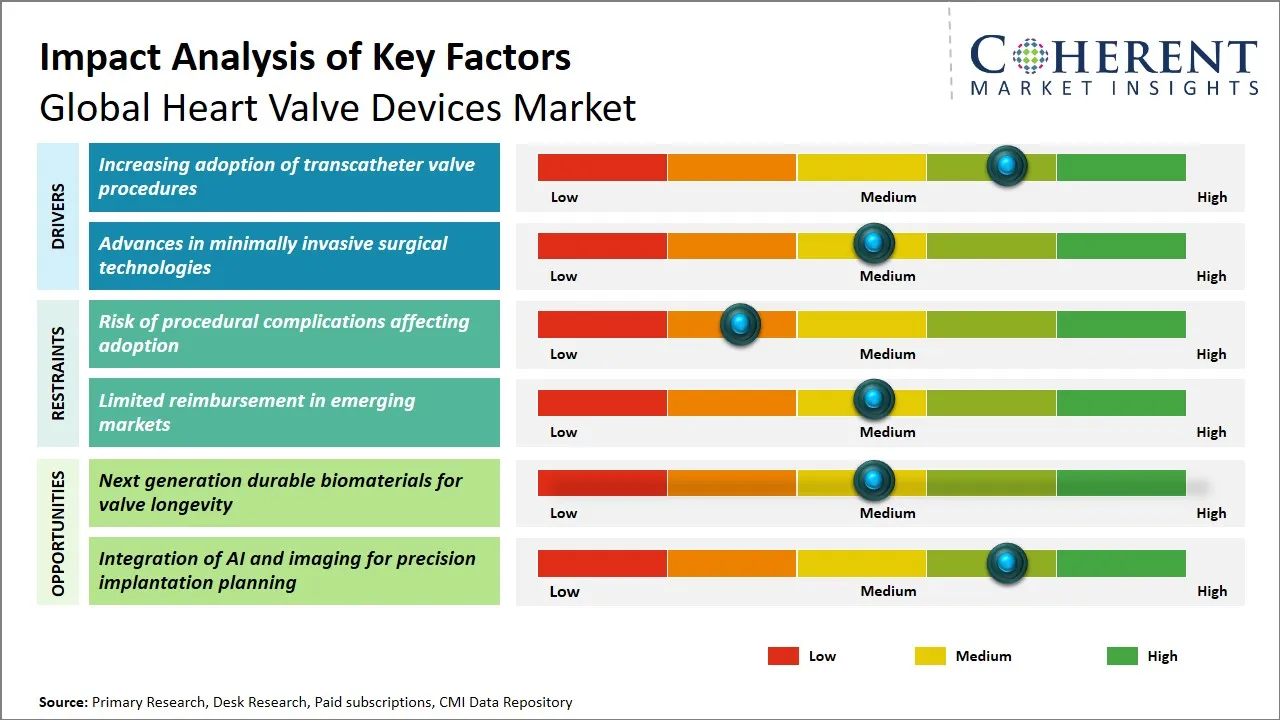
- Challenges like high procedural costs, limited reimbursement, and regulatory hurdles may restrict market expansion, particularly in lower-income regions. Despite these challenges, opportunities are emerging through innovations in biocompatible materials, AI integration, and minimally invasive technologies, paving the way for sustained growth in the heart valve devices market.
Current Events and Its Impact
Current Events | Description and its Impact |
Approval of New Transcatheter Mitral Valve |
|
Introduction of Robotic-Assisted Heart Valve Surgery |
|
Segmental Insights
- Current Industry Events of 2026
- Market Size Estimation
- Regional Breakdown
- Competitive Landscape
- Customer Intelligence
- Segmental Analysis
- Pricing Analysis
- Key Market Drivers, Challenges & Future Trends
- Customized Insights Section
Why Does the Surgical Heart Valves Segment Dominate the Global Heart Valve Devices Market?
The surgical heart valves segment is expected to hold the largest share of 46% in 2026, driven primarily by their long-standing clinical track record and broad applicability across patient populations. Replacement of heart valves in surgical interventions has been the gold standard treatment of severe valvular heart diseases. It offers consistent results that have won the trust of cardiovascular surgeons and cardiologists across the globe. Numerous clinical trials and surgical expertise have shown their long-term effectiveness and safety, making them a key therapeutic option. The surgical heart valves are widely used especially in difficult situations with convoluted anatomy and the necessity for direct surgical involvement.
The world's well-developed infrastructure and experience in open-heart procedures enable the use of surgical valves. Surgery valve implantation is recommended at facilities with advanced operating rooms and expert cardiothoracic surgery teams due to its familiarity and ability to treat several heart abnormalities in one surgery. Although there has been an emergence of less invasive transcatheter solutions, surgical valves are still necessary, particularly in the situation of multi-valve disease or when other measures such as heavy calcification are limiting.
Why are Aortic Valve Devices Widely Used in the Global Heart Valve Devices Market?
The aortic valve devices segment is projected to dominate the market, accounting for 41% of the market share in 2026, fueled by the significant prevalence of aortic valve disorders such as aortic stenosis and aortic regurgitation. Such diseases, especially aortic stenosis, are the most prevalent valvular diseases in the aging population and may require the replacement or repair of the valves. The rising point of degenerative aortic valve disease among older adults and the increasing knowledge of early diagnosis and treatment highlights the increasing demand for aortic valve devices.
Additionally, the guidelines that have been put in place that support the intervention in symptomatic severe aortic stenosis have brought about increased homogeneous treatment methods across nations. A broader range of patients undergoing therapy with aortic valve devices has also been brought about by the growing use of Transcatheter aortic valve replacement (TAVR) in patients with inoperable or high-risk conditions.
Mechanical Valves Lead the Global Heart Valve Devices Market
In terms of product category, the mechanical valves segment is expected to capture the highest share of 47% in 2026, largely attributed to their unmatched durability and cost-effectiveness over the patient’s lifetime. Mechanical valves are usually crafted of a durable metal like titanium or carbon alloys, and are therefore particularly effective in younger individuals, and those who are anticipated to live long after surgery. The longevity benefit diminishes the chances of a reoperation, which is a major factor in the making of a therapeutic decision, allowing its large-scale use in clinical practice.
In addition to this, mechanical valves have extensively reported hemodynamic performance and consistent operation in various positions of the valves. The design advancements over the years have shown better patient outcomes and lessened complications like hemolysis and thrombosis, thus have become a reliable option for many cardiac surgeons.
End User Feedback and Unmet Needs in the Global Heart Valve Devices Market
- End users, including surgeons and healthcare providers, generally report satisfaction with the accuracy and efficacy of advanced heart valve devices, particularly in minimally invasive procedures. For example, hospitals that have adopted transcatheter aortic valve replacement (TAVR) procedures note significant improvements in patient recovery times and reduced surgical risks. Surgeons also appreciate the ease of integration of robotic-assisted systems, which allow for greater precision and faster procedures, enhancing overall patient care. However, many end users express concerns about the high cost of these devices, especially in emerging markets where reimbursement structures are less robust. Another common issue is the lack of customization for certain patient profiles, particularly in pediatric and geriatric cases, where specialized valve options are limited.
- Despite these positive experiences, unmet needs remain, such as the need for more affordable solutions in lower-income regions and improved customization for specific patient groups. Addressing these gaps through affordable, adaptable products could drive growth, particularly in emerging markets. Additionally, improving regulatory pathways and offering more training and support for healthcare providers could enhance the adoption of these devices in regions with lower healthcare access. By focusing on these areas, manufacturers can foster long-term customer loyalty, expand market penetration, and accelerate innovation in heart valve technologies.
Regional Insights
North America Heart Valve Devices Market Analysis and Trends
The North America region is projected to lead the market with a 41.0% in 2026, due to a well-established healthcare infrastructure supported by substantial government funding and favorable regulatory frameworks. The existence of many major players in the medical device industry like Edwards Lifesciences, Abbott Laboratories, and Medtronic, has created a strong ecosystem of innovation and research. The area is advantaged by the high rate of cardiovascular disorders, an elderly population and the wide use of new technologies of the minimally invasive type.
Moreover, the U.S. and Canada have reimbursement policies that encourage the use of the latest heart valve interventions to establish a market leader. Dynamics in trade such as robust intellectual property protection and easy USFDA approval procedures also contribute to sustained growth and investment of the industry.
Asia Pacific Heart Valve Devices Market Analysis and Trends
The Asia Pacific region is expected to exhibit the fastest growth in the market contributing 32.0% share in 2026. This growth can be attributed to increasing healthcare expenditure, improving medical infrastructure, and rising awareness about cardiovascular diseases. Some of the countries that are experiencing the growing patient population with improved access to superior diagnosis and treatment include China, India, Japan, and South Korea. The activities of the government to modernize the healthcare system, as well as the increasing collaboration of international devices manufacturers and domestic companies, boost the speed of the technological transfer and the supply of products.
These opportunities are being exploited by major players such as Beijing SPECT Healthcare, Lepu Medical Technology, and Terumo Corporation as they customize their products to suit a local market and also through strategic partnerships. Also, there are positive trade policies and increasing medical tourism, which leads to the active development of the region.
Heart Valve Devices Market Outlook for Key Countries
What are the Current Trends Shaping the U.S. Heart Valve Devices Market?
In the global heart valve devices market, heart valve devices are still dominated by the U.S., prompted by the availability of industry leaders like Edwards Lifesciences and Abbott laboratories. The healthcare infrastructure in the country is well developed and it is conducive to the use of new technologies such as transcatheter aortic valve replacement (TAVR). Its strong reimbursement systems, encompassing high levels of health awareness, and extensive levels of clinical research activities only enhance its market standing. Regulatory efficiencies and maintaining sustained R&D investments that facilitate early commercialization of new devices also influence the U.S heart valve devices market dynamics.
How is China Helping in the Growth of the Heart Valve Devices Market?
The Chinese heart valve devices market is characterized by a high rate of growth due to heightening rates of heart diseases and growing coverage of healthcare by government reforms. Beijing SPECT Healthcare and other local manufacturers such as Lepu Medical Technology are very important in improving domestic production. The technology is adopted with the help of strategic endeavors focused on enhancing access and affordability to healthcare as well as the collaboration of global and local actors. The emphasis of government on indigenous innovation and the increase in patient numbers puts China at a key location as a market of heart valve products.
Key Drivers for the Growth of the Germany Heart Valve Devices Market
Germany has a large presence in the market due to a well-developed healthcare system that boasts of high level of medical care and well-developed research facilities. The government contributes to the development of medical technology in the country as well as good reimbursement of cardiac surgeries. General firms like Berlin Heart and Fresenius Medical Care participate in the ecosystem with the multinational giants like Medtronic with a large presence of operations. The export-based industry and strict focus on clinical validation have made Germany gain competitive advantage in the European heart valve devices market.
India Heart Valve Devices Market Trends
The market for heart valve devices is increasing rapidly in India because the number of cardiovascular diseases and the development of healthcare facilities, in particular, in cities, are increasing. Government programs of enhanced healthcare accessibility, as well as the increased insurance coverage, allow to increase the volumes of procedures. Firms such as Sahajanand Medical Technologies (SMT) use the cost-effective production to meet the needs of the domestic and the localized markets. There is also an interest of international companies in the area in terms of joint ventures and localized product development as a way of dealing with the issue of affordability and catering to the needs of various patients.
Reimbursement and DRG Stability by Region
- Reimbursement and Diagnosis-Related Group (DRG) stability are critical factors affecting the adoption and accessibility of heart valve devices, with regional differences influencing market dynamics. In North America, the reimbursement landscape for heart valve procedures, particularly transcatheter aortic valve replacement (TAVR), is robust, supported by comprehensive insurance coverage and established DRG coding systems that ensure stability for providers. This has led to increased adoption and wider access to advanced valve replacement therapies. However, reimbursement rates are heavily influenced by cost-effectiveness studies and clinical outcomes, which can vary by device type and procedure complexity.
- In Europe, reimbursement policies differ significantly across countries. While Germany and France provide strong support for heart valve device procedures, other regions like Eastern Europe face more restricted coverage due to varying healthcare budgets and regulatory constraints. Asia-Pacific presents challenges as well, with some countries having limited reimbursement structures or less comprehensive DRG stability, particularly in India and China, where economic factors influence pricing and adoption. In these regions, cost-sensitive patients may struggle to afford high-quality heart valve treatments, limiting their access to advanced procedures. Therefore, ensuring consistent reimbursement policies and DRG stability is vital for encouraging global adoption and maintaining equitable access to life-saving heart valve treatments.
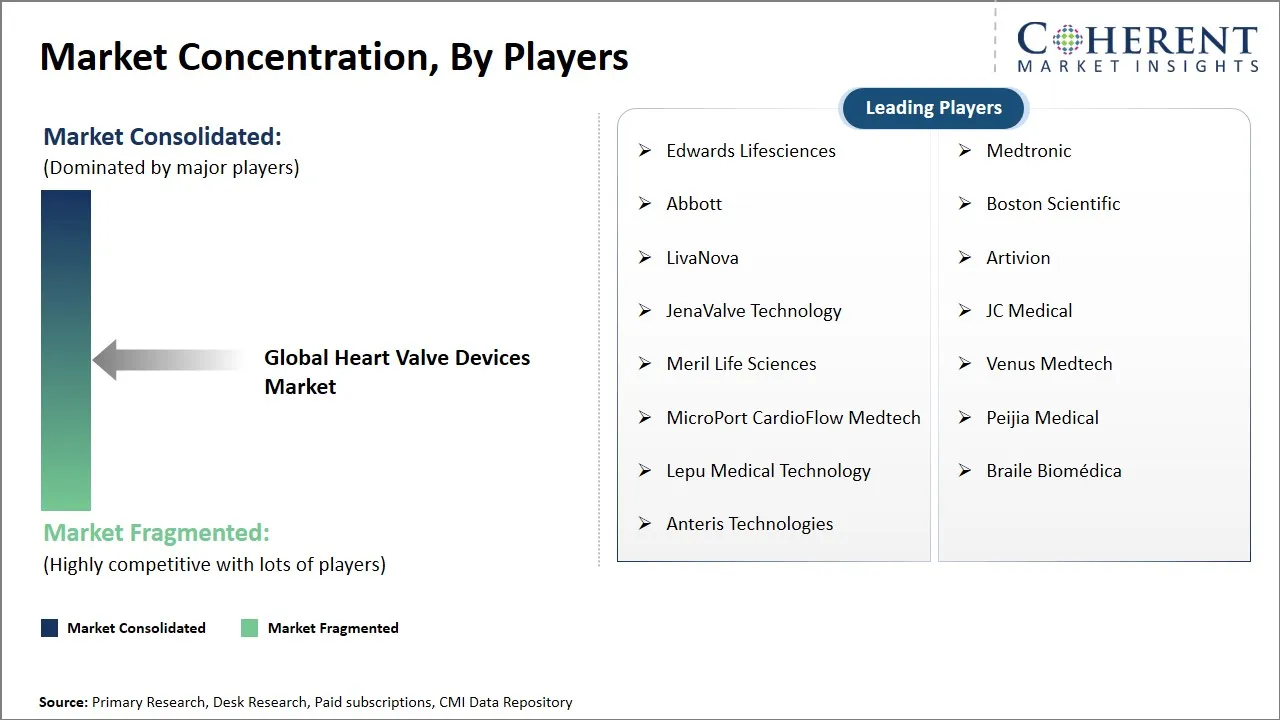
Concentration and Competitive Landscape
Key Developments
- In April 2025, Peijia Medical entered a strategic partnership with dsm-firmenich to create new and revolutionary medical devices. The two parties signing the strategic innovation partnership agreement will also focus more on the research and development of polymer heart valve materials. This could lead to a major breakthrough in high-end medical device materials around the world.
- In January 2025, ABBott, a global medical device maker, launched Navitor Vision in a state-of-the-art valve technology used to manage symptomatic severe aortic stenosis in patients with high or extreme risks of conventional surgery. Navitor Vision is the most recent innovation in the transcatheter aortic valve implantation/replacement (TAVI/TAVR) system of Abbott.
- In September 2024, TRiCares successfully started the first-ever implantations of their Topaz Transcatheter Tricuspid Valve Replacement (TTVR) device in the U.S. This is a big step toward increasing first-in-class treatment options for severe tricuspid regurgitation (TR) in North America. The FDA (U.S. Food and Drug Administration) gave the green light for an early feasibility study (TRICURE EFS) to use an Investigational Device Exemption (IDE).
Top Strategies Followed by Global Heart Valve Devices Market Players
Player Type | Strategic Focus | Examples |
Established Market Leaders | Established market leaders invest heavily in R&D to create next-generation heart valve devices that meet strict regulatory standards and improve patient outcomes. They often form strategic partnerships with OEMs and healthcare institutions to enhance their product offerings and expand market reach. | Edwards Lifesciences continues to lead the market by investing in innovative heart valve solutions, forming strategic alliances with hospitals and expanding its presence in emerging markets like China to meet growing demand. |
Mid-Level Players | Mid-level players in the heart valve devices market focus on cost-effective solutions that balance quality and affordability to cater to price-sensitive patients and healthcare providers. By streamlining production processes, these companies offer competitive pricing without compromising on safety or efficacy. They often collaborate with technology providers, contract manufacturers, and regional distributors to improve production and expand market reach. | LivaNova, a mid-level player, focuses on providing affordable heart valve devices to emerging markets while ensuring high safety standards. Through strategic collaborations, they enhance their production capabilities and meet the growing demand for cost-effective solutions in underserved regions. |
Small-Scale Players | Small-scale players in the heart valve devices market differentiate by focusing on specialized features and novel innovations like 3D printing and minimally invasive designs. They develop solutions for specific needs, such as pediatric valves or those for complex anatomies, and respond quickly to emerging trends. By forming local alliances with startups and academic institutions, they navigate regulatory hurdles and gain market entry in targeted regions, eventually scaling operations. | Tendyne Technologies, a small-scale player, specializes in minimally invasive mitral valves. Through partnerships with academic institutions and local manufacturers, they successfully entered emerging markets, addressing specific clinical needs and expanding their market presence. |
Market Report Scope
Heart Valve Devices Market Report Coverage
| Report Coverage | Details | ||
|---|---|---|---|
| Base Year: | 2025 | Market Size in 2026: | USD 15.70 Bn |
| Historical Data for: | 2020 To 2024 | Forecast Period: | 2026 To 2033 |
| Forecast Period 2026 to 2033 CAGR: | 10.7% | 2033 Value Projection: | USD 31.90 Bn |
| Geographies covered: |
| ||
| Segments covered: |
| ||
| Companies covered: | Edwards Lifesciences, Medtronic, Abbott, Boston Scientific, LivaNova, Artivion, JenaValve Technology, JC Medical, Meril Life Sciences, Venus Medtech, MicroPort CardioFlow Medtech, Peijia Medical, Lepu Medical Technology, Braile Biomédica, and Anteris Technologies | ||
| Growth Drivers: |
| ||
| Restraints & Challenges: |
| ||
Heart Valve Devices Market Dynamics
Heart Valve Devices Market Driver - Increasing Adoption of Transcatheter Valve Procedures
The increased use of transcatheter valve procedures is giving a major push to the demand of heart valve devices worldwide. These less invasive interventions, including transcatheter aortic valve replacement (TAVR), have changed the treatment paradigm since they provide a less risky option compared to conventional open-heart surgery and is particularly effective in high-risk or elderly patients. Its benefits include reduced time of stay, decreased time of recovery, and limited complications that improve patient outcomes and satisfaction.
Additionally, the technology of catheters and enhanced rate of success of the procedures have made more patients eligible to receive such interventions. Hospitals and medical professionals are also making more investments in the training and infrastructures to facilitate these procedures which has led to increased adoption.
Moreover, there has been an emerging trend of increased prevalence of valvular heart diseases and ageing population which highlights clinical need in the effective modalities of treatment such as transcatheter valve therapies.
For instance, at ESC Congress 2025 in Madrid, late‑breaking results from the DOUBLE‑CHOICE trial showed that a minimalist TAVI strategy using local anesthesia without sedation was noninferior to the standard anesthesia approach for outcomes at 30 days in patients with severe aortic stenosis. The minimalist group avoided sedation and invasive monitoring while maintaining comparable safety and effectiveness versus the standard care group.
(Source- Escardio)
Heart Valve Devices Market Opportunity - Next-Generation Durable Biomaterials for Valve Longevity
The development of next-generation durable biomaterials is a major opportunity in the international market of heart valves devices in that the issue of valve longevity and patient outcomes are tackled. Conventional heart valve prosthetics are usually associated with wear and calcification issues, immune response, and thus, with shorter valve life and surgical repeat. To increase the mechanical strength, flexibility and degradation resistance of the heart valves, innovations in biomaterials have been achieved including advanced polymers, tissue engineered composite, and novel biocompatible metals. The purpose of these materials will be to closely replicate the properties of natural valve tissue to minimize adverse reactions and enhance the hemodynamic performance. Increased durability does not only increase the useful life of valve implants, it also has a great impact on the quality of life of patients by reducing the re-intervention and the costs of healthcare.
Moreover, the incorporation of state-of-the-art surface modification and bioactive coatings has potential to prevent thrombosis and infection which are frequent complications after implantation. As the epidemiology of cardiovascular diseases develops and the geriatric population grows, the need in long-lasting and stable valves devices becomes booming. The market participants investing in developing research and development of these biomaterials will enjoy the advantage of competitive advantage as well by meeting this unmet clinical need and eventually leading to growth and innovations in the sector of heart valves devices.
For instance, A recent research article in the American Heart Journal Plus (November 2025) introduces an exciting new approach for creating heart valve implants using advanced textile designs. The study shows how multilayer weaving and computer-aided design (CAD) are being used to develop customizable heart valves that are strong and flexible. These new textile valves are designed to mimic the structure of natural tissue, offering patient-specific solutions by using CT imaging and tailored fiber placement. This research suggests that we could soon have next-generation heart valves that are more precise, adaptable, and effective for patients.
(Source- https://www.sciencedirect.com/science/article/pii/S2666602225001077)
Analyst Opinion (Expert Opinion)
- The market for heart valve devices is expanding and developing rapidly because of the rise in cases of cardiovascular diseases, technological progress, and the increasing aging population. The use of innovation in transcatheter heart valves (THV) and robotic-assisted surgeries is revolutionizing the manner in which heart valve surgeries are conducted, resulting in less invasive procedures, shorter recovery period, and better outcomes. Adoption is being boosted by regulatory backing of health authorities especially on minimally invasive procedures. Nonetheless, the disadvantages of high procedure costs and regulation difficulties are still obvious. In the emerging markets, the healthcare infrastructure is expanding and this is creating new opportunities but the reimbursement constraints are limiting broader use.
- Recent meetings like the European Society of Cardiology Congress and TCT (Transcatheter Cardiovascular Therapeutiques) demonstrated the latest innovations and talked about the major changes in the policy. The events have helped industry leaders to talk about minimally invasive valve replacement procedures and AI-based surgical solutions. The transcatheter aortic valve replacement (TAVR) types of company such as Edwards Lifesciences have reached to the next level of demand in non-surgical types that are in demand. Such efforts and the underlying attention to enhance biocompatibility and durability of devices are likely to define the market, clearing the way to its development and responding to the new demands worldwide in the healthcare industry.
Speak to the analyst
Want personalized insights?
Take the findings above to one of our principal consultants, or have the report rebuilt around the segments, geographies and competitors you actually track.
Market Segmentation
- Device Type Insights (Revenue, USD Bn, 2021 - 2033)
- Surgical Heart Valves
- Transcatheter Heart Valves
- Valve Repair Devices
- Valve Position Insights (Revenue, USD Bn, 2021 - 2033)
- Aortic Valve Devices
- Mitral Valve Devices
- Tricuspid Valve Devices
- Pulmonary Valve Devices
- Product Category Insights (Revenue, USD Bn, 2021 - 2033)
- Mechanical Valves
- Bioprosthetic Tissue Valves
- Polymer Valves
- End User Insights (Revenue, USD Bn, 2021 - 2033)
- Hospitals
- Cardiac Specialty Centers
- Ambulatory Surgical Centers
- Age Group Insights (Revenue, USD Bn, 2021 - 2033)
- Pediatric
- Adult
- Geriatric
- Distribution Channel Insights (Revenue, USD Bn, 2021 - 2033)
- Online
- Offline
- Indication Insights (Revenue, USD Bn, 2021 - 2033)
- Aortic Stenosis
- Mitral Regurgitation
- Tricuspid Regurgitation
- Pulmonary Valve Dysfunction
- Mixed Valve Disease
- Regional Insights (Revenue, USD Bn, 2021 - 2033)
- North America
- U.S.
- Canada
- Latin America
- Brazil
- Argentina
- Mexico
- Rest of Latin America
- Europe
- Germany
- U.K.
- Spain
- France
- Italy
- Russia
- Rest of Europe
- Asia Pacific
- China
- India
- Japan
- Australia
- South Korea
- ASEAN
- Rest of Asia Pacific
- Middle East
- GCC Countries
- Israel
- Rest of Middle East
- Africa
- South Africa
- North Africa
- Central Africa
- North America
- Key Players Insights
- Edwards Lifesciences
- Medtronic
- Abbott
- Boston Scientific
- LivaNova
- Artivion
- JenaValve Technology
- JC Medical
- Meril Life Sciences
- Venus Medtech
- MicroPort CardioFlow Medtech
- Peijia Medical
- Lepu Medical Technology
- Braile Biomédica
- Anteris Technologies
Sources
Primary Research Interviews
Industry Stakeholders
- Medical device manufacturers
- Original Equipment Manufacturers (OEMs)
- Healthcare providers and hospitals
- Regulatory bodies and healthcare authorities
- Cardiac surgeons and interventional cardiologists
- Contract manufacturers
End Users
- Hospitals and cardiac centers
- Clinics specializing in cardiovascular diseases
- Research institutions and medical universities
- Health insurance providers
- Patients with cardiovascular diseases
- Medical device distributors
Government and International Databases
- U.S. Food and Drug Administration (FDA)
- European Medicines Agency (EMA)
- World Health Organization (WHO)
- Centers for Disease Control and Prevention (CDC)
- National Institutes of Health (NIH)
- Health Canada
Trade Publications
- Journal of American College of Cardiology
- European Heart Journal
- Cardiovascular Interventions
- Medical Device Network
- Heart Valve Disease News
- The Journal of Thoracic and Cardiovascular Surgery
Academic Journals
- Journal of Cardiology
- The Lancet
- European Journal of Cardio-Thoracic Surgery
- The Journal of Clinical Investigation
- Circulation Research
- Journal of the American Heart Association
Reputable Newspapers
- The New York Times
- The Wall Street Journal
- Reuters
- The Guardian
- Financial Times
- BBC News
Industry Associations
- American Heart Association (AHA)
- European Society of Cardiology (ESC)
- The Society for Cardiovascular Angiography and Interventions (SCAI)
- World Heart Federation (WHF)
- American College of Cardiology (ACC)
- International Society for Heart and Lung Transplantation (ISHLT)
Public Domain Resources
- ClinicalTrials.gov
- Cochrane Library
- WIPO Patentscope
- OpenFDA
- Google Scholar
Proprietary Elements
- CMI Data Analytics Tool: Proprietary analytics tool to analyze real-time market trends, consumer behavior, and technology adoption in market
- Proprietary CMI Existing Repository of Information for Last 8 Year
Get access to 250+ pages report
Every segment, forecast, competitor profile and data table behind the analysis above — available for instant download.
- ESOMAR Member
- ISO 9001:2015 Certified
- D-U-N-S Registered
- GDPR & CCPA Compliant
Missing comfort of reading report in your local language? Find your preferred language:
Transform your Strategy with Exclusive Trending Reports
Frequently Asked Questions
The shift toward minimally invasive transcatheter procedures is driven by better patient outcomes, shorter hospital stays, and broader eligibility for high‑risk elderly patients, making THV options increasingly preferred over traditional surgery.
Stronger and more established reimbursement policies in regions like North America and parts of Europe are accelerating adoption, while complex regulatory approval processes remain a barrier in emerging markets, affecting device launch timing and market access.
The global heart valve devices market is estimated to be valued at USD 15.70 billion in 2026 and is expected to reach USD 31.90 billion by 2033.
The CAGR of global heart valve devices market is projected to be 10.7% from 2026 to 2033.
Increasing adoption of transcatheter valve procedures and advances in minimally invasive surgical technologies are the major factors driving the growth of the global heart valve devices market.
Risk of procedural complications affecting adoption and limited reimbursement in emerging markets are the major factors hampering the growth of the global heart valve devices market.
In terms of device type, surgical heart valves are estimated to dominate the market revenue share in 2026.