

Global Hormonal Drugs Market Size and Forecast: 2026-2033
The global hormonal drugs market is estimated to be valued at USD 75 Bn in 2026 and is expected to reach USD 102 Bn by 2033, exhibiting a compound annual growth rate (CAGR) of 4.49% from 2026 to 2033. The market's upward trajectory is fueled by a surge in hormonal disorders, coupled with innovations in drug development and a broader range of uses within oncology, endocrinology, and reproductive health. This consistent growth mirrors a growing understanding of these conditions and better access to healthcare worldwide.
Key Takeaways of the Global Hormonal Drugs Market
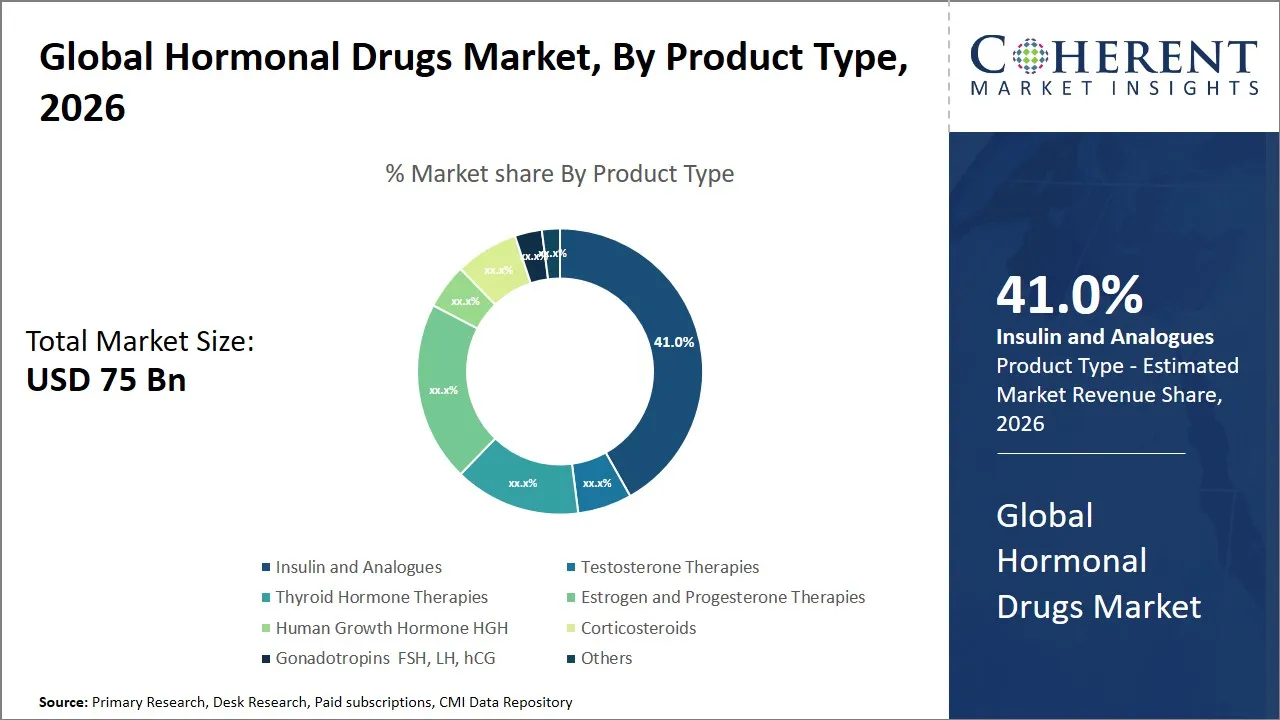
- The insulin and analogues segment is expected to dominate the global hormonal drugs market by product type, accounting for approximately 41.0% of the total market share in 2026.
- The oral segment is expected to dominate the global hormonal drugs market by route of administration, accounting for approximately 42.0% of the total market share in 2026.
- The endocrine disorders segment is expected to dominate the global hormonal drugs market by application, accounting for approximately 45.0% of the total market share in 2026.
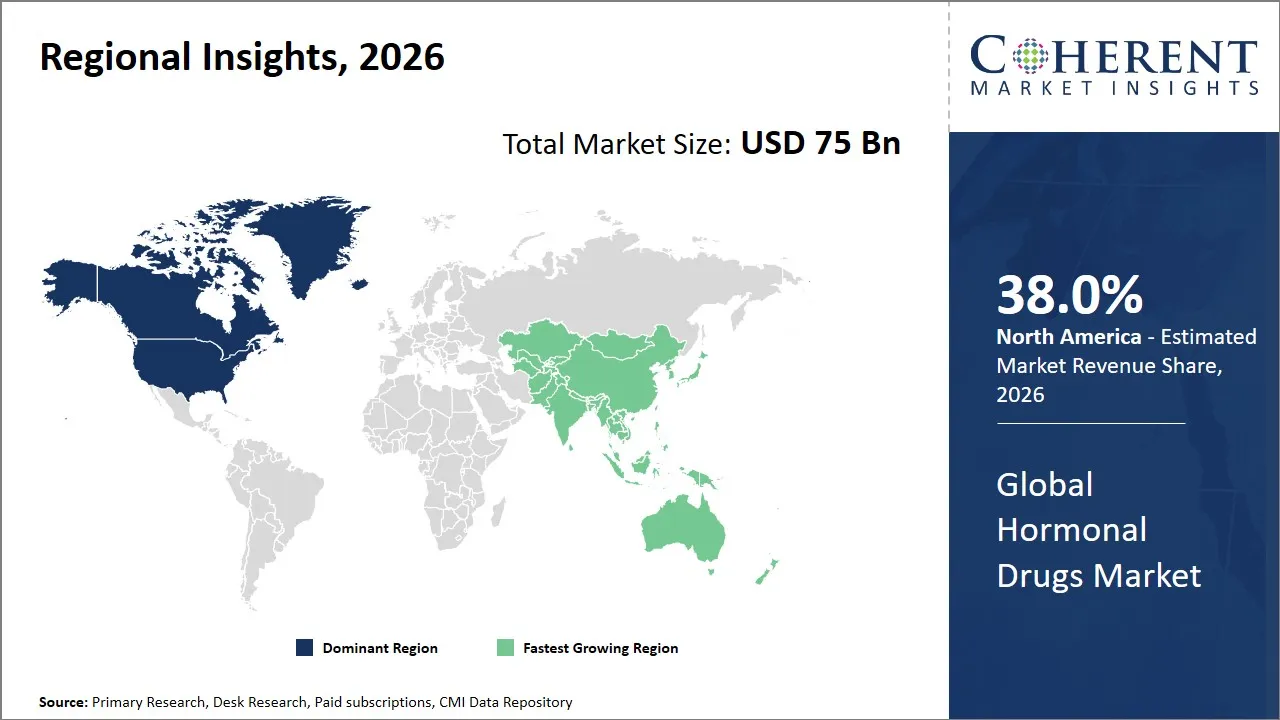
- North America is expected to dominate the global hormonal drugs market in 2026, accounting for approximately 38.0% of the total market share.
- Asia Pacific is anticipated to witness the fastest growth, holding a market share of 22.0% in 2026.
Market Overview
- Hormonal drugs are a type of drug that helps regulate or replace certain hormones in the body for the treatment of various hormonal imbalances, hormonal disorders, and diseases. Examples of hormonal drugs include estrogen, progesterone, testosterone, insulin, growth hormone, and thyroid hormone.
- The hormonal drugs market is currently growing significantly, and this growth can be attributed to the increase in hormonal imbalances and hormonal disorders, including diabetes, thyroid, and hormonal imbalances. In addition, the increase in the aging population and the rise in hormone replacement therapy are contributing to the growth of the hormonal drugs market.
- Further, an increase in the prevalence of lifestyle diseases and introduction of new drug formulations are contributing to the growth of the hormonal drugs market. The need for better results from drug treatments and personalized treatments are also contributing to the growth of the hormonal drugs market.
Currents Events and their Impact
Current Events | Description and its Impact |
Increasing Prevalence of Hormonal Disorders |
|
Advancements in Biologics and Personalized Hormone Therapies |
|
Segmental Insights
- Current Industry Events of 2026
- Market Size Estimation
- Regional Breakdown
- Competitive Landscape
- Customer Intelligence
- Segmental Analysis
- Pricing Analysis
- Key Market Drivers, Challenges & Future Trends
- Customized Insights Section
Why Does the Insulin and Analogues Segment Dominate the Global Hormonal Drugs Market in 2026?
The insulin and analogues segment is anticipated to hold a market share of 41.0% in 2026, attributed to the increasing prevalence of diabetes mellitus across the globe. The diabetic population is increasing continuously, and with this increase in the population, the demand for glycemic control agents is growing at a rapid rate. Insulins are required for the management of type 1 diabetes and are increasingly needed for the management of type 2 diabetes in patients who do not respond well to oral agents. This has led to the establishment of a stable patient population that has been further augmented by better diagnosis and awareness levels, particularly in emerging economies.
Moreover, continuous improvement in insulin analogues, which include rapid and long-acting insulin analogues that have better pharmacokinetics, glucose control, and lower risks of hypoglycemia. The insulin analogues are the most sought-after treatment option for healthcare professionals due to the convenience and compliance that it offers. Furthermore, the increased availability of insulin analogues with advanced delivery systems, reimbursement policies, and increased investments in diabetes care infrastructure are also contributing to the growth in this segment.
For instance, in February 2025, U.S. Food & Drug Administration approved the first rapid-acting insulin biosimilar drug for the treatment of diabetes. It is a significant step toward providing insulin therapy options for patients suffering from diabetes. It is a major step toward providing insulin therapy options for patients suffering from diabetes. It is a major step toward providing insulin therapy options for patients suffering from diabetes.
(Source: U.S. Food & Drug Administration)
Why Does the Oral Segment Dominate the Global Hormonal Drugs Market in 2026?
The oral segment is projected to hold a market share of 42.0% in 2026, attributed to the ease of administration and the high patient acceptability of the route. The route is most popular in the treatment of chronic conditions such as thyroid and corticosteroid responsive conditions. The high patient acceptability of the route is one of the factors that influence the selection of the route. Therefore, the route is the most popular and the first choice in the treatment of the conditions mentioned above. The ease of compliance with the route is another advantage that contributes to the positive outcomes of the drugs.
Additionally, advances in the art of drug formulation have strengthened the position of oral hormonal drugs in terms of their efficacy and bioavailability. Advances in the art of drug formulation include the use of enteric coatings, sustained release preparations, and absorption enhancers, which enable the use of hormones in the form of oral drugs that were previously available only parenterally. This is at a time when well-established manufacturing and distribution capabilities make hormonal drugs widely available and affordable in the primary and outpatient settings, which is in line with the increasing trend of home healthcare.
The Endocrine Disorders Segment Dominates the Global Hormonal Drugs Market
The endocrine disorders segment is projected to hold a market share of 45.0% in 2026. This can be explained by the number of diseases that are caused by hormone imbalances. For instance, diabetes, hypothyroidism, adrenal insufficiency, and hypogonadism are some of the conditions that are caused by imbalances in the levels of hormones in the body. The conditions require hormone replacement or modulation therapy, which is long-term in nature. Therefore, the conditions continue to drive the demand for hormone drugs. The incidence of hormone imbalances that cause conditions such as hypothyroidism has significantly increased. This is due to factors such as the increasing population of the elderly and the rise in the number of people with a sedentary lifestyle.
Additionally, the diverse and complex nature of endocrine diseases requires a wide range of hormonal therapies, including insulin, thyroid hormones, corticosteroids, and gonadotropins, etc., which enhances the scope of hormonal drugs market. The increasing emphasis on early diagnosis and individualized treatment strategies by healthcare professionals’ results in a higher rate of prescription of hormone-based drugs. However, the increasing awareness of endocrine diseases and the quality of drug formulations and drug delivery systems are contributing to the success of this segment, making it a dominant player in the market.
Global Regulatory Frameworks and Guidelines Influencing the Hormonal Drugs Market
Region | Regional Authority | Key Regulations/Guidelines | Impact on Market |
North America | U.S. Food and Drug Administration | New Drug Application (NDA) / Biologics License Application (BLA), Biosimilar Approval Pathway, Hormone Therapy Labeling Regulations | Ensures stringent safety and efficacy standards while accelerating approvals for biologics and biosimilars, supporting innovation and market expansion |
Europe | European Medicines Agency | Centralized Authorization Procedure, Biosimilar Guidelines, Pharmacovigilance Framework | Harmonizes drug approvals across EU, enhances biosimilar uptake, and improves patient access to hormonal therapies |
Asia Pacific | Pharmaceuticals and Medical Devices Agency | Regional adoption of biosimilar guidelines, accelerated approval frameworks, and evolving clinical trial regulations | Promotes faster market entry of hormonal drugs and cost-effective therapies, particularly in emerging economies |
Middle East & Africa | Saudi Food and Drug Authority | Drug registration guidelines, reliance pathways, WHO-aligned regulatory frameworks | Enhances access to essential hormonal drugs and encourages faster approvals through reliance models |
Latin America | Brazilian Health Regulatory Agency | Biosimilar approval pathways, regulatory harmonization efforts, pharmacovigilance requirements | Supports increasing adoption of affordable hormonal therapies and improves regulatory alignment across the region |
Regional Insights
North America Hormonal Drugs Market Analysis and Trends
The North America region is projected to lead the market with a 38.0% share in 2026, attributed to the existing infrastructural facilities, high R&D investments, and a favorable environment. North America possesses a highly developed pharmaceutical industry, along with existing MNCs and key biotech companies. The government's initiative in the field of advanced therapeutics, along with existing insurance facilities, gives a boost to the hormonal drugs market.
Key companies such as Pfizer, Eli Lilly, and AbbVie are contributing to the dominance of the hormonal drugs market by constantly innovating and bringing new products in the field of hormonal therapeutics for diseases such as diabetes, hormonal imbalances, and cancer. In addition, North America also possesses highly developed FDA regulations for the approval of new hormonal drugs, which are positively impacting trade dynamics through efficient supply chains and highly developed intellectual property rights facilities.
For instance, in October 2025, the U.S. Food and Drug Administration green-lit Bayer AG's elinzanetant (Lynkuet). This first-of-its-kind drug, a neurokinin-1 and neurokinin-3 receptor antagonist, was approved for managing moderate to severe vasomotor symptoms tied to menopause. This move underscores the increasing emphasis on novel treatments for hormone-related issues. It also broadens the range of options available, moving beyond the usual hormone replacement therapies, and thus, bolsters the expansion of the hormonal drugs market.
(Source: Bayer)
Asia Pacific Hormonal Drugs Market Analysis and Trends
Asia Pacific is anticipated to witness the fastest growth, holding a market share of 22.0% in 2026, driven by the increasing expenditure in the healthcare sector, the rising patient pool, and the increasing awareness about hormone-related disorders. Countries like China, India, Japan, and South Korea are key players in the Asia Pacific region, which is supported by the increasing access to healthcare facilities and government initiatives to improve the pharmaceutical industry in their respective nations.
The region is also driven by the entry of new players in the market, like Sun Pharmaceutical Industries and Zhejiang Huahai Pharmaceutical, along with the expansion of MNCs. Additionally, the increasing population of the middle class and the rising cases of hormonal imbalances and hormone-related cancers are also adding to the demand in the Asia Pacific region.
Hormonal Drugs Market Outlook for Key Countries
How is the U.S. Helping in the Growth of the Hormonal Drugs Market?
U.S. holds a vital position in the hormonal drugs market, especially considering the high pharmaceutical R&D and expenditure on healthcare. The big players, such as Pfizer, Eli Lilly, and Amgen, are leading the way, constantly bringing innovations in hormonal therapies, especially for diabetes and cancer treatments. The Affordable Care Act of the government helps in increasing accessibility for the population. The clinical trial environment also allows for the quick adoption of highly advanced hormonal therapies, ensuring the country's leading position.
For instance, in December 2025, Novo Nordisk announced that the U.S. Food and Drug Administration approved its Wegovy (semaglutide) oral pill, the first GLP-1 receptor agonist in tablet form for weight management, with launch in the U.S. initiated in early 2026. This new approach improves patient convenience and expands access to hormone-based metabolic therapies, reinforcing the U.S. leadership in developing advanced hormonal drugs.
(Source: Novo Nordisk)
How is China Helping in the Growth of the Hormonal Drugs Market?
The hormonal drugs market in China is expanding rapidly, and this is mainly because of the initiatives undertaken by the government, which include the ‘Made in China 2025’ initiative, which is focusing on the development of pharmaceutical drugs in the country. The incidence of hormone-related disorders is also increasing in the country, and the aging population is also one of the factors that is increasing the demand for hormone therapy drugs in the country. Local players such as Shanghai Fosun Pharmaceutical and China National Pharmaceutical Group are actively developing hormone drugs in the country, and multinational companies such as Novo Nordisk are also leveraging the huge pool of patients in the country through collaborations and licensing agreements. The approval times are reduced in the country with the regulatory reforms.
Key Drivers for the Growth of the Germany Hormonal Drugs Market
Germany is a key market in the Europe region owing to the presence of a robust healthcare infrastructure, research centers, and the well-developed pharmaceutical industry. The country has companies such as Bayer and Boehringer Ingelheim that specialize in the development of innovative technologies in the area of hormone therapy, which is disease- and cancer-specific. The country also benefits from the positive government initiatives in the area of fast-track approvals and reimbursement policies that contribute to the high adoption of pharmaceuticals in the country. The country’s geographical position offers a distinct advantage for trade. This is facilitated by robust transportation systems and easy access to significant markets, which in turn boosts the overall efficiency of supply chains.
Japan Hormonal Drugs Market Trends
Japan maintains the top position in the Asia Pacific region with respect to the healthcare industry and the demographic profile of the population that is growing old and in need of hormonal treatments, such as osteoporosis and hormone-related cancers. Domestic industry leaders such as Takeda Pharmaceutical and Astellas Pharma have been playing important roles in the country’s industry. The presence of multinational companies such as Bayer also contributes to the industry. The government’s moves to incorporate personalized medicine and regenerative medicine have been promoting the development of hormonal drugs. The quality and efficacy of the drugs are ensured by the country’s stringent regulations.
Reimbursement and Pricing Landscape in the Global Hormonal Drugs Market
Region | Key Authorities | Reimbursement Framework | Impact on Hormonal Drugs Market |
North America | Centers for Medicare & Medicaid Services, Private Insurers | Mixed system with public (Medicare/Medicaid) and private insurance; formulary-based coverage for insulin, GLP-1, and hormone therapies | High reimbursement coverage supports strong adoption of advanced hormonal drugs, though pricing pressures and co-pay variations influence patient access |
Europe | National Health Service, Statutory Health Insurance Bodies | Universal healthcare systems with government-funded reimbursement; reference pricing and health technology assessment (HTA) models | Broad reimbursement ensures high accessibility and stable demand for hormonal therapies, with cost-containment measures encouraging biosimilar adoption |
Asia Pacific | National Healthcare Security Administration, Public & Private Insurers | Expanding public insurance coverage with inclusion of essential hormonal drugs; price negotiations and national reimbursement drug lists | Increasing reimbursement coverage improves access to insulin and hormone therapies, particularly in emerging economies, driving market growth |
Middle East & Africa | Saudi Ministry of Health, Government & Private Insurers | Government-funded healthcare in key countries; reliance on insurance and out-of-pocket payments in others | Gradual expansion of reimbursement improves access to essential hormone therapies, though disparities remain across regions |
Latin America | Brazilian Unified Health System, Social Security Health Programs | Public healthcare systems provide partial to full reimbursement for essential hormonal treatments; variability across countries | Expanding reimbursement programs improve access to basic hormonal drugs, though limited funding may restrict access to premium biologics |
Market Players, Key Developments, and Competitive Intelligence
Key Developments
- On March 19, 2026, Eli Lilly and Company announced encouraging findings from a Phase 3 trial of its experimental triple agonist, retatrutide. The study, conducted with participants diagnosed with type 2 diabetes, demonstrated significant reductions in both A1C levels and body weight. The once-weekly treatment resulted in A1C decreases of approximately 1.7%–2.0%, along with considerable weight loss when compared to a placebo. Retatrutide is designed to act on GLP-1, GIP, and glucagon receptors and is presently undergoing clinical evaluation.
- In February 2026, Reddy’s Laboratories reported the acquisition of the trademarks for two hormone replacement therapy drugs: Progynova and Cyclo-Progynova, in India from Mercury Pharma for USD 32.15 million. The agreement includes the rights to market these products in India. The news was reported by the company in an official filing.
- In October 2024, the U.S. Food & Drug Administration approved inavolisib (Itovebi) in combination with palbociclib and fulvestrant for the treatment of adult patients with endocrine-resistant, PIK3CA-mutated, HR-positive, HER2-negative advanced breast cancer based on clinical trial results that show positive outcomes for the patient population. The treatment is for patients whose breast cancer has progressed after previous treatment with an endocrine-based therapy for cancer.
Top Strategies Followed by Global Hormonal Drugs Market Players
Player Type | Strategic Focus | Examples |
Established Market Leaders | The established market leaders are more focused on making high R&D investments to create more effective hormonal therapy solutions. They are more involved in forming strategic partnerships and acquisitions to enhance their portfolio and technological strengths. Besides, they are entering the global market through strengthening their distribution network and entering the emerging markets to gain access to more patients. | In November 2025, Sanofi announced advancements in its insulin portfolio, focusing on next-generation diabetes management solutions to enhance patient outcomes and global accessibility. |
Mid-Level Players | The mid-level players are more focused on the cost-effective production of hormonal drugs while maintaining the quality of the drugs to serve the markets. This is to cater to the markets where the demand is more price-sensitive. Besides, they are using the best possible strategies to enhance their capabilities through licensing agreements and collaborations. | In September 2025, Biocon expanded its biosimilar insulin portfolio through strategic collaborations to improve affordability and access in emerging markets. |
Small-Scale Players | The small-scale players are more involved in the niche market strategies of developing more effective hormonal therapy solutions. This is possible through the effective use of innovation in the drug delivery system. Besides, they are using the collaboration strategy to strengthen their presence in the market. | In June 2025, Enteris BioPharma highlighted progress in its oral peptide delivery platform for hormone-based therapies, supporting innovation in non-invasive treatment approaches. |
Market Report Scope
Hormonal Drugs Market Report Coverage
| Report Coverage | Details | ||
|---|---|---|---|
| Base Year: | 2025 | Market Size in 2026: | USD 75 Bn |
| Historical Data for: | 2020 To 2024 | Forecast Period: | 2026 To 2033 |
| Forecast Period 2026 to 2033 CAGR: | 4.49% | 2033 Value Projection: | USD 102 Bn |
| Geographies covered: |
| ||
| Segments covered: |
| ||
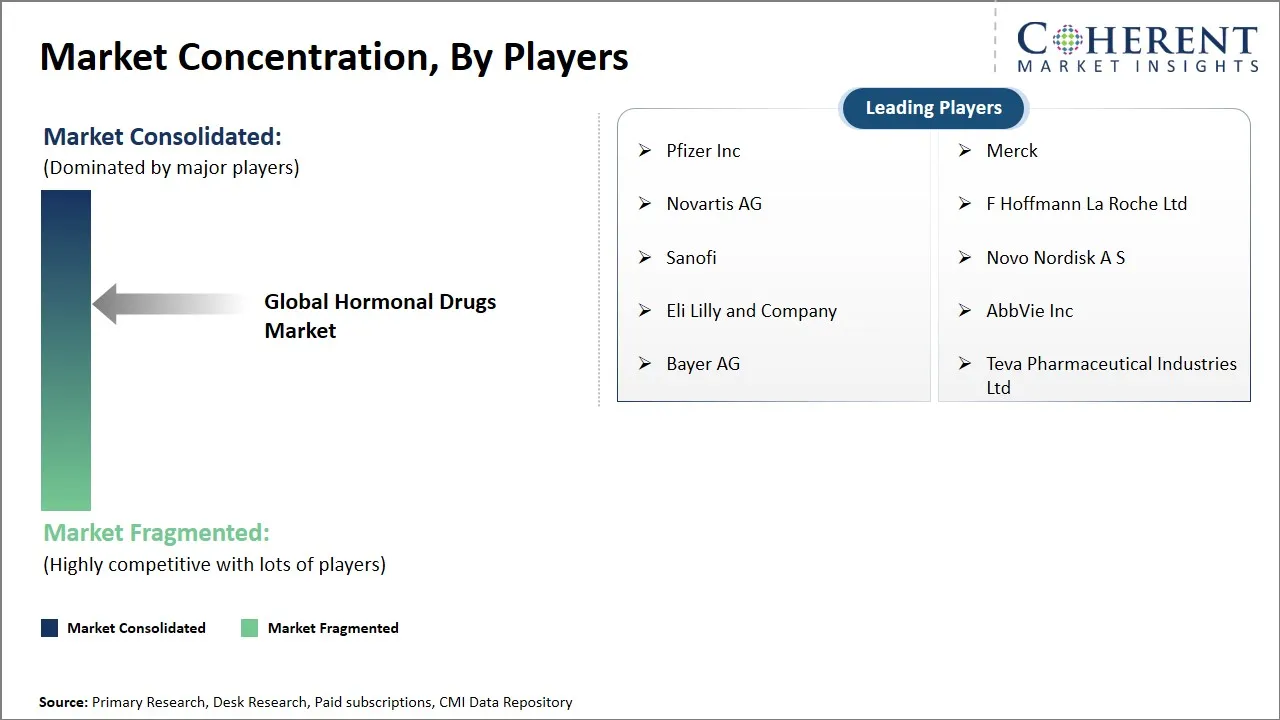
| Companies covered: | Pfizer Inc, Merck, Novartis AG, Hoffmann La Roche Ltd, Sanofi, Novo Nordisk A/S, Eli Lilly and Company, AbbVie Inc, Bayer AG, and Teva Pharmaceutical Industries Ltd | ||
| Growth Drivers: |
| ||
| Restraints & Challenges: |
| ||
Global Hormonal Drugs Market Dynamics
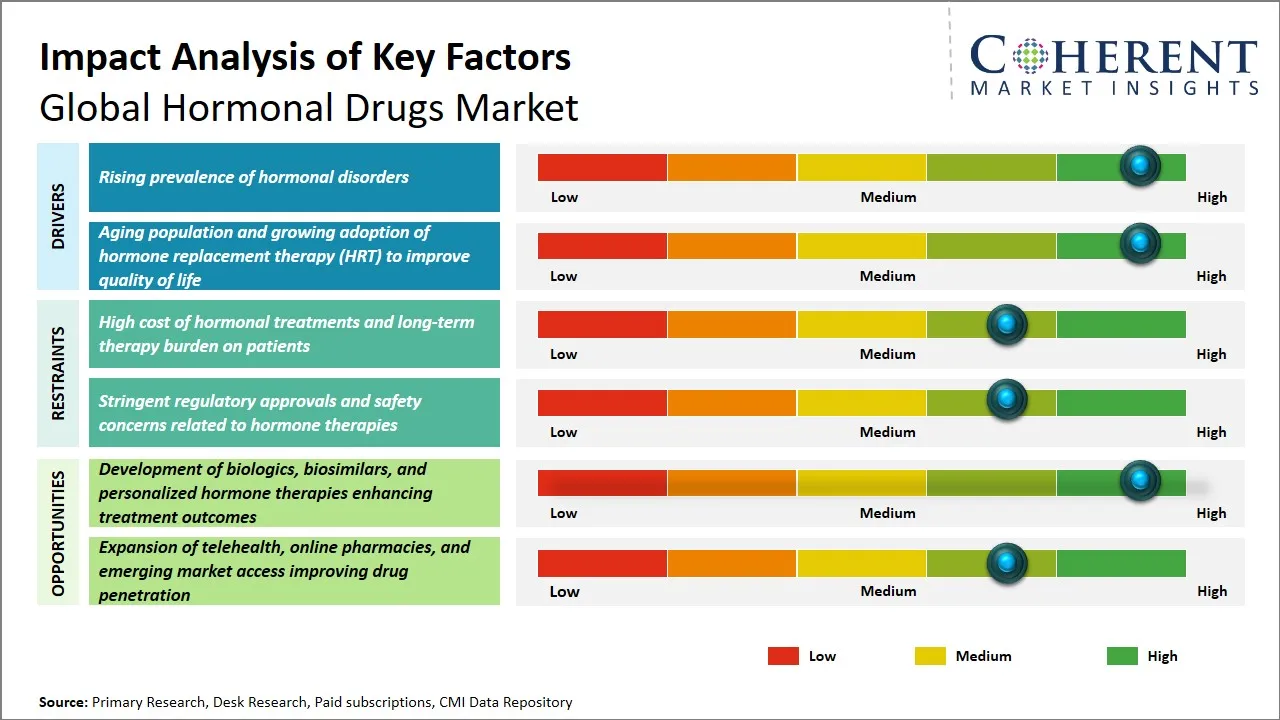
Global Hormonal Drugs Market Driver – Rising Prevalence of Hormonal Disorders
The increasing incidence of hormonal disorders worldwide is a significant factor in the growth of the market for hormonal drugs. Hypothyroidism, diabetes, polycystic ovary syndrome, adrenal insufficiency, and various hormone imbalances in the reproductive system are some of the most common hormonal disorders affecting people worldwide. These hormone-related issues are increasing in prevalence due to various factors, including aging, lifestyle changes, and exposure to various environmental factors.
The increasing prevalence of hormone-related issues worldwide is creating a strong demand for various hormone replacement therapies, which in turn is driving the market for hormonal drugs. The increasing awareness of hormone-related issues, including hormone-related cancers such as breast cancer and prostate cancer.
Furthermore, the increasing focus on the management of hormone-related chronic diseases worldwide, including hormone-related issues such as hypothyroidism, diabetes, polycystic ovary syndrome, and various hormone imbalances in the reproductive system, is driving the market for pharmaceutical companies to develop various innovative hormone-related drugs, which is in turn driving the market for hormonal drugs.
For instance, the Diabetes Atlas 2025, published by International Diabetes Federation estimates that in 2024, around 589–590 million adults aged 20 to 79 were living with diabetes worldwide, which translates to roughly 1 in 9 adults globally. This figure is expected to climb to 853 million by 2050, underscoring the swift rise in the incidence of these metabolic conditions.
(Source: International Diabetes Federation)
Global Hormonal Drugs Market Opportunity – Development of Biologics, Biosimilars, and Personalized Hormone Therapies Enhancing Treatment Outcomes
The global hormonal drugs market is showing immense opportunities for growth with the development of biologics, biosimilars, and personalized hormone therapy. This is because biologics provide targeted mechanism of action, which increases the effectiveness of the treatment of complex hormonal disorders, including diabetes, cancer, and autoimmune disorders, while minimizing the risk of side effects. At the same time, biosimilars are helping to remove the barriers of cost and access to biologic therapy, which is particularly relevant to the treatment of patients in developing markets.
Moreover, the increasing concept of personalized medicine, which is supported by the use of genetic profiling and the use of biomarkers, is providing the opportunity to deliver hormone therapy in the most effective way possible. This is providing immense opportunities for the development of the market, which is helping to set new standards in the treatment of endocrine disorders.
For instance, in February 2026, Novo Nordisk revealed that the U.S. Food and Drug Administration had approved Sogroya (somapacitan) for pediatric uses. This long-acting, once-weekly human growth hormone underscores the increasing importance of biologic hormone therapies. They're making treatment easier and helping patients stick with their regimens, while also broadening the scope of what's possible in treating endocrine disorders.
(Source: Novo Nordisk)
Analyst Opinion (Expert Opinion)
- The major drivers of the hormonal drugs market include the increasing global incidence of endocrine disorders, which include Diabetes Mellitus, Hypothyroidism, and Polycystic Ovary Syndrome. The increasing rate of diagnosis is fueling the demand for hormonal therapy products.
- The development of innovative drug delivery systems is also fueling the market. Long-acting injectables, oral products, and transdermal patches have been developed, which is helping in maintaining the demand for hormonal therapy products.
- The switch in focus from small molecules to biologics and biosimilars in the insulin and growth hormone markets is creating competition in the market. This is also helping in making products more affordable and accessible in emerging markets.
- The focus on personalized medicine and preventive healthcare is helping in developing targeted hormonal therapy products. However, safety concerns affect the market.
Speak to the analyst
Want personalized insights?
Take the findings above to one of our principal consultants, or have the report rebuilt around the segments, geographies and competitors you actually track.
Market Segmentation
- Product Type Insights (Revenue, USD Bn, 2021 - 2033)
- Insulin and Analogues
- Testosterone Therapies
- Thyroid Hormone Therapies
- Estrogen and Progesterone Therapies
- Human Growth Hormone (HGH)
- Corticosteroids
- Gonadotropins (FSH, LH, hCG)
- Others
- Route of Administration Insights (Revenue, USD Bn, 2021 - 2033)
- Oral
- Parenteral/ Injectable
- Transdermal
- Nasal
- Others
- Application Insights (Revenue, USD Bn, 2021 - 2033)
- Endocrine Disorders
- Reproductive Health
- Oncology
- Growth Disorders
- Others
- Distribution Channel Insights (Revenue, USD Bn, 2021 - 2033)
- Hospital Pharmacies
- Retail Pharmacies
- Online Pharmacies
- Regional Insights (Revenue, USD Bn, 2021 - 2033)
- North America
- U.S.
- Canada
- Latin America
- Brazil
- Argentina
- Mexico
- Rest of Latin America
- Europe
- Germany
- U.K.
- Spain
- France
- Italy
- Russia
- Rest of Europe
- Asia Pacific
- China
- India
- Japan
- Australia
- South Korea
- ASEAN
- Rest of Asia Pacific
- Middle East
- GCC Countries
- Israel
- Rest of Middle East
- Africa
- South Africa
- North Africa
- Central Africa
- North America
- Key Players Insights
- Pfizer Inc
- Merck
- Novartis AG
- Hoffmann La Roche Ltd
- Sanofi
- Novo Nordisk A/S
- Eli Lilly and Company
- AbbVie Inc
- Bayer AG
- Teva Pharmaceutical Industries Ltd
Sources
Primary Research Interviews
Industry Stakeholders
- Pharmaceutical Manufacturers (Hormonal Drugs & Biologics)
- Biotechnology Companies (Endocrine & Metabolic Therapies)
- Contract Manufacturing Organizations (CMOs)
- Raw Material & API Suppliers (Hormone-based compounds)
- Regulatory and Compliance Experts
- Distributors and Healthcare Supply Chain Providers
End Users
- Hospitals and Endocrinology Clinics
- Specialty Diabetes and Hormone Care Centers
- Physicians (Endocrinologists & Gynecologists)
- Retail and Hospital Pharmacists
- Patients undergoing hormone replacement therapies
Government and International Databases
- World Health Organization – Global burden of endocrine disorders and diabetes data
- U.S. Food and Drug Administration – Drug approvals, labeling updates, and clinical guidelines for hormonal therapies
- European Medicines Agency – Regulatory approvals and safety data for hormone-based drugs
- Centers for Disease Control and Prevention – Prevalence of endocrine and metabolic disorders
- National Institutes of Health – Research publications on hormonal disorders and therapies
Trade Publications
- Endocrinology Advisor
- Pharmaceutical Technology
- Fierce Pharma
- BioPharma Dive
- Contract Pharma
Academic Journals
- Journal of Clinical Endocrinology & Metabolism
- Endocrine Reviews
- Diabetes Care
- The Lancet Diabetes & Endocrinology
- Frontiers in Endocrinology
Reputable Newspapers
- The Wall Street Journal – Healthcare sector developments, medical technology advancements, and regulatory updates
- The New York Times – Public health trends, medical innovations, and healthcare policy coverage
- Financial Times – Global healthcare investments, medical device industry trends, and market analysis
Industry Associations
- Endocrine Society
- International Diabetes Federation
- American Diabetes Association
- Pharmaceutical Research and Manufacturers of America
Public Domain Resources
- WHO Reports (Endocrine disorders & diabetes prevalence)
- FDA Drug Databases and Safety Communications
- NIH Clinical Trials Database (ClinicalTrials.gov)
- CDC Public Health Reports
Proprietary Elements
- CMI Data Analytics Tool: Proprietary analytics tool to analyze real-time market trends, consumer behavior, and technology adoption in market
- Proprietary CMI Existing Repository of Information for Last 10 Years
Get access to 250+ pages report
Every segment, forecast, competitor profile and data table behind the analysis above — available for instant download.
- ESOMAR Member
- ISO 9001:2015 Certified
- D-U-N-S Registered
- GDPR & CCPA Compliant
Missing comfort of reading report in your local language? Find your preferred language:
Transform your Strategy with Exclusive Trending Reports
Frequently Asked Questions
The global hormonal drugs market is estimated to be valued at USD 75 Bn in 2026 and is expected to reach USD 102 Bn by 2033.
The CAGR of the global hormonal drugs market is projected to be 4.49% from 2026 to 2033.
Rising prevalence of hormonal disorders and aging population and growing adoption of hormone replacement therapy (HRT) to improve quality of life are the major factors driving the growth of the global hormonal drugs market.
High cost of hormonal treatments and long-term therapy burden on patients and stringent regulatory approvals and safety concerns related to hormone therapies are the major factors hampering the growth of the global hormonal drugs market.
In terms of product type, the insulin and analogues segment is estimated to dominate the market revenue share in 2026.
Pfizer Inc, Merck, Novartis AG, Hoffmann La Roche Ltd, Sanofi, Novo Nordisk A/S, Eli Lilly and Company, AbbVie Inc, Bayer AG, and Teva Pharmaceutical Industries Ltd are the major players.
North America is expected to lead the global hormonal drugs market in 2026.