

Global Hormone Therapy Market Size and Forecast – 2026 to 2033
The Global Hormone Therapy Market is estimated to be valued at USD 32.34 Bn in 2026 and is expected to reach USD 48.37 Bn by 2033, exhibiting a compound annual growth rate (CAGR) of 5.9% from 2026 to 2033. This steady growth is driven by increasing awareness about hormone-related disorders, advancements in hormone therapy formulations, and a rising aging population globally, contributing to a sustained demand for innovative and effective treatment options.
Key Takeaways of the Global Hormone Therapy Market
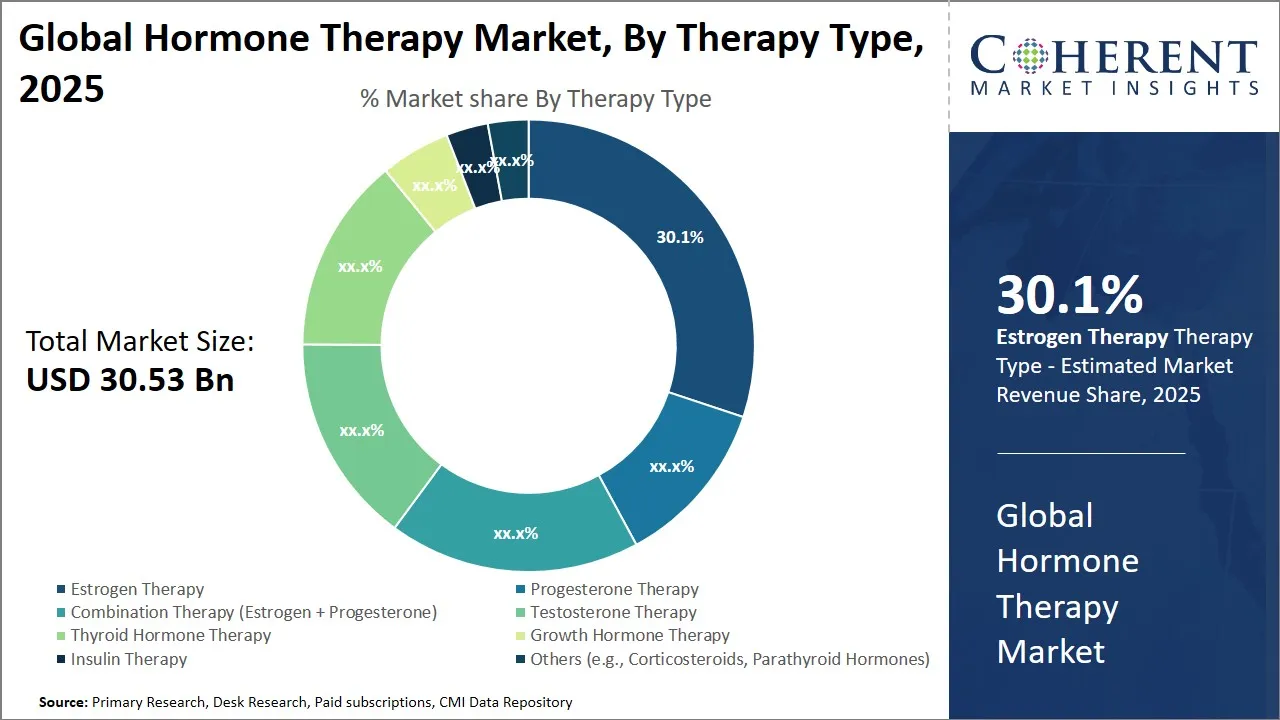
- By therapy type, estrogen therapy is expected to account for the largest share of the global hormone therapy market at 31.1% in 2026.
- By product formulation, tablets and capsules (e.g., oral estrogen, thyroid hormones) represent the leading segment with an estimated share of 33.2 % in 2026.
- By application, menopause management is projected to hold the dominant position, capturing 24.2 % of the market share in 2026.
- North America is expected to lead the market, holding a share of 39.3 % in 2026. Asia Pacific is anticipated to be the fastest-growing region, with a market share of 23.5% in 2026.
Market Overview
Key trends in the hormone therapy market include the growing adoption of bioidentical hormone therapies and the integration of personalized treatment approaches tailored to individual hormonal imbalances. Additionally, an increasing focus on minimizing side effects and improving patient compliance through novel delivery systems such as transdermal patches and gels is shaping market dynamics. Furthermore, expansion in emerging markets due to rising healthcare infrastructure and improved access to hormone therapy products is expected to fuel market growth.
Current Events and Its Impact
Current Events | Description and its impact |
Rising Adoption of Bioidentical Hormones |
|
Technological Innovation in Drug Delivery |
|
Segmental Insights
- Current Industry Events of 2026
- Market Size Estimation
- Regional Breakdown
- Competitive Landscape
- Customer Intelligence
- Segmental Analysis
- Pricing Analysis
- Key Market Drivers, Challenges & Future Trends
- Customized Insights Section
Hormone Therapy Market Insights, By Therapy Type - Dominance of Estrogen Therapy is Fueled by Menopause and Hormonal Imbalances
In terms of therapy type, estrogen therapy is projected to contribute the highest share of the global hormone therapy market with 31.1% in 2026 owing to its critical role in managing menopausal symptoms and hormone-related disorders predominantly affecting women. Estrogen is a fundamental hormone involved in regulating various physiological processes, including reproductive health, bone density, and cardiovascular function. The rising prevalence of menopause worldwide, driven by increasing life expectancies and aging populations, significantly boosts the demand for estrogen therapy. Women undergoing menopause experience a sharp decline in estrogen production, leading to symptoms like hot flashes, night sweats, mood swings, and osteoporosis risk.
Additionally, estrogen therapy plays a vital role in treating certain gynecological conditions such as premature ovarian failure and hypogonadism, further expanding its application beyond menopause. The availability of multiple delivery methods, including oral, transdermal, and topical applications, allows personalized treatment protocols tailored to individual patient needs, stimulating adoption across healthcare providers.
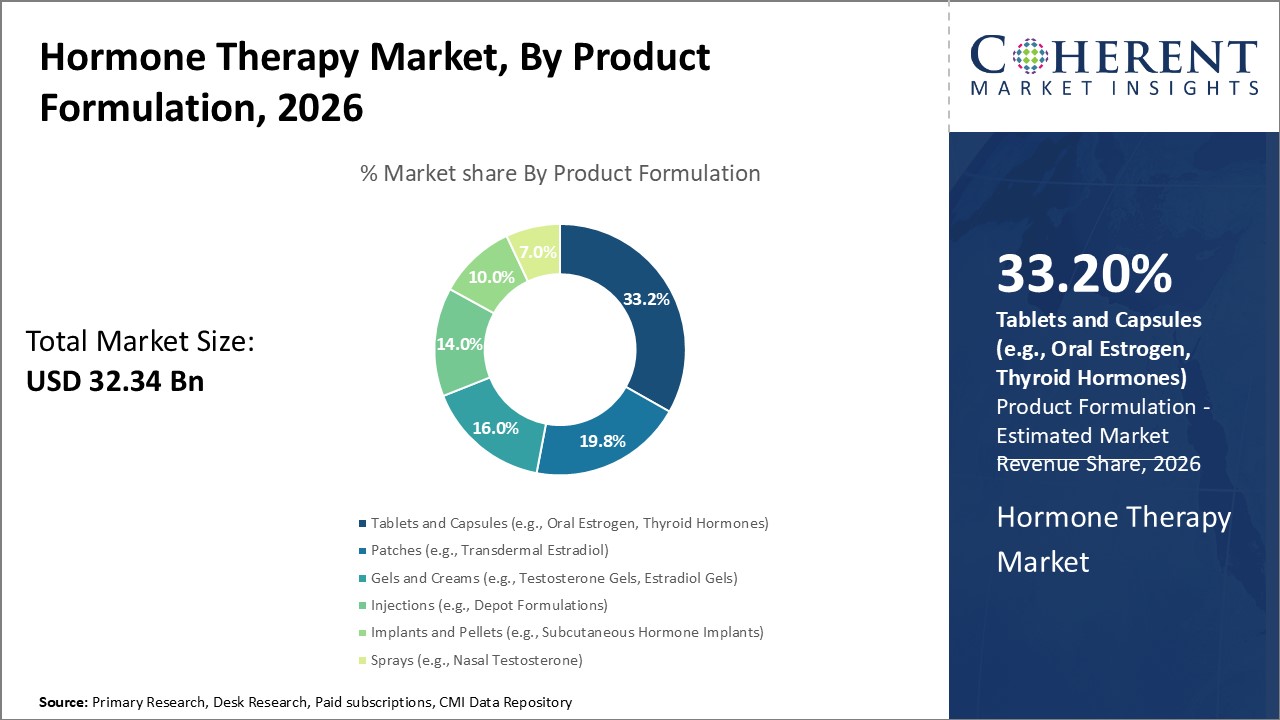
Hormone Therapy Market Insights, By Product Formulation - Tablets and Capsules Lead the Market Share Driven by Convenience and Versatility
In terms of product formulation, tablets and capsules (e.g., oral estrogen, thyroid hormones) are expected to contribute the highest share of the global hormone therapy market with 33.2% in 2026, largely driven by their ease of administration, formulation flexibility, and cost-effectiveness. Oral administration remains the preferred route for patients requiring hormone replacement, especially for estrogen and thyroid hormones, due to its simplicity and non-invasive nature. Tablets and capsules offer precise dosing and standardization, allowing healthcare providers to customize treatments with well-established protocols.
The convenience of oral formulations encourages high patient compliance, which is critical for the long-term management of hormone-related diseases. Additionally, manufacturing processes for tablets and capsules benefit from decades of refinement, ensuring reliability, stability, and extended shelf life that support widespread distribution across global markets. Oral hormone therapies are easily integrated into daily routines, making them accessible in both hospital and home care settings.
Hormone Therapy Market Insights, By Application - Menopause Management Drives Hormone Therapy Demand through Symptom Relief and Prevention
In terms of application, menopause management is projected to hold the highest share of the global hormone therapy market, accounting for 24.2% in 2026, reflecting the critical need to alleviate debilitating menopausal symptoms and prevent long-term health complications associated with estrogen deficiency. Menopause triggers a complex hormonal transition that can manifest as vasomotor symptoms, mood disturbances, sleep problems, and urogenital atrophy, severely impacting quality of life for millions of women worldwide.
Beyond symptomatic relief, hormone therapy in menopause also plays a preventive role by maintaining bone density and reducing the risk of osteoporosis and related fractures, addressing primary concerns among aging women. Cardiovascular protection and cognitive health are additional considerations driving clinicians to recommend hormone therapy during the early postmenopausal period.
In July 2025, the U.S. Food and Drug Administration (FDA), the federal agency overseeing drug safety and regulations, convened an expert panel on July 17, 2025, to review the risks and benefits of menopause hormone replacement therapy for women. The discussion centered on balancing potential risks such as breast and uterine cancers and cardiovascular issues with benefits for bone, cardiovascular, cognitive, and genitourinary health, considering factors like age of initiation, dosage, and formulation since the Women’s Health Initiative study.
Regional Insights
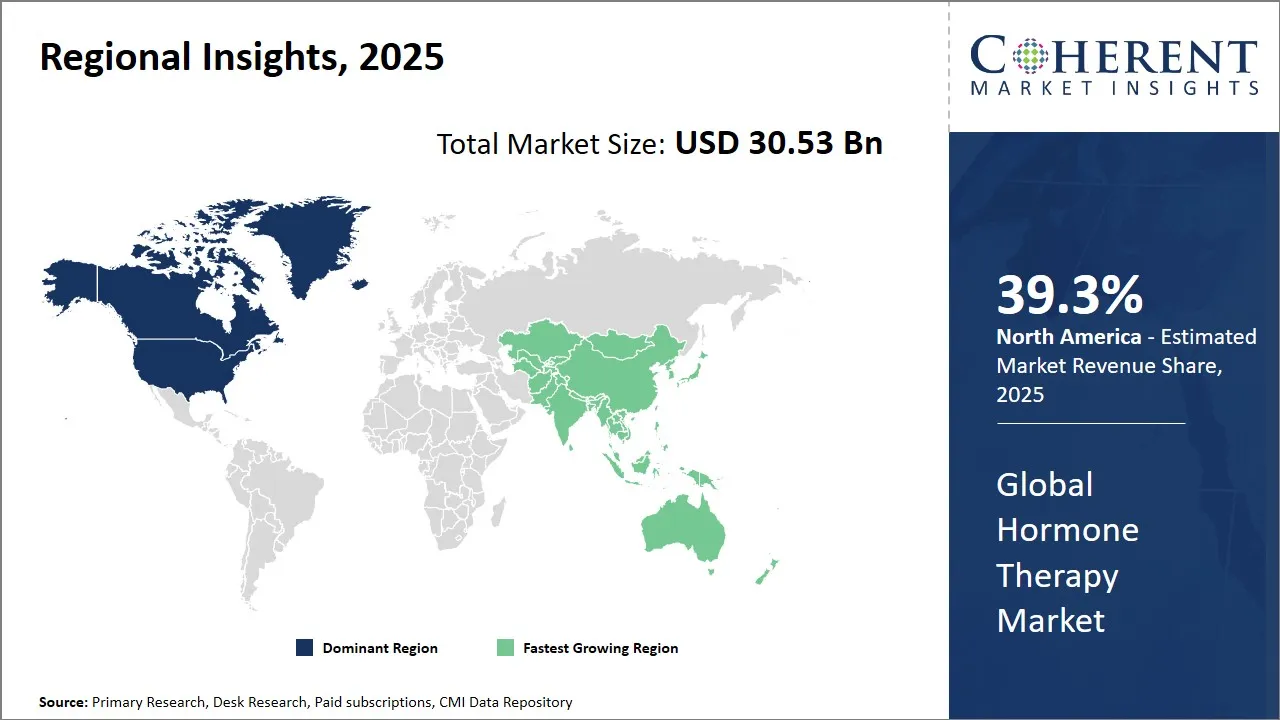
North America Hormone Therapy Market Analysis and Trends
In North America, the dominance in the global hormone therapy market can largely be attributed to a mature healthcare infrastructure, accounting for an estimated 39.3% share in 2026. This leadership is further supported by high patient awareness and substantial investment in research and development.
The region benefits from strong government support toward hormone-related health issues, including menopause management and prostate cancer treatments. Additionally, the presence of leading pharmaceutical companies, such as Pfizer, Eli Lilly, and AbbVie, has propelled innovation and product availability in the market. Regulatory frameworks by the U.S. FDA and Health Canada ensure high-quality standards, fostering trust and widespread adoption.
In February 2026, the American Cancer Society, a leading U.S. non-profit health organization dedicated to cancer research and patient support, reported findings in JAMA Network Open showing that breast cancer survivors experience different long-term physical health declines depending on whether they received chemotherapy or endocrine therapy. Using data from more than 2,500 survivors, the study found that endocrine therapy, particularly aromatase inhibitors, was linked to health decline in the first two years, while chemotherapy’s effects persisted beyond two years.
Asia Pacific Hormone Therapy Market Analysis and Trends
Meanwhile, the Asia Pacific region is expected to exhibit the fastest growth in the hormone therapy market with 23.5% in 2026, driven predominantly by increasing healthcare expenditure, a growing aging population, and rising awareness of hormone-related disorders. Rapid urbanization, improving healthcare infrastructure, and government initiatives to enhance women's health also play vital roles. Countries like China, India, and Japan offer vast untapped opportunities due to expanding middle-class populations and increased demand for advanced therapies. Moreover, several multinational and local companies such as Takeda, Sun Pharmaceutical, and Eisai are intensifying their presence through collaborations and local manufacturing, enabling cost-efficient products. Trade liberalization and improved regulatory pathways have further accelerated market access in this region.
Hormone Therapy Market Outlook for Key Countries
U.S. Hormone Therapy Market Trends
The U.S. hormone therapy market leads with extensive clinical trials and early adoption of innovative hormone therapy products. Companies like Pfizer and AbbVie maintain a strong presence with therapeutic offerings spanning estrogen replacement, androgen therapy, and bioidentical hormones. The extensive healthcare infrastructure, combined with robust regulatory support, facilitates patient access and product availability. Additionally, ongoing research in hormone-related cancer therapies keeps the market dynamic and ripe for continued advancements.
In October 2024, Genentech, a U.S.-based biotechnology company and part of the Roche Group, announced that the U.S. Food and Drug Administration has approved Itovebi, a targeted therapy for adults with advanced hormone receptor-positive, HER2-negative breast cancer carrying a PIK3CA mutation. Approved in combination with palbociclib and fulvestrant, the therapy more than doubled progression-free survival in the Phase III INAVO120 trial, addressing a major unmet need in this patient group.
China Hormone Therapy Market Trends
China’s hormone therapy market is expanding rapidly due to rising health awareness among aging populations and government emphasis on chronic disease management. Domestic players like Sino Biopharmaceutical and joint ventures with global firms enhance the availability of hormone therapies. Improved healthcare insurance coverage and government-driven health initiatives aimed at women’s health fuel demand. Moreover, efforts to streamline regulatory approvals have attracted foreign direct investments, enabling a broader portfolio of hormone therapy products.
In July 2024, Astellas Pharma Inc, a Japan-based global pharmaceutical company, announced that China’s National Medical Products Administration approved XTANDI (enzalutamide) for the treatment of metastatic hormone-sensitive prostate cancer. The approval, supported by positive results from the global Phase 3 ARCHES and China ARCHES studies, showed that XTANDI combined with androgen deprivation therapy significantly delayed PSA progression and improved multiple clinical outcomes compared to placebo.
Japan Hormone Therapy Market Trends
Japan continues to lead in Asia Pacific for high-standard healthcare and adoption of hormone replacement therapies, especially for menopausal women. Corporations such as Eisai and Takeda contribute heavily to the market with innovative hormonal drugs and supportive patient programs. Japan’s aging demographics and emphasis on quality-of-life improvements increase hormone therapy relevance, supported by government policies encouraging advanced healthcare solutions and reimbursement systems that aid patient access.
In January 2026, AstraZeneca, a U.K.-based global biopharmaceutical company, and Daiichi Sankyo, a Japan-based pharmaceutical innovator, announced that the U.S. Food and Drug Administration has approved Enhertu for patients with unresectable or metastatic hormone receptor-positive breast cancer classified as HER2-low or HER2-ultralow after progression on endocrine therapy. The approval, supported by Phase III DESTINY-Breast06 trial results showing median progression-free survival of over one year, expands treatment options to a broader patient group and reinforces the role of HER2-directed therapies, marking a significant advancement in the pharmaceutical market for metastatic breast cancer care.
India Hormone Therapy Market Trends
India’s hormone therapy market is growing with a focus on affordability and accessibility. Local companies like Sun Pharmaceutical and Cipla, along with multinational players, capitalize on a large patient base with unmet medical needs relating to hormonal disorders. Government initiatives aimed at enhancing women’s health and increasing healthcare infrastructure investments spur demand. Regulatory reforms intend to fast-track approvals, attracting greater international participation and fostering competition that benefits the consumer.
In February 2026, Tata Memorial Centre, a leading cancer care and research institution in Mumbai, together with the National Institute of Biomedical Genomics, a premier genomics research center in Kalyani, uncovered critical genomic factors behind resistance to hormone therapy in estrogen receptor-positive breast cancer. Published in Communications Biology, the study identified mutations in PIK3CA, ESR1, and TP53 genes, along with defective DNA repair mechanisms, as key drivers of treatment resistance.
End User Feedback and Unmet Needs in the Hormone Therapy Market
- End users of hormone therapy ranging from patients and caregivers to healthcare providers consistently highlight both positive experiences and areas of concern. Many women undergoing menopause management, for example, report high satisfaction with modern formulations that offer steady symptom relief and improved quality of life without the daily inconvenience of remembering multiple pills or creams. Physicians also note that newer delivery methods such as bio-identical pellets have made it easier to maintain consistent hormone levels, which reduces patient complaints about fluctuating efficacy. These positive experiences reinforce the perception of hormone therapy as an essential tool for managing age-related and endocrine health challenges, while also boosting adherence and trust in treatment regimens.
- At the same time, recurring concerns underline the limitations still present in the market. Cost and insurance coverage remain frequent pain points, especially in regions where out-of-pocket expenses are high. Patients often express frustration over the limited customization of dosages, with one-size-fits-all approaches failing to reflect individual metabolic differences or coexisting health conditions. Healthcare providers add that integration of therapy with broader care plans can be cumbersome, particularly in long-term monitoring or when combining hormone therapy with oncology treatments. These unmet needs more personalized dosing solutions, improved affordability, and better digital or clinical integration represent clear opportunities for manufacturers and policymakers. Addressing them could not only enhance treatment adherence but also open pathways for innovation in precision medicine, improve patient retention, and expand the market by making therapies more accessible across diverse populations.
Market Players, Key Developments, and Competitive Intelligence
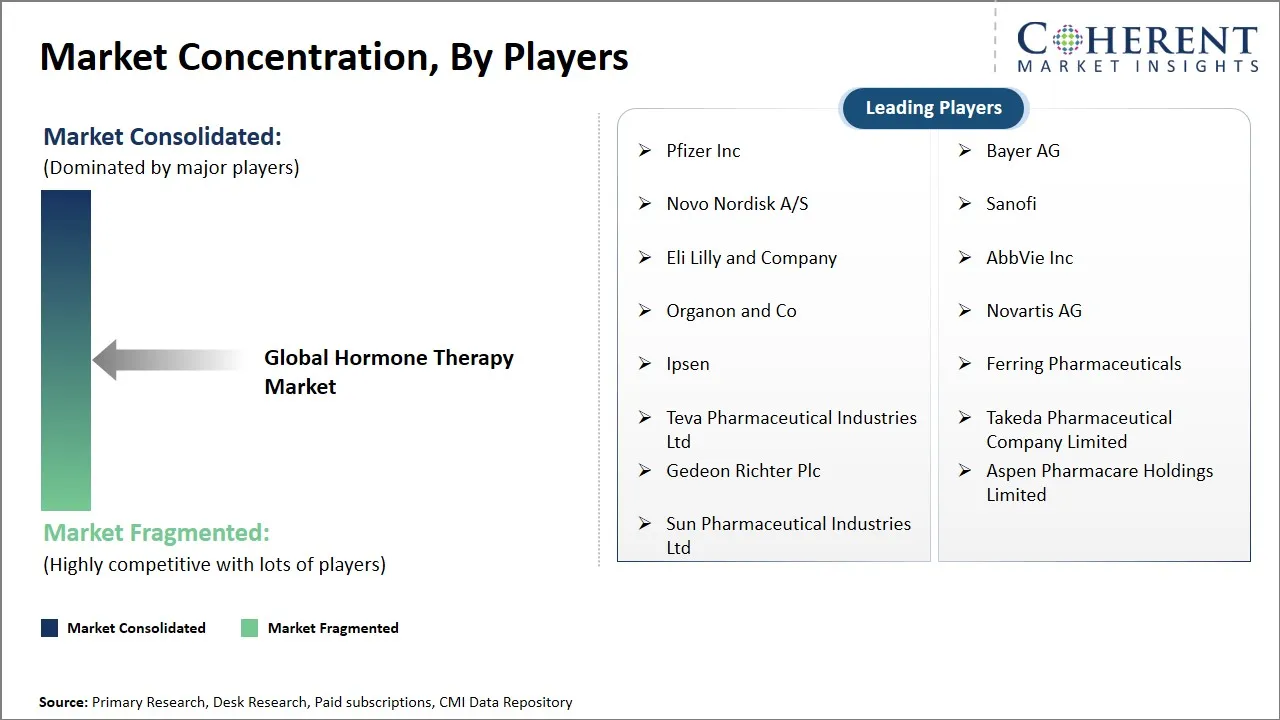
Key Developments
- In July 2025, Johnson & Johnson, a global healthcare and pharmaceutical leader, announced that its subsidiary, Janssen-Cilag International NV, has submitted an application to the European Medicines Agency to extend the indication of AKEEGA, a dual-action tablet combining niraparib and abiraterone acetate with prednisone or prednisolone, for the treatment of adult patients with metastatic hormone-sensitive prostate cancer and HRR gene alterations, marking an important development in the field of hormone therapy.
- In June 2025, Novartis, a global healthcare company and leader in innovative medicines, announced that its radioligand therapy Pluvicto has achieved positive topline results in the Phase III PSMAddition trial for patients with PSMA-positive metastatic hormone-sensitive prostate cancer. The study showed a statistically significant and clinically meaningful improvement in radiographic progression-free survival when Pluvicto was combined with hormone therapy compared to hormone therapy alone, with a positive trend in overall survival.
- In September 2024, The Menopause Society, a leading U.S. organization dedicated to advancing knowledge on midlife and aging in women, highlighted new findings at its 2024 Annual Meeting in Chicago showing that hormone therapy can remain beneficial for women well beyond the age of 65, with some continuing safely into their 80s. The retrospective analysis of over 100 women revealed that many remained on treatment for more than 20 years, mainly to control persistent hot flashes, improve quality of life, and ease chronic pain.
- In May 2024, at the American Thoracic Society (ATS) 2024 International Conference in U.S , new research indicated that Hormone Replacement Therapy (HRT) may improve Pulmonary Hypertension (PH) and Right Ventricular (RV) function in women. The study, presented as part of the Pulmonary Vascular Disease Phenomics Program (Pvdomics), underscored the potential of HRT in managing pulmonary vascular disease (PVD) by enhancing heart and lung performance.
Top Strategies Followed by Global Hormone Therapy Market Players
- Established market leaders invest heavily in research and development (R&D) to drive innovation and introduce high-performance hormone therapy products that meet evolving patient needs and regulatory standards. These companies prioritize developing advanced formulations with better efficacy, reduced side effects, and improved delivery mechanisms. Beyond innovation, they pursue strategic partnerships and alliances with major industry stakeholders, including original equipment manufacturers (OEMs), to enhance product portfolios and strengthen market positions.
- In June 2023, Pfizer Inc, a global biopharmaceutical company headquartered in New York, U.S., along with OPKO Health Inc, a U.S.-based healthcare company specializing in diagnostics and pharmaceuticals, announced that the U.S. Food and Drug Administration has approved NGENLA, a once-weekly human growth hormone analog for children aged three and older with growth hormone deficiency. This new treatment reduces the need for daily injections, offering children and families a more manageable therapy option.
- Mid-level companies in the hormone therapy market adopt a more cost-conscious approach, targeting price-sensitive segments without compromising on quality. By offering cost-effective yet reliable hormone therapy solutions, they aim to capture a substantial share in developing economies and among budget-conscious consumers in established markets. These firms often form collaborative ventures or licensing agreements with technology providers and contract manufacturers to strengthen their production capacities and technological expertise.
- A recent example of this approach came in July 2025, when Ascendis Pharma A/S, a Denmark-based biopharmaceutical company focused on endocrinology and rare diseases, announced that the U.S. Food and Drug Administration had approved SKYTROFA (lonapegsomatropin-tcgd) for once-weekly treatment of adults with growth hormone deficiency. Already available for pediatric use, this therapy reduces the burden of daily injections, showcasing how mid-level players leverage innovation to deliver practical, patient-friendly, and cost-efficient hormone therapy options that can improve adherence and outcomes.
- Small-scale players carve out niches within the highly competitive hormone therapy market by concentrating on specialized features or highly innovative products that differentiate them from mainstream offerings. These companies frequently adopt cutting-edge technologies, such as novel delivery platforms or personalized hormone treatments, to attract specific patient populations and healthcare providers seeking tailored solutions.
- For instance, Mithra Pharmaceuticals, a Belgium-based company, focuses on next-generation hormone therapies with its Estetrol (E4)-based products targeting menopause and contraception. Similarly, Theramex, a U.K.-based women’s health specialist, develops tailored hormone therapy solutions with emphasis on menopause care. Another example is MediTate, an Israeli company leveraging minimally invasive technologies alongside hormonal approaches for prostate health. These smaller firms exemplify how innovation-driven specialization allows them to stand out in the hormone therapy market.
Market Report Scope
Hormone Therapy Market Report Coverage
| Report Coverage | Details | ||
|---|---|---|---|
| Base Year: | 2025 | Market Size in 2026: | USD 32.34 Bn |
| Historical Data for: | 2020 To 2024 | Forecast Period: | 2026 To 2033 |
| Forecast Period 2026 to 2033 CAGR: | 5.9% | 2033 Value Projection: | USD 48.37 Bn |
| Geographies covered: |
| ||
| Segments covered: |
| ||
| Companies covered: | Pfizer Inc, Bayer AG, Novo Nordisk A/S, Sanofi, Eli Lilly and Company, AbbVie Inc, Organon and Co, Novartis AG, Ipsen, Ferring Pharmaceuticals, Teva Pharmaceutical Industries Ltd, Takeda Pharmaceutical Company Limited, Gedeon Richter Plc, Aspen Pharmacare Holdings Limited, and Sun Pharmaceutical Industries Ltd | ||
| Growth Drivers: |
| ||
| Restraints & Challenges: |
| ||
Hormone Therapy Market Dynamics
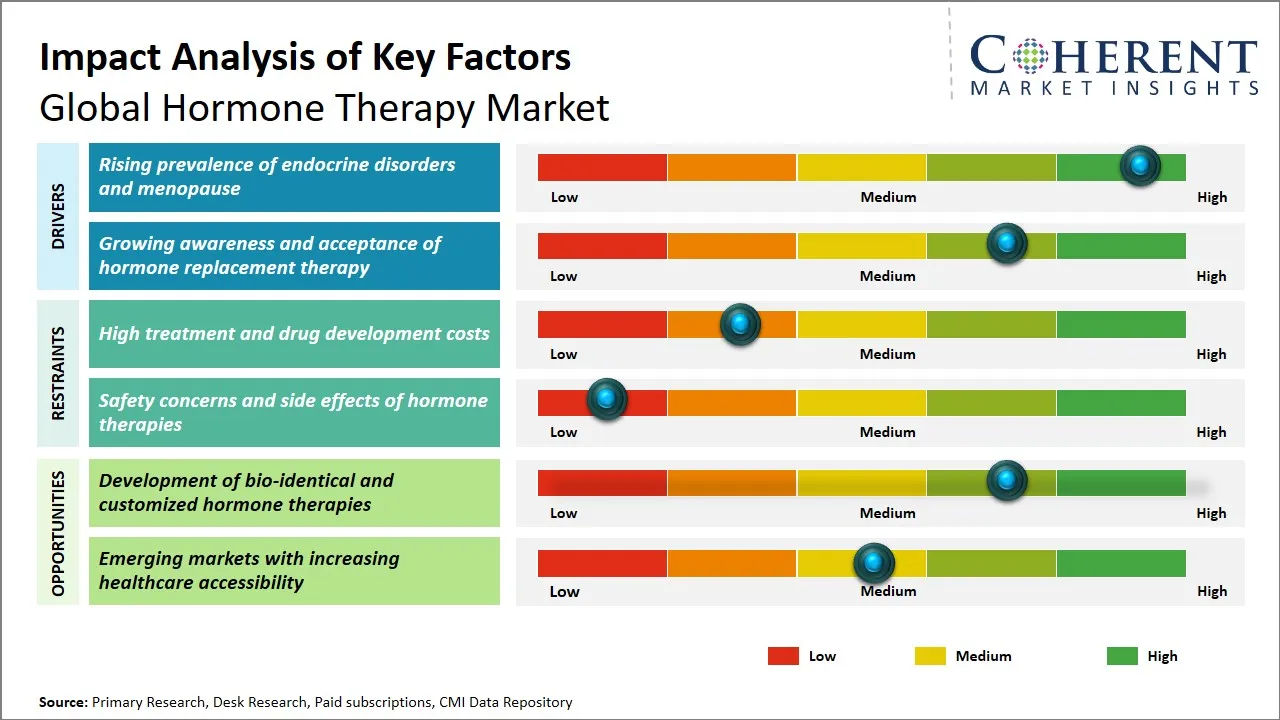
Hormone Therapy Market Driver - Rising Prevalence of Endocrine Disorders and Menopause
The growing incidence of endocrine disorders, such as hypothyroidism, diabetes, and adrenal insufficiency, has significantly contributed to the escalating demand for hormone therapy globally. These conditions disrupt the body's hormonal balance, often necessitating long-term hormone replacement treatments to restore physiological functions and improve quality of life. Additionally, the natural onset of menopause among aging female populations further intensifies the need for hormone therapy as women seek relief from associated symptoms like hot flashes, mood swings, and bone density loss. Advances in diagnostic techniques have also improved the identification and management of hormone-related conditions, increasing patient awareness and acceptance of hormone therapy.
In May 2025, a new study presented at the first Joint Congress of the European Society of Paediatric Endocrinology (ESPE) and the European Society of Endocrinology (ESE) shows that women entering menopause before age 50 especially before 45 — face a significantly higher risk of fatty liver disease and related metabolic disorders within a year of menopause. The five-year study of 89,474 women found early menopause (40–44 years) increased the risk of fatty liver disease by 46%, along with higher chances of obesity, pre-diabetes, hypertension, and dyslipidemia. Researchers say age at menopause should be factored into cardio-metabolic risk assessments and will next investigate whether hormone replacement therapy could reduce these risks.
Hormone Therapy Market Opportunity - Development of Bio-Identical and Customized Hormone Therapies
The global hormone therapy market presents a significant opportunity through the advancement and increasing adoption of bio-identical and customized hormone therapies. Unlike traditional hormone treatments that often use synthetic hormones, bio-identical hormones are chemically identical to those naturally produced in the human body, offering improved safety profiles and reduced side effects. This growing preference is driven by an increasing patient demand for personalized medicine, where therapies are tailored to an individual’s unique hormonal makeup, lifestyle, and health conditions. Customized hormone therapy formulations can enhance treatment efficacy, improve patient adherence, and reduce adverse reactions, thereby potentially expanding the patient base across various demographics, including menopausal women, individuals with endocrine disorders, and those undergoing gender transition.
In April 2025, Henry Meds, a U.S.-based telehealth company focused on patient-centric care, expanded its services to provide hormone replacement therapies for women experiencing menopause and perimenopause symptoms, following guidelines set by the North American Menopause Society. By offering personalized virtual consultations and bioidentical therapies such as estrogen and progesterone, the company aims to relieve daily and long-term health impacts linked to hormonal changes. This move strengthens Henry Meds’ position in the broader pharmaceutical market, where demand for safe and effective menopause treatments continues to grow.
Analyst Opinion (Expert Opinion)
- The global hormone therapy market continues to expand steadily as the need for effective treatments for menopause, thyroid disorders, hypogonadism, and growth deficiencies grows. Advancements in delivery methods, such as transdermal patches, long-acting injectables, and implantable systems, are improving patient compliance and safety outcomes. Governments and regulatory bodies are increasingly supporting hormone-based therapies with updated guidelines and funding for awareness programs, particularly in aging populations. At the same time, the market faces challenges including concerns over long-term side effects, high treatment costs in certain regions, and strict approval processes that can slow the introduction of new formulations. Still, the shift toward precision medicine and pharmacogenomics opens opportunities for more personalized therapy approaches, especially as healthcare systems in Asia Pacific and Latin America expand access to these treatments.
- In recent years, platforms such as the World Congress on Menopause and the European Society of Endocrinology Congress have provided vital spaces for global experts to share research on hormonal therapies, influencing clinical practices and regulatory frameworks. On the industry side, collaborations like Pfizer’s expansion in women’s health and Novo Nordisk’s investment in growth hormone and thyroid therapy pipelines show how leading companies are shaping the market. National health systems in countries such as Japan and Germany have also launched initiatives to integrate newer hormone therapies into reimbursement structures, making them more accessible. Together, these developments reflect a dynamic market environment where science, policy, and industry action are converging to drive both innovation and wider adoption.
Speak to the analyst
Want personalized insights?
Take the findings above to one of our principal consultants, or have the report rebuilt around the segments, geographies and competitors you actually track.
Market Segmentation
- Therapy Type Insights (Revenue, USD Bn, 2021 - 2033)
- Estrogen Therapy
- Progesterone Therapy
- Combination Therapy (Estrogen + Progesterone)
- Testosterone Therapy
- Thyroid Hormone Therapy
- Growth Hormone Therapy
- Insulin Therapy
- Others (e.g., Corticosteroids, Parathyroid Hormones)
- Product Formulation Insights (Revenue, USD Bn, 2021 - 2033)
- Tablets and Capsules (e.g., Oral Estrogen, Thyroid Hormones)
- Patches (e.g., Transdermal Estradiol)
- Gels and Creams (e.g., Testosterone Gels, Estradiol Gels)
- Injections (e.g., Depot Formulations)
- Implants and Pellets (e.g., Subcutaneous Hormone Implants)
- Sprays (e.g., Nasal Testosterone)
- Application Insights (Revenue, USD Bn, 2021 - 2033)
- Menopause Management
- Osteoporosis
- Hypothyroidism and Hyperthyroidism
- Growth Hormone Deficiency
- Hypogonadism
- Cancer (Breast, Prostate, Others)
- Diabetes Management (Insulin Therapy)
- Others (Infertility, Gender Affirmation, Adrenal Disorders)
- Route of Administration Insights (Revenue, USD Bn, 2021 - 2033)
- Oral
- Parenteral
- Transdermal
- Intranasal
- Sublingual
- Other Routes (e.g., Vaginal Rings)
- Gender Insights (Revenue, USD Bn, 2021 - 2033)
- Female
- Male
- Age Group Insights (Revenue, USD Bn, 2021 - 2033)
- Adult
- Pediatric
- Geriatric
- End User Insights (Revenue, USD Bn, 2021 - 2033)
- Hospitals
- Specialty Clinics
- Homecare Settings
- Research and Academic Institutes
- Distribution Channel Insights (Revenue, USD Bn, 2021 - 2033)
- Hospital Pharmacies
- Retail Pharmacies
- Online Pharmacies
- Regional Insights (Revenue, USD Bn, 2021 - 2033)
- North America
- U.S.
- Canada
- Latin America
- Brazil
- Argentina
- Mexico
- Rest of Latin America
- Europe
- Germany
- U.K.
- Spain
- France
- Italy
- Russia
- Rest of Europe
- Asia Pacific
- China
- India
- Japan
- Australia
- South Korea
- ASEAN
- Rest of Asia Pacific
- Middle East
- GCC Countries
- Israel
- Rest of Middle East
- Africa
- South Africa
- North Africa
- Central Africa
- North America
- Key Players Insights
- Pfizer Inc
- Bayer AG
- Novo Nordisk A/S
- Sanofi
- Eli Lilly and Company
- AbbVie Inc
- Organon and Co
- Novartis AG
- Ipsen
- Ferring Pharmaceuticals
- Teva Pharmaceutical Industries Ltd
- Takeda Pharmaceutical Company Limited
- Gedeon Richter Plc
- Aspen Pharmacare Holdings Limited
- Sun Pharmaceutical Industries Ltd
Sources
Primary Research Interviews
- Industry Stakeholders list
- Pharmaceutical manufacturers (clinical R&D teams)
- Hospital procurement officers
- End-users list
- Endocrinologists
- Gynecologists
- Oncologists
- Patients undergoing hormone therapy
Government and International Databases
- World Health Organization (WHO)
- U.S. Food and Drug Administration (FDA)
- European Medicines Agency (EMA)
- National Institutes of Health (NIH)
- Centers for Disease Control and Prevention (CDC)
- United Nations Population Division
Trade Publications
- Pharmaceutical Technology
- Endocrine News
- Drug Development & Delivery
- BioPharm International
- Applied Clinical Trials
- FiercePharma
Academic Journals
- The Lancet Diabetes & Endocrinology
- Journal of Clinical Endocrinology & Metabolism
- Hormone Research in Paediatrics
- Menopause (The Journal of The North American Menopause Society)
- Endocrine Reviews
- Nature Reviews Endocrinology
Reputable Newspapers
- The New York Times – Health Section
- The Guardian – Health
- The Wall Street Journal – Pharmaceuticals
- Financial Times – Healthcare
- The Washington Post – Health & Science
- BBC News – Health
Industry Associations
- Endocrine Society
- International Menopause Society
- American Thyroid Association
- European Society of Endocrinology
- World Obesity Federation
- American Society of Clinical Oncology (ASCO)
Public Domain Resources
- National Library of Medicine
- ClinicalTrials.gov
- World Bank Health Data
- OECD Health Statistics
- OpenFDA Drug Databases
- Global Health Observatory (WHO GHO)
Proprietary Elements
- CMI Data Analytics Tool: Proprietary analytics tool to analyze real-time market trends, consumer behavior, and technology adoption in market
- Proprietary CMI Existing Repository of Information for Last 8 Years
Get access to 250+ pages report
Every segment, forecast, competitor profile and data table behind the analysis above — available for instant download.
- ESOMAR Member
- ISO 9001:2015 Certified
- D-U-N-S Registered
- GDPR & CCPA Compliant
Missing comfort of reading report in your local language? Find your preferred language:
Transform your Strategy with Exclusive Trending Reports
Frequently Asked Questions
The global hormone therapy market is estimated to be valued at USD 32.34 Bn in 2026 and is expected to reach USD 48.37 Bn by 2033.
The CAGR of global hormone therapy market is projected to be 5.9% from 2026 to 2033.
Rising prevalence of endocrine disorders and menopause and growing awareness and acceptance of hormone replacement therapy are the major factors driving the growth of the global hormone therapy market.
High treatment and drug development costs and safety concerns and side effects of hormone therapies are the major factors hampering the growth of the global hormone therapy market.
In terms of therapy type, estrogen therapy is estimated to dominate the market revenue share in 2026.
Advancements like transdermal systems, implants, and personalized dosing are enhancing safety and patient compliance.
Personalized medicine, digital health integration, and expansion in emerging economies offer strong growth potential.