

Global Marine Omega-3 Market Size and Forecast: 2026-2033
The global marine omega-3 market is expected to grow from USD 3.9 Bn in 2026 to USD 6.7 Bn by 2033, registering a compound annual growth rate (CAGR) of 8% from 2026 to 2033. The global market for marine omega-3 is poised for significant expansion, fueled by increasing consumer consciousness about cardiovascular and cognitive health benefits associated with Eicosapentaenoic Acid (EPA) and Docosahexaenoic Acid (DHA) consumption.
The Food and Agriculture Organization (FAO) reported that global fisheries and aquaculture production reached 223.2 million tons in 2022, an increase of 4.4% over 2020, illustrating a strengthening supply base for marine omega-3 production and supporting the market expansion.
(Source: Food and Agriculture Organization)
Key Takeaways of the Global Marine Omega-3 Market
- Fish oil is projected to hold 52.8 % of the global marine omega-3 market share in 2026, making it dominant source segment, throughout Europe due to strong emphasis on sustainable fisheries and traceable marine ingredient sourcing. For instance, the Marine Stewardship Council (MSC) certification framework is used by most of the European fisheries, supporting the manufacture and commercialization of sustainably sourced fish oil used in omega-3 supplements and functional nutrition products. (Source: Marine Stewardship Council)
- Triglycerides are projected to hold 43.6 % of the global marine omega-3 market share in 2026, making it dominant form segment, across North America due to strategic diversification, strong regulatory recognition of Eicosapentaenoic Acid (EPA) and Docosahexaenoic Acid (DHA) health benefits, and consumer preference for highly bioavailable formulations. For instance, the U.S. Food and Drug Administration (FDA) permits qualified health claims relating EPA and DHA omega-3 fatty acids to reduced coronary heart disease risk, supporting demand for triglyceride-based omega-3 ingredients in dietary supplements. (Source: Food and Drug Administration)
- Dietary supplements are projected to hold 41.2 % of the global marine omega-3 market share in 2026, making it dominant application segment, across Asia Pacific, particularly Japan due to robust regulatory support for functional foods and nutraceutical products. For instance, Japan's Foods for Specified Health Uses (FOSHU) system allows approved products to carry health claims, encouraging the incorporation of marine omega-3 ingredients into dietary supplements targeting cardiovascular and cognitive health. (Source: Freyr)
- North America market maintains dominance with an expected share of 37.8 % in 2026, bolstered by well-developed and flourishing nutraceutical market, advanced regulatory frameworks, and affluent consumers spending on health and wellness products. For instance, in the U.S. the National Institutes of Health (NIH) Office of Dietary Supplements continues to support research and public awareness regarding omega-3 fatty acids and their role in human health, contributing to sustained demand for marine omega-3 products across dietary supplement and clinical nutrition applications. (Source: National Institutes of Health)
- Asia Pacific is expected to exhibit the fastest growth with a contribution of 25.6% share in 2026, driven by fostering aquaculture production and mounting government focus on marine resource development. For instance, China's Ministry of Agriculture and Rural Affairs has policies through fisheries development projects, to modernize aquaculture and expand the sustainable use of marine resources. These efforts have strengthened the raw material supply for marine derived nutritional ingredients such as omega-3 products. (Source: Ministry of Agriculture and Rural Affairs)
- Expansion of Omega-3 Fortified Clinical Nutrition Products: The increasing application of marine omega-3 oils in niche clinical nutrition products is likely to generate the next broad-based growth opportunity for the industry. Hospitals and health care practitioners are turning to EPA- and DHA- rich foods to help manage the diets of patients suffering from cardiovascular disease, cancer-associated wasting, and inflammation. As the focus in health care continues to shift to preventive medicine and patient recovery, sales of marine omega-3-enriched medical foods and enteral nutrition products can only be anticipated to rise.
- Rising Commercialization of Algae-Based Marine Omega-3 for Sustainable Supply: The production of algae-based marine omega-3 ingredients offers new solutions to myriad sustainability challenges associated with traditional fish oil Many food, beverage and nutraceutical companies are now turning to algae-based DHA and EPA to provide marine omega-3 nutrition to vegan and vegetarian consumers and those concerned about the environment. More investment into large-scale algae cultivation equipment and fermentation process technologies should result in wider availability of marine omega-3s, less reliance on wild fish stocks and a host of new market opportunities in functional foods and dietary supplements.
Segmental Insights
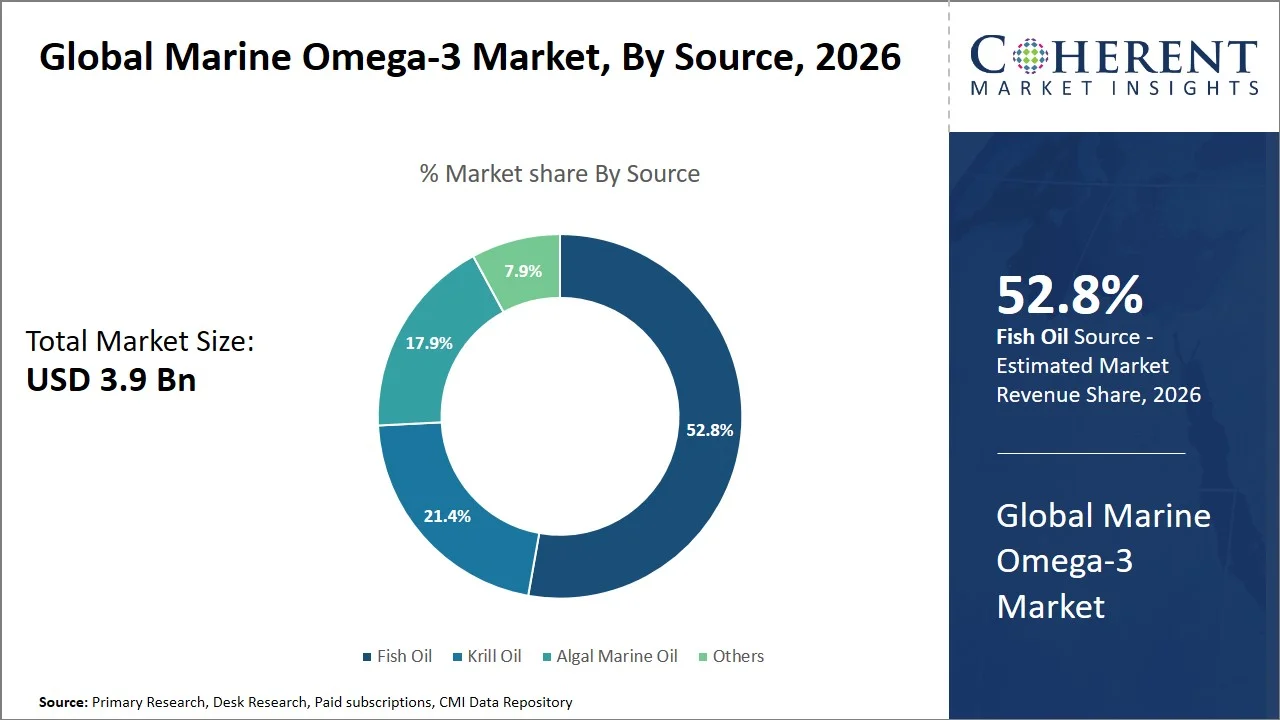
Why Does Fish Oil Dominate the Global Marine Omega-3 Market?
Fish oil is projected to hold the market share of 52.8% in 2026, due to its profuse supply from species such as anchovies, sardines, and mackerel, providing a stable and economical source of both Eicosapentaenoic Acid (EPA) and Docosahexaenoic Acid (DHA). Furthermore, fish oil's established health benefits for the human body in terms of cardiovascular and cognitive health have become widely recognized through numerous clinical trials making this the consumer point of reference when purchasing omega-3. The emergence of higher quality and safer purchase concepts achieved through new developments in fish oil purification and refining technology also assures continued use.
A manufacturer trend for the implementation of sustainable fishing and traceability practices is also restoring consumer confidence in fish oil-based omega-3 products for the future. For instance, in March 2025, Innovaoleo (Natac's omega-3 division) introduced Omega 3 Star, a premium fish oil ingredient designed to meet the needs of food, nutraceutical and pet nutrition markets, illustrating the surging demand for high-quality Eicosapentaenoic Acid (EPA) and Docosahexaenoic Acid (DHA)-rich omega-3 products. (Source: Natac Natural Ingredients, S.A.)
- Current Industry Events of 2026
- Market Size Estimation
- Regional Breakdown
- Competitive Landscape
- Customer Intelligence
- Segmental Analysis
- Pricing Analysis
- Key Market Drivers, Challenges & Future Trends
- Customized Insights Section
Why Do Triglycerides Represent the Largest Form Segment in the Marine Omega-3 Market?
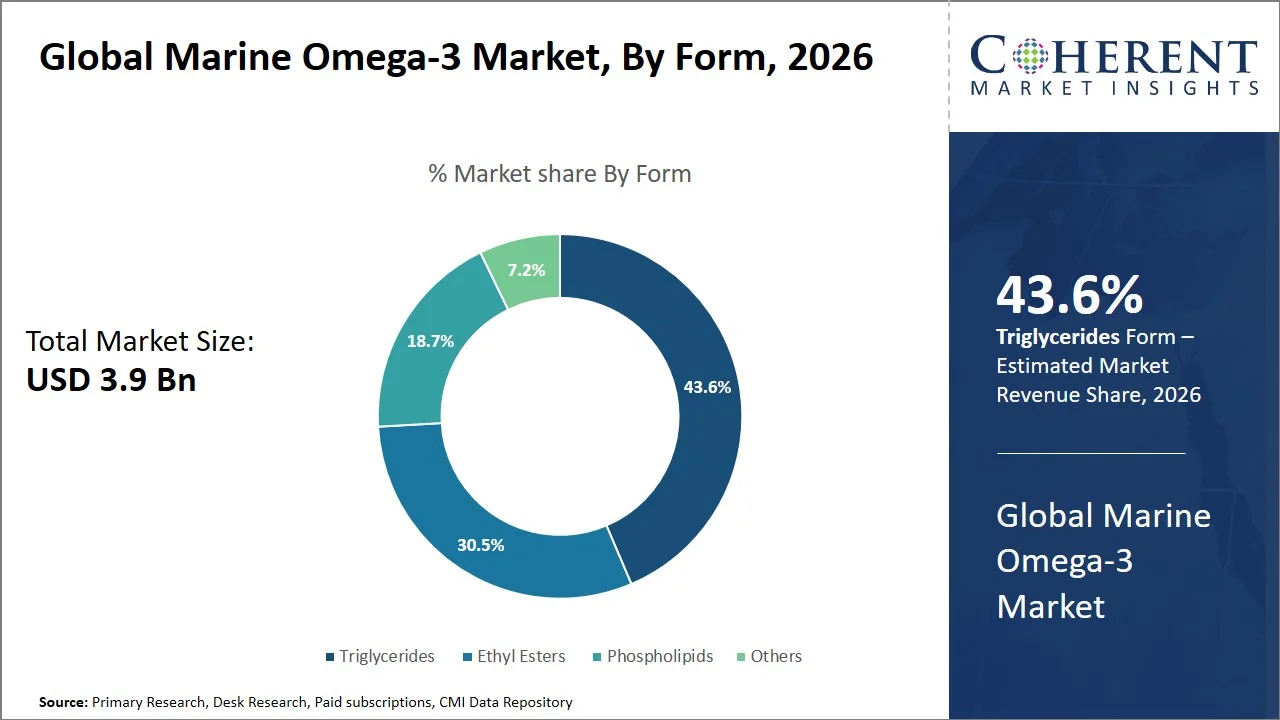
Triglycerides are projected to hold a market share of 43.6% in 2026, because they are similar to the natural form of fish omega-3 fatty acids-often marketed as “fish body oils". This leads to better absorption rates and bio-availability of Eicosapentaenoic Acid (EPA) and Docosahexaenoic Acid (DHA) and in ensuring that the product delivers its claimed health benefits. The increasing consumer trend towards seeking out natural, efficacious supplements has bolstered demand for triglyceride-based products, especially in premium nutrition and therapeutic sectors.
Innovation through improved re-esterification and encapsulation methods is also improving efficacy, consumer compatibility and investment stream of these products. For instance, in April 2026, Fermentalg introduced 0MEGA RIGINSEPA/DHA, two concentrated omega-3 ingredients targeted at dietary supplements and functional foods, thereby continuing the paradigm of increasing omega-3 concentrate potency and bioavailability and nutritional performance with new formulation technologies. (Source: Fermentalg)
Dietary Supplements Segment Dominates the Global Marine Omega-3 Market
The dietary supplements segment is projected to hold a market share of 41.2% in 2026, due to the growing consumer interest in preventive health management, heart and mental health, age management and wellness-oriented solutions. Growing recognition about the health benefits of Eicosapentaenoic Acid (EPA) and Docosahexaenoic Acid (DHA), readily available through the retail and online channels, will continue to support growth. Also, for omega-3, this premium segment continues to grow, as a result of product innovation, amino nutrition trends and consumers' desire for simple daily health and wellness practices. Additionally, regulatory oversight helps enhance consumer confidence in the quality and safety of omega-3 dietary supplements.
For instance, the U.S. FDA issued guidance on dietary supplements to define regulatory obligations for establishing ingredients safety and transparency. This guidance is anticipated to benefit consumers by fostering confidence as well as the creation of high-quality, regulation compliant Omega-3 supplement products. (Source: Food and Drug Administration)
Currents Events and their Impact
Current Events | Description and its Impact |
European Union Reinforces Sustainable Fisheries Management Under the Common Fisheries Policy (December 2025) |
|
China Releases 37 National Food Safety Standards for Public Consultation (May 2026) |
|
(Source: European Commission, U.S. Department of Agriculture
Marine Omega-3 Market Dynamics
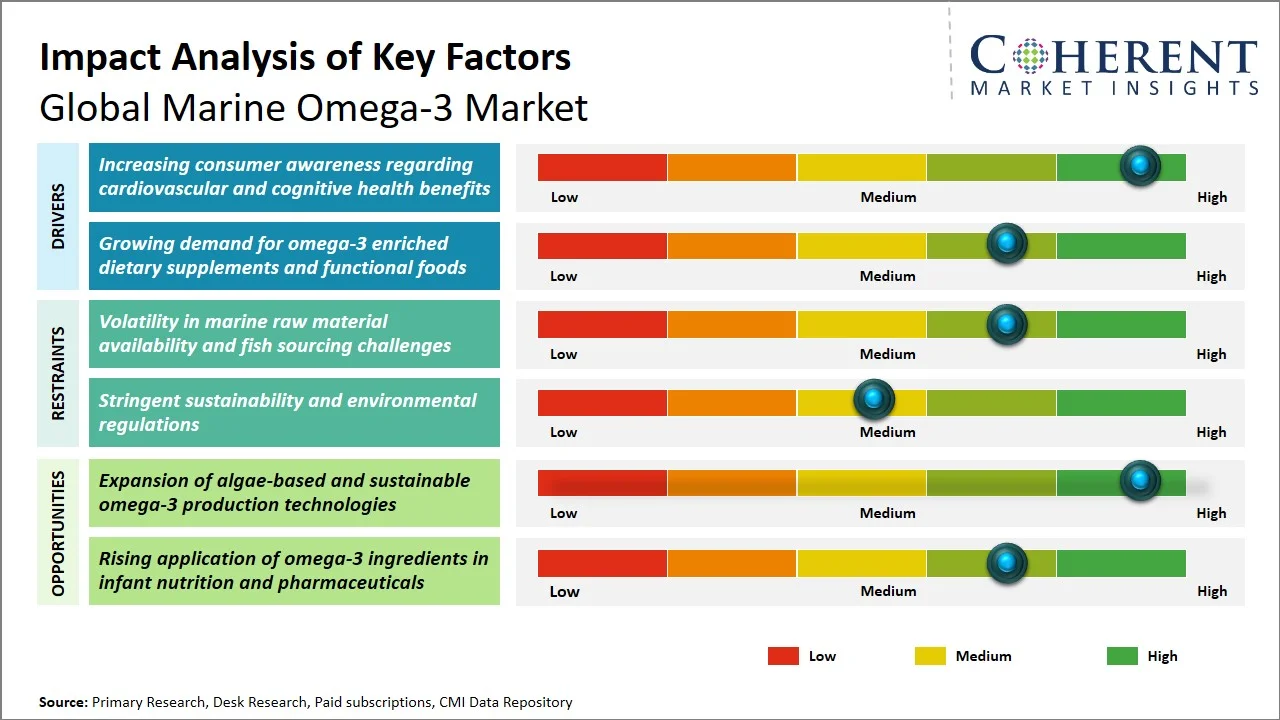
Market Drivers
- Increasing consumer awareness regarding cardiovascular and cognitive health benefits: The rising awareness of cardiovascular disease and age-induced cognitive loss is leading consumers to add supplementations containing Eicosapentaenoic Acid (EPA) and Docosahexaenoic Acid (DHA) to their everyday health maintenance regimes. In addition, increased use of personalized healthcare and recommendations by doctors are surging the demand of marine omega-3 products. This is also sustained by further research and development and the roll-out of health education programs. For instance, Global Omega-3 Day, an annual event organized by the Global Organization for EPA and DHA Omega-3s (GOED), is a wide-reaching campaign to promote the importance of omega-3 fatty acids and support people to incorporate more EPA and DHA via diet and supplements. (Source: Awareness Days)
- Growing demand for omega-3 enriched dietary supplements and functional foods: In general, the global marine omega-3 market has witnessed a rising progression owing to the elevated consumption of omega-3 enhanced dietary supplements and functional foods. Increasing health consciousness among consumers for better preventions to support developmental and growth needs such as nutrition. Consumers have become more inclined toward healthy lifestyle owing to the emerging demands of omega-3 fortified beverages, snack bars, dairy products and nutritional supplements. Increase in consumption is a major trend for Omega-3 products Sattributed to the launched innovations of new delivery forms such as vegetarian soft gums, soft gels, frozen foods and fortified items thus increasing consumer accessibility. For instance, in August 2024, NOW Foods announced the launch of its new Omega-3 Gummy Chews, a part of its growing range of easy-to-use, consumer oriented functional food and dietary supplement products. The product launch was in response to increasing consumer awareness of the benefits of omega-3 enriched functional foods. (Source: NOW Foods)
Emerging Trends
- Rise of Algae-Based Omega-3 Alternatives: Rising concerns about the ecological sustainability of the world's marine resources along with the rising popularity of vegetarian/vegan supplements is leading to the increased use of algae-derived Omega-3 commodities. This has led manufacturers to invest heavily in microalgae production processes in order to offer Eicosapentaenoic Acid (EPA) and Docosahexaenoic Acid (DHA) alternatives to the traditional fish sources.
- Expansion of Personalized Nutrition and Functional Foods: Marine omega-3 ingredients are finding use in personalized nutritional products, functional drinks, fortify foods and specific targeted health supplements. Consumers are demanding personalized solutions for all aspects of heart, brain, eye and cognitive health that compel brands to create bespoke omega-3 products with continued improved bioavailability.
Regional Insights
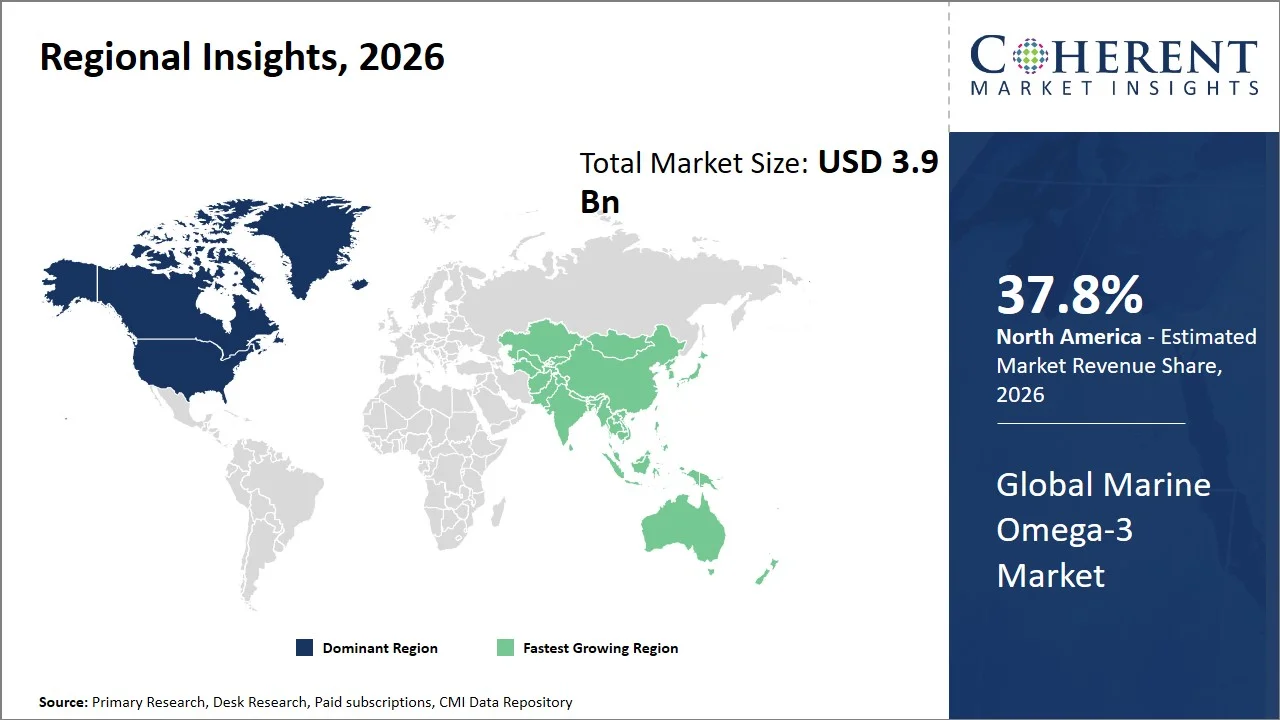
Why is North America a Strong Market for Marine Omega-3?
North America leads the global marine omega-3 market, accounting for an estimated 37.8% share in 2026, attributed to well-established clinical nutrition industry and extensive usage of omega-3 ingredients in branded functional foods for cardiovascular, prenatal and cognitive care. The presence of ingredients suppliers, contract manufacturers and health food pioneers producing high potency Eicosapentaenoic Acid (EPA) and Docosahexaenoic Acid (DHA) products translate into a healthy market for omega-3 ingredients. The innovation around sustainable and clinical proven omega-3 products also accelerate premium trends.
For instance, in March 2026, Dsm-Firmenich announced the completion of a USD 10 million modernization of its Schenectady (NY, US) plant, which was converted into the premiere premix center of the Americas, enhancing regional capacity of nutritional ingredients solutions (Source: DSM-Firmenich). Consequently, the market is likely to sustain as a major contribution to marine omega-3 products manufacturers' revenue owing to continual product innovation and formulation strength, and rising consumer acceptance of high purity Eicosapentaenoic Acid (EPA) and Docosahexaenoic Acid (DHA) ingredients.
Why Does Asia Pacific Marine Omega-3 Market Exhibit High Growth?
The Asia pacific marine omega-3 market is expected to exhibit the fastest growth with an estimated contribution of 25.6% share to the global market in 2026, owing to the rapidly growing nutraceutical and functional food markets in the region and the use of Omega-3 ingredients in infant nutrition and fortified food products. Expanding urbanization, investments in aquaculture and marine biotechnology and nutritional ingredients manufacturing also play a key role in bolstering regional demand. Meanwhile, the sprawling consumer markets and shifting habits to seek out healthier food choices is also fuelling the growth within the region.
For instance, in January 2026, Aker Bio Marine grew its reach in India through a joint venture with G.C. Chemie Pharmie to further its availability of the company’s omega-3 products such as Superba Krill Oil and algae-based Docosahexaenoic Acid (DHA). The joint venture was designed to address the increasing consumer interest for natural, sustainably derived omega-3 ingredients within the Indian nutraceutical industry. (Source: Nutrition Insight)
Global Marine Omega-3 Market Outlook for Key Countries
Why is the U.S. Leading Innovation and Adoption in the Marine Omega-3 Market?
The U.S. is at the forefront of technological adoption and development in the marine omega-3 market, owing to the presence of premium nutraceutical brands (such as Nordic Naturals, Nature Made, Carlson Labs, NOW Foods, and Life Extension), sophisticated omega-3 formulation capabilities and an ecosystem of ingredient vendors and contract manufacturers. The industry has seen increased consumer interest around high-concentration Eicosapentaenoic Acid (EPA) and Docosahexaenoic Acid (DHA) formulations, enteric-coated soft gels, and targeted formulations for cardiovascular, cognitive, prenatal and healthy aging applications. Additionally, ongoing product differentiation through improvements in bioavailability, purity and sustainability claims of products has enabled the U.S. in leading marine omega-3 innovations.
Is Japan a Favorable Market for Marine Omega-3 Market?
Japan is an attractive market for marine omega-3 with its rich history of seafood intake, well-developed consumer awareness of omega-3 health benefits, and mature functional food and dietary supplement markets. The country has a mature market for products designed to promote healthy aging, cardiovascular health and cognitive health – three core areas of application for marine omega-3 ingredients. Japanese consumers are very eager for high quality products that are pure with scientifically backed health claims, generating high demand for high grade Eicosapentaenoic Acid (EPA) and Docosahexaenoic Acid (DHA)- based products.
Is China Emerging as a Key Growth Hub for the Marine Omega-3 Market?
The marine omega-3 market is a key growth hub in China due to the surging demand for dietary supplements and functional food products, as well as a rising awareness of health awareness for preventive care leading to more demand for omega-3 products specifically for cardio health, brain development and healthy aging among the urban middle class. Furthermore, the country's expanding nutraceutical manufacturing base and the rising acceptance of omega-3 ingredients in infant food and fortified food products is also factors for the coming growth in the country and attracting import interest of marine omega-3 suppliers.
Why Does Germany Top the European Marine Omega-3 Market?
Germany is expected to remain the largest consuming country in Europe for marine omega-3 due to the country's sizeable population of dietary supplement consumers, established sector of nutraceutical manufacturing, and robust demand for clinically proven healthy aging, cognitive, and cardiovascular health products, all key application areas for marine omega-3 ingredients. German consumers are highly motivated to purchase premium nutrition products sourced to the highest quality standards, creating many opportunities for full time high-purity Eicosapentaenoic Acid (EPA) and Docosahexaenoic Acid (DHA) formulations in dietary supplements and functional nutrition products.
Is Marine Omega-3 Market Developing in India?
India is emerging as a lucrative market for marine omega-3 products attributed to the health awareness, boom in dietary supplement consumption and growing predilection towards preventive healthcare. Growing consumer awareness has spurred the use of omega-3 in cardiovascular and prenatal care, cognitive health and sports and fitness nutrition spaces, primarily in urban markets, while the thriving nutraceutical industry, rising e-commerce penetration and mushrooming availability of omega-3-enriched foods are acting as growth catalysts for marine omega-3 ingredients across supplement as well as functional foods.
Regulatory Landscape Governing the Global Marine Omega-3 Market
Region
| Authority & Classification | Approval Pathway | Key Regulatory Insight |
North America | U.S. Food and Drug Administration (FDA); Marine omega-3 products are regulated as Dietary Supplements under DSHEA, foods, or prescription drugs depending on intended use. | Dietary supplement manufacturers must comply with Current Good Manufacturing Practices (cGMPs) and ingredient notification requirements; prescription omega-3 products require NDA approval. | FDA permits qualified health claims linking EPA and DHA omega-3 fatty acids with reduced risk of coronary heart disease, supporting product commercialization and consumer adoption. |
Europe | European Food Safety Authority (EFSA) and European Commission (EC); Marine omega-3 products are classified as foods, food supplements, or novel foods. | Products must comply with the Food Supplements Directive, Novel Food Regulation (where applicable), and EFSA scientific assessment for health claims. | EFSA-approved health claims for EPA and DHA related to heart, brain, and vision health support market growth while maintaining stringent quality and labeling standards. |
Asia Pacific | State Administration for Market Regulation (SAMR, China), Consumer Affairs Agency (CAA, Japan), Food Safety and Standards Authority of India (FSSAI). | Approval pathways vary by country and may include registration of health foods, functional foods, or dietary supplements with supporting safety and efficacy data. | Japan's FOSHU and Foods with Function Claims (FFC) frameworks, along with expanding nutraceutical regulations across China and India, are promoting adoption of marine omega-3 products. |
Latin America | ANVISA (Brazil), COFEPRIS (Mexico); Marine omega-3 products are generally regulated as food supplements or functional foods. | Manufacturers must comply with local product registration, labeling, safety, and import requirements before commercialization. | Regulatory modernization and growing harmonization of dietary supplement standards are improving market access for omega-3 products across the region. |
Middle East & Africa | Saudi Food and Drug Authority (SFDA), UAE Ministry of Health & Prevention (MOHAP), and other national regulatory authorities. | Products are typically regulated as food supplements and require product registration, ingredient review, and labeling compliance prior to market entry. | Rising regulatory focus on dietary supplement quality, safety, and product traceability is encouraging the adoption of internationally certified marine omega-3 ingredients. |
How is the expansion of algae-based and sustainable omega-3 production technologies creating new growth opportunities in the marine omega-3 market?
With the emergence and commercialization of algae-based and other sustainable omega-3 production technologies, there is an enormous growth opportunity for the marine omega-3 market, as these innovations will decrease dependence on limited fishery resources and ensure sustainable long-term supply. Increasing synthesization of Eicosapentaenoic Acid (EPA) and Docosahexaenoic Acid (DHA) at high purities with new technologies will allow Omega3s manufacturers to continually improve their capabilities around traceability, consistency and production at a lower environmental impact.
Amplified consumer recognition and choice will be further driven by an increase in demand for sustainable environmentally friendly nutrition solutions. Adoption rates of algae-derived Omega3 ingredients into dietary supplements, functional foods and aquaculture will continue to rise as technology breakthroughs improving commercial scale and efficiency is enhanced. For instance, Veramaris increased production of its algae oil by 61% in 2024 while reducing its absolute greenhouse gas emissions by 5.6%, highlighting the sustainability benefits, and commercial scalability of algae-derived omega-3 production. (Source: Global Seafood Alliance)
Market Players, Key Development, and Competitive Intelligence
Key Developments
- In April 2026, dsm-firmenich introduced the new Veramaris O3 Max Pure at Petfood Forum 2026 offering a more sustainable solution to conventional fish oil ingredients. This is targeted at supplementing marine omega-3 nutrition to reduce reliance on traditional fish-derived ingredients.
- In July 2024 KD Pharma Group acquired marine lipids business (dsm-firmenich) of her counterpart-dsm-firmenich. The acquisition will surely enhance the company‚s ability to offer a complete portfolio of marine derivates of essential omega-3 fatty acids.
Competitive Landscape
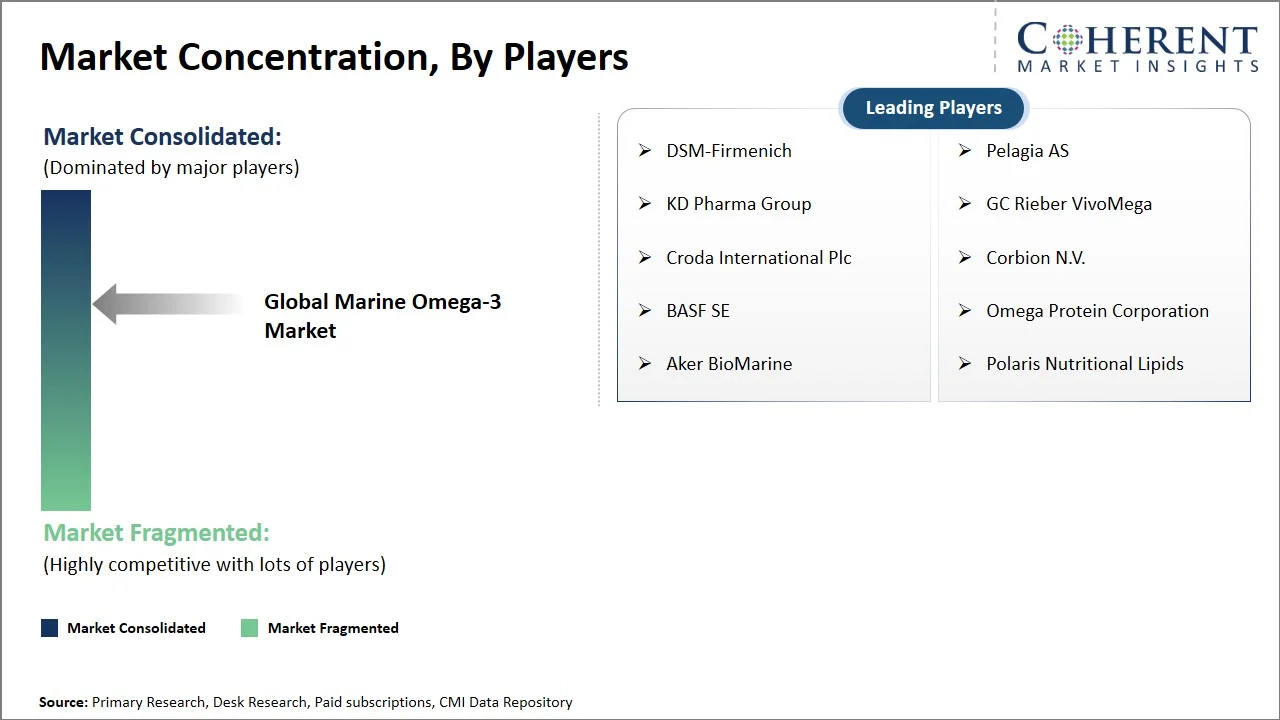
The global marine omega-3 market is moderately competitive, with dominant players such as distributors and manufacturers focusing on improving product offering by emphasizing on eco-design, high grade of omega-3 products, and progressively adopting innovative extraction technology to consolidate their market share. The manufacturers and distributors are expanding their existing research & development efforts by adopting fishery certification schemes, development of aquatic plant-based substances and concentration technology derived from the breakthrough Eicosapentaenoic Acid (EPA) and Docosahexaenoic Acid (DHA) levels as well as adhering to environmental norms, quality norms and fishery compliance norms. Collaboration initiatives with fisheries, aquaculture, nutraceutical and research organizations are propelling product innovation and commercialization. Key focus areas include:
- Development of high-concentration EPA and DHA ingredients
- Expansion of sustainable sourcing initiatives, including certified fisheries and traceable marine supply chains
- Integration of advanced extraction, purification, and microencapsulation technologies
- Strategic partnerships with nutraceutical companies, aquaculture producers, and research organizations
- Investments in alternative marine omega-3 sources, including algae-derived ingredient
Market Report Scope
Marine Omega-3 Market Report Coverage
| Report Coverage | Details | ||
|---|---|---|---|
| Base Year: | 2025 | Market Size in 2026: | USD 3.9 Bn |
| Historical Data for: | 2020 To 2024 | Forecast Period: | 2026 To 2033 |
| Forecast Period 2026 to 2033 CAGR: | 8% | 2033 Value Projection: | USD 6.7 Bn |
| Geographies covered: |
| ||
| Segments covered: |
| ||
| Companies covered: | DSM-Firmenich, Pelagia AS, KD Pharma Group, GC Rieber VivoMega, Croda International Plc, Corbion N.V., BASF SE, Omega Protein Corporation, Aker BioMarine, and Polaris Nutritional Lipids | ||
| Growth Drivers: |
| ||
| Restraints & Challenges: |
| ||
Analyst Opinion (Expert Opinion)
- In the coming years, marine omega-3 products are anticipated to become a major segment of the preventive health care and healthy aging markets, driven by Food & Drug Administration (FDA) and health professionals’ endorsement of substantiated nutritional therapeutics. As consumer awareness builds around the benefits of scientifically supported nutritional ingredients, innovative marine omega-3 generation will hit the mainstream health products sector through new formulations for pharmaceuticals, functional foods and medical nutrition.
- The maximum opportunity for growth is foreseen within dietary supplements and functional nutrition markets in Asia Pacific, especially in China and India, where disposable incomes and middle-class population is growing, along with both health consciousness and demand for products containing omega-3s. However, higher end EPA- and DHA-heavy products designed to promote cardiovascular, cognitive and aging health should perform well in North America and Europe.
- In order to secure a competitive advantage, the market players must focus on developing highest purity, clinically verified omega-3 formulas along with superior sustainability attributes, including certification and traceability of sources. Other key steps include R&D investments for concentration and microencapsulation technologies, addition of Algae-based Omega-3s to the portfolio, and partnering with nutraceutical brands, hospitals and research organizations.
Speak to the analyst
Want personalized insights?
Take the findings above to one of our principal consultants, or have the report rebuilt around the segments, geographies and competitors you actually track.
Market Segmentation
- Source Insights (Revenue, USD Bn, 2021 - 2033)
- Fish Oil
- Krill Oil
- Algal Marine Oil
- Others
- Form Insights (Revenue, USD Bn, 2021 - 2033)
- Triglycerides
- Ethyl Esters
- Phospholipids
- Others
- Application Insights (Revenue, USD Bn, 2021 - 2033)
- Dietary Supplements
- Pharmaceuticals
- Functional Food and Beverages
- Infant Nutrition
- Animal Nutrition
- Distribution Channel Insights (Revenue, USD Bn, 2021 - 2033)
- Pharmacies and Drug Stores
- Supermarkets and Hypermarkets
- Specialty Stores
- Online Retail
- Regional Insights (Revenue, USD Bn, 2021 - 2033)
- North America
- U.S.
- Canada
- Latin America
- Brazil
- Argentina
- Mexico
- Rest of Latin America
- Europe
- Germany
- U.K.
- Spain
- France
- Italy
- Russia
- Rest of Europe
- Asia Pacific
- China
- India
- Japan
- Australia
- South Korea
- ASEAN
- Rest of Asia Pacific
- Middle East
- GCC Countries
- Israel
- Rest of Middle East
- Africa
- South Africa
- North Africa
- Central Africa
- North America
- Key Players Insights
- DSM-Firmenich
- Pelagia AS
- KD Pharma Group
- GC Rieber VivoMega
- Croda International Plc
- Corbion N.V.
- BASF SE
- Omega Protein Corporation
- Aker BioMarine
- Polaris Nutritional Lipids
Sources
Primary Research Interviews
- Marine omega-3 ingredient manufacturers and fish oil processing companies involved in EPA and DHA production
- Nutraceutical product developers and formulation specialists utilizing marine omega-3 ingredients
- Clinical nutrition experts and healthcare professionals assessing omega-3 efficacy in cardiovascular and cognitive health applications
- Aquaculture and fisheries industry stakeholders engaged in sustainable marine resource management
- Regulatory and quality assurance professionals overseeing omega-3 product compliance and certification standards
Stakeholders
- Marine omega-3 ingredient manufacturers and suppliers
- End-use Sectors:
- Dietary supplements and nutraceuticals
- Functional foods and beverages
- Infant nutrition products
- Pharmaceuticals and prescription omega-3 therapies
- Animal nutrition and aquaculture feed manufacturers
- Regulatory & Health Bodies: U.S. Food and Drug Administration (FDA) – omega-3 health claims and dietary supplement regulations, European Food Safety Authority (EFSA) – scientific opinions on EPA and DHA health benefits, Food Standards Australia New Zealand (FSANZ) – omega-3 food fortification and labeling regulations, Health Canada – natural health product and omega-3 supplement regulations, Food and Agriculture Organization (FAO) – fisheries, aquaculture, and marine resource statistics
Databases
- FAO Fisheries and Aquaculture Statistics Database
- FDA Food and Dietary Supplement Databases
- European Commission Food Safety and Nutrition Database
- OECD Health Statistics – nutrition, healthcare expenditure, and preventive health data
- UN Comtrade Database – fish oil, marine oils, and omega-3 ingredient trade statistics
Magazines
- Nutraceutical Business Review
- Nutrition Industry Executive
- Nutritional Outlook
- FoodNavigator
- Natural Products Insider
Journals
- Prostaglandins, Leukotrienes and Essential Fatty Acids (PLEFA)
- Journal of Nutritional Biochemistry
- Nutrients
- The American Journal of Clinical Nutrition
Newspapers
- Financial Times – nutrition and healthcare industry developments
- The Wall Street Journal – dietary supplement and consumer health trends
- The New York Times (Health Section) – nutrition and wellness developments
- The Guardian (Health & Environment Section) – sustainable fisheries and marine resource policies
Associations
- Global Organization for EPA and DHA Omega-3s (GOED)
- Council for Responsible Nutrition (CRN)
- Marine Stewardship Council (MSC)
- International Alliance of Dietary/Food Supplement Associations (IADSA)
- National Fisheries Institute (NFI)
Public Domain Sources
- National Institutes of Health (NIH) Office of Dietary Supplements – omega-3 fatty acid research
- Centers for Disease Control and Prevention (CDC) – cardiovascular health and nutrition statistics
- Food and Agriculture Organization (FAO) – fisheries and aquaculture production data
- European Commission Directorate-General for Health and Food Safety
- World Health Organization (WHO) – nutrition and non-communicable disease statistics
Proprietary Elements
- CMI Data Analytics Tool
- Proprietary CMI Existing Repository of information for last 10 years.
Get access to 250+ pages report
Every segment, forecast, competitor profile and data table behind the analysis above — available for instant download.
- ESOMAR Member
- ISO 9001:2015 Certified
- D-U-N-S Registered
- GDPR & CCPA Compliant
Missing comfort of reading report in your local language? Find your preferred language:
Transform your Strategy with Exclusive Trending Reports
Frequently Asked Questions
The global marine omega-3 market is estimated to be valued at USD 3.9 Bn in 2026 and is expected to reach USD 6.7 Bn by 2033.
The CAGR of global marine omega-3 market is projected to be 8 % from 2026 to 2033.
Increasing consumer awareness regarding cardiovascular and cognitive health benefits, and growing demand for omega-3 enriched dietary supplements and functional foods are the major factors driving the growth of the global marine omega-3 market.
Volatility in marine raw material availability and fish sourcing challenges, and stringent sustainability and environmental regulations are the major factors hampering the growth of the global marine omega-3 market
In terms of form, triglycerides are estimated to dominate the market revenue share in 2026.
DSM-Firmenich, Pelagia AS, KD Pharma Group, GC Rieber VivoMega, Croda International Plc, Corbion N.V., BASF SE, Omega Protein Corporation, Aker BioMarine, and Polaris Nutritional Lipids are the major players.
North America is expected to lead the global marine omega-3 market in 2026.